MENU
Close





The screen glows. A woman smiles, but her eyes stay flat. She cries, yet her forehead remains smooth as glass. Something feels wrong, though you might struggle to name exactly what. The performance reads as hollow as the emotion lands at a distance, and you find yourself watching an actress work harder to convey what her face can no longer express. Welcome to modern cinema, where the pursuit of ageless beauty are slowly but surely becoming a catastrophe for the art of acting itself.
The screen glows. A woman smiles, but her eyes stay flat. She cries, yet her forehead remains smooth as glass. Something feels wrong, though you might struggle to name exactly what. The performance reads as hollow as the emotion lands at a distance, and you find yourself watching an actress work harder to convey what her face can no longer express. Welcome to modern cinema, where the pursuit of ageless beauty are slowly but surely becoming a catastrophe for the art of acting itself.
October 28, 2025
Advertisement

Advertisement



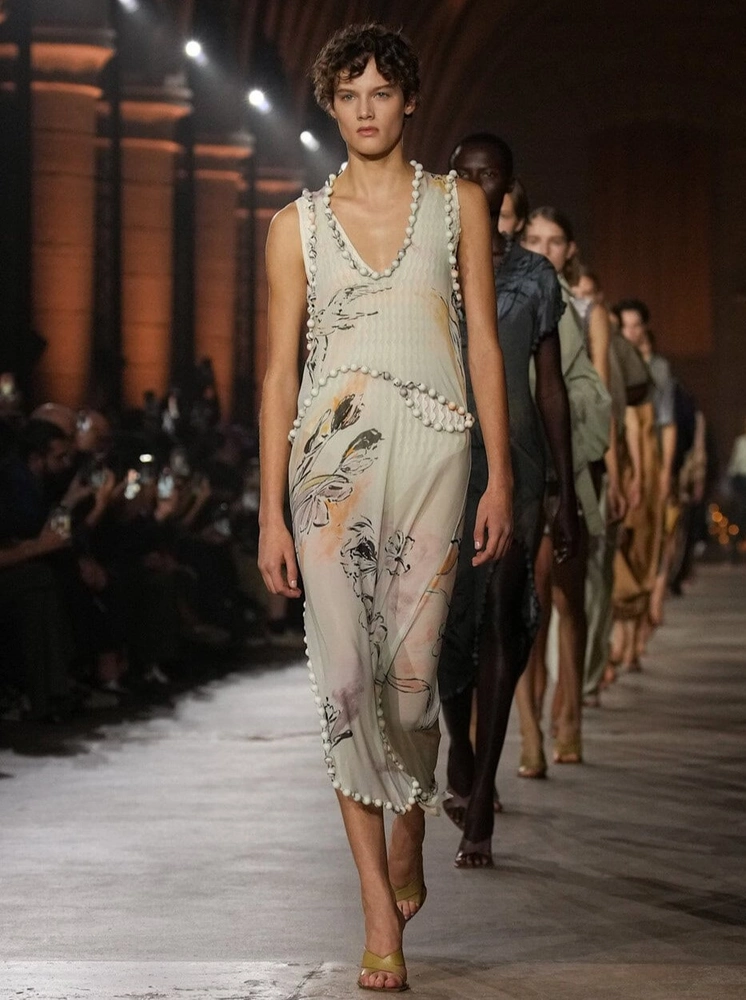
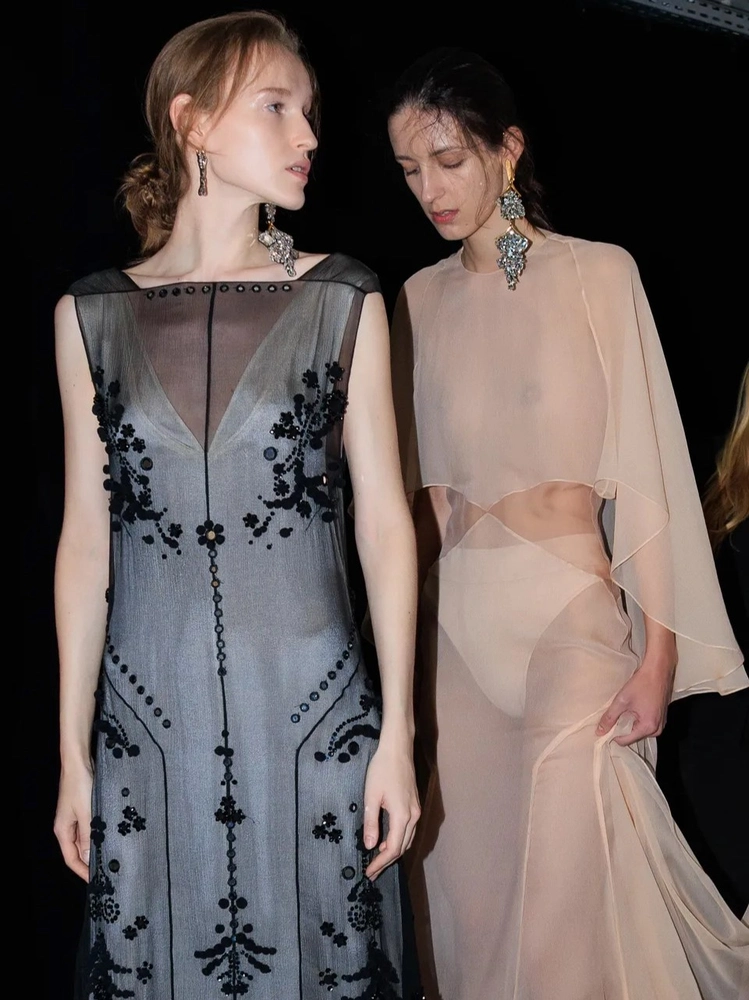
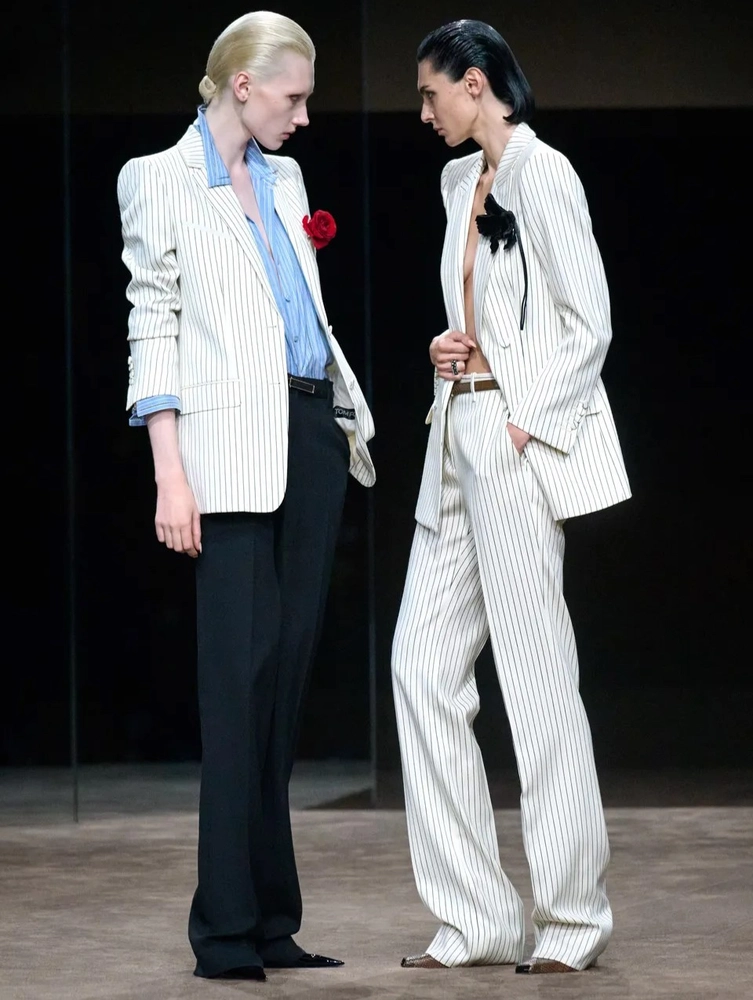
When Wicked premiered, viewers flooded social media with a peculiar complaint: they loved the film but found themselves distracted by faces that barely moved. The same conversation erupted after Netflix's Nobody Wants This, where audiences praised the writing yet felt oddly disconnected from characters whose features remained strangely static, almost mask-like in their stillness. The issue has become so pervasive that discussing cosmetic procedures feels less like gossip and more like film criticism, a necessary vocabulary for understanding what we're actually seeing on screen.
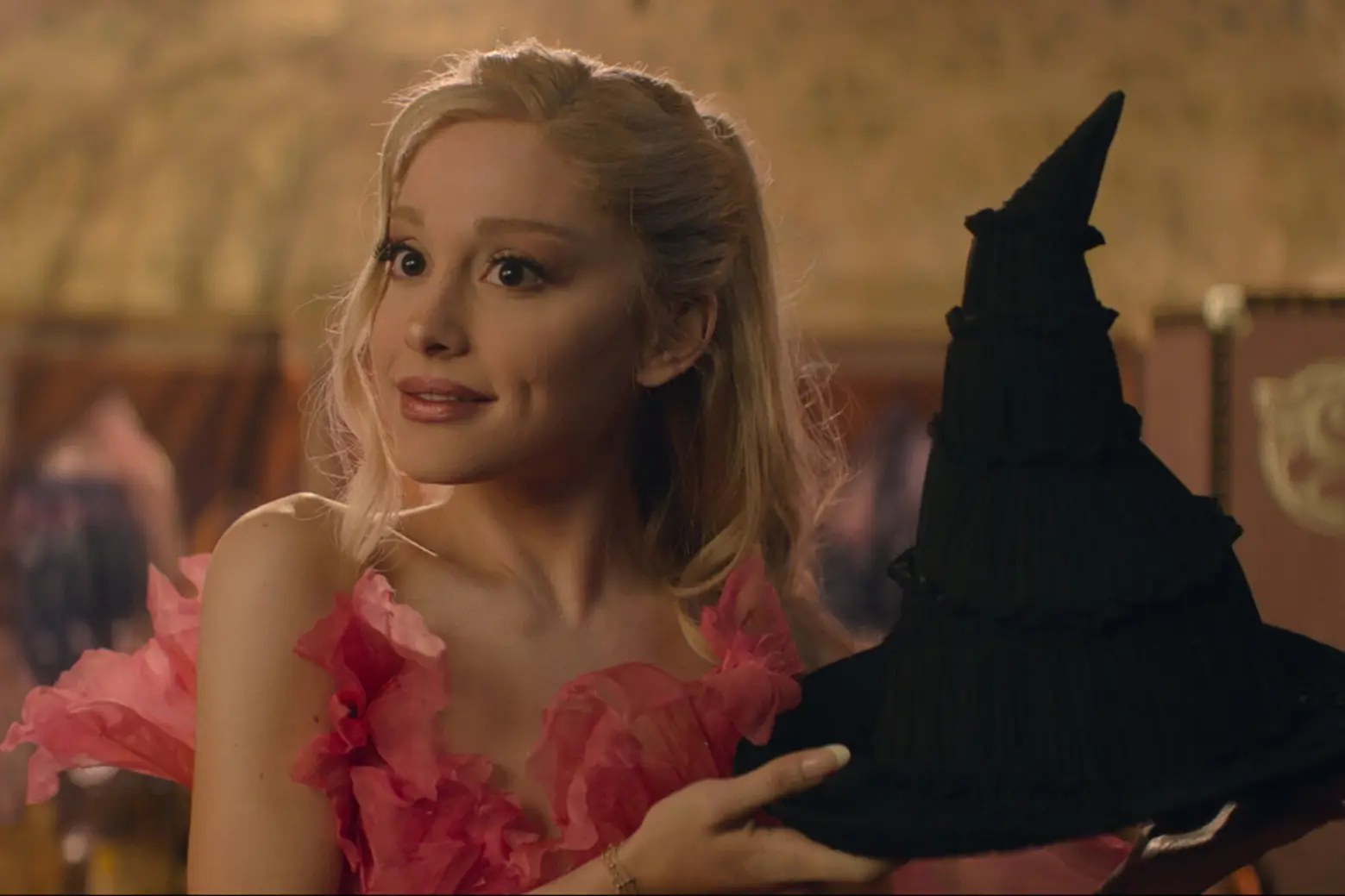
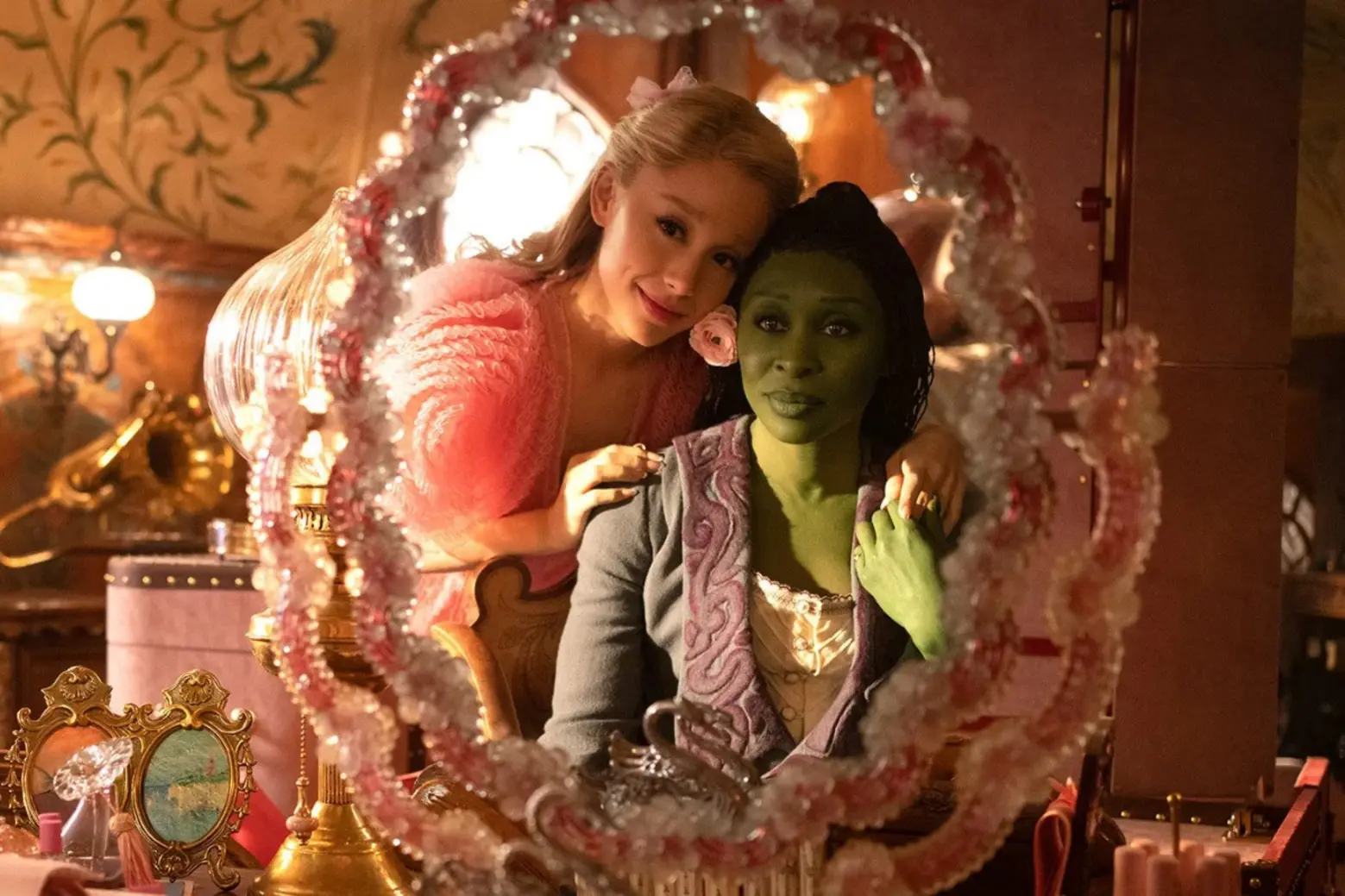
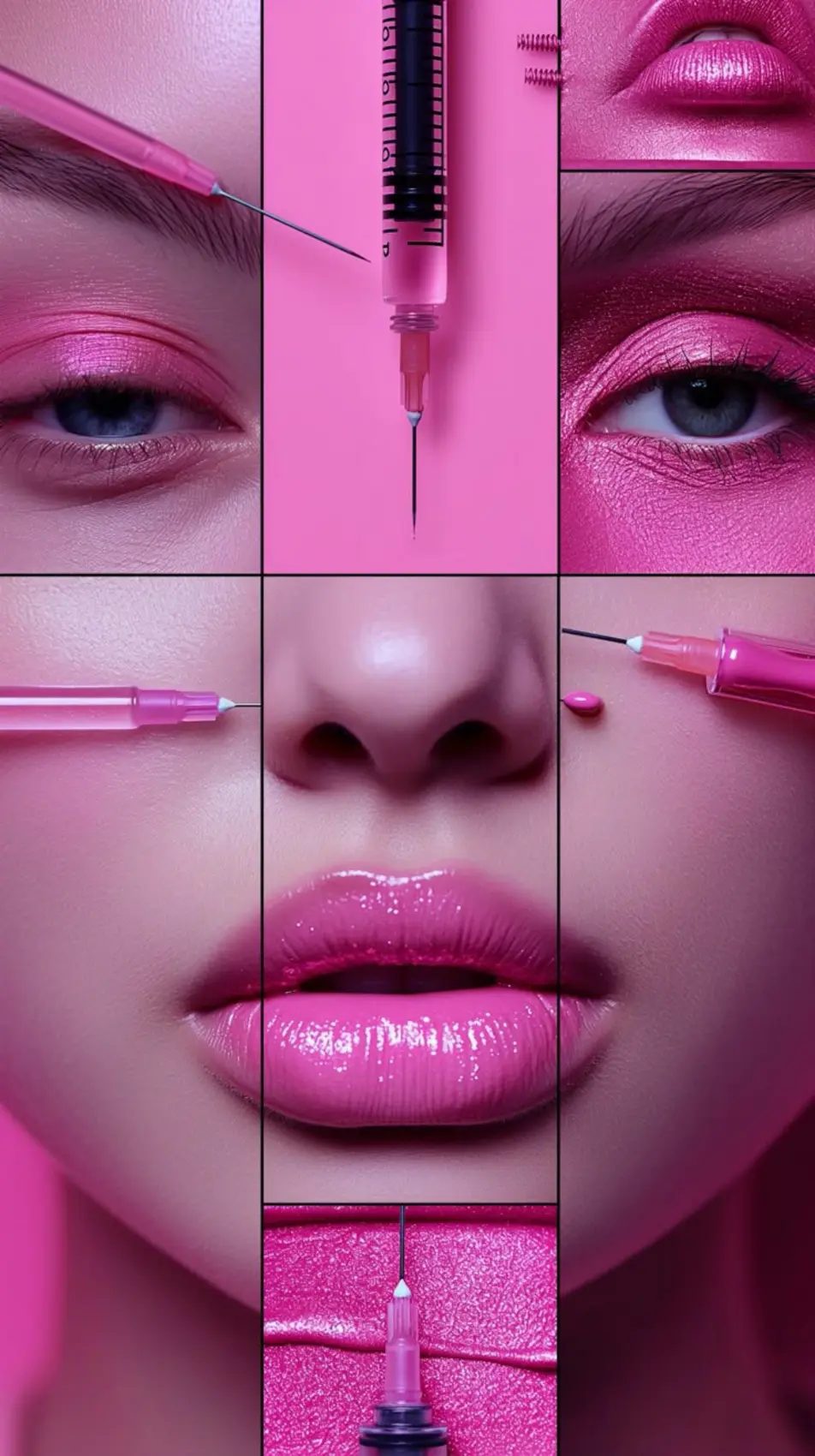
Botox works by injecting botulinum toxin into facial muscles, temporarily paralyzing them by blocking the release of acetylcholine, the neurotransmitter responsible for muscle contraction. The result: wrinkles smooth out, crow's feet vanish, foreheads freeze into perpetual calm. What also disappears are the microexpressions that form cinema's most intimate language - the tiny flickers of doubt, the subtle tightening around the eyes that signals genuine joy, the involuntary furrow that betrays a character's true feelings even when their words say otherwise.


Dakota Johnson's turn in Persuasion became a flashpoint for this tension. Beyond the film's other shortcomings, audiences struggled to believe her character belonged in Austen's 19th century England. Critics coined the term "iPhone face" to describe the problem: a visage so thoroughly shaped by contemporary beauty standards that historical immersion became impossible. The cosmetic interventions meant to preserve beauty ended up destroying believability, turning what should have been emotional intimacy into an uncanny valley of smooth foreheads and frozen expressions.


Research into Botox's psychological effects reveals consequences far darker than aesthetics alone. Studies published in Scientific Reports demonstrate that paralyzing facial muscles impairs emotional recognition by disrupting our ability to mimic others' expressions.
When we see someone smile, our faces unconsciously mirror that smile, a process called embodied cognition that helps us understand what the other person feels. Botox severs this connection. People treated with botulinum toxin perform significantly worse at reading subtle emotional cues, particularly with expressions like anger and sadness that require frowning muscles.
The implications extend beyond simple recognition. Facial feedback theory suggests that our expressions actively shape our emotional experience, which means limiting your ability to frown might reduce your capacity to fully feel or comprehend negative emotions. Martin Scorsese recognized this problem nearly two decades ago when he began complaining that actresses could no longer use their faces to convey anger, fear, or the full spectrum of human feeling. What the legendary director intuited, neuroscience has since confirmed: the "pretty poison," as botulinum toxin was once called, trades fleeting youth for something far more valuable—the raw material of performance itself.
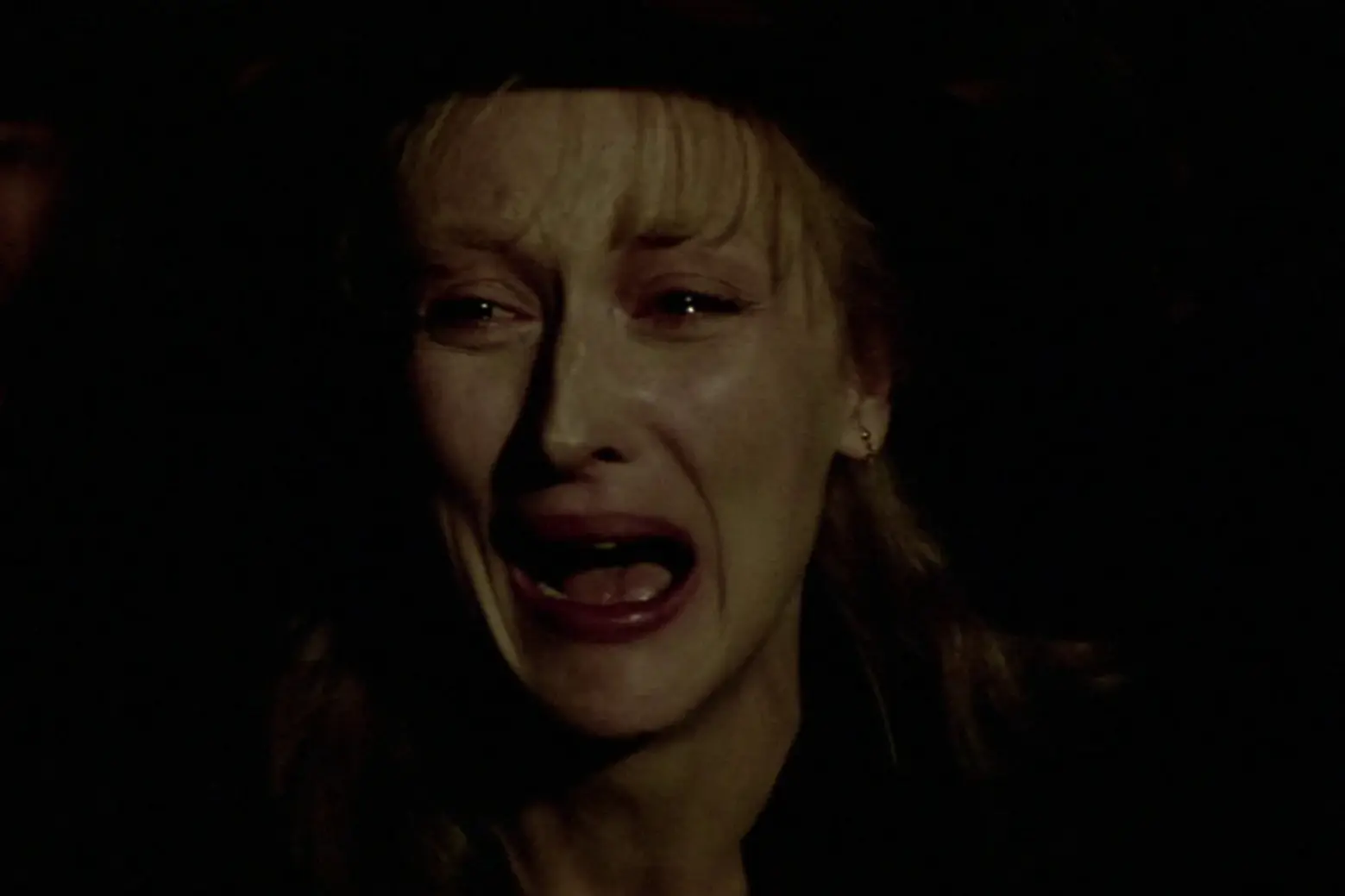
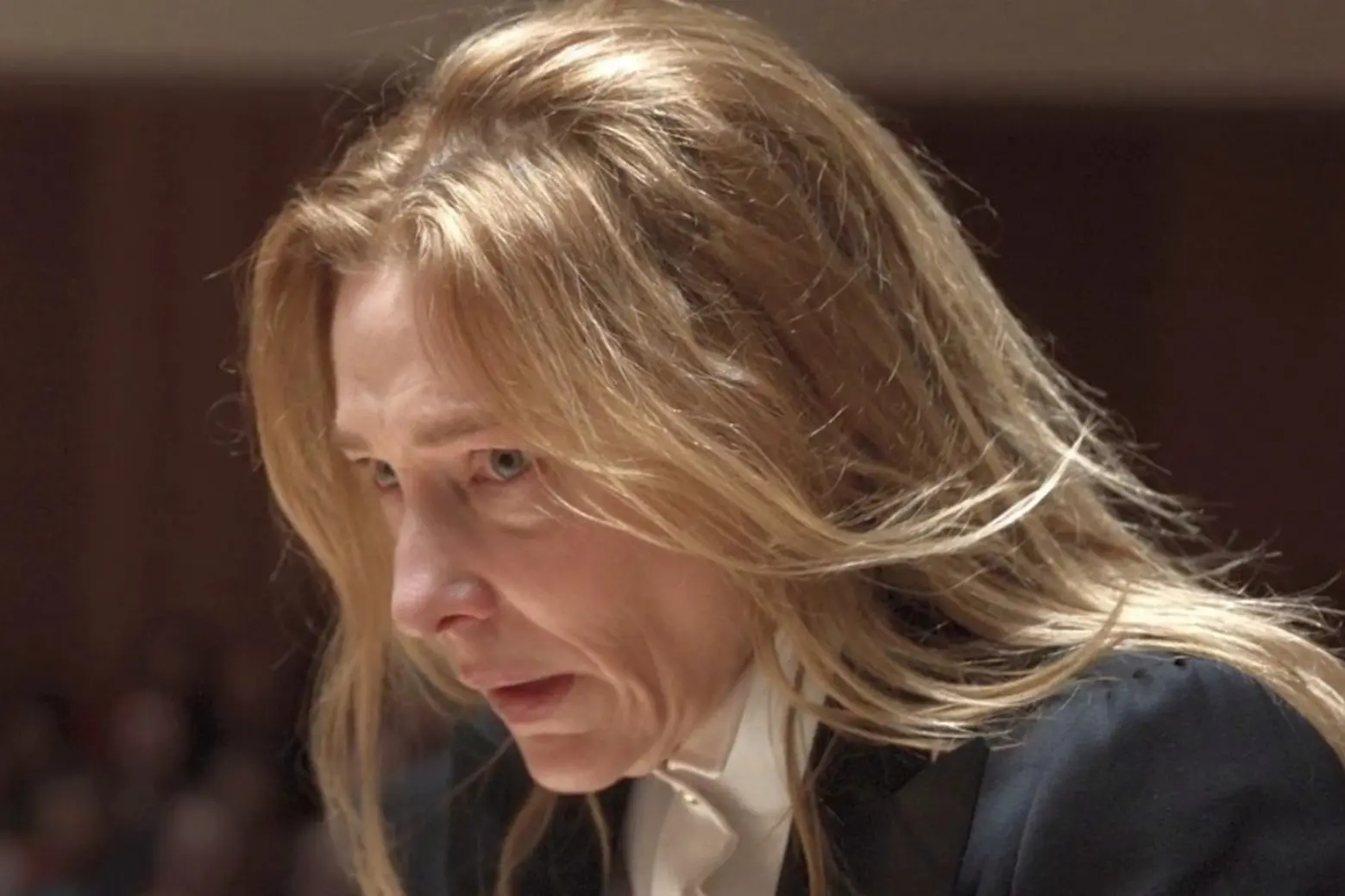
Actors rely on their faces to tell stories that words cannot. When Meryl Streep's brow furrows in Sophie's Choice, when Cate Blanchett's eyes crinkle with calculated warmth in Tár, these tiny movements form the grammar of cinematic emotion. Botox doesn't just smooth wrinkles; it erases entire sentences from an actor's vocabulary, leaving them to shout where once they could whisper, to gesture broadly where subtlety once sufficed.
Casting director Emily Brockmann describes a strange new challenge: finding actors over forty whose faces can still move naturally has become genuinely difficult. Botox and fillers have created such a specific, recognizable look that audiences can now identify treated faces instantly. What used to enhance performances now detracts from them, pulling viewers out of the story to wonder what work was done. The falseness becomes impossible to ignore, transforming capable actors into distracting presences in their own films.

The industry response has been paradoxical. Cosmetic procedures spread like wildfire through Hollywood even as directors quietly despair over their effects. In 2003, The Observer reported that producers were actively refusing to hire actors who'd fallen under botulinum toxin's spell, with directors like Baz Luhrmann warning that widespread use was destroying actors' ability to express themselves. Twenty-two years later, the "pretty poison" has only grown more popular, and films have begun incorporating plastic surgery directly into their narratives—less as creative choice and more as acknowledgment that the problem can no longer be hidden.
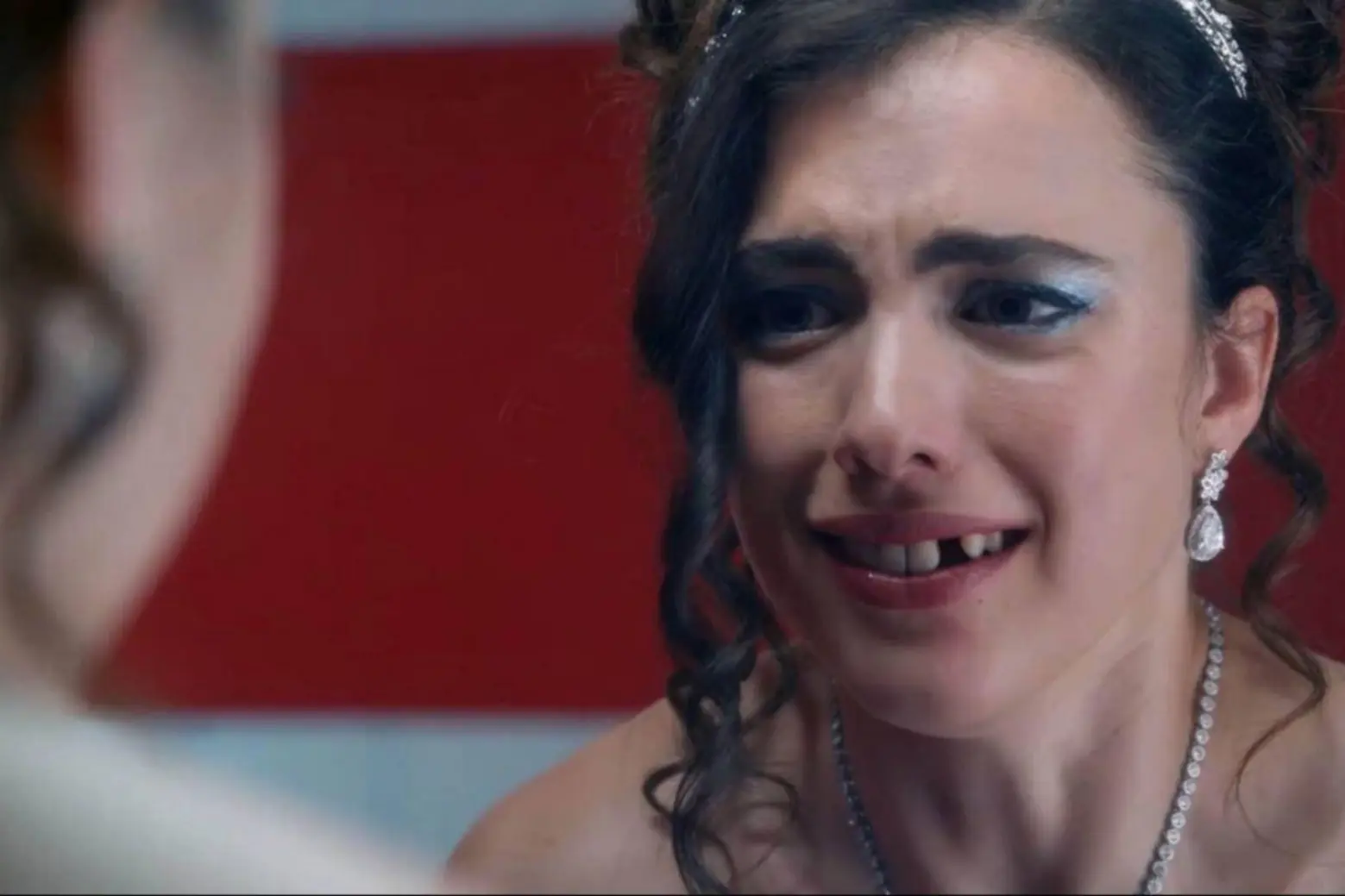
The Substance makes this dynamic horrifyingly literal. Coralie Fargeat's body horror masterpiece follows Elisabeth Sparkle, played by Demi Moore, as a fading celebrity who turns to a black-market drug that creates a younger version of herself. The film uses grotesque practical effects and rivers of blood to externalize what Hollywood's beauty standards do internally: the constant dismantling and rebuilding of bodies in pursuit of an impossible ideal. Moore, who spent up to six hours in the makeup chair transforming into various stages of decay, called the role both the most demanding of her career and oddly cathartic—a chance to literalize the self-mutilation that Philippa Snow describes in Trophy Lives, where the desire for fame requires "a saint-like level of devotion to personal transformation, sometimes extending to mutilation and self-sacrifice."
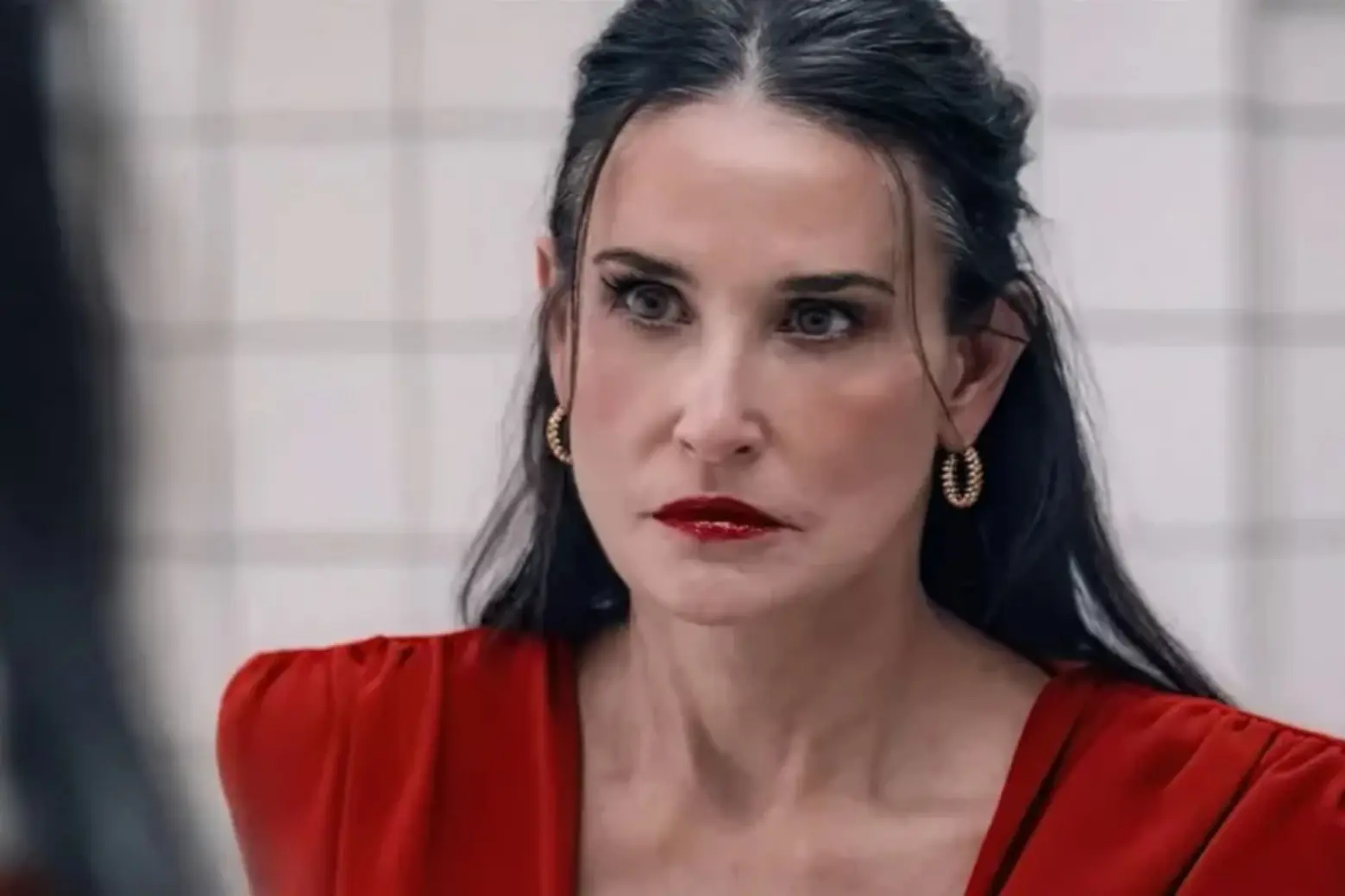
The film crystallizes what actresses have known for decades: Hollywood treats female bodies as raw material to be endlessly refined, sculpted, and ultimately sacrificed to maintain cultural relevance. Moore's Elisabeth sits before a mirror on the night of a date, applying makeup with increasing desperation before finally smearing it across her face in frustration. That single scene captures the impossible bind: look younger to work, but the very procedures that promise youth steal the expressiveness that makes the work possible.
Perhaps the cruelest aspect of Hollywood's cosmetic surgery culture is how it disguises compulsion as choice. Florence Pugh, conventionally gorgeous by any standard, watches talented women get torn apart for how they look rather than what they do. "I've watched talented beautiful women who have real a job," she tells reporters, referring to actresses pushed toward procedures they might otherwise avoid. Even someone who embodies beauty finds herself outside Hollywood's impossibly narrow standards, which suggests those standards have less to do with objective attractiveness and more to do with maintaining a specific, malleable aesthetic that signals youth above all else.
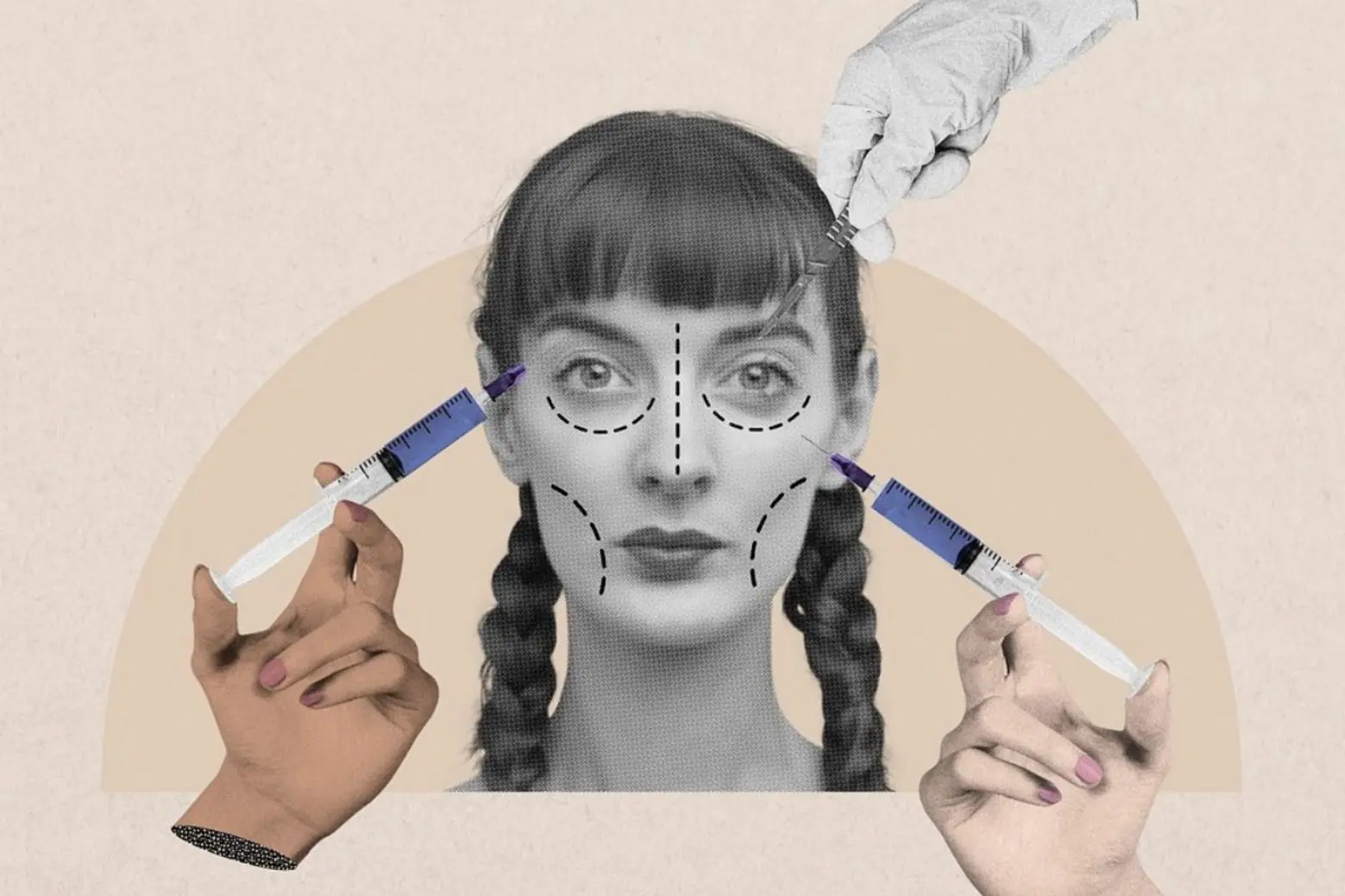
The pressure operates quietly but relentlessly. Zoé, a thirty-year-old actress, describes the hypocritical feedback loop: everyone in the industry claims natural beauty is best, that aging is beautiful, that Botox looks fake. Yet the women who work consistently decade after decade have clearly had work done. The message becomes clear: embrace your natural face while understanding that doing so might mean fewer auditions, smaller roles, an earlier exit from leading parts into the ghetto of mother characters.

Lindsay Lohan, returning to acting after years away, observed that while Botox has become nearly universal, the substance itself gets treated as shameful—something everyone does but nobody discusses. The secrecy makes the pressure worse, transforming cosmetic procedures into an open secret that maintains its power precisely because it remains officially unacknowledged. Actresses find themselves caught between impossible demands: age naturally and face typecasting or obscurity, undergo procedures and risk losing the expressiveness that made you hireable in the first place.
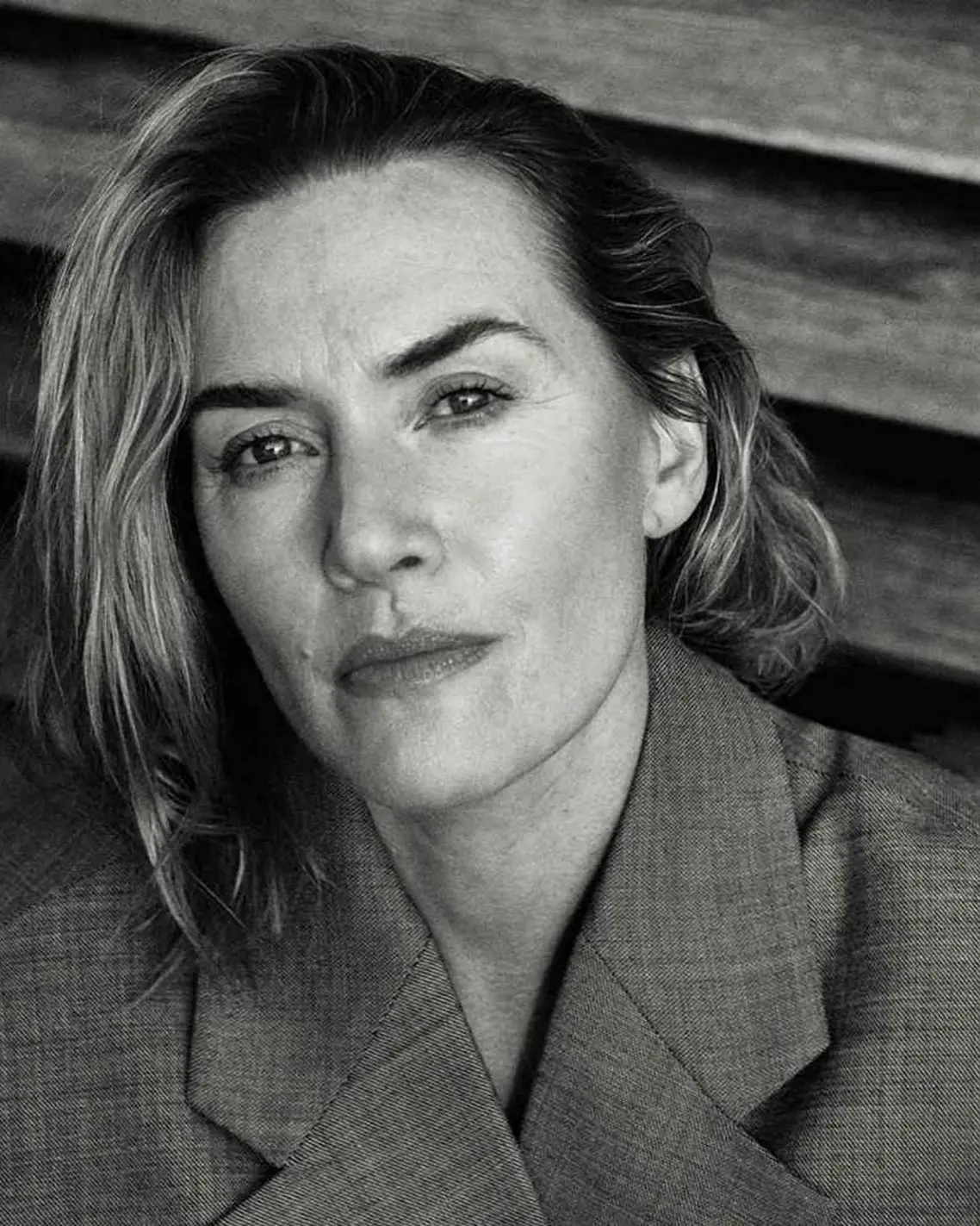
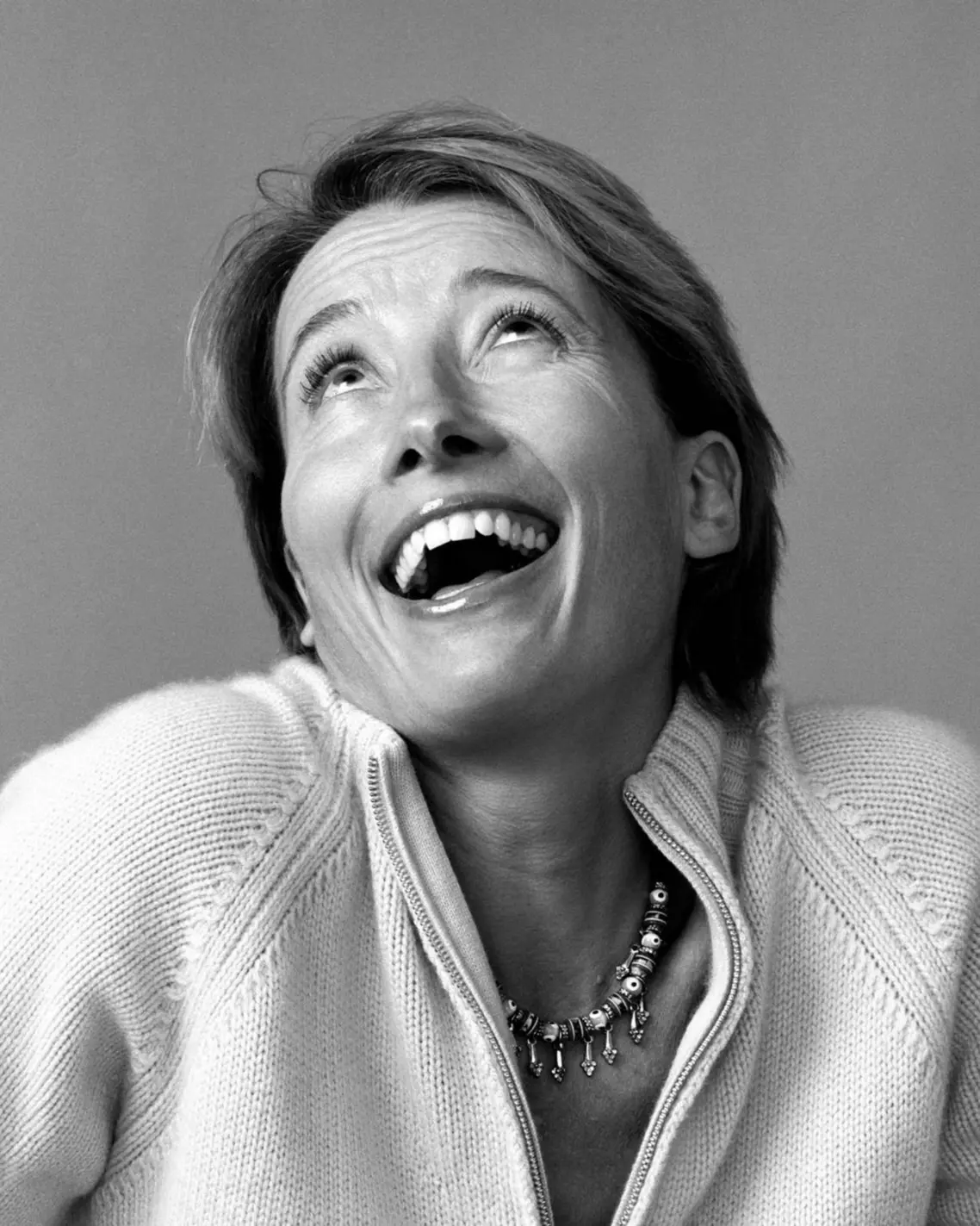
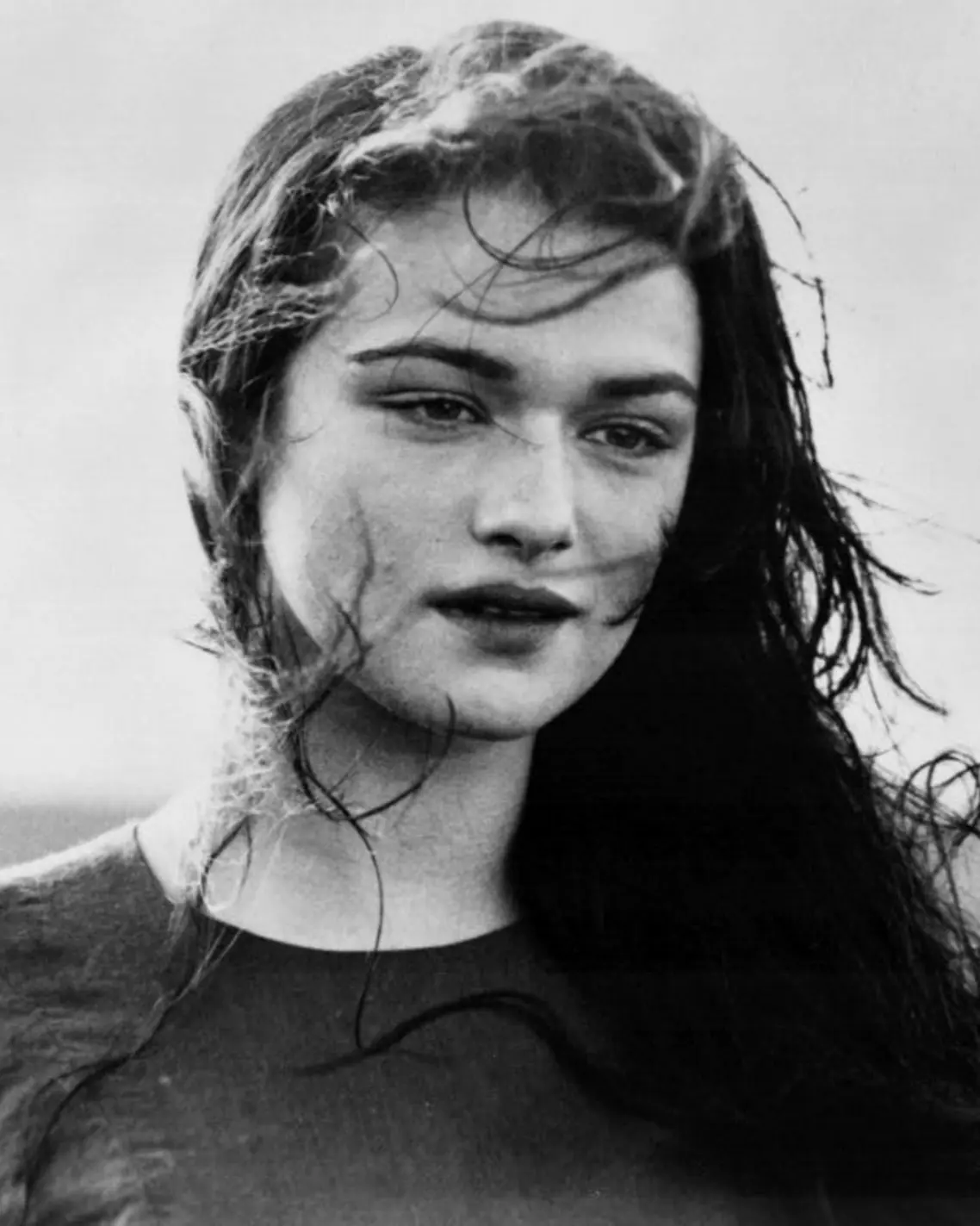
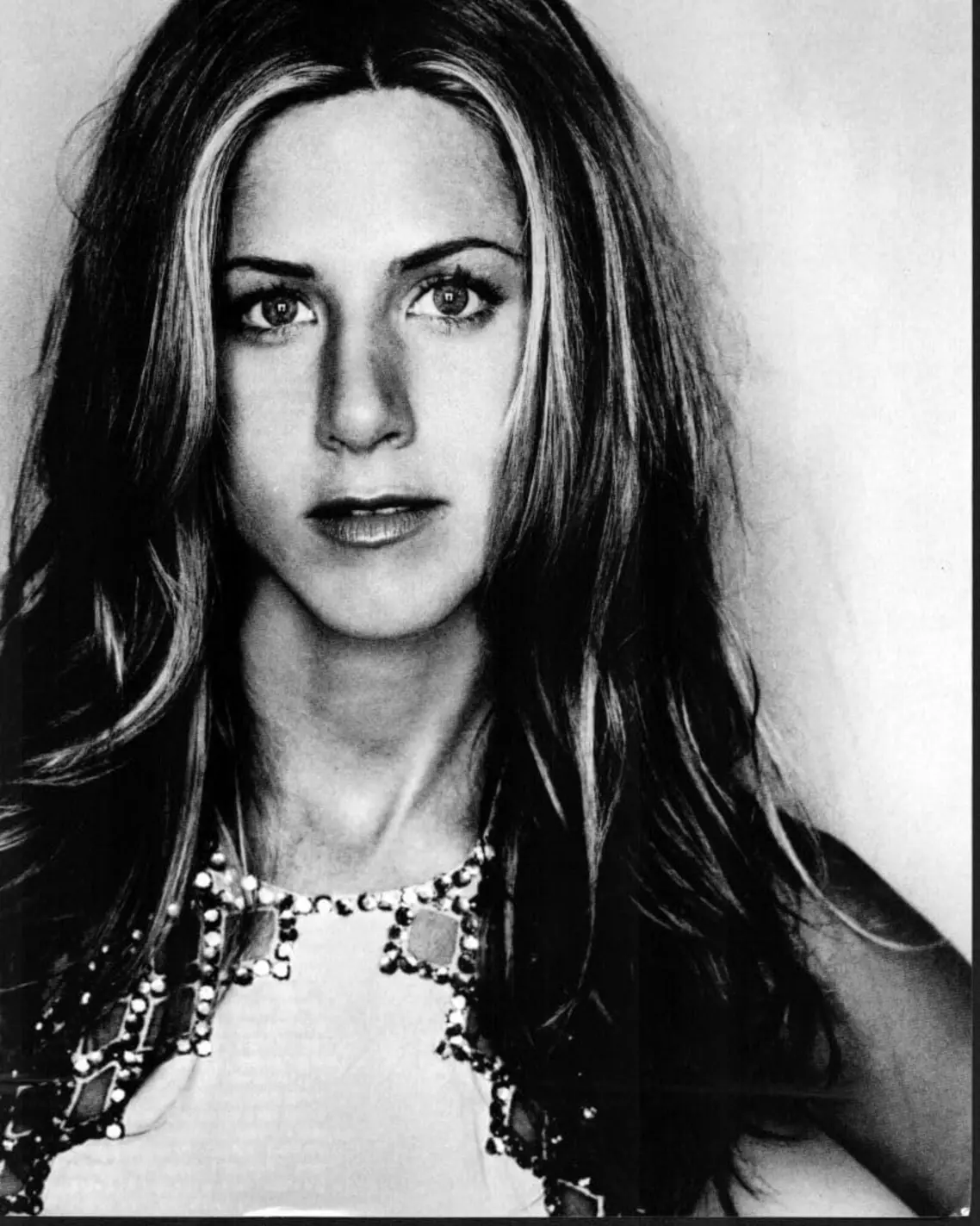
Kate Winslet, Emma Thompson, and Rachel Weisz famously formed the "British Anti-Cosmetic Surgery League" to push back against these standards. Their rebellion feels both admirable and revealing—when some of cinema's most respected actresses feel compelled to band together just to resist cosmetic procedures, something has gone profoundly wrong with the system. Jennifer Aniston told People that watching women try to stay ageless through procedures taught her what to avoid: "I am grateful to learn from their mistakes, because I am not injecting shit into my face." Yet even this stance requires privilege, established career capital that younger actresses simply lack.

Winona Ryder, at fifty-three, recounts female directors telling her to "just relax your forehead" during scenes—code for suggesting Botox—while she's trying to actually act. The absurdity would be funny if it weren't so damaging: directors asking actors to paralyze their faces for aesthetic reasons while simultaneously demanding emotional range. The contradiction reveals how deeply the industry's values have warped, prioritizing the appearance of youth over the substance of performance.
The broader cultural cost extends beyond individual careers. As cosmetic procedures become normalized, we collectively forget what human faces actually look like in motion, how skin folds when we laugh hard, how foreheads crease when we concentrate, how age inscribes experience into our features in ways that tell stories words cannot. Cinema has always been about capturing human truth, but how can we recognize truth when we've systematically erased the signs that prove someone has actually lived?
The tragedy is that actresses who resort to procedures often do so from a place of professional survival rather than vanity. In a book titled Trophy Lives, Philippa Snow writes that the desire to be famous requires "a saint-like level of devotion to personal transformation, sometimes extending to mutilation and self-sacrifice." The cosmetic industry has become the mechanism through which that self-abnegation occurs, where actors literally paralyze their ability to express emotion in exchange for a few more years of being considered viable for leading roles.
The Substance ended with a standing ovation and Demi Moore receiving her first Golden Globe at sixty-one, suggesting that perhaps the conversation is finally shifting. The film's grotesque imagery—the spine splitting open, the monstrous transformation, the lakes of blood—makes visceral what has always been true: the beauty standards imposed on women, particularly those in the public eye, amount to a form of violence. That violence happens incrementally, injection by injection, each procedure promising to solve a problem that the industry itself creates and perpetuates.
Perhaps what's most heartbreaking is how preventable this tragedy feels. Actresses undergo procedures because the system punishes those who age naturally. The system maintains these punishments because audiences have been trained to expect eternal youth. Audiences hold these expectations because media relentlessly presents cosmetically altered faces as the baseline for female beauty. The cycle feeds itself, growing more extreme with each rotation, until we arrive at a moment where twenty-somethings get Botox prophylactically and viewers can no longer suspend disbelief because every face on screen looks subtly artificial.
Cinema's power has always rested in its ability to capture human emotion in extreme detail, to show us ourselves reflected back through characters who feel deeply and express those feelings across every inch of their faces. When we strip away actors' ability to make those expressions, we lose more than aesthetics. We lose the art form's core mechanism for creating empathy, for building the bridge between performer and audience that makes storytelling work. Botox promises to preserve beauty, but what it actually preserves is a frozen moment while everything vital slowly dies beneath the surface.
The face of cinema is changing, and we're watching it happen in real time—one smooth forehead, one expressionless close-up, one distracted audience at a time.
(That one scene in the substance, when she turns furious with how she looks, wiping vigorously and crying, cant even leave the house when the man she was going to be on date with really interested in her, and even how she looks, not up to those sickening beauty standards, cause she truly beautiful, and ages gracefully. that's the epitome of self hating, something we all been through, while walking on this earth)
Advertisement