MENU
Close





Explore Chanel Rouge Noir’s revolutionary journey from a 1994 backstage experiment to the 2026 makeup collection. Discover why this iconic red-black shade redefined beauty standards and became a symbol of timeless allure.
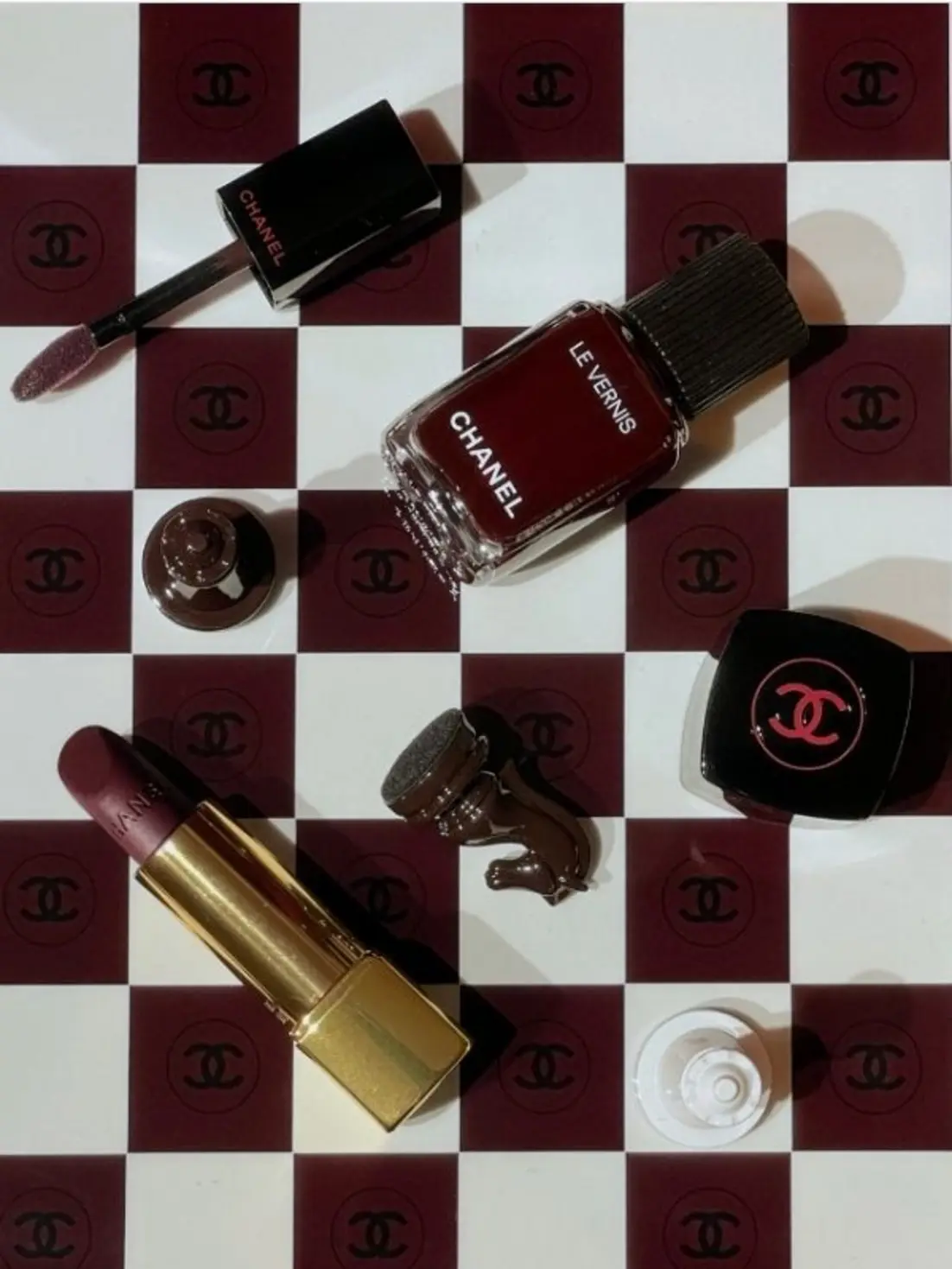
Explore Chanel Rouge Noir’s revolutionary journey from a 1994 backstage experiment to the 2026 makeup collection. Discover why this iconic red-black shade redefined beauty standards and became a symbol of timeless allure.
January 9, 2026
Advertisement

Advertisement
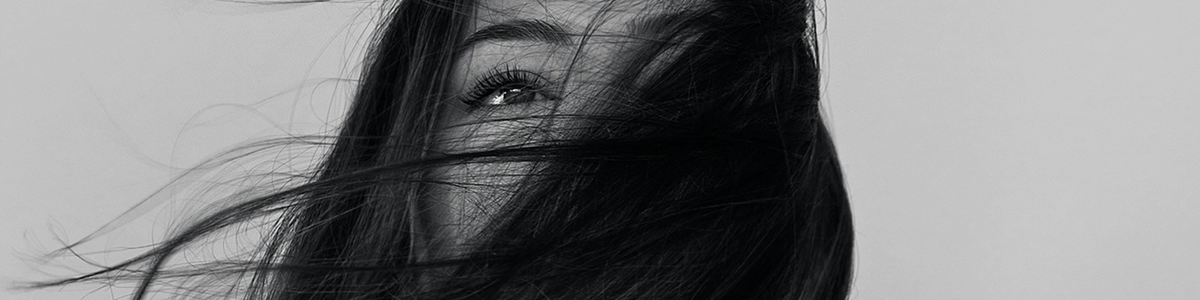


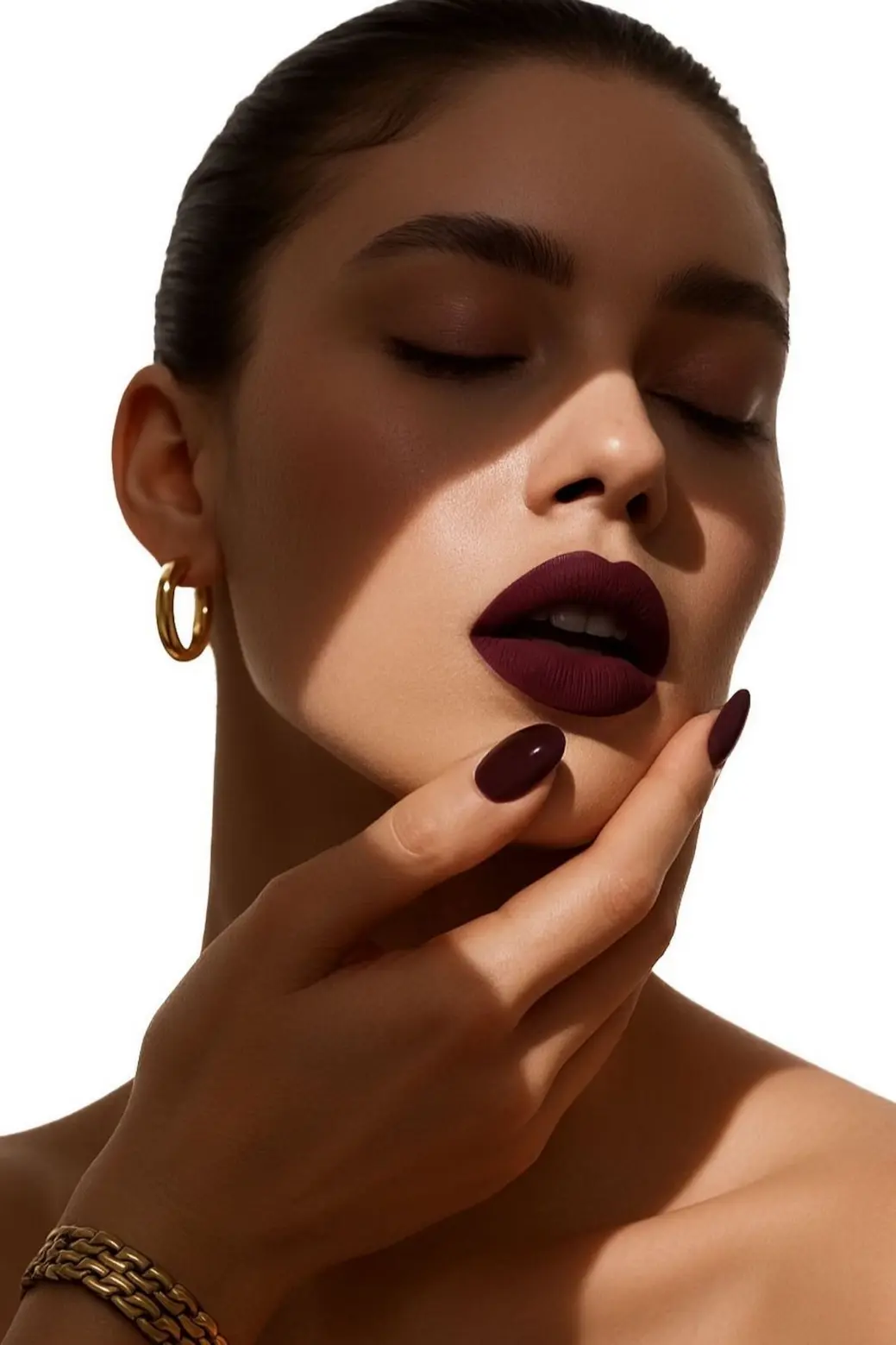
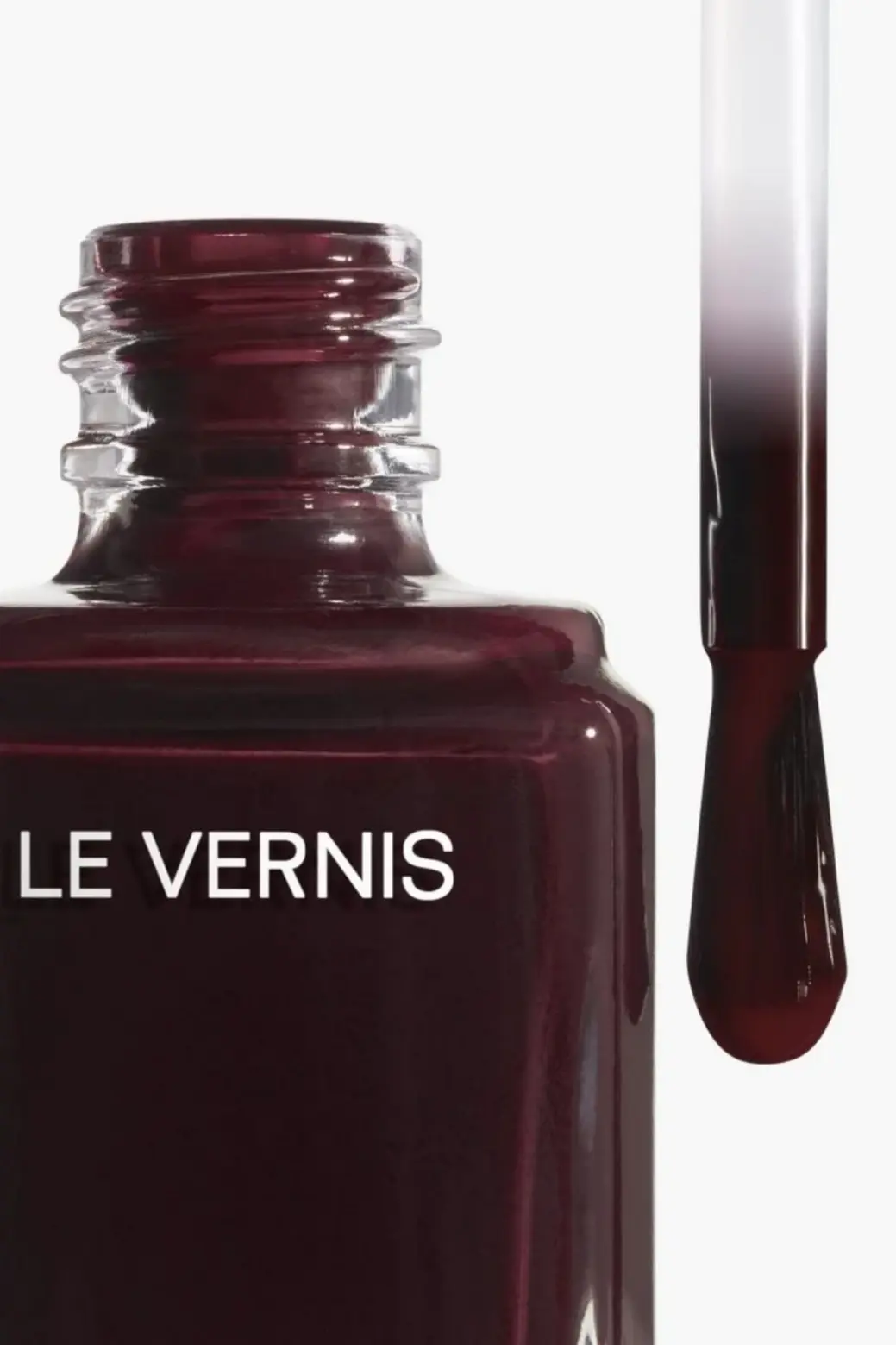
On a Parisian autumn afternoon in 1994, the frenetic energy of the Fall-Winter Fashion Week permeated Chanel's backstage areas. Karl Lagerfeld, the creative director with masterfully discerning eyes, was scanning the models during the final rehearsal. Everything appeared nearly perfect—until his gaze settled on the models' hands. An idea sparked: they needed an unexpected accent, something to disrupt the perfection that had become too safe.
In that spontaneous moment, Lagerfeld and his team did the unthinkable: they took a black marker and layered it over traditional red nail polish. The intermingling colors created an entirely new shade—a deep red verging on black, yet still concealing the heat of fire within. The inspiration? The deep red lining inside the legendary 2.55 bag—a detail known only to its owners.
Rouge Noir was born in such circumstances: not from a laboratory with meticulously calculated formulas, but from sudden creative inspiration and the courage to experiment. It represented the fusion of traditional craftsmanship discipline and contemporary artistic rebellion.
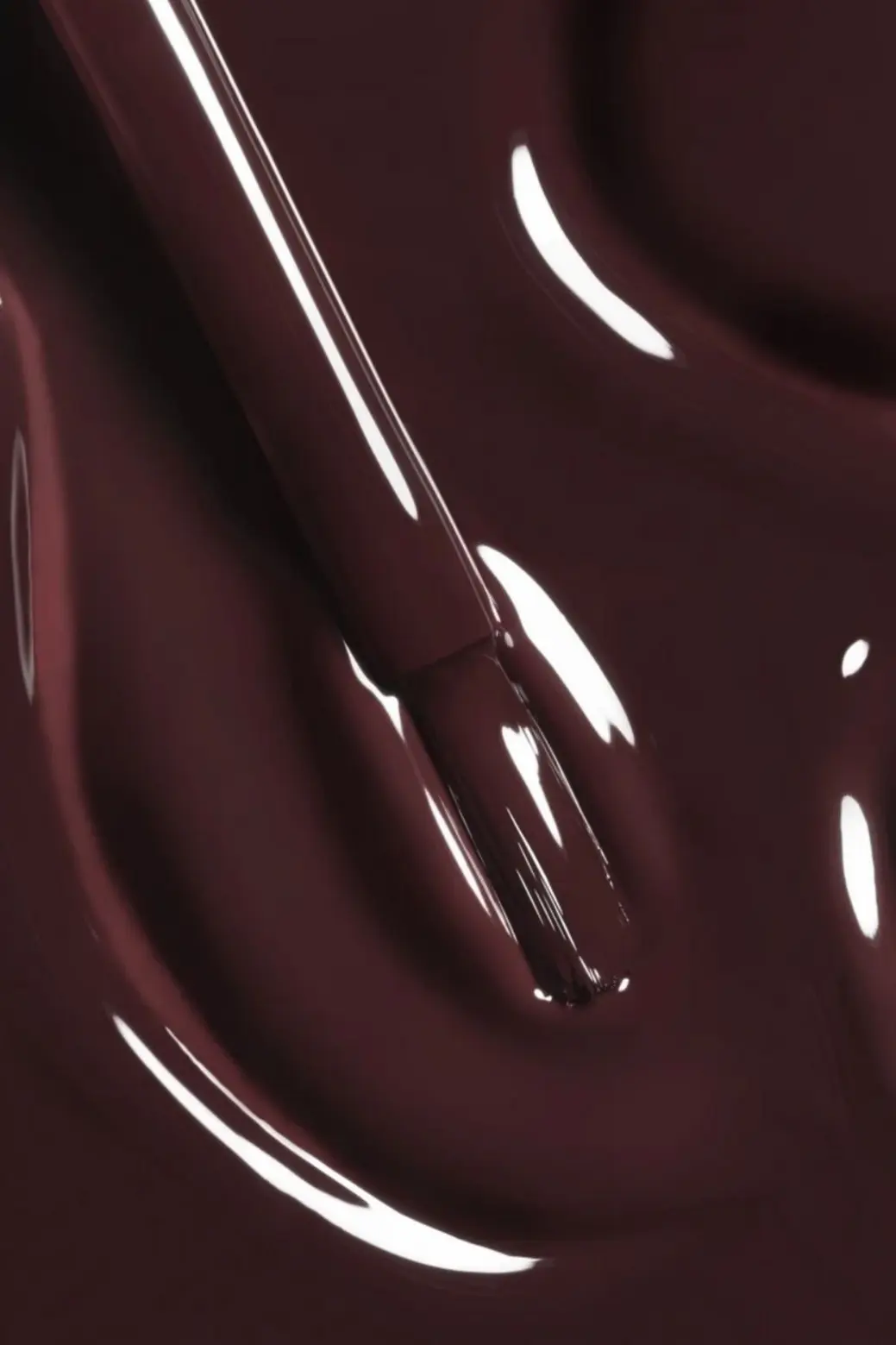
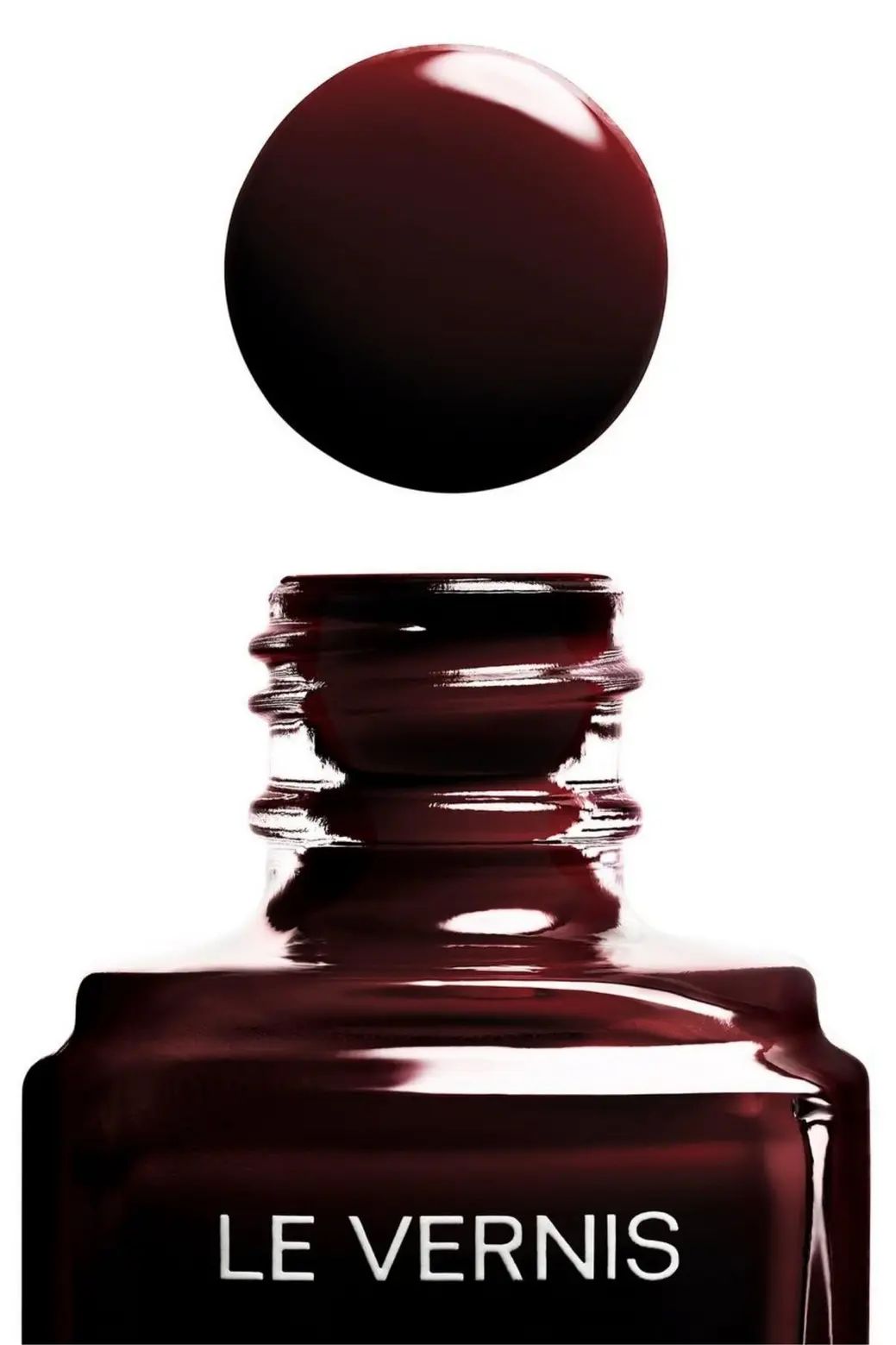
What creates the eternal allure of Rouge Noir is its refusal to be clearly categorized. This is neither red nor completely black, but rather a captivating gray area between two extremes. When light strikes it, this color reveals different layers of meaning: sometimes the hidden glimmer of magenta violet, other times deep rosy undertones, and in other moments, it returns to its powerful deep red essence.
This multifaceted nature isn't a flaw—it's a personality. It allows this color to become a mirror reflecting the mood and character of the wearer. A woman might feel alluring and mysterious wearing it to an evening gala, yet equally perceive strength and determination when wearing it to a board meeting.
Before Rouge Noir appeared, the world of beauty colors was dominated by two distinct camps: "safe" pink tones for women and classic, iconic reds. The emergence of an almost-black color that retained feminine essence created shockwaves.
In the American market, where trends are often figuratively named, Rouge Noir was called "Vamp." This name didn't just describe the color but captured its spirit: seductive, mysterious, timeless, and somewhat dangerous. It became a symbol for women unafraid to express complexity and multidimensionality within themselves.
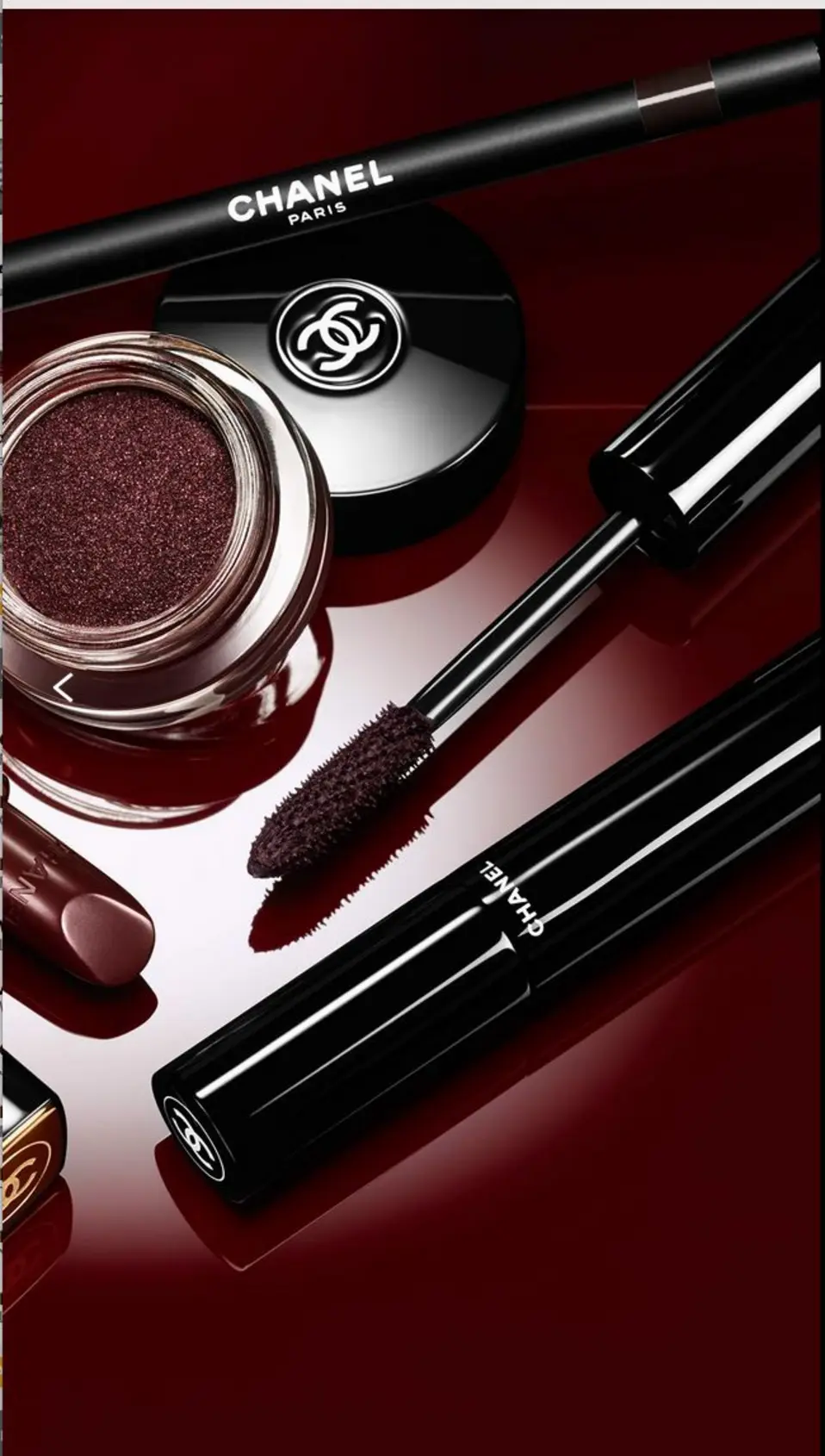
If in 1994, Rouge Noir existed only in small bottles of nail polish, then over three decades, it has accomplished an impressive "expansion" within Chanel's beauty universe.
1990s-2000s: Rouge Noir became associated with icons like Vanessa Paradis in legendary black-and-white advertising campaigns. It symbolized mysterious, sensual yet never ostentatious French beauty.
2010s: The color began appearing in lipstick lines, first in Rouge Allure and later in Rouge Coco. Each formulation offered different expressions—from sophisticated smoothness to seductive shine.
Entering 2026 under the guidance of Ammy Drammeh—the creative force shaping Chanel's new aesthetic—Rouge Noir is no longer a standalone product. It has evolved into a comprehensive beauty ecosystem.
The Rouge Noir Confidence multi-use eyes and cheeks palette forms the heart of this collection. The combination of warm sienna red and pearl shimmer sophistication allows women to create countless looks: from natural daytime beauty to dramatic evening allure. The inclusion of contemporary gray tones in the color palette not only creates contrasting accents but affirms: Rouge Noir can stand alongside any color without losing its identity.
The Le Vernis 2026 nail collection introduces a vibrant pink shade while maintaining characteristic depth. This isn't an abandonment of heritage but an expansion of Rouge Noir's language. If the original version was a somber symphony, the 2026 version is a radiant crescendo—both part of the same narrative.
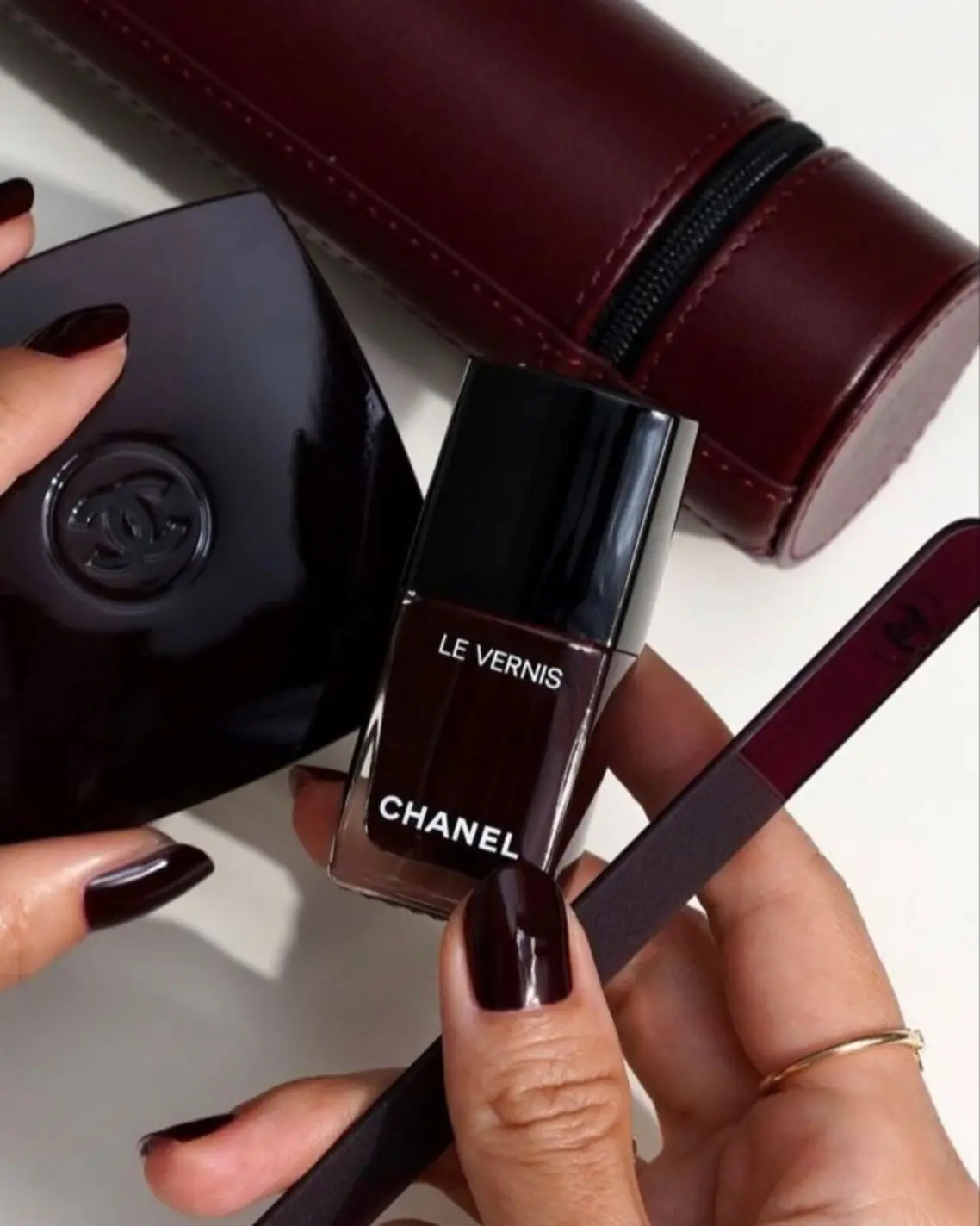
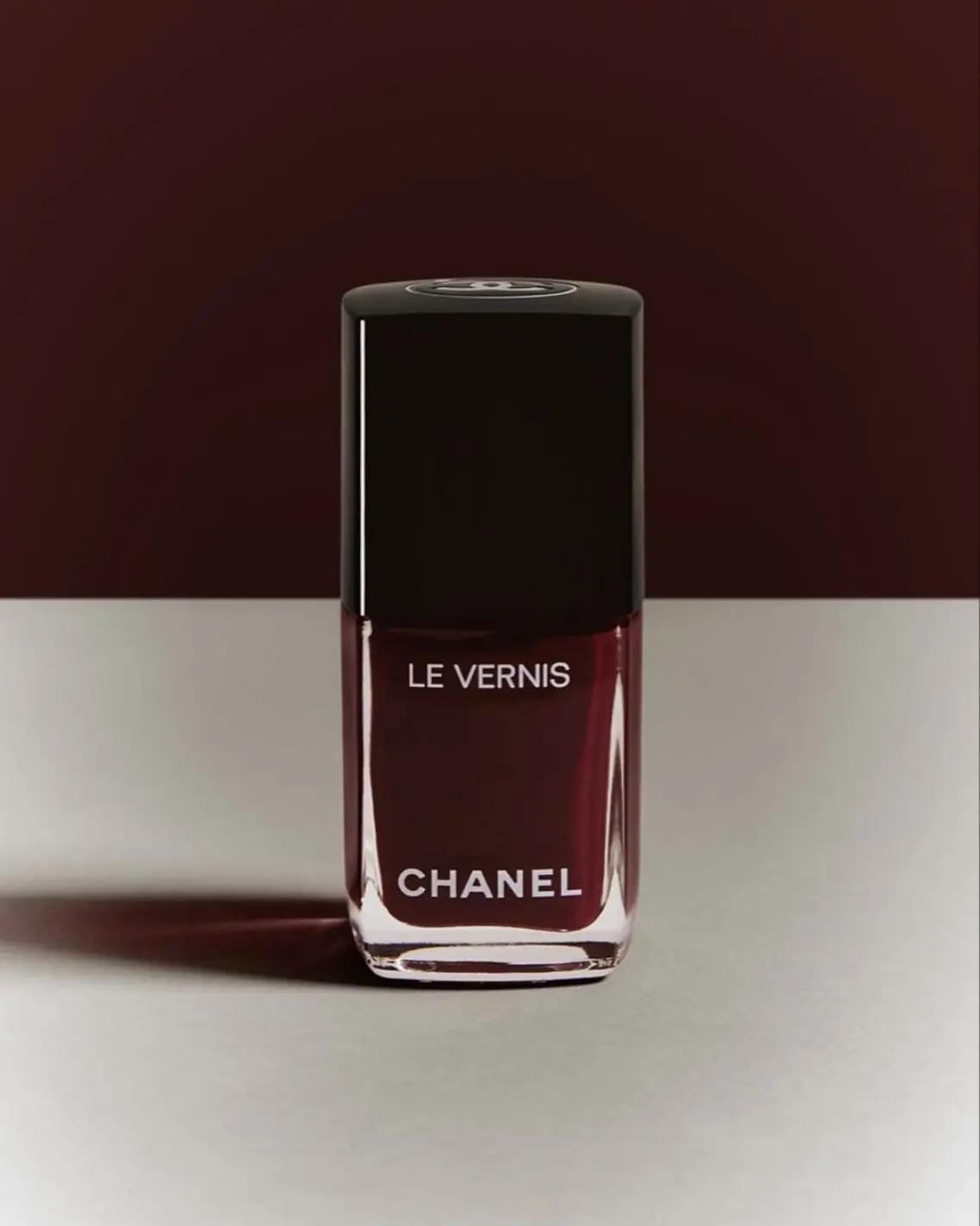
Rouge Noir embodies paradoxes reconciled with sophistication:
The secret behind Rouge Noir's thirty-year vitality lies in its ability to adapt without compromising. It constantly updates its forms of expression (from nail polish to lipstick to comprehensive makeup collections) but never negotiates its essence. Each subsequent generation finds new meaning, new ways of expression within it, yet the core perception of seduction and mystery remains intact.
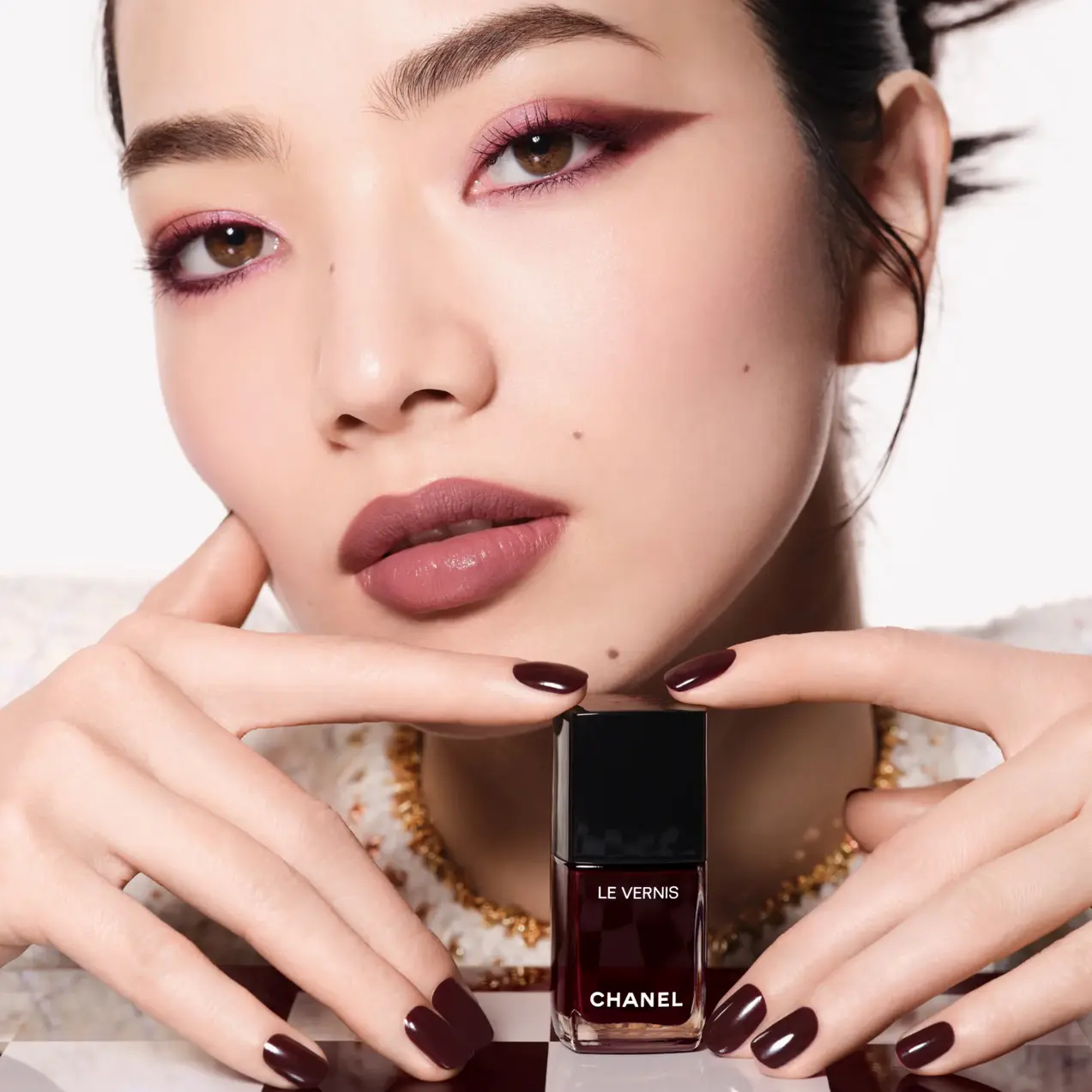
The 2026 campaign, featuring ambassador Komatsu Nana—an Asian woman with beauty, both traditional and modern—continues to affirm this message. Rouge Noir doesn't belong to a specific race, age, or style. It belongs to anyone daring enough to embrace the complexity and multidimensionality within themselves.
In a world increasingly seeking simplicity and clear categorization, Rouge Noir stands as a valuable reminder: the most mysterious, complex things sometimes possess the strongest and most enduring appeal. Thirty years have passed, but this color's story remains unfinished—because every woman who wears it writes a new chapter.
Perhaps this is the true definition of a legend: not something perfectly unchanging, but something rich enough for each generation to find a part of themselves within it.Chanel Rouge Noir, with all its ambiguity, complexity, and seduction, has accomplished this—and will continue to do so for decades to come.
Advertisement