MENU
Close





On March 3, 1913, Washington, D.C. became a runway with real consequences, where the Women’s Suffrage Parade 1913 transformed the act of dressing into a radical manifesto of authority and collective resistance.
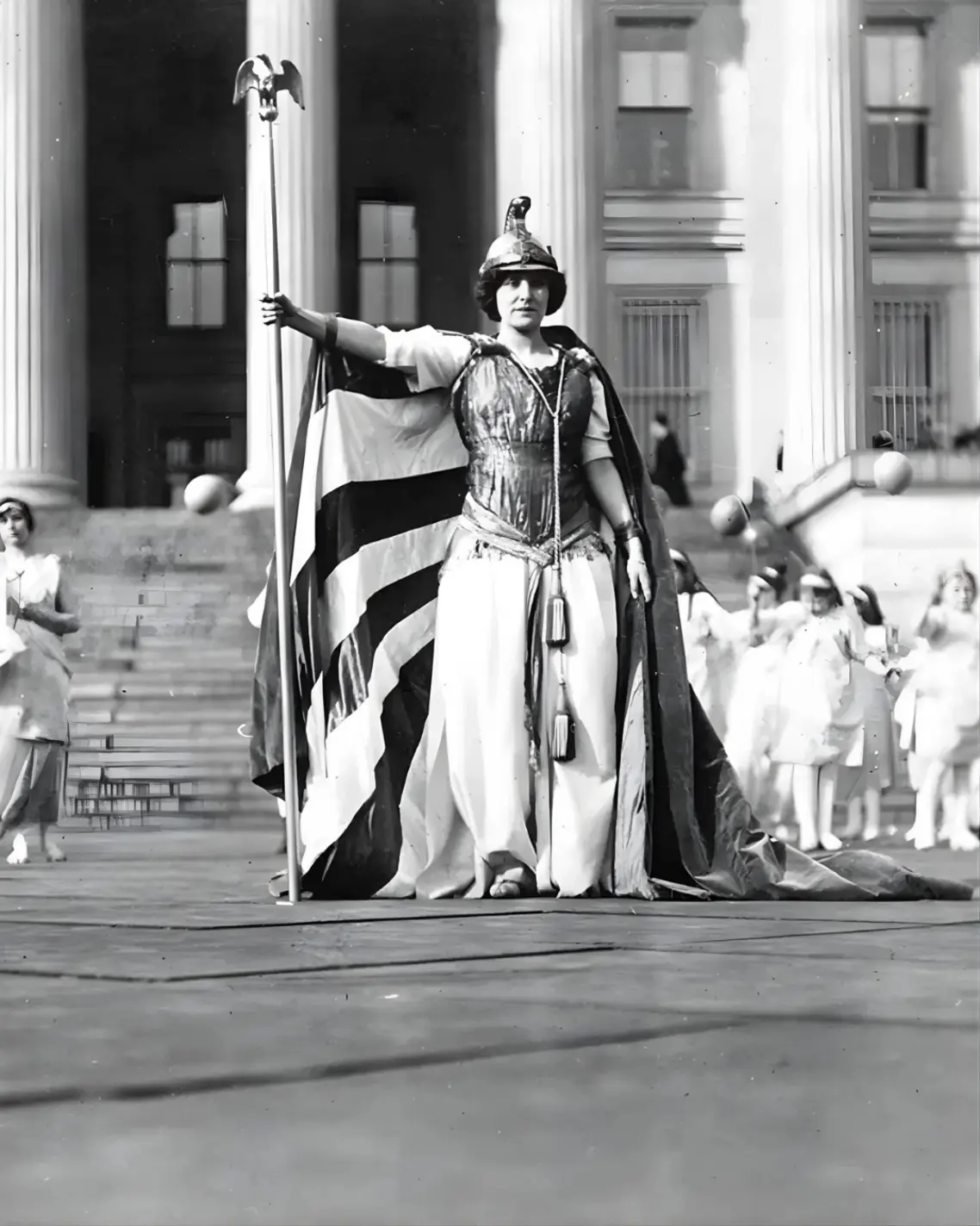
On March 3, 1913, Washington, D.C. became a runway with real consequences, where the Women’s Suffrage Parade 1913 transformed the act of dressing into a radical manifesto of authority and collective resistance.
March 3, 2026


The Women's Suffrage Parade 1913 proved that fashion is a political weapon, turning the streets into a spectacle of authority. By trading restrictive lace for tailored silhouettes and a strategic palette, thousands of women used style to argue for their rights. It was the cradle of power dressing, a moment where a straight seam carried the weight of a revolution. Long before boardrooms made the blazer a shorthand for ambition, the Women’s Suffrage Parade 1913 used clothing as a public instrument of persuasion. Thousands of marchers stepped into the capital with a wardrobe built for motion and message: straight lines, structured shoulders, and practical layers that displaced the era’s fragile ideal. The point felt immediate. A body that moves freely reads as a body that governs itself. In that sense, the parade delivered a fashion thesis and a political demand in the same breath.
What made the parade revolutionary lay in its absolute discipline. For the first time on such a massive scale, styling moved beyond the whims of personal taste and was codified into a collective identity, where repetition became a form of power. The Women’s Suffrage Parade 1913 utilized fashion not as a trend, but as a strategic architecture of resistance. Tailored womenswear, especially the early suffragette suit, created a visual rhythm that cameras and crowds could read instantly across the streets of Washington.
Each lapel, belt, and sturdy hem reinforced a single message. This shared visual language was so potent that it effectively neutralized the "fragile" stereotypes of the era, replacing them with an image of unshakeable competence and organized intent.
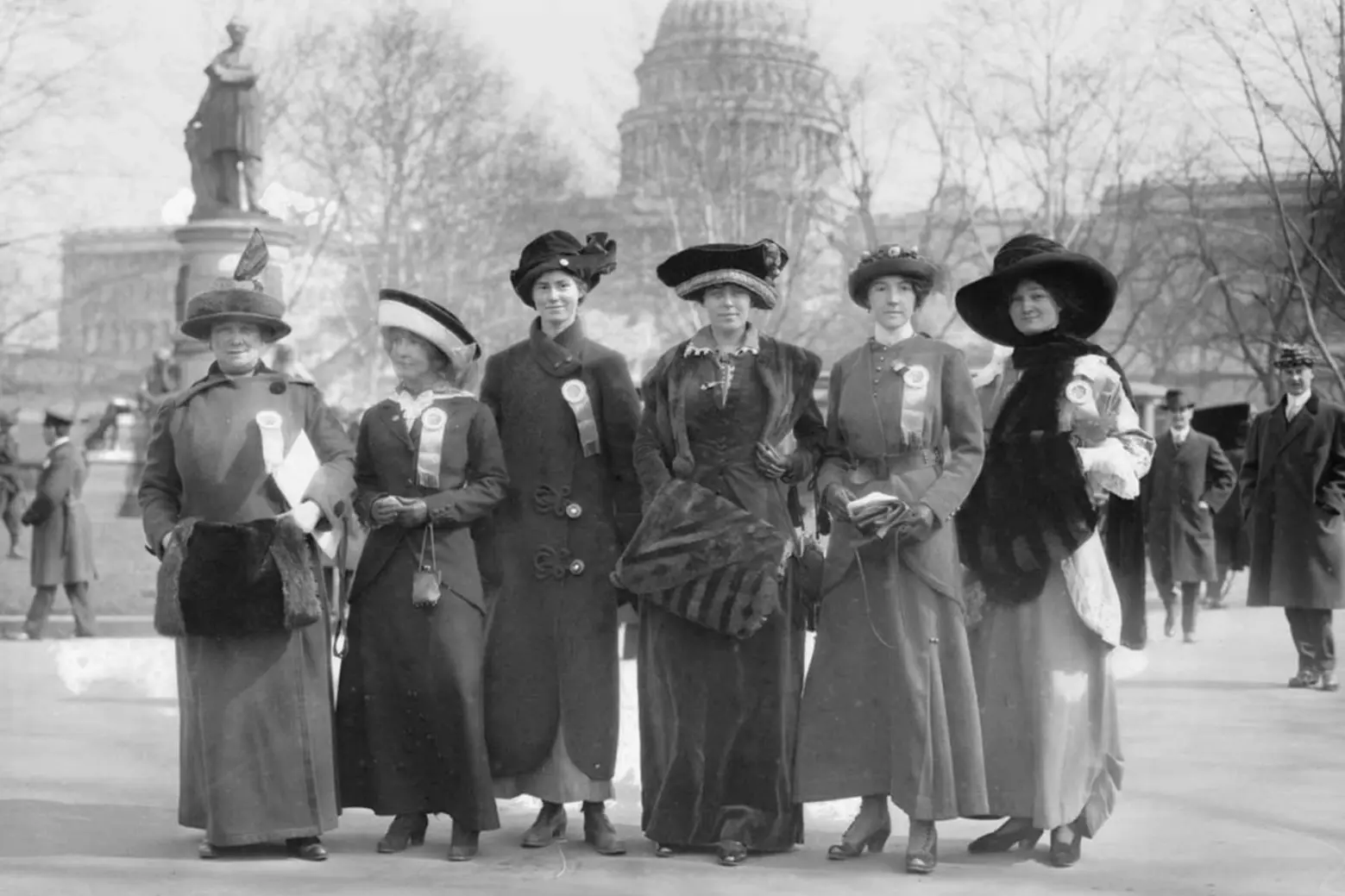
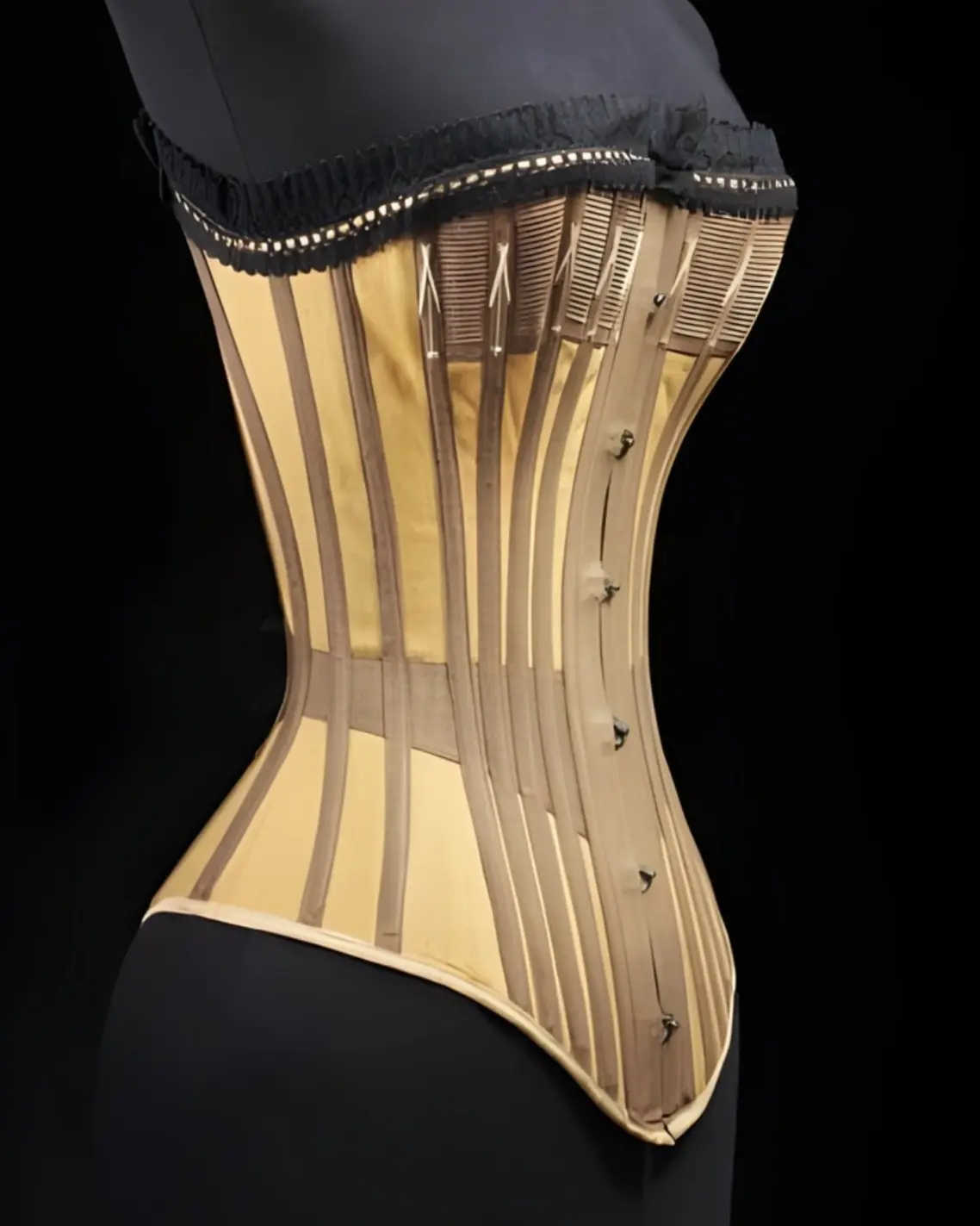
In 1913, the dominant silhouette celebrated restriction, a curved ideal that shaped posture more than possibility. The suffragette suit answered with geometry. Jackets held their line, shoulders gained structure, skirts narrowed toward utility, and the overall effect borrowed the visual authority of menswear while remaining unmistakably female in its social impact. This shift mattered because it relocated “elegance” from display to capability. The modern power suit inherits that logic: presence built through proportion, clean tailoring, and the calm insistence of a straight seam.
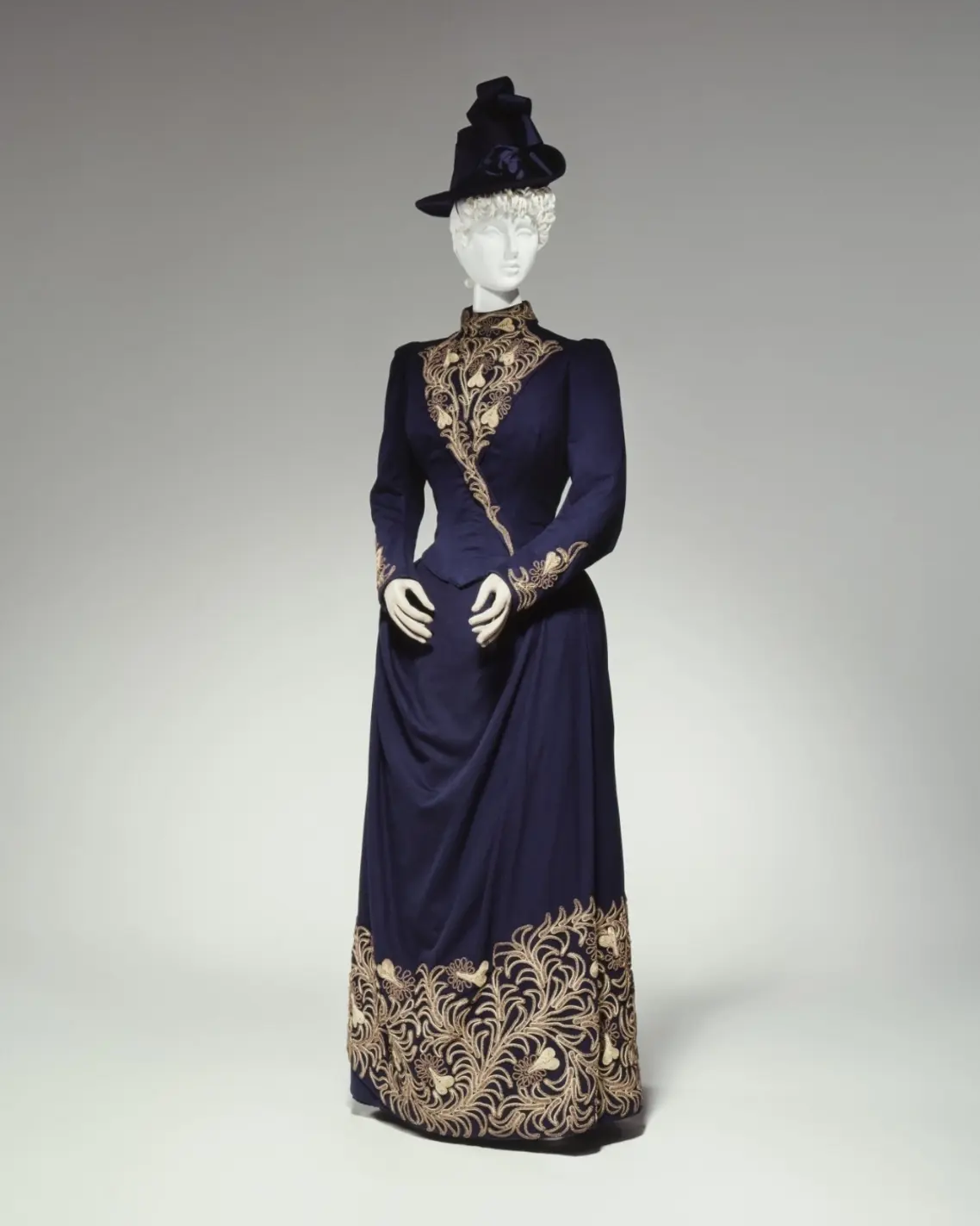
Among marchers, the Norfolk jacket emerged as a key borrowed form, a sporting garment associated with outdoorsmanship and stamina. Reworked for the parade, it gained purpose-driven details like pockets and belts that read as equipment rather than decoration. That translation helped women’s menswear evolve from novelty to vocabulary. The lineage runs forward into the 1920s when ease and jersey reshaped women’s wardrobes, and onward into later icons of tailored eveningwear that treated menswear codes as a language women could speak fluently, publicly, and with intent.
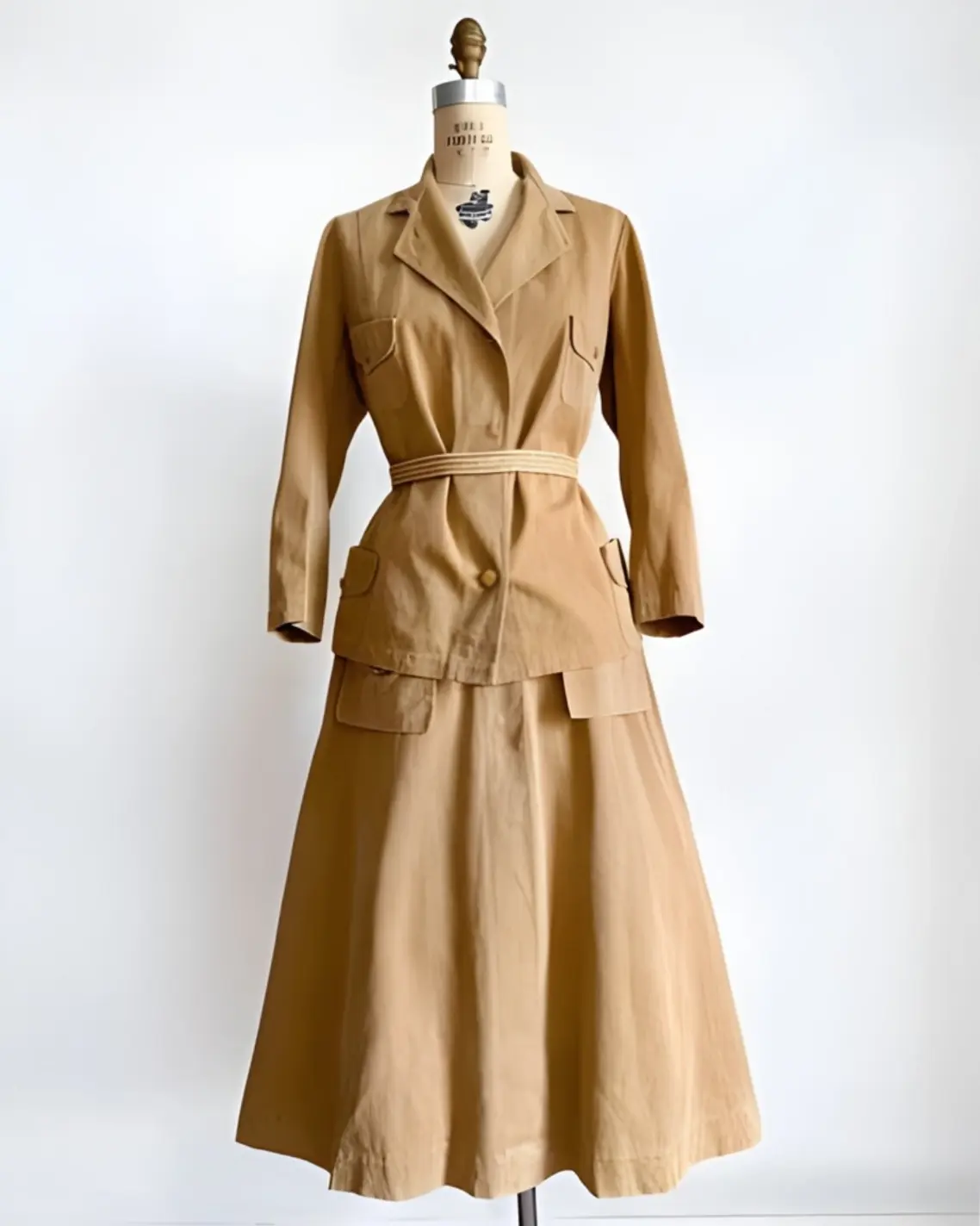
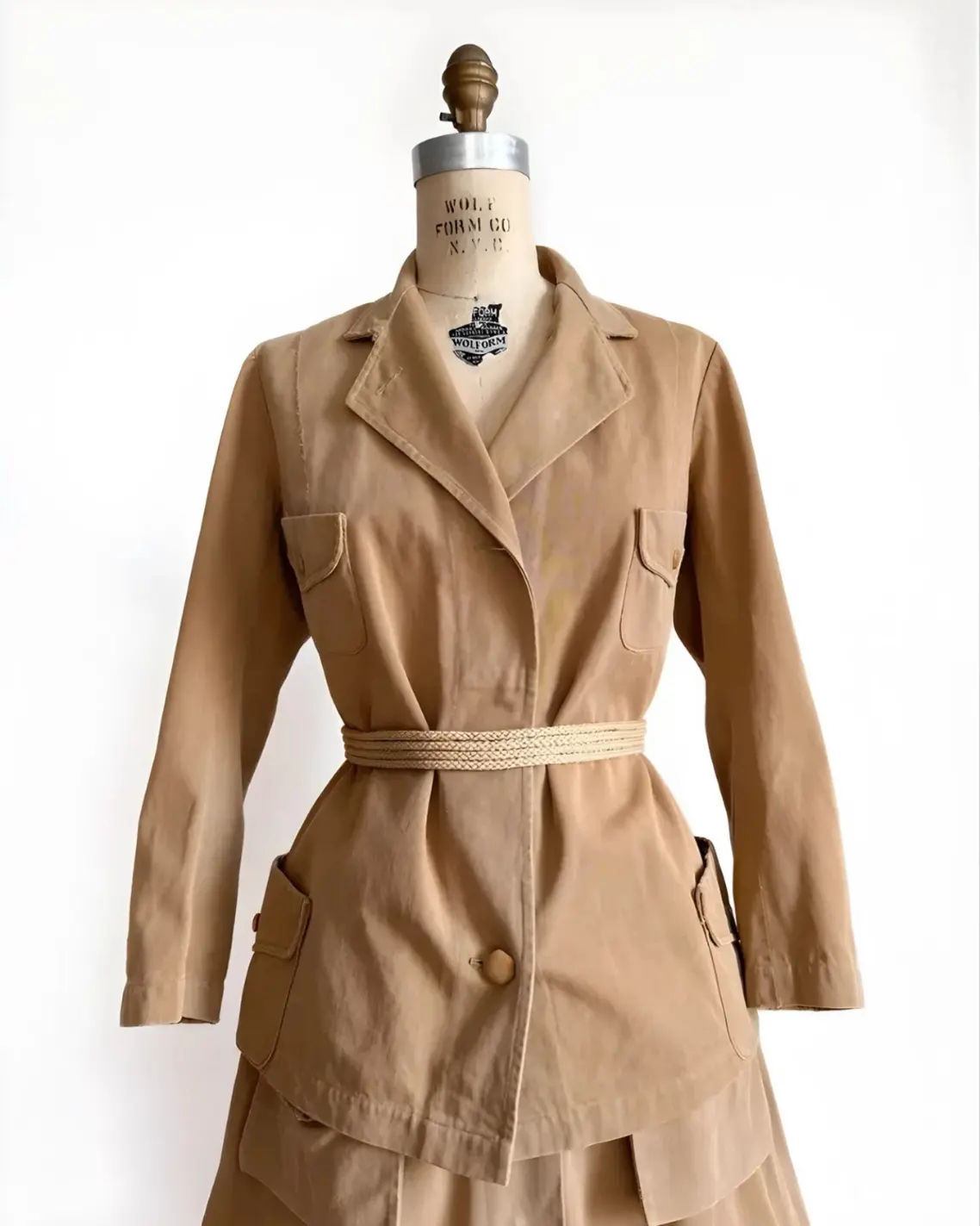
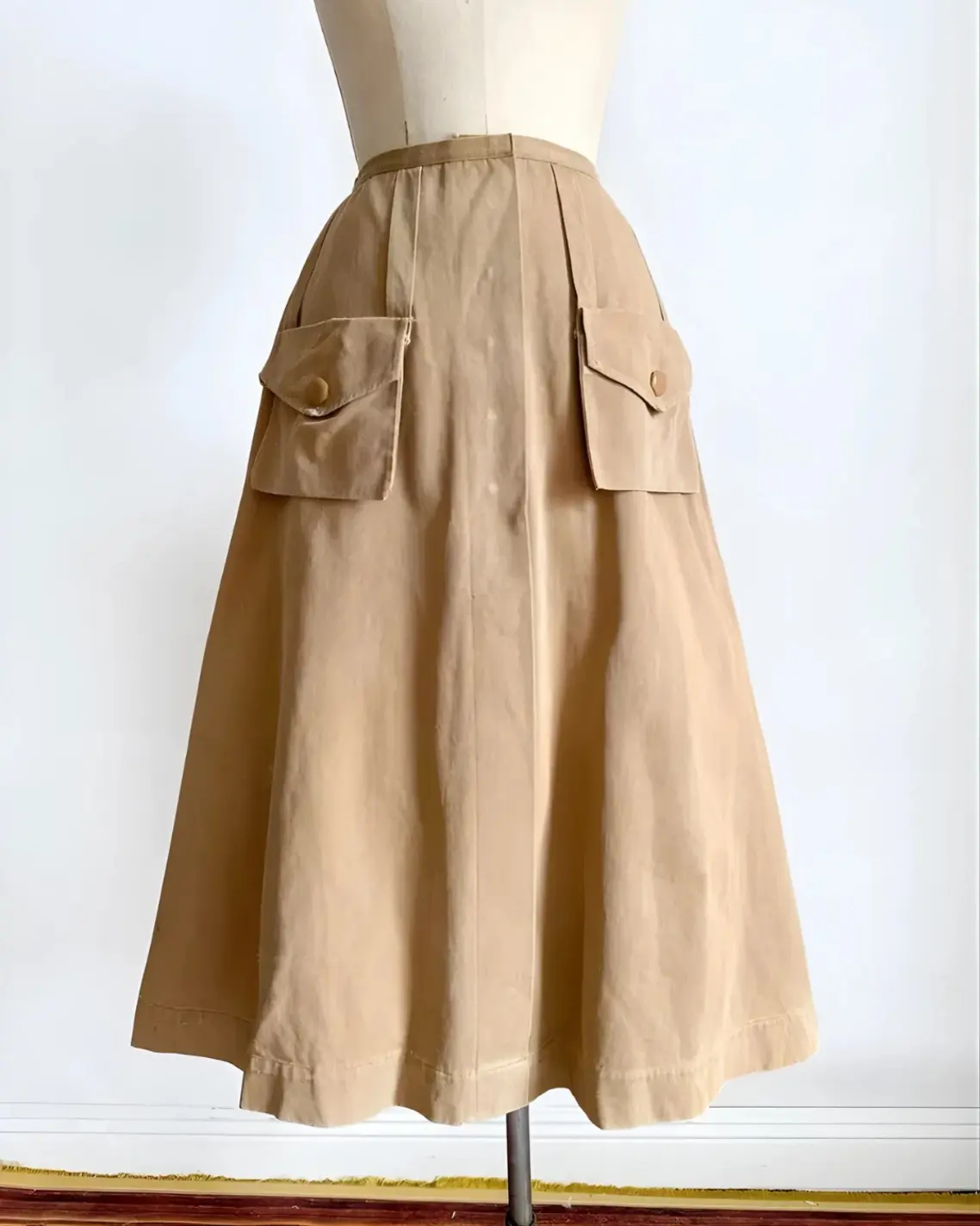
This legacy of "borrowed authority" remains the heartbeat of contemporary houses like Saint Laurent and The Row. In their recent collections, the Norfolk’s rugged utility has been distilled into oversized blazers and structured outerwear that prioritize presence over ornament. Modern women’s menswear continues this 1913 tradition, using heavy wools, sharp lapels, and functional belts to signal a life lived with purpose and public influence.

A century later, the Women’s Suffrage Parade 1913 still explains why tailoring endures as more than trend. The suit, the borrowed jacket, the controlled palette all point to the same truth: clothing shapes how power appears, and appearance shapes how power gets heard. When a woman reaches for a sharp blazer today, she steps into a lineage that first turned style into civic speech on March 3, 1913.