MENU
Close





For decades, luxury jewelry loved women most when they were ornamental: Muse, client, campaign face, legend in a salon portrait. Now the script has changed to empowered women in leadership. At some of the world’s most powerful maisons, women in high jewelry are steering strategy, defining aesthetics, sourcing the stones, challenging the meaning of preciousness, and deciding how heritage should speak to the present.
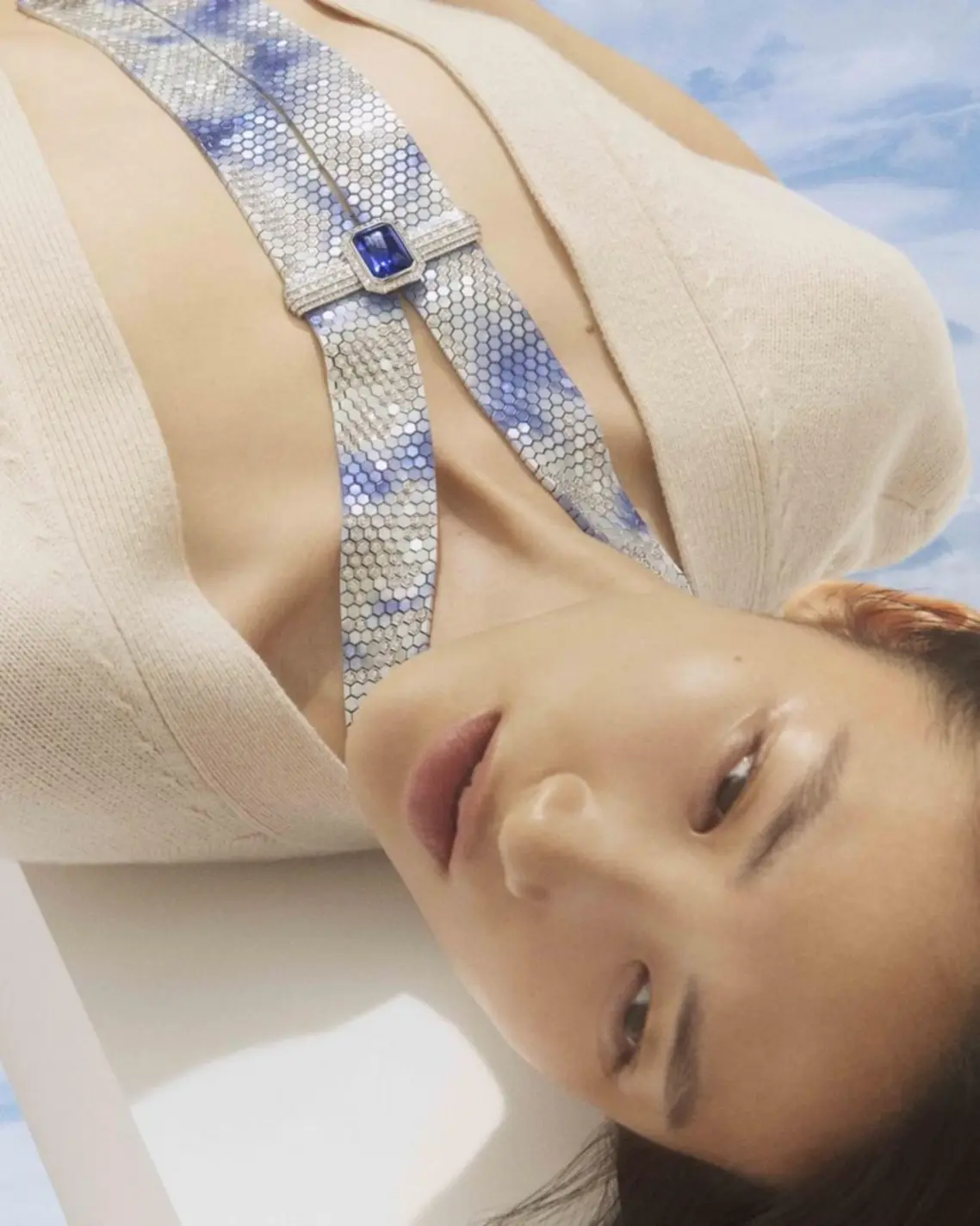
For decades, luxury jewelry loved women most when they were ornamental: Muse, client, campaign face, legend in a salon portrait. Now the script has changed to empowered women in leadership. At some of the world’s most powerful maisons, women in high jewelry are steering strategy, defining aesthetics, sourcing the stones, challenging the meaning of preciousness, and deciding how heritage should speak to the present.
March 18, 2026


In luxury, power has long had a habit of disguising itself as tradition. It sits in hushed boardrooms, inside archive rooms, beneath vitrines glowing with diamonds, and in the old myth that the great house is built by male founders, male executives, male watchmakers, male collectors.
Women in high jewelry, by contrast, were often cast as inspiration rather than authorship: The wrist, the neck, the fantasy, the face in the campaign. Yet the contemporary jewelry-and-watch landscape tells a different story about women in leadership. At Van Cleef & Arpels, Boucheron, Bulgari, Dior, and, in recent years, Cartier, women in leadership have transformed the way these maisons think, create, and grow. Here are some of the women in high jewelry that are pioneering this million-dollar industry.
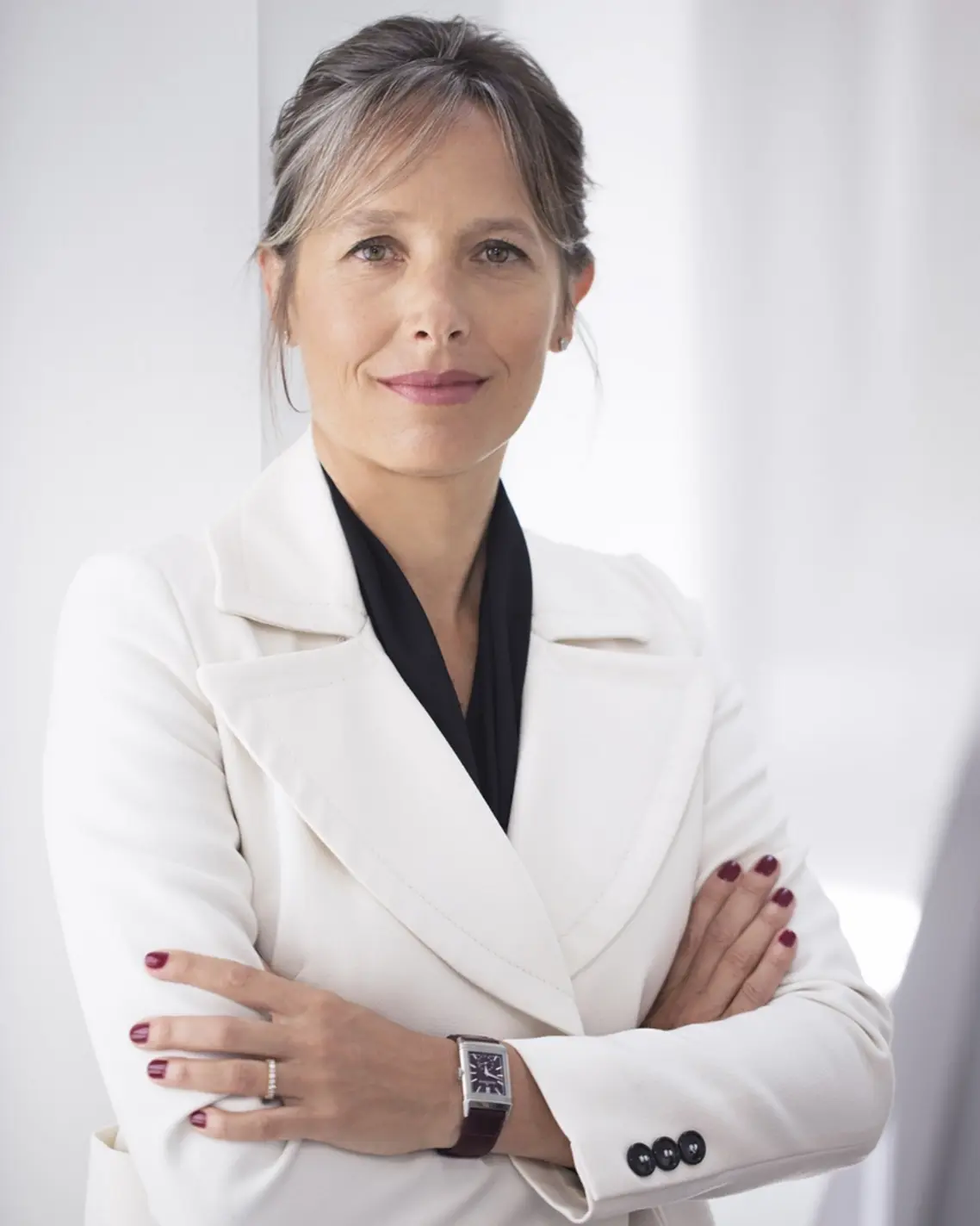
Catherine Rénier represents one kind of modern authority especially well: Disciplined, global, and quietly transformative. Richemont appointed her CEO of Van Cleef & Arpels effective September 1, 2024, after six years of leadership at Jaeger-LeCoultre. Her biography reads like a lesson in how luxury power is actually built: Cartier in New York, Van Cleef & Arpels in Paris, then Hong Kong and the Asia-Pacific region, where she helped scale the maison’s presence before returning to the top job.
What makes Rénier compelling is that she understands growth and poetry as partners rather than rivals. Under her leadership, the conversation around watches became more emotionally intelligent. She has argued that at Van Cleef & Arpels, storytelling comes first and mechanics come after, a philosophy that feels almost subversive in a field trained to worship the calibre before the feeling.
For us, the mechanics will always come after the story, we do it the other way around.
That instinct matters. It reframes horology as culture, not merely engineering, and gives women’s desire a more serious place in the conversation.
If Rénier is the strategist of enchantment, Marie-Laure Cérède has embodied another kind of power: The ability to make heritage move. Cartier materials and interviews through 2025 positioned her as the creative director of watches and jewellery, a role in which she became one of the clearest interpreters of contemporary Cartier style.
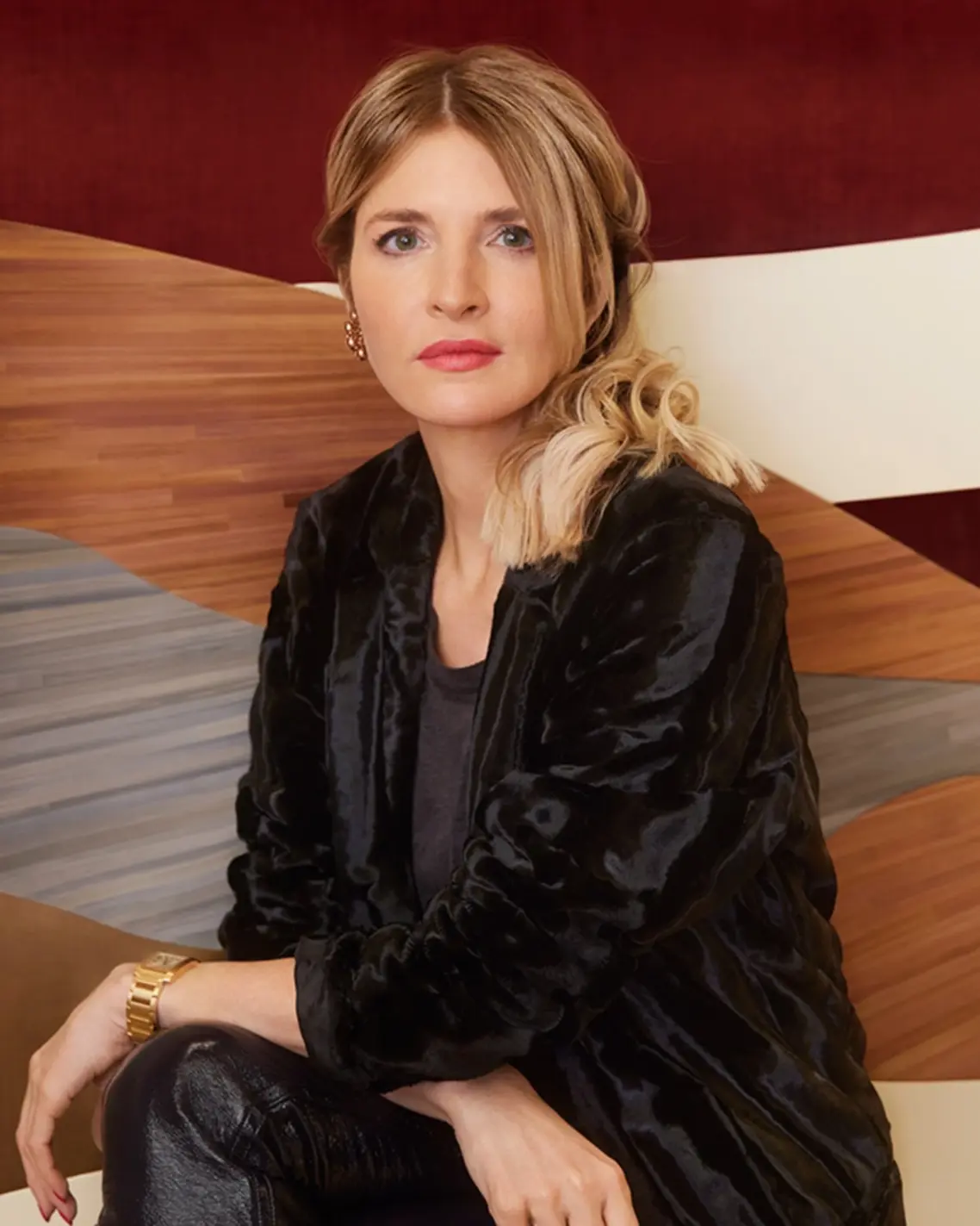
Her language is telling. She speaks less about spectacle than about vocabulary, less about impact than about enrichment. The aim, as she has put it, is to add new shapes, contrasts, and audacious forms to the maison’s patrimony, to build “tomorrow’s vocabulary” without severing the line to Jeanne Toussaint, the Tank, the Panthère, or the Baignoire.
In other words, Cérède revitalized the Baignoire and Panthère watch collections, moving away from "vintage-inspired" to creating "new classics." Her 2024/2025 collections introduced the "Zebra-Panther" hybrid motifs, blending animalier traditions with modern geometry.
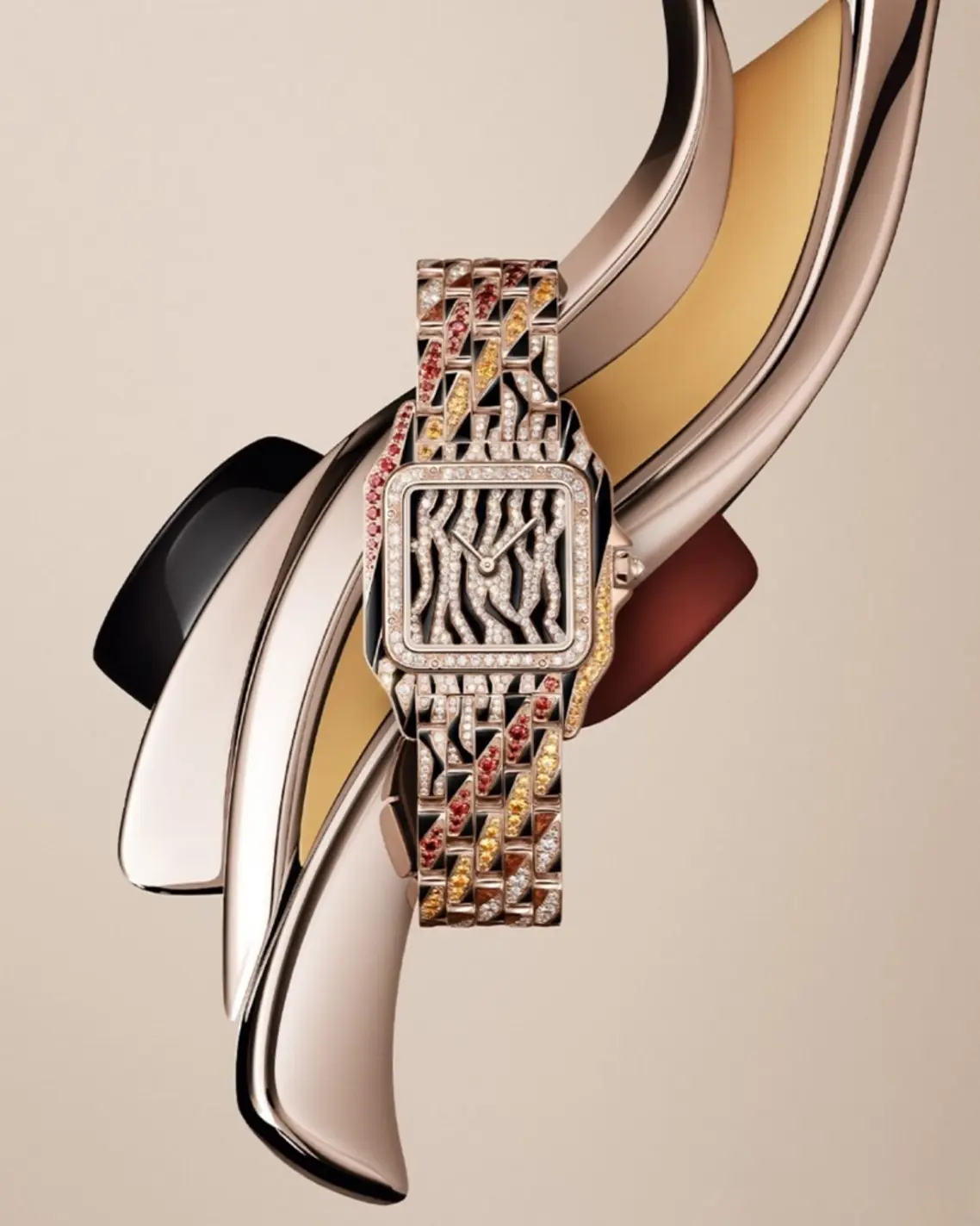
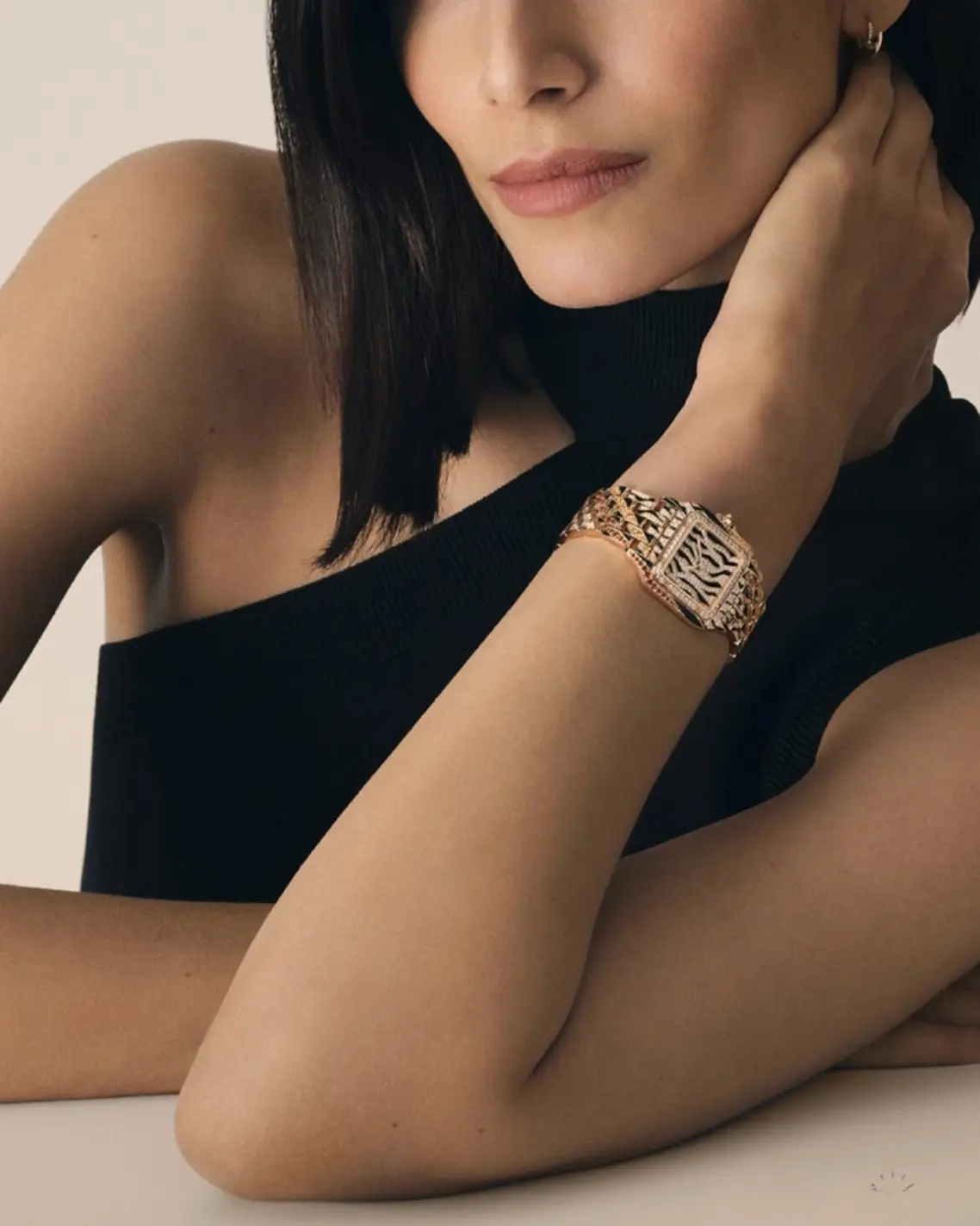
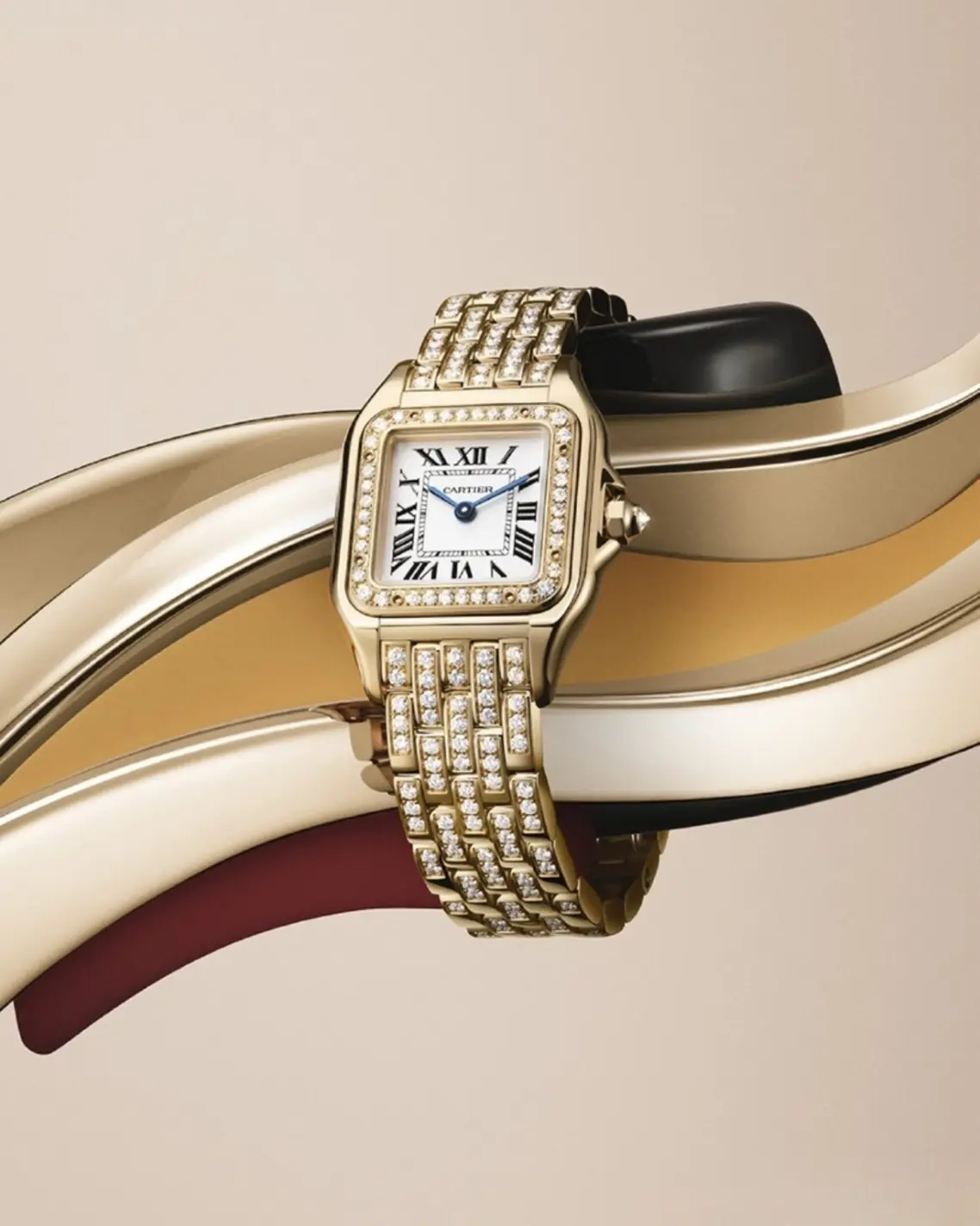
What distinguishes Cérède is her sculptural intelligence. Cartier describes her as a jewelry-and-watchmaking creative director. Interviews around the Tressage and other recent pieces reveal an obsession with ergonomics, invisible details, and the feeling of a jewel or watch against the skin. She thinks in volume, curve, and movement. Gold, in her hands, is less of a hard statement than a living contour.
Then there is Claire Choisne, who may have done more than anyone to rupture the old definition of what “precious” is supposed to mean.
Boucheron today stands as one of the clearest examples of women in leadership shaping the future of high jewelry, with CEO Hélène Poulit-Duquesne and Creative Director Claire Choisne pushing the maison’s boundaries in tandem. That partnership matters because it unites executive confidence with creative audacity.
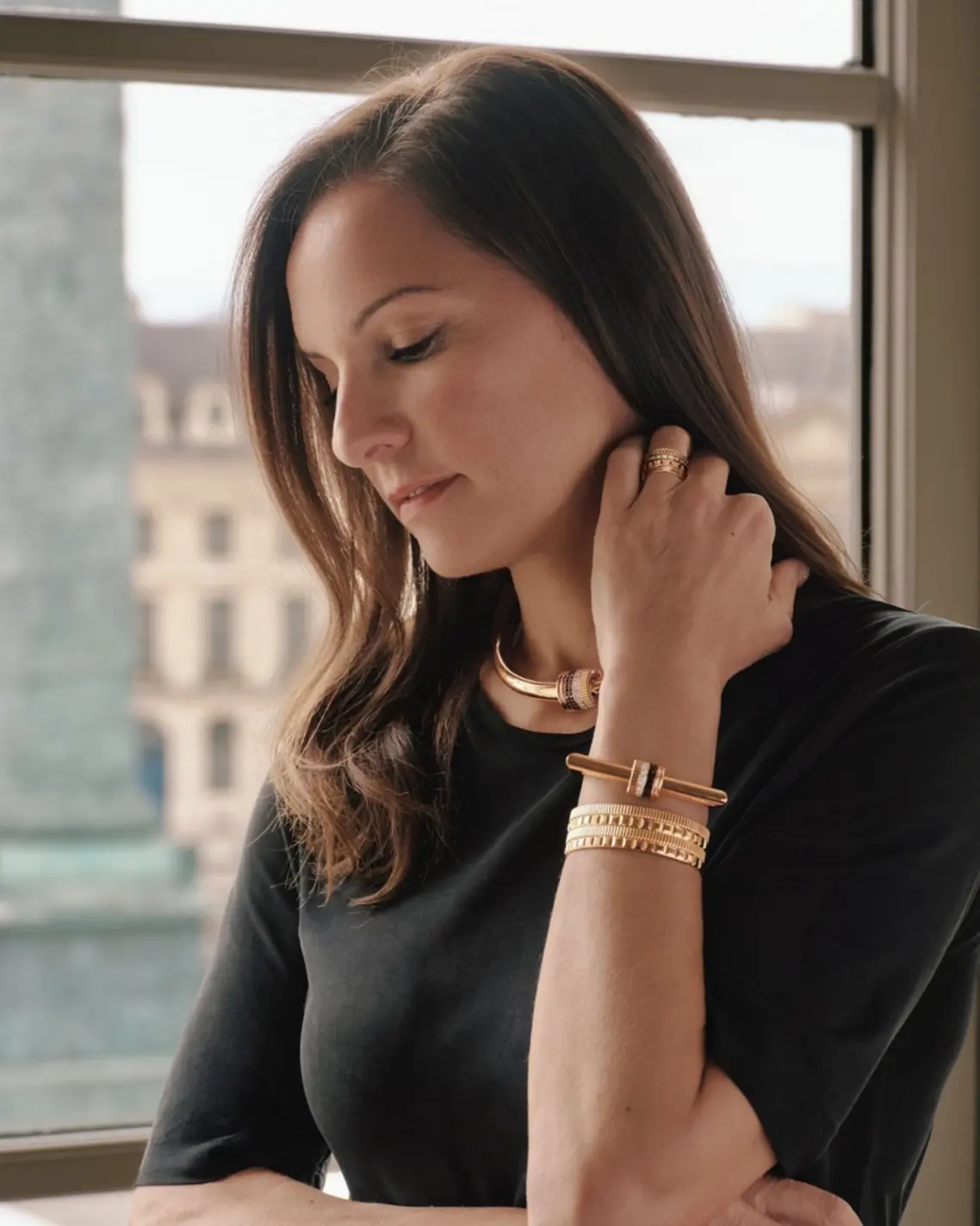
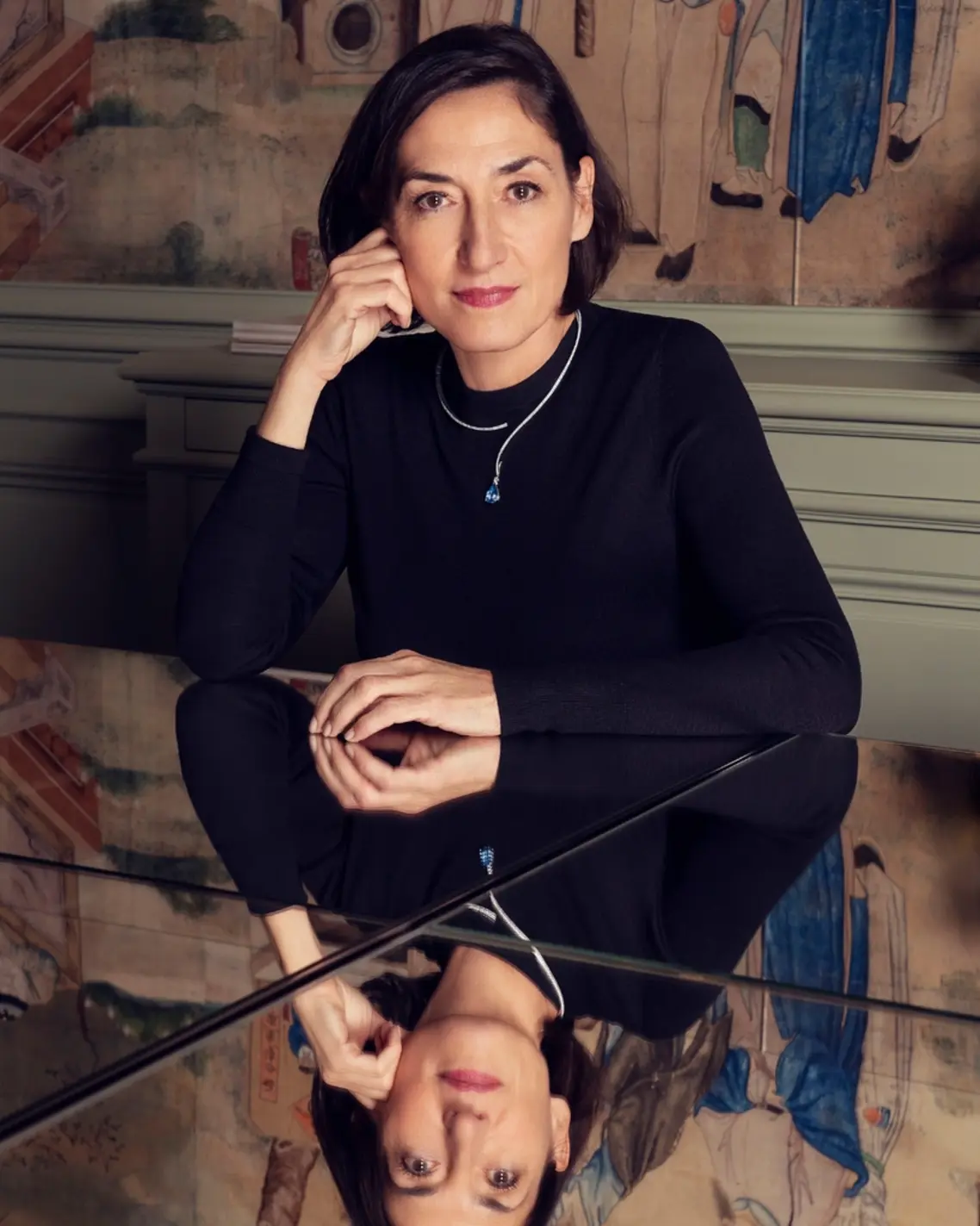
Choisne has been given the freedom to pursue ideas that a more cautious house might have considered too radical, namely the Contemplation collection which featured a necklace made of 99% air. Thanks to that creative freedom, innovation becomes part of the maison’s identity rather than an exception to it.

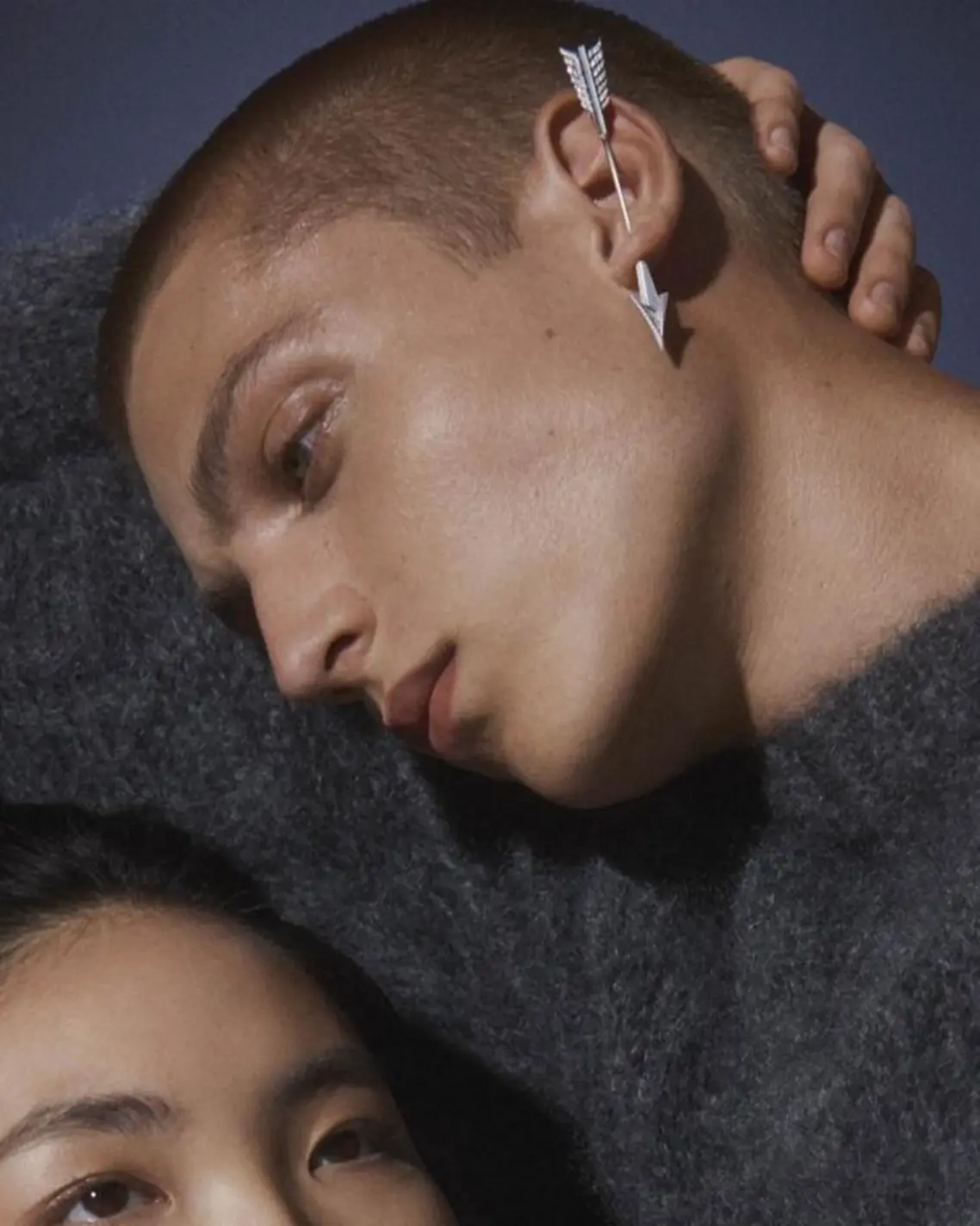
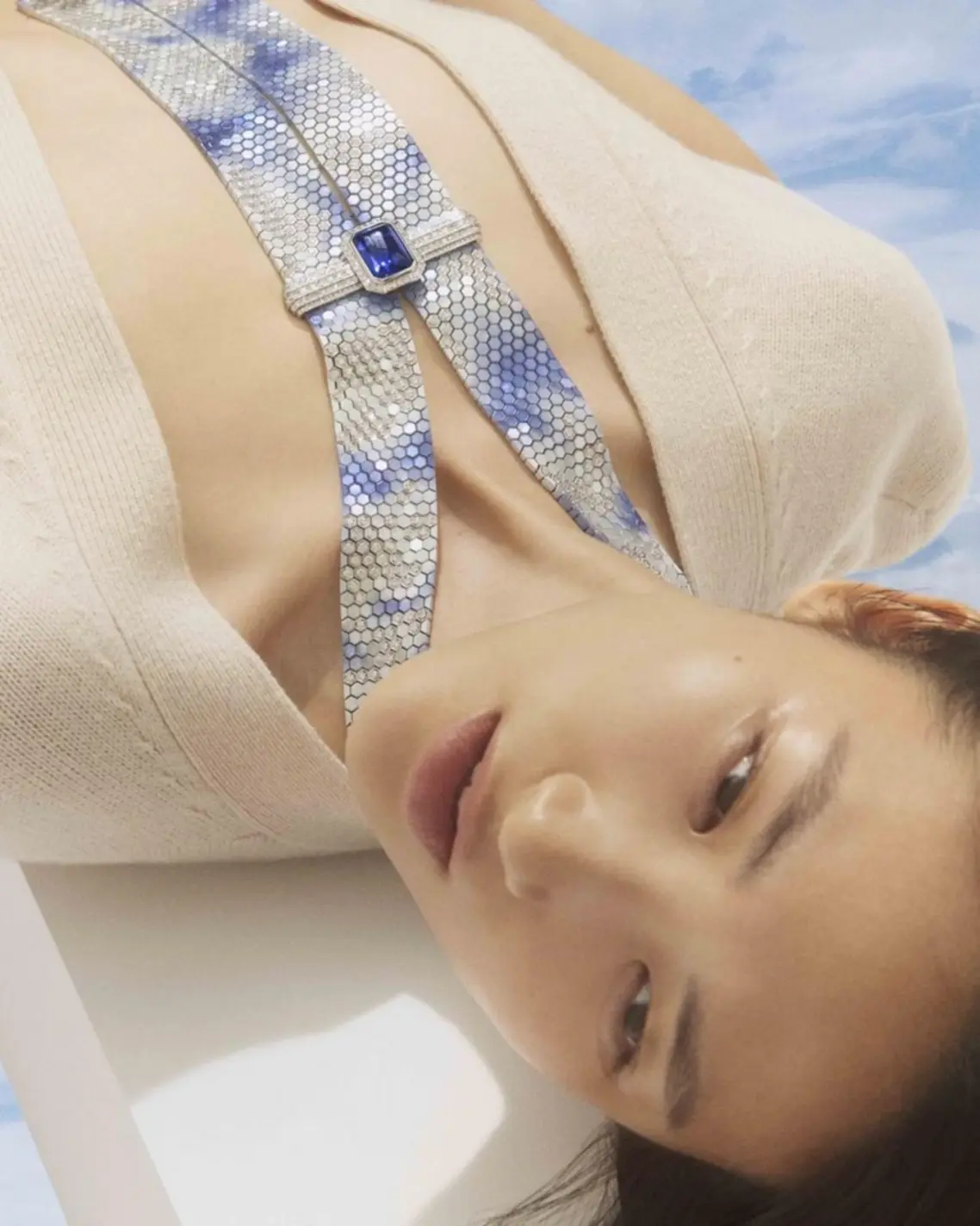
Since becoming creative director in 2011, she has turned Boucheron into the laboratory of Place Vendôme. Official maison texts trace this through stabilized flower petals, NASA-linked aerogel encapsulated in rock crystal, holographic surfaces, meteorite, rattan, black sand, and other materials that refuse the old hierarchy of noble versus ignoble.
If Cérède is about shape and Choisne is about material, Lucia Silvestri is about color. She is one of the few Creative Directors who is also the brand's primary gemstone buyer.
Bulgari’s official storytelling does not merely call her its Jewelry Creative Director, it presents her as the woman who buys the most extraordinary gemstones in the world, involved in every step from acquisition to finished masterpiece.
Her work is characterized by bold color combinations (the "Bulgari Peacock" style) and the use of large, cabochon-cut stones. She treats gemstones like a deck of cards, laying them out on her desk to "play" until they find their harmony.

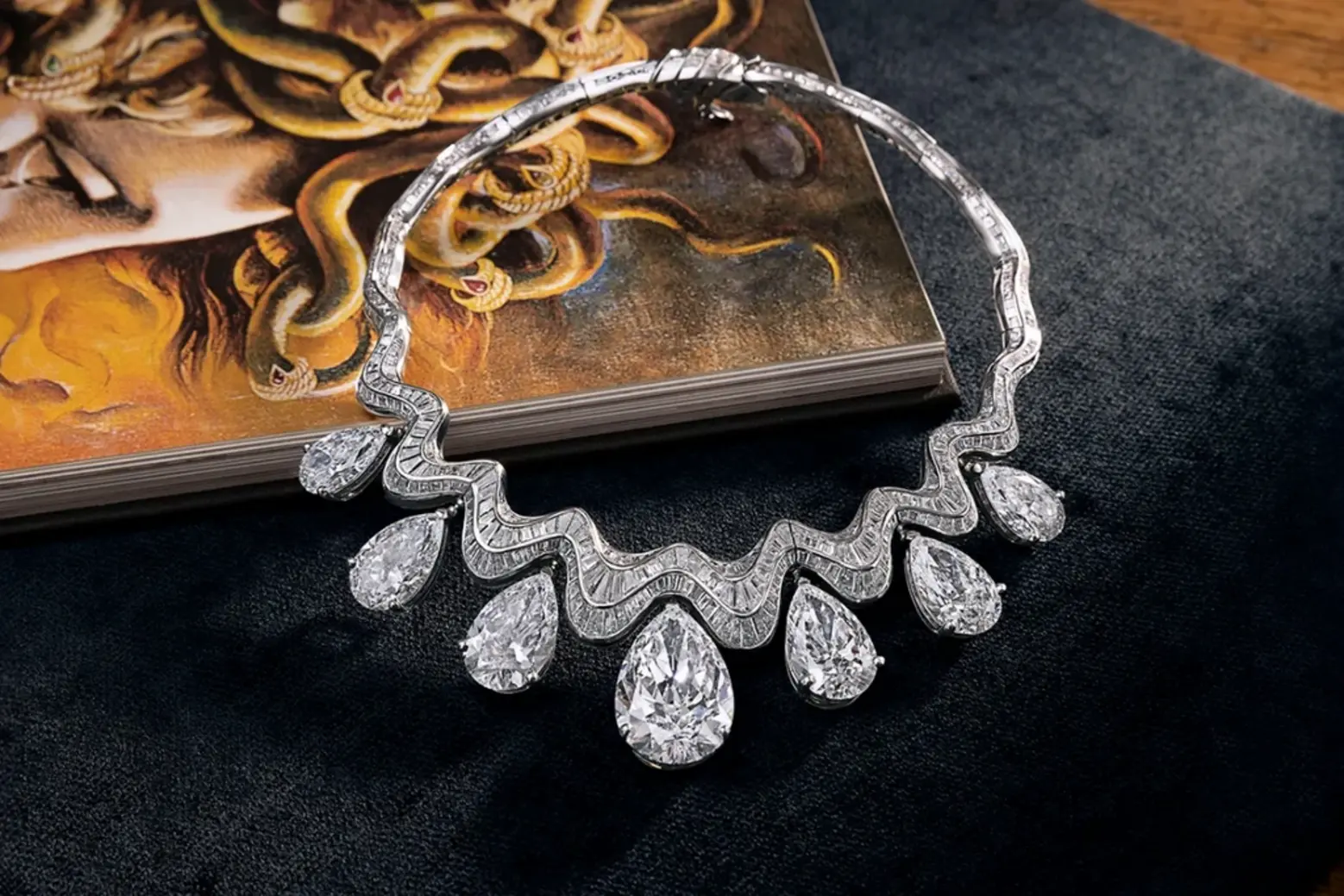
That is a rare form of authority in luxury, not just styling the final dream, but hunting its raw matter. Silvestri entered Bulgari at 18 and learned alongside the Bulgari family, later becoming the house’s jewelry creative director in 2013. Her work carries a recognizably Roman appetite, with exuberant colors, bold cabochons, chromatic clash as high art rather than risk. Yet what truly distinguishes her is her intimacy with sourcing.
She does not inherit gems as abstract materials on a tray, she travels the world personally to source them, studies them, negotiates for them, supervises their transformation.
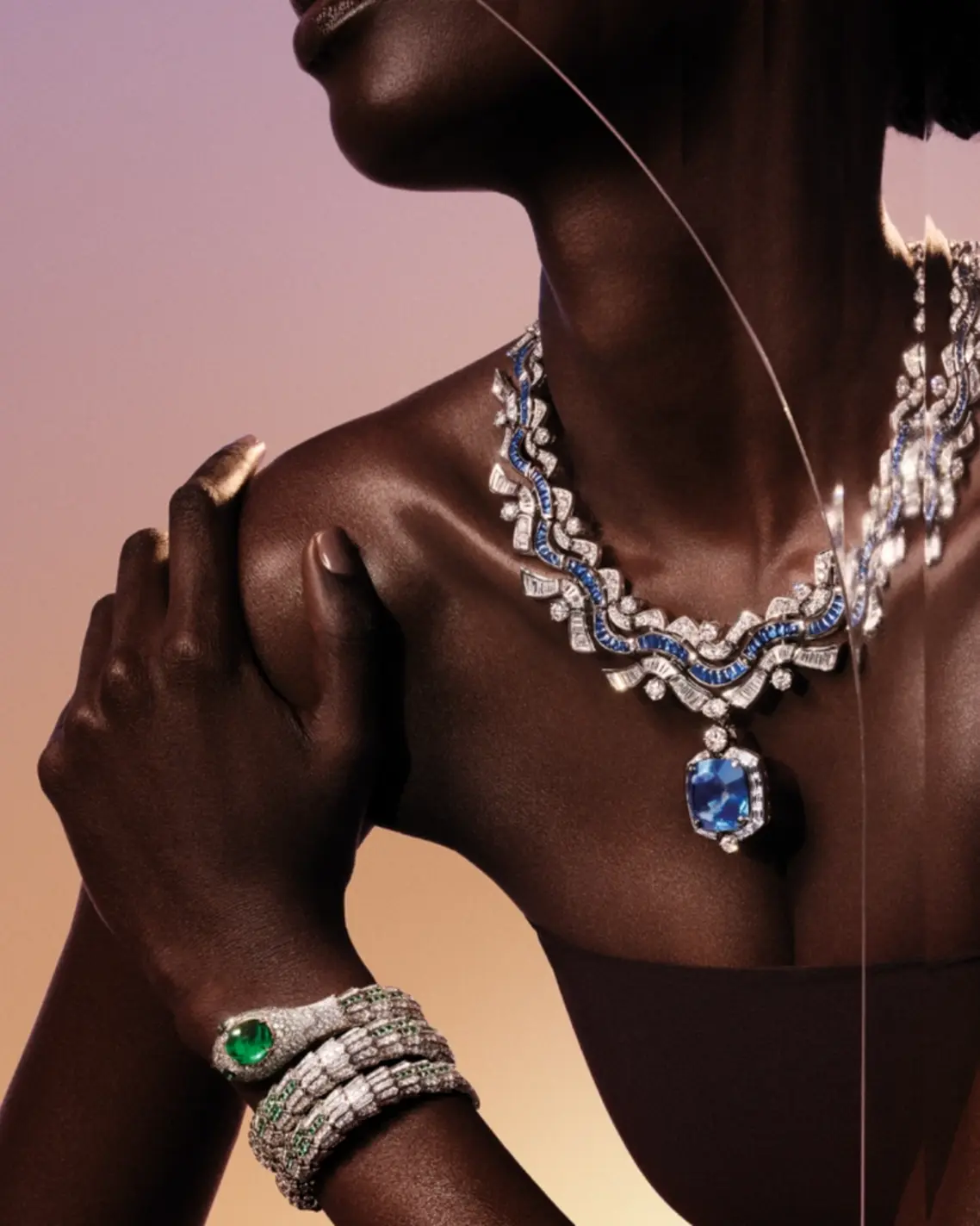
Bulgari’s Aeterna Serpenti necklace for the house’s 140th anniversary distilled that authority into one feat. A 200-carat rough diamond cut into seven flawless drops totaling 140 carats, under her guidance.
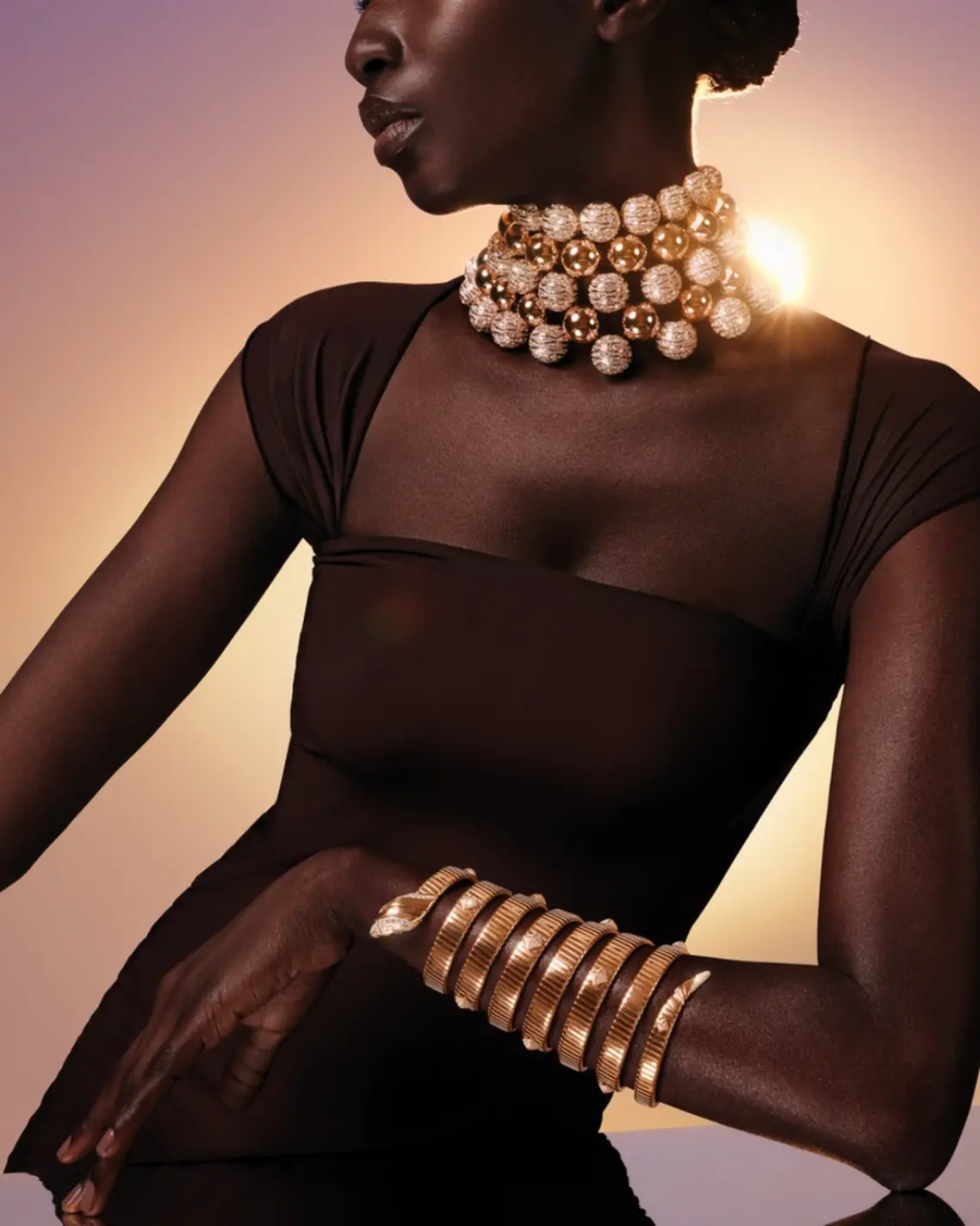
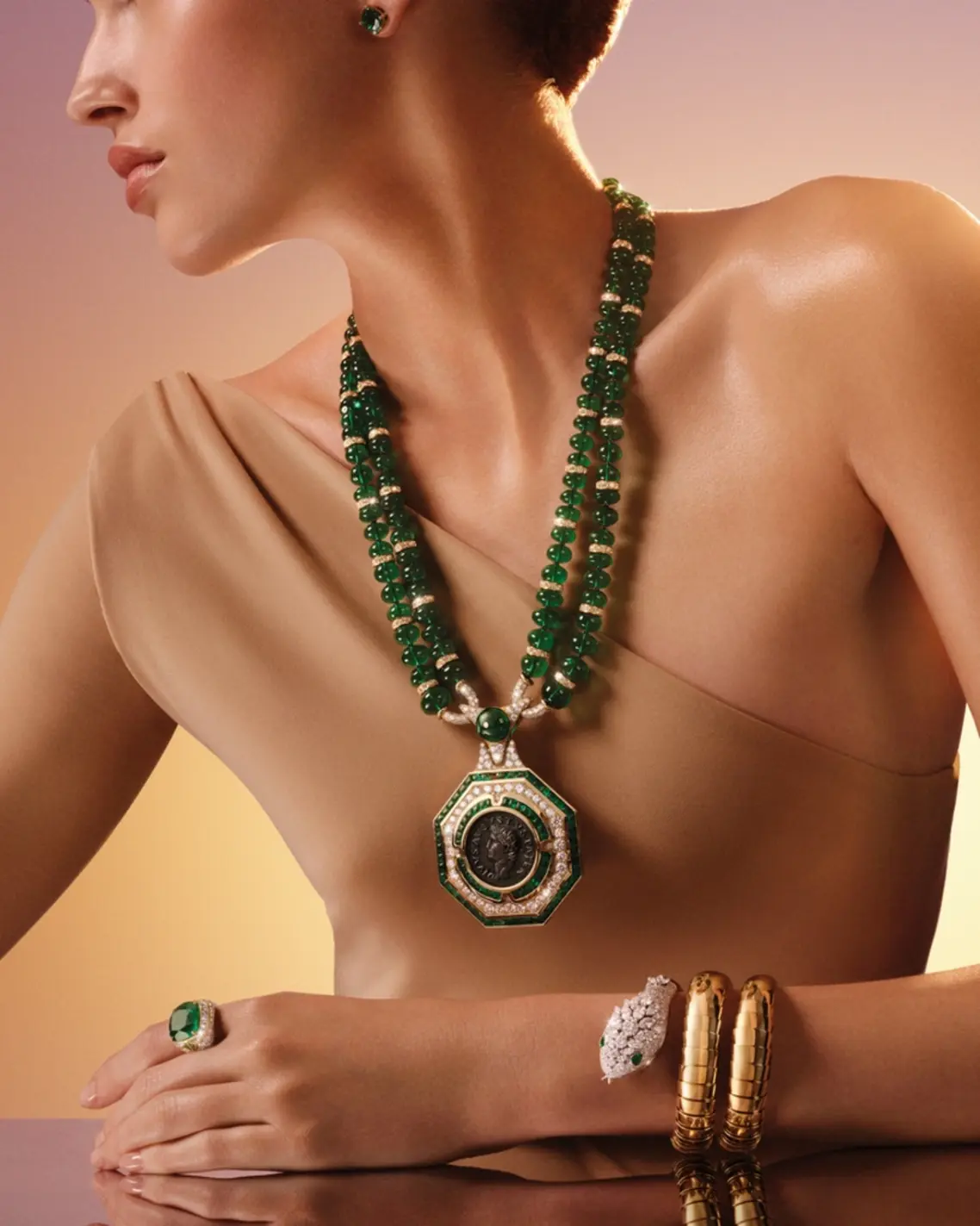
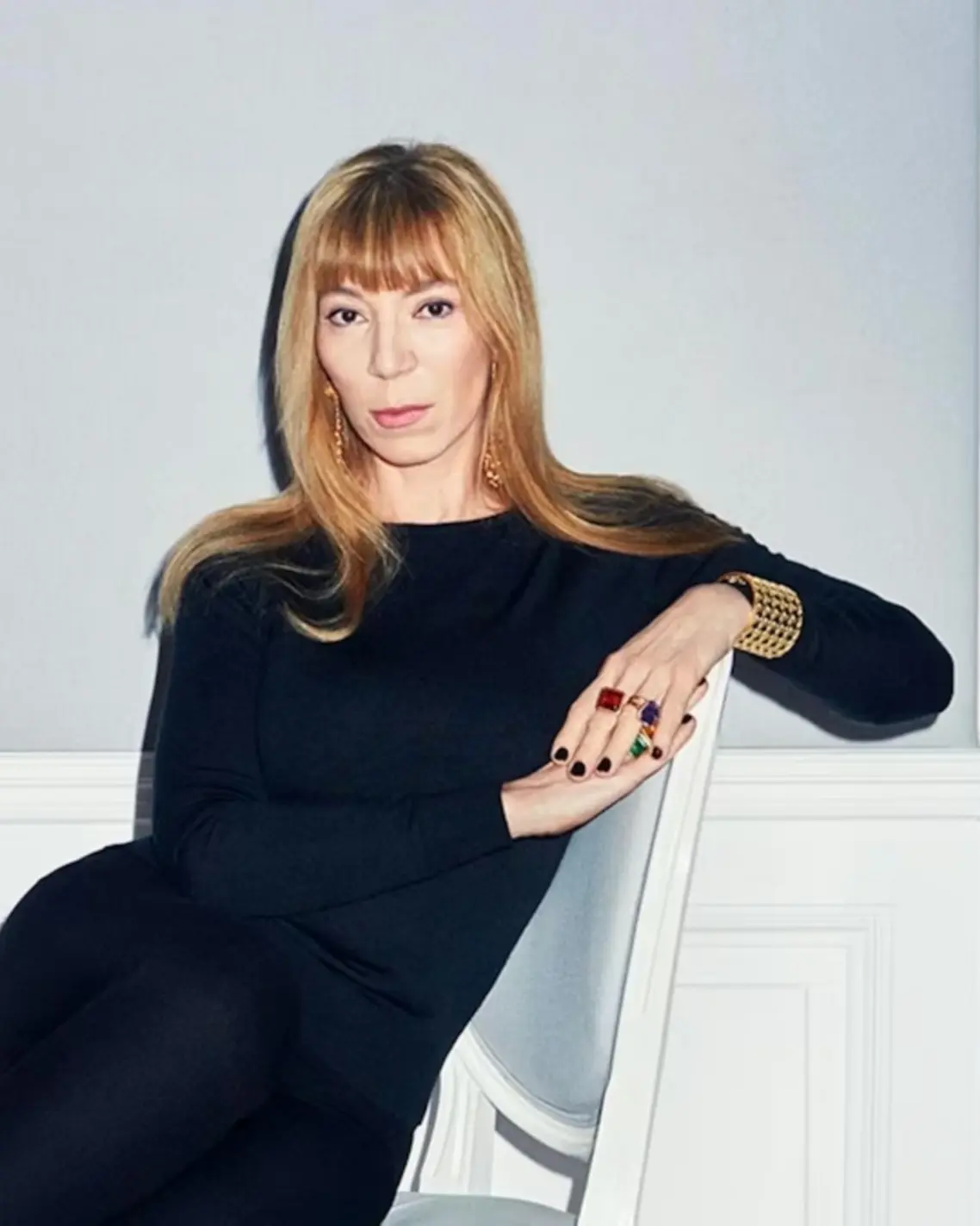
Victoire de Castellane occupies a different category altogether. Victoire is, for the lack of better words, an institution-trained rebel. Born into the French aristocracy, she worked alongside Karl Lagerfeld at Chanel for 14 years before being tapped by Bernard Arnault to launch Dior’s jewelry division.
De Castellane is the longest-standing female creative lead in the industry, over nearly three decades, she has turned Dior Joaillerie from a non-existent category into one of the most narratively distinctive voices in the industry. Her official profile is gleefully clear about her temperament: Eclectic, playful, allergic to boredom. That refusal of boredom is not frivolous. De Castellane transformed high jewelry from a language of solemn status into fantasy, mischief, botany, couture memory, and fairytale distortion.
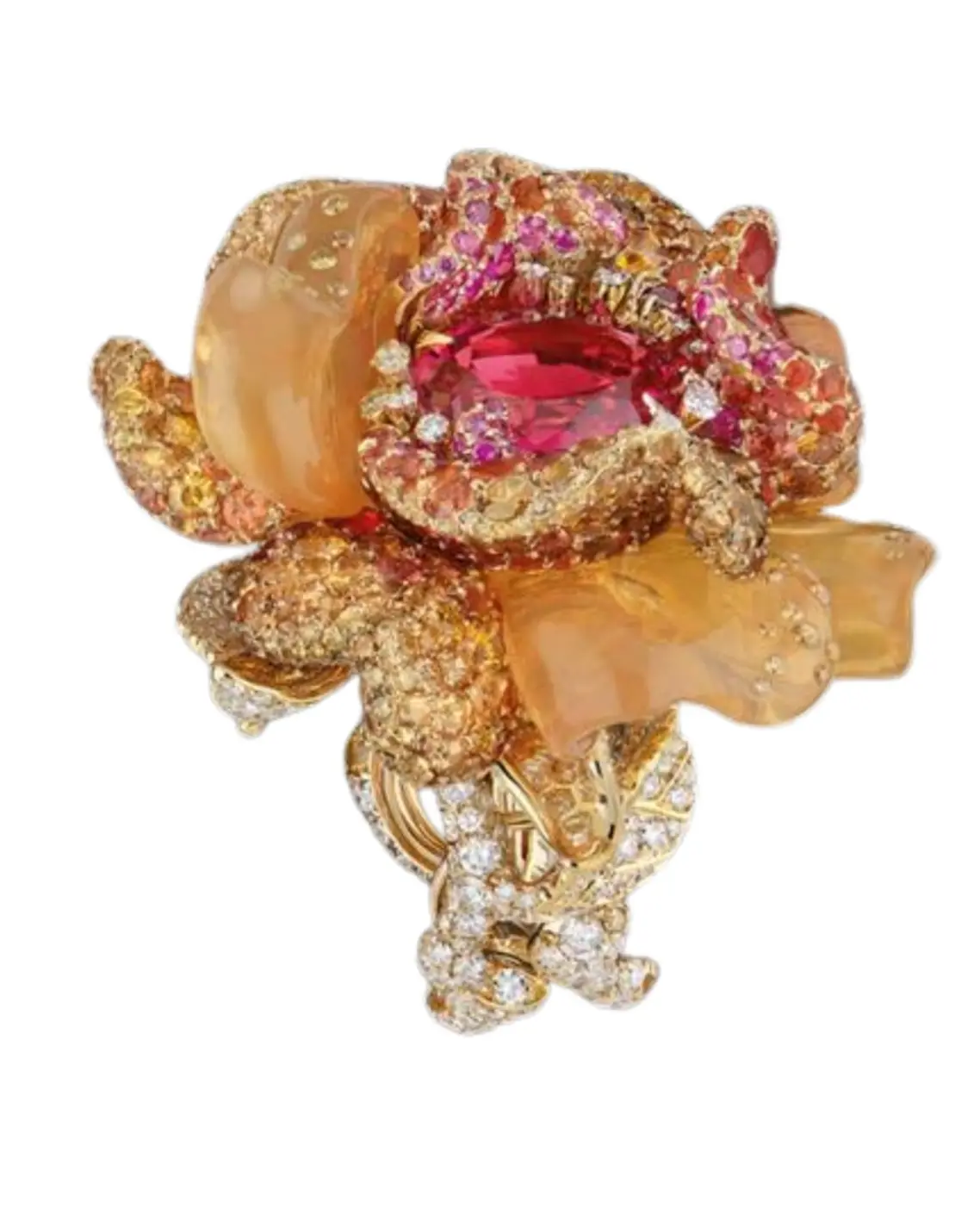
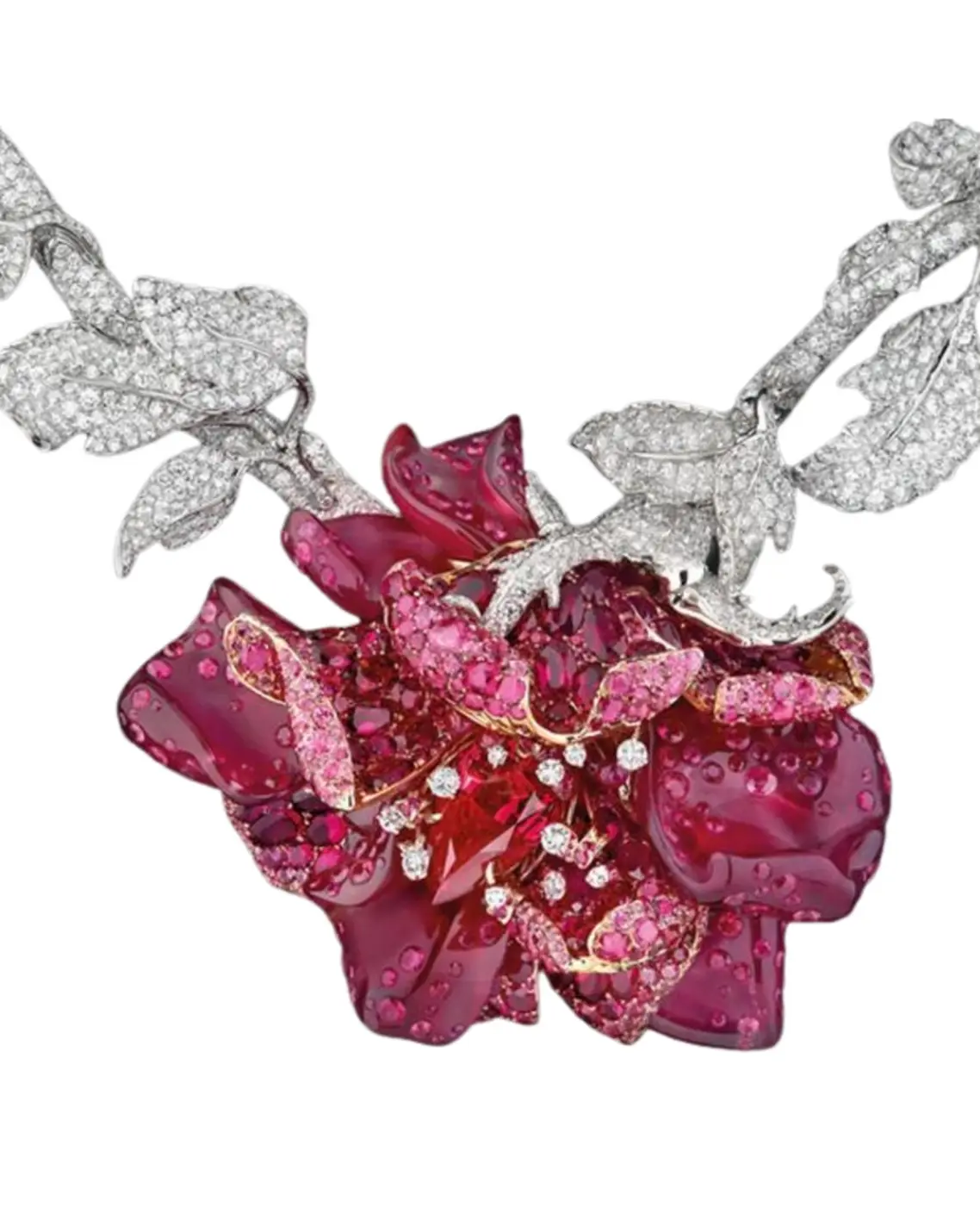
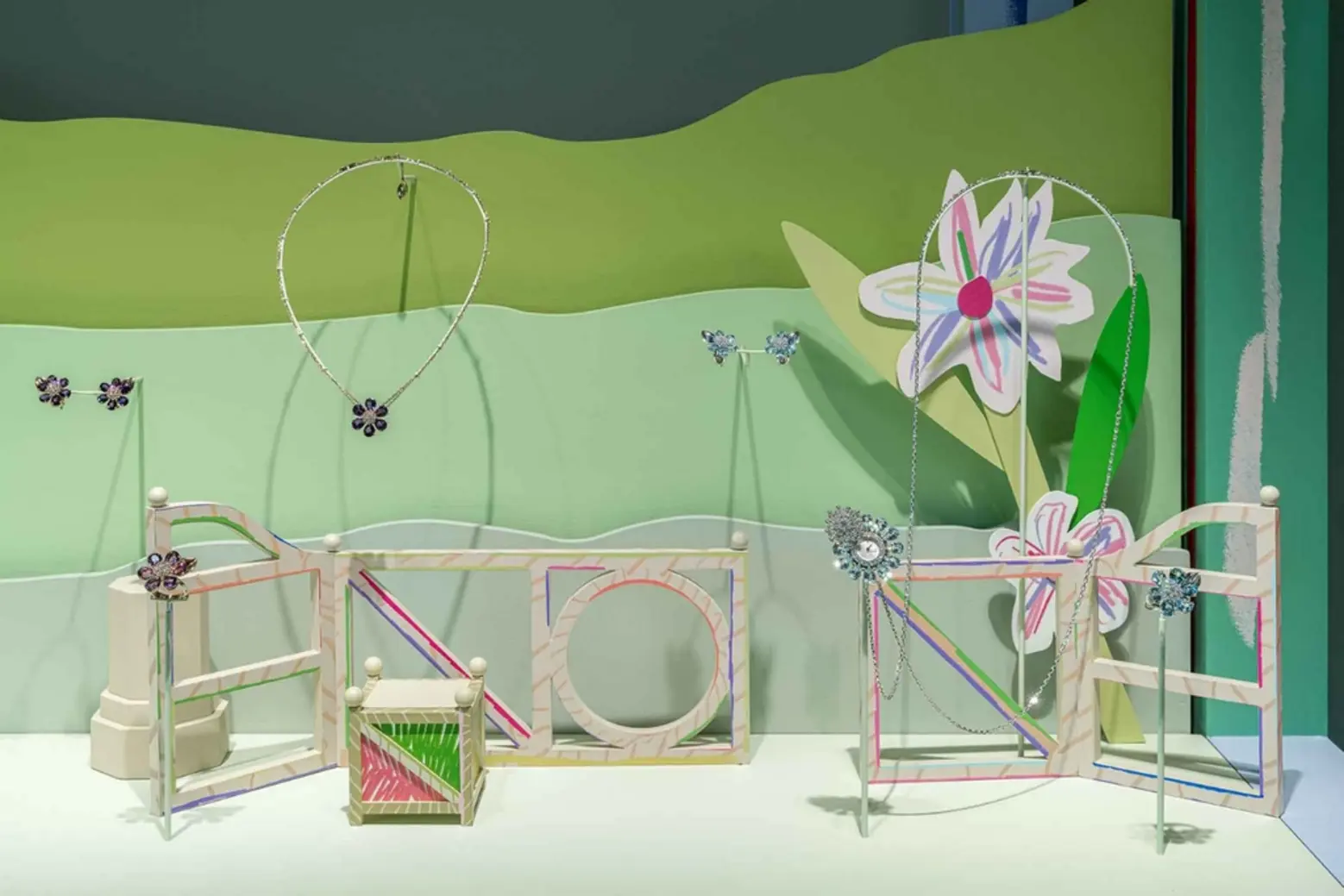
Dior’s own pages trace how she continuously returns to Christian Dior’s codes. Te rose, cannage, the gardens of Milly-la-Forêt, enchanted landscapes, prints translated into gemstones, and stories turned wearable. Her RoseDior and Dior Print collections are masterclasses in translating Christian Dior's couture fabrics into hard stones.
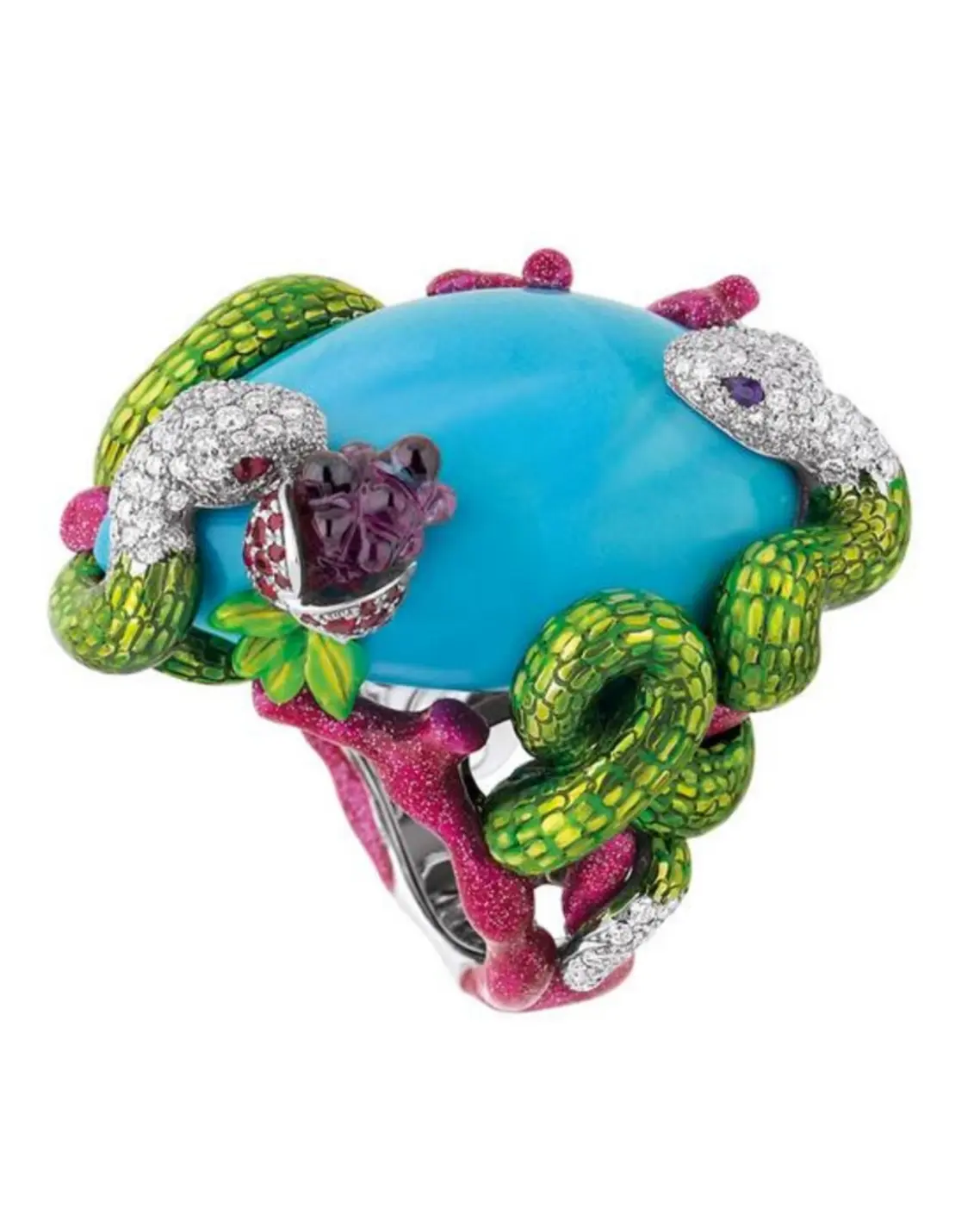
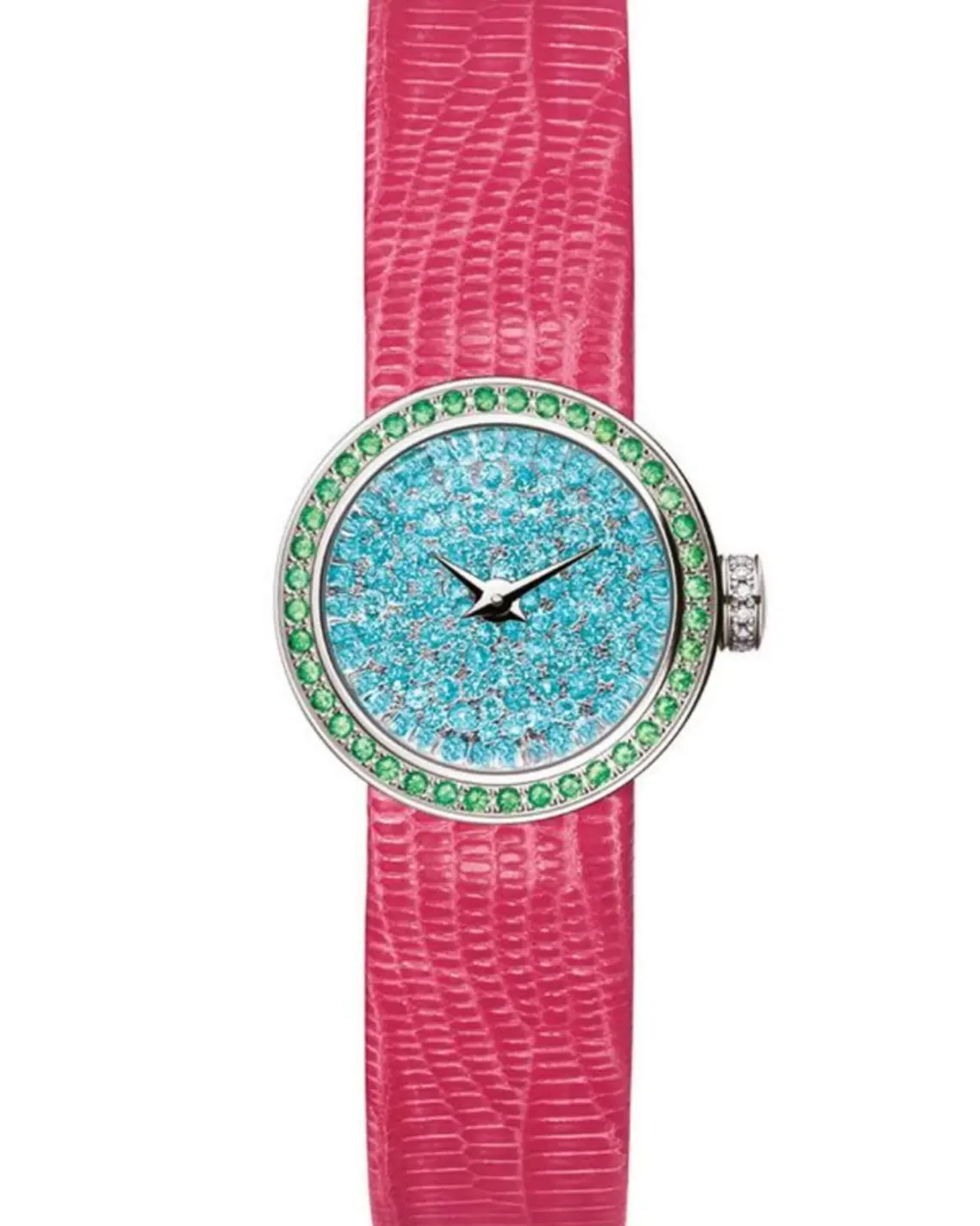
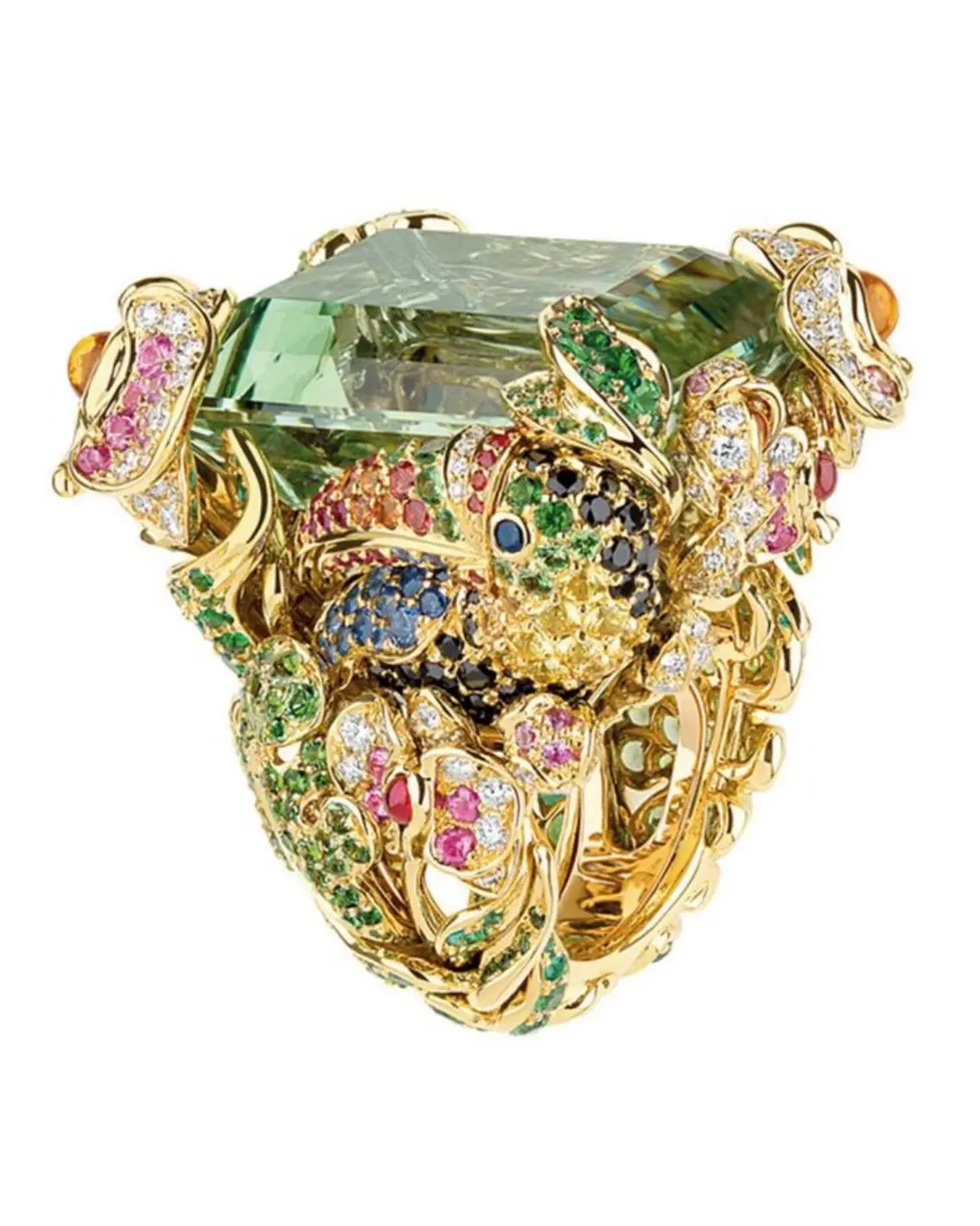
What joins these extraordinary women in high jewelry is not a single feminine style. In fact, the opposite is true. Their authority is persuasive because it is plural. Rénier leads through narrative strategy and commercial intelligence. Cérède works through proportion, touch, and the subtle reinvention of icons. Choisne destabilizes material assumptions and asks what preciousness could become. Silvestri treats gemstones as living protagonists rather than accessories. De Castellane turns jewelry into fiction, dreamscape, and emotional world-building.
Together they expose how lazy the old categories were. Women in high jewelry were never simply muses to opulence, the system merely preferred them most when they appeared decorative rather than directive. What we are seeing now is a redistribution of authorship. The maisons still trade in glamour, of course, but glamour is no longer the end of the story. Governance, design grammar, sourcing, archive strategy, technical experimentation, and brand mythology are all being rewritten by successful women in high jewelry with very different talents and temperaments.
That shift feels especially important because jewelry and watchmaking remain industries obsessed with permanence. They are businesses built on legacy, inheritance, continuity, transmission. For the leadership of women in high jewelry, controlling that machinery means more than occupying prestigious titles. It means deciding which histories are preserved, which codes are refreshed, which fantasies are sold, and which future clients are invited in.