MENU
Close





Fresh off the Milano Cortina finale, Milan pivots into Milan Fashion Week Fall/Winter 2026 (Feburary 24 to March 2), where runway lights double as economic engines. Creative-director debuts, packed streets, and €217.4 million in projected tourist spend make the city feel like luxury is being rewritten in public.
Fresh off the Milano Cortina finale, Milan pivots into Milan Fashion Week Fall/Winter 2026 (Feburary 24 to March 2), where runway lights double as economic engines. Creative-director debuts, packed streets, and €217.4 million in projected tourist spend make the city feel like luxury is being rewritten in public.
February 24, 2026


Milan Fashion Week Fall/Winter 2026 is unfolding in a city still humming from Milano Cortina’s closing ceremony on February 22 at Verona Arena. The official women’s calendar runs February 24 to March 2, and the timing feels like a handoff from stadium spectacle to runway ritual: crowd control, cameras, and craft, all moving at Milan speed. Confcommercio’s research center forecasts 132,207 arrivals and €217.4 million in tourism spending during the week, turning fashion into a measurable civic event.
It sits between the Olympic close (February 22) and the Paralympic build-up, while multiple heritage houses debut new creative leads. CNMI lists February 24–March 2 on the official calendar, with March 2 leaning digital. Add 50+ runway shows and close to 90 presentations, and Milan becomes a live brand referendum.
From February 24 through March 1, the city stacks physical runway shows and presentations across theaters, palazzi, and industrial spaces, then shifts into a digital-forward close on March 2, with livestreams extending the audience. The schedule is both diary and infrastructure: it tells you where fashion is headed, and it keeps the city moving in sync.
Confcommercio estimates €217.4 million in total tourism spending, split into €100 million for shopping, €84.8 million for hospitality, and €32.6 million for transport, with 44.7% of arrivals coming from abroad. In practice, Milan Fashion Week Fall/Winter 2026/2027 runs as a runway and a revenue engine at once.
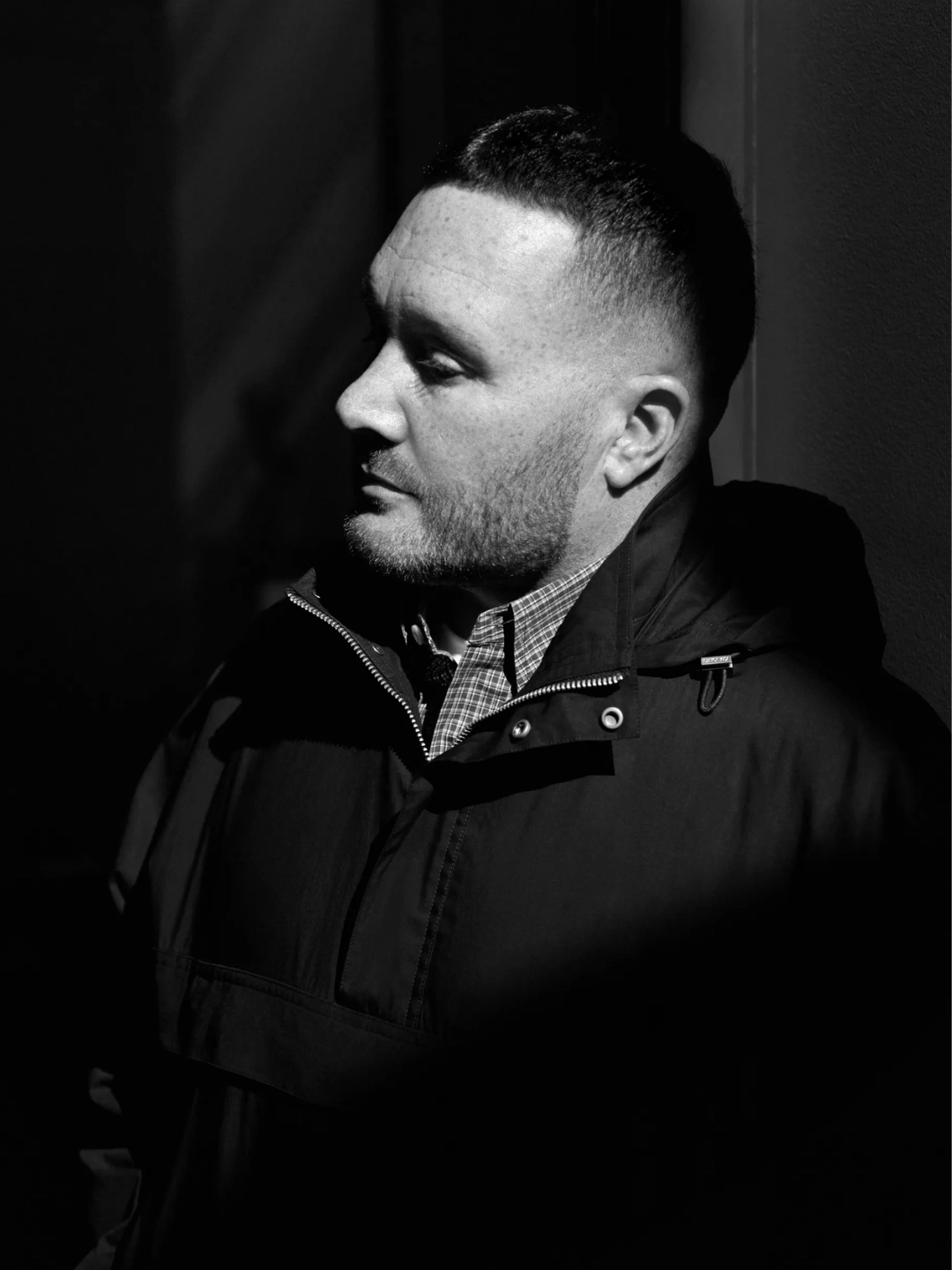
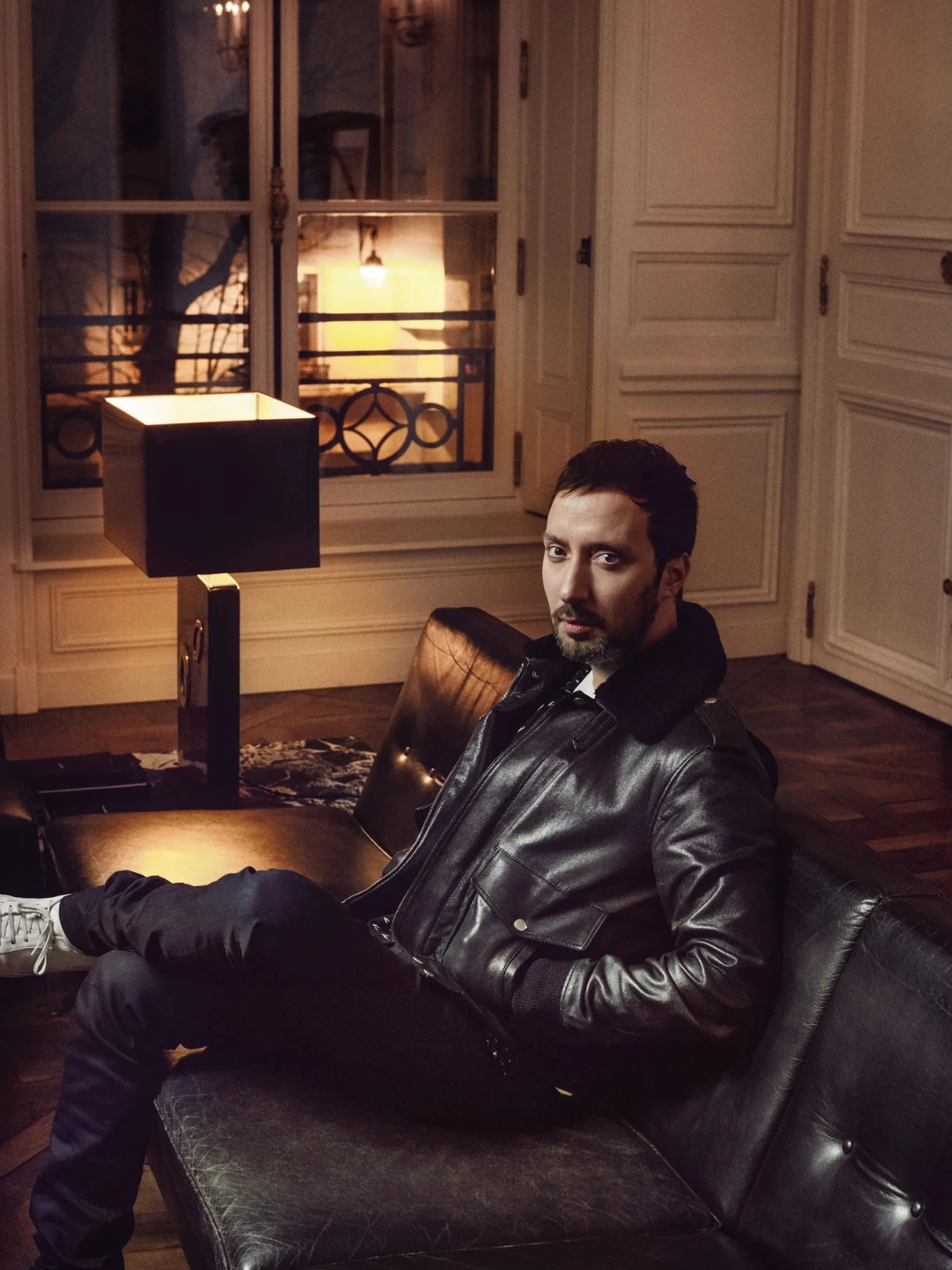
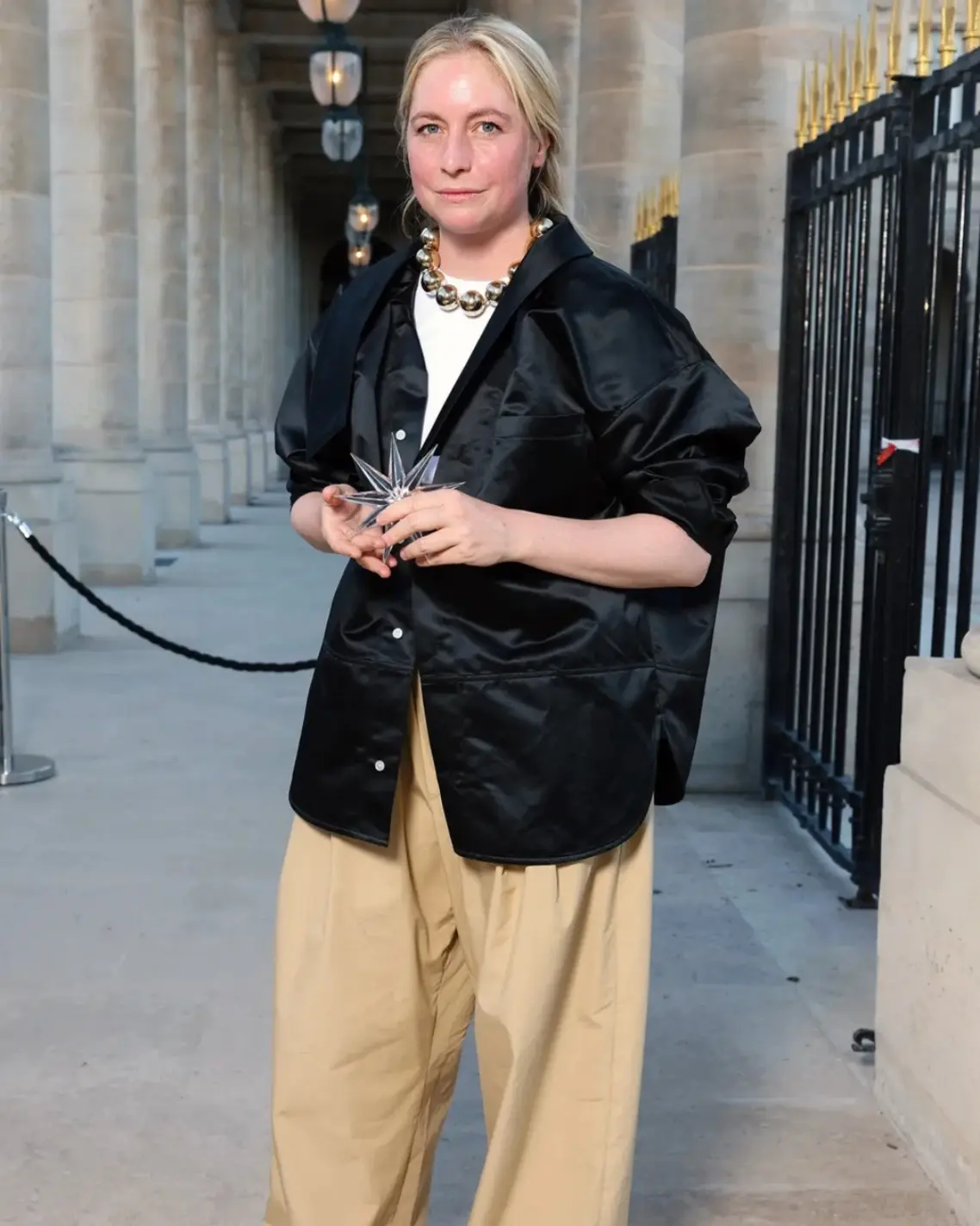
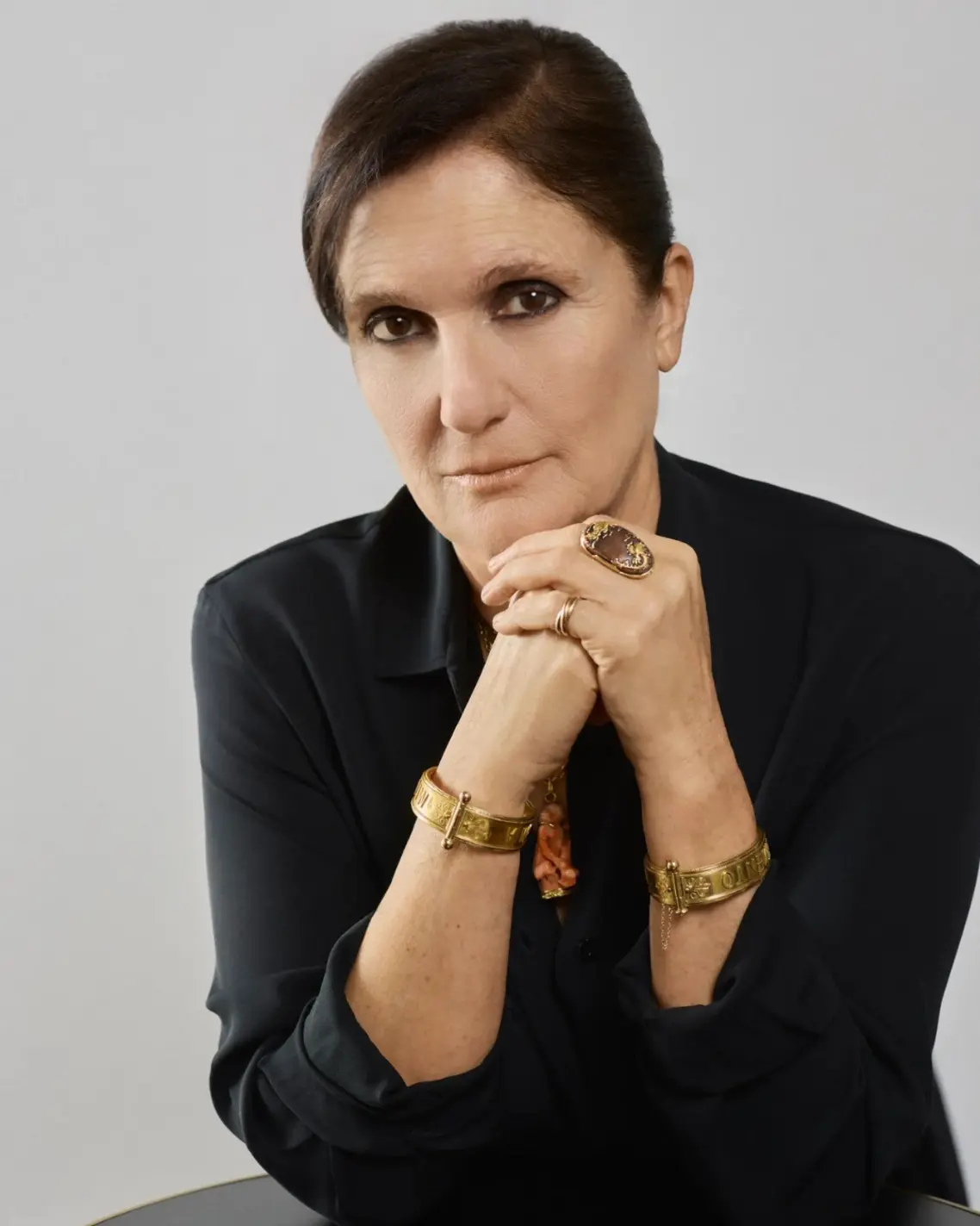
This season’s most-watched shows revolve around authorship. Vogue highlights first collections from Maria Grazia Chiuri at Fendi and Meryll Rogge at Marni, plus Demna’s first full runway statement for Gucci, three distinct sensibilities asked to speak fluent Italian heritage. Around them, sophomore moments matter too: Louise Trotter at Bottega Veneta and Simone Bellotti at Jil Sander sharpen the question of speed—how fast a “new era” can feel like continuity.
A parallel storyline runs through Versace, where Prada Group has announced Pieter Mulier as Chief Creative Officer starting July 1, 2026, placing the house in a visible transition period. Pop culture adds sparkle: The Devil Wears Prada 2 turned a Dolce & Gabbana front row into a filming set during Milan Fashion Week last September, and the sequel’s trailer cycle keeps Milan’s mythology circulating far past the catwalk.
In the end, Milan Fashion Week Fall/Winter 2026 reads like a city testing its next identity in public. The Olympic afterglow supplies momentum, the creative shifts supply suspense, and the economic lift supplies proof. When the lights go down, one question lingers: which new signatures will still feel unmistakably Milan next season?