MENU
Close





On May 9, 2012, the world lost Vidal Sassoon, the stylist who made hair feel like architecture you could live in. His cuts promised something quietly radical for their time. A woman could wash, shake, and go. The shape would return, as if it belonged to her body’s natural motion.

On May 9, 2012, the world lost Vidal Sassoon, the stylist who made hair feel like architecture you could live in. His cuts promised something quietly radical for their time. A woman could wash, shake, and go. The shape would return, as if it belonged to her body’s natural motion.
September 5, 2025


Before Sassoon, glamour often meant construction. Hair was teased, pinned, and lacquered into towering styles that asked for maintenance like a weekly appointment to a machine. Sassoon replaced that ritual with design. Clean lines. Precise angles. A haircut that held its logic without constant supervision.
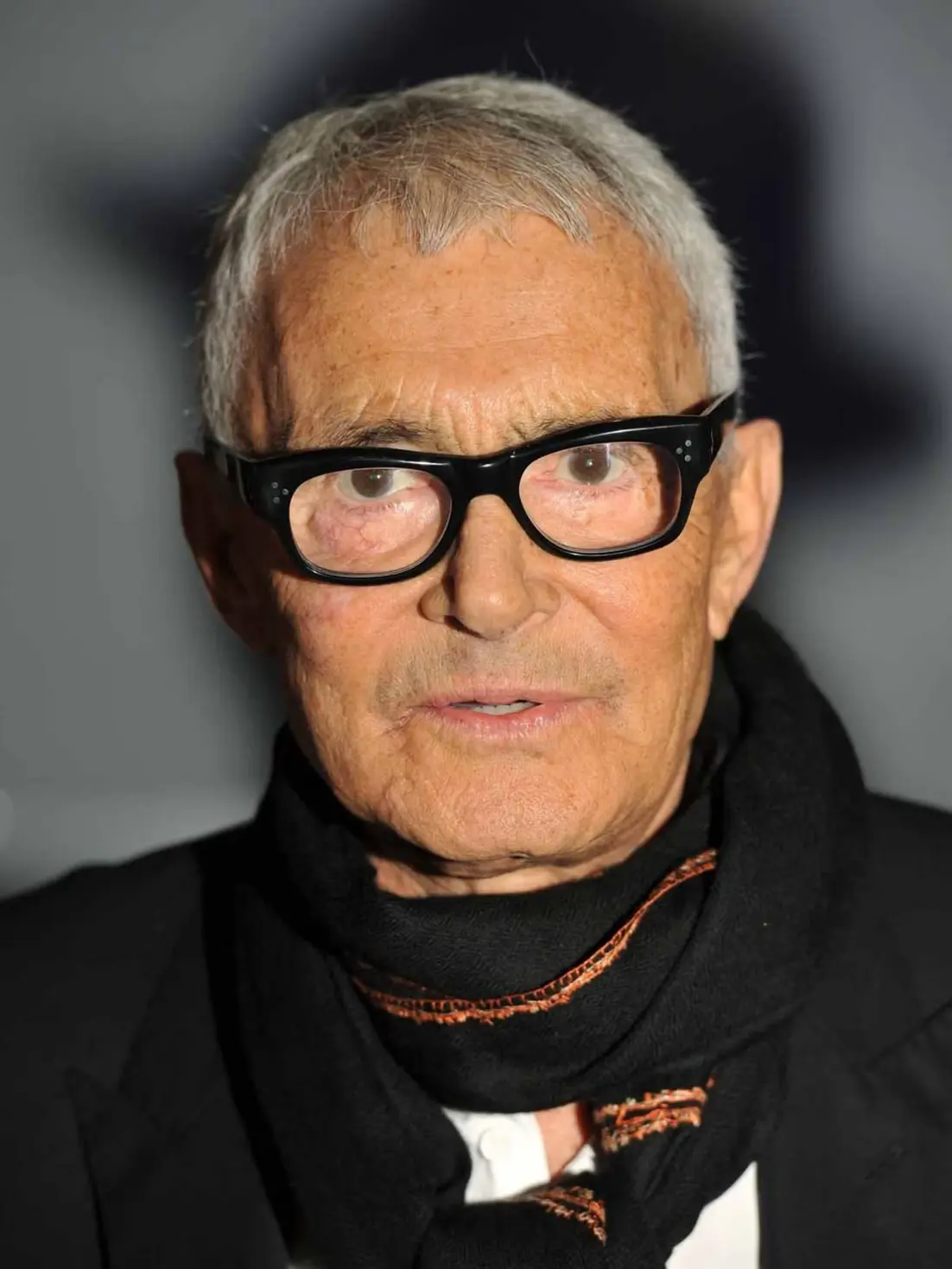
That shift sounds technical. It was cultural. When hair becomes lighter, life moves faster.
Sassoon’s signature was geometry with empathy. He shaped hair so it could fall back into place. The result looked modern because it behaved modern. Practical. Mobile. Unapologetically everyday.
He studied visual principles, including Bauhaus influences, and translated them into hair without making women look like diagrams. The craft stayed tactile. The outcome stayed effortless.
In the early 1960s, he created a classic bob for designer Mary Quant, a meeting point of two revolutions. Quant changed hems. Sassoon changed silhouettes around the face. Together they helped define a decade where women’s style carried a new sense of personal agency.
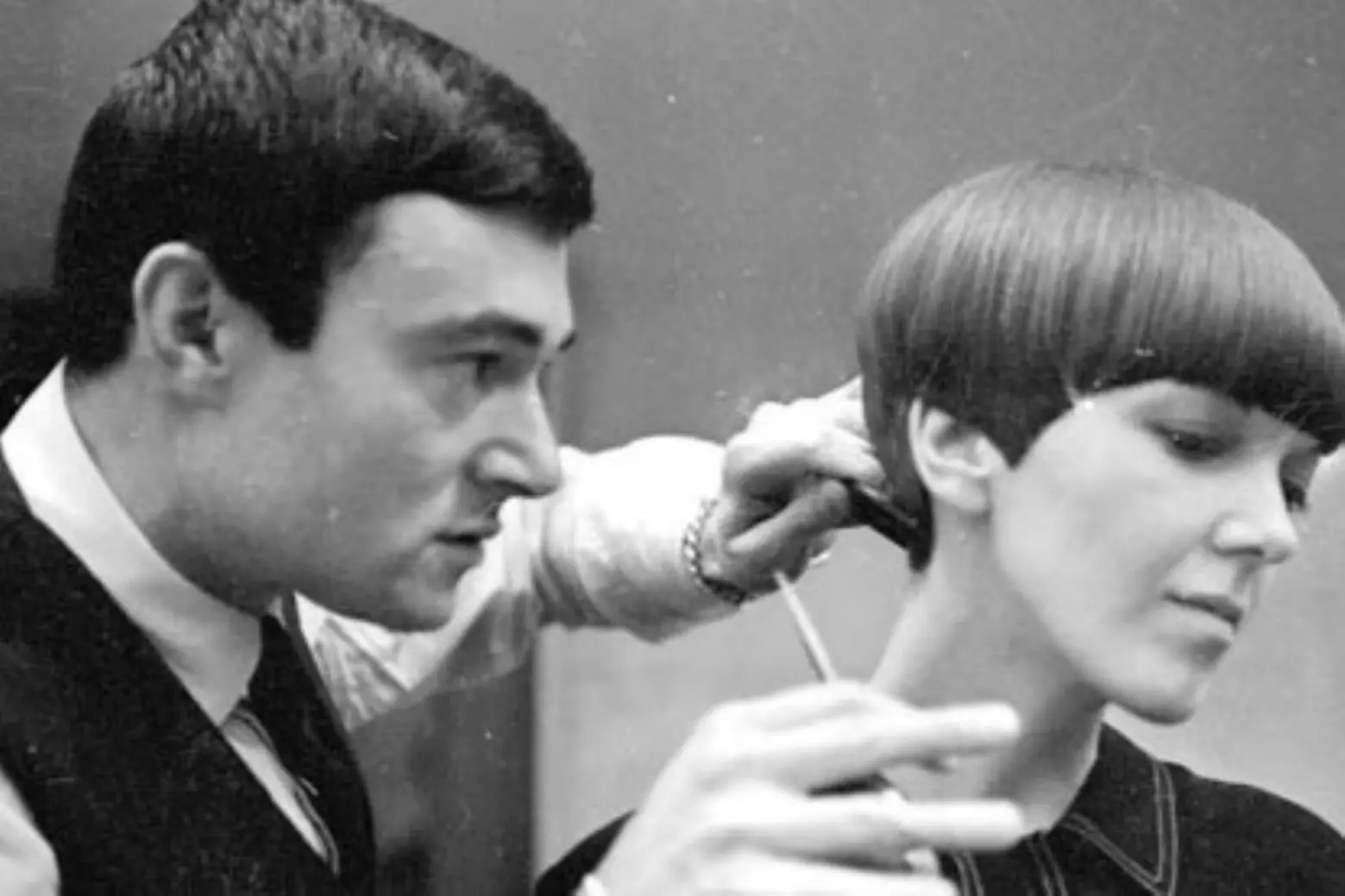
Sassoon built a global presence through salons, schools, and professional products that carried his standards into daily bathrooms. His advertising line became a cultural catchphrase. “If you don’t look good, we don’t look good.” It distilled his philosophy into a promise of accountability.
His biography held more than beauty. Early experiences in London and time in Israel shaped a lifelong commitment to human rights. He later funded academic work focused on antisemitism, showing the same seriousness he brought to craft.
Vidal Sassoon made hair a form of modern design that served real life. His legacy lives in every cut that values movement, in every style that holds its shape without punishment, and in the belief that beauty gets stronger when it gives people freedom.