MENU
Close





What is it about its vertical descent each layer folding gently over the last, that draws us into a rhythm of seeing and feeling, as though we are descending a staircase not just of fabric, but of intimacy, and desire?
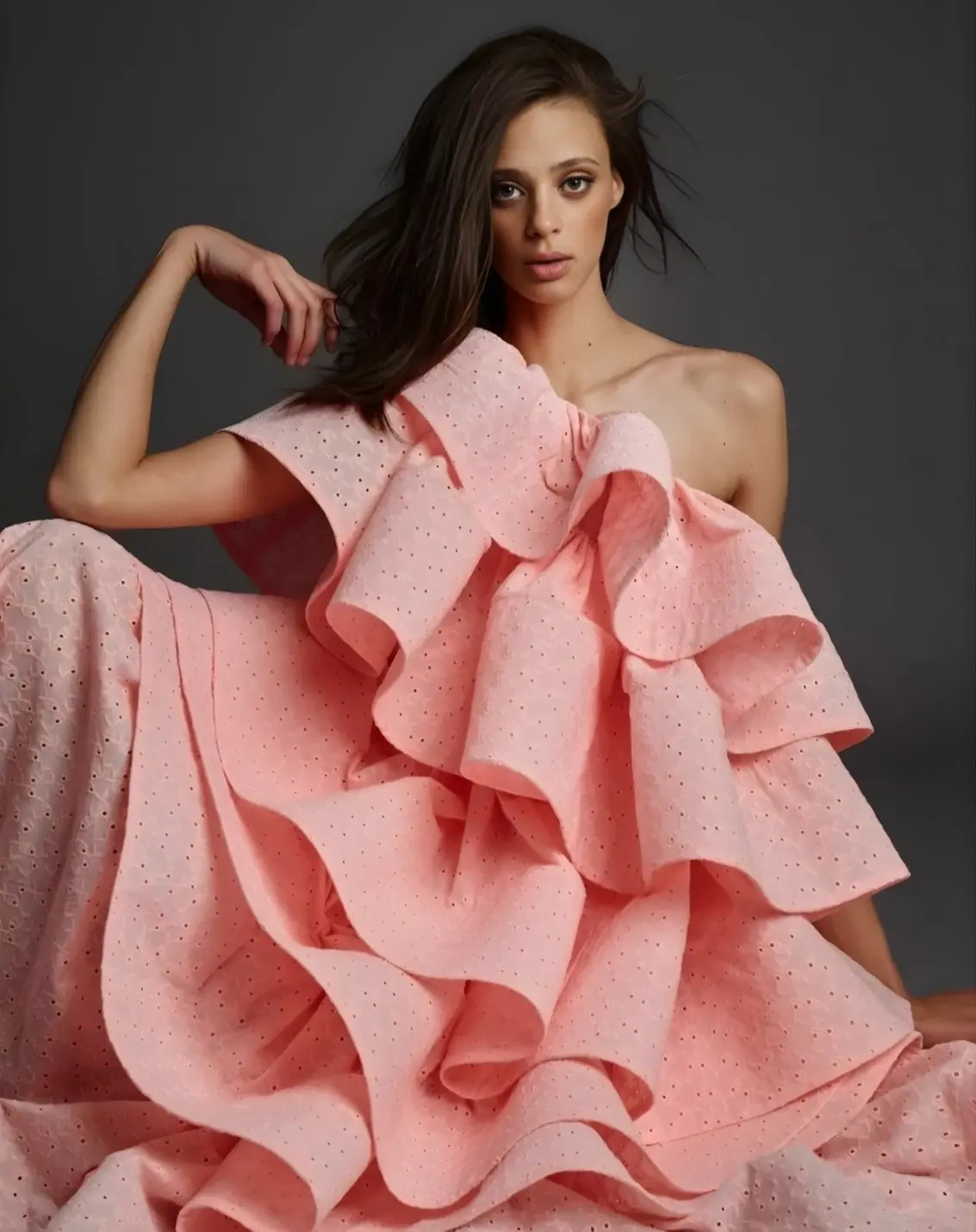
What is it about its vertical descent each layer folding gently over the last, that draws us into a rhythm of seeing and feeling, as though we are descending a staircase not just of fabric, but of intimacy, and desire?
December 20, 2025
Advertisement
Advertisement


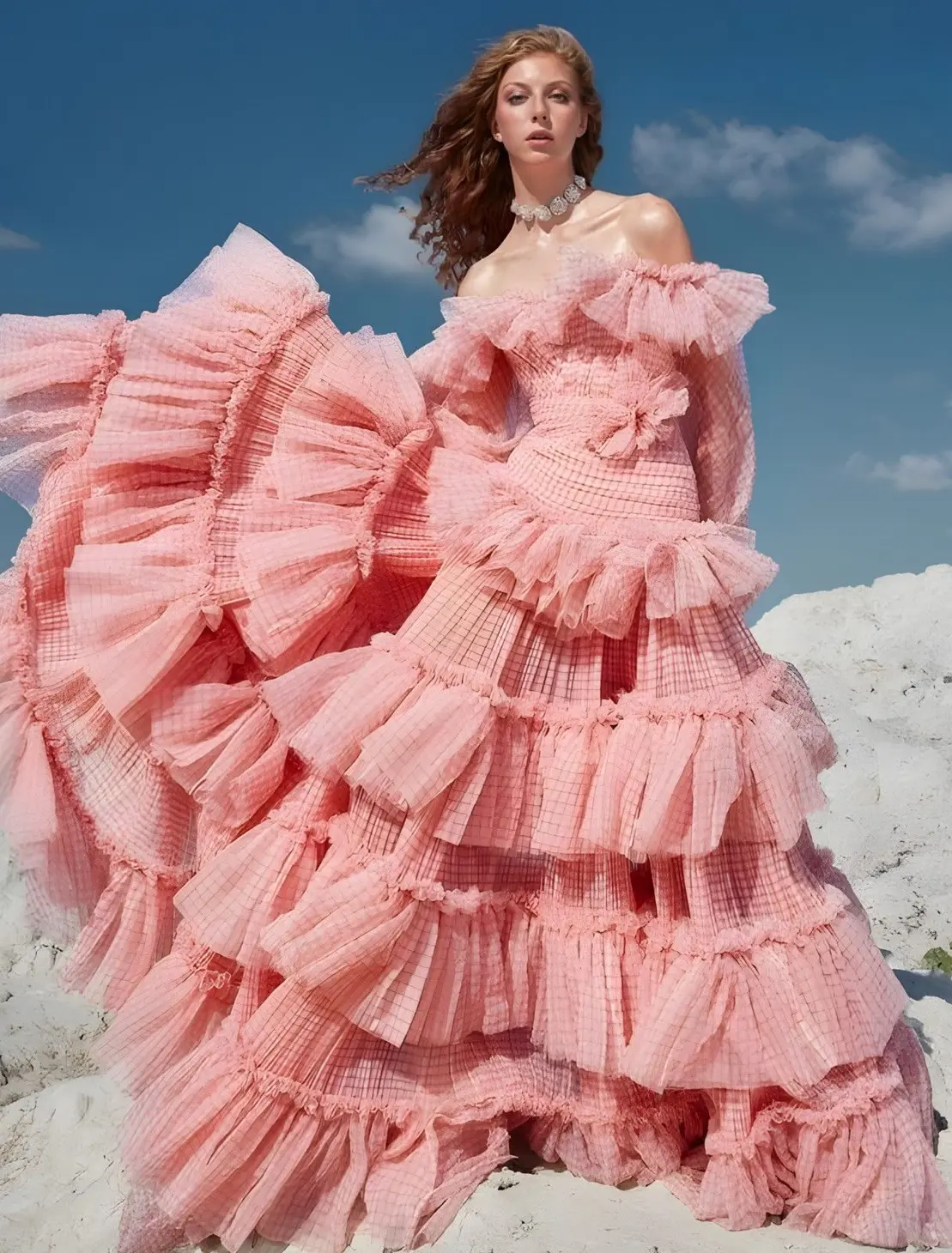
It's because each tier, like a chapter in a timeless romance novel, raises curiosity, stirs desire, and awakens our deepest thoughts, immersing us completely in a world of beauty. It won't let us escape that blissful daydreaming confusion, and we're more than happy to stay, utterly satisfied and fulfilled, letting it keep us in the bubbly world of the tiered silhouette. This is a timeless, never-ending novel that speaks volumes, always reminding us of beautiful repetitiveness, the graceful swaying of the world, the continuous flow of life's enchanting cycle.
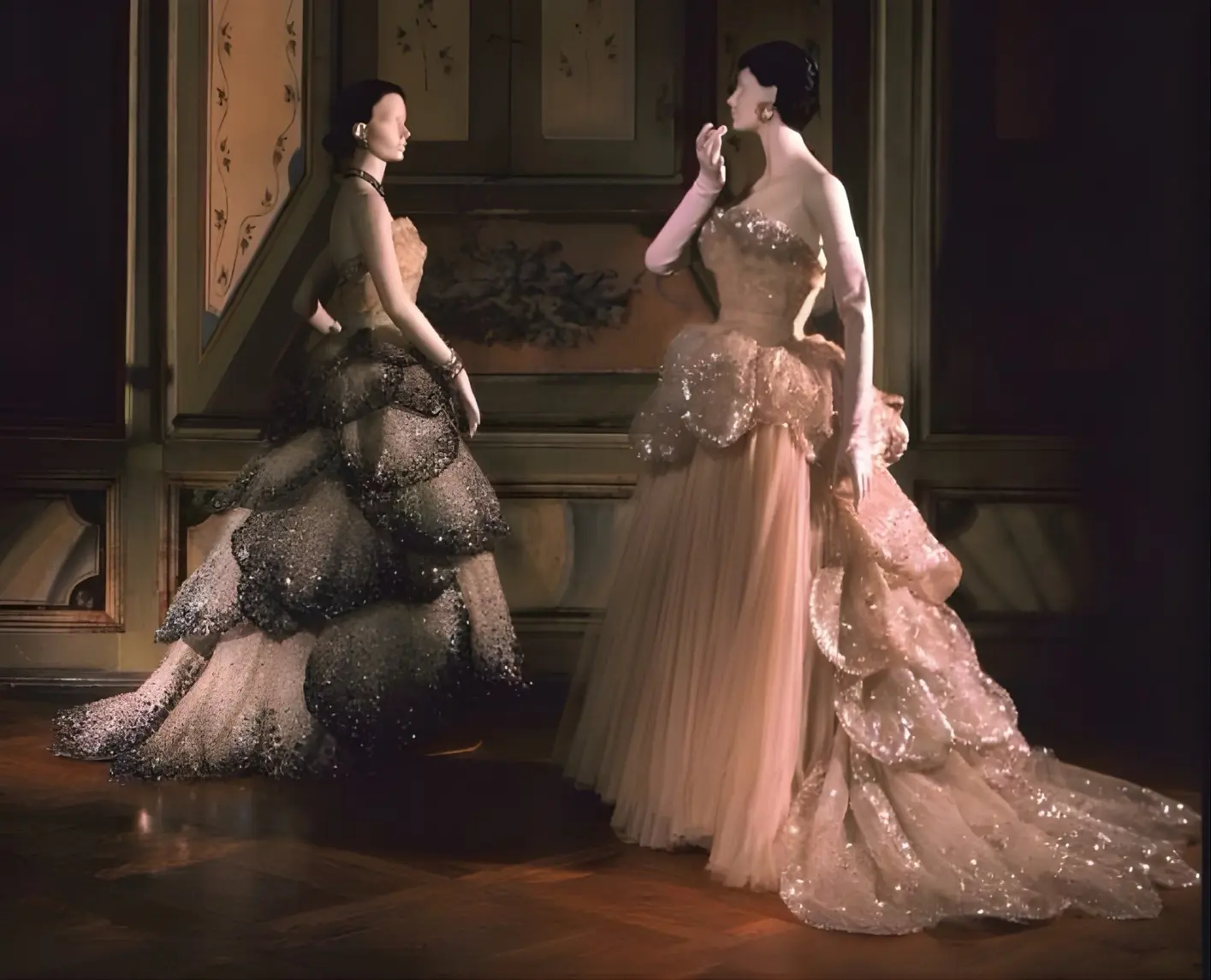
The tiered silhouette did not emerge from a single origin but developed gradually through centuries of layered dress. Early European petticoats and underskirts built volume for structure and hierarchy rather than expression, keeping layers largely hidden beneath the surface. In eighteenth century Spain, layering first became visible and performative. The flamenco skirt, constructed with repeating ruffled volantes, transformed stacked fabric into movement. With every turn, the layers expanded and contracted, allowing the idea of tiering to speak through motion and rhythm rather than architecture alone.
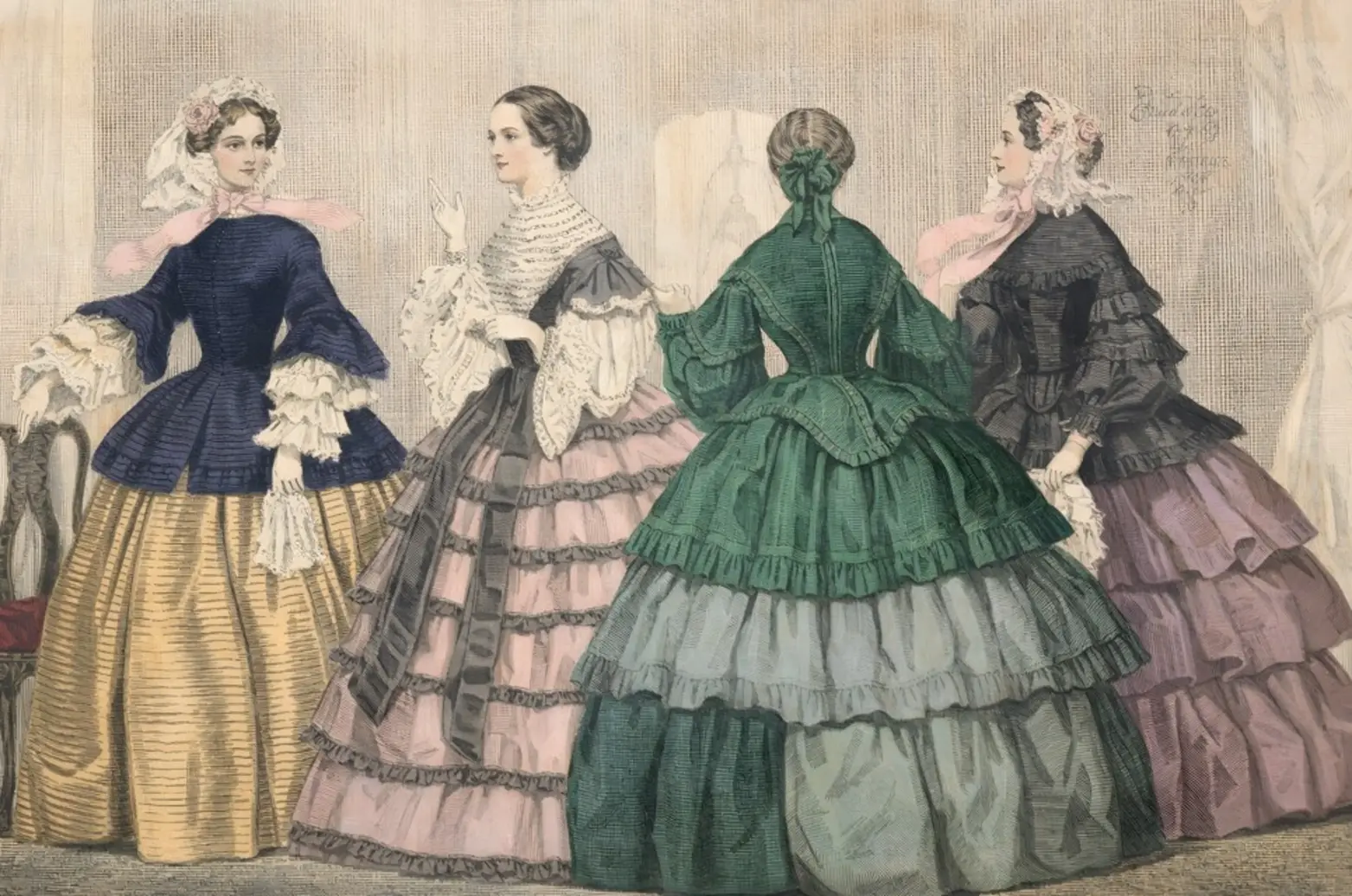
During the nineteenth century Romantic era, the tiered silhouette shifted from performance to construction. Gowns supported by crinolines and bustles unfolded in deliberate cascades of lace, tulle, and silk taffeta. Each layer contributed to an overall composition of sentimentality and idealized femininity, turning tiering into a visual language of scale, ornament, and presence.
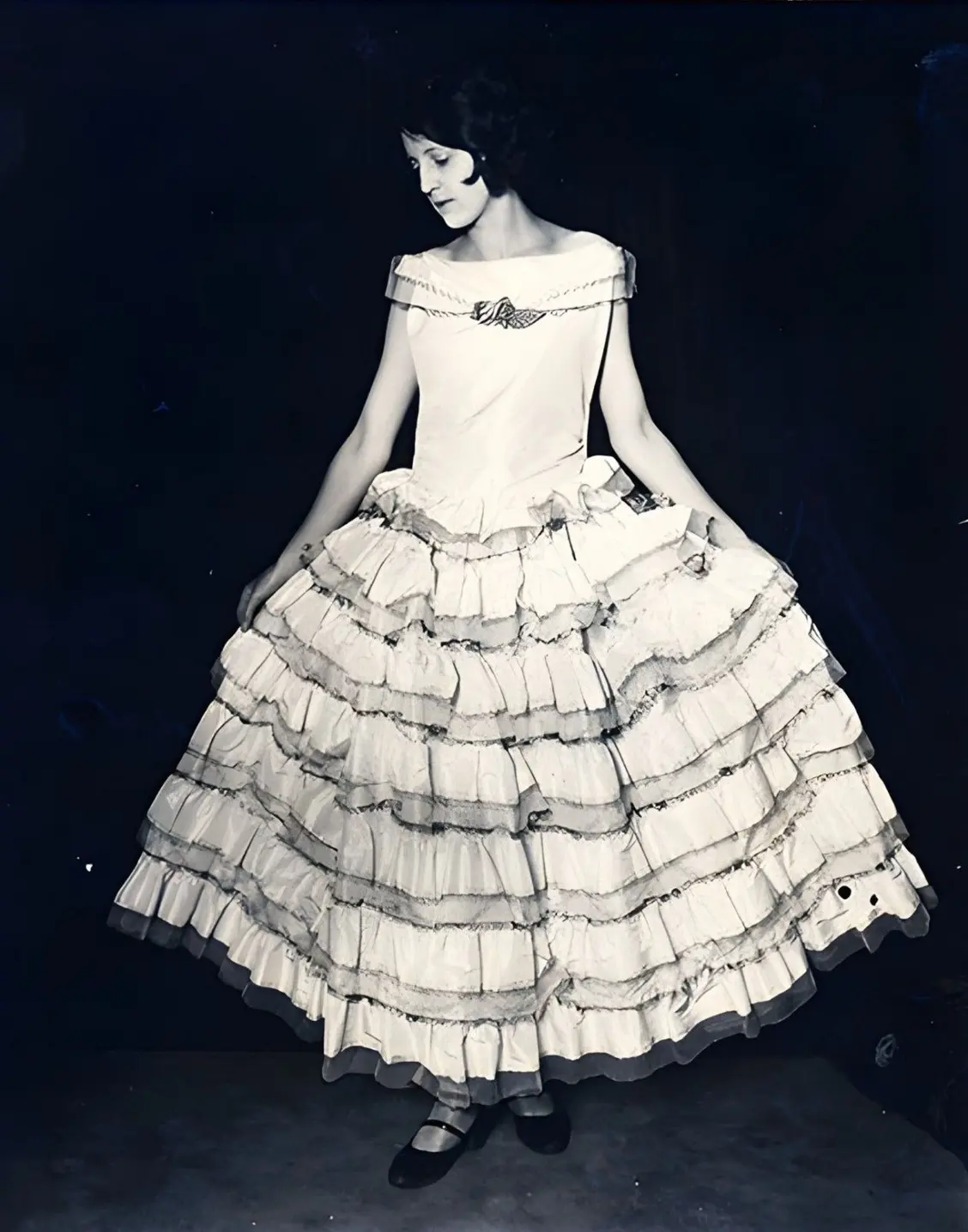
In the early twentieth century, the silhouette softened as modern dress rejected heavy understructures. The nineteen twenties favored lighter fabrics and freer movement, introducing tiered effects through chiffon flounces and drop waist dresses that emphasized joy and ease. Within this transition, Jeanne Lanvin preserved the emotional depth of tiering through her robe de style, using layered volume to offer a romantic alternative to the era’s linear forms.
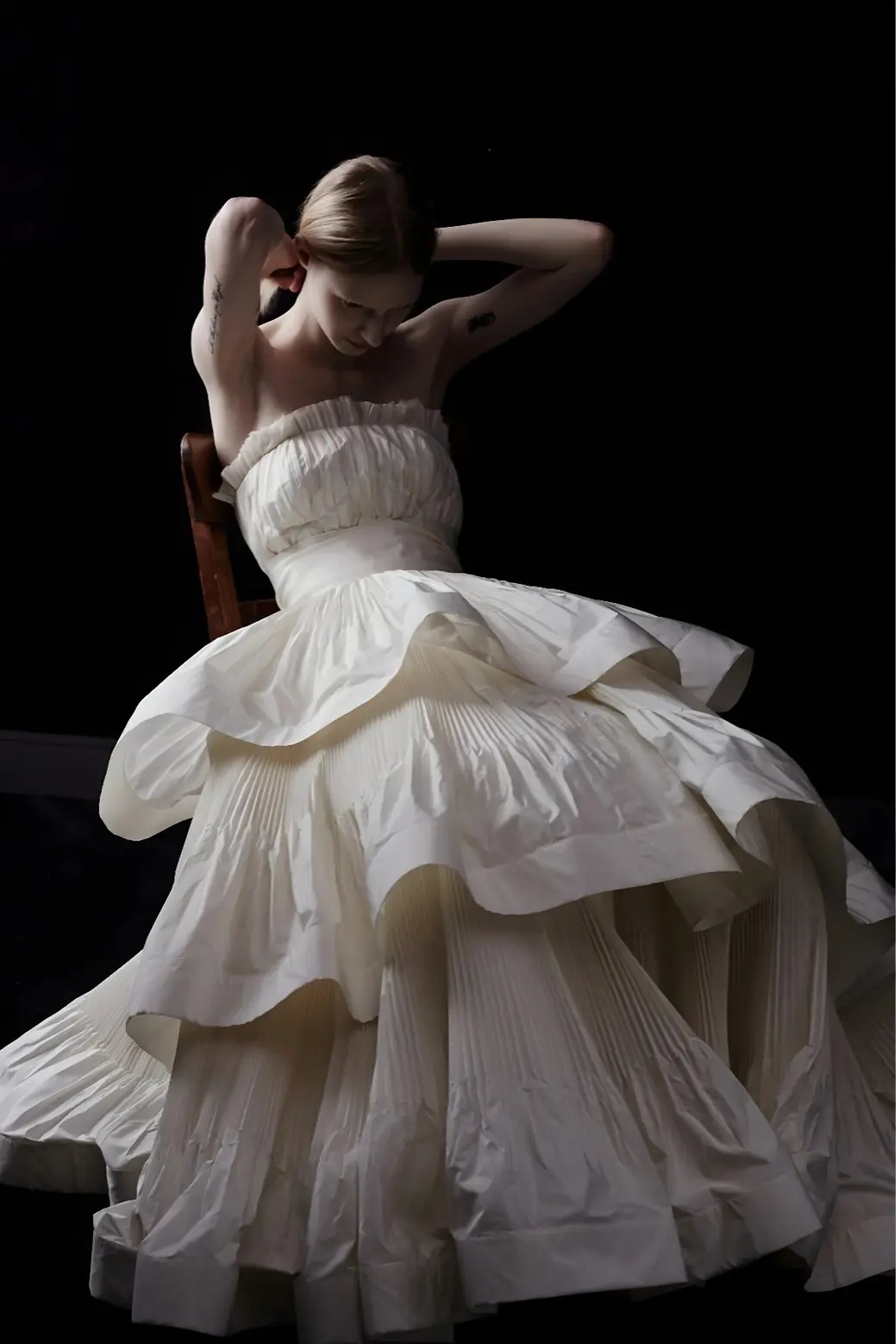
The tiered silhouette is a labyrinth of longing, a maze cleverly camouflaged as a paradise garden. Each layer is not just fabric, but a carefully plotted turn, a soft detour meant to tempt, tease, and gently disorient. To look at a tiered dress is to find oneself wandering deeper into beauty, unsure of where one detail ends and another begins, lulled by the gentle rhythm of folds cascading one over the next. The effect is subtle yet all-consuming, a visual enchantment that refuses to let the viewer look away.
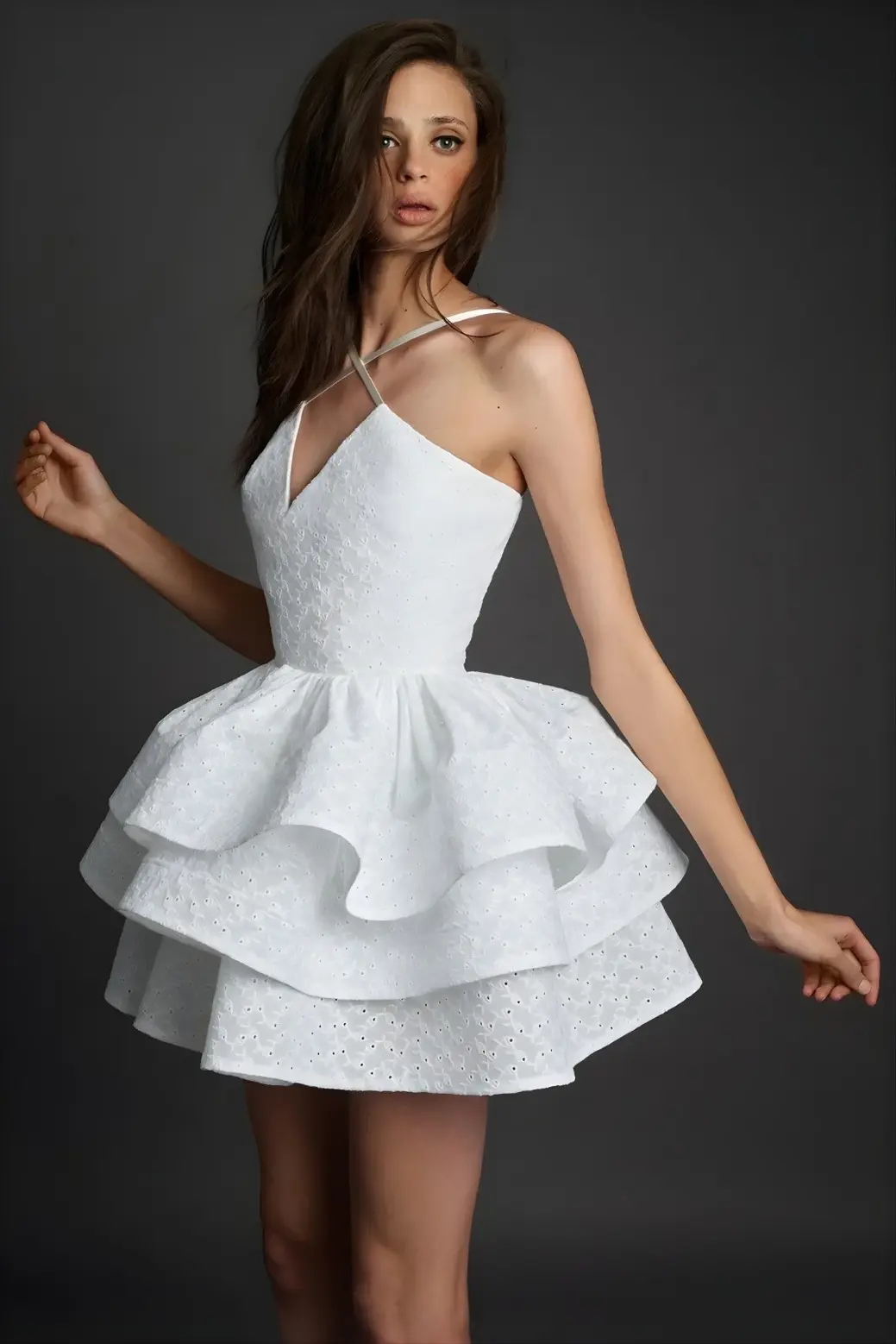
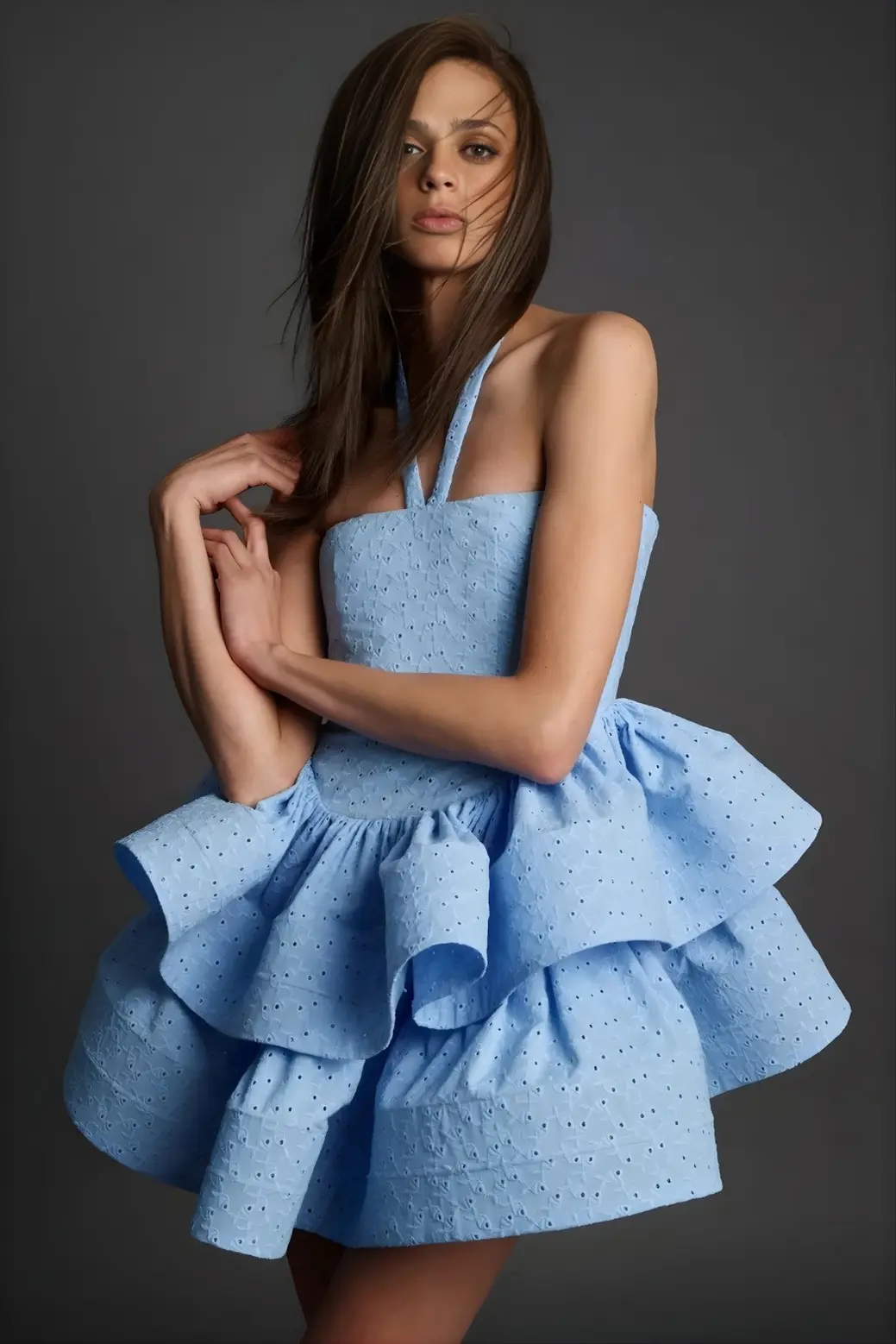
There’s a tension at play here, but never one that challenges the wearer. The sophistication of the tiered silhouette isn’t cold or intellectual; it’s the kind that seduces slowly, that invites curiosity, and rewards those who linger. Its elegance isn’t about severity or hardness; it’s about layered softness, about the way delicacy can be just as powerful as structure. One doesn’t simply wear a tiered gown; one moves with it, becomes part of its mystery, part of its carefully choreographed illusion.
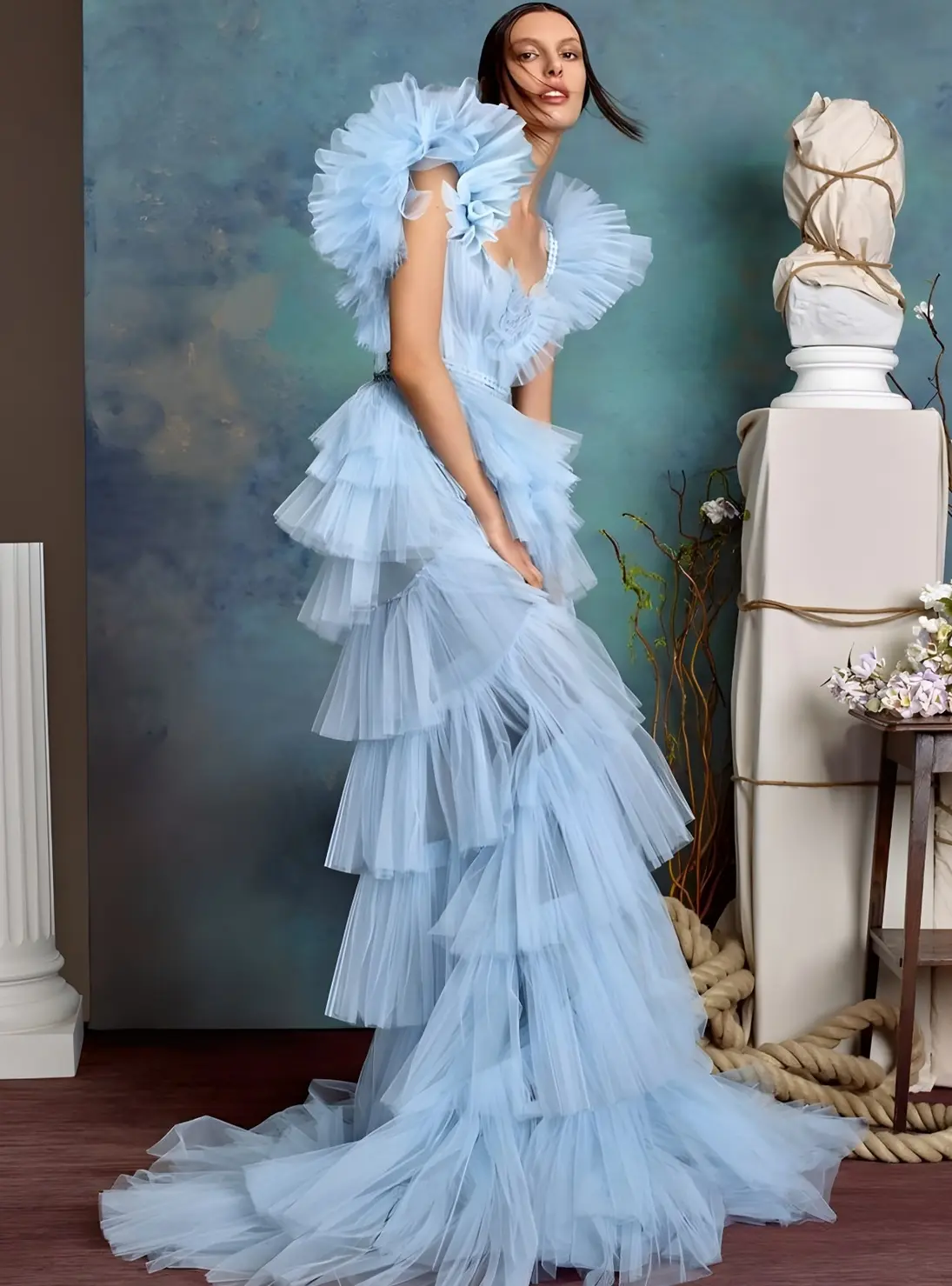
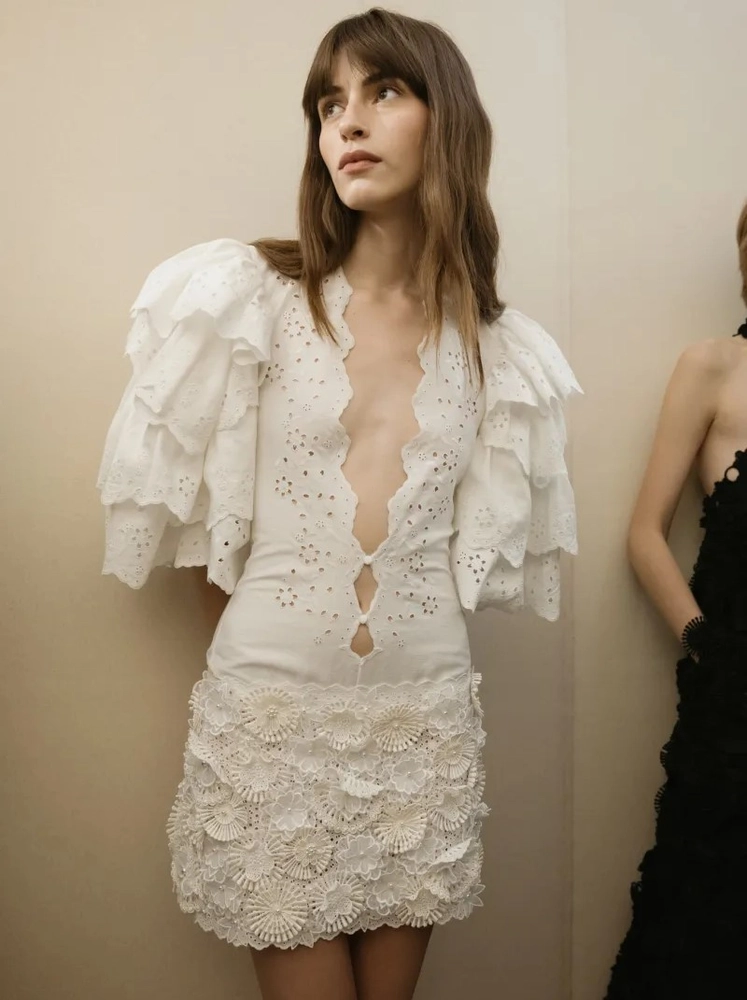
In airy materials like tulle, chiffon, or organza, the silhouette takes on a dreamlike quality, swaying with the kind of fluidity that feels almost spiritual. These cascading layers transform the body into something more than a figure, into a presence, a suggestion, a question. This is why tiered gowns have always been at home in the realm of bridal wear and couture evening gowns: because they don’t just decorate, they enchant. Each tier is a petal, a veil, a page in a love letter not yet finished.
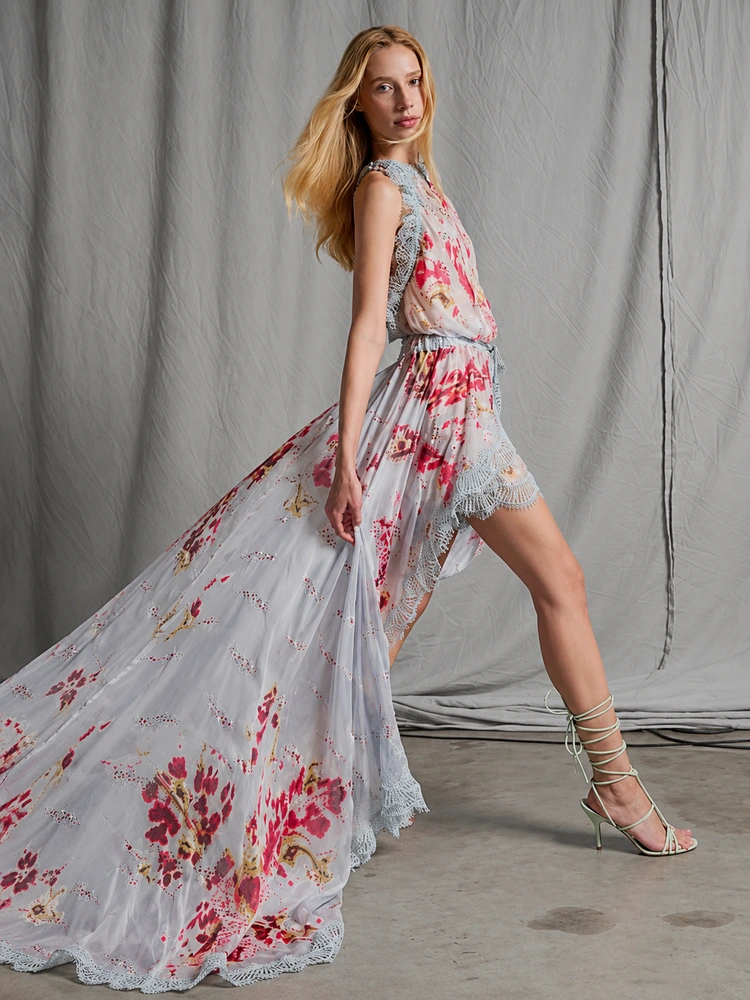
Yet the silhouette refuses to be confined to one mood. In lighter cottons, printed silks, or gathered sundresses, the tiered shape becomes playful and youthful, a visual expression of joy. The eye follows each step, each bounce of the fabric, as if chasing after the sun. These iterations are full of energy and spontaneity, designed for days lived with open arms and laughter.
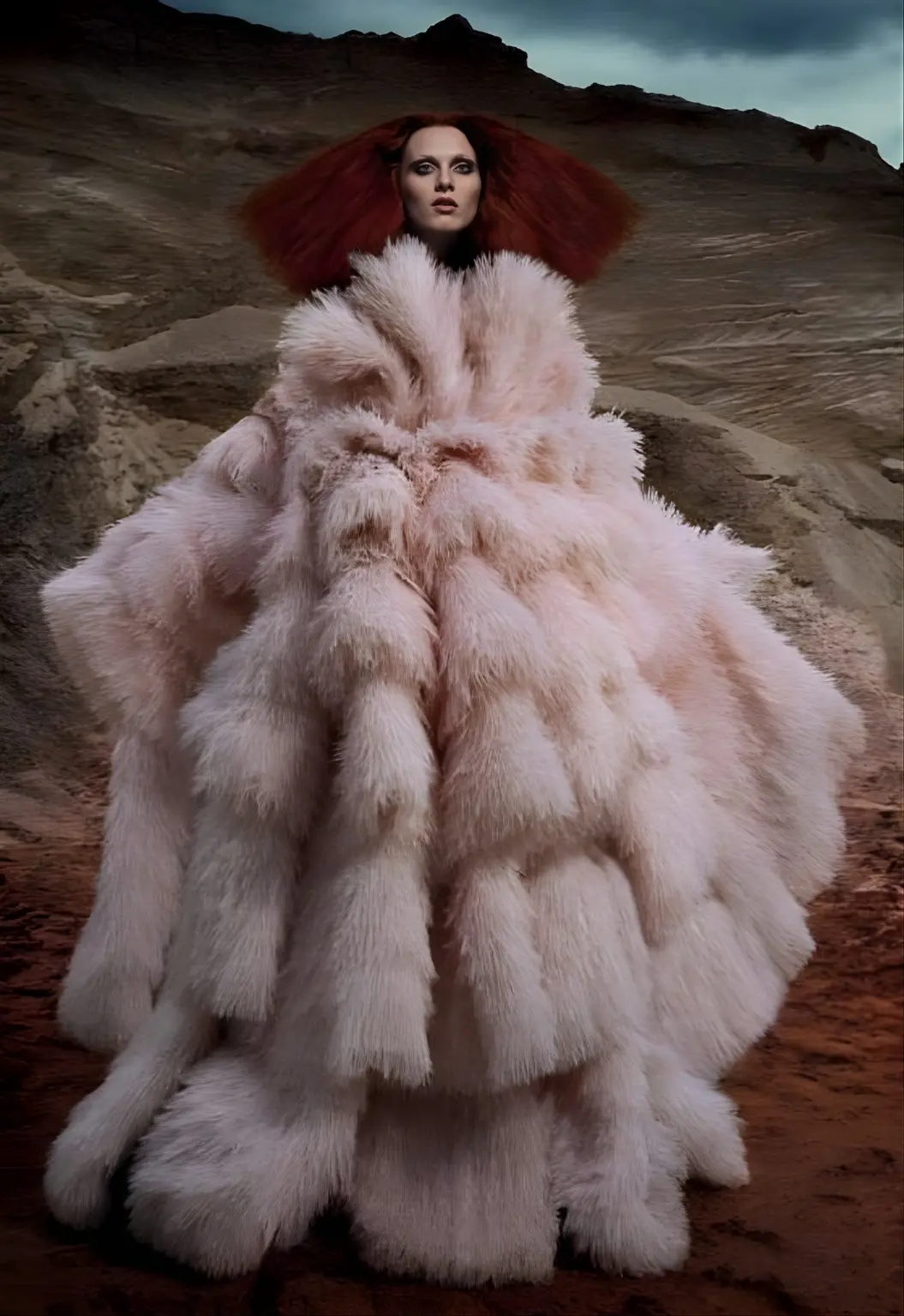
And then there are moments when the tiered silhouette demands to be monumental. In heavier fabrics like taffeta or duchess satin, the softness gives way to grandeur. The layers build upon each other not like petals, but like staircases, wide, dramatic, and commanding. This is the silhouette of ballrooms and opera houses, where every rustle of fabric is deliberate, every entrance a declaration.
Even in its most relaxed, bohemian form, the silhouette never loses its intelligence. In linen or gauze, dyed in the colors of sun-bleached fields, the tiers take on a freer rhythm, not chaotic, but instinctive. These are dresses for women who live by feeling, whose elegance lies in comfort, authenticity, and ease.
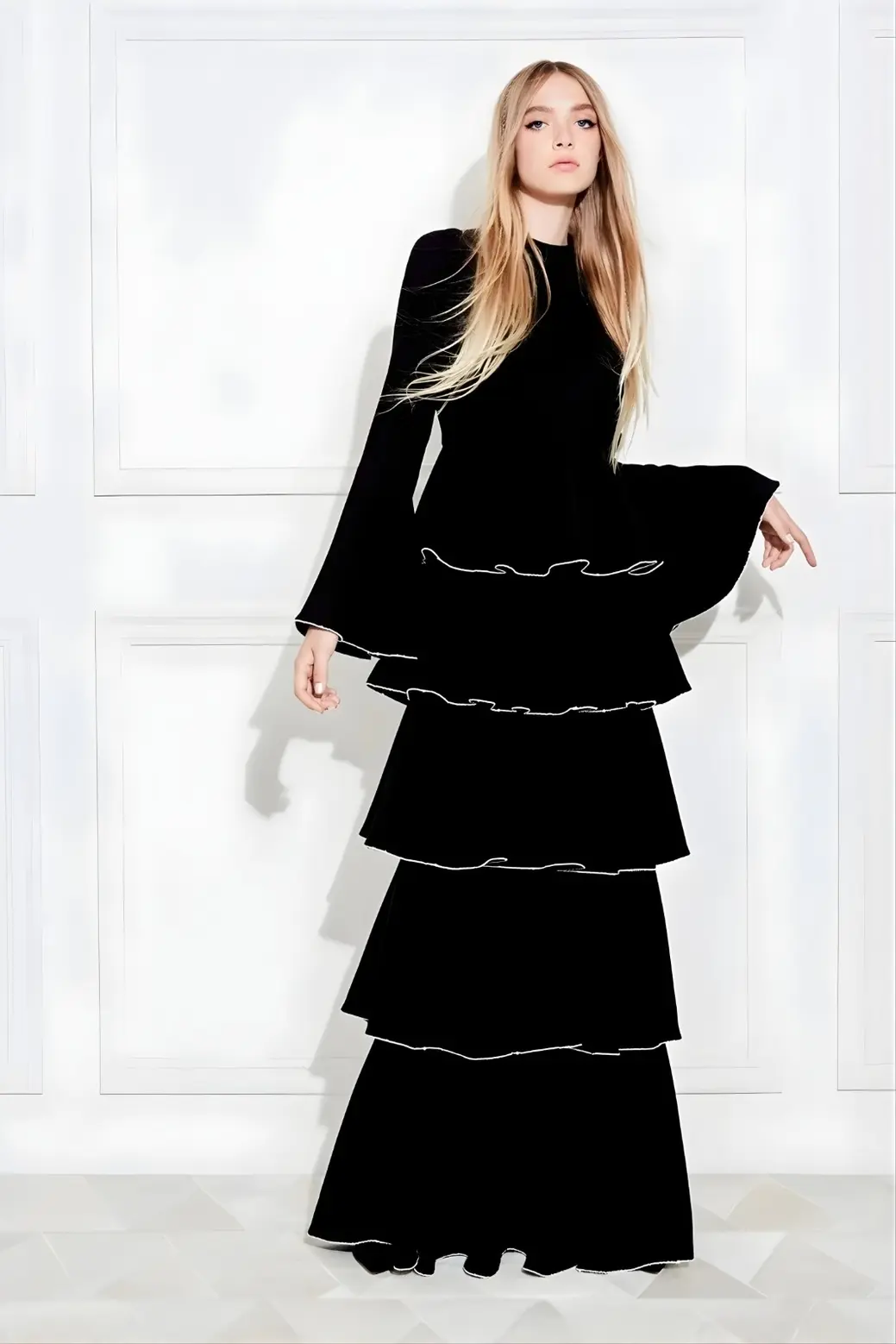
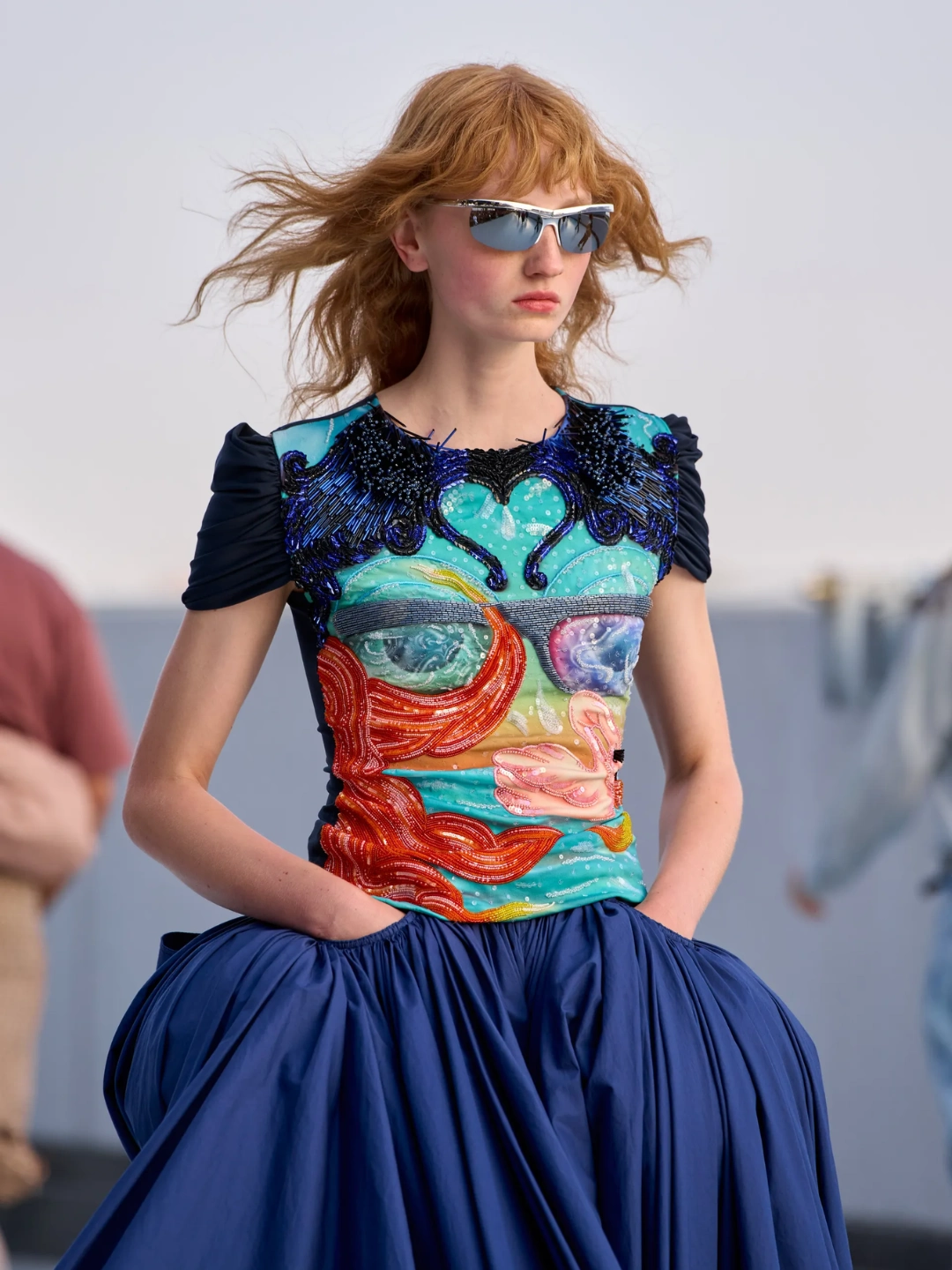
And finally, in the hands of a designer who sees fashion as architecture, the tiered silhouette becomes something else entirely: a study in spatial tension and release. Here, layers are engineered, sculpted, balanced. The garment doesn’t flutter, it holds, frames, and defines. It speaks not only to the eye but to the mind, fashion as structure, form as philosophy.
Yet no matter how it is rendered, soft or sculptural, romantic or regal, the tiered silhouette always carries within it the promise of depth. It is never just what it seems. Like a garden path overgrown with roses, it pulls us inward, luring us not with clarity but with complexity. And in this complexity, we are not overwhelmed, we are captivated. We get lost. We want to be lost.
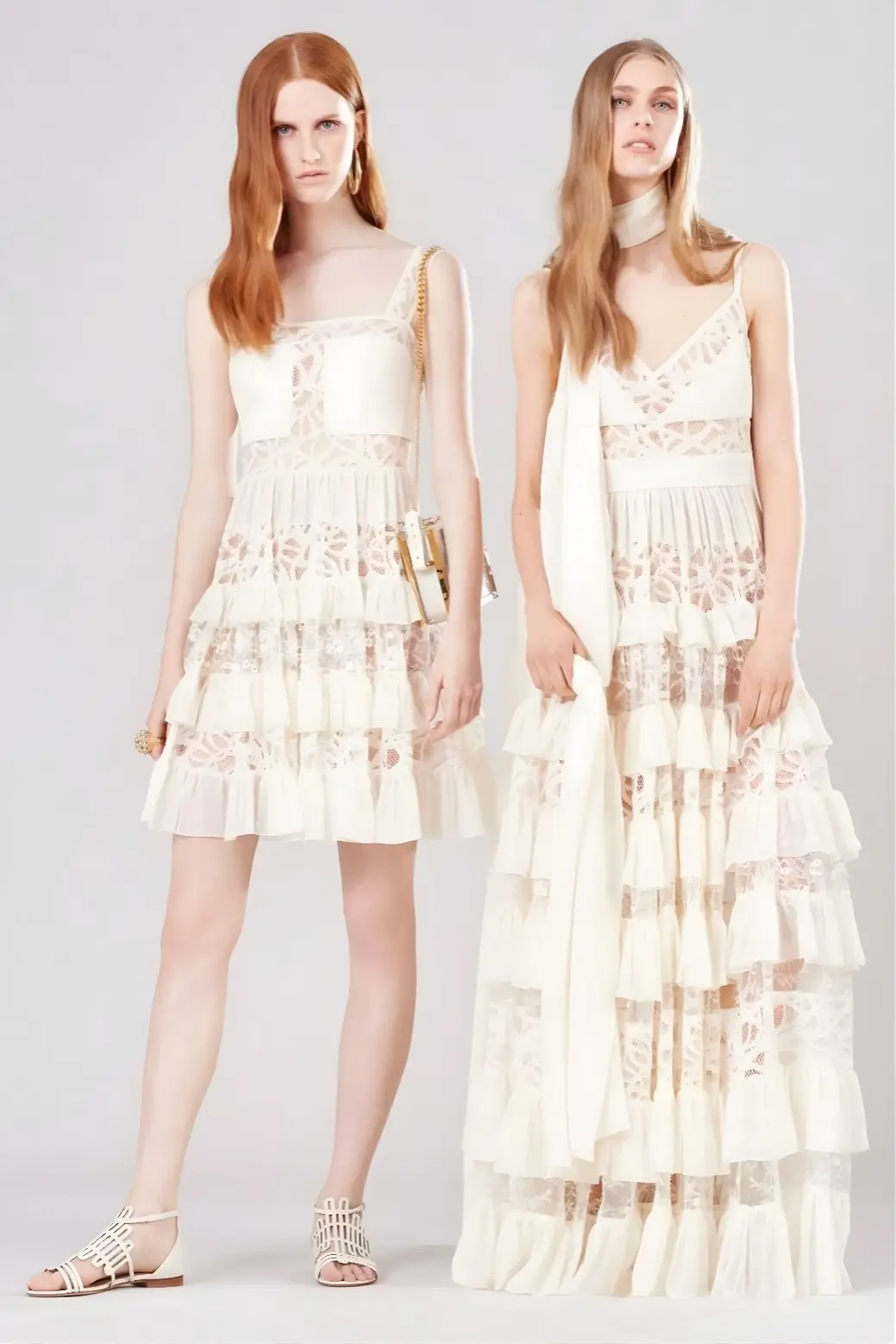

This is the true allure of the tiered dress: not that it shows us everything at once, but that it invites us to keep looking, to wander, to wonder. And before we know it, we are in love with its layered spell of sophistication. A beauty so soft, so mysterious, so rich in meaning that even the most disciplined observer may find themselves utterly unable to escape.
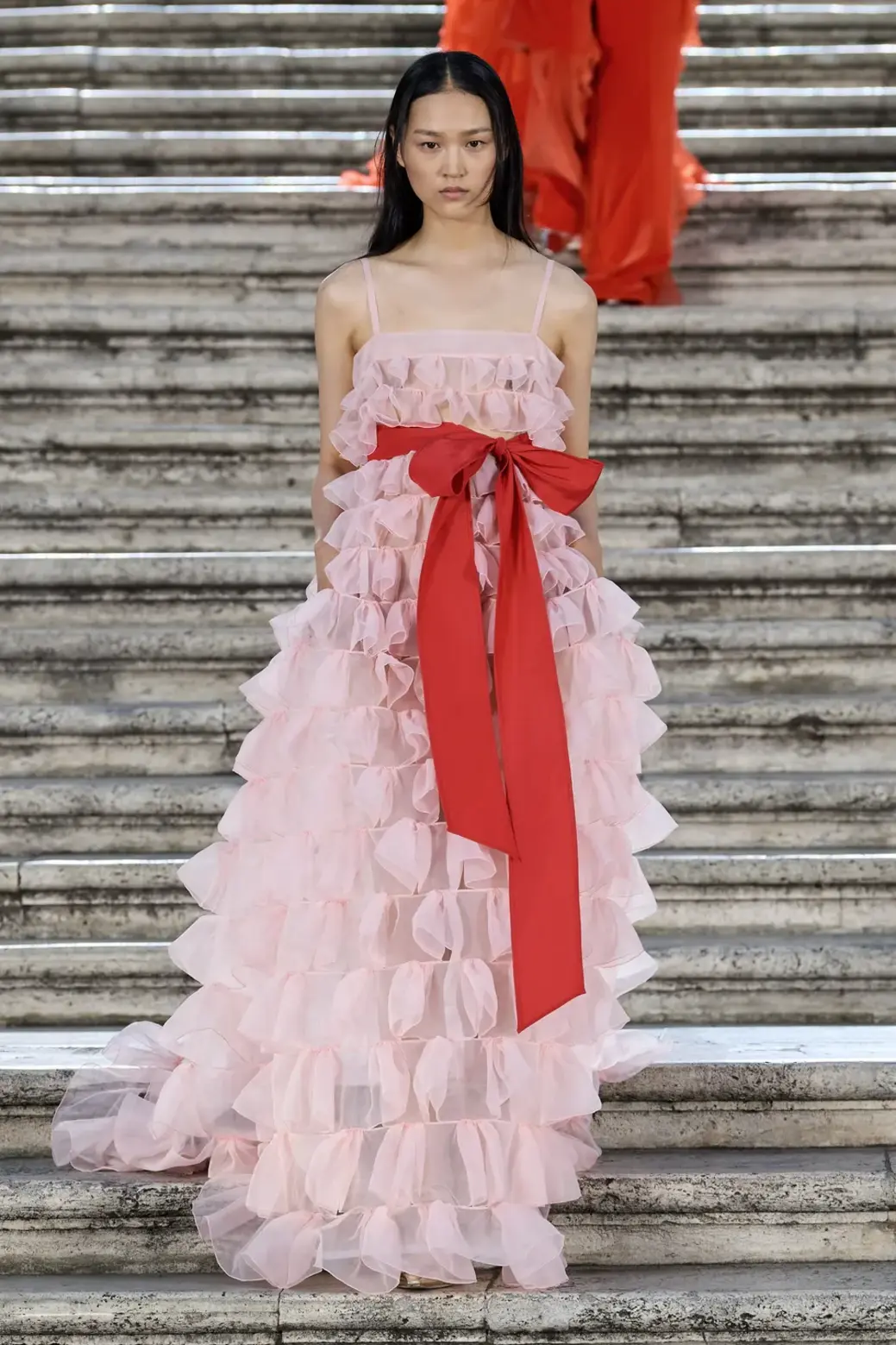
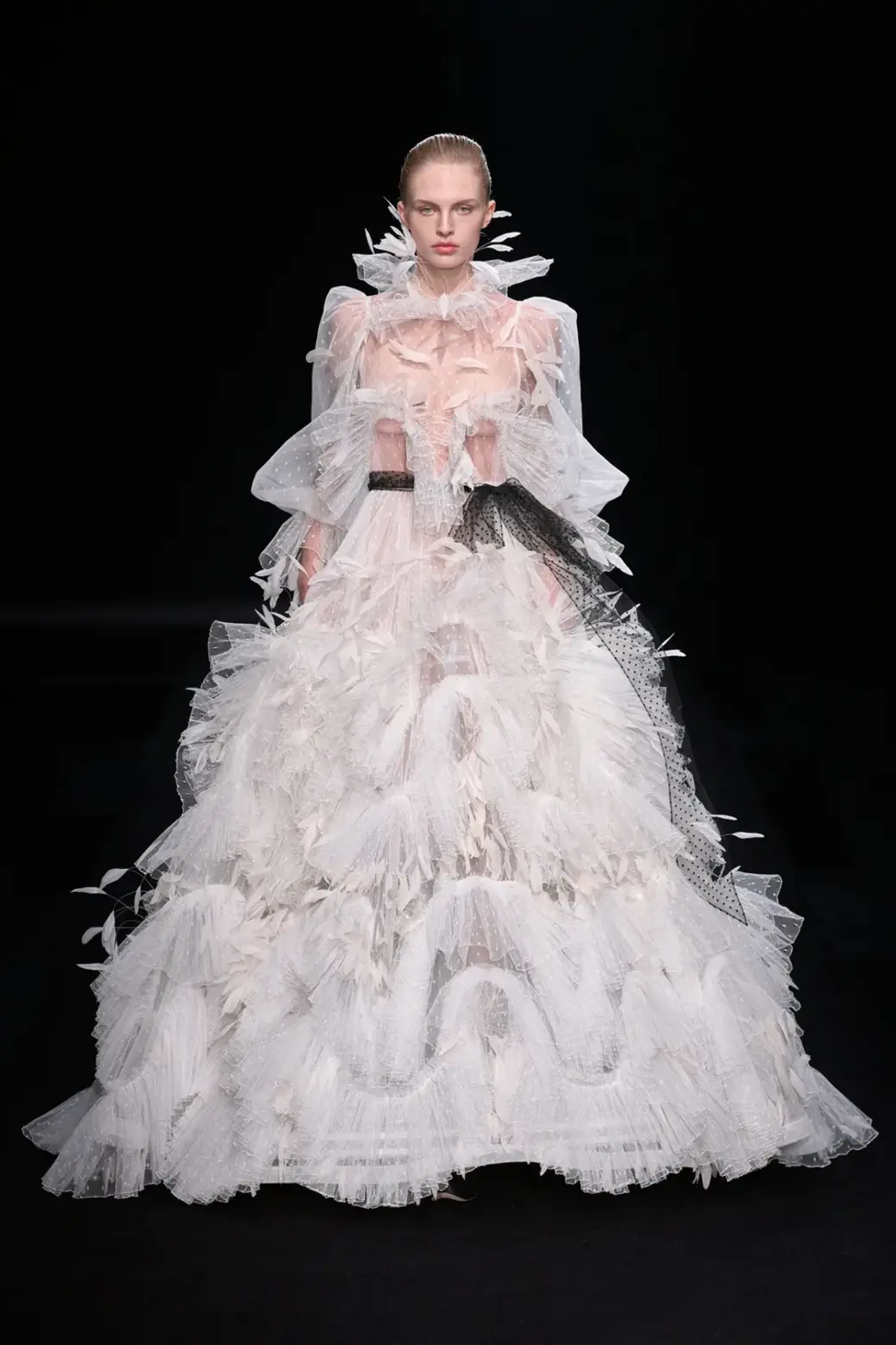
Valentino turned the tiered silhouette into a love letter layered like a decadent dessert, where ruffles and folds floated like Italian meringue, whipped to a state of divine flirtation.
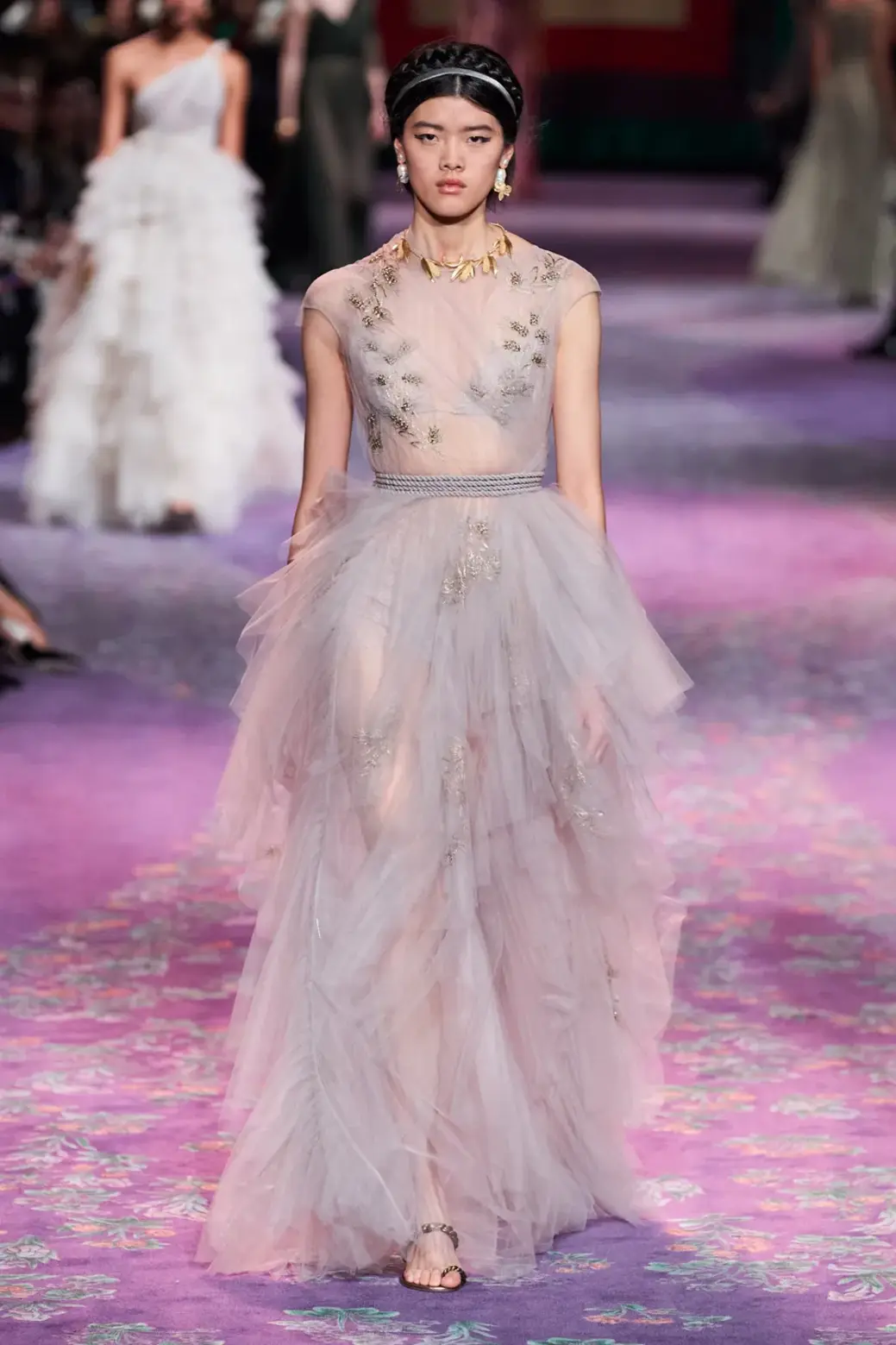
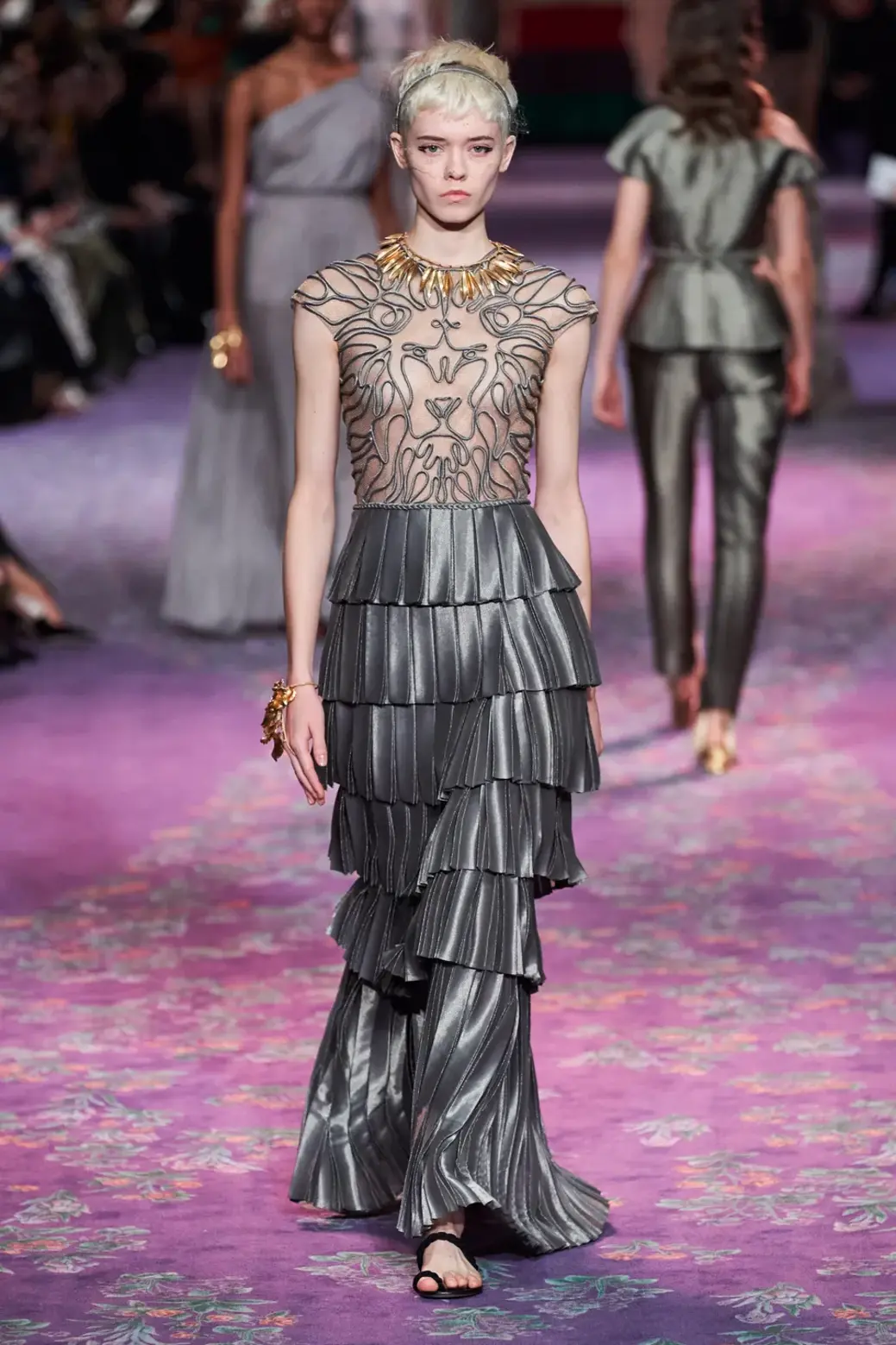
Dior refined the tiers with couture discipline, stacking organza and silk like a perfectly balanced pastry, soft yet precise, each layer sighing as it moved.
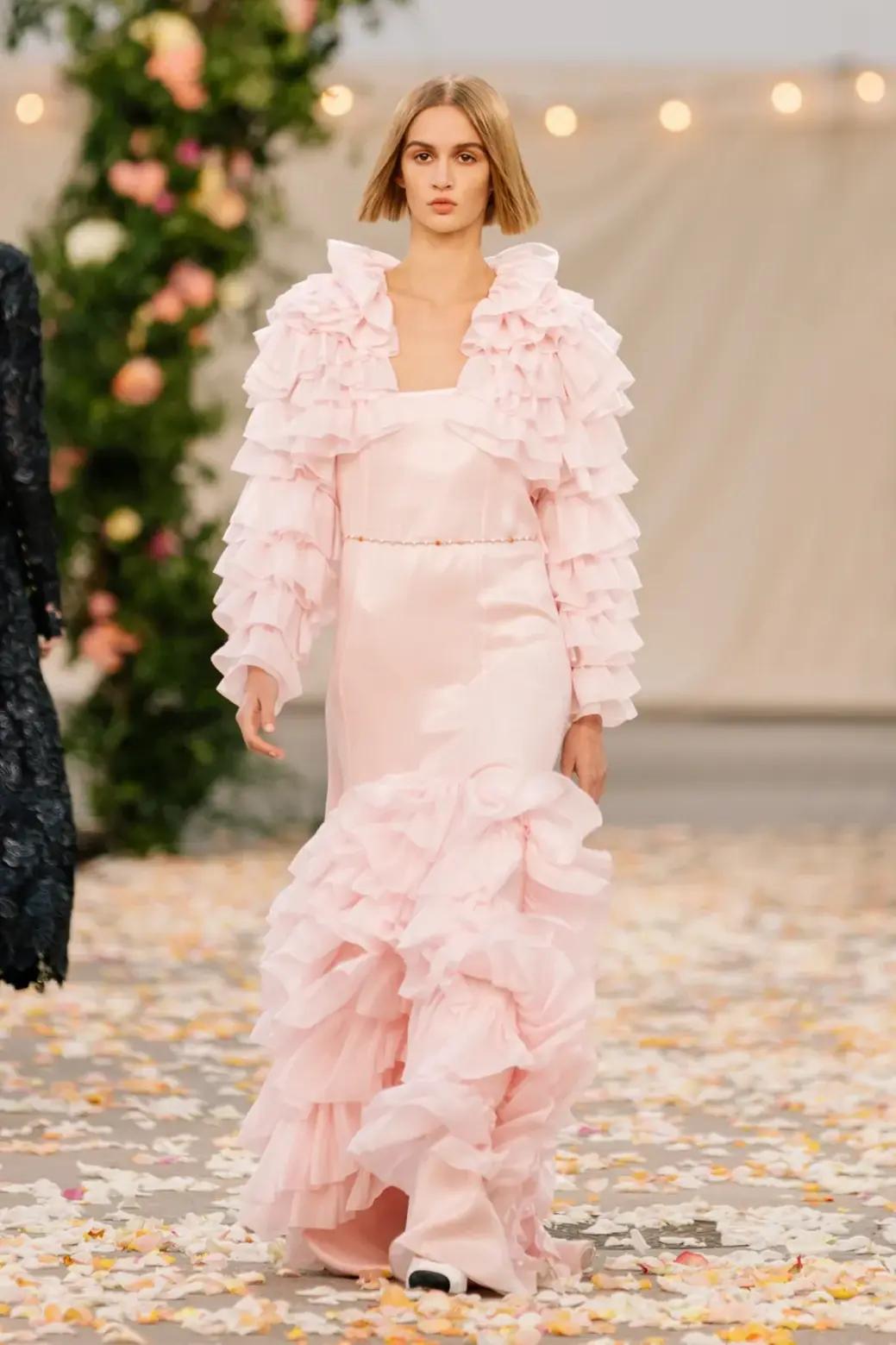

Chanel whispered through tiered lace and tulle, restrained and intimate, as though the dessert had been dusted lightly with sugar rather than drenched.
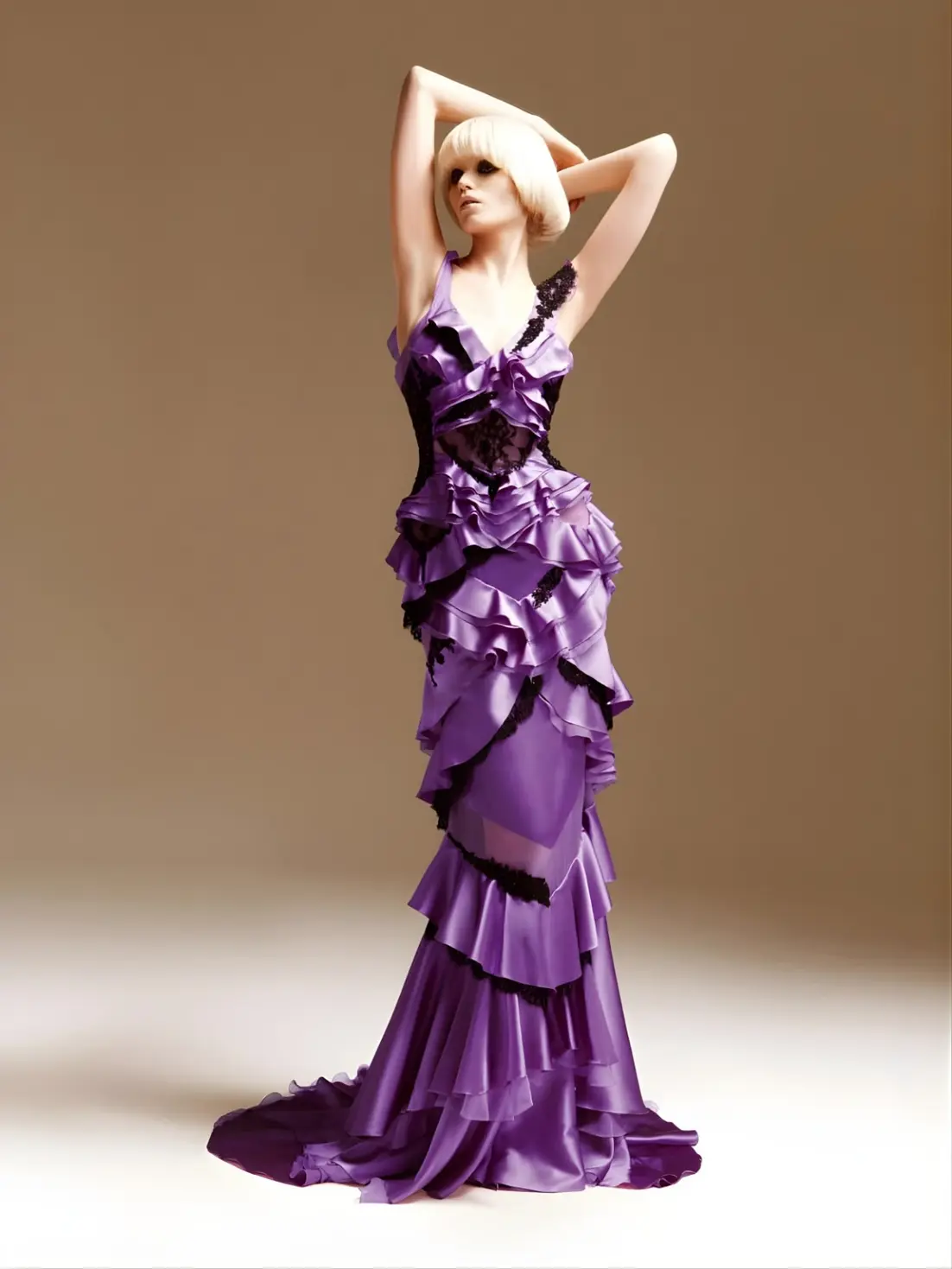
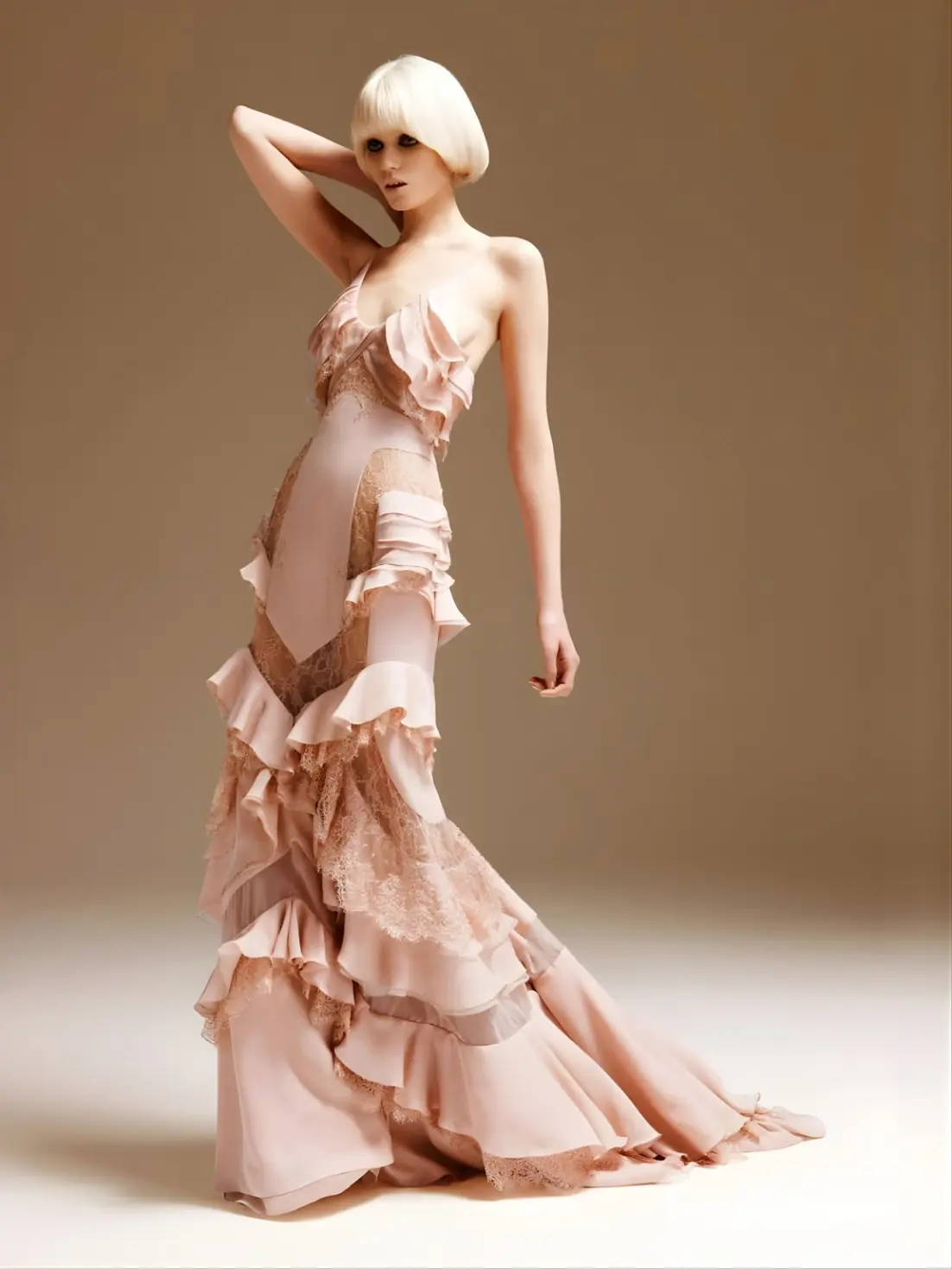
Versace embraced the indulgence, letting tiers cascade with sensual confidence, rich and unapologetic, a silhouette that melted slowly and deliberately.
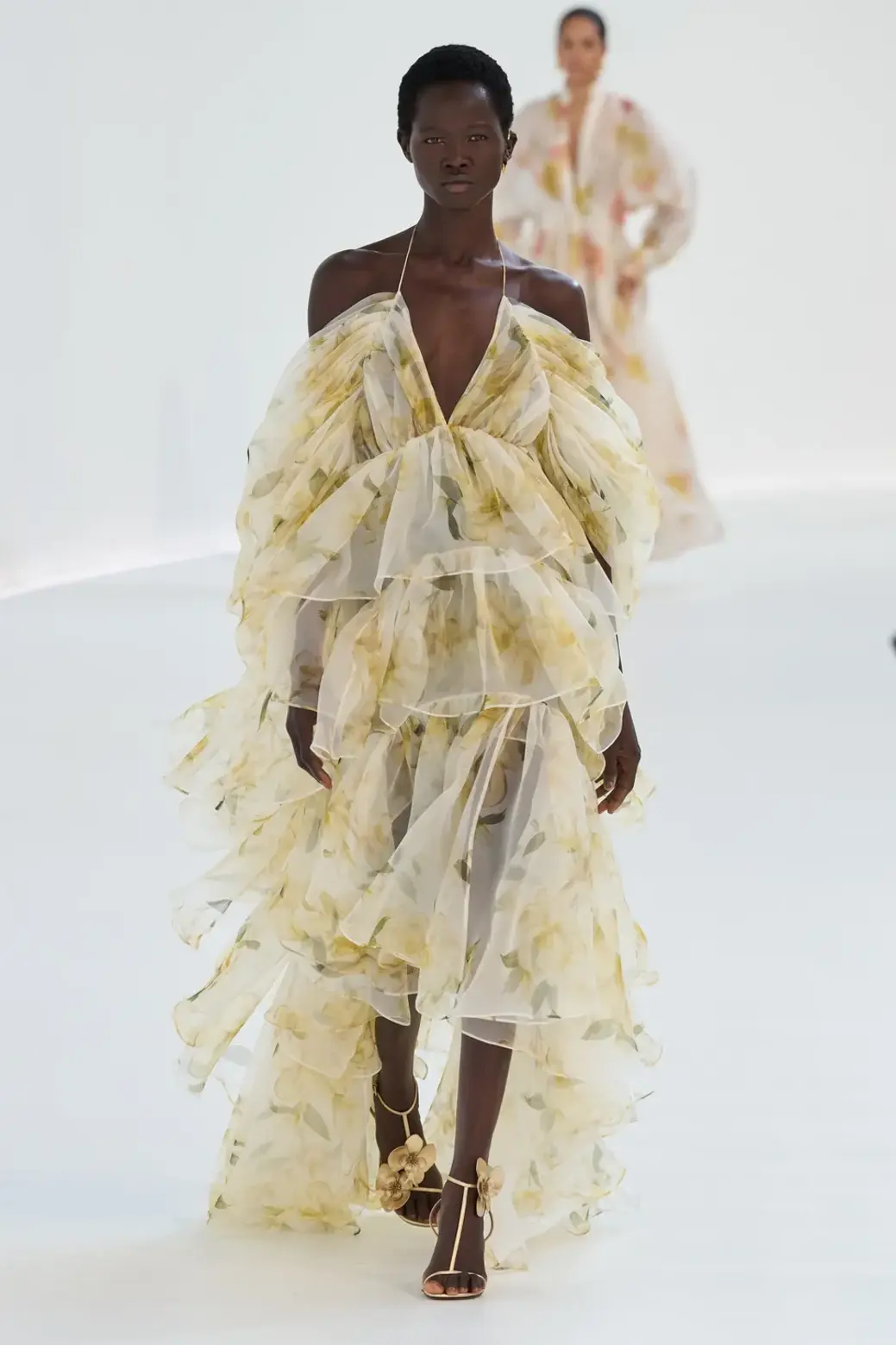
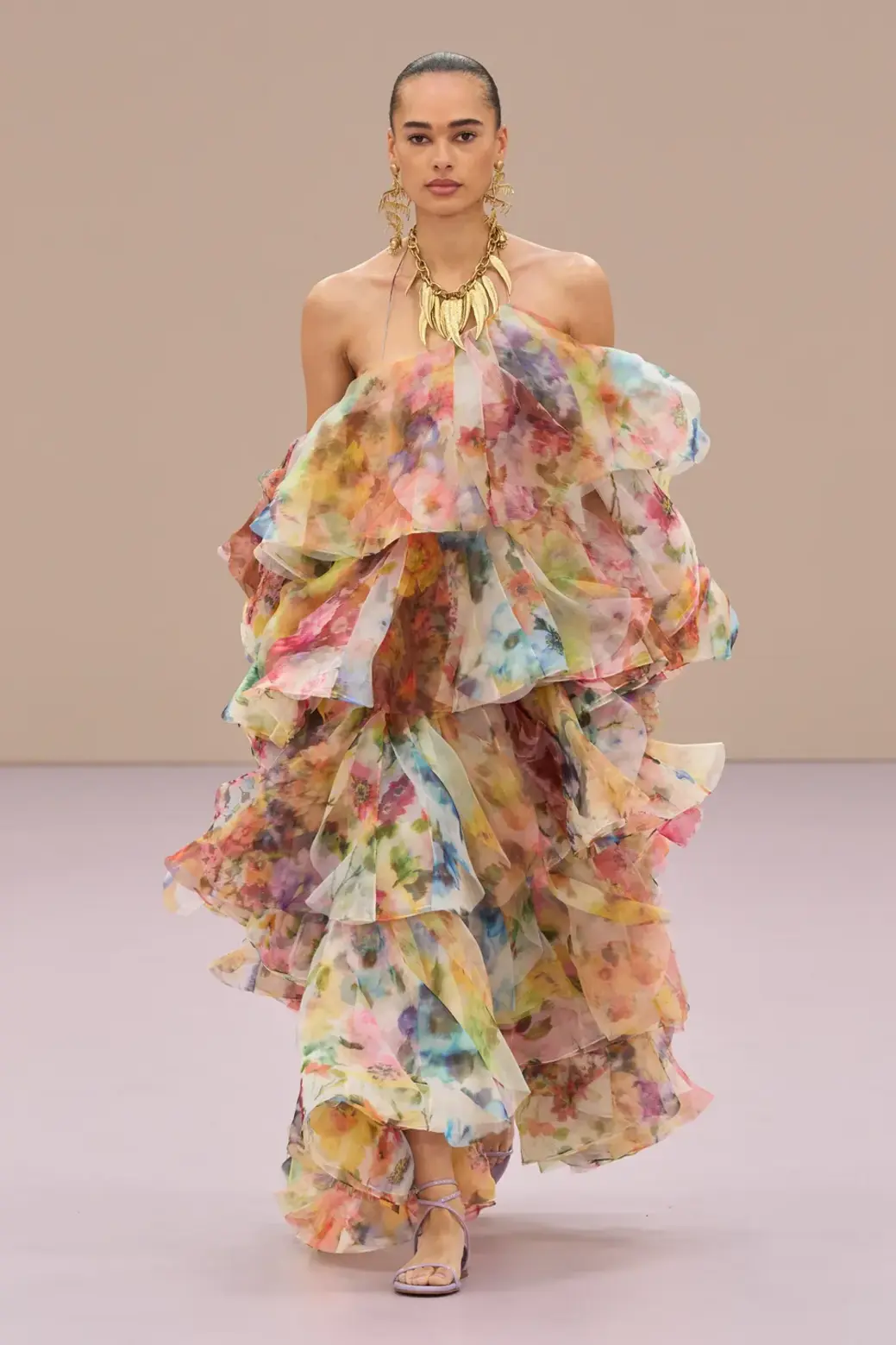
Zimmermann captured the airy sweetness of the fantasy, sunlit layers blooming like sponge cake clouds, light enough to hover between movement and memory.
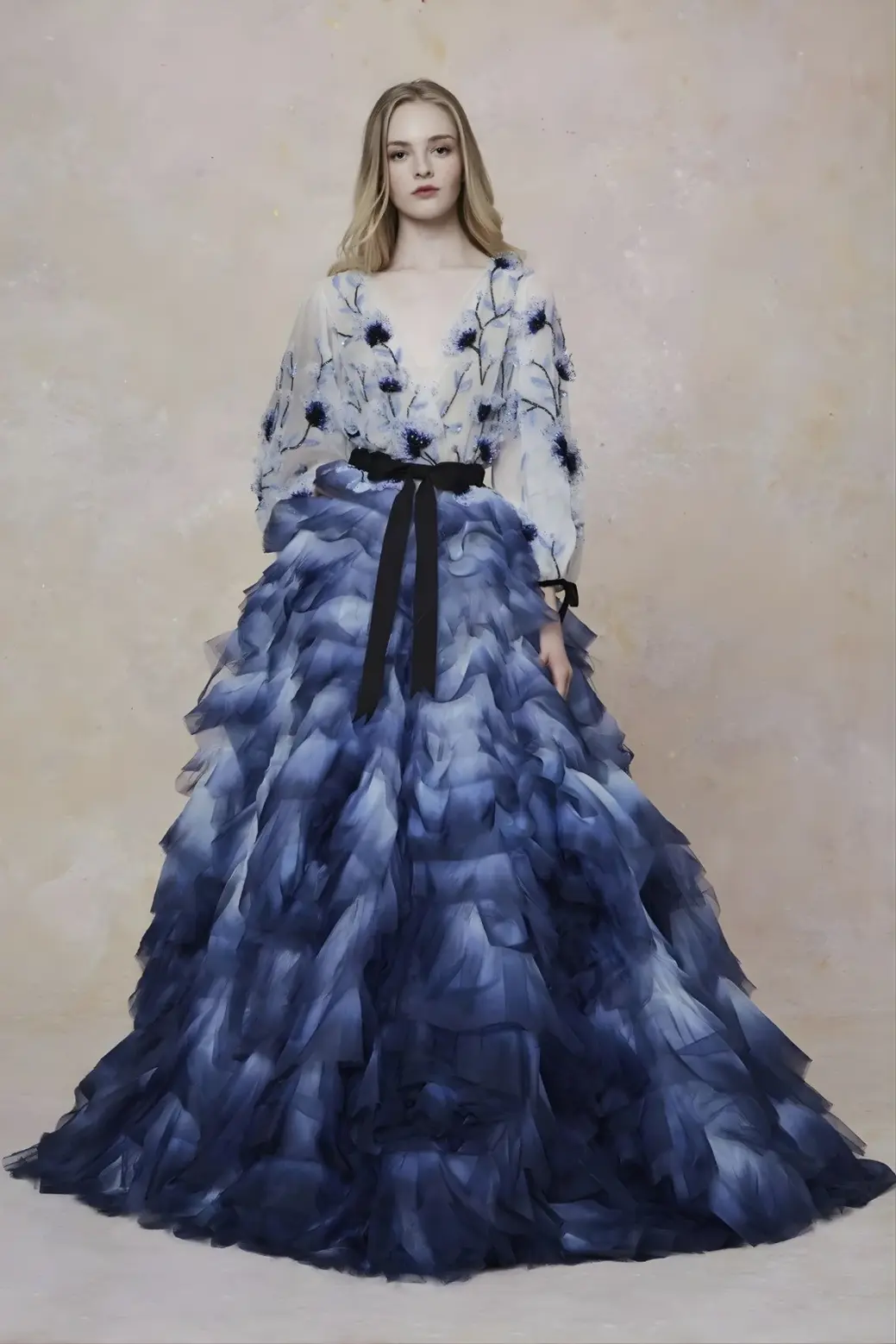
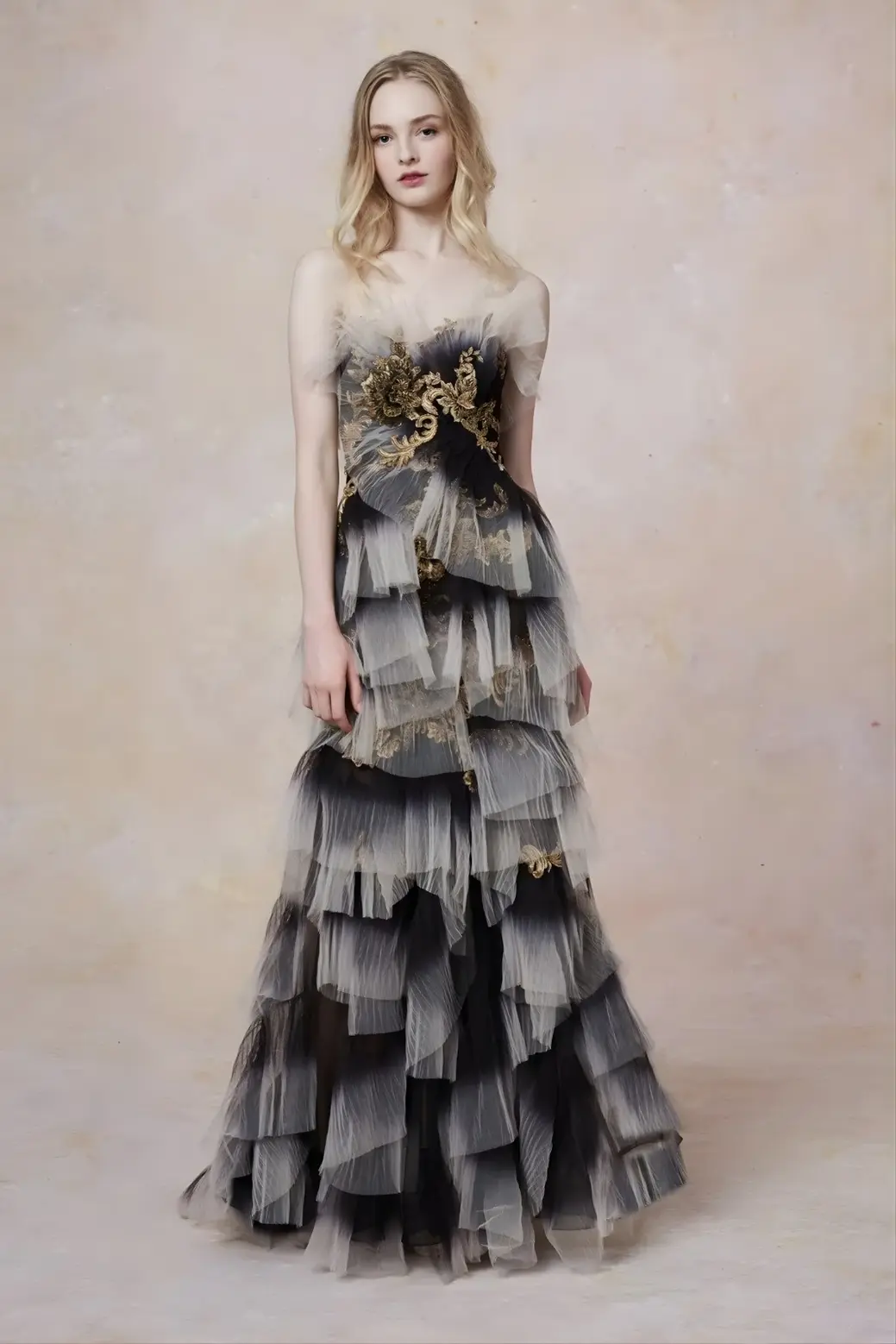
Marchesa surrendered fully to enchantment, piling lace tiers like sugared petals, gowns so soft and romantic they felt flexible as frosting beneath the gaze.
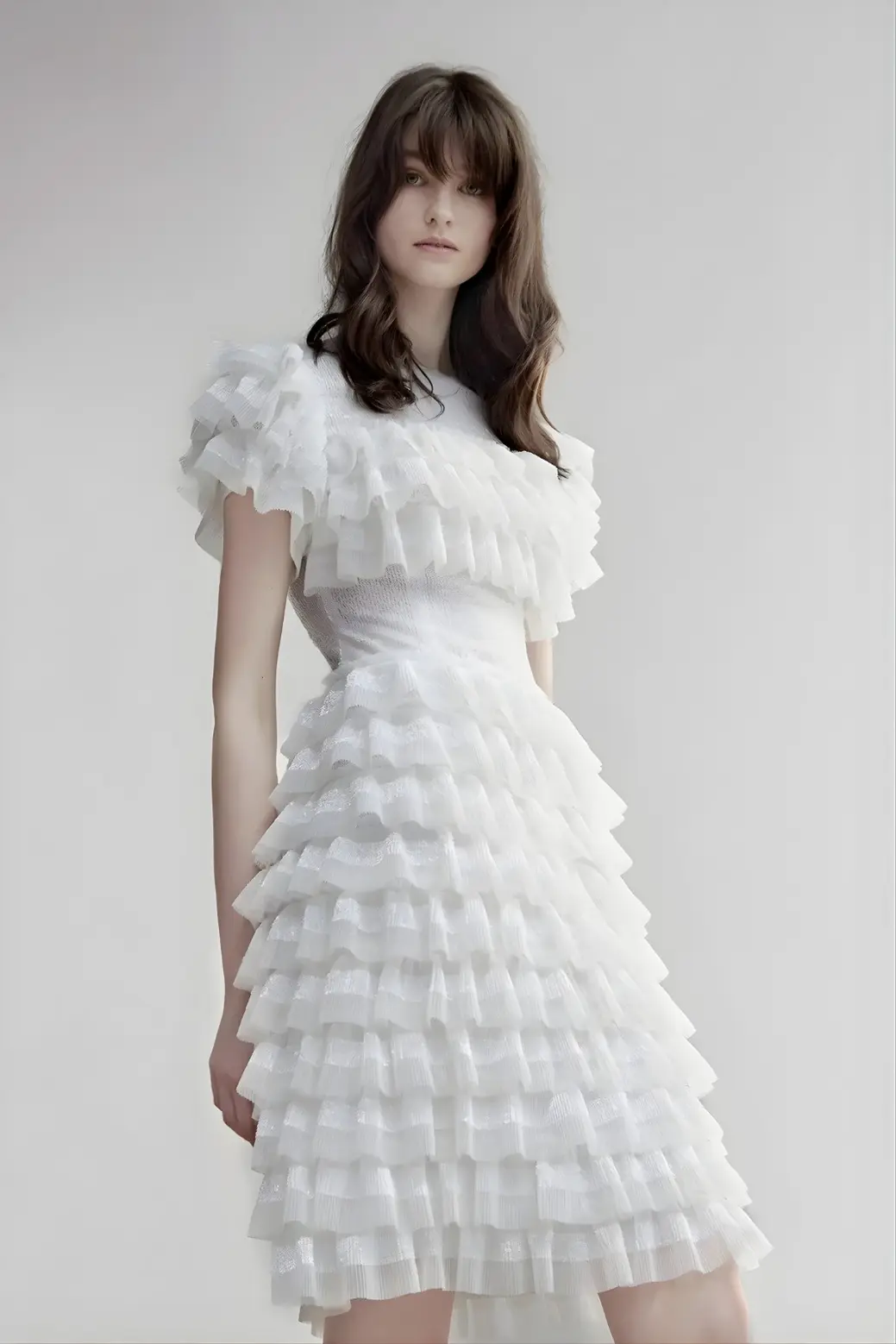
Beyond its outward charm lies an inherent democracy of form, a quiet revolution in fabric. Its generous volume skims, gently conceals, and subtly celebrates, allowing women of all shapes and sizes to embrace comfort, confidence, and an exquisite femininity. This embrace of inclusivity is a powerful draw in a fashion world increasingly dedicated to diversity and body positivity, making the tiered dress a beacon of gentle acceptance.
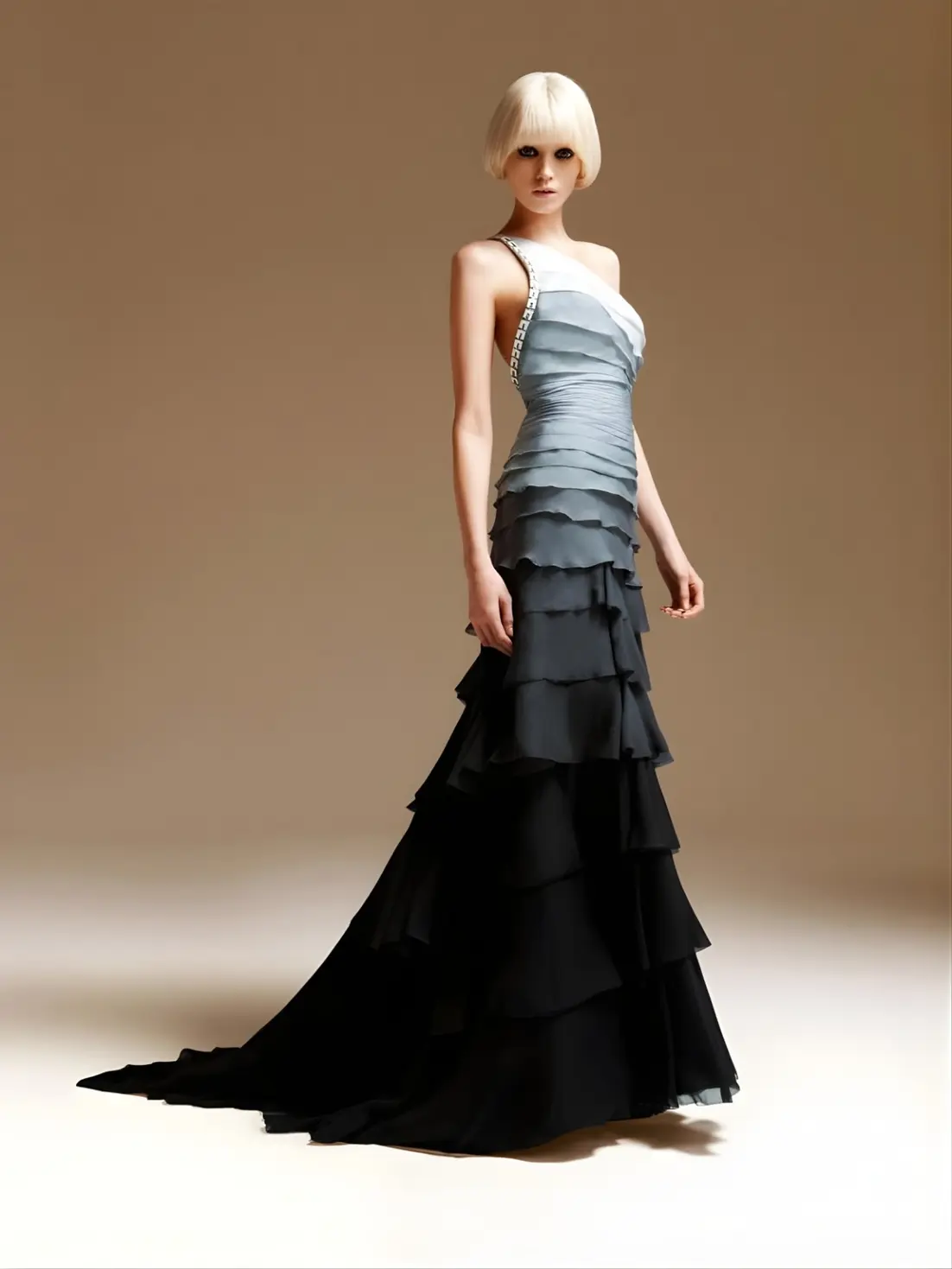
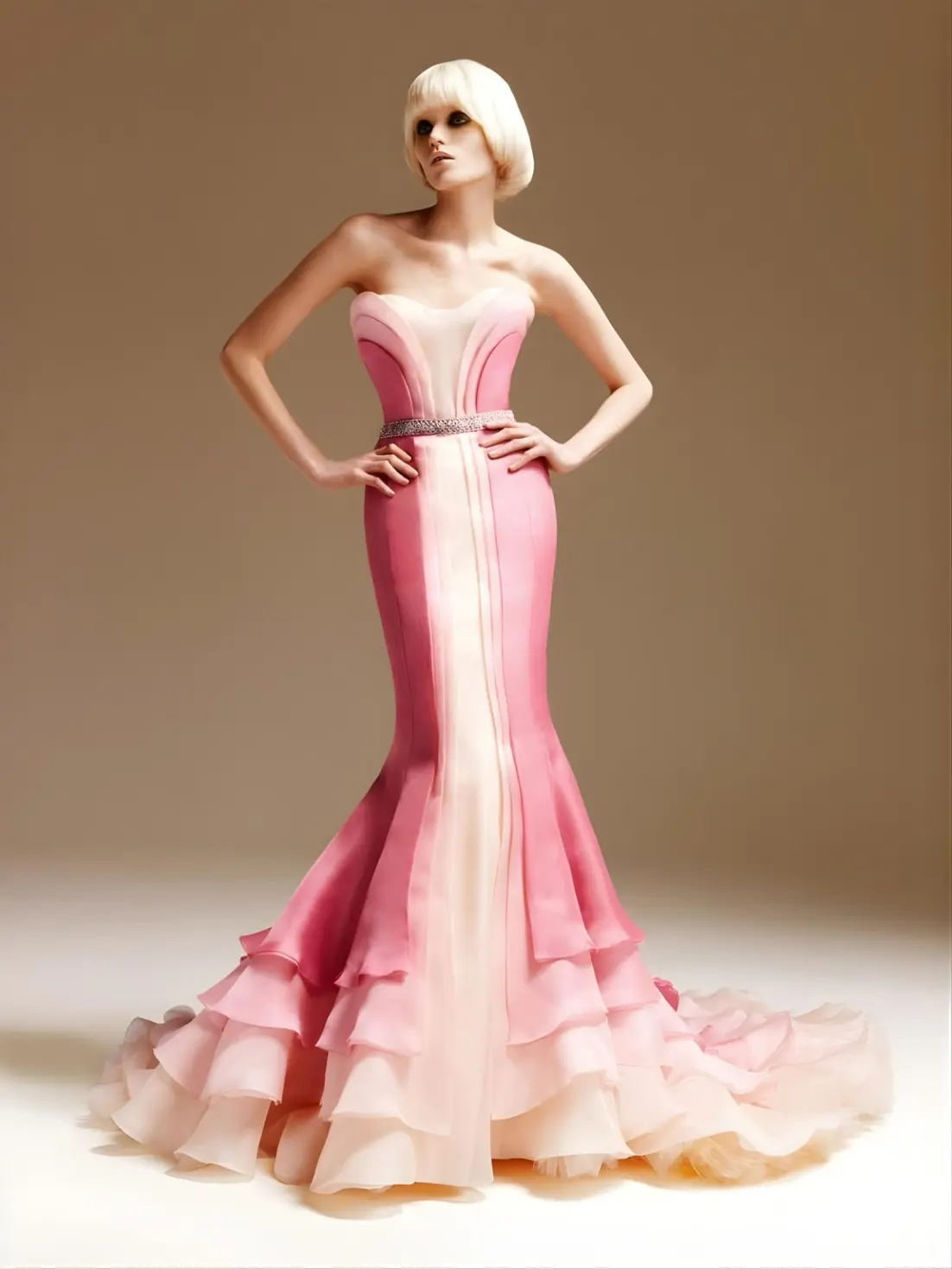
Moreover, the tiered silhouette speaks to a primal human yearning for movement and fluidity. Each tier, individually crafted with care, collectively creates a symphony of motion – a soft sway, a gentle bounce, a captivating swirl – that transforms the very act of walking into a poetic glide. This dynamic quality isn't just visually appealing; it evokes a profound feeling of lightness and liberation, a gentle, flowing rebellion against the rigidity that sometimes creeps into modern life.
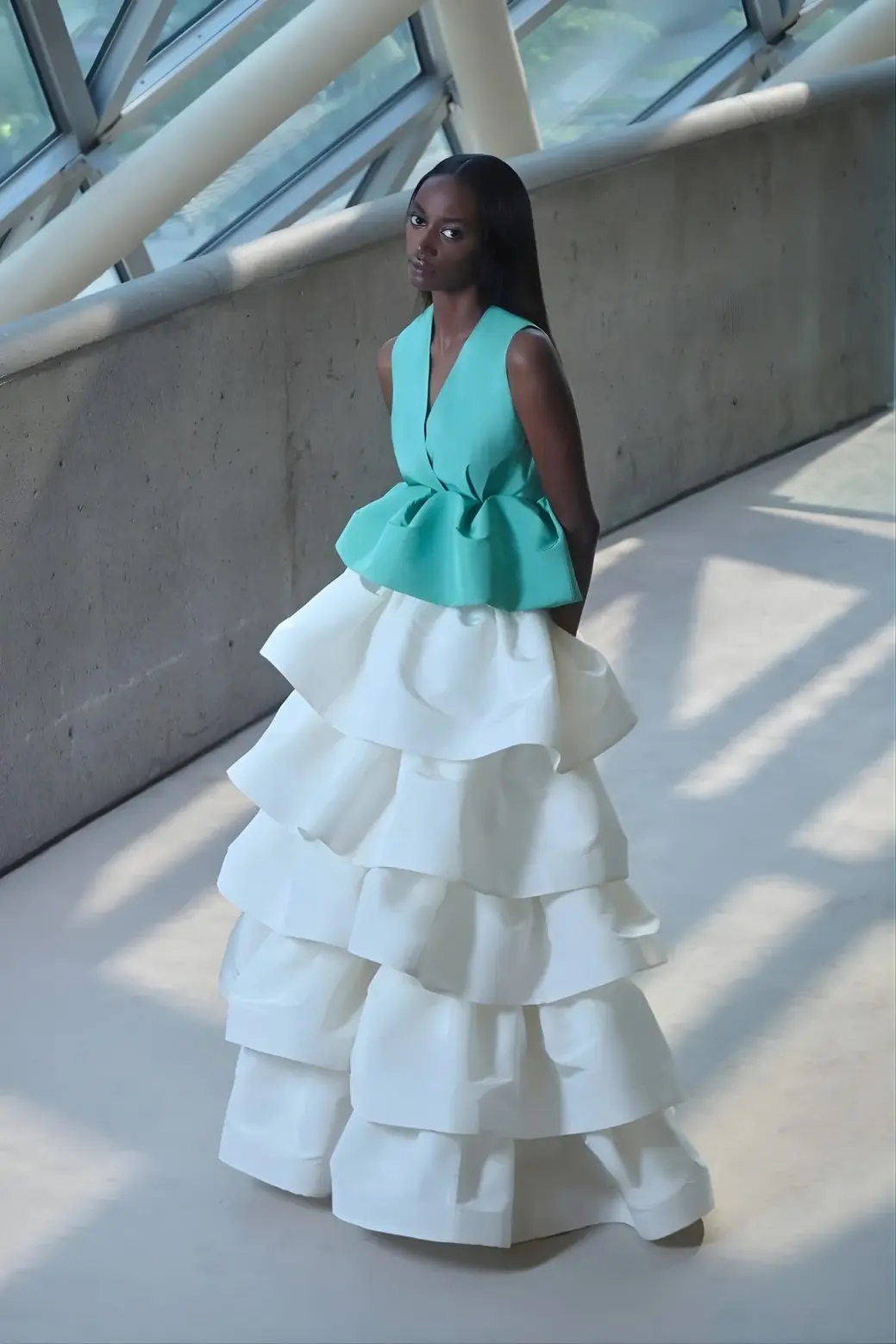
And then, there's its profound ability to evoke narrative and romance, a quality deeply woven into its very construction. As we've explored, each tier can feel like a "chapter in a timeless romance novel," building layers of suggestion, intrigue, and undeniable charm. It whispers to a yearning for beauty that is soft, unforced, and intrinsically joyful. And the tiered silhouette embodies a subtle yet profound connection to life's cyclical nature and the harmony found in the natural world. Its repetitive layering softly mirrors the mesmerizing undulations of ocean waves. It’s a quiet, comforting acknowledgment of the beautiful, reassuring repetitiveness embedded in existence, reminding us of life cycles, the continuous, organic flow that underpins all things. This deep, almost subconscious, resonance grounds the ethereal beauty of the tiered dress in something universally human and profoundly comforting.
The tiered silhouette continues to evolve, from casual day dresses to monumental couture tiered gowns, proving that layering in fashion is never merely decorative but deeply emotional.
Advertisement