MENU
Close





How do the world's most famous people escape fame? This feature reveals the private islands strategies of Richard Branson, Marlon Brando, and tech billionaires. Uncover the ultimate "escape clause."
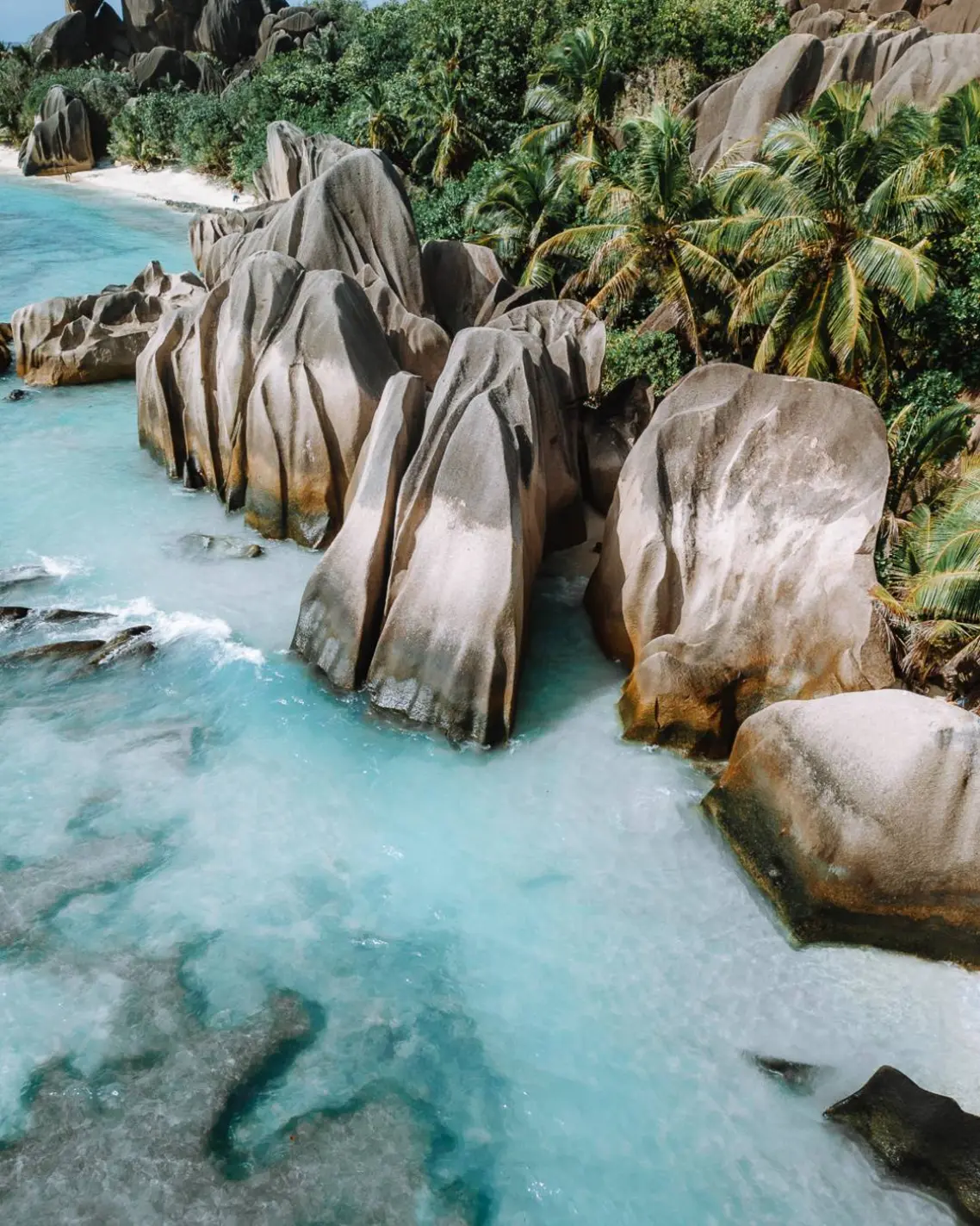
How do the world's most famous people escape fame? This feature reveals the private islands strategies of Richard Branson, Marlon Brando, and tech billionaires. Uncover the ultimate "escape clause."
December 29, 2025


In an era of drones, telephoto lenses, and relentless social media scrutiny, true privacy is the ultimate luxury. For the world’s most famous faces, a private island isn't a mere indulgence; it's a strategic asset - a high-security, no-paparazzi zone where the persona can be switched off and the person can breathe. From tech titans to Hollywood royalty, the private island has become the final frontier for those seeking refuge from a world that never stops watching.
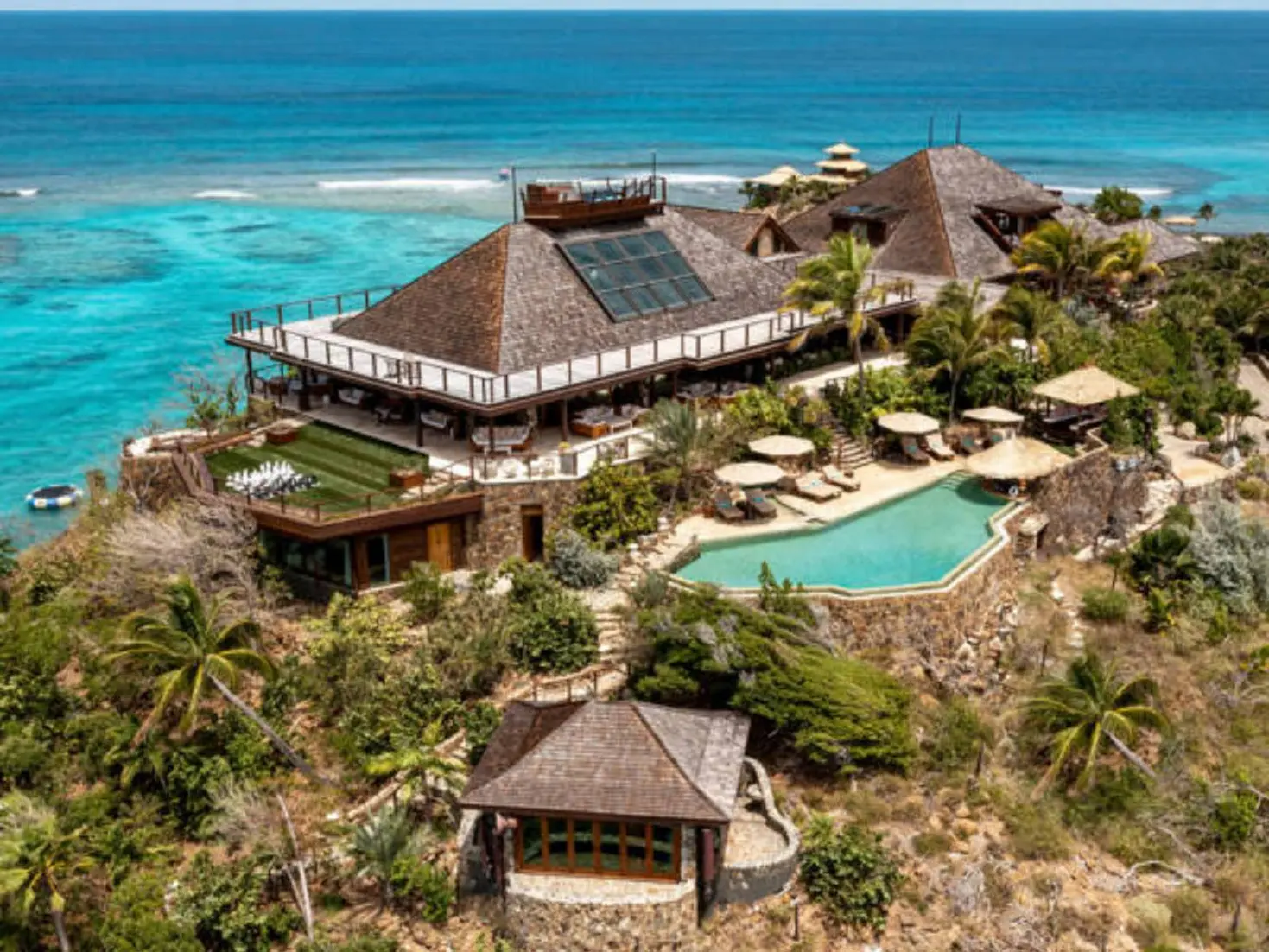
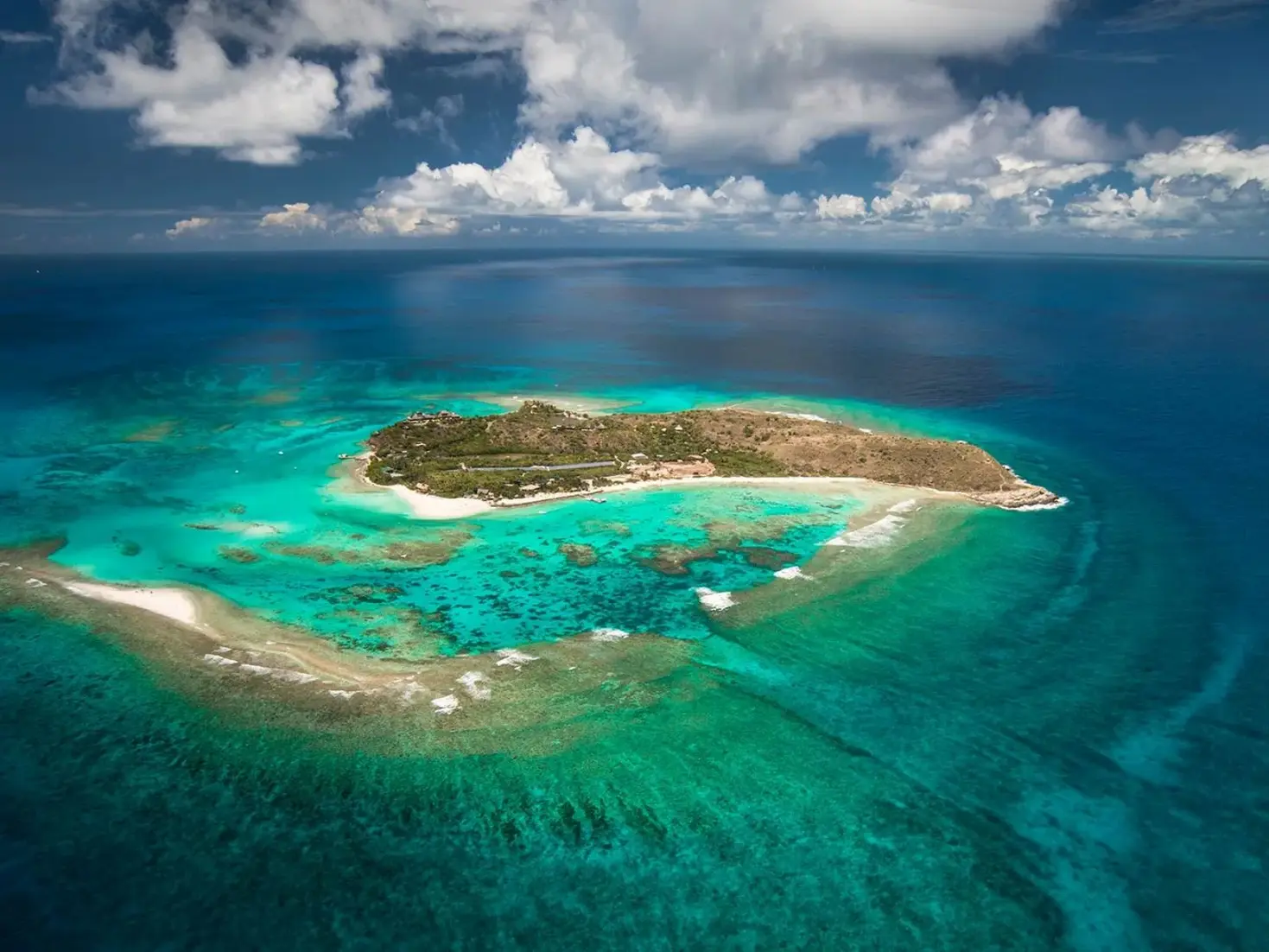
The modern celebrity island story begins, as many do, with Sir Richard Branson. His 1979 purchase of Necker Island in the British Virgin Islands - reportedly to impress his future wife, was seen as a charmingly eccentric move. Decades later, it stands as a blueprint. Necker is more than a home; it’s a high-profile, high-energy "branded escape," famous for its star-studded New Year’s parties where A-lists mingle with billionaire founders. Branson proved an island could be both a sanctuary and a powerful social and commercial magnet.
For the billionaire founders of the digital age, a private island represents the ultimate form of control - a physical server farm, a terraformed paradise.
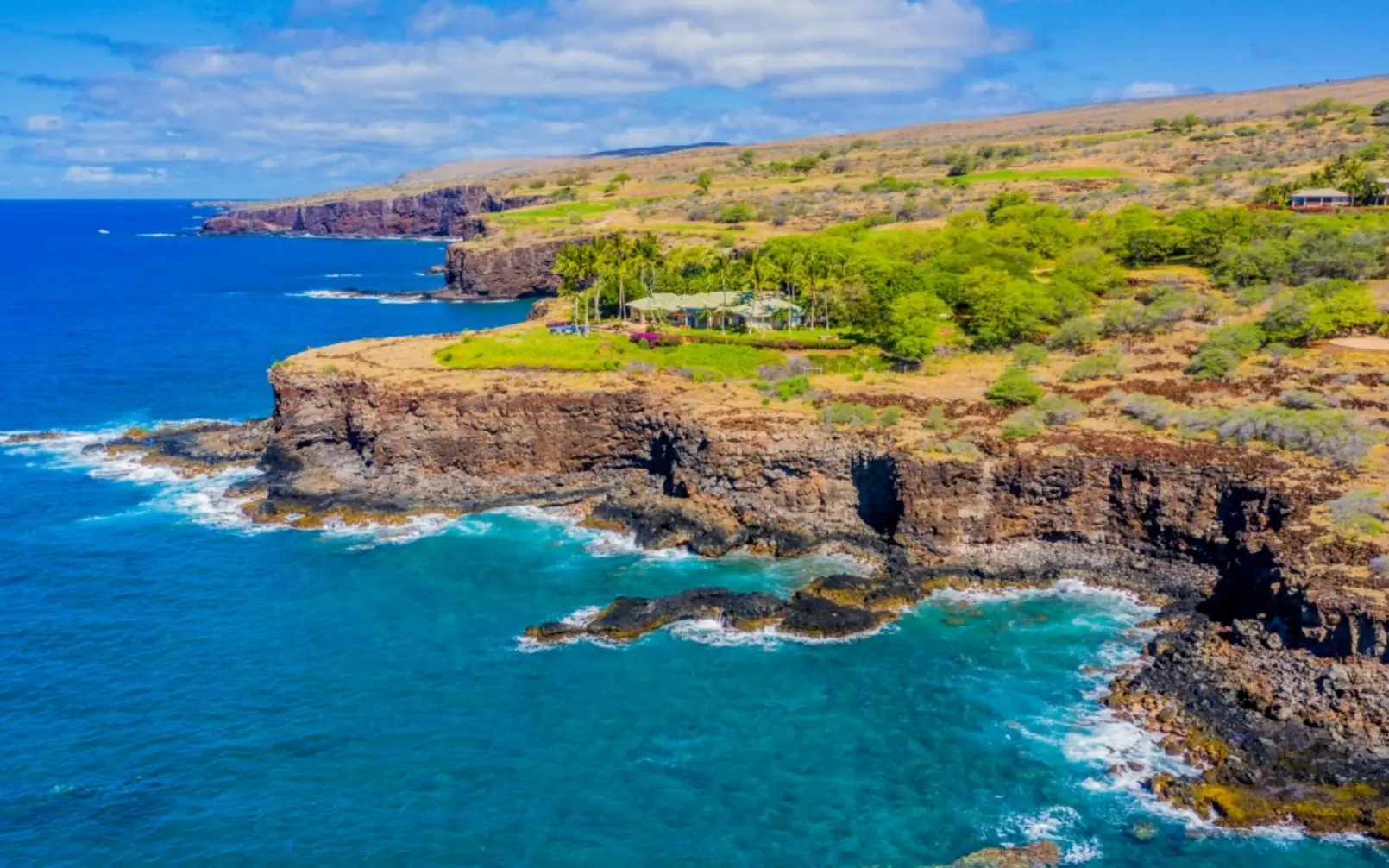
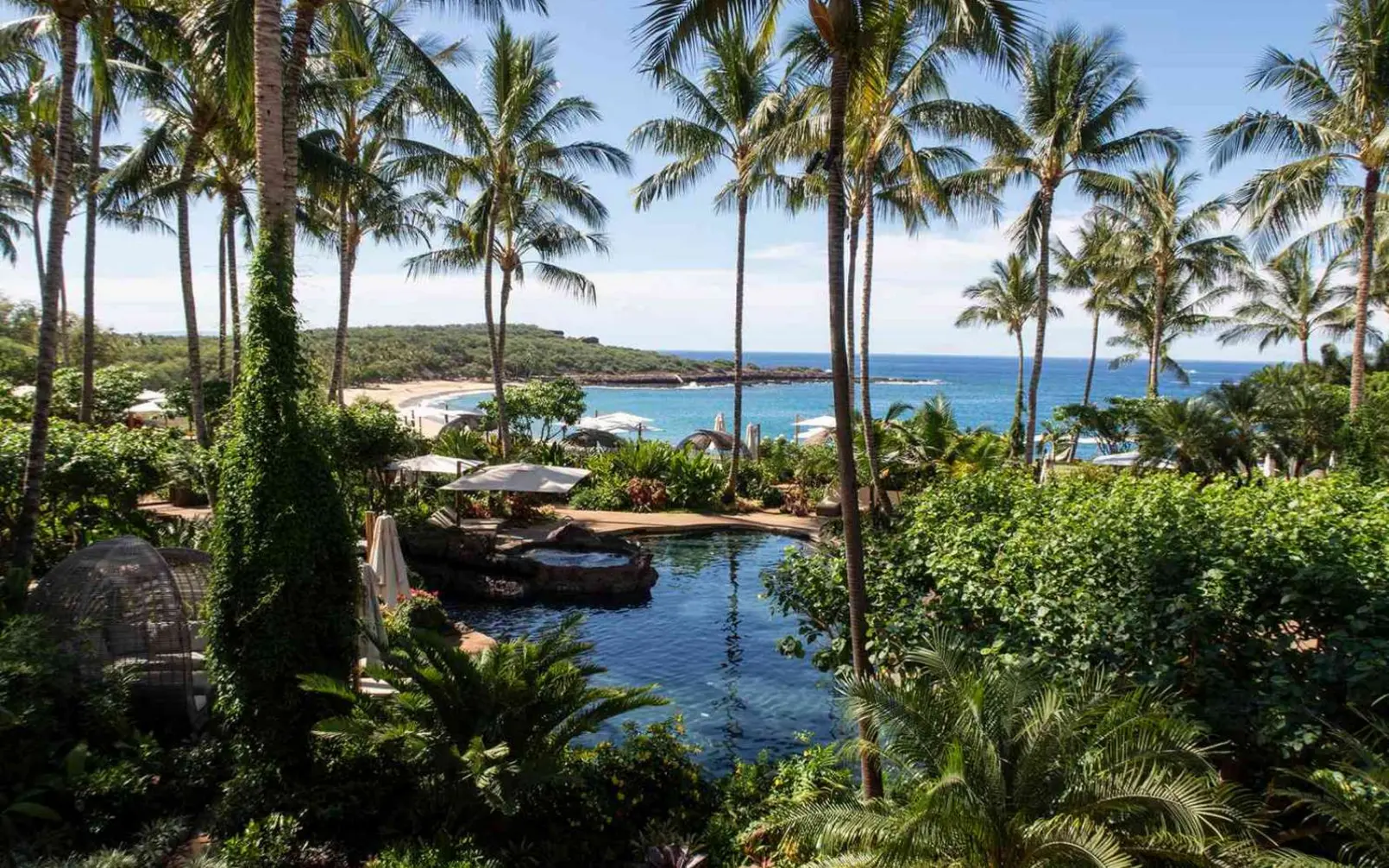
Larry Ellison’s Lanai: Perhaps the most audacious move, the Oracle co-founder didn't just buy an island retreat; he bought 98% of Hawaii’s sixth-largest island, Lanai. Here, the goal isn't just privacy, but building a sustainable, self-contained holistic model, from revitalizing local agriculture to managing luxury Four Seasons resorts. It’s sovereignty on a grand scale.
The Google Founders: Both Sergey Brin and the late Tony Hsieh were linked to private island ventures in Fiji. These acquisitions are rarely about public-facing glamour; they are long-term legacy projects and climate-change refuges, representing the Silicon Valley ethos of solving problems (even the problem of paradise) through technology and seclusion.
For actors and musicians, an island offers a script rewrite for their personal lives.
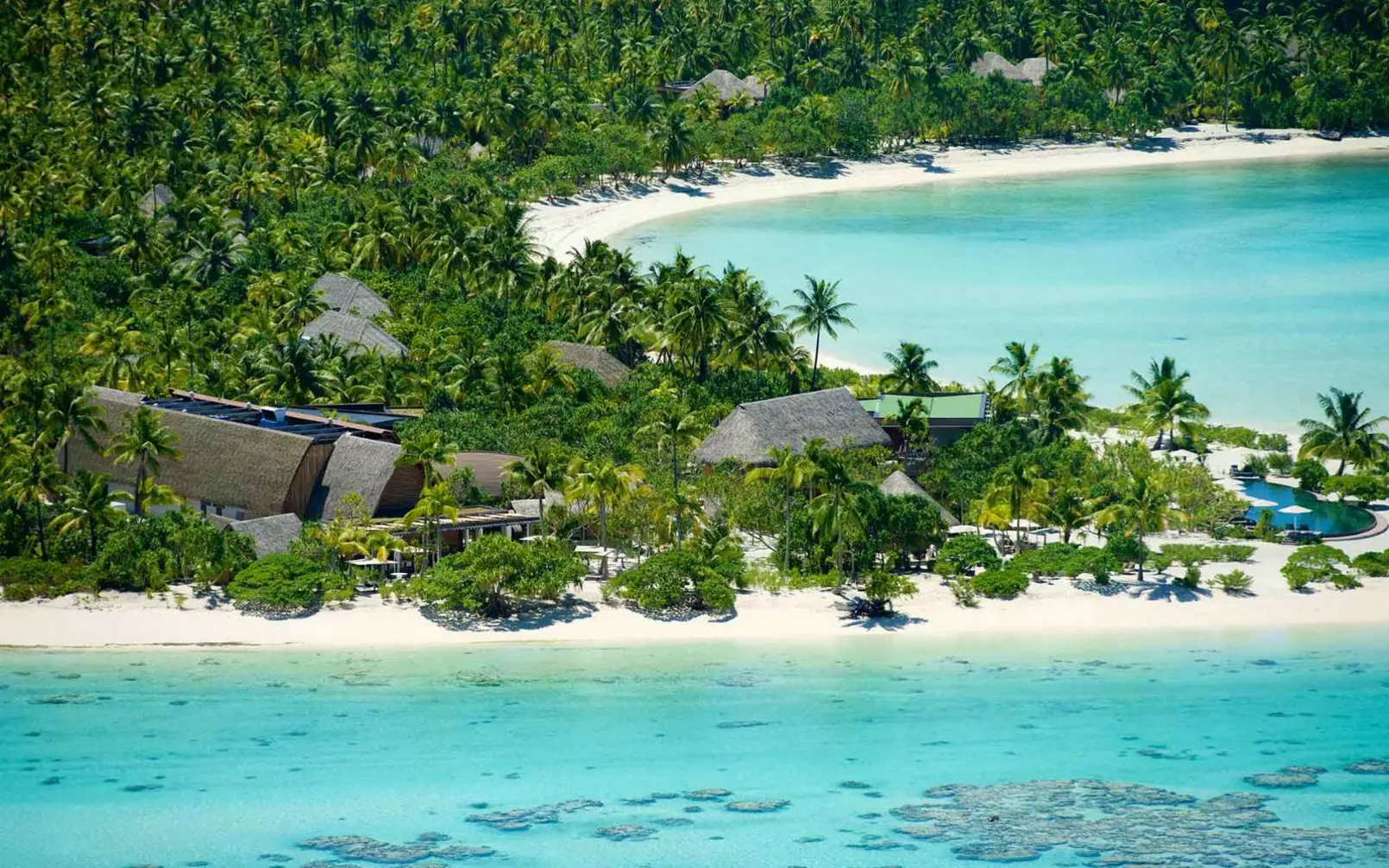
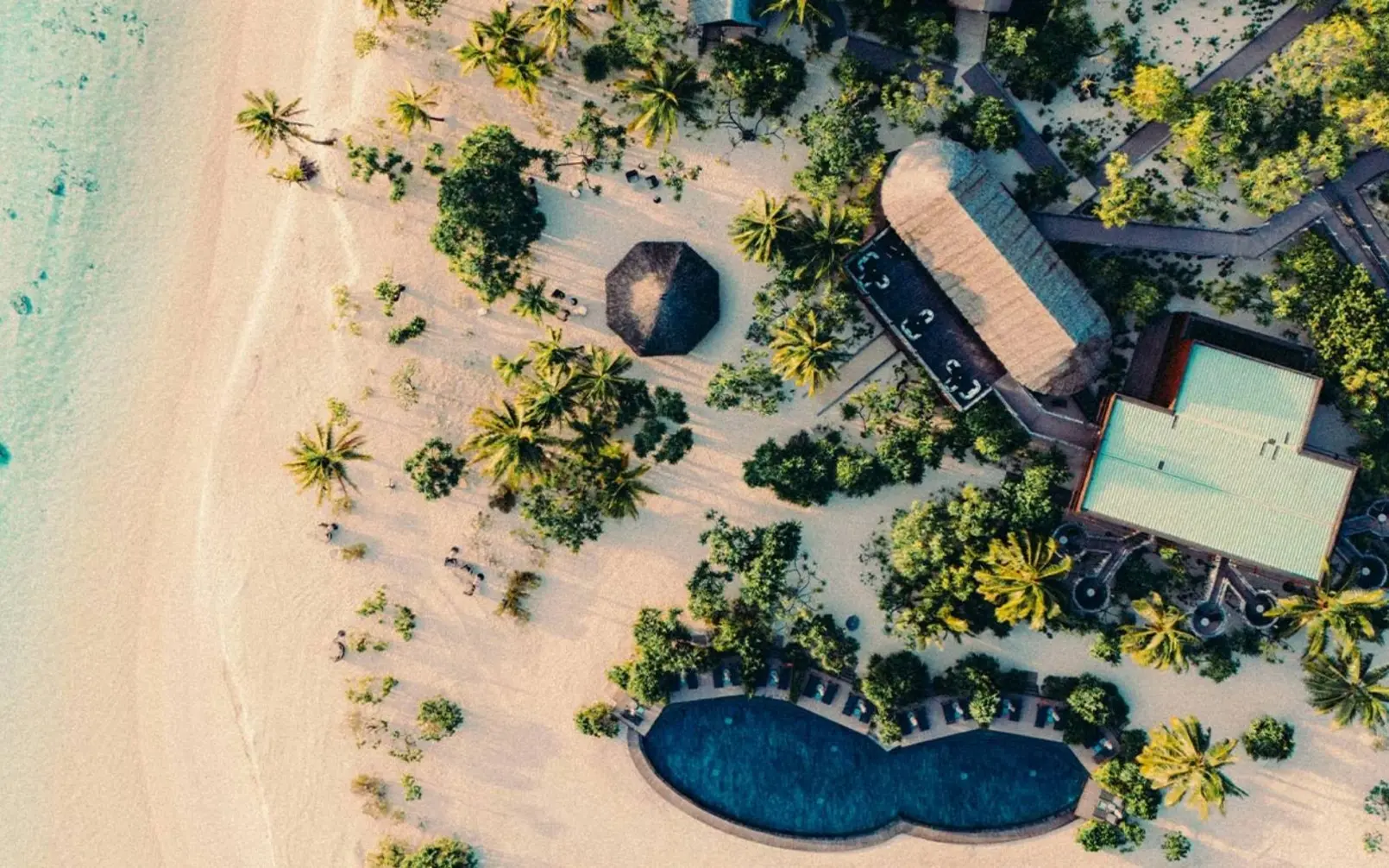
The Visionary Curator: The late Marlon Brando’s obsession with Tetiaroa in French Polynesia was born during the filming of Mutiny on the Bounty. He spent decades preserving it, and his vision culminated in The Brando, an eco-resort that sets the gold standard for sustainable luxury. It’s a legacy defined by conservation, not just consumption.
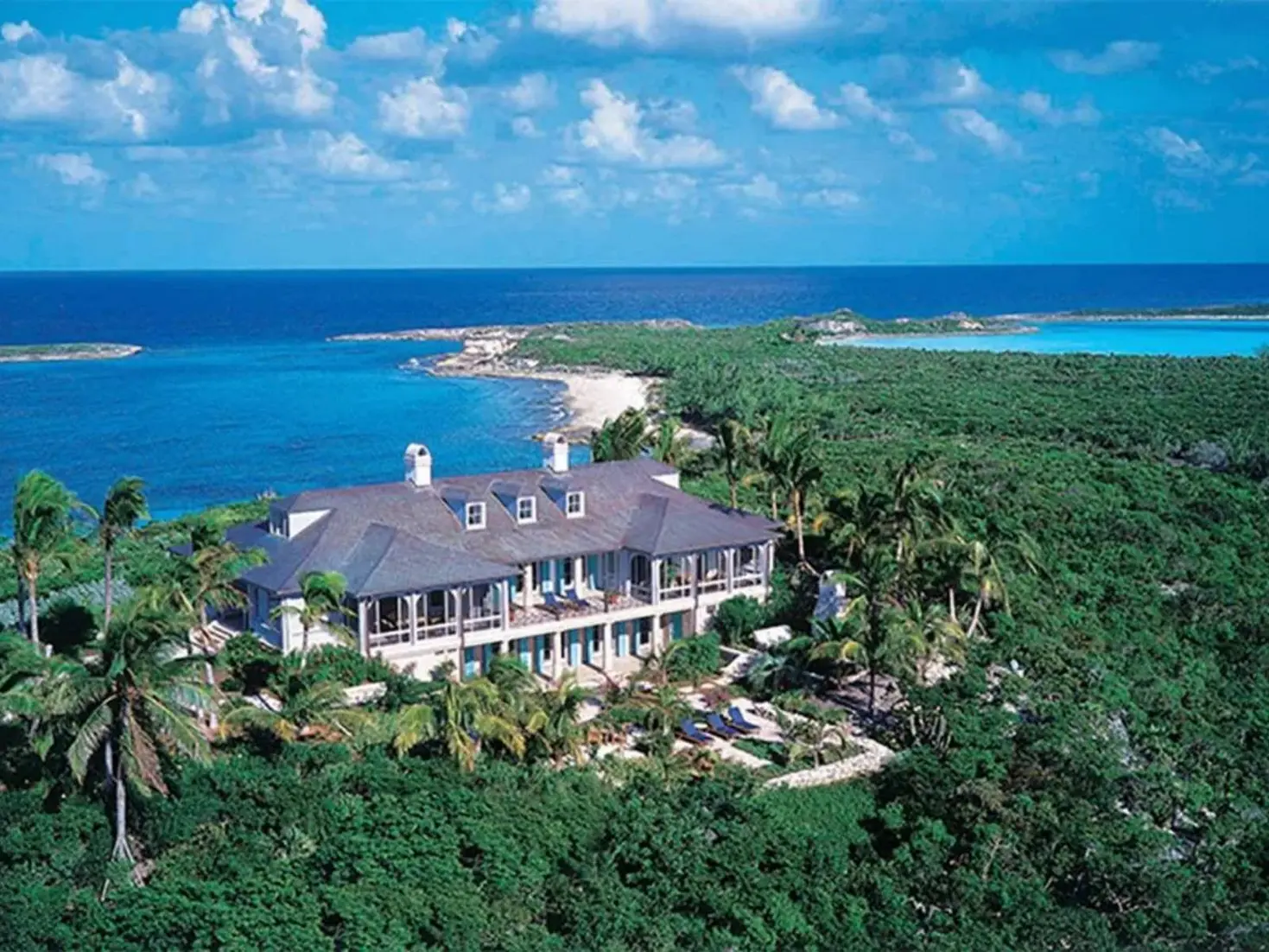
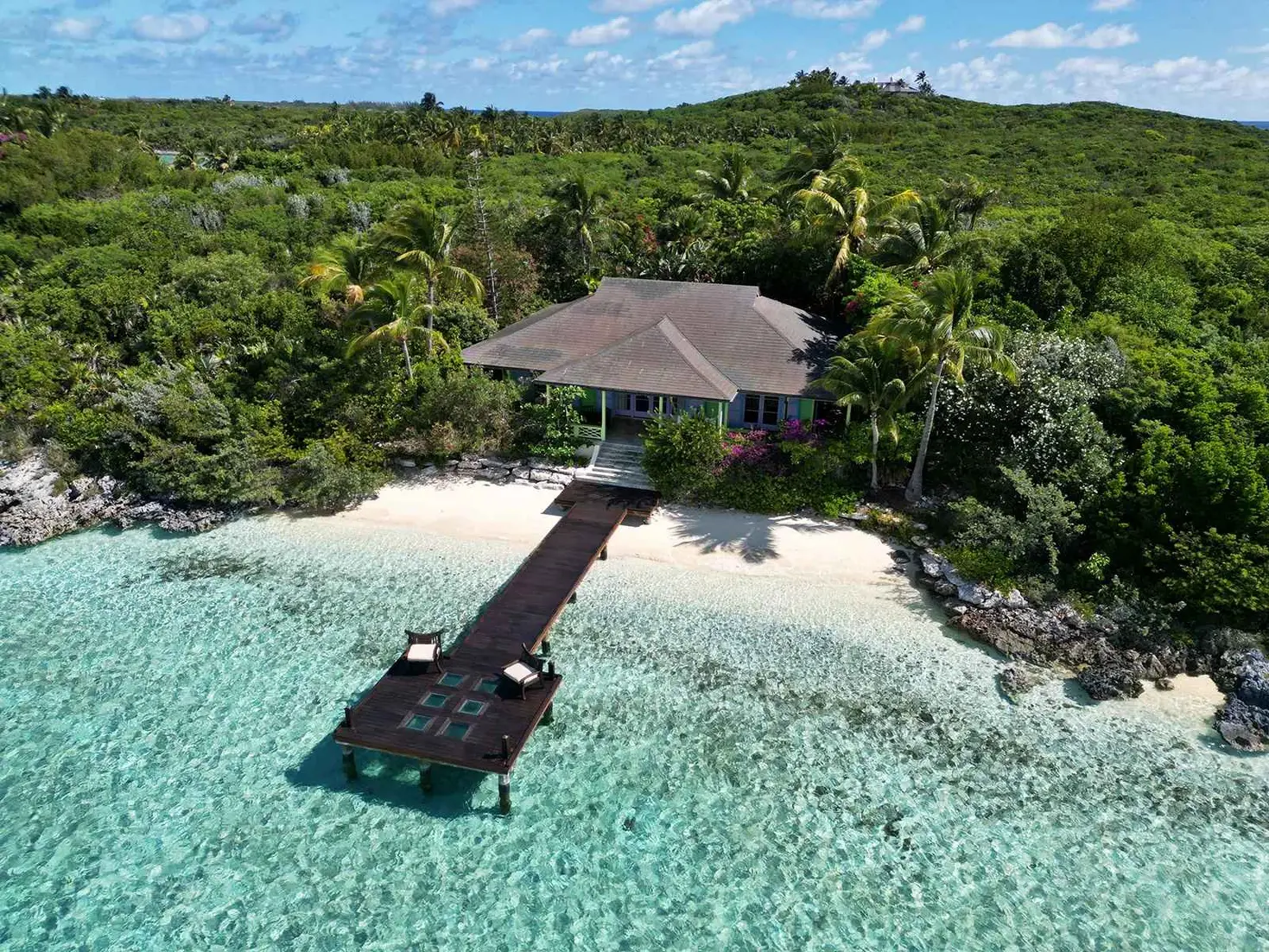
The Whimsical Escape Artist: Magician David Copperfield’s Musha Cay in The Bahamas is a 700-acre magic trick. Filled with hidden "Mystery Houses" and pirate-themed theaters, it’s a personalized fantasyland designed for unforgettable gatherings, proving an island can be a stage for wonder.
The Music Mogul’s Hideaway: Beyoncé and Jay-Z are famously rumored to have rented, and reportedly sought to purchase, private islands for milestone family holidays and discreet creative retreats. For artists of their magnitude, the guarantee of zero digital or physical intrusion is the only way to truly disconnect.
For most celebrities, ownership is a bridge too far. Enter the luxury rental market. Ultra-exclusive resorts on private islands have become the preferred holiday for the famous.
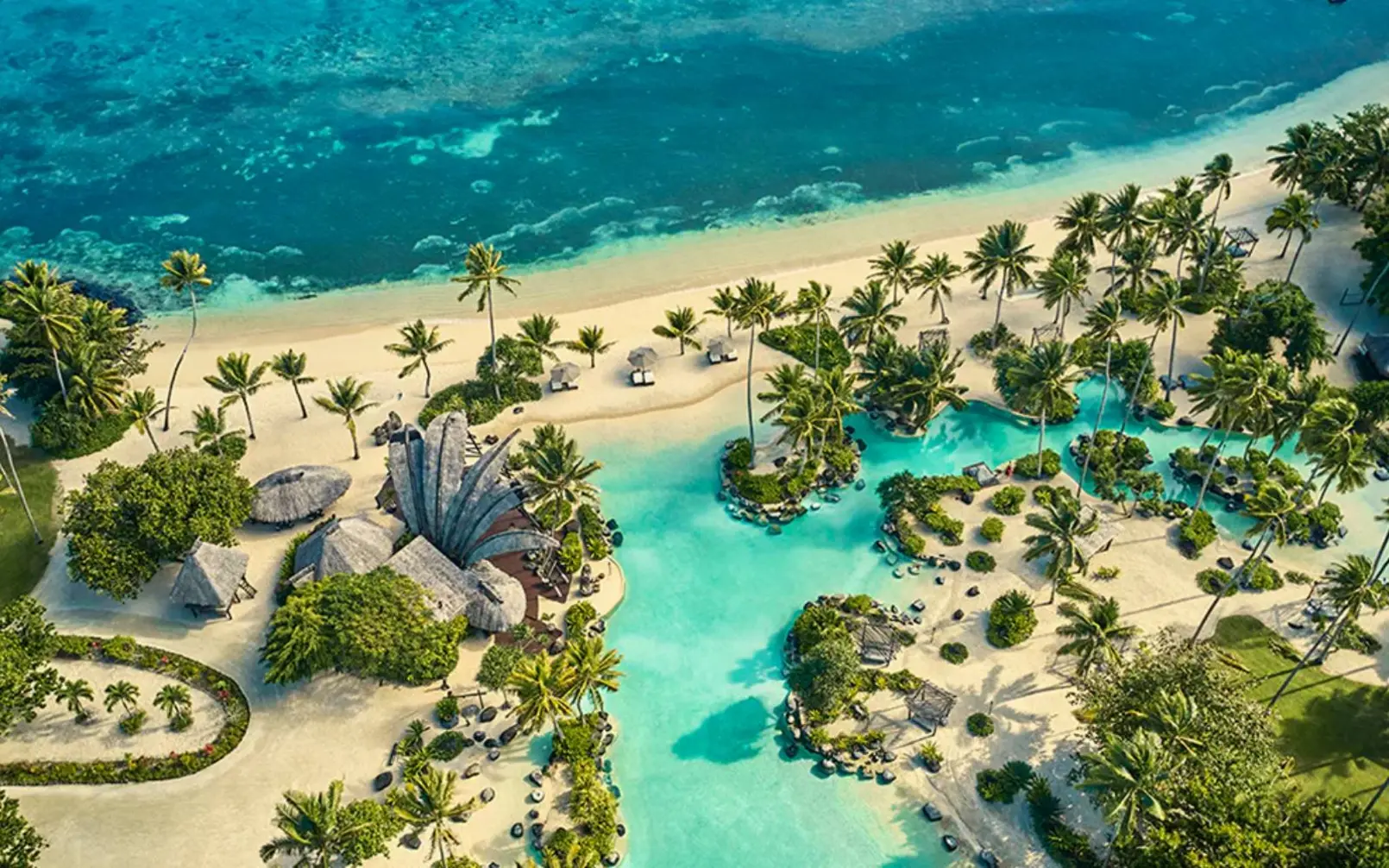
Laucala Island (Fiji), owned by Red Bull heir Dietrich Mateschitz, regularly hosts tech CEOs and supermodels.
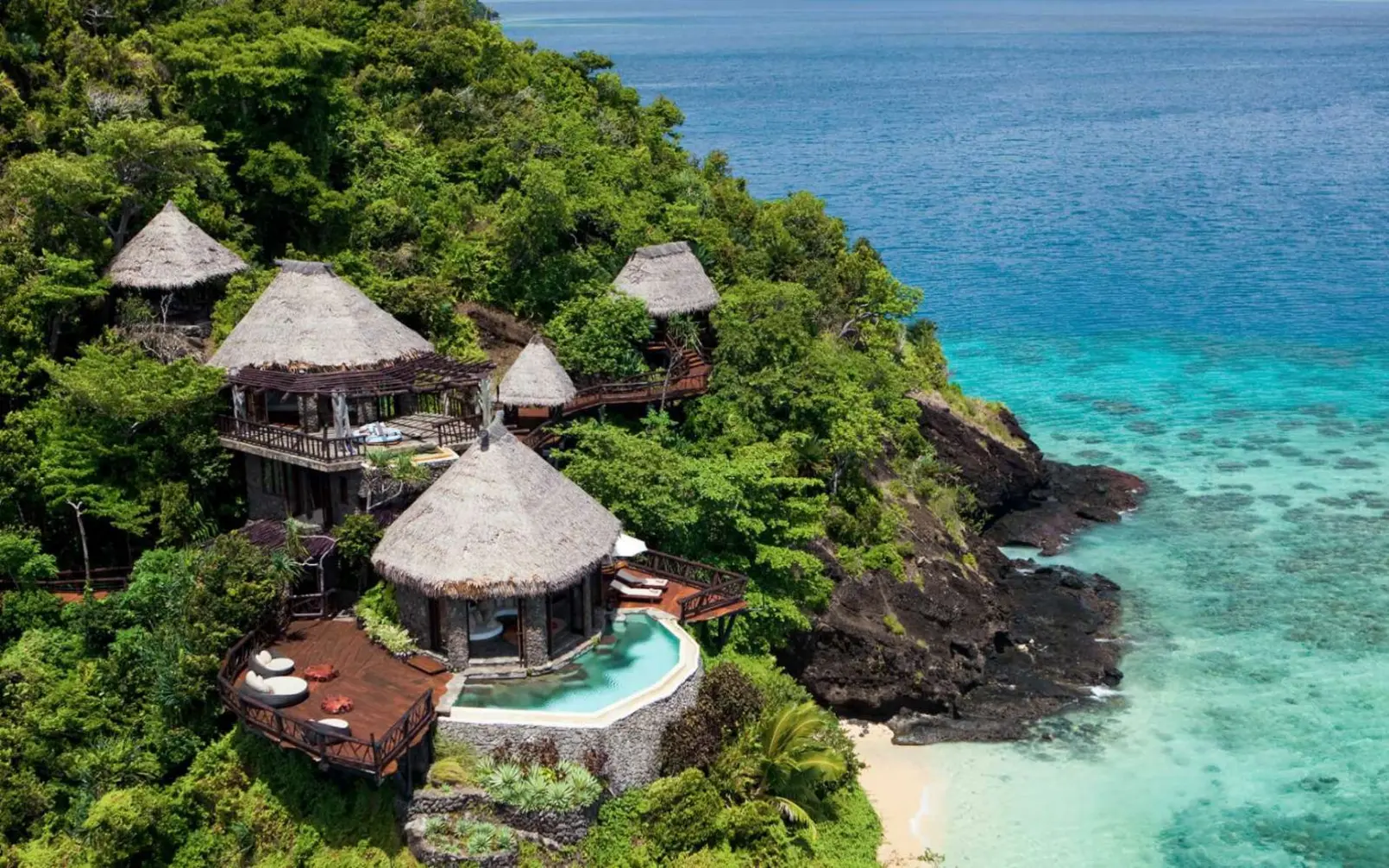
Cayo Espanto (Belize) and North Island (Seychelles) offer total-villa privacy with five-star service, frequented by actors and musicians seeking a silent, staffed sanctuary.
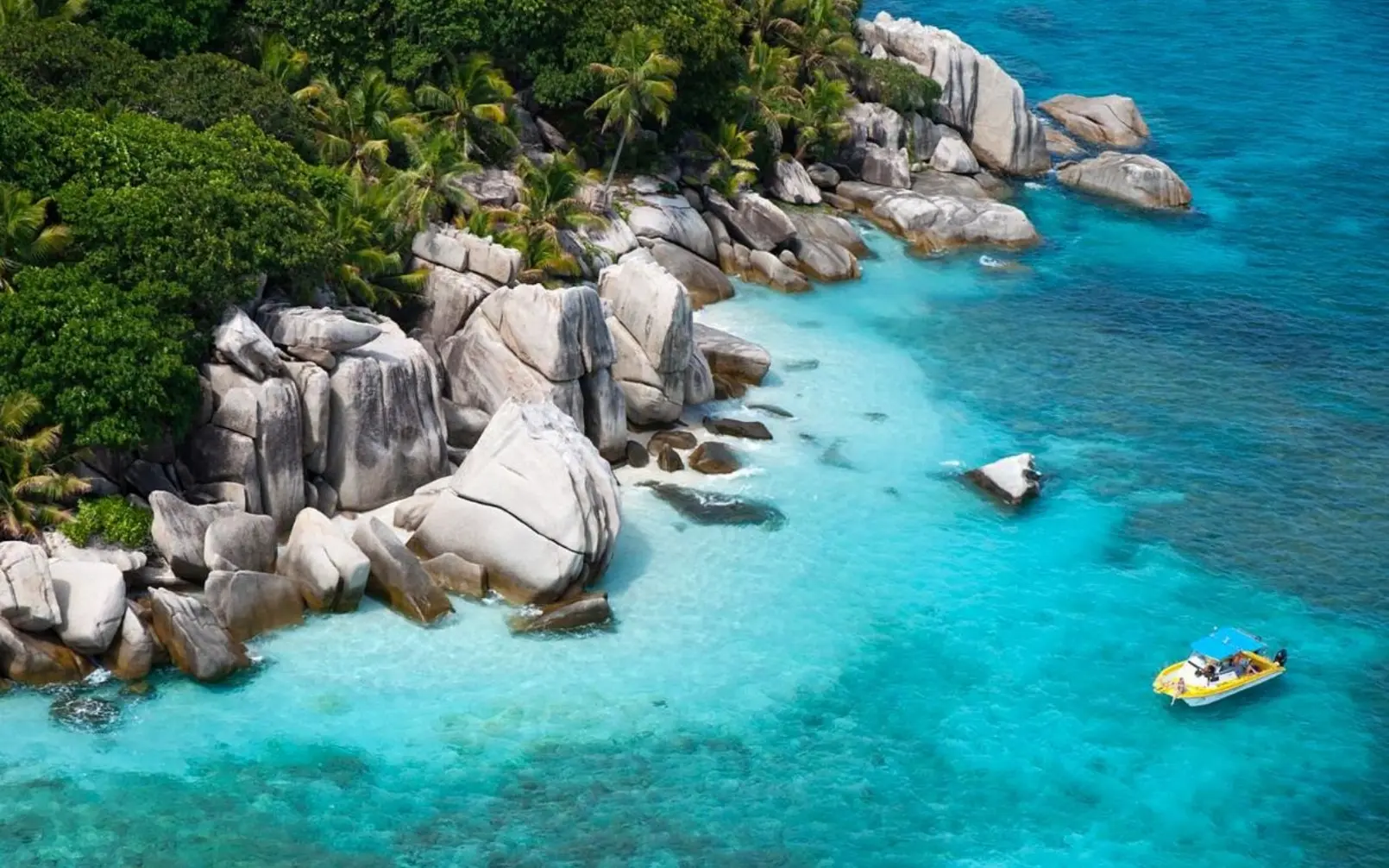
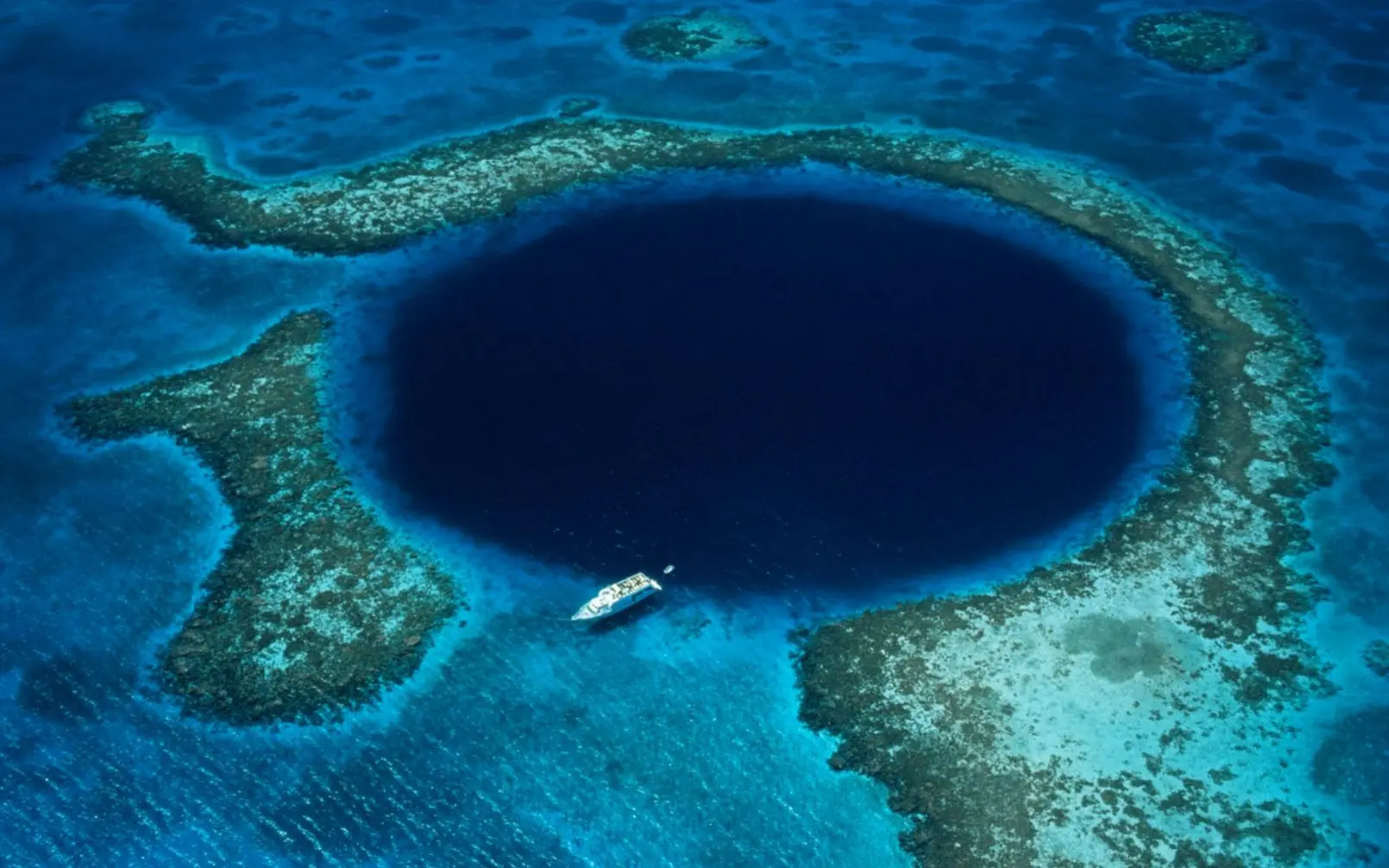
The allure is simple: all the benefits, privacy, security, bespoke service, with none of the operational headaches of ownership.
Why does this trend resonate so powerfully?
Yet, the celebrity island dream contains its own irony. The very act of seeking solitude on a remote atoll often becomes a public part of their mythos. The island itself becomes famous, adding another layer to their persona - the reclusive king or queen of a distant domain.
As the spotlight grows hotter and digital footprints become inescapable, the private island remains the most powerful "escape clause" in the celebrity contract. It is the final edit in the story of their lives, a place where they can write, and rewrite, their own narrative in the sand, with no one else watching.