MENU
Close





Opening 28 March 2026, the Schiaparelli V&A exhibition honors the subversive genius of Elsa Schiaparelli by showcasing her legendary Surrealist collaborations and their enduring influence on modern high fashion.
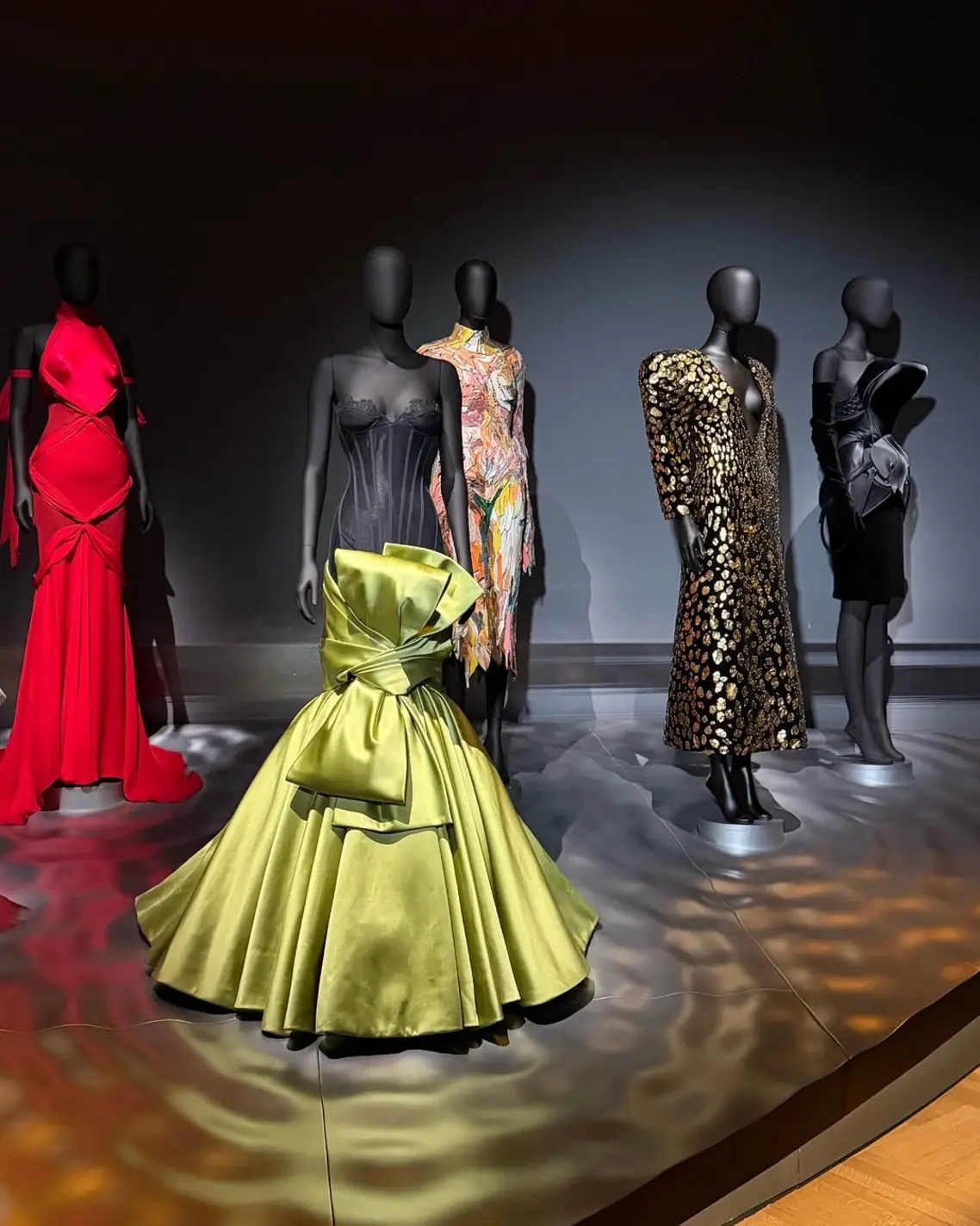
Opening 28 March 2026, the Schiaparelli V&A exhibition honors the subversive genius of Elsa Schiaparelli by showcasing her legendary Surrealist collaborations and their enduring influence on modern high fashion.
March 26, 2026
Advertisement
Advertisement



Walking into the Sainsbury Gallery this spring feels less like entering a museum and more like stepping into a fever dream curated by a genius. The Victoria and Albert Museum has finally given the Italian couturière the solo stage she deserves in the United Kingdom. It is a long overdue celebration of a woman who did not just design clothes but rather designed provocations.
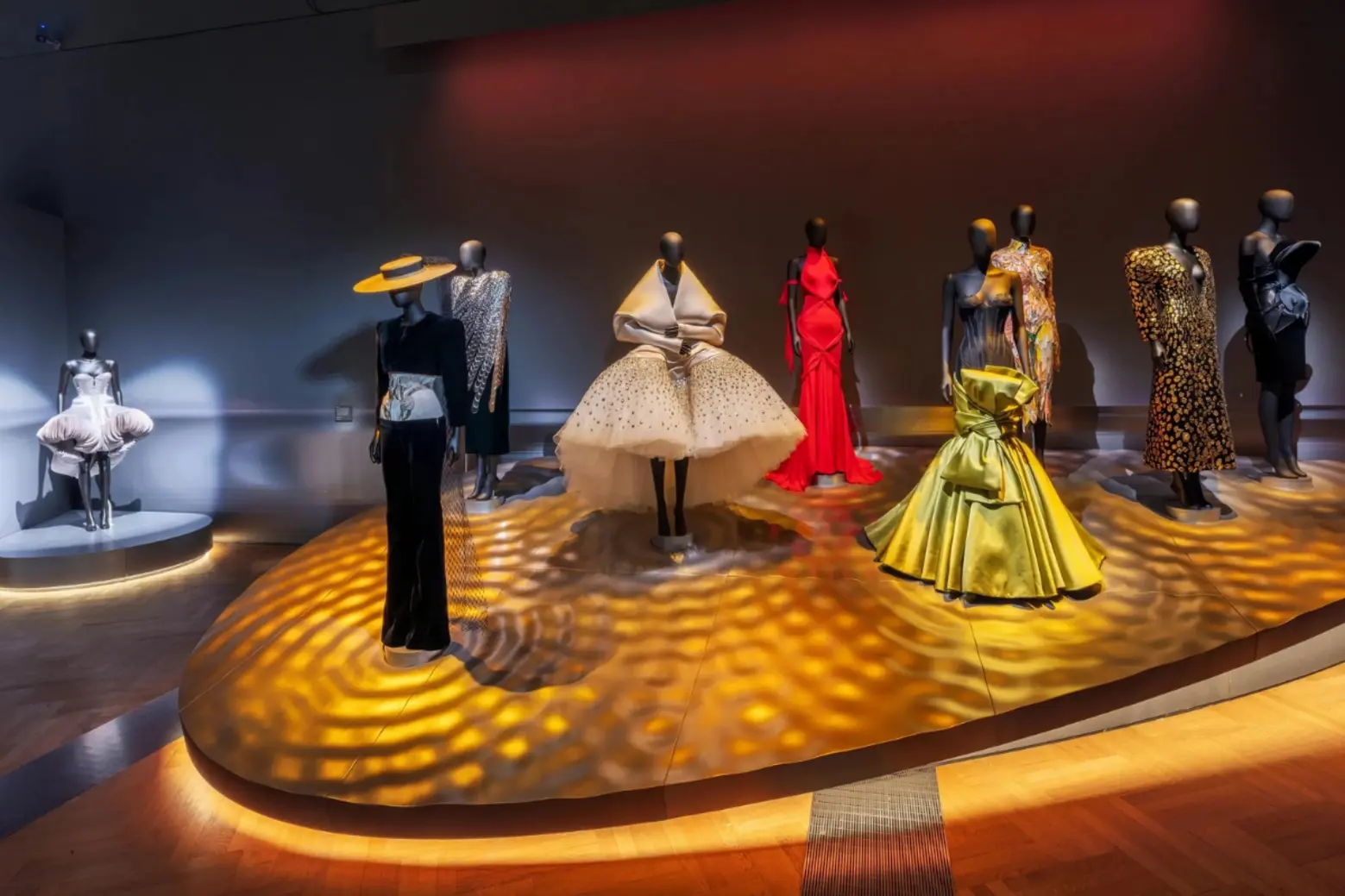
For those who think of fashion as a pursuit of prettiness, the Schiaparelli V&A exhibition is a sharp, vibrant wake-up call. The designer was the ultimate disruptor of the interwar years, viewing the female body as a canvas for surreal. Standing before the 1938 Skeleton Dress, one sees how Elsa Schiaparelli used trapunto quilting to mimic ribs and vertebrae, turning the wearer into a literal work of anatomy. It is beautiful yet deeply unsettling, which was exactly the point of her work.
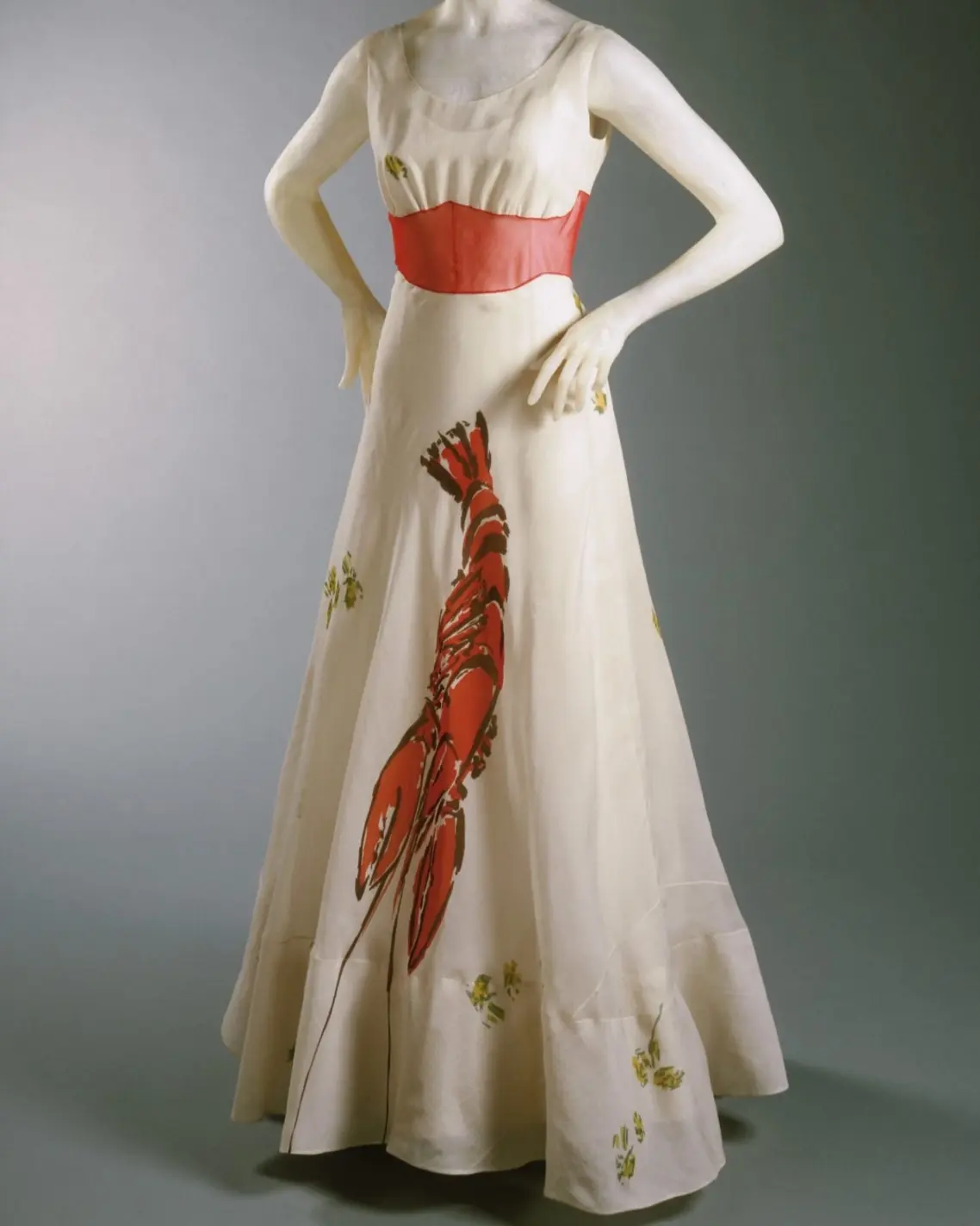
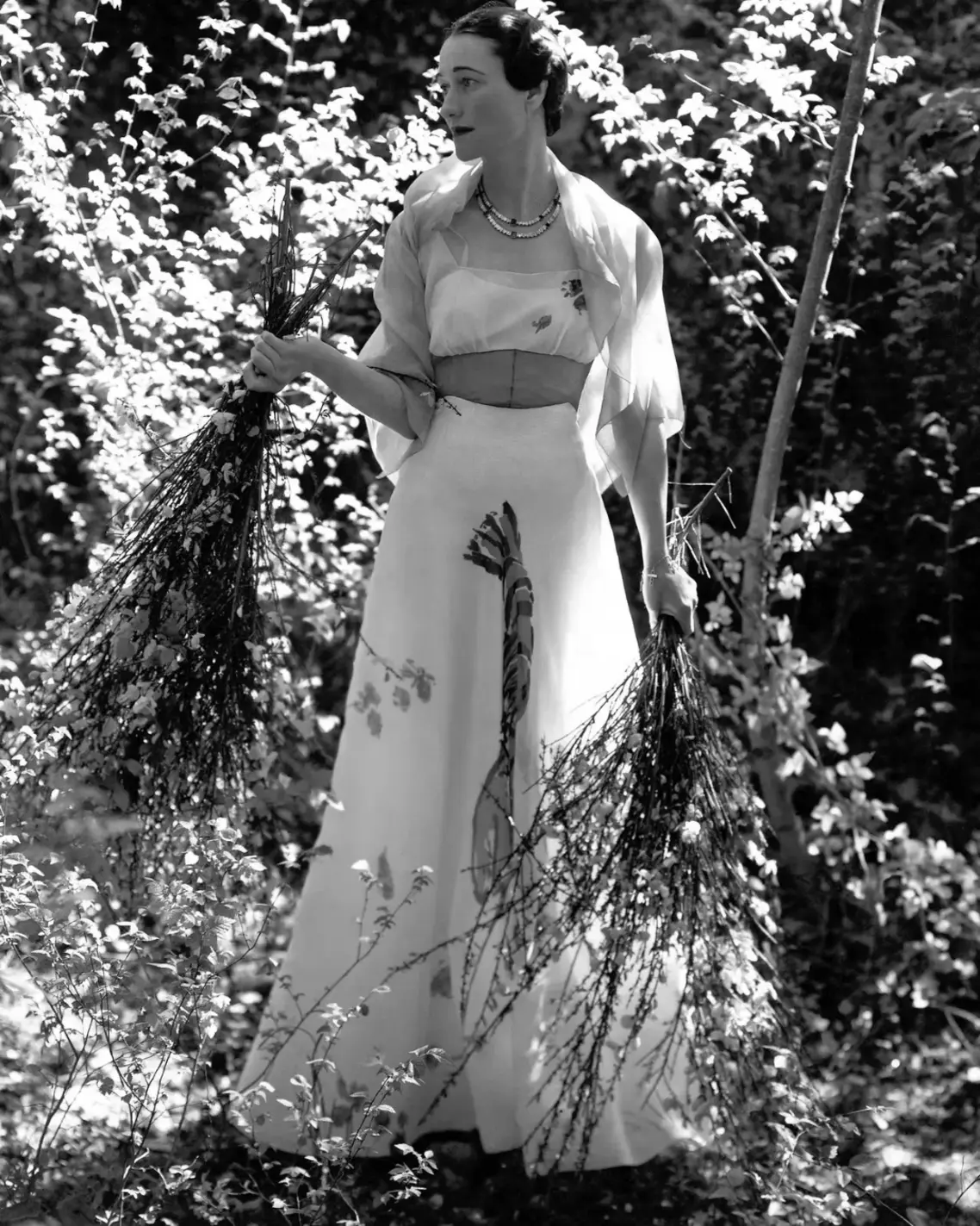
The exhibition successfully maps her trajectory from a Roman aristocrat running away to London to the toast of the Parisian avant-garde. What makes this retrospective particularly compelling is how it centers her collaborations with the giants of Surrealism. To see the Lobster Dress in person is to understand the alchemy between the house and Salvador Dalí. It is a symbol of how she invited art to sit at the dinner table of high society, making everyone slightly uncomfortable in the process.
The curators have gathered over 200 objects that range from the whimsical to the revolutionary. There are buttons shaped like insects, perfume bottles modeled after the torso of Mae West, and that infamous hat shaped like an upside-down shoe. These objects remind us that Elsa Schiaparelli was a master of ready-made things long before the term became a fashion cliché. She took the mundane or the ugly and gave them the status of couture.
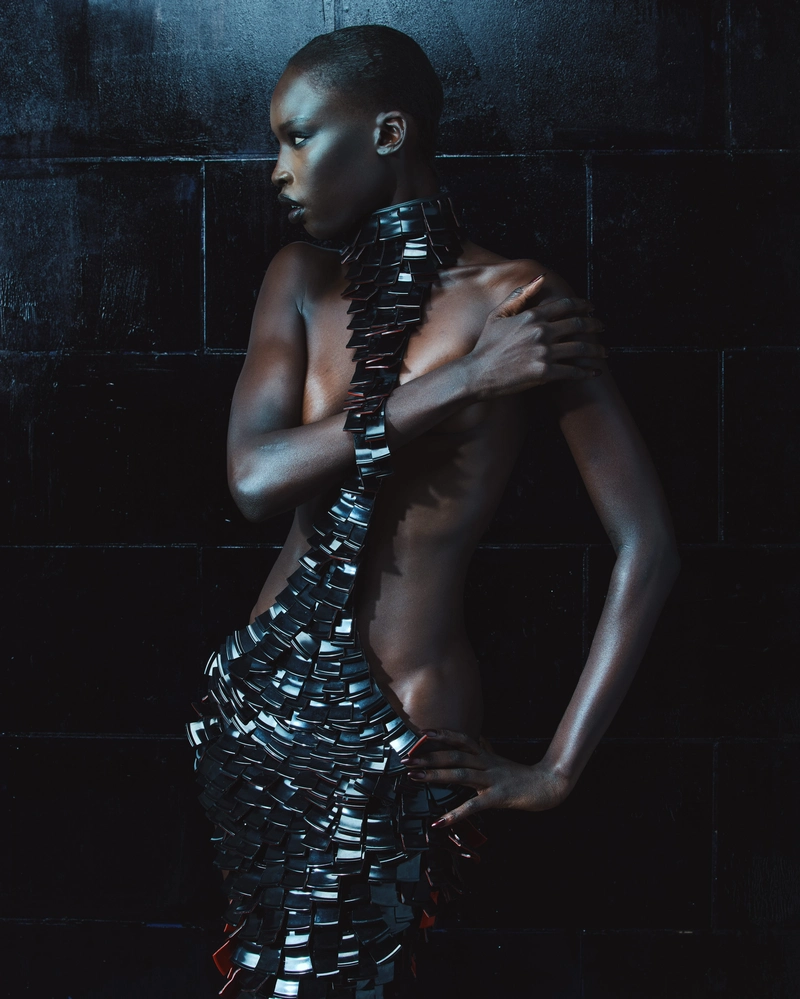
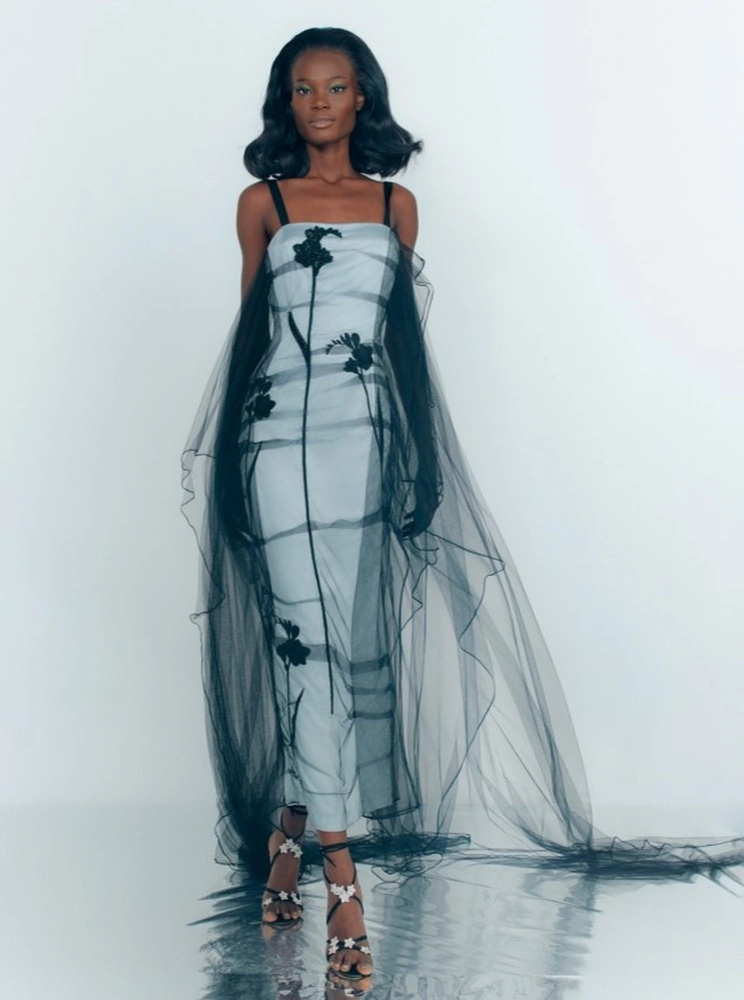
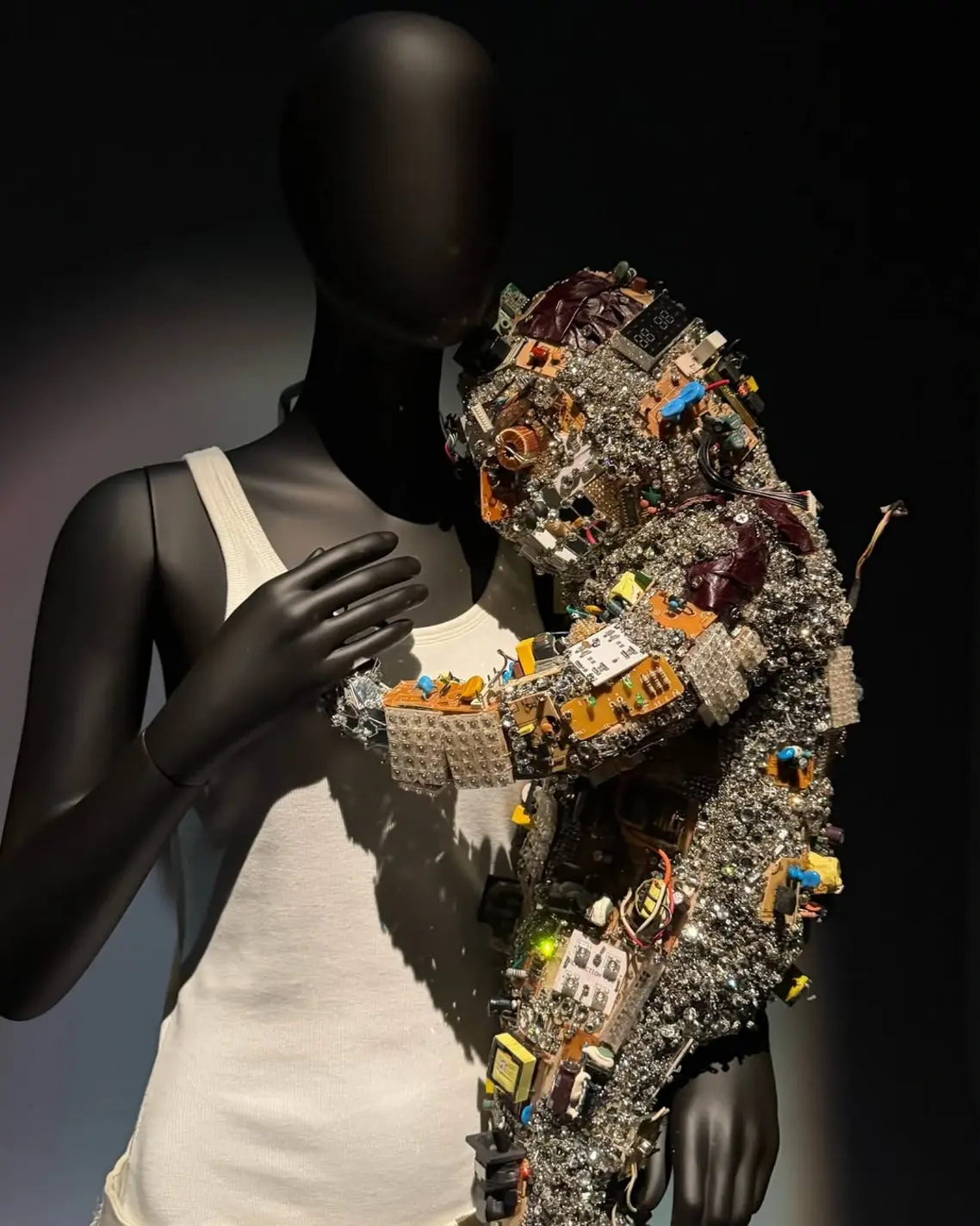
Crucially, the display does not stop at her retirement in 1954. It traces a golden, surrealist thread directly to the current creative director, Daniel Roseberry. His work occupies a significant portion of the gallery, proving that the spirit of Elsa Schiaparelli is not a relic of the past. The robot baby made of circuit boards and the golden lung breastplates worn by Bella Hadid are shown alongside the archival pieces that inspired them. This dialogue between the eras shows that while technology has changed, the desire to shock remains the same.
One of the most enlightening sections focuses on her London connection. Despite being synonymous with the Place Vendôme in Paris, she had a thriving London studio and a dedicated British clientele. The Schiaparelli V&A exhibition displays new research into her business acumen, highlighting her as a female entrepreneur who managed to outmaneuver her rivals. While competitors were championing the understated little black dress, Elsa Schiaparelli was busy making her clients look like walking pieces of sculpture.
The layout of the Sainsbury Gallery enhances the theatricality of the work. Moving through the rooms feels like navigating the different chambers of a mind. One moment you are surrounded by the astrology-themed embroideries of the Zodiac collection, and the next you are confronted by the aggressive pink that became her signature. It is sensory overload in the best possible way for any visitor.
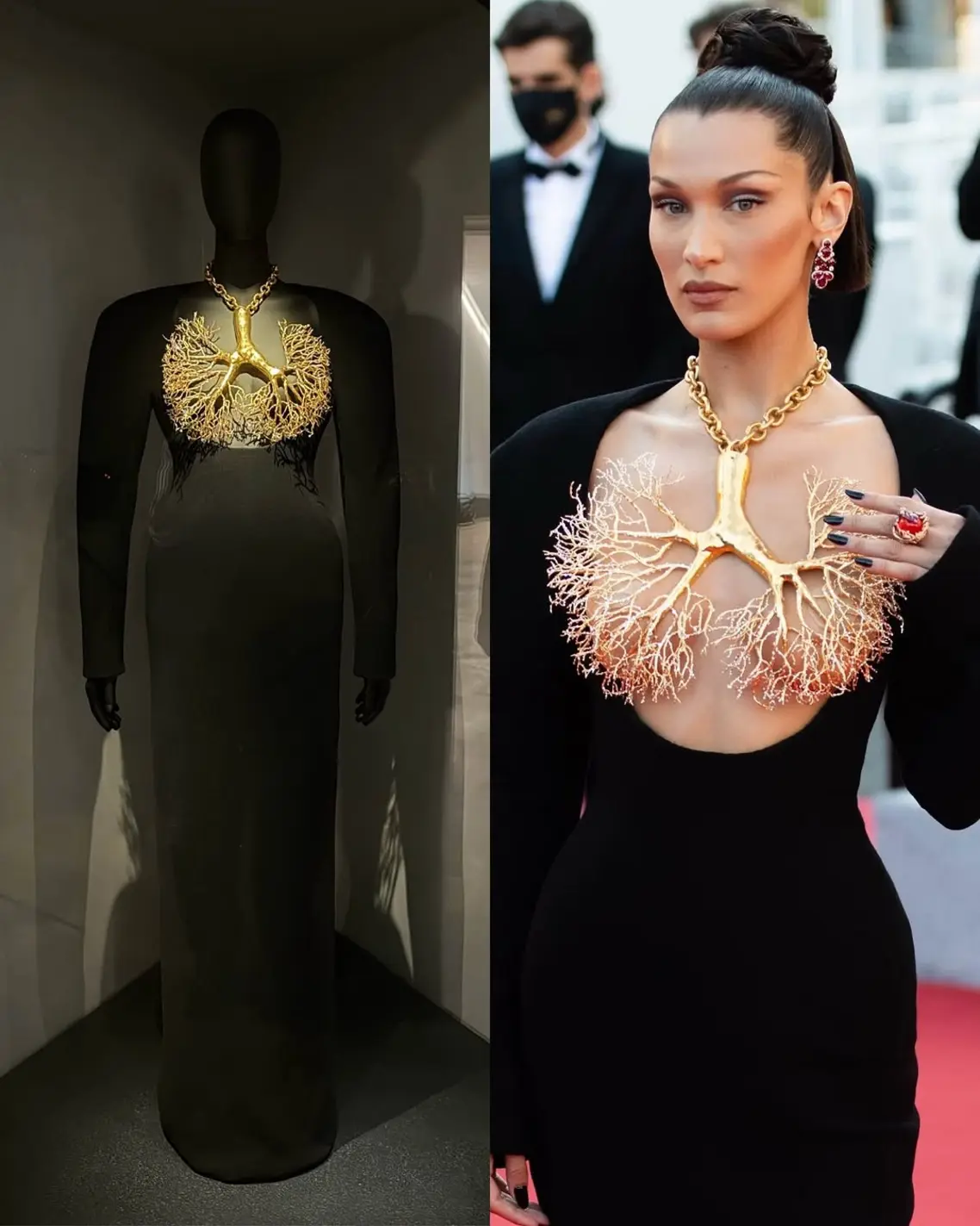
The V&A has captured the radical spirit that defined the house from its inception, highlighting how the designer transformed the industry by making fashion intellectually demanding and unapologetically funny. She dismantled the "pretty" expectations of the male gaze, proving that a woman could use her wardrobe to spark a complex conversation rather than just invite a stare. In an era of predictable red carpet looks and fleeting fast fashion, her refusal to play it safe remains the ultimate blueprint for creative autonomy.
The retrospective serves as a powerful testament to the artist who functioned as the most stylish architect of the Surrealist movement. Her contribution to fashion goes beyond mere aesthetics; she introduced the idea that a garment could be a piece of conceptual art, a medium for political or social commentary. Whether you are a dedicated fashionista or a casual observer of history, the Schiaparelli V&A exhibition is an essential visit to experience the enduring, subversive impact of Elsa Schiaparelli.
Advertisement