MENU
Close





On 5 March 2026, a bronze that had never seen an auction room - the last of its kind outside a museum - King and Queen finally came to market. The room stood still for eight minutes.
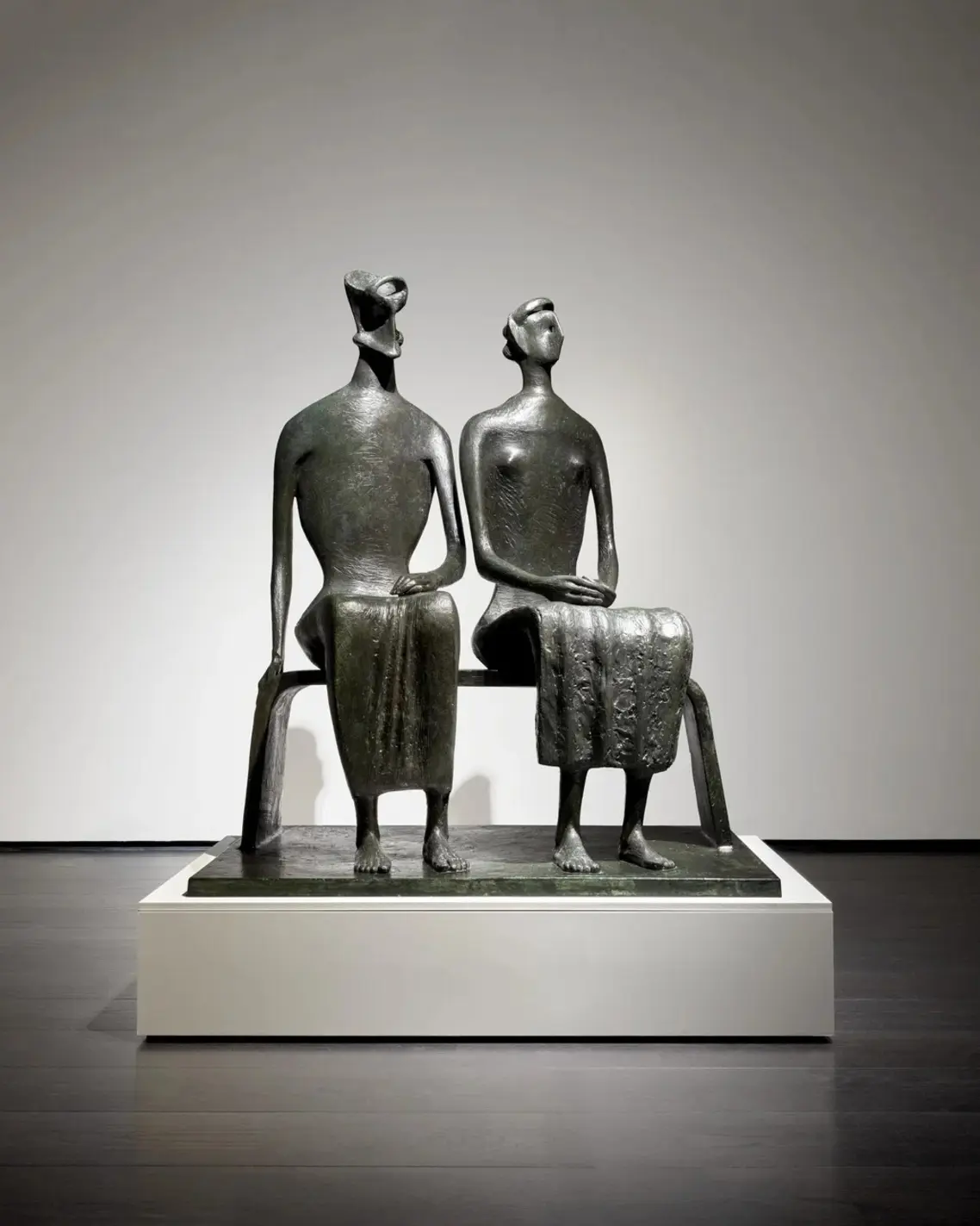
On 5 March 2026, a bronze that had never seen an auction room - the last of its kind outside a museum - King and Queen finally came to market. The room stood still for eight minutes.
March 5, 2026


Henry Moore's King and Queen (1952–53) had never appeared at auction before. A life-sized bronze standing 164 centimetres tall, it depicts two stylised monarchs seated side by side on a plain bench - elongated, almost alien, yet unmistakably human. Moore began the work in 1952 as Queen Elizabeth II came to the throne, though he denied any direct royal inspiration, grounding the piece instead in Egyptian sculpture, African totems, and the biomorphic abstraction he had long absorbed from Surrealism. The angular head of the king, he later said, emerged almost by accident while he was shaping a piece of wax.
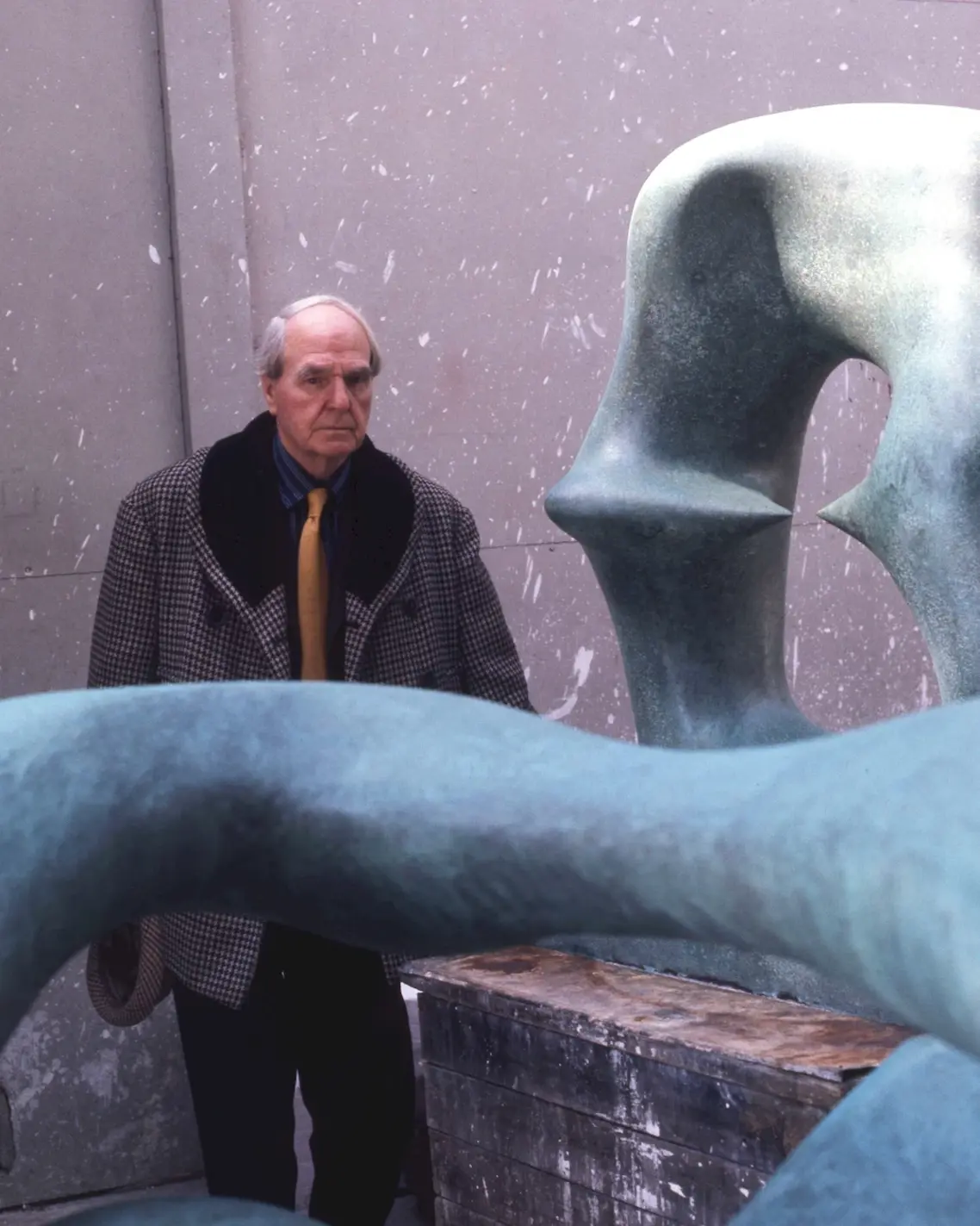
The sculpture was cast in an edition of four plus one artist's copy. This particular cast is the only one that has remained in private hands - the others now belong to institutions including the Tate and the Henry Moore Foundation. That scarcity was not lost on the room.
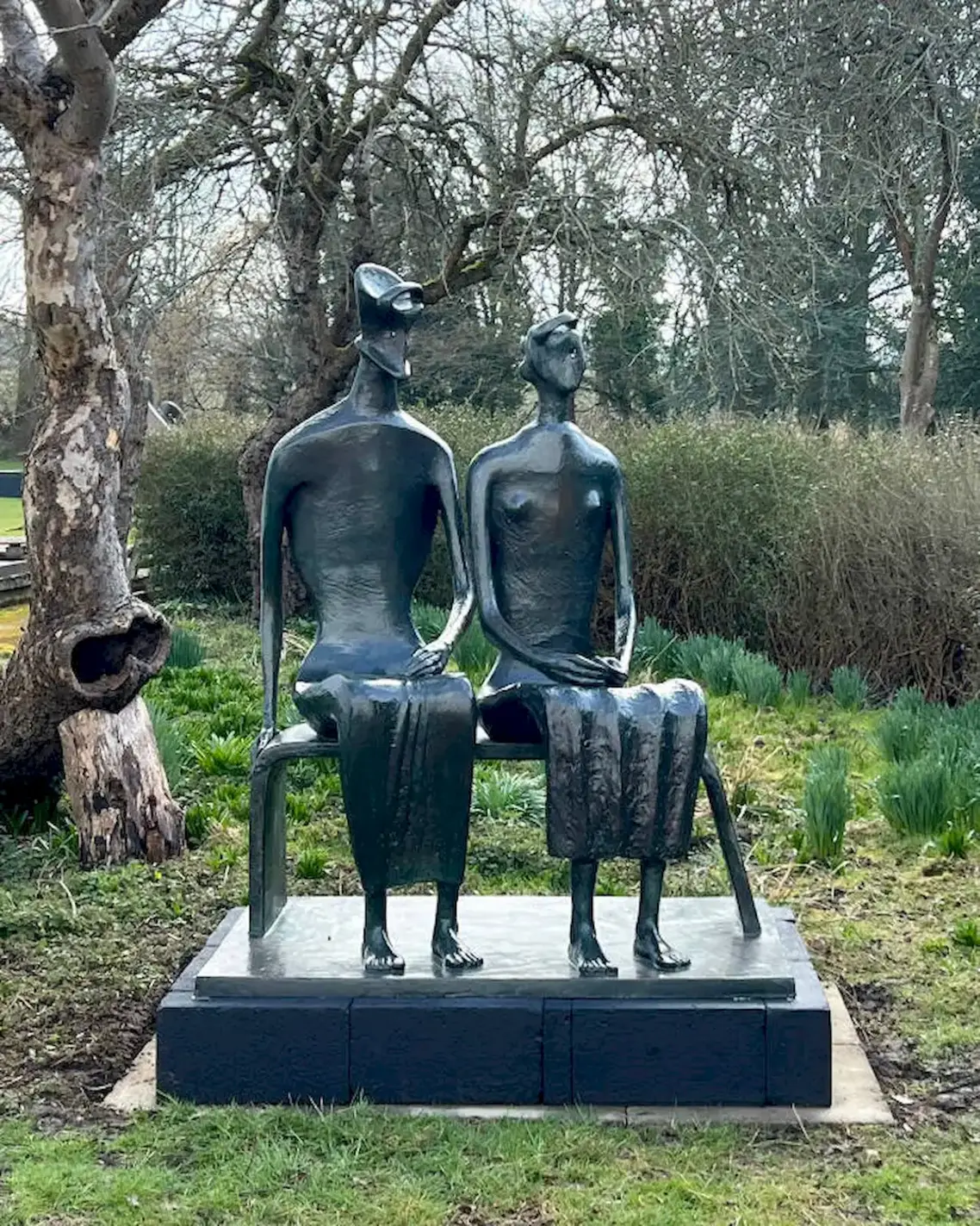
Opening at £6 million, bidding moved swiftly across six participants over eight tense minutes before hammering at £22.5 million - £26.3 million with fees, or around $35.2 million. The result comfortably broke Moore's previous auction record of $33.1 million, set in 2016 also at Christie's London, by roughly 6%. The room responded with a spontaneous round of applause - a rare moment in an industry that usually keeps its emotions carefully managed.
Christie's vice chairman Katharine Arnold called it simply: "A masterpiece. We will not see another sculpture of that type for the foreseeable future - certainly not a King and Queen."