MENU
Close





TEFAF Jewellery 2026 brings fine jewelry brands, heritage houses, and bold contemporary makers to Maastricht, spotlighting best investment jewelry pieces in one of the top art exhibitions 2026.
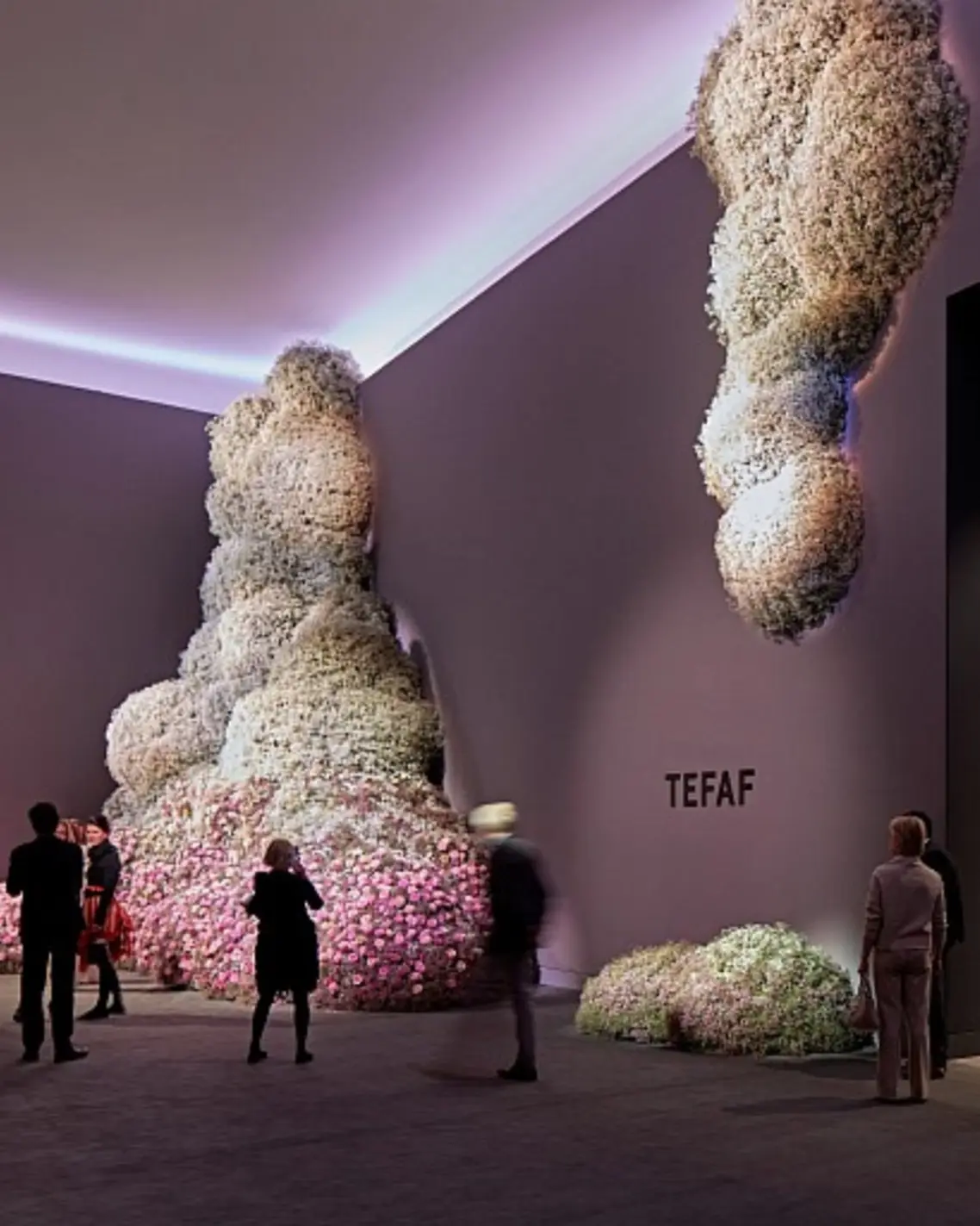
TEFAF Jewellery 2026 brings fine jewelry brands, heritage houses, and bold contemporary makers to Maastricht, spotlighting best investment jewelry pieces in one of the top art exhibitions 2026.
March 19, 2026


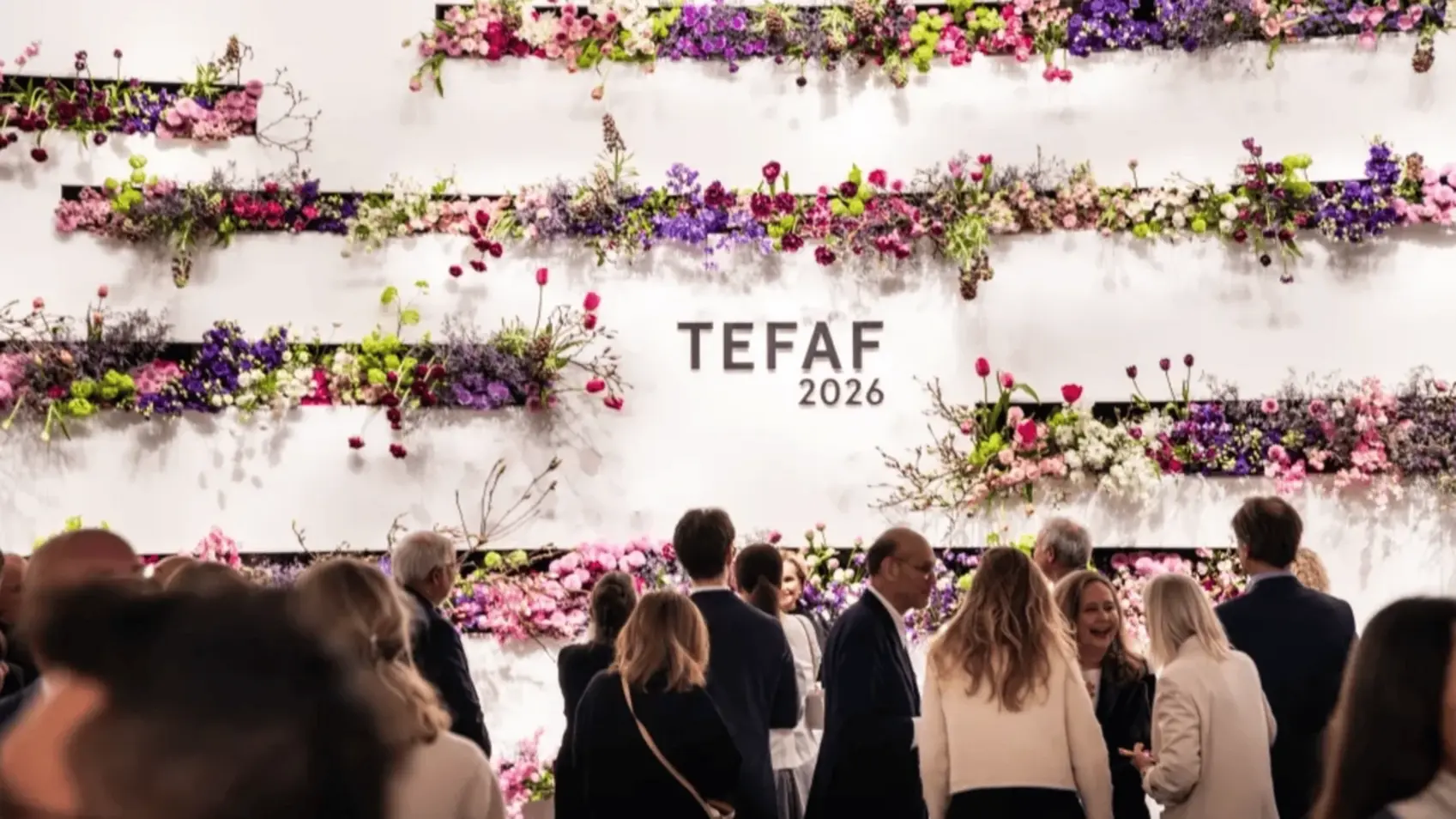
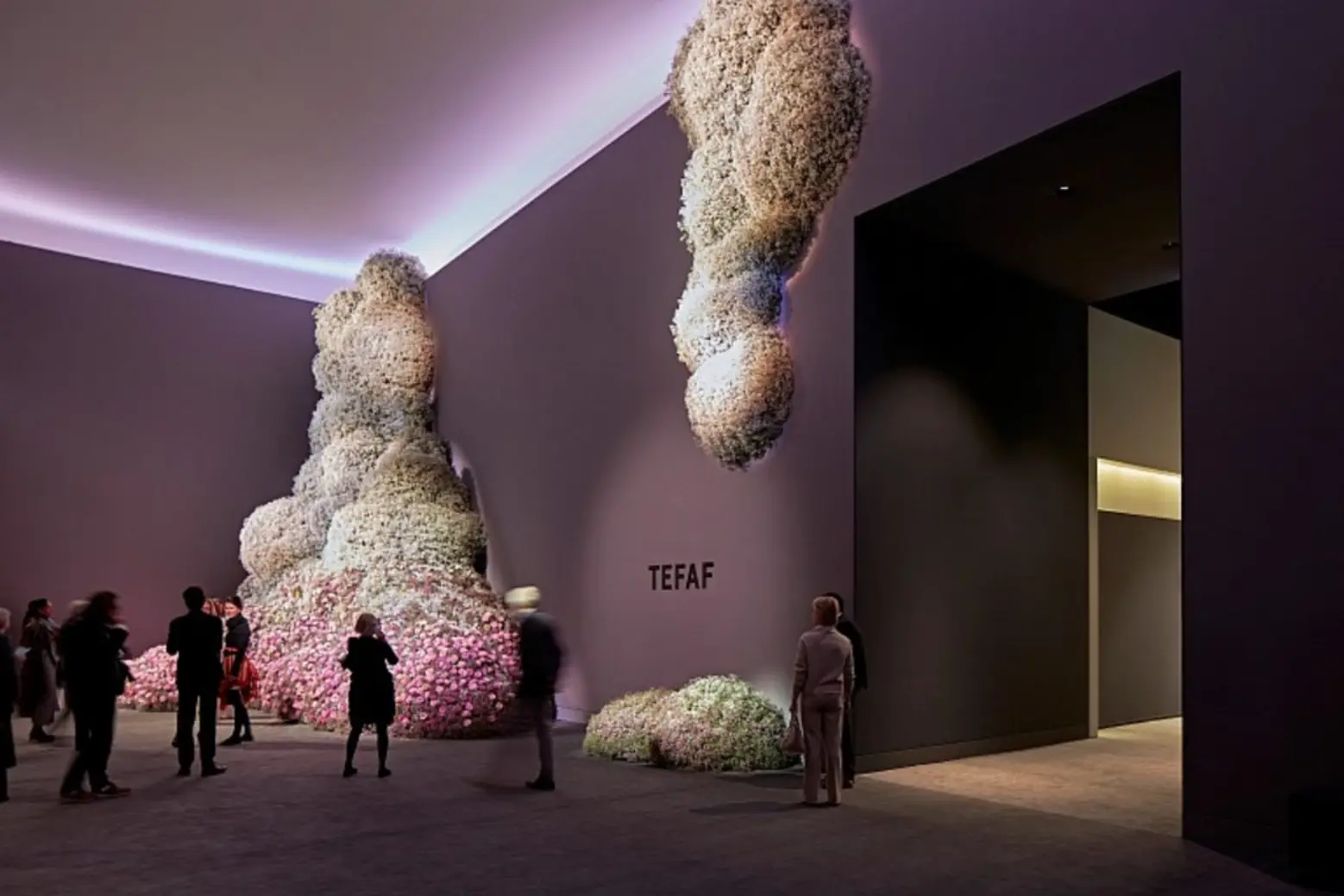
Every March, TEFAF Maastricht acquires a distinctly glamorous kind of seriousness. The Dutch city, usually quiet and composed, turns into the setting for TEFAF Maastricht, where collectors, curators, dealers, and those with a healthy weakness for beautiful objects gather beneath one impeccably vetted roof. The 2026 fair runs from March 14 to 19, with preview days on March 12 and 13, and brings together 277 exhibitors from 24 countries. In a crowded season of art exhibitions 2026, TEFAF still occupies its own category: less trade fair than cultural theater, with diamonds, design, and scholarship all playing lead roles.
At the heart of that allure sits TEFAF Jewellery, one of the fair’s most seductive sections and easily one of its most intellectually satisfying. This is where jewelry stops behaving like ornament and begins speaking the language of art history. TEFAF’s celebrated vetting process, carried out by around 200 experts across 30 committees, gives the section its authority. Here, sparkle alone will never carry the day. A jewel must arrive with authorship, condition, provenance, and technical integrity polished just as brilliantly as its stones.
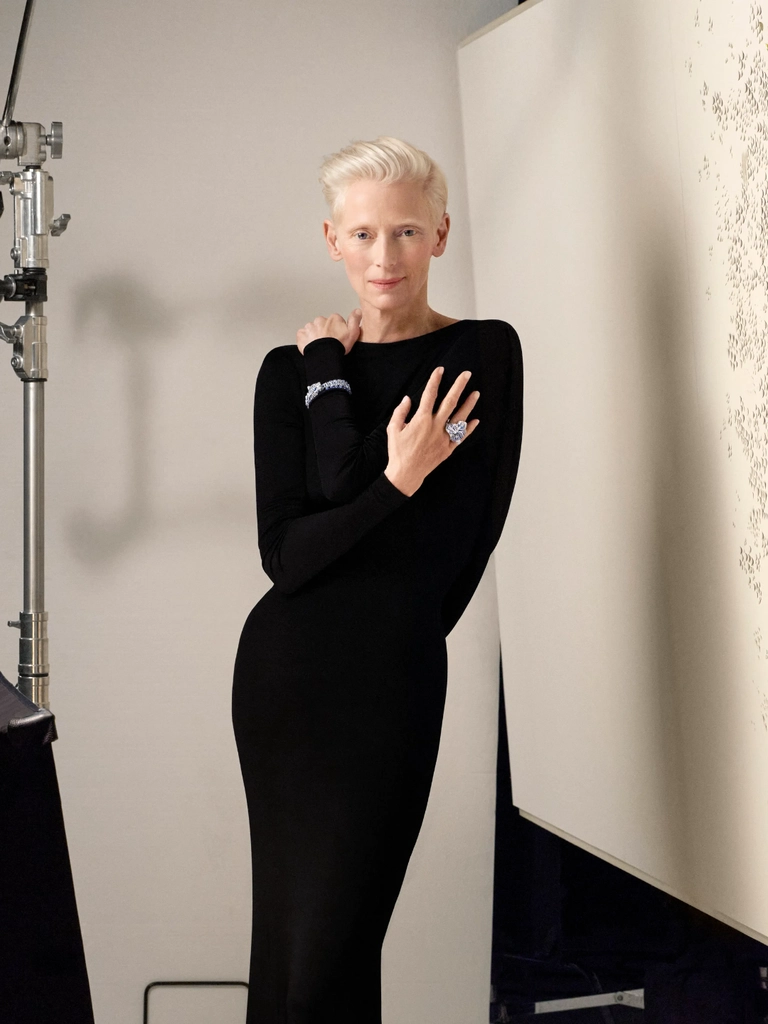
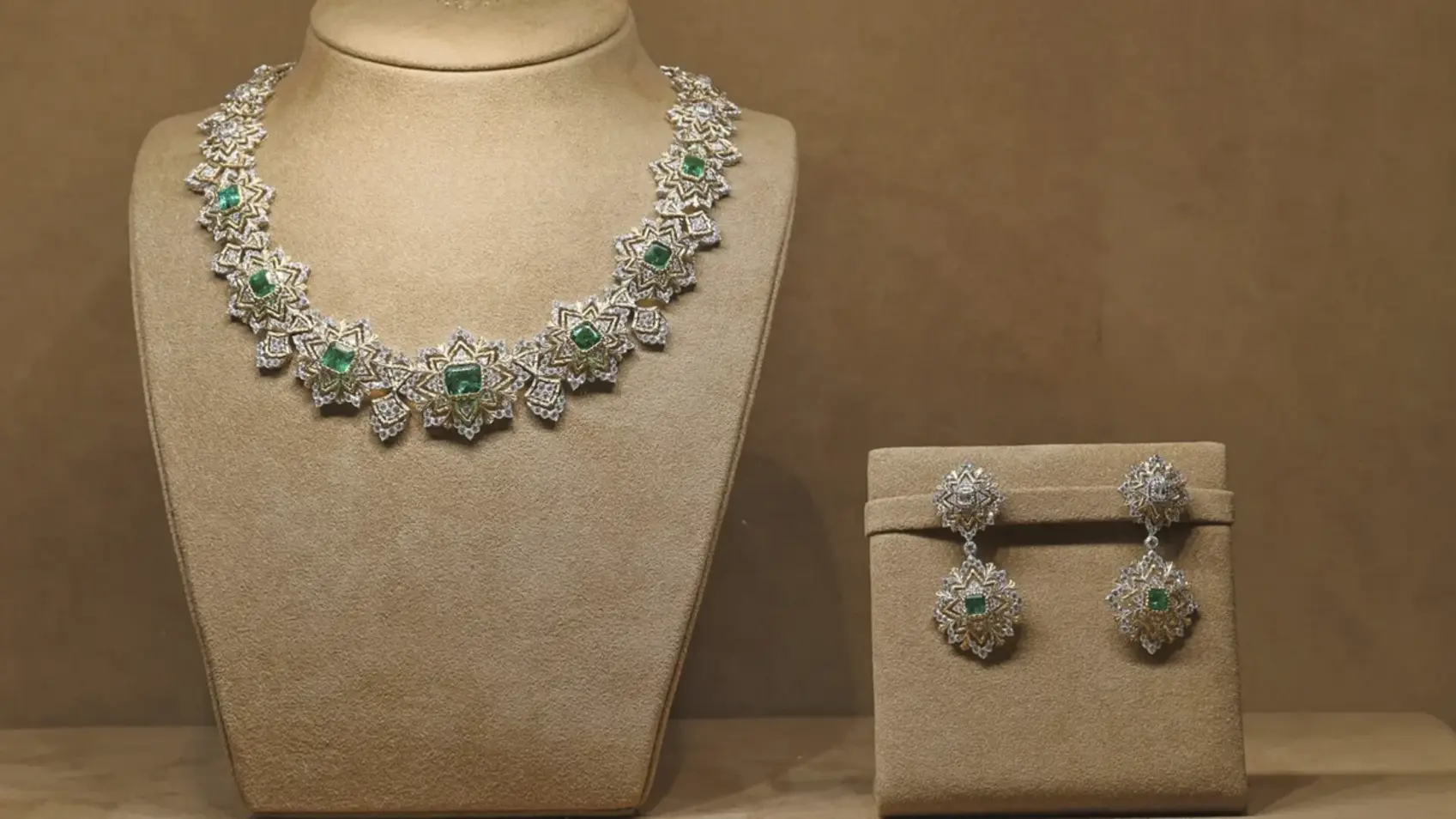
The beauty of TEFAF Jewellery in 2026 lies in its balance between legacy and modernity. On one side stand the heritage names, those fine jewelry brands whose signatures have long shaped the very idea of luxury. Buccellati, a TEFAF mainstay since the early years of the jewellery section, returns with pieces from its Mosaico collection, translating historical Italian richness into geometric compositions that feel precise, radiant, and deliciously contemporary. Van Cleef & Arpels, meanwhile, presents around 40 creations from its Heritage collection dating from the 1920s to the 1990s, proving once again that vintage high jewelry can hold the same emotional and cultural gravity as any painting in the next room.
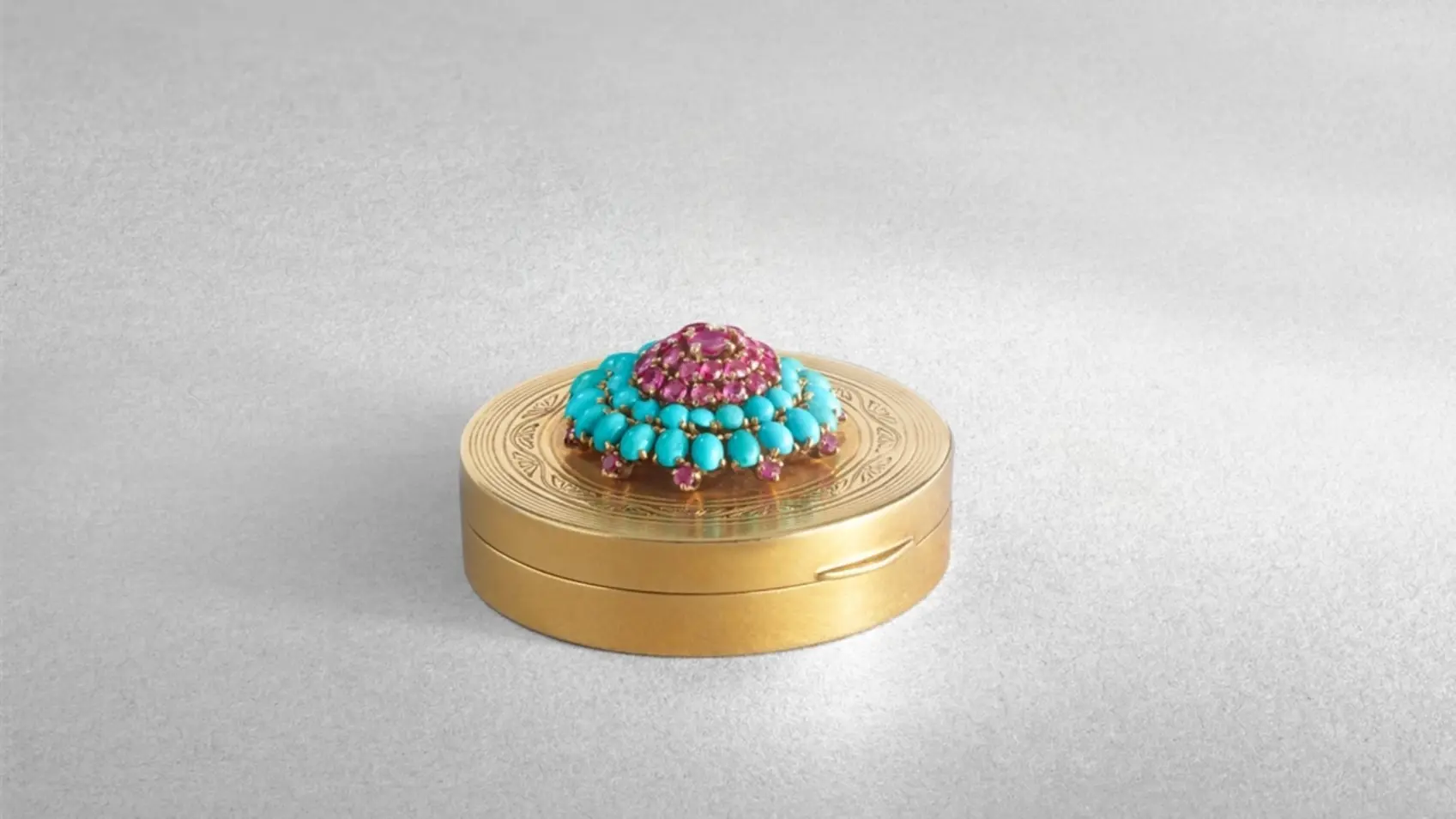
Yet Maastricht would lose its charm if it lived on reputation alone. TEFAF 2026 also welcomes first-time jewelry exhibitors including Fernando Jorge and Cora Sheibani, two names who keep the fair from becoming a velvet-lined history lesson. Their work brings a fresher energy: more sculptural, more experimental, and alive to the idea that jewelry can be as much about concept as carat weight. That mix is precisely what makes TEFAF so compelling. A visitor can pass from archival glamour to contemporary audacity in a matter of steps, and the conversation between the two feels seamless.
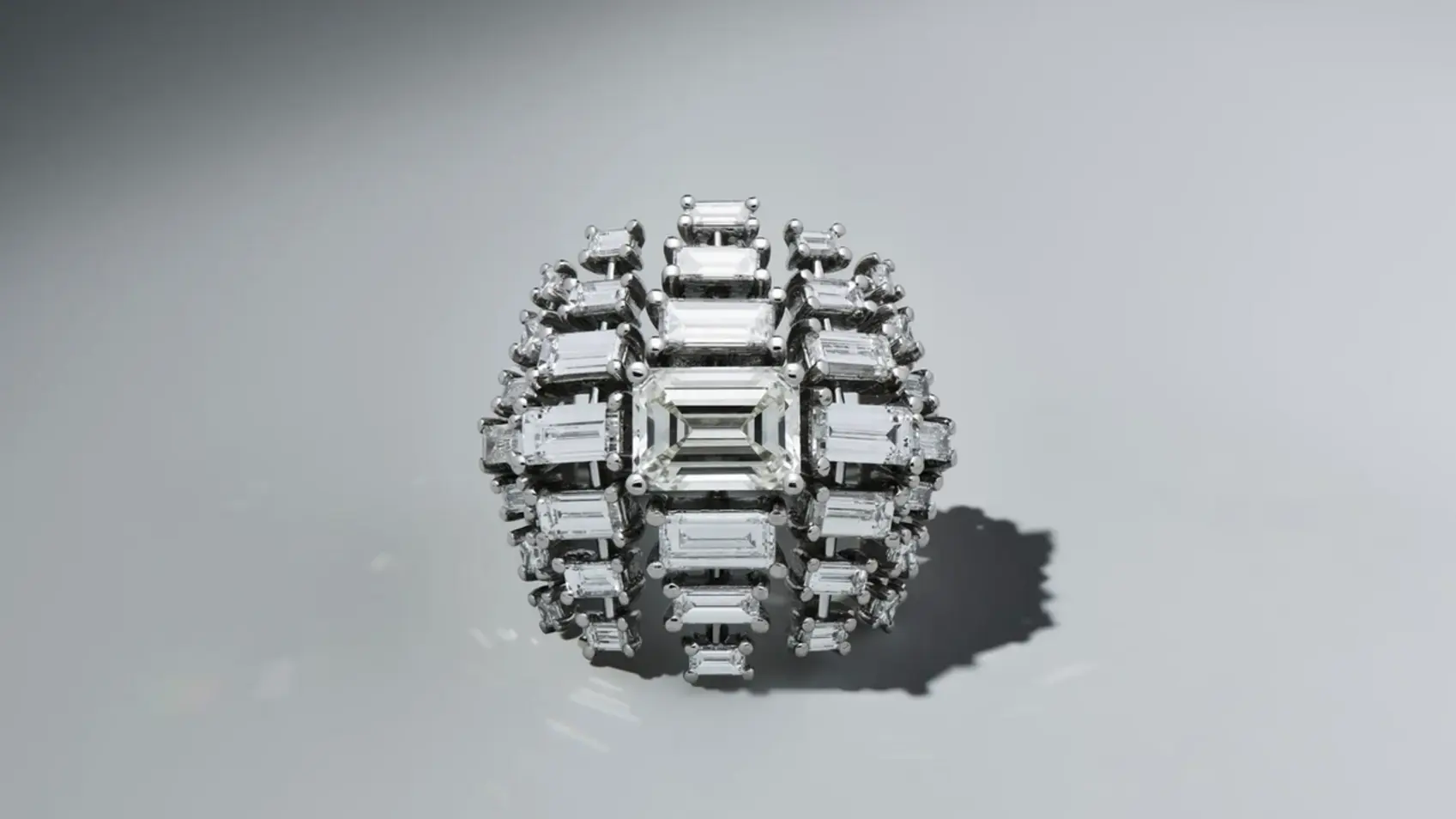
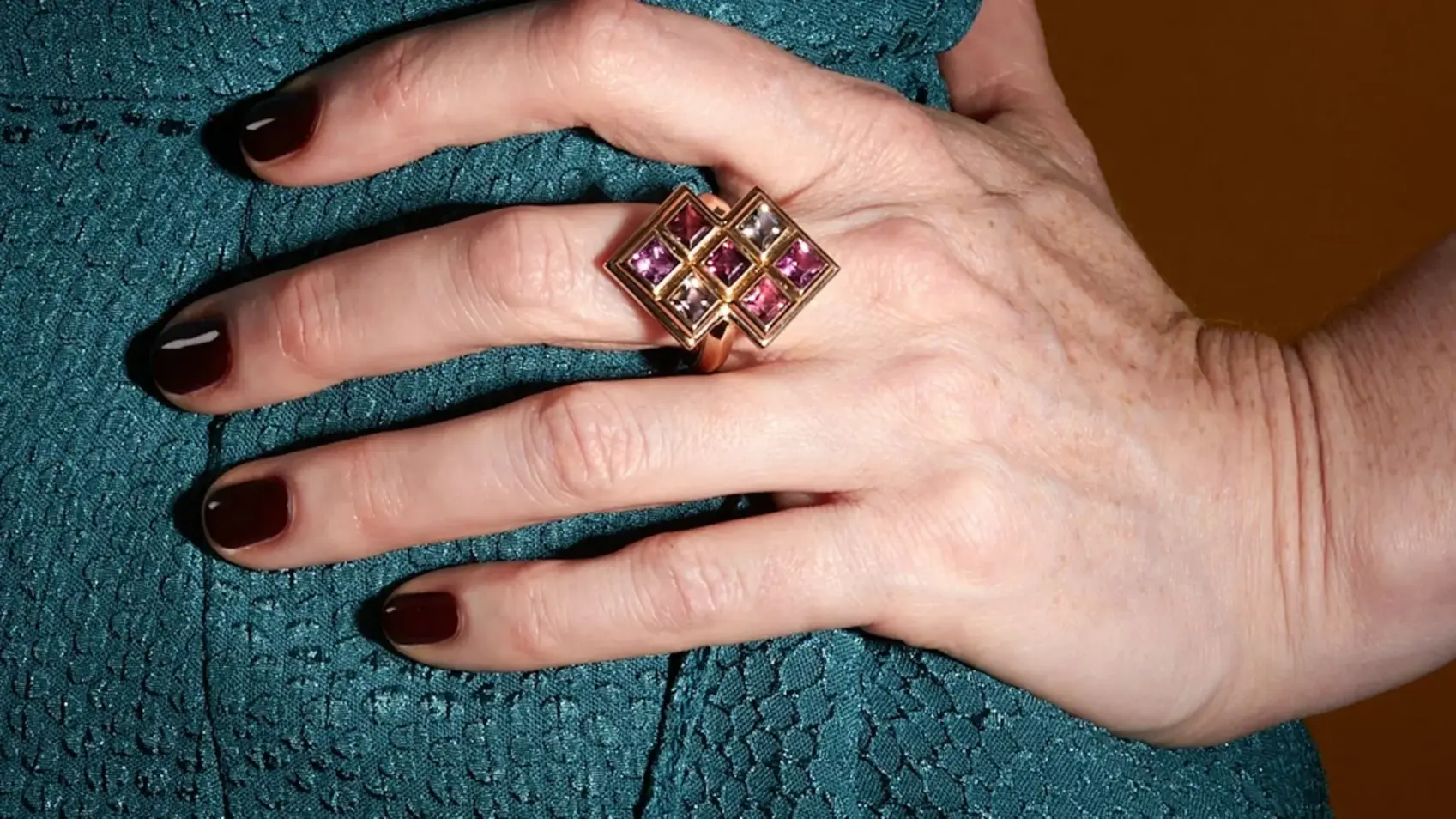
For collectors, this also sharpens the question of value. The best investment jewelry pieces are rarely just the loudest or largest. They tend to be signed works with rarity, exceptional craftsmanship, impeccable condition, and a visual identity unmistakably tied to a house or maker. Christie’s has emphasized the enduring appeal of signed jewelry from top houses, which helps explain why Maastricht remains such a magnet for connoisseurs. TEFAF Jewellery offers something more persuasive than glamour alone: the chance to buy beauty with a pedigree, and to see jewelry exactly as it deserves to be seen — as art with a clasp.