MENU
Close





The Met's jewellery collection leaves New York for the first time in Asia - and lands at one of the region's most ambitious cultural addresses.
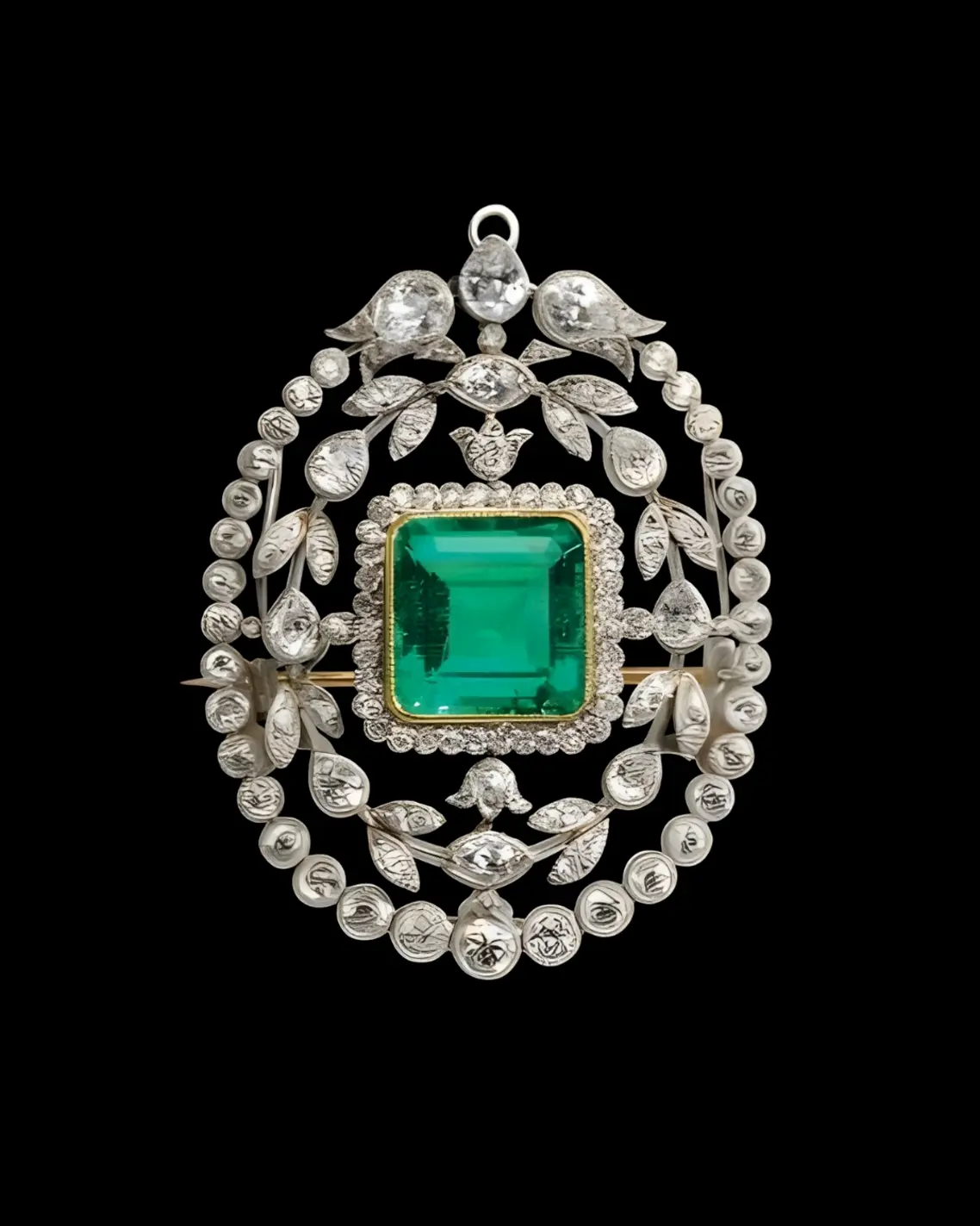
The Met's jewellery collection leaves New York for the first time in Asia - and lands at one of the region's most ambitious cultural addresses.
April 15, 2026


From 15 April through 19 October 2026, the Hong Kong Palace Museum presents Treasures of Global Jewellery from The Metropolitan Museum of Art: The Body Transformed - jointly organised by The Met and the HKPM, marking The Met's first major travelling jewellery exhibition in Asia and its debut in the Greater Bay Area. Around 200 masterpieces from The Met are shown in Hong Kong for the first time, displayed alongside works from the HKPM's Mengdiexuan Collection, the Chris Hall Collection, and a major loan from the Illuminata Collection. Together, they trace adornment across five continents and nearly 4,000 years - from the second millennium BCE to the 21st century. Jewellery here is not merely decoration, but a language of power, belief, identity, and transformation.
This exhibition marks the first time The Met's jewellery collection has been presented in the Greater Bay Area, and the first touring showcase of that collection anywhere in Asia. For an institution founded in 1870 whose holdings span over 1.5 million objects, it is a significant threshold - and a clear signal of how quickly the HKPM, opened only in 2022, has established itself as a venue capable of attracting collections that rarely travel. The show continues HKPM's fashion and textile series, which previously hosted Cartier and Women in 2023 and The Adorned Body: French Fashion and Jewellery 1770–1910 from the Musée des Arts Décoratifs, Paris in 2024. The Met partnership is the most ambitious chapter yet.
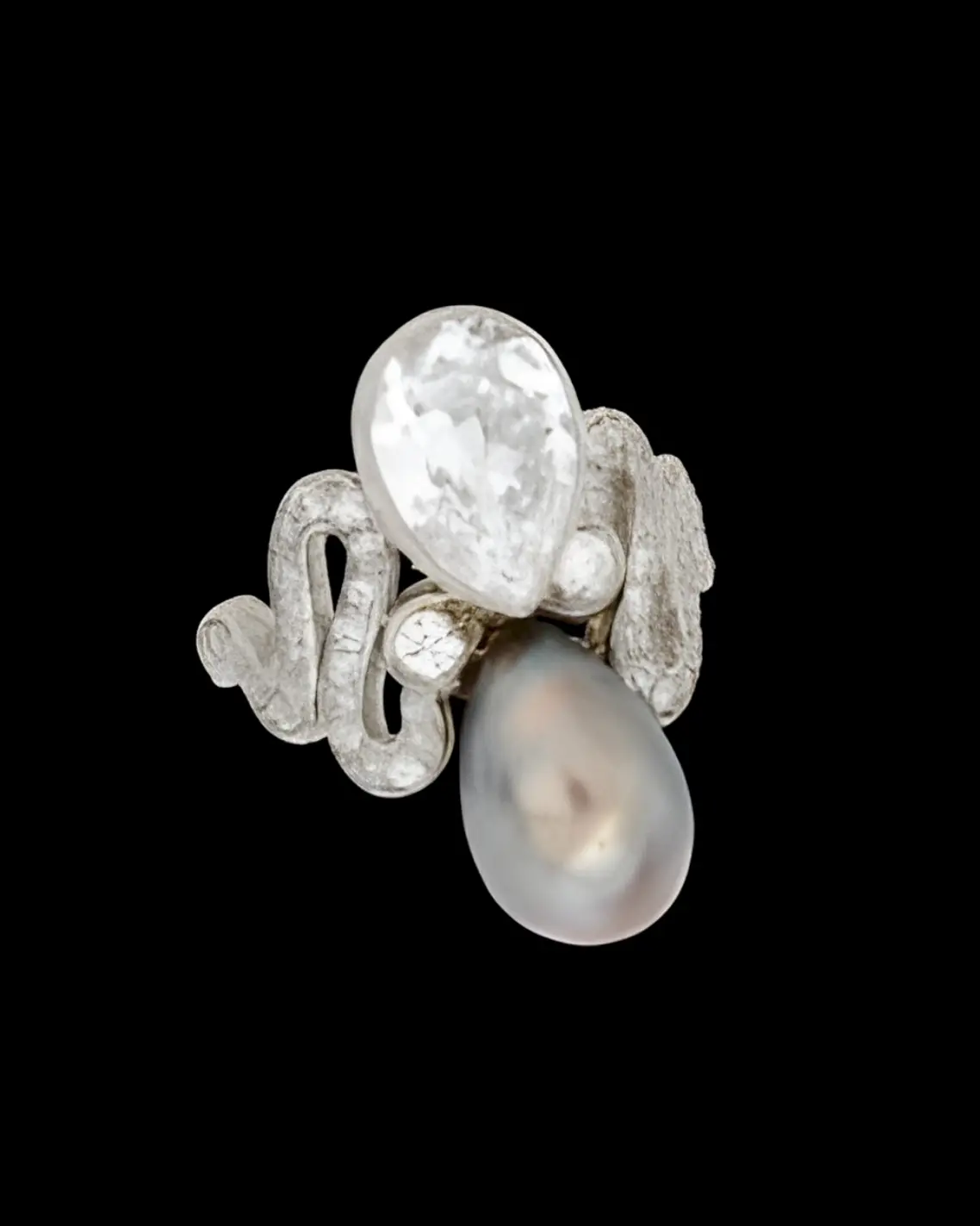
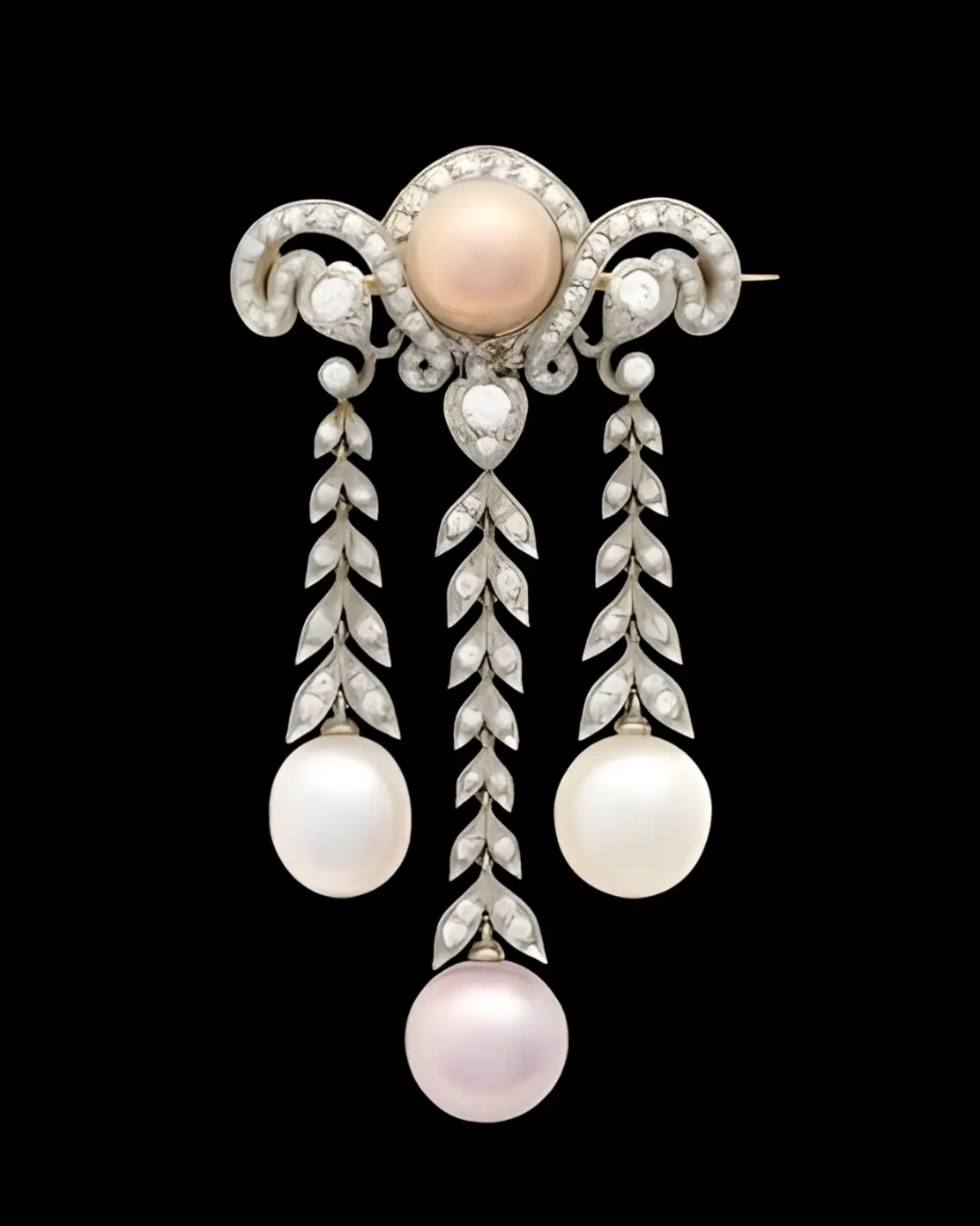
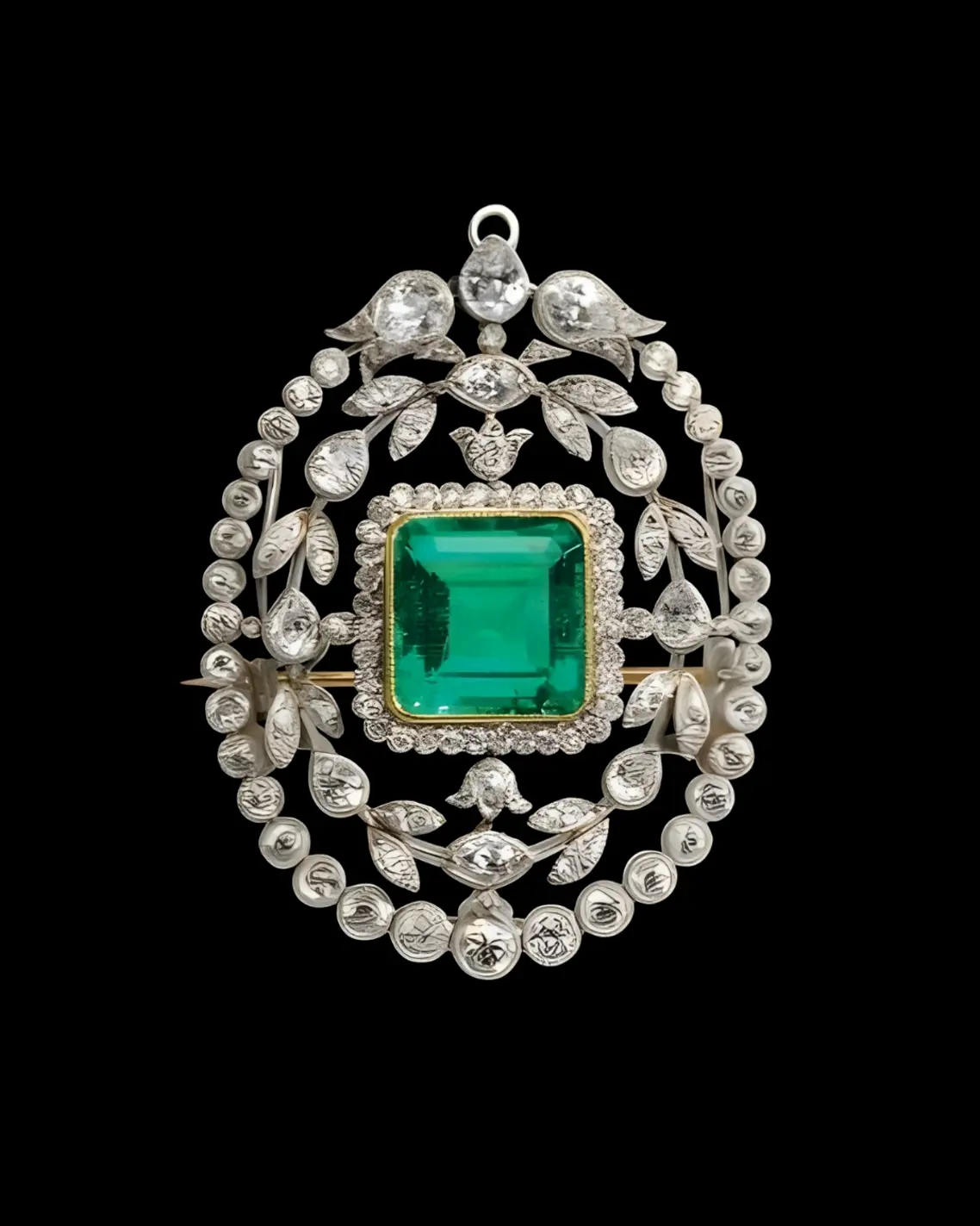
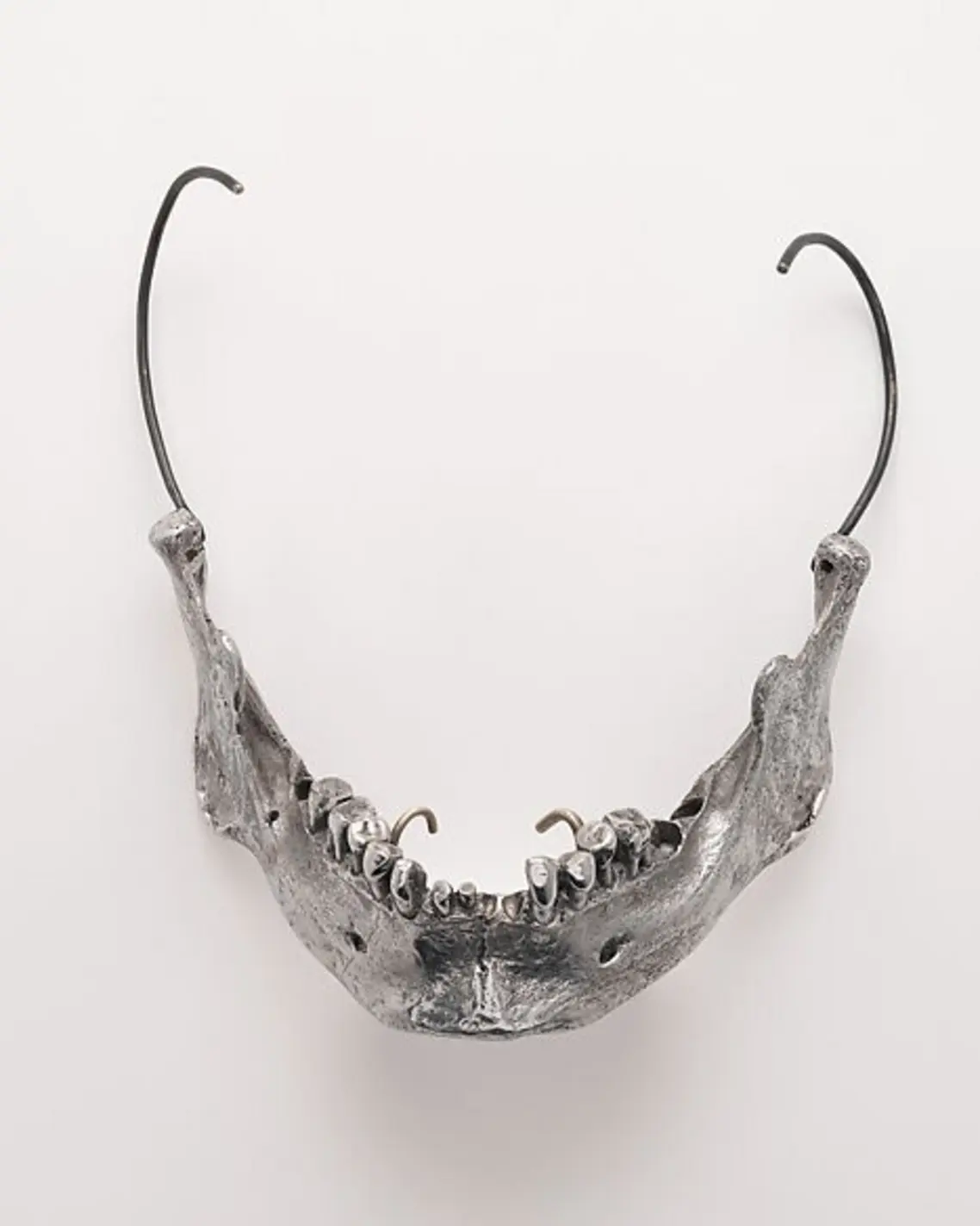
Treasures of Global Jewellery unfolds across five thematic sections - The Divine Body, The Regal Body, The Transcendent Body, The Alluring Body, and The Resplendent Body. The objects span extraordinary distances: 1,251 gold rings excavated from the tomb of Egyptian princess Sithathoryunet (around 1887–1813 BCE) sit alongside a Calima gold headdress from ancient Colombia and a 4th–3rd century BCE headdress from the HKPM's own Mengdiexuan Collection. Alexander Calder's playful The Jealous Husband necklace (1940) shares the room with an Indian gold marriage necklace depicting Shiva and Parvati - and at the radical end, Alexander McQueen's cast-aluminium Male Jaw Piece (1998) confronts themes of violence through avant-garde form. The exhibition design is by Hong Kong designer Alan Chan, and visitors can virtually try on pieces through interactive installations.
Few exhibitions earn the word definitive - this one does. The Met has spent over 150 years assembling one of the world's most encyclopaedic jewellery collections, and Hong Kong is where it travels first. That choice is not incidental. From ancient Egyptian burial gold to Cartier and McQueen, the range on display is the kind that usually exists only in the vaults of the world's great institutions - seen in fragments, never together. For those who understand jewellery not merely as adornment but as one of the most concentrated expressions of civilisation, craft, and power that human hands have ever produced, this is a rare and serious occasion.
Treasures of Global Jewellery from The Metropolitan Museum of Art: The Body Transformed runs 15 April – 19 October 2026, Gallery 8, Hong Kong Palace Museum, West Kowloon Cultural District.