MENU
Close





Discover Shanghai’s soul beyond the skyscrapers. This travel portrait explores the city’s profound contrasts - from serene calligraphy studios to the dizzying 430 km/h Maglev, and reveals why this dynamic metropolis is Asia's most captivating paradox. Plan your journey with insider insights.
Discover Shanghai’s soul beyond the skyscrapers. This travel portrait explores the city’s profound contrasts - from serene calligraphy studios to the dizzying 430 km/h Maglev, and reveals why this dynamic metropolis is Asia's most captivating paradox. Plan your journey with insider insights.
December 29, 2025


Lao Ba stands beside his calligraphy desk, a sheet of white paper spread out before him. "Every stroke must be precise," he says. "You only get one chance." He focuses intensely as he dips his brush into the cold, black ink in a metal inkstone.
Lao Ba is a middle-aged man living in Shanghai, dressed simply, even somewhat untidily. He wears thick glasses and oversized slippers, easily three sizes too big. He gently lifts his brush and explains: "The tip of the brush is for curves, the middle section is for straight lines and strokes." Everything must be perfect. If the ink dries too quickly, it will ruin not just the color but the entire piece of calligraphy."
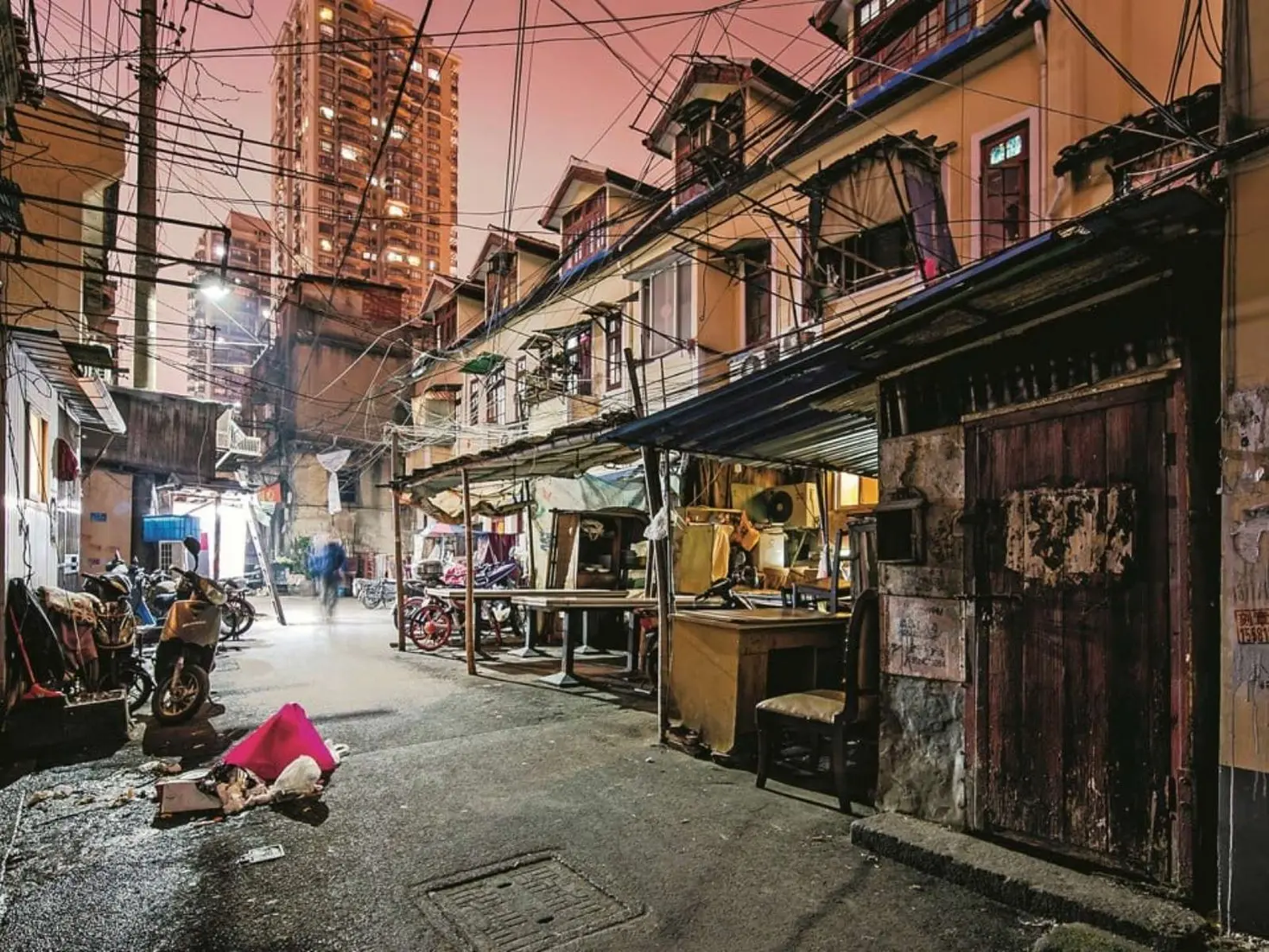
He lives in a small room, its entrance marked by three steps. Inside is an oak cabinet and a sofa bed covered with a Mickey Mouse towel instead of a sheet. Paintings and papers are everywhere, some rolled, some framed. Some are calligraphy, others are ink wash paintings of mountains, rivers, and trees in varying shades and details. In stark contrast to the room's stillness, the world outside is a symphony of chaos. The voices of neighboring women chatter from kitchen to kitchen. Cars honk. Trains rumble. Lao Ba raises his brush but seems to finally surrender, setting it down: "You need quiet to paint."
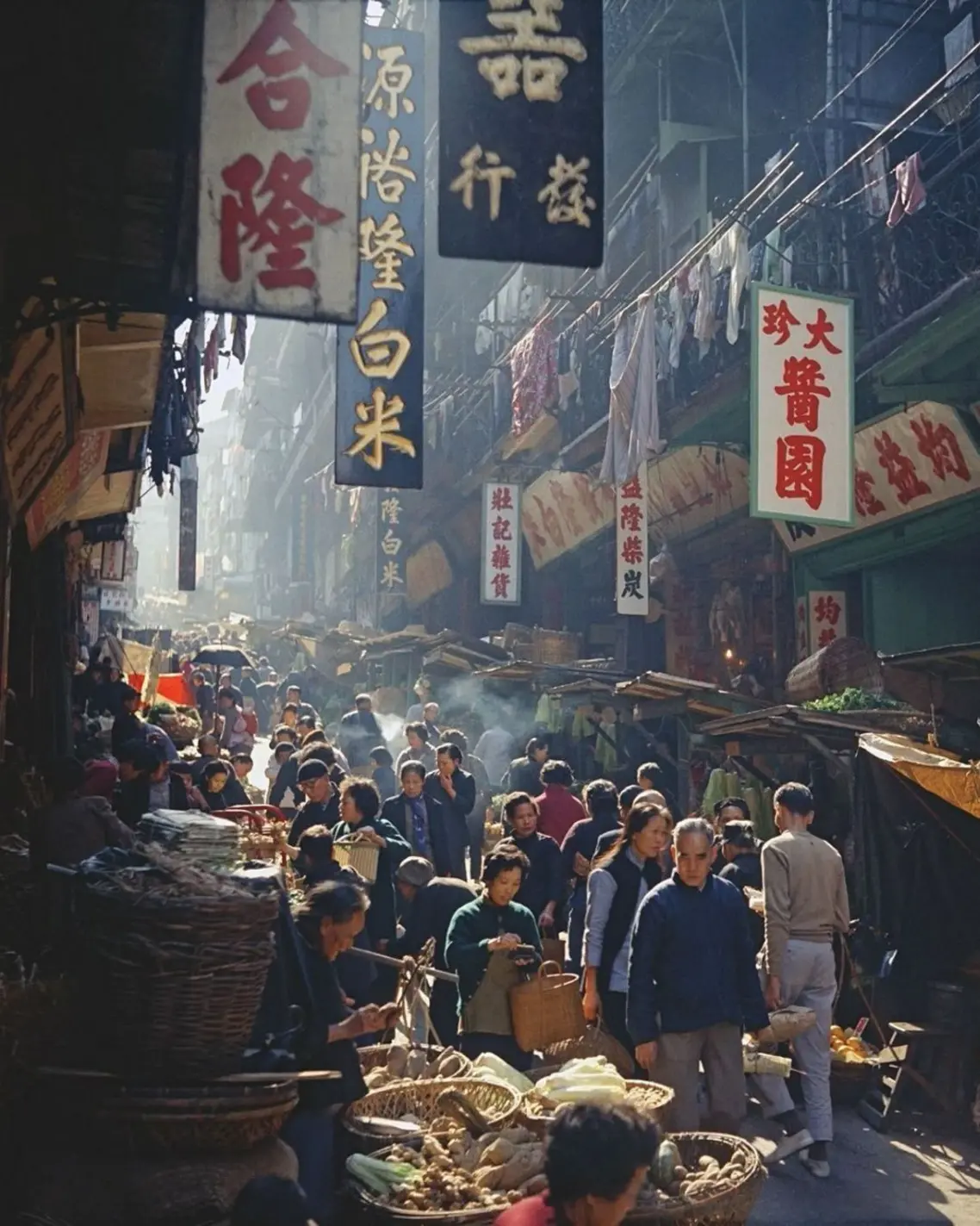
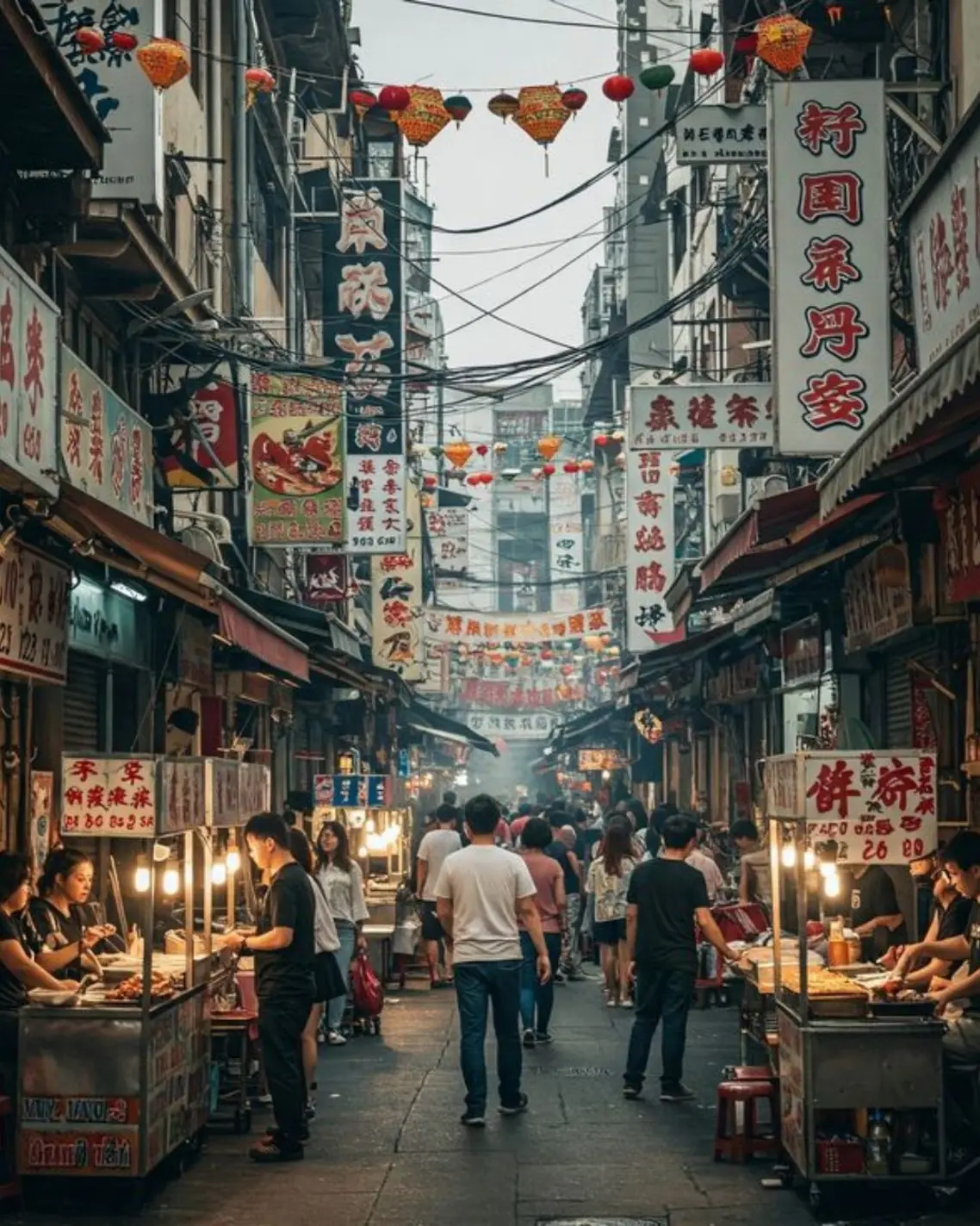
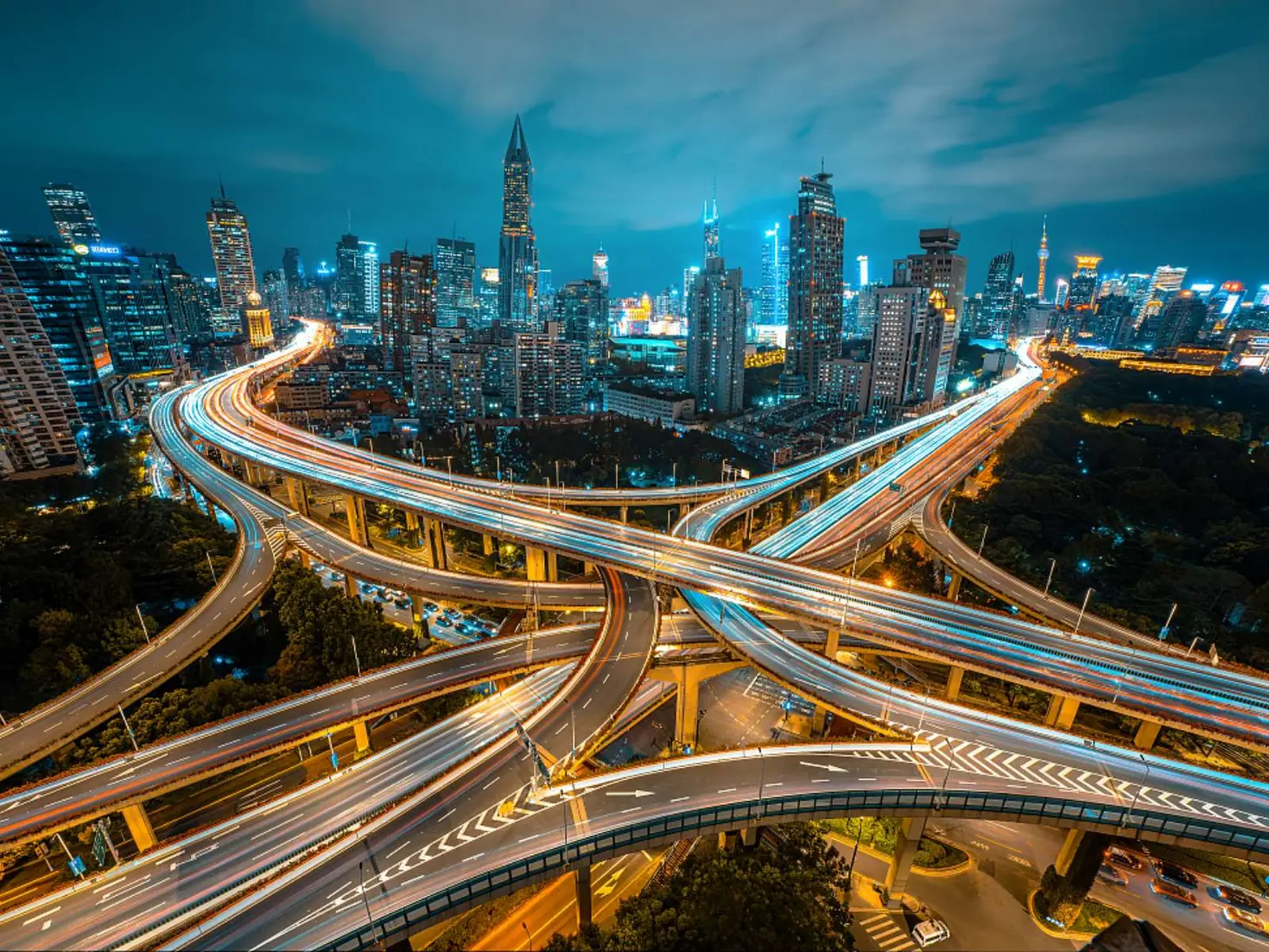
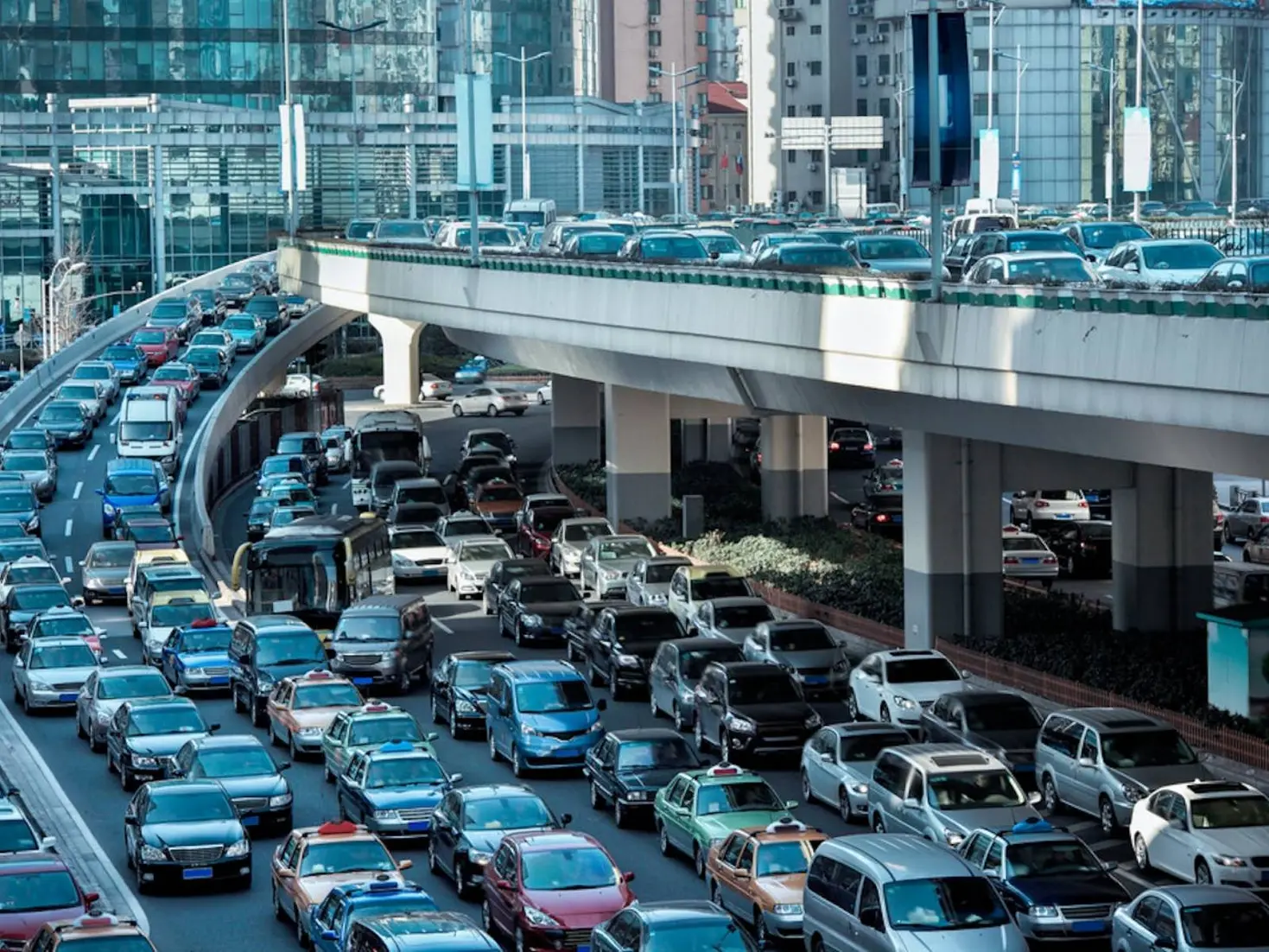
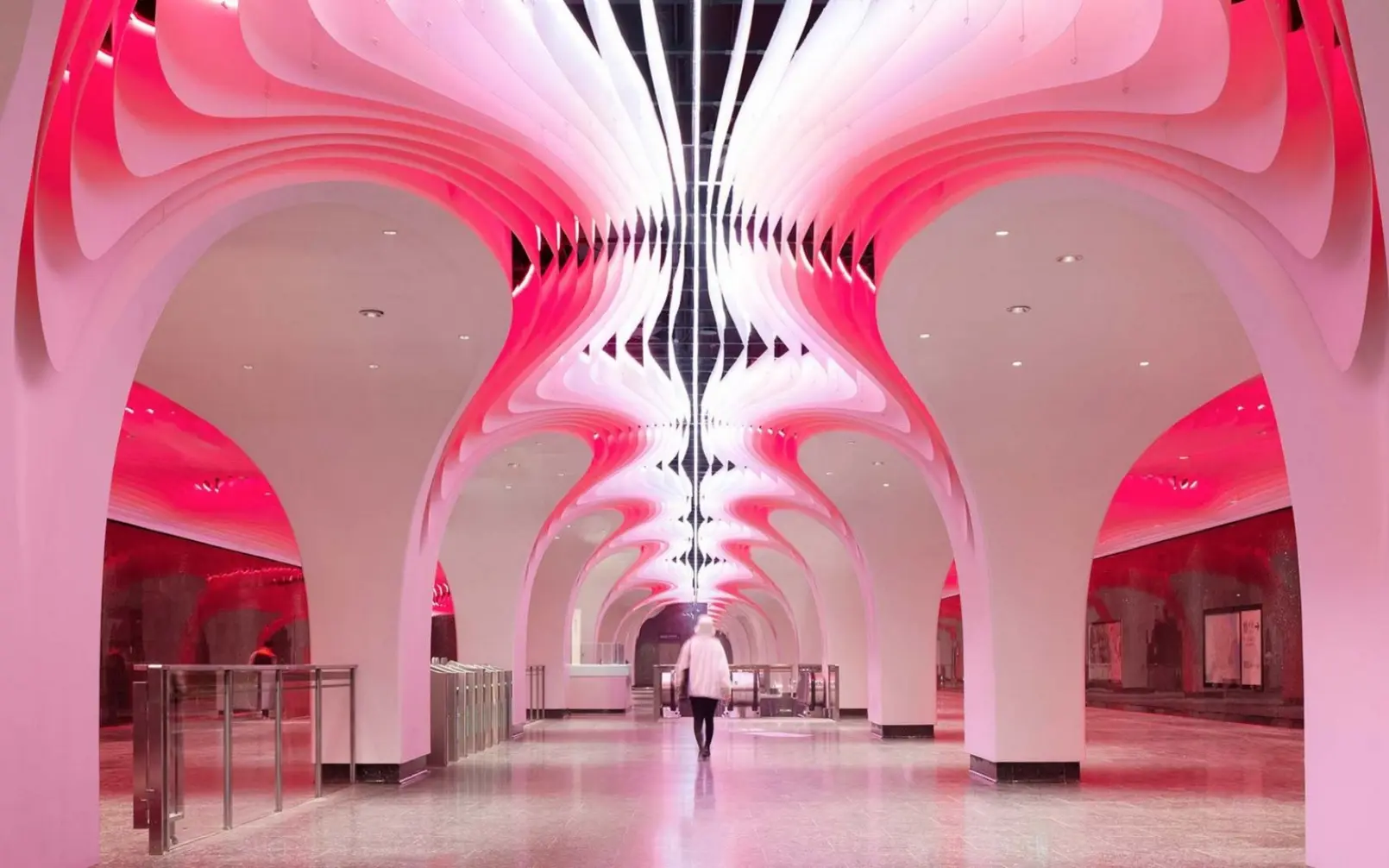
This city! "Too many people! Too many cars. You can't breathe," the elderly man continues. The entire city seems to be in constant, frenzied, and chaotic motion in all directions,, yet the miracle is that it doesn't collapse. The city's maglev train never stops hurtling at 430 km/h. Expressways and skyscrapers ceaselessly climb toward the sky, pulling all life below into clouds of dust. Subway stations where people queue in long lines at ticket counters, sometimes you can't even collect your change due to the pushing from behind. Buses where you seemingly can't board without shoving. Pedestrian countdown signals offer such a narrow window that if the elderly don't hurry, they won't make it across, often, they are forced to wait on the concrete median for the next cycle.
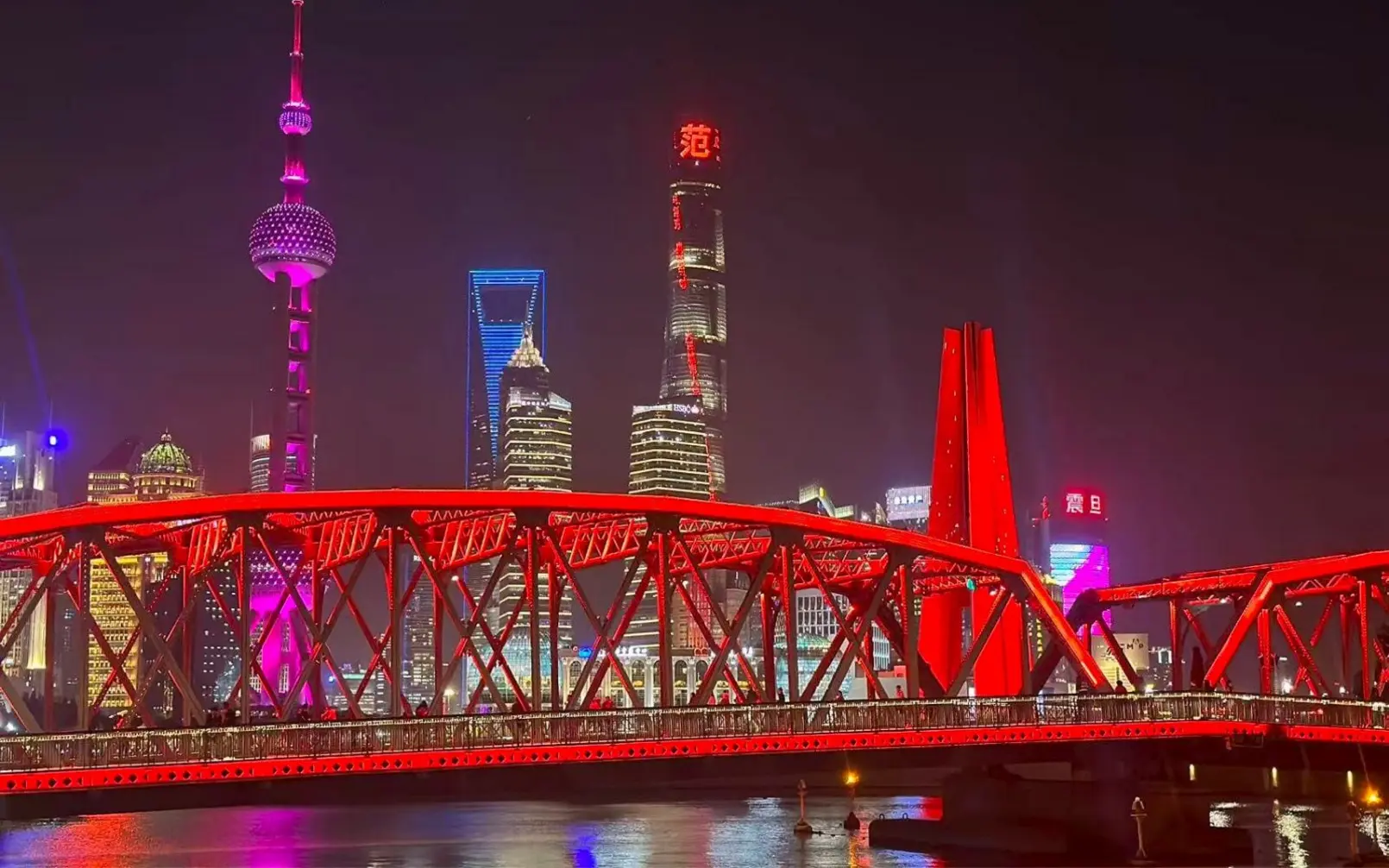
For people like Lao Ba, Shanghai is a harsh city, an enemy to his art. The city constantly drains his energy and steals his patience. For each straight line or stroke, Lao Ba needs half an hour; for each painting, he needs half a year. Lao Ba lifts his brush once more!
He had a wonderful summer last year. He visited a friend in the countryside, in Changxing. There, he painted a picture every day. "I want to leave, to live in the countryside and immerse myself in nature," Lao Ba says. But there, his pension would be much lower than in the city. And there would be issues with his medical insurance.
Then there's his daughter. He calls her Niu Niu. He raised her alone, changing her diapers as a baby, brewing medicine when she was sick. He bought her a guqin (Chinese zither), and she discovered her love for music. To this day, Niu Niu hasn't become fully independent; he still takes care of her.
Like Lao Ba's room, Niu Niu's is also small, with paintings on the wall, a cabinet, and a sofa bed with Mickey Mouse pillowcases and sheets. Lao Ba and Niu Niu belong to each other. They always agree on everything - or at least, almost everything.
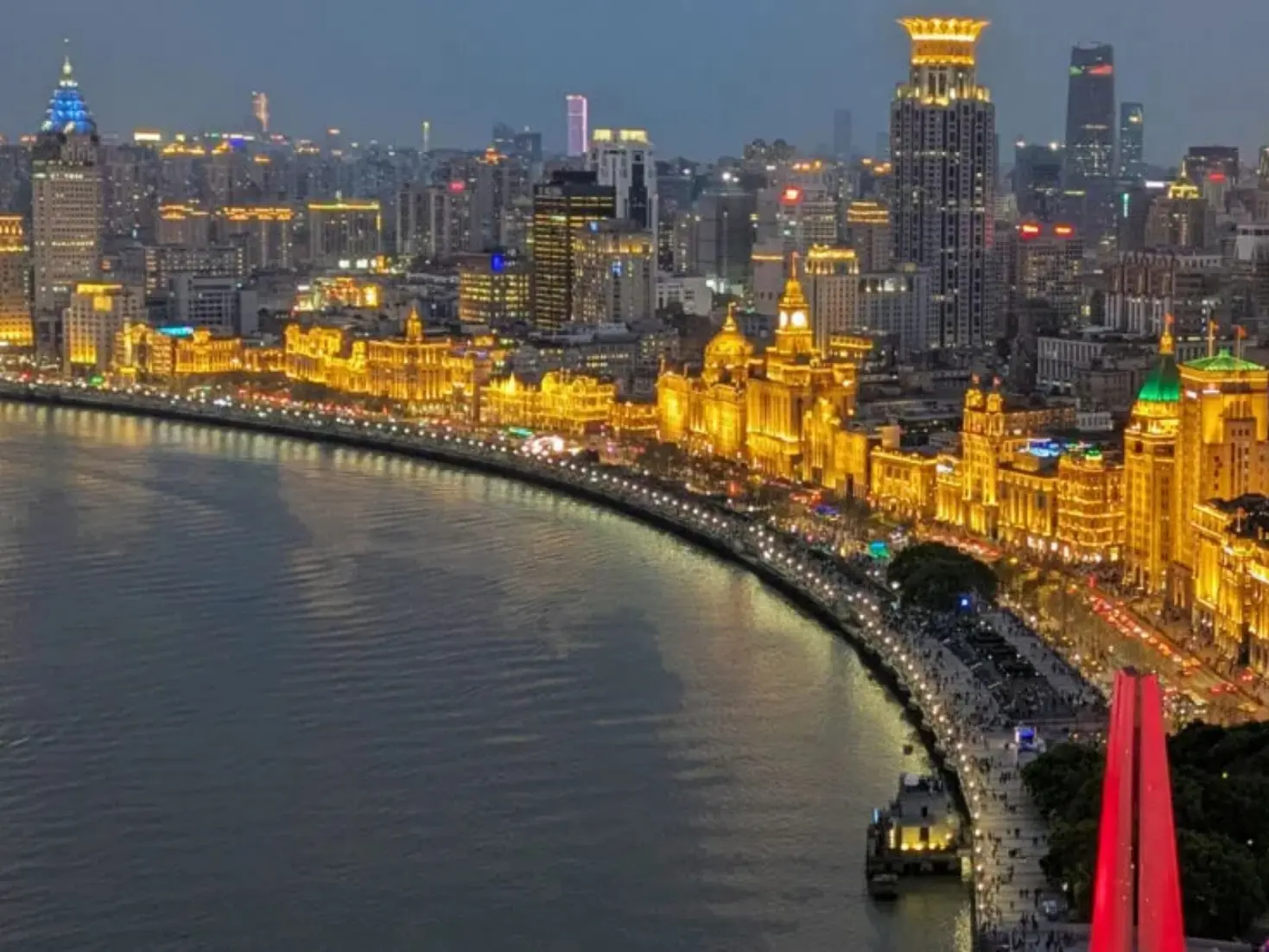
"I love this city," Niu Niu says. Clearly, young people like her love the skyscrapers, the glamour of Pudong, the stores where she buys her designer bags, one of which is from Vivienne Westwood. Of course, young people like her also love the fast-paced lifestyle, with all the positive dynamism of Shanghai. The 470 km/h train takes her almost anywhere in the city instantly: to her friends; to the luxurious Bund waterfront, where no brand is missing, from Giorgio Armani and Dolce & Gabbana to Chanel, Prada, Ralph Lauren, Ermenegildo Zegna, Cartier, Patek Philippe, and Boucheron. Or simply to her workplace. Niu is a musician. She teaches music and performs Pop songs on the guqin at the Ritz-Carlton Hotel.
Niu walks to her instrument, puts on her picks, and begins to play. Deep, contemplative notes blend with bright, cheerful ones. The piece is called "Fishermen Returning at Sunset." Niu often plays music for her father.
And so, Lao Ba can finally make his first brushstroke. For a moment, he is in harmony with this strange city. No one comes to Shanghai without experiencing surprise, frustration, and captivation. Shanghai: an international metropolis barely a century old, yet ready to pull everyone into its pragmatic and ruthless way of life. From a fishing village at the river's mouth, Shanghai proliferated through colonization and trade, becoming a megacity of 15 million people, bearing all the attributes of a city in transition: noisy and raw. A city where heaven and hell coexist. Or rather, a city that is heaven for one person and hell for another. And vice versa!
Indeed, in a way, Shanghai is a ruthless city. The old values of Shanghai are not banished, they are smashed and shattered into desolate fragments by the new ones. A 37-year-old can already be considered an old man.
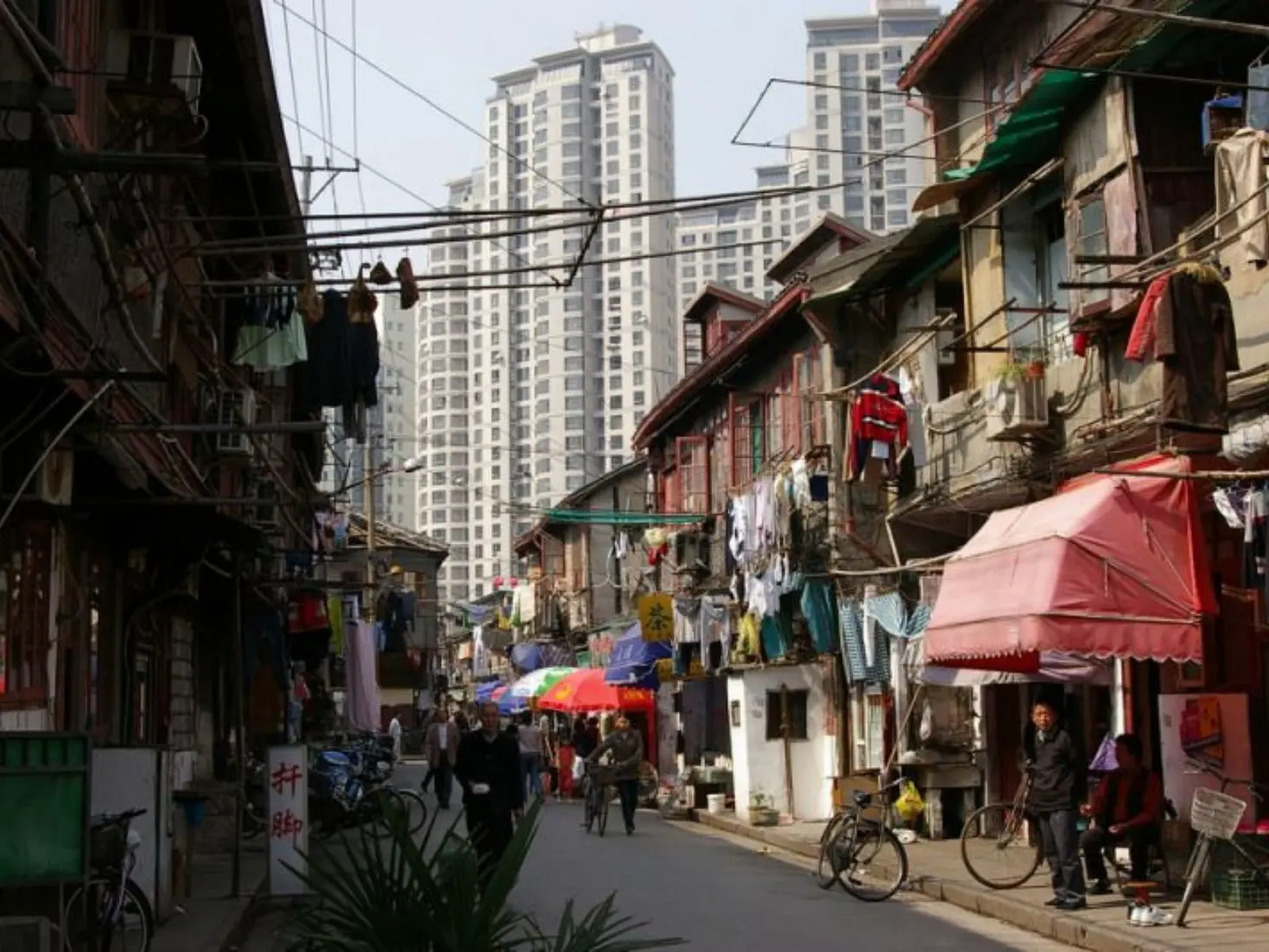
Why? Simply because buildings, apartment complexes, and shopping malls only a few years old continually rise, replacing old structures. The familiar courtyard from yesterday might now be the entrance to a luxury complex. Where 20 years ago was a small alley where children played is now an avenue. Ground-level houses give way to high-rises, tiny 11-square-meter homes replaced by larger apartments with private bathrooms, though everyone knows the price is skyrocketing rents. Shanghainese aren't gridlocked by traffic, but by the exorbitant cost of living in their own city. (A recent survey showed 40% of Shanghainese are dissatisfied with their lives.)
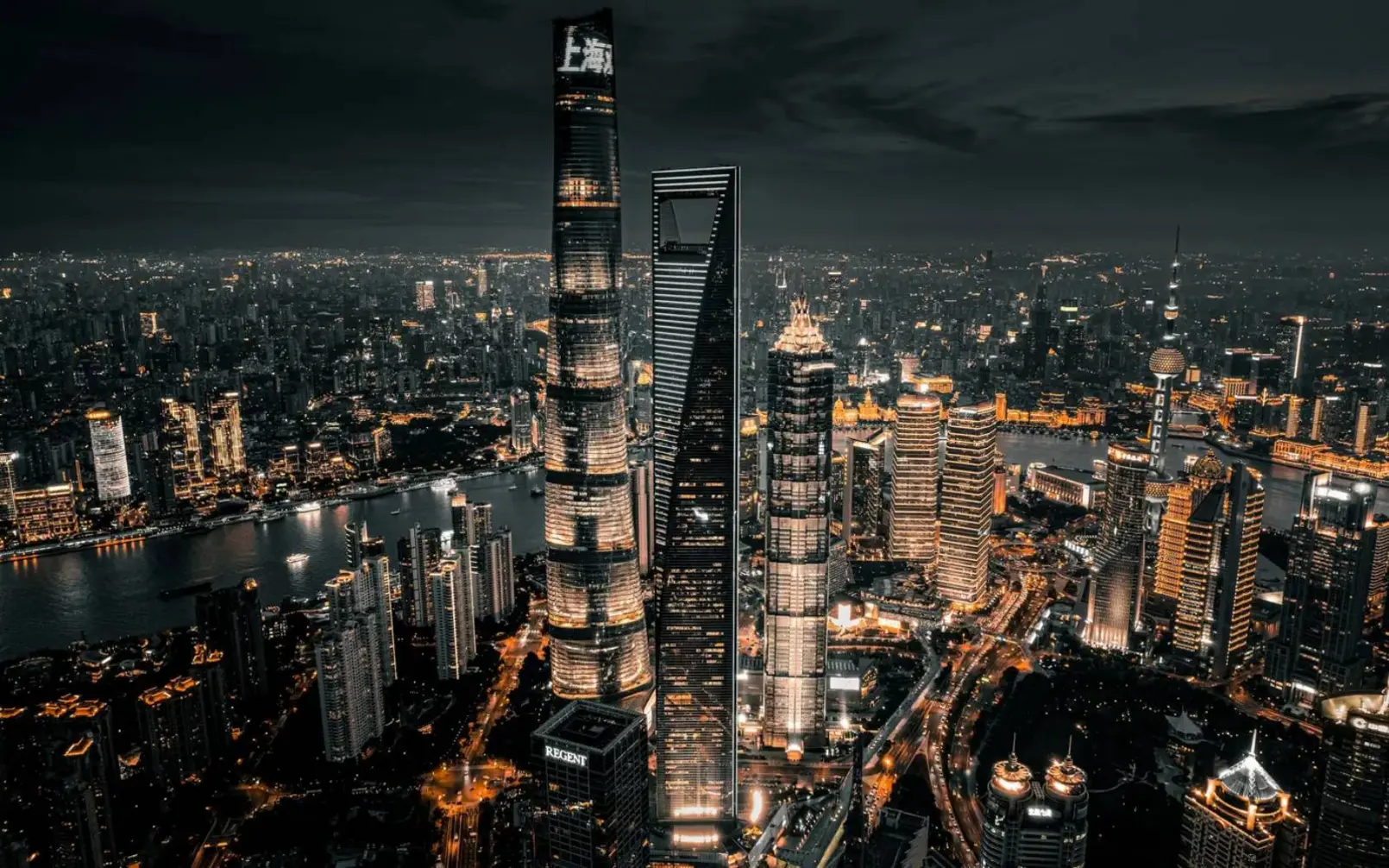
Yet, it's undeniable how easy it is to feel comfortable, or rather, a sense of conquest. There's a feeling that energy is everywhere, and new beginnings are constantly repeating. The ceaseless rise of buildings and projects makes people trust the city more and gets pulled into its vortex and its lifestyle - or rather, the lifestyle created by those very people being pulled in. A senior manager from Munich - a world traveler, shares: "Shanghai is as vibrant as New York in the 80s." A media producer left Canada for Shanghai because she saw opportunities the West couldn't offer her. A driver for senior executives who also moonlights as a matchmaker. A friendly sales clerk in a skyscraper ready to help tourists buy medicine or fruit. An investment banking expert who chose Shanghai over London but has no time to answer calls.
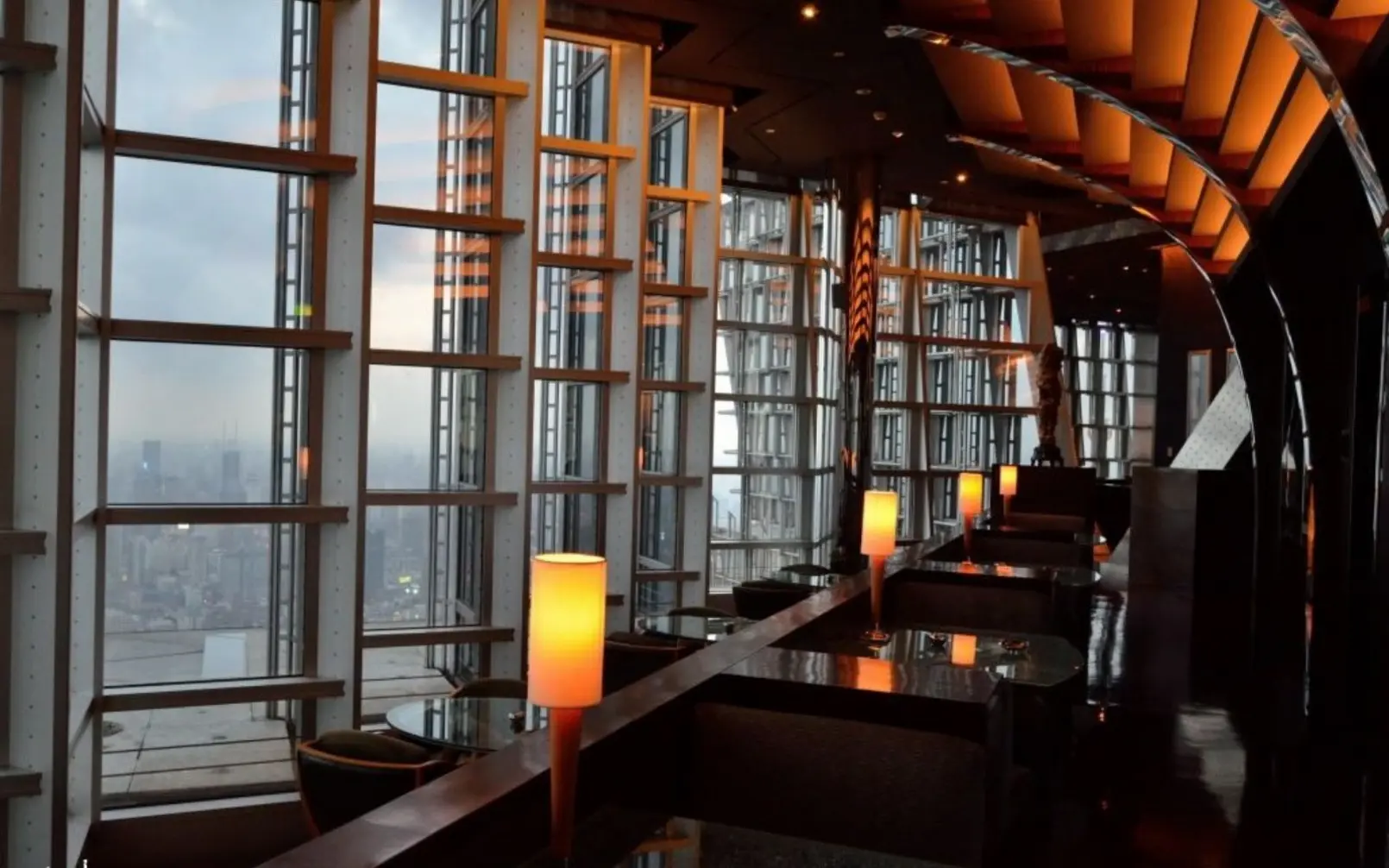
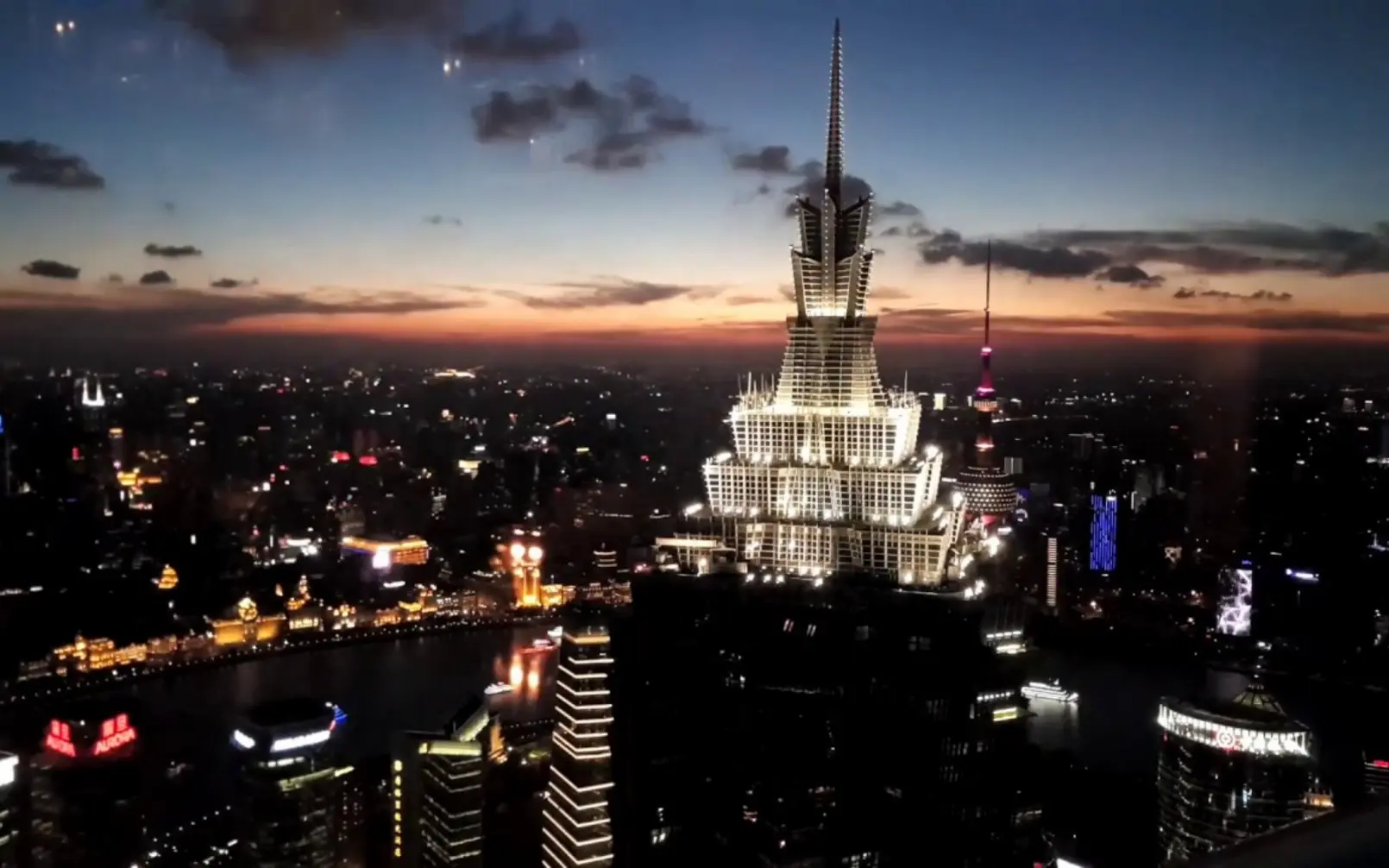
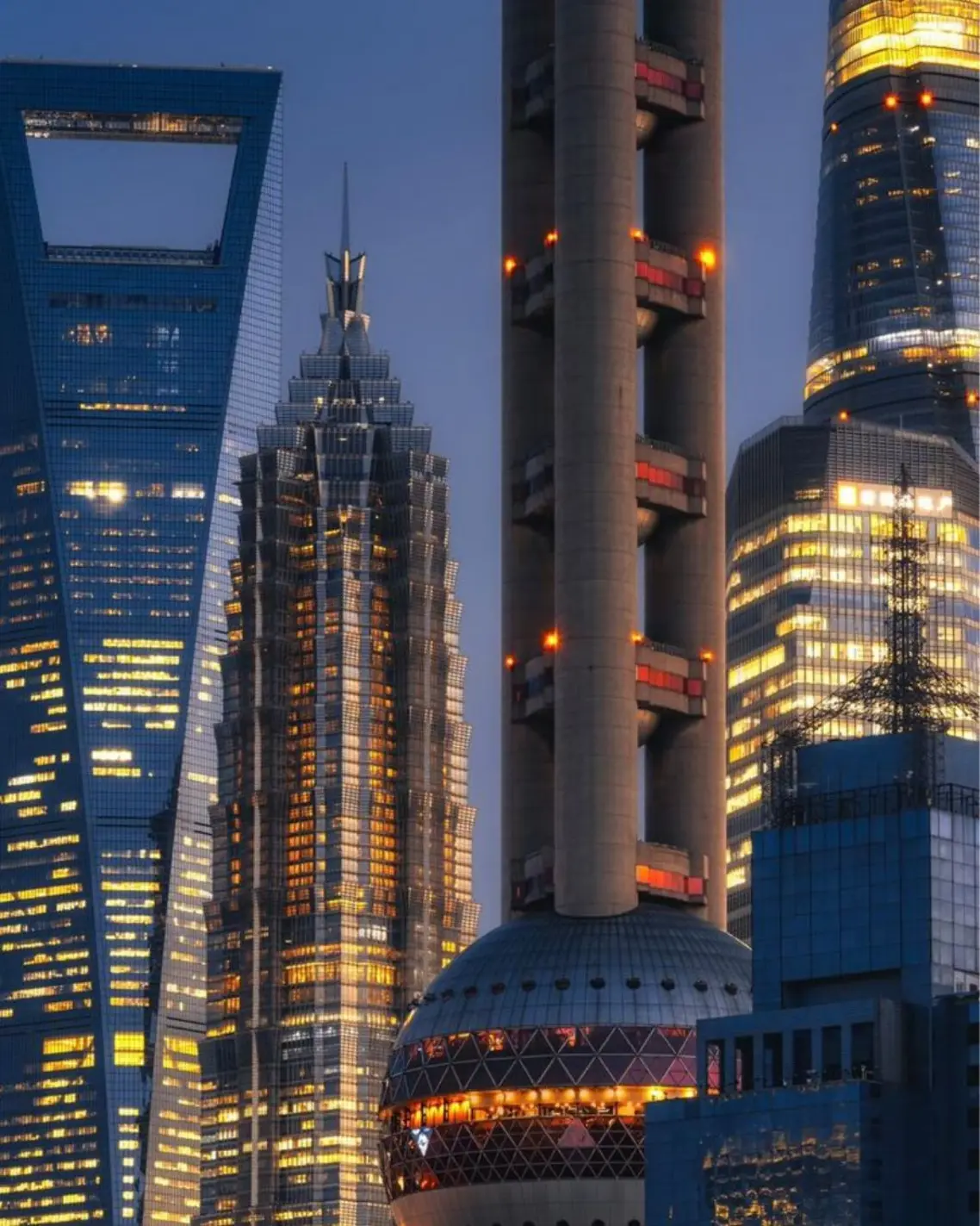
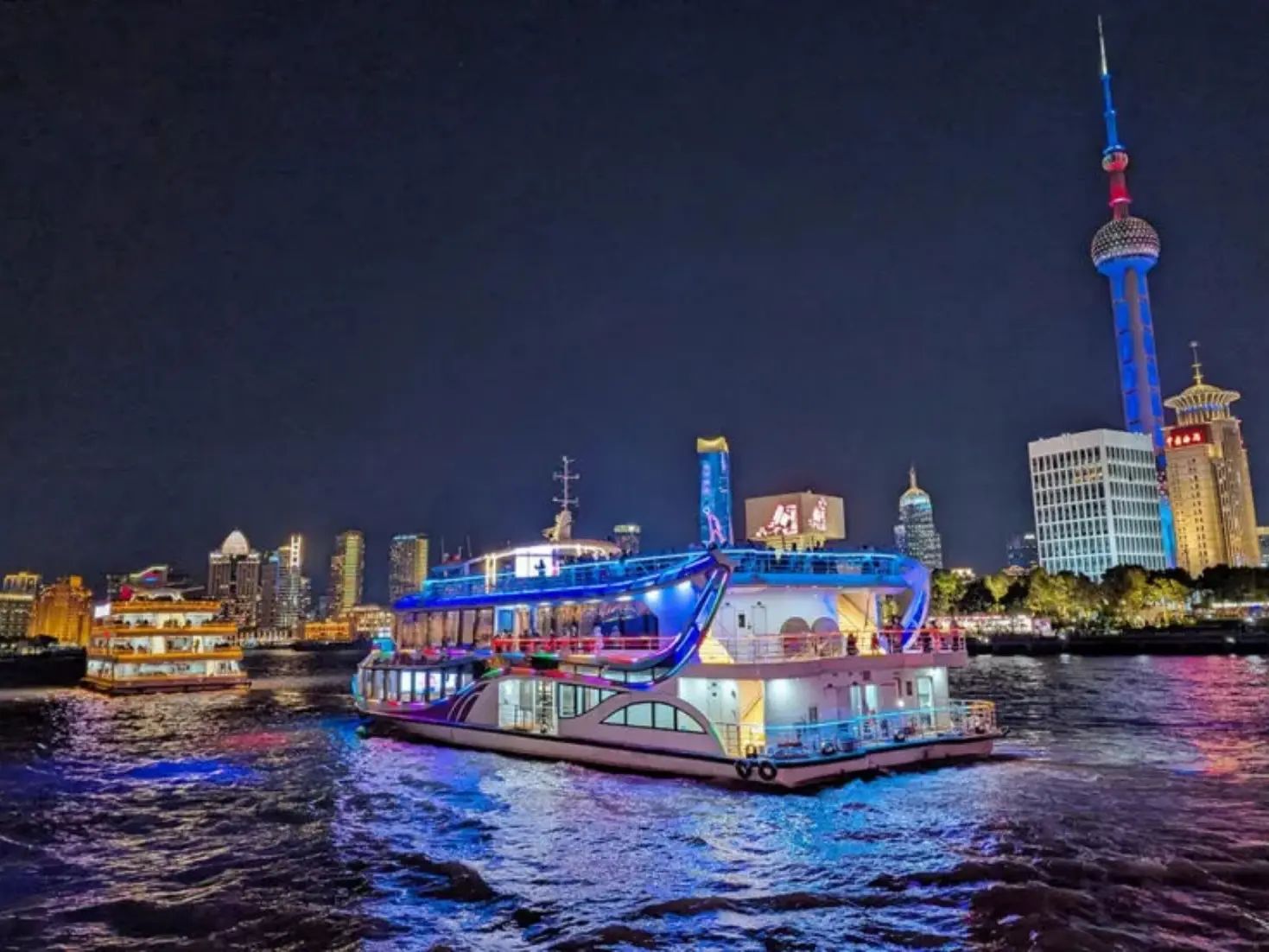
But this isn't hard to understand. If you know that Shanghai has always been a festival of color, light, and joy. Shanghai has no shortage of skyscrapers, LED-lit plazas that change color every minute, offices on the 70th floor, bars in "heaven", if heaven is defined by altitude and wonder. ("Cloud 9" is a bar hundreds of meters above ground.) Even the elevators here are a marvel. The elevator at a subway station in the old French Concession takes you to a building with hundreds of illuminated windows; it can then take you to a second tower right behind it, taller and more grandiose. Or it can take you to a third, even taller building, the Pullman Skyway Hotel with its silvery dome. This place is still likened to a staircase connecting to the clouds.
Of course, Shanghai has the right to be ruthless. Because if it weren't ruthless, if it didn't pull everything into its core, the Pudong district would still be nothing but barren fields, slums, and docks. If it weren't ruthless, Shanghai would still be like it was 20 years ago when the total number of buildings over 100 meters tall was just 6, but now that number is more than 4,000!
Ruthless or accommodating (in breaking the old and embracing the new), heaven or hell (depending on who you ask), rich or poor, Shanghai is still Shanghai - whether you love it or hate it
Inspired to plan your own journey through this city of contrasts? Explore our curatedShanghai itineraries, designed for the cultural purist and the modernist alike.