MENU
Close





At SCHMUCKmünchen 2026, taking place from 4 to 8 March, 2026, wearable jewelry became the most compelling debates in contemporary adornment. From radical materials to refined craftsmanship, this year’s exhibition revealed how luxury jewlery trends are being rewritten through artistry, precision, and new ideas of preciousness.
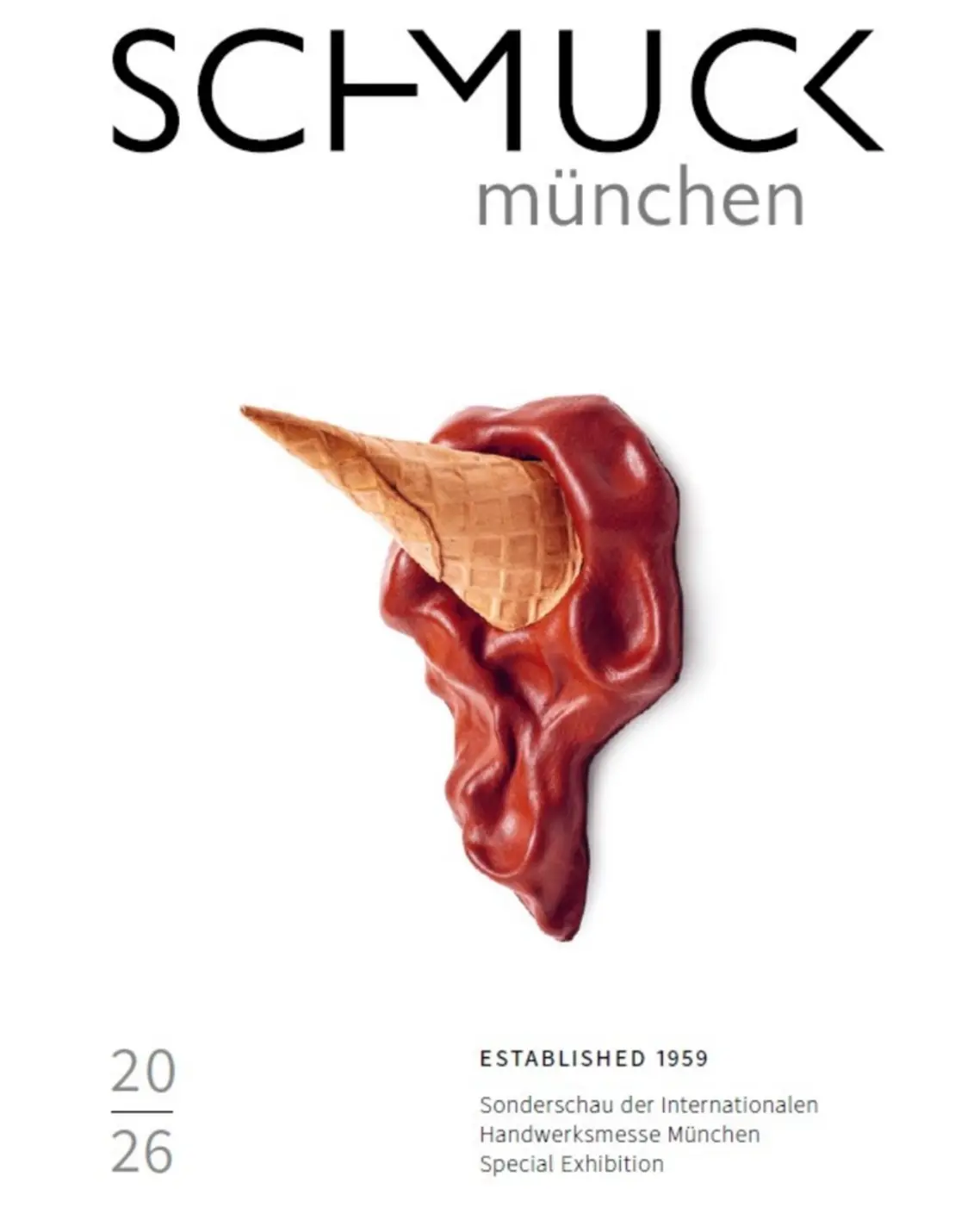
At SCHMUCKmünchen 2026, taking place from 4 to 8 March, 2026, wearable jewelry became the most compelling debates in contemporary adornment. From radical materials to refined craftsmanship, this year’s exhibition revealed how luxury jewlery trends are being rewritten through artistry, precision, and new ideas of preciousness.
March 8, 2026


SCHMUCKmünchen continues to occupy a rarefied place in the world of contemporary jewelry, where artistic experiment meets the discipline of wearability. Founded in 1959 by art historian Dr. Herbert Hofmann, the exhibition has shaped generations of makers through one defining principle: The work must remain jewelry for the body. That distinction gives SCHMUCKmünchen its enduring authority. It is where radical ideas still submit to the intimacy of adornment, and where conversations around craft, value, and form often forecast wider luxury jewlery trends. For its 2026 edition, held from March 4 to 8 in Hall B1 of the Internationale Handwerksmesse, the exhibition once again placed the most forward-thinking voices in jewelry inside one of Europe’s most respected craft settings.
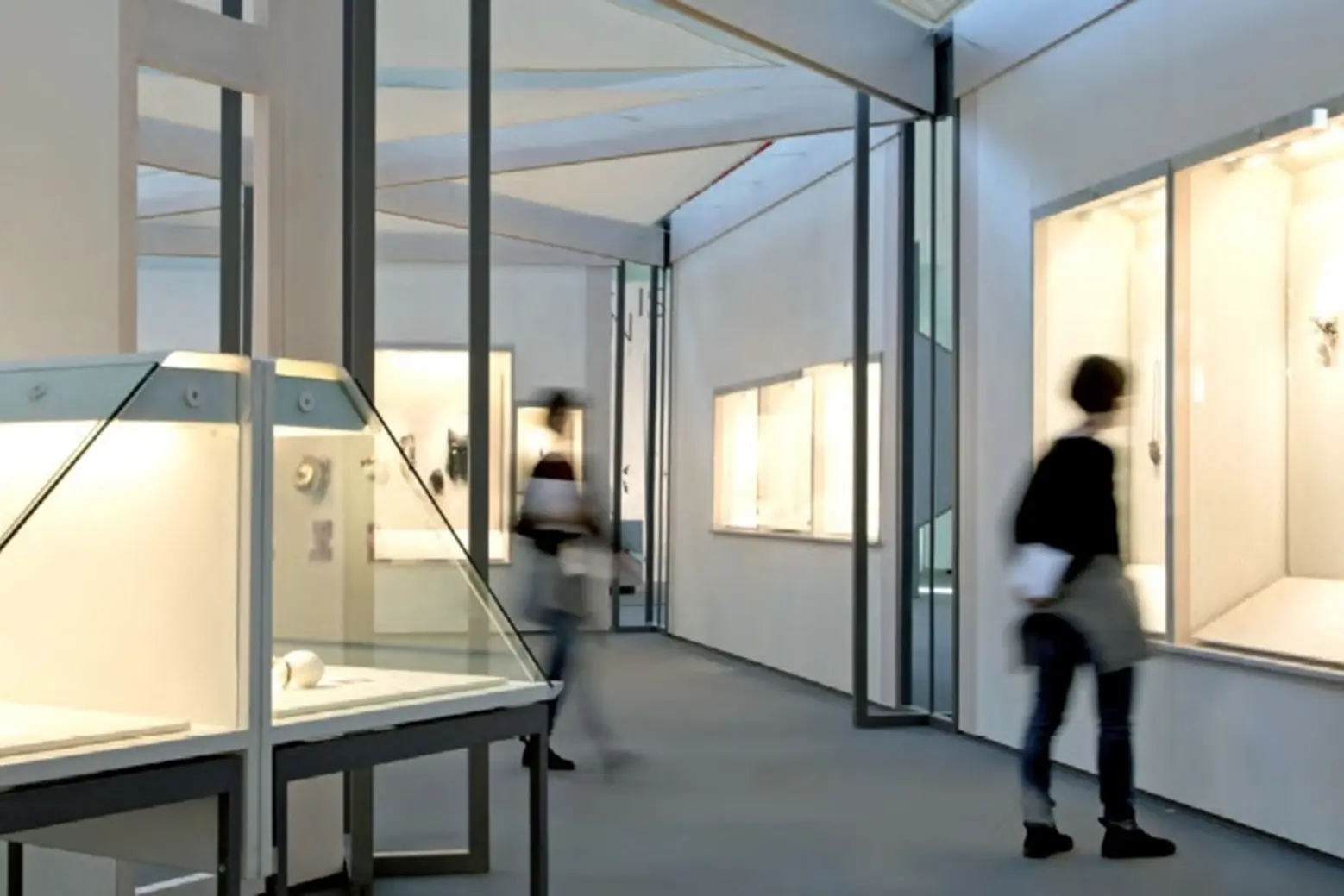
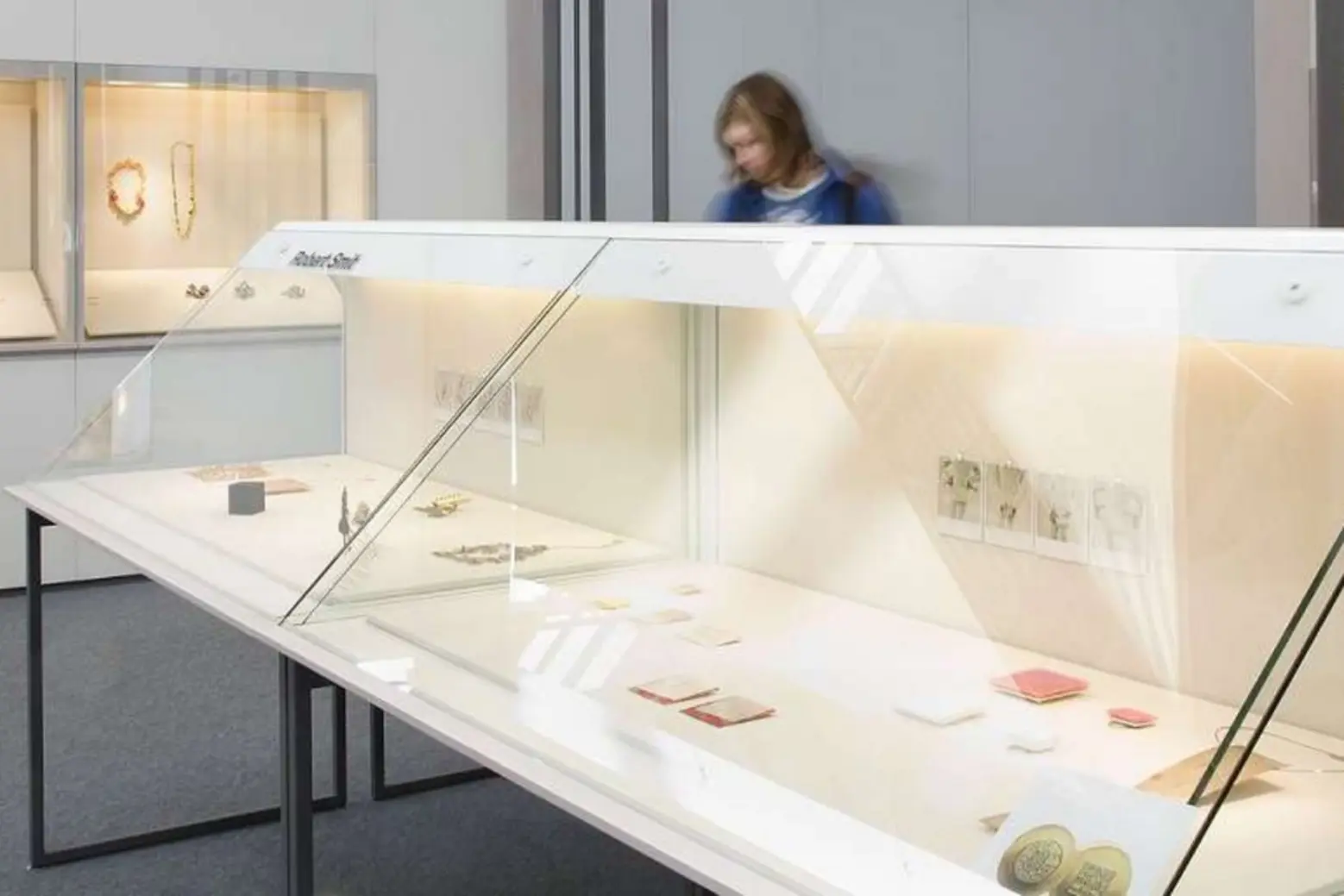
This year’s edition was curated by Sam Tho Duong, who oversaw a remarkably competitive selection. In an official interview, he revealed that 1,046 applications arrived from 68 countries, with only 69 artists from 29 countries ultimately chosen. The final exhibition felt rich in productive contrast. Advanced technologies stood alongside reworked traditional techniques. Political expression shared space with quiet formalism. Material experimentation unfolded with a deep respect for precision. Duong emphasized design language, quality, aura, and clean execution, a set of values that shaped a show with both intellectual sharpness and visual clarity. In that sense, SCHMUCKmünchen 2026 offered a persuasive reading of current luxury jewlery trends, where innovation gains power through control rather than spectacle alone.
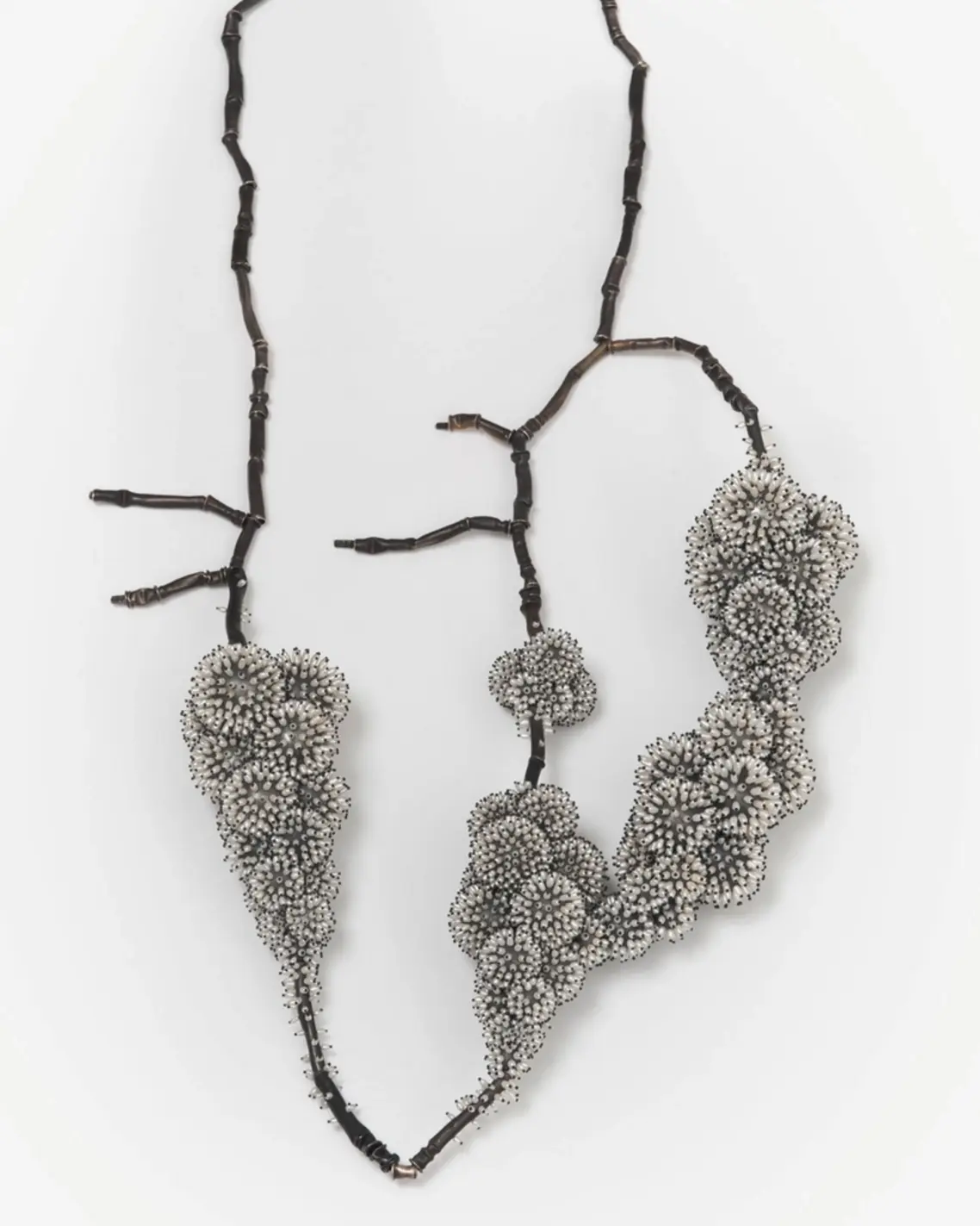
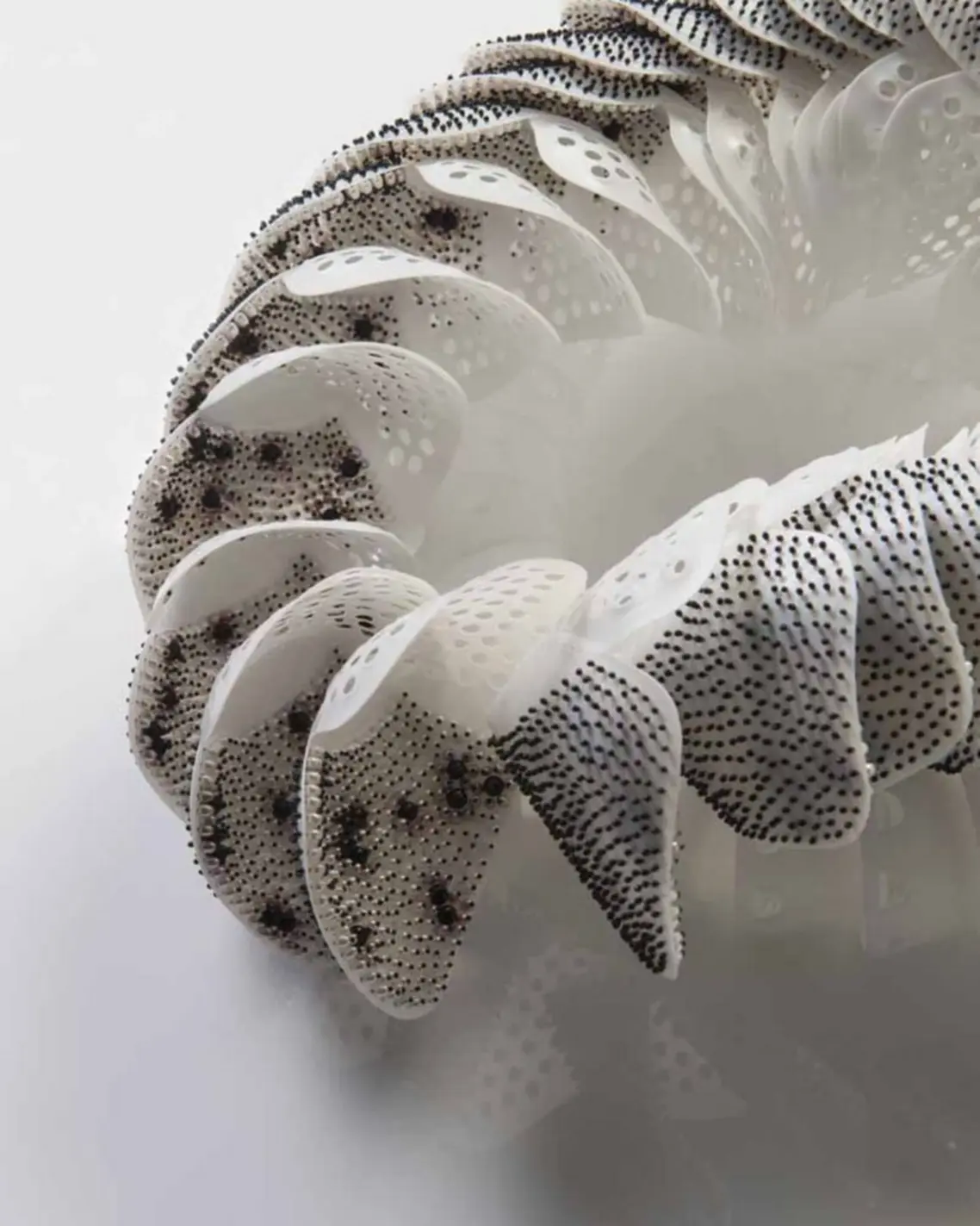
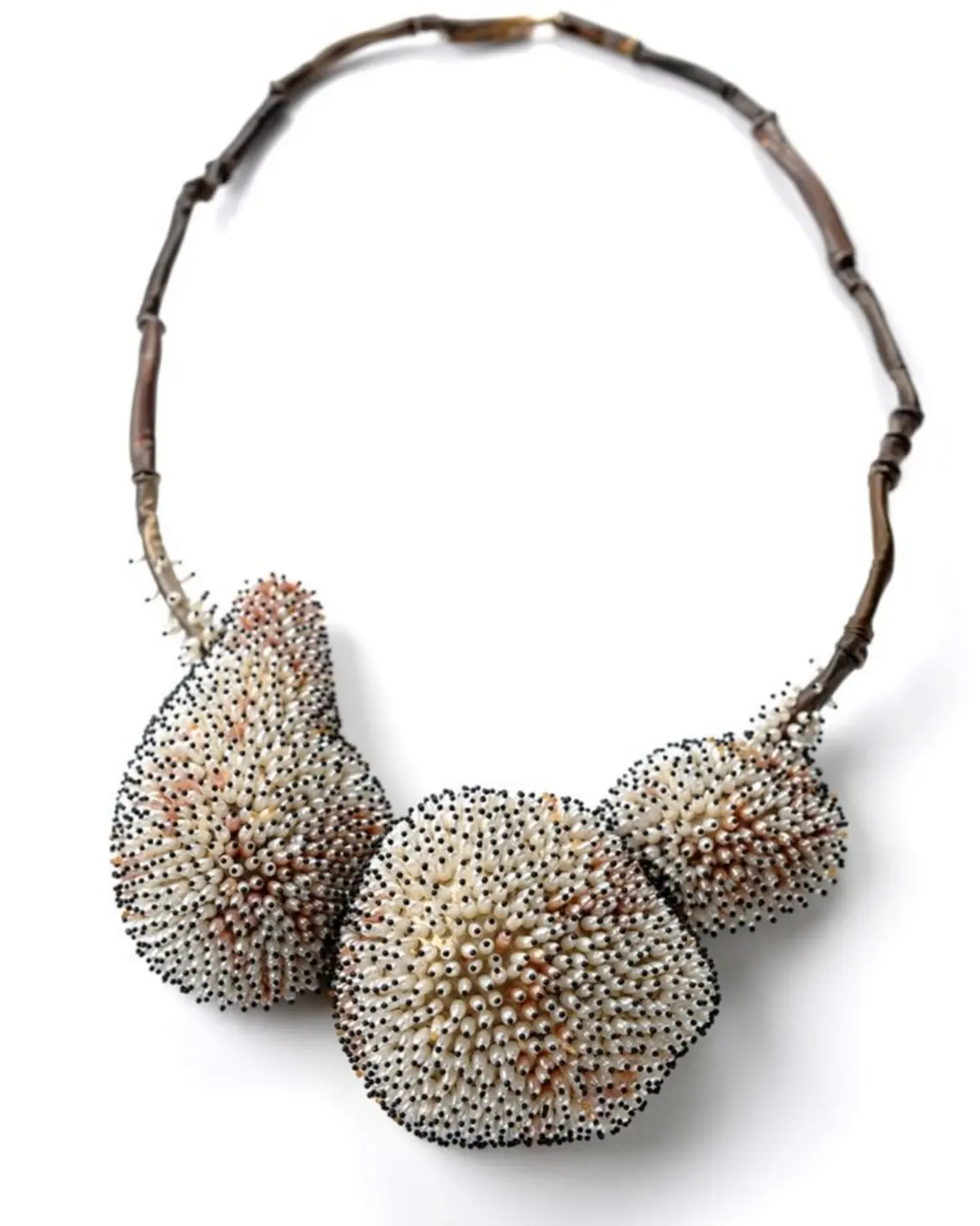
At the intellectual core of the week stood the Herbert Hofmann Prize, awarded to three artists whose works captured the breadth of the exhibition’s ambitions. Mira Kim received recognition for a ring in mokumegane and sterling silver.
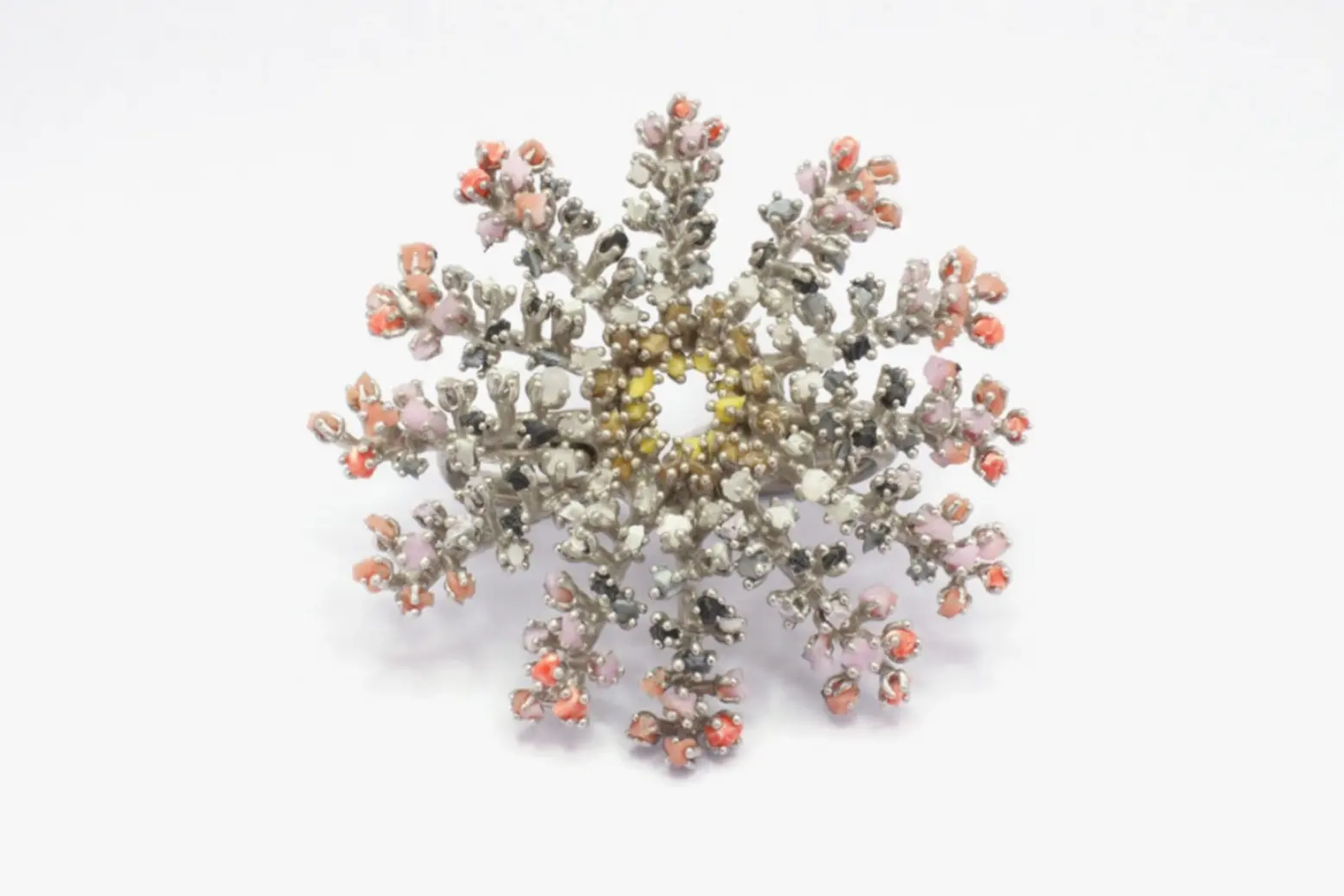
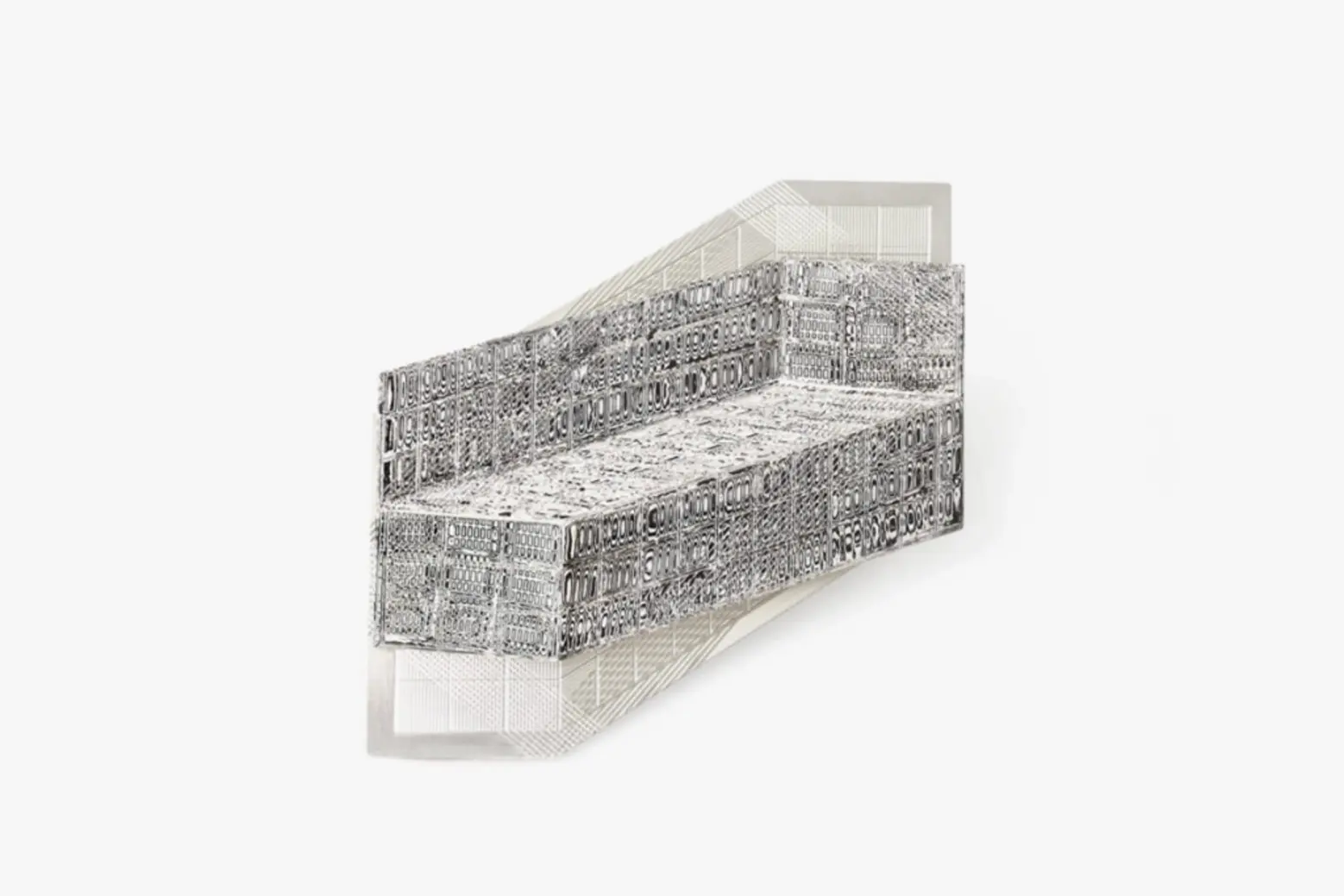
Zhipeng Wang was honored for a jadeite brooch set with 24k and 18k gold. Ela Bauer won for a brooch made from resin, pigments, and aluminium. Together, these winners proposed a compelling idea of contemporary preciousness. Mastery of technique remains central, yet the meaning of value has expanded far beyond conventional luxury materials. That shift feels especially relevant to today’s luxury jewlery trends, where emotional resonance, conceptual force, and craftsmanship increasingly matter as much as gemstones or gold.
Another defining focus of 2026 was Erico Nagai, named this year’s Modern Classic. Born in Tokyo and trained in Munich, Nagai embodies the dialogue between Japanese Urushi lacquer traditions and European modernist rigor. His recognition affirmed SCHMUCKmünchen’s ability to honor lineage while embracing disruption.
Beyond the fairground, Munich Jewellery Week extended that spirit across the city through artist-led exhibitions, while FRAME gathered leading galleries near the main venue and Die Neue Sammlung hosted its first Summit of Jewelry Classes, bringing together more than 40 classes from 24 countries.
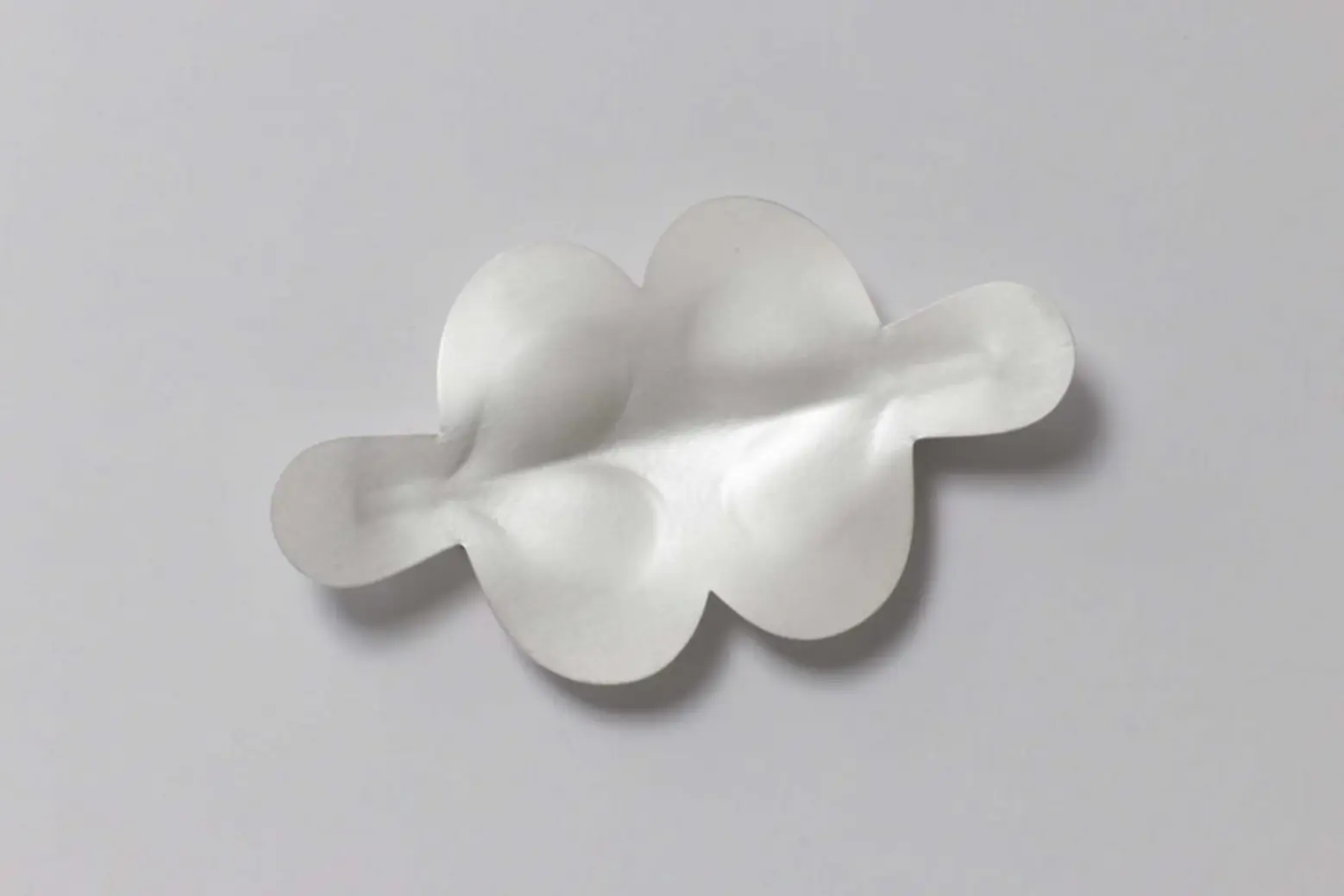
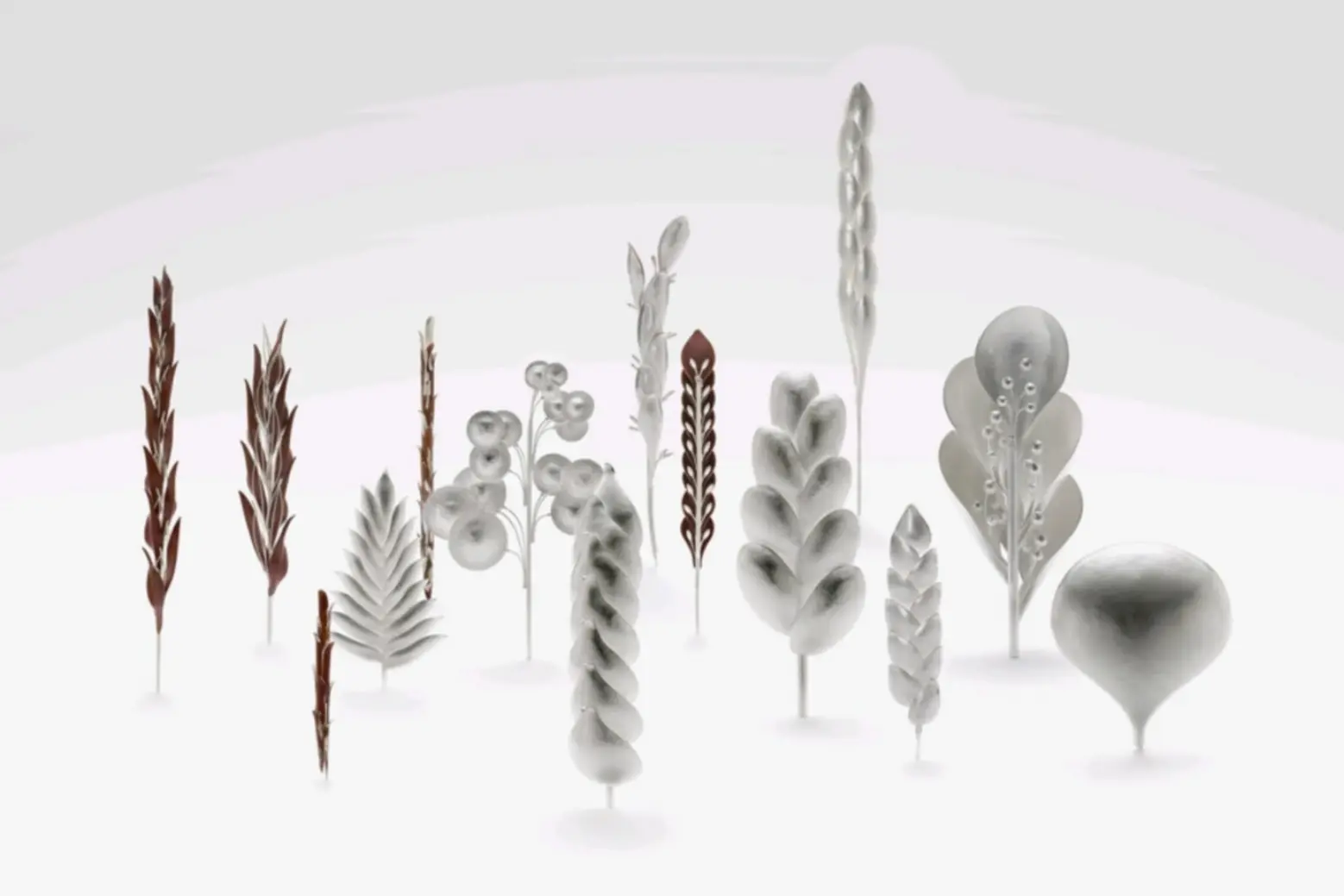
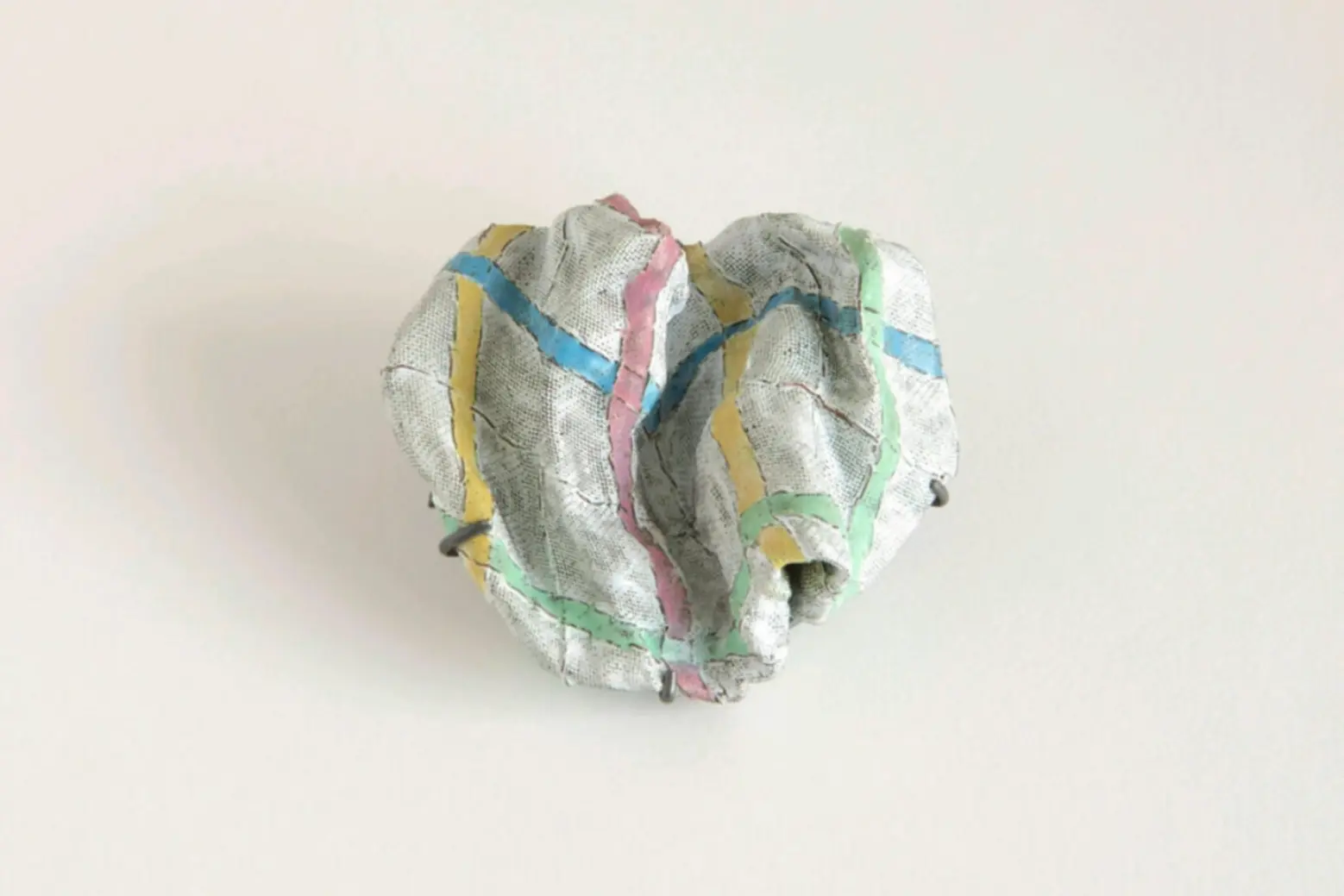
That larger ecosystem remains SCHMUCKmünchen’s greatest strength. It transforms jewelry into a global cultural discourse, one that sits on the body yet carries the intellectual energy of contemporary art and the evolving pulse of luxury jewlery trends.