MENU
Close





On May 14, 1977, Sally Victor died in Manhattan, closing the life of the American milliner who turned hats into wit, architecture, and glamour for nearly four decades.

On May 14, 1977, Sally Victor died in Manhattan, closing the life of the American milliner who turned hats into wit, architecture, and glamour for nearly four decades.
May 14, 2026


Sally Victor is one of the foremost American milliners of the twentieth century. Her name had already come to stand for a certain kind of millinery intelligence: elegant, alert to culture, and always alive to the maximum possibility.
Her rise had the force of pure ambition. Sally Victor began in the millinery department at Macy’s in the mid-1920s, moved quickly into buying, and by 1926 had already become head millinery buyer at Bamberger’s. After her marriage to Sergiu Victor, she designed for his company before opening her own New York business in 1934 on East 53rd Street. That venture grew into one of the largest hat companies in the United States, turning her from a talented insider into a genuine millinery power.
What made Sally Victor so memorable was the range of her imagination. Her work drew from Native American art, Chinese lanterns, Japanese armor, and artists and architects such as Henri Matisse, Piet Mondrian, Rogier van der Weyden, and Frank Lloyd Wright. She moved easily between prettiness and structure, between whimsy and control. She also pushed millinery forward through materials, mixing felt and silk with newer synthetics and creating shapes that felt graphic, modern, and completely her own.
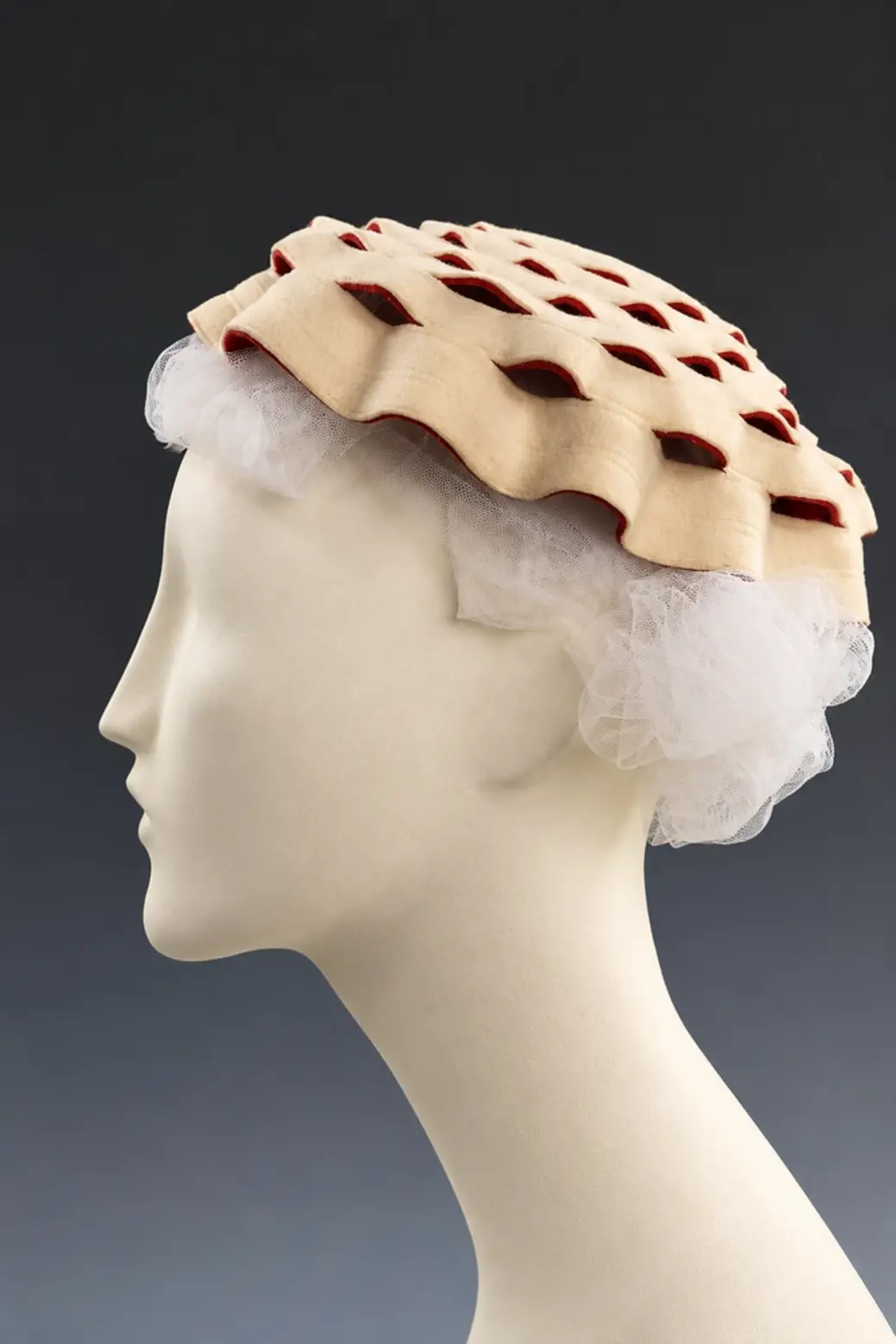
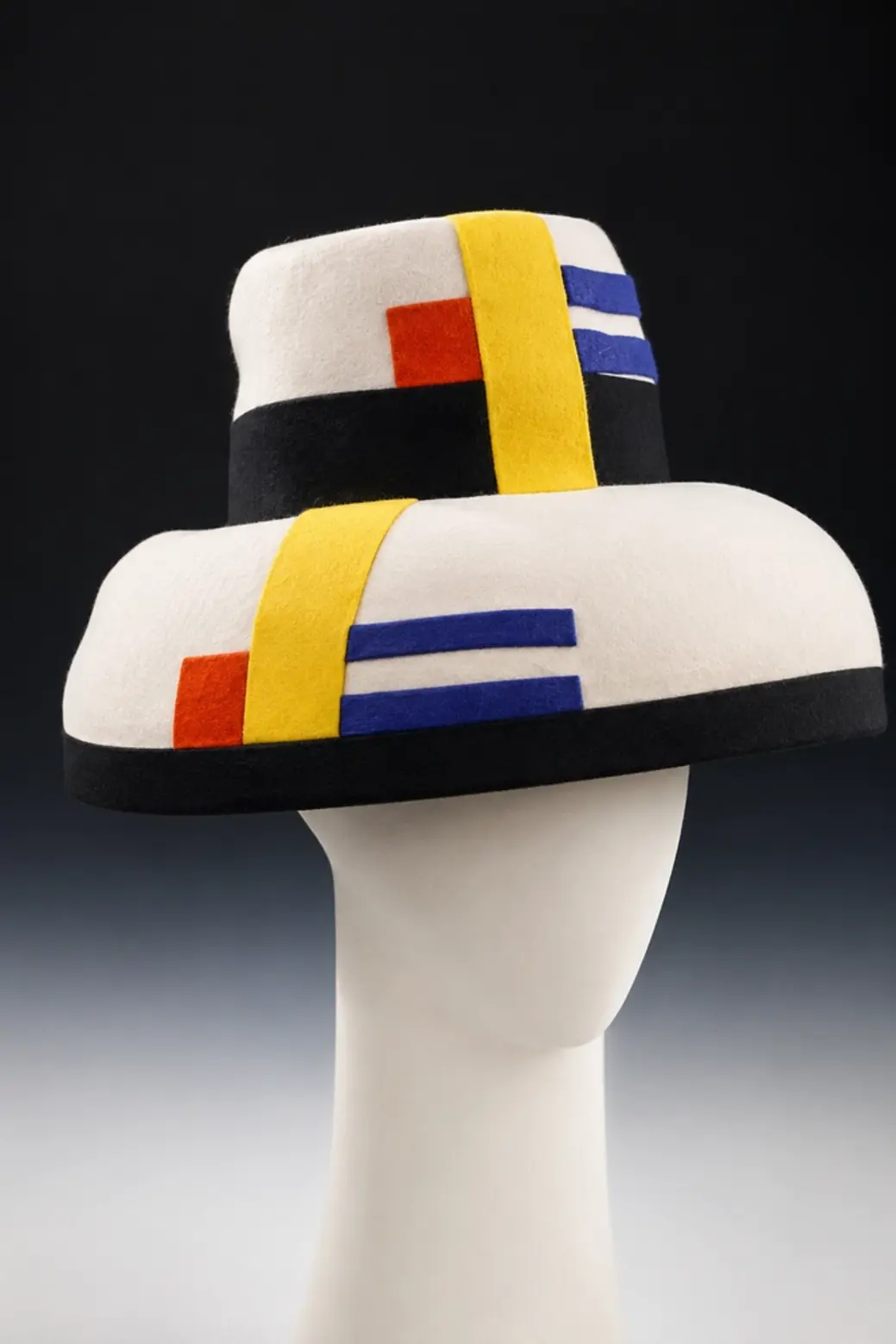
She created styles with names and silhouettes that stayed in fashion memory: baby bonnets, Pompadour hats, Grecian pillboxes, honey hives, Tudor tops. One of her best-known designs, the “Airwave,” gained national visibility when Mamie Eisenhower wore it for Dwight Eisenhower’s 1953 inauguration. Her clients and admirers stretched from Hollywood figures such as Irene Dunne, Helen Hayes, and Merle Oberon to Eleanor Roosevelt, Jacqueline Kennedy, and Queen Elizabeth II. In Sally Victor’s world, a hat was the point of punctuation that made the entire sentence of dressing feel complete.
She received Coty honors for millinery in the 1940s and again in 1956, affirming what the industry already knew: Sally Victor had helped define American hat fashion during the decades when hats still held real social authority. Even after hats loosened their grip on everyday dress, her name remained attached to a standard of style that felt inventive without losing warmth or wearability.
Sally Victor leaves behind a blueprint for millinery as artful design, commercial instinct, and personal transformation all at once. Her work still carries that rare quality fashion chases constantly and captures only occasionally: charm with structure, fantasy with discipline, and elegance that never goes flat.