MENU
Close





Opened on March 14, 2026 at Palazzo Strozzi, Rothko in Florence transforms the city into a meditation on color, space, and spiritual intensity, pairing more than 70 works by Mark Rothko with the Renaissance architecture that helped shape his vision and turning Florence itself into part of the exhibition’s emotional language.
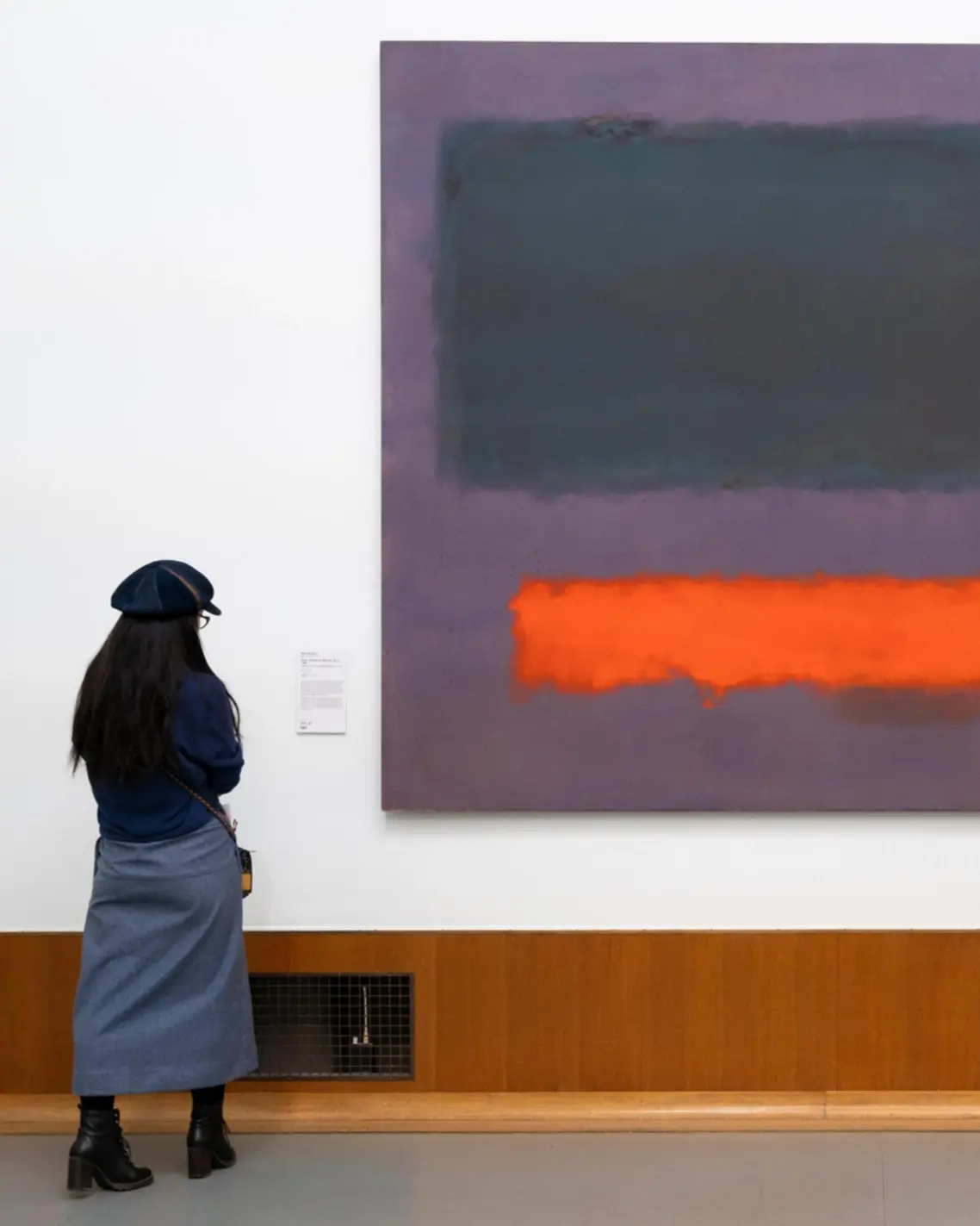
Opened on March 14, 2026 at Palazzo Strozzi, Rothko in Florence transforms the city into a meditation on color, space, and spiritual intensity, pairing more than 70 works by Mark Rothko with the Renaissance architecture that helped shape his vision and turning Florence itself into part of the exhibition’s emotional language.
March 14, 2026


Florence has opened its doors to one of 2026’s most ambitious art events. Rothko in Florence, which began on March 14 at Palazzo Strozzi and runs through August 23, brings together more than 70 works in a major retrospective curated by Christopher Rothko and Elena Geuna. Conceived specifically for Florence, the exhibition traces Mark Rothko’s journey from early figurative paintings through the multiforms and into the monumental color-field canvases that reshaped postwar abstraction. Major loans come from institutions including MoMA, the Metropolitan Museum of Art, Tate, the Centre Pompidou, and the National Gallery of Art.
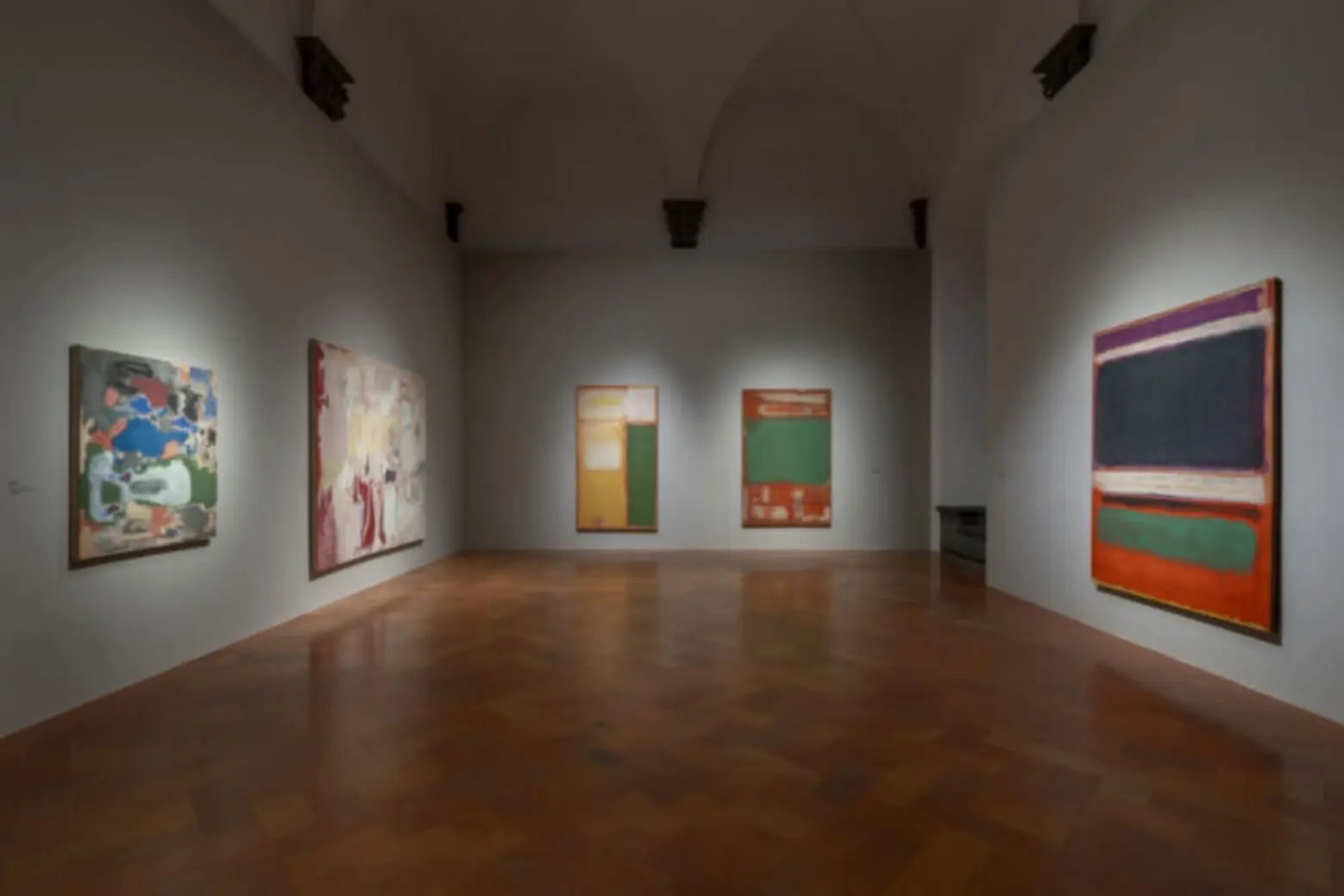
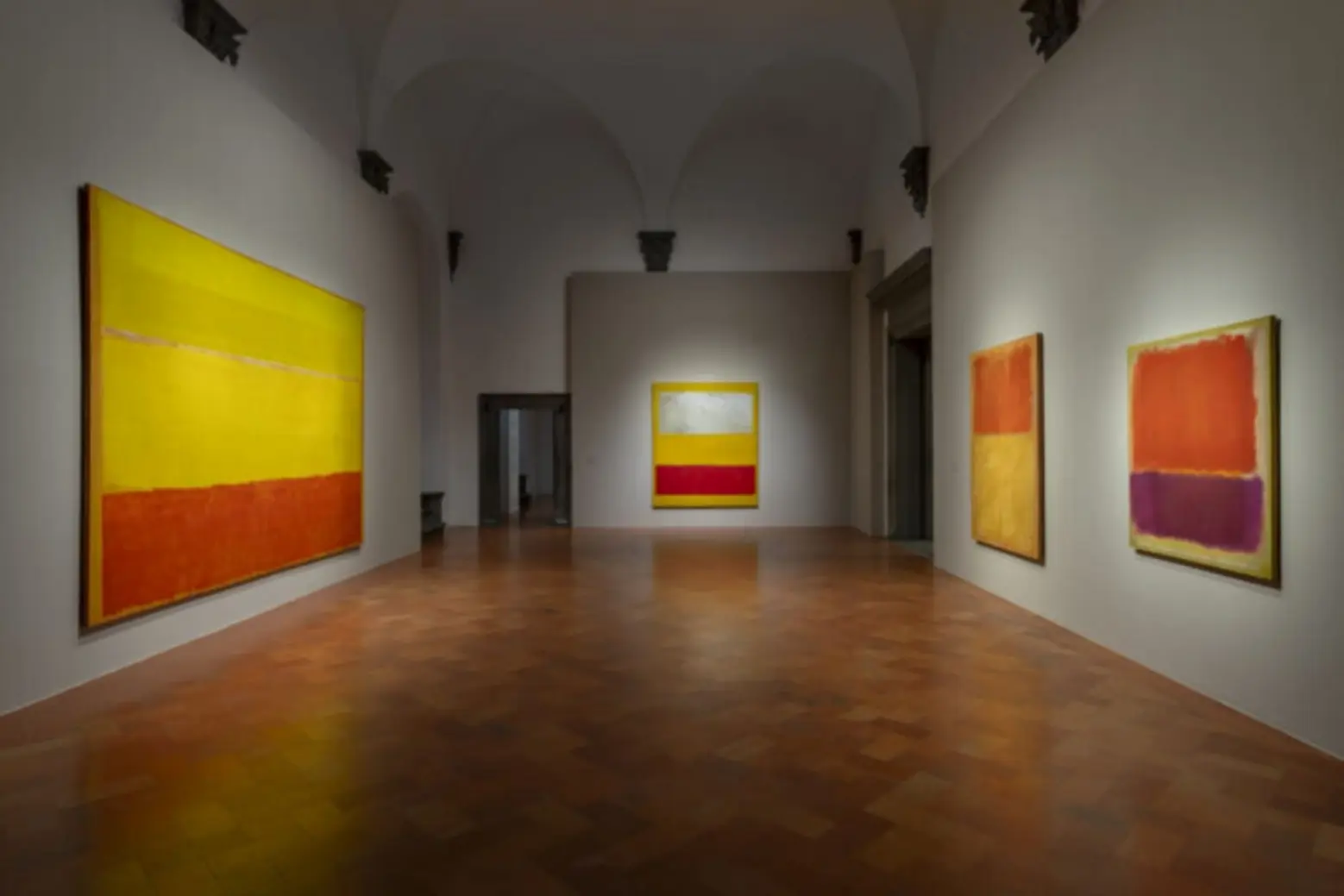
What makes this show especially compelling is its refusal to stay inside one palace. Palazzo Strozzi serves as the exhibition’s core, yet the Rothko in Florence project extends into two Florentine sites that left a lasting mark on Rothko’s imagination during his 1950 visit to Italy: the Museo di San Marco and the Vestibule of the Biblioteca Medicea Laurenziana. That structure turns the retrospective into a kind of urban pilgrimage, asking visitors to read Rothko through the city’s spiritual and architectural memory rather than through chronology alone.
At Palazzo Strozzi, the curatorial argument is clear. Rothko’s paintings are presented as environments rather than framed objects, with the palace’s architecture used to heighten his lifelong interest in scale, color, and the emotional charge of space. The low lighting and measured installation echo the artist’s own preference for intimate, concentrated encounters, where the surface of a canvas feels less like an image than a threshold. Seen in this setting, the vibrating edges of his 1950s paintings gain a new architectural force, as though color itself were building rooms of feeling.
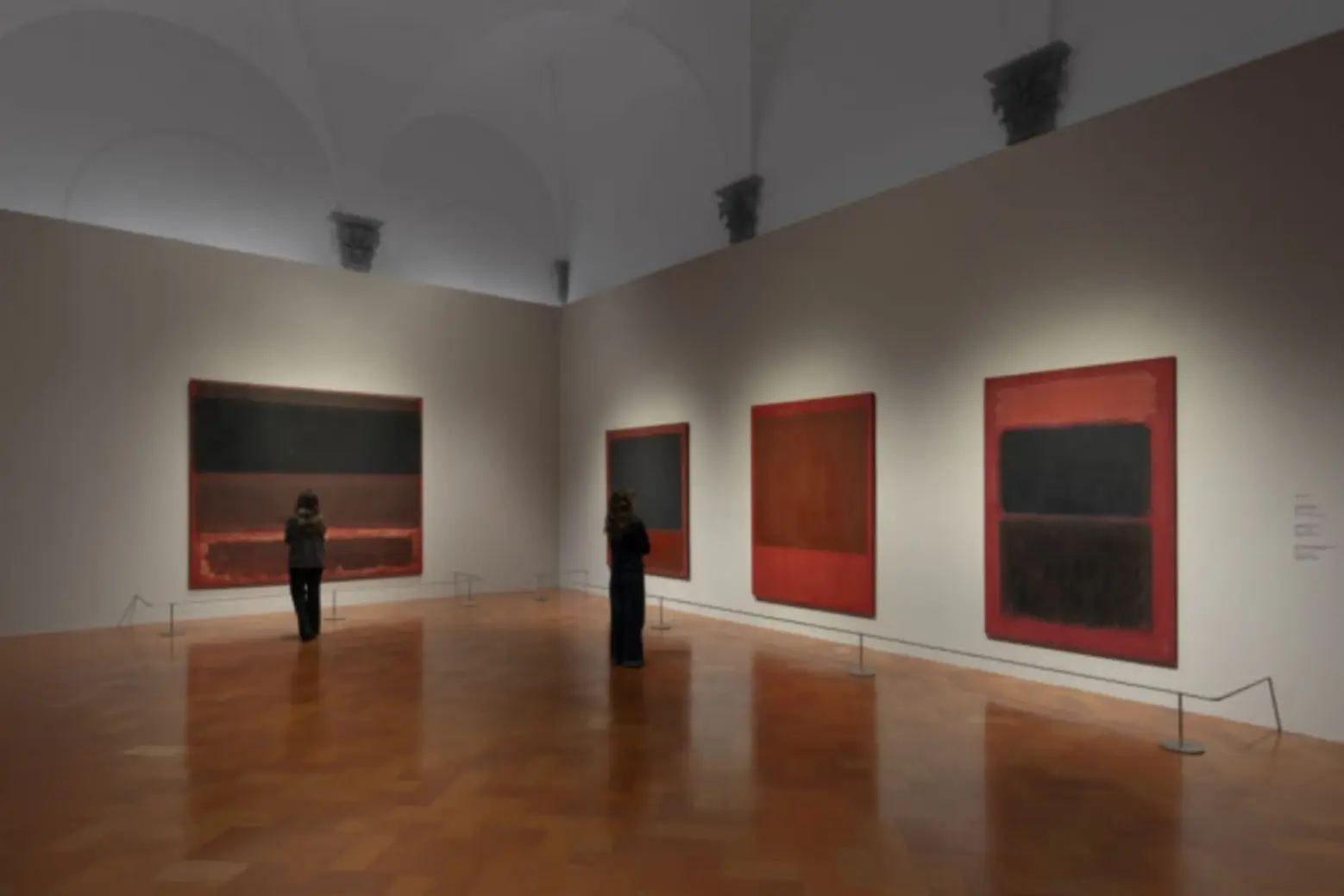
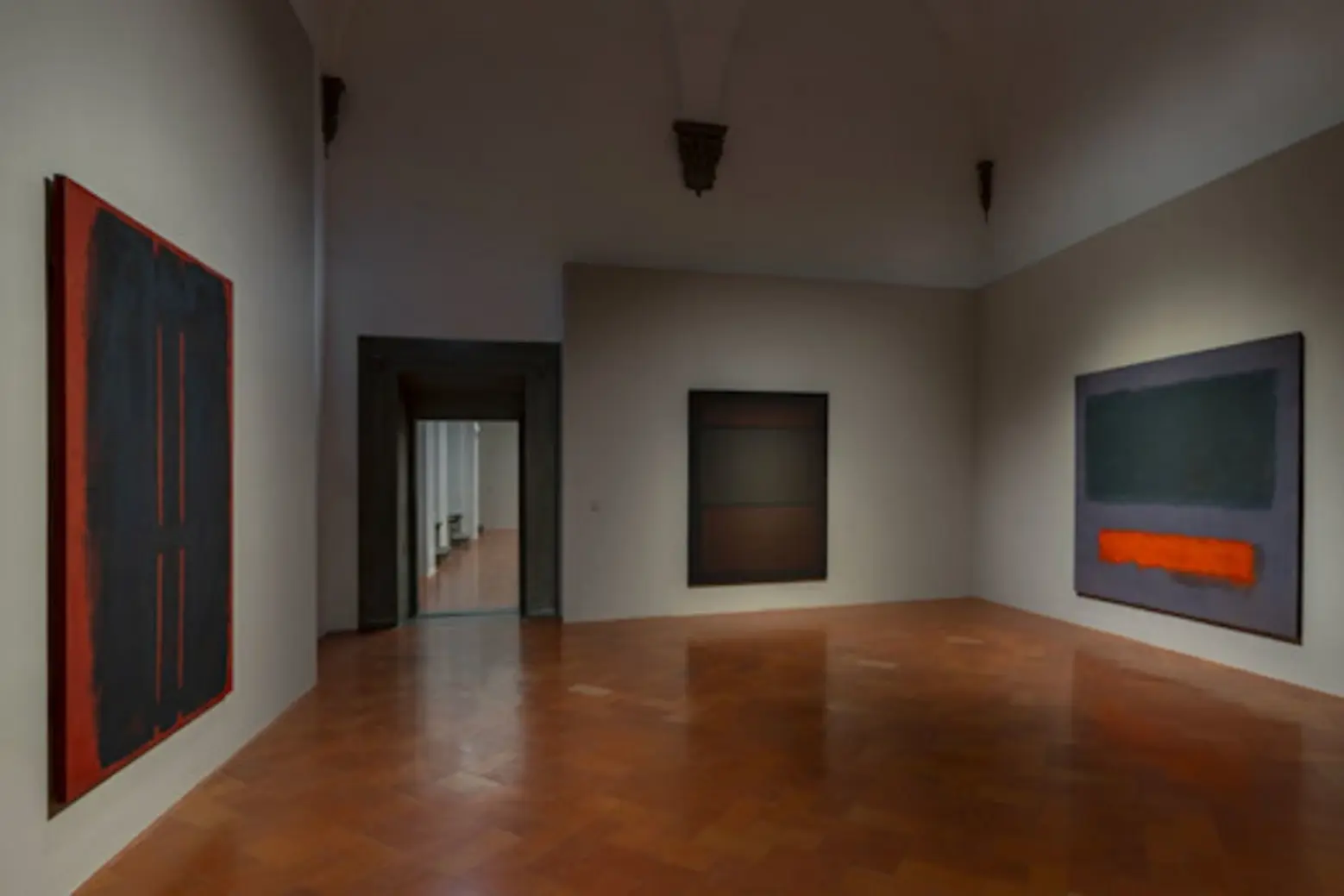
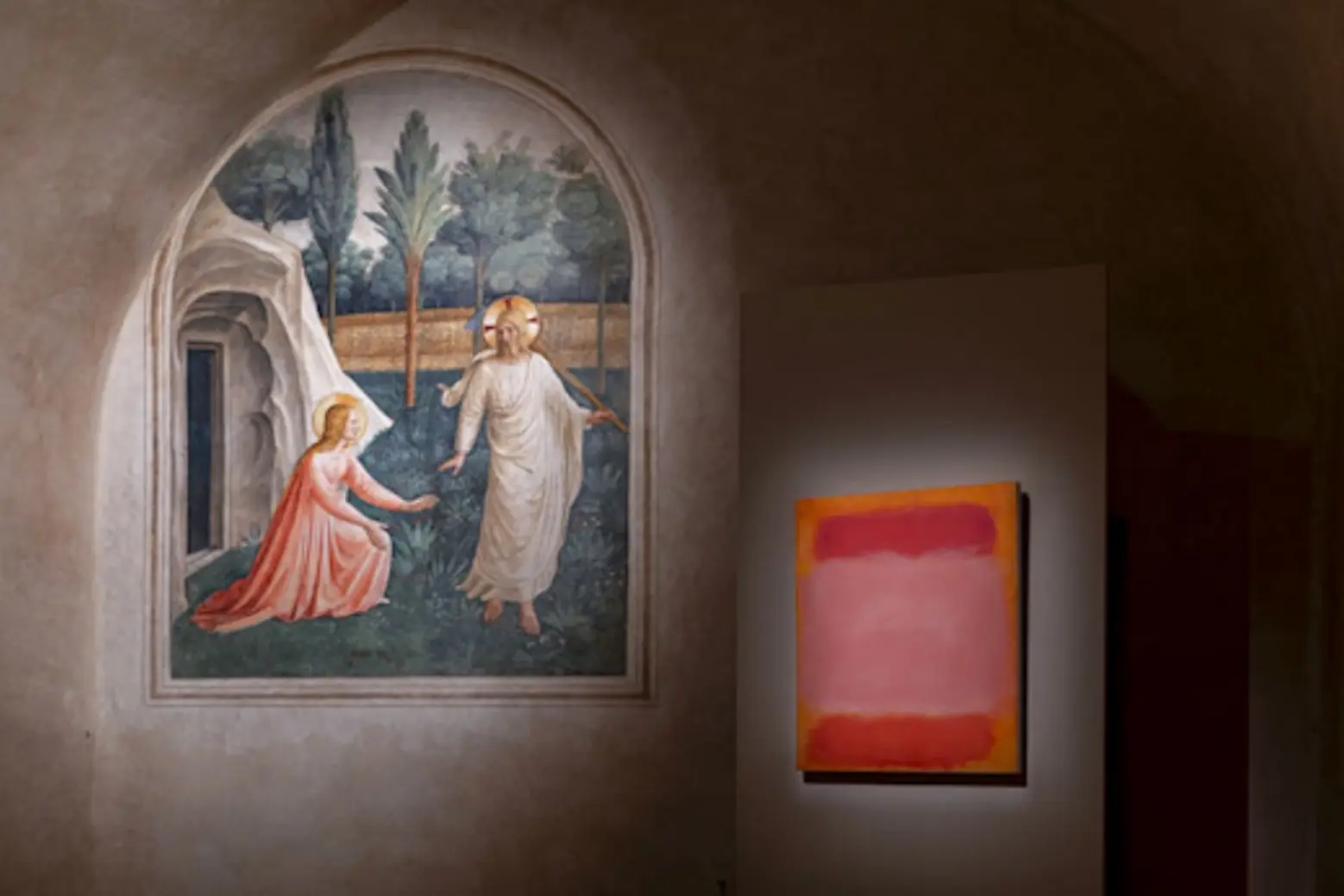
The satellite sections sharpen that idea beautifully. At the Museo di San Marco, Rothko’s abstractions enter into dialogue with Fra Angelico’s frescoes, drawing out a shared ambition toward silence, inner drama, and spiritual intensity. At the Laurentian Library, works installed in Michelangelo’s famously tense vestibule reveal how deeply Rothko responded to architecture that feels at once enclosing and elevating.
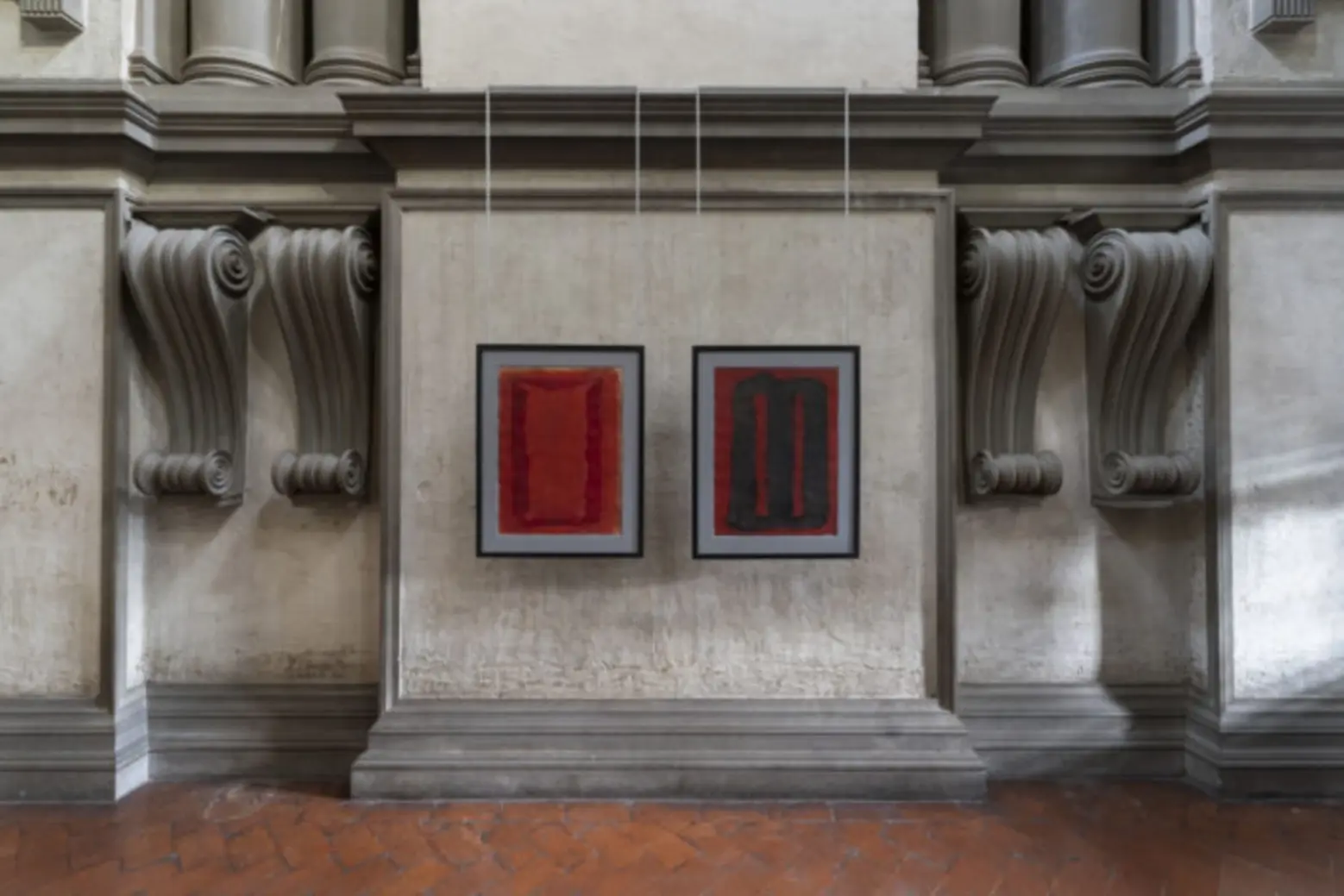
Recent coverage of the show also notes the inclusion of studies related to the Seagram Murals and later works such as Gray, Orange, Maroon No. 8 from 1960 (the painting was scratched by a child at the Boijmans Van Beuningen museum in Rotterdam last year), which deepen the exhibition’s sense of gravity and late-period introspection.
For visitors, the practical appeal is strong as well. The main exhibition at Palazzo Strozzi is open daily from 10:00 a.m. to 8:00 p.m., with Thursday hours extended to 11:00 p.m., while the satellite venues offer reduced cross-admission for ticket holders. Still, the true achievement of Rothko in Florence lies elsewhere: it frames Rothko as an artist of space, devotion, and atmosphere, then lets Florence finish the sentence.