At Art Brussels 2026, the fair felt less like a marketplace and more like a carefully staged argument for why contemporary art still needs space, silence and material risk.
Art Brussels 2026 Turns The Fair Into A Curated Stage
At Art Brussels 2026, the fair felt less like a marketplace and more like a carefully staged argument for why contemporary art still needs space, silence and material risk.
April 24, 2026


The 42nd edition of Art Brussels 2026, held from April 24 to 26 inside the Art Deco halls of Brussels Expo, confirmed the fair’s growing distance from the overcrowded art-market “supermarket” model. With 138 galleries from 27 countries, the fair leaned into a more deliberate rhythm, arranging contemporary art through sections that felt closer to chapters than commercial categories. Prime, Discovery, ’68 Forward, Solo and the newly introduced Horizons gave visitors a way to move between established names, emerging practices, historical reappraisal and monumental experimentation.

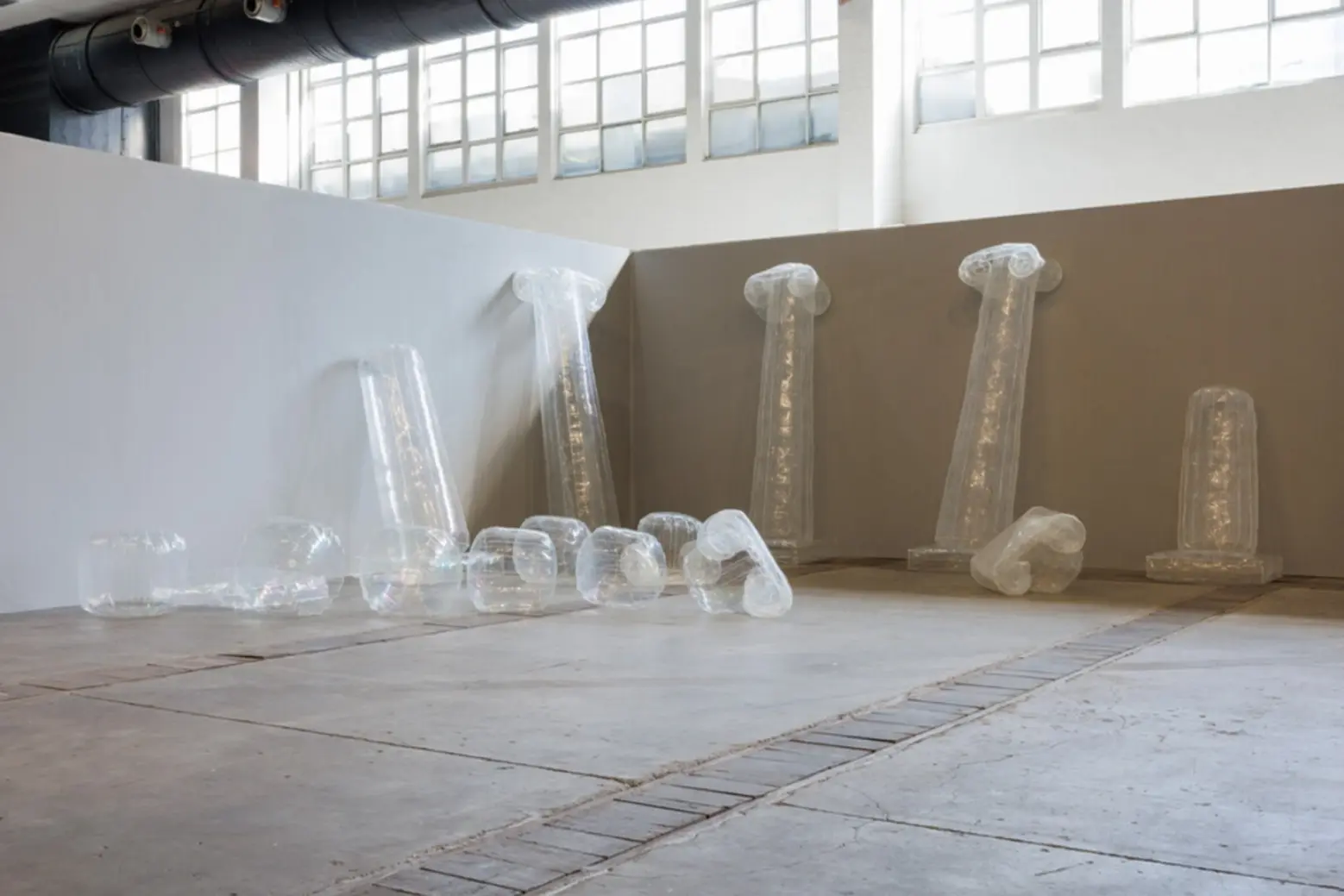
The major shift was Horizons, curated by Devrim Bayar, senior curator at KANAL-Centre Pompidou. Designed for large-scale works beyond the limits of the booth, the section turned the fair into a scenographic parcours, bringing a museum-like tempo into a commercial setting. Zuzanna Czebatul’s T-Kollaps captured that tension with particular force, with inflated polyethylene architectural fragments evoked classical ruins made fragile, unstable and oddly theatrical. Institutional authority, here, appeared less like marble permanence and more like a structure that could breathe, sag and collapse.
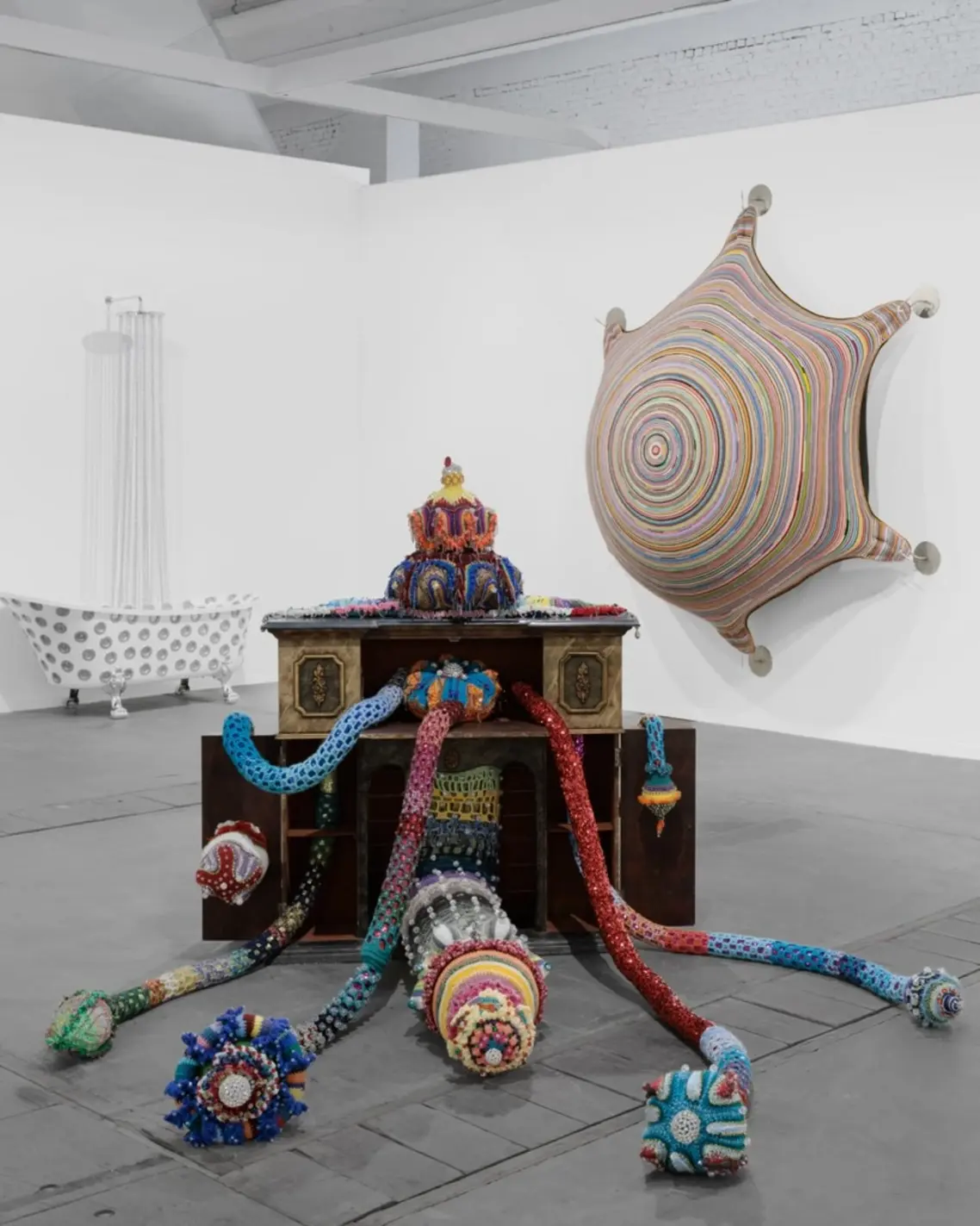
Across the main sections, Art Brussels 2026 also placed technical intelligence at the center of its identity. Prime, with 83 galleries, remained the fair’s core, while Discovery highlighted younger or under-recognized positions and Solo offered 26 monographic booths. The fair’s best moments came from artists who treated material as argument: Johan Creten’s ceramic intensity, Oliver Beer’s sound-driven pigment processes, Ritsart Gobyn’s trompe-l’œil challenges to pictorial reality, Joana Vasconcelos’s textile monumentality and Herman de Vries’s organic materials all pushed craft beyond decoration.

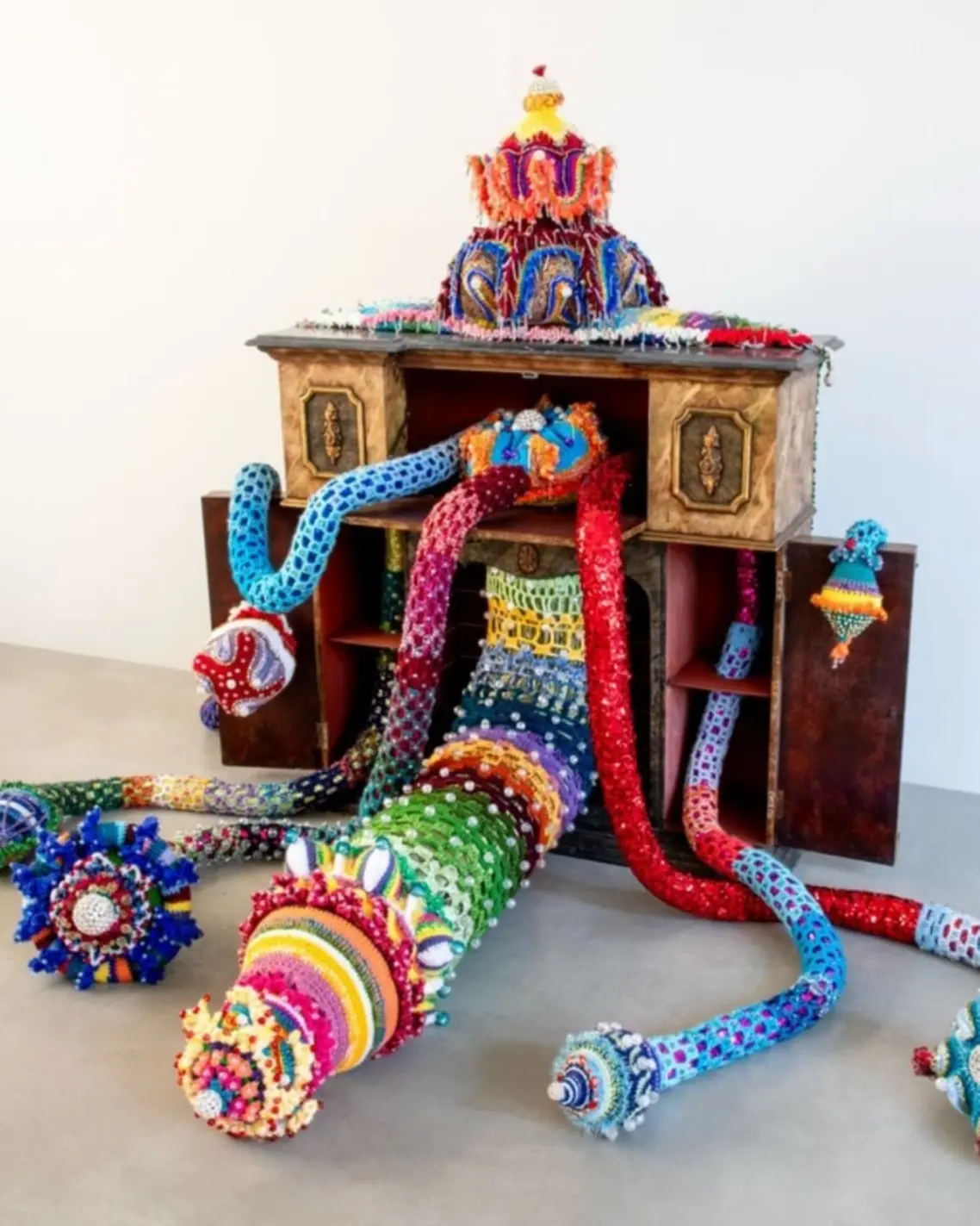
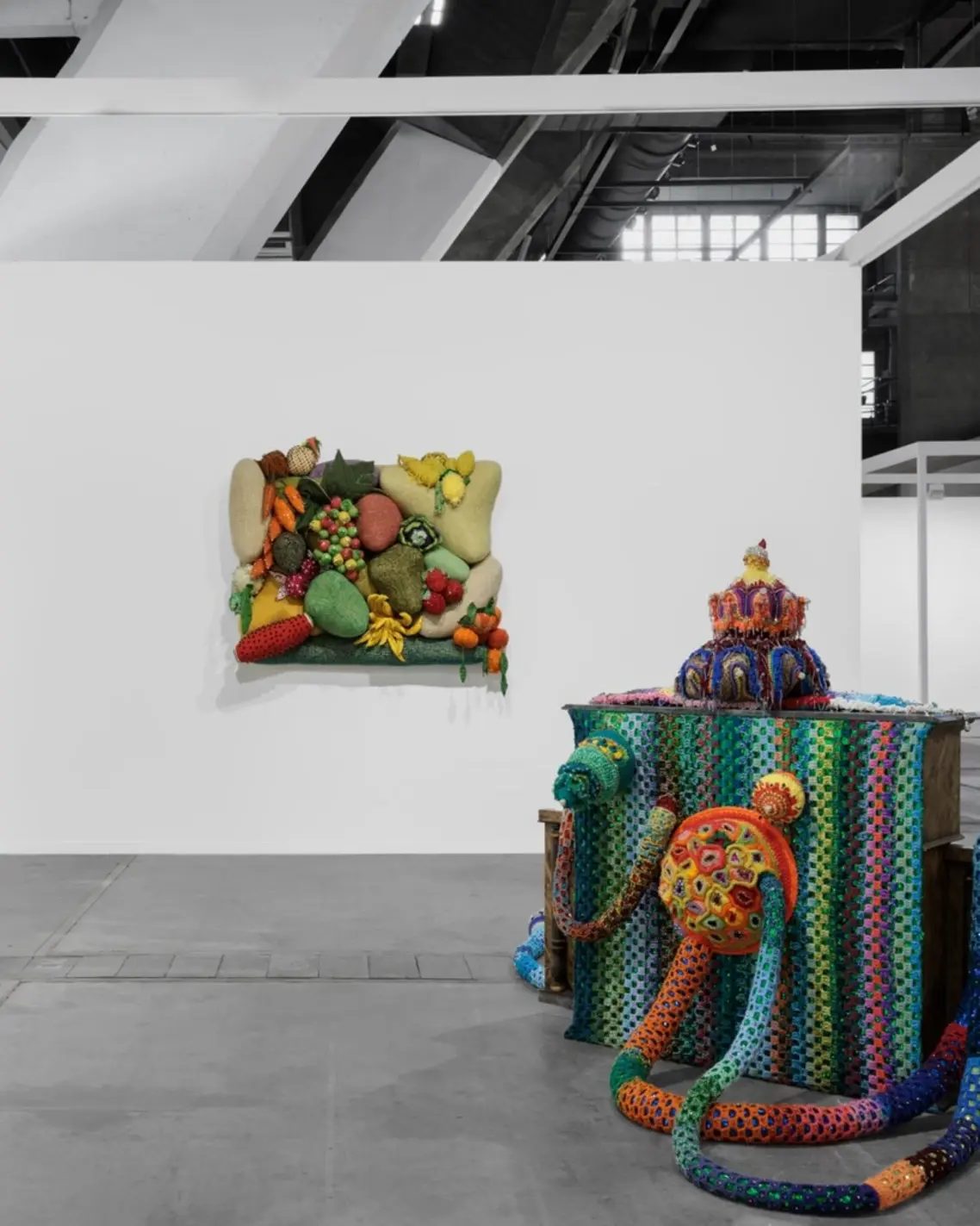
The Belgian context gave the fair its grounding. Nearly a third of exhibitors came from Belgium, while special projects such as “Not Everything Is For Sale” paid tribute to the country’s gallerist history. The KickCancer Collection added another layer of civic purpose, offering anonymous postcard-sized artworks at a fixed price of €400, with proceeds supporting the Belgian KickCancer Foundation.
What made Art Brussels 2026 feel especially sharp was the friction between setting and substance. The 1935 Brussels Expo halls offered geometry, history and discipline and the art answered with unstable materials, handmade gestures and emotional residue. In that contrast, the fair found its real statement. Contemporary art does not need to shout to feel urgent. Sometimes it only needs the right room, the right pressure and the courage to slow the market down.