MENU
Close





From the secret hideaways of the ultra-wealthy, private islands have become the epicenter of a multibillion-dollar industry, where the ancient desire for perfect solitude meets the modern corporate ambition for total control. This is the story of how the ultimate escape is being engineered for the future.
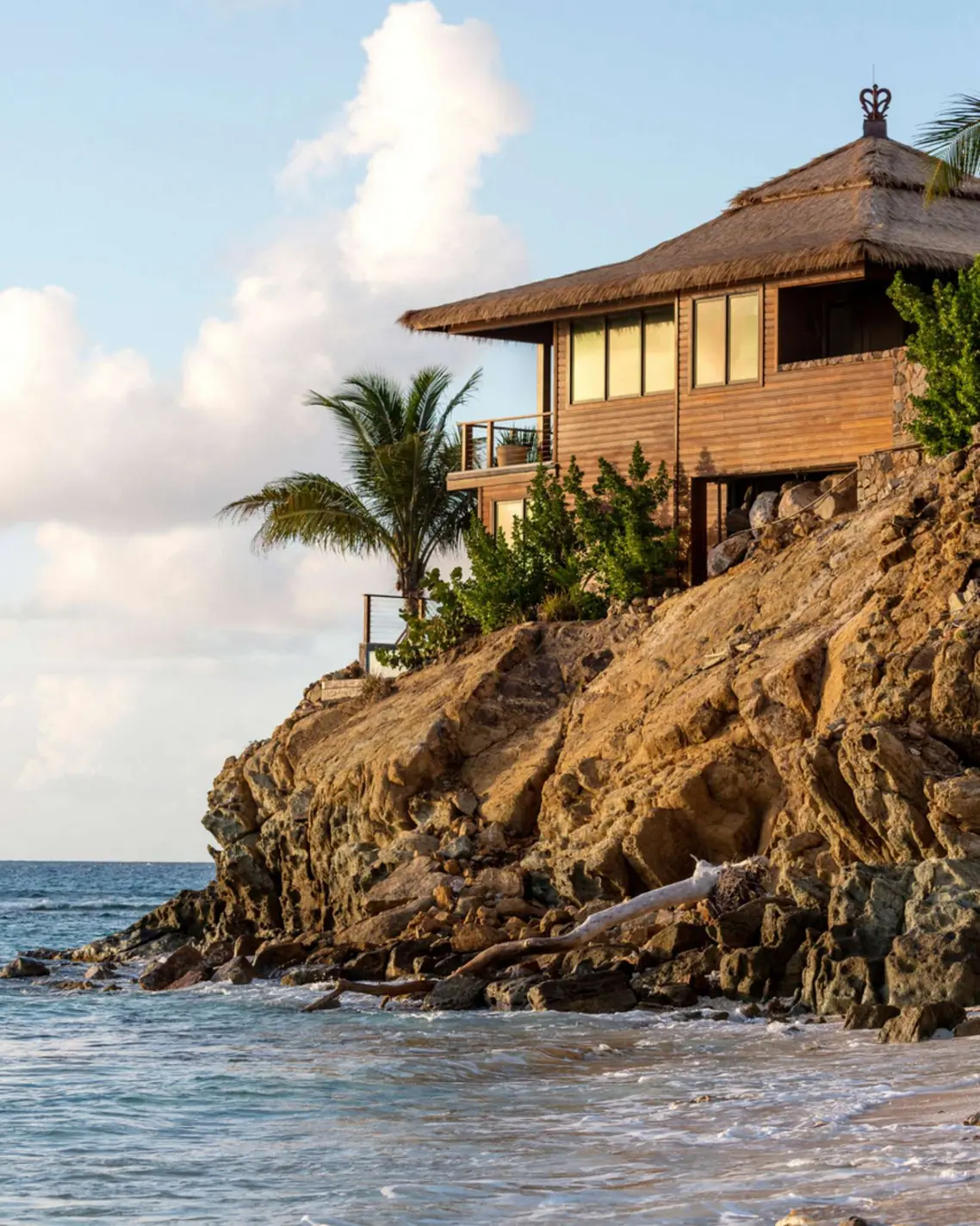
From the secret hideaways of the ultra-wealthy, private islands have become the epicenter of a multibillion-dollar industry, where the ancient desire for perfect solitude meets the modern corporate ambition for total control. This is the story of how the ultimate escape is being engineered for the future.
December 8, 2025


In the late 1970s, Sir Richard Branson set out to impress the woman he loved and instead ended up redefining modern luxury travel. His unlikely purchase of Necker Island transformed a romantic gamble into a global blueprint: the idea that a private island could be more than a hideaway for the elite. It could be a curated world, a branded story, and a new frontier of hospitality.
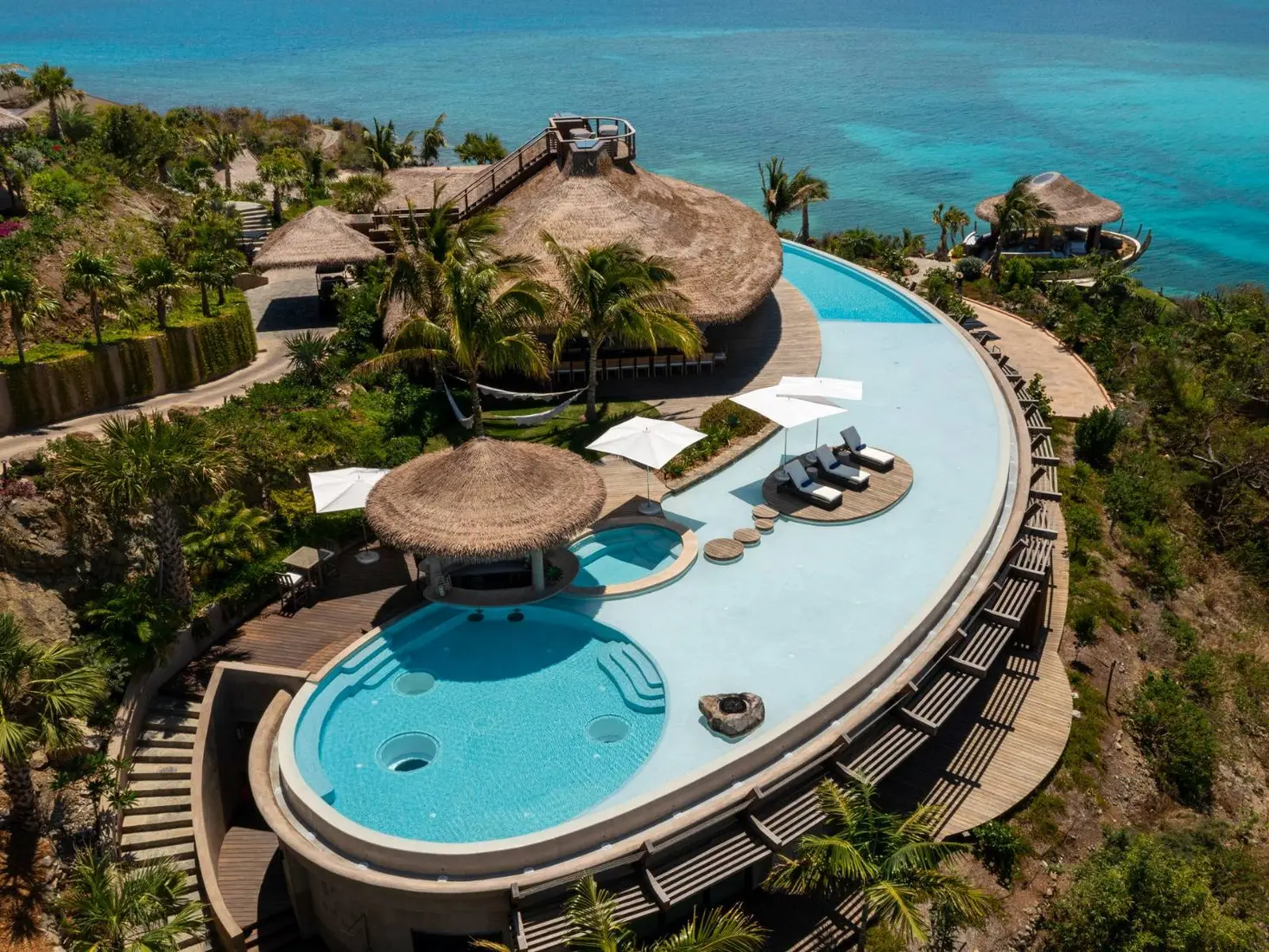
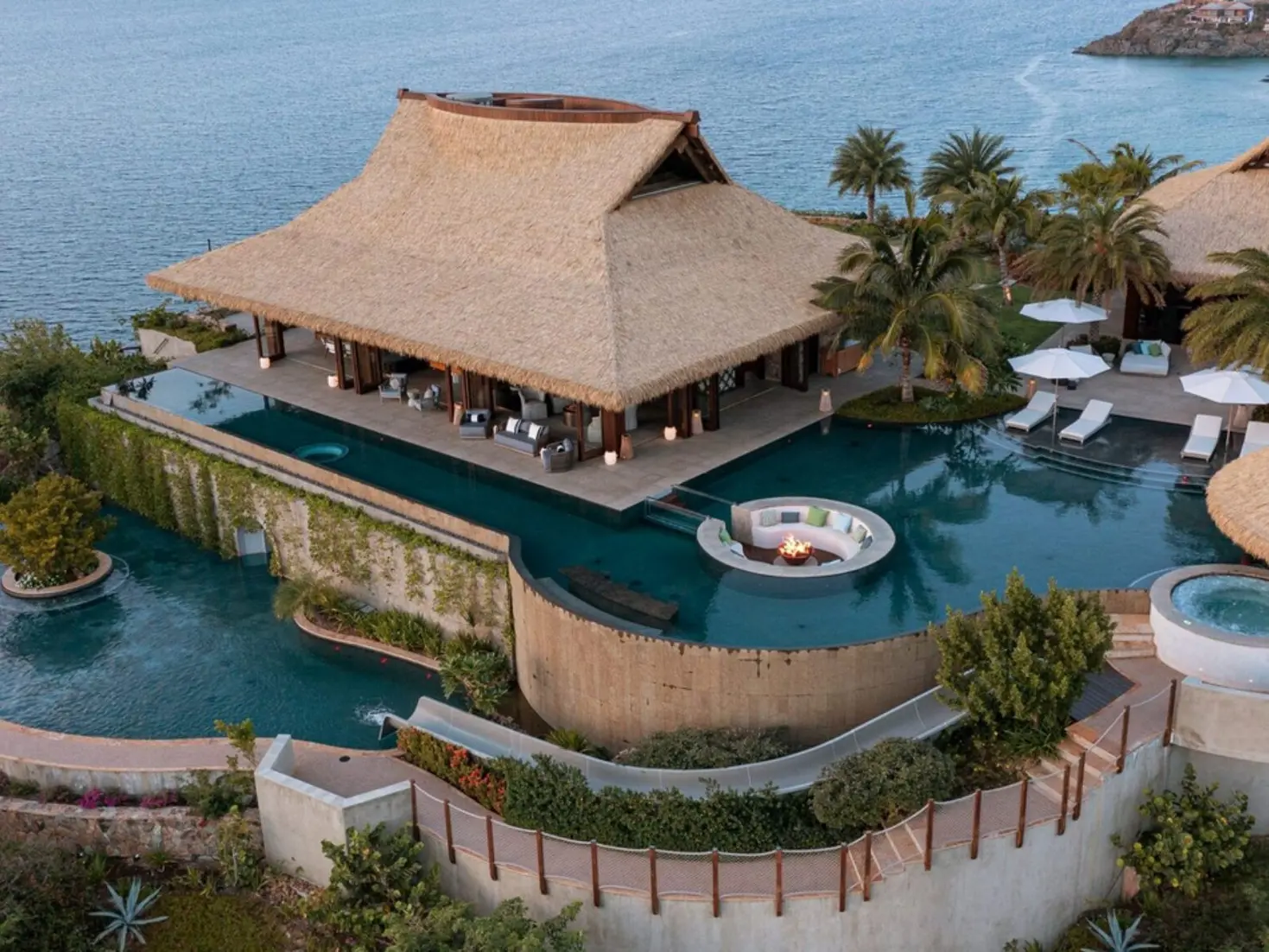
Private island tourism has since evolved into one of the most dynamic forces in global travel, reshaping how both individuals and companies imagine escape. Once symbolic of extreme exclusivity, private islands are now central to the experience economy, driven by a growing demand for privacy, personalization, and controlled environments. Major cruise lines have developed fully branded islands — such as Royal Caribbean’s Perfect Day at CocoCay and MSC’s Ocean Cay Marine Reserve, designed to keep travelers within immersive, high-spend ecosystems. At the same time, luxury hotel groups like Aman, Four Seasons, and Marriott have established island sanctuaries that pair sustainability with high design, turning remote atolls into eco-conscious retreats.
Once the ultimate symbol of seclusion, private islands are now among the most sought-after assets in luxury real estate, and not just by individuals.
Since the pandemic, sales of private islands have surged as people seek space, privacy, and a deeper connection with nature, says Chris Krolow, founder and CEO of Private Islands Inc. Known for HGTV’s Island Hunters, Krolow observes that the market now extends beyond individual dreamers to include cruise lines, hotel groups, and major investors: "They’re realizing what Branson did decades ago, that when you control the island, you control the entire experience.”
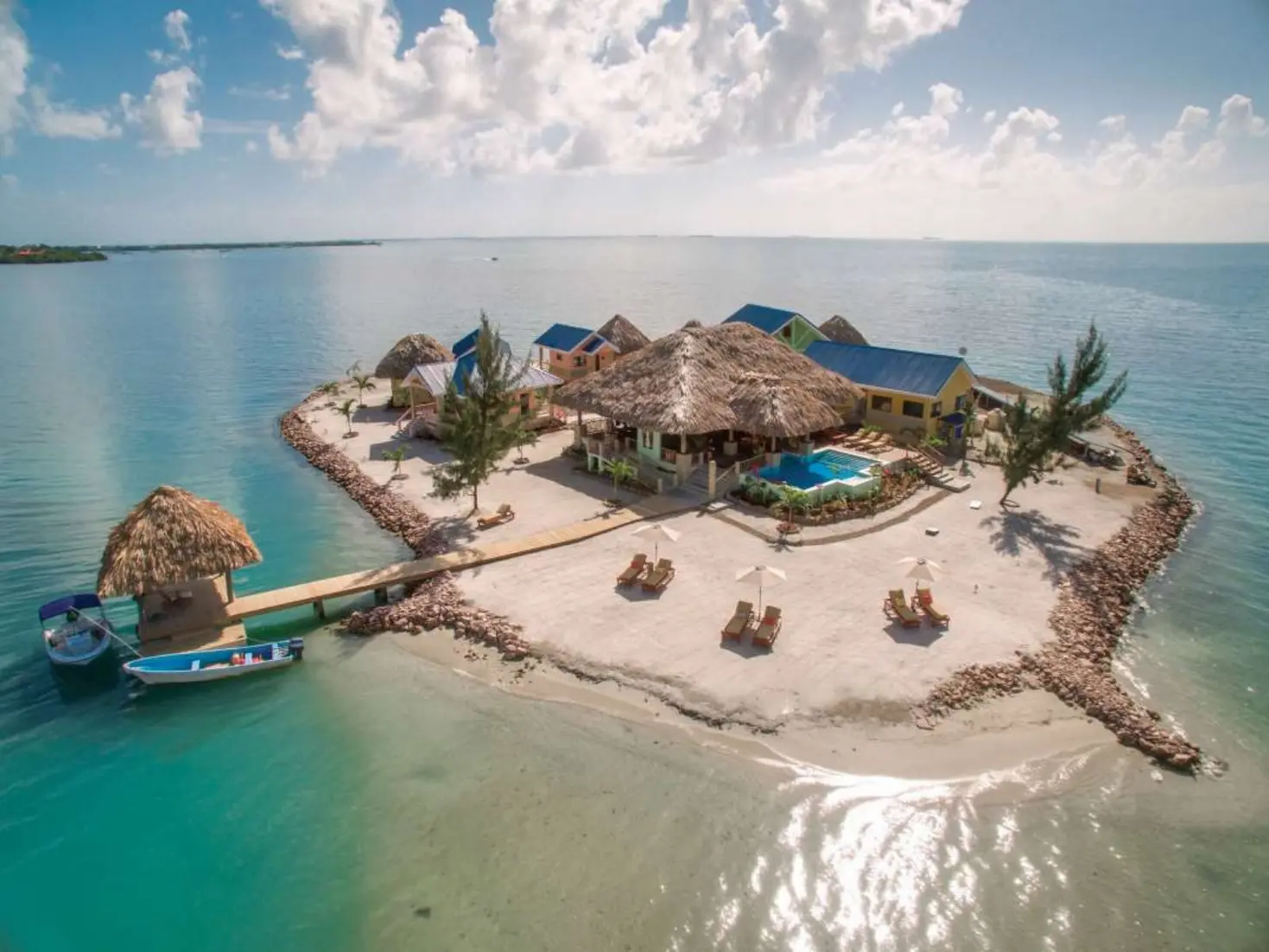
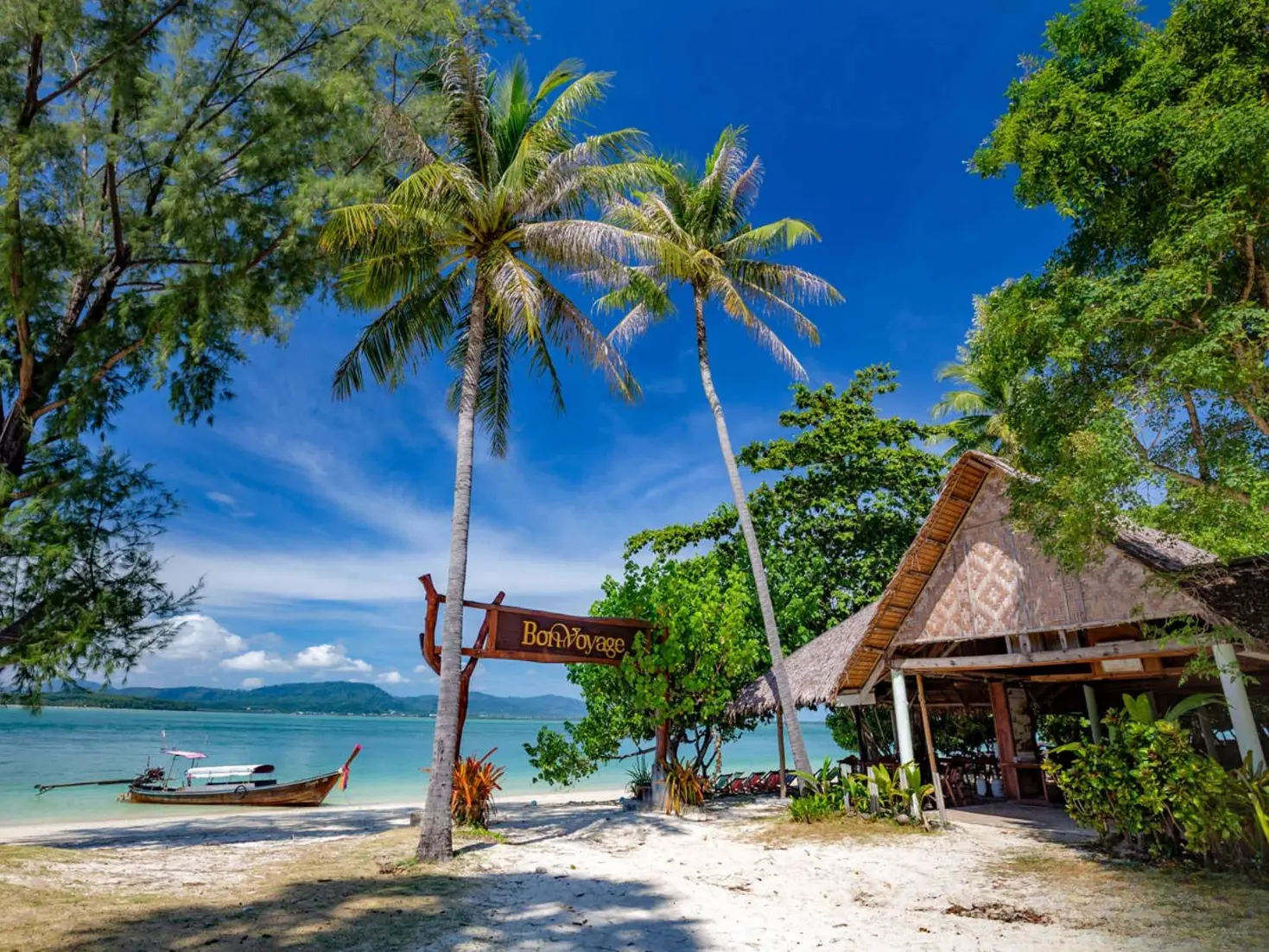
Prices today range from under $30,000 for a tiny plot in Belize to over $160 million for Thailand’s Rangyai Island. Yet the appeal goes deeper than numbers. To own an island is to shape an ecosystem of privacy and possibility.
The rise of private islands is transforming the cruise industry. Once reliant on public ports and crowded coastal towns, major cruise operators are now investing heavily in their own exclusive islands. These multipurpose paradises are designed to keep guests (and their wallets) firmly within company ecosystems.
Royal Caribbean’s Perfect Day at CocoCay is the flagship example. Located 130 miles east of Miami, this $250 million transformation of a once-sleepy Bahamian cay now draws more than 3.5 million visitors annually, up from just one million in its inaugural year of 2019. With waterparks, overwater cabanas, beach clubs, and family zones, CocoCay has evolved from a port stop into a full-fledged destination, redefining what a day at sea can mean.
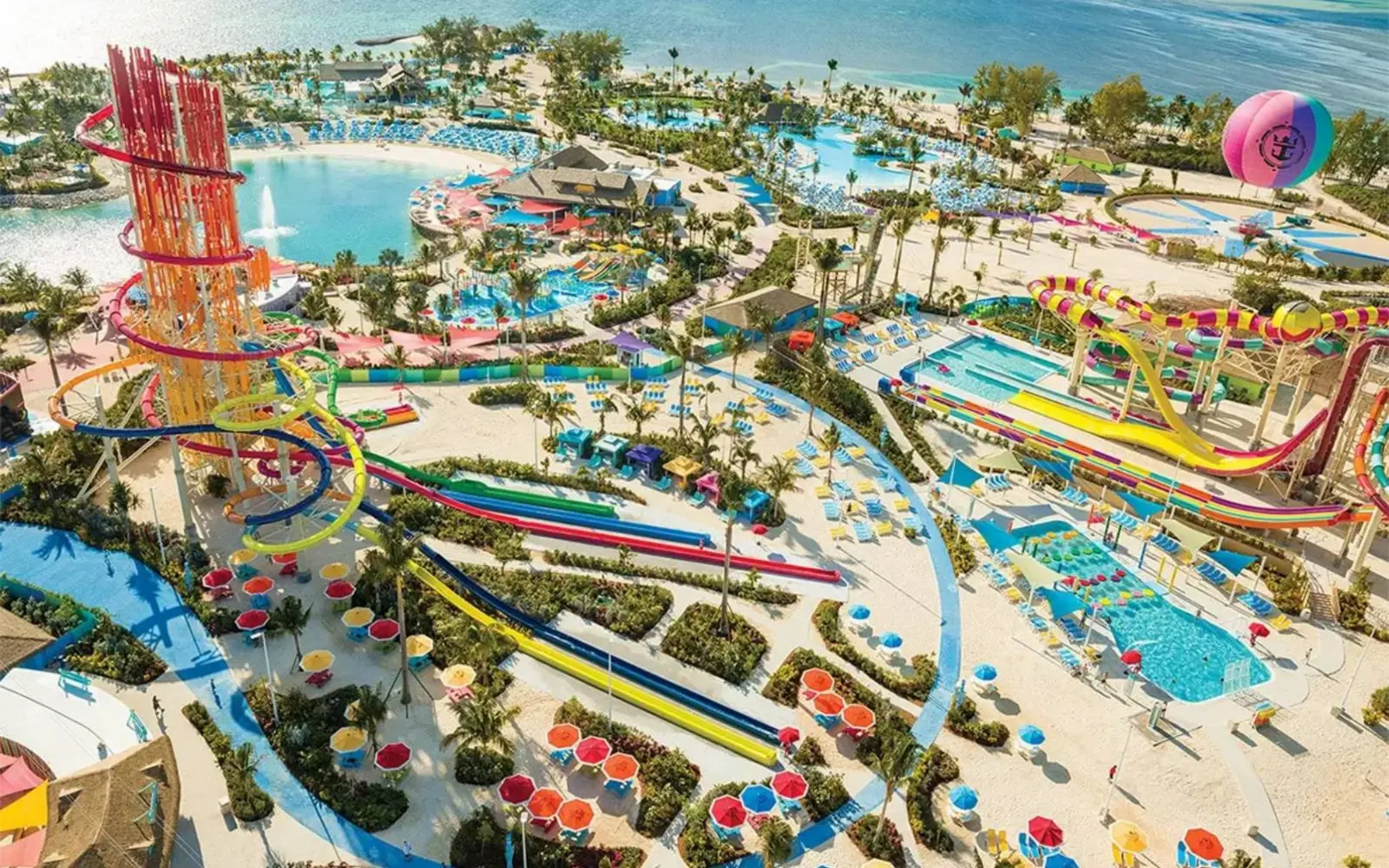
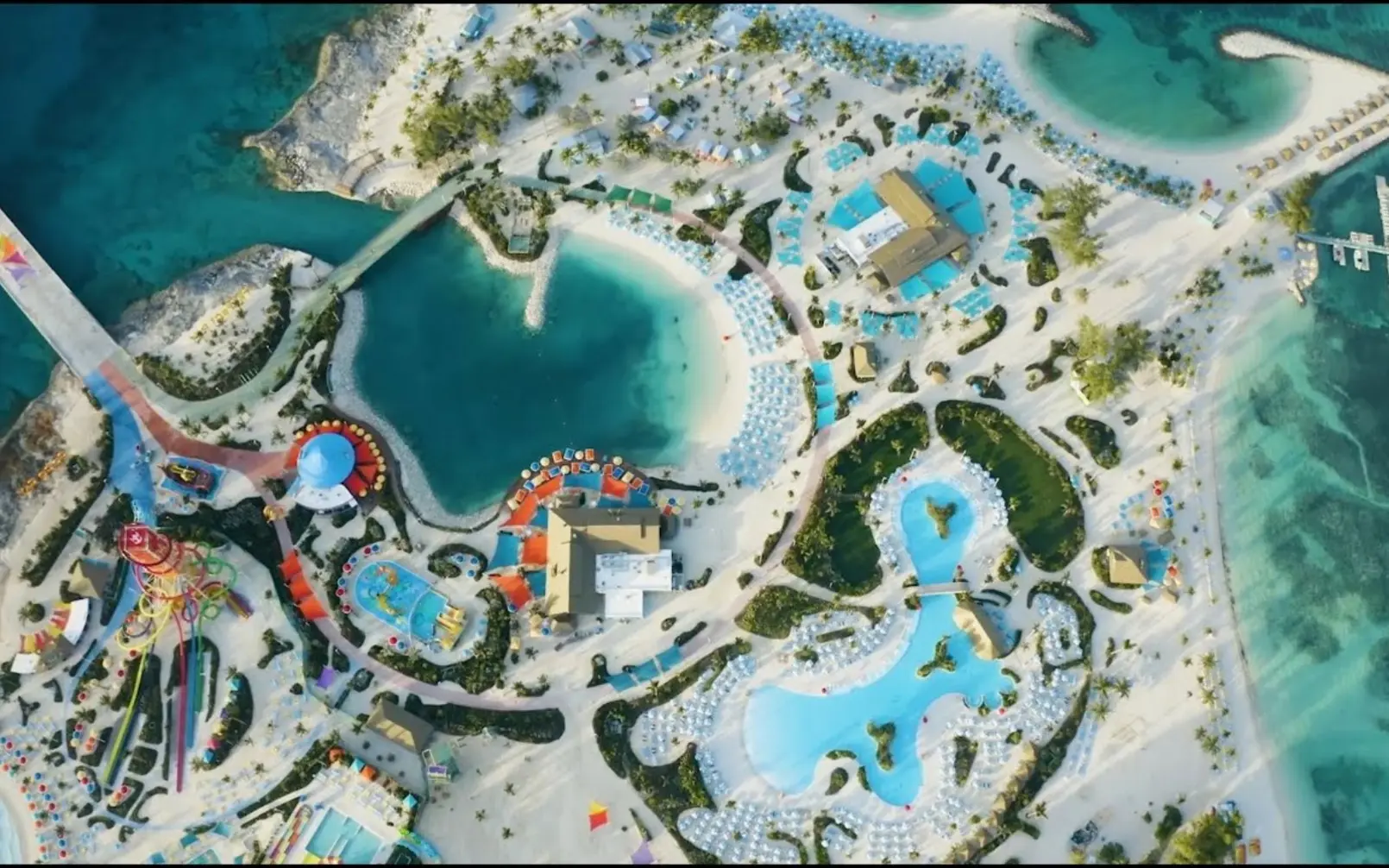
Other companies have followed suit. Norwegian Cruise Line operates Great Stirrup Cay in the Bahamas and Harvest Caye in Belize. Both combine resort-style amenities with ecological touches, such as mangrove restoration and coral protection zones. MSC Cruises has developed Ocean Cay MSC Marine Reserve, a 95-acre island in the Bahamas that doubles as a marine habitat restoration project. Royal Caribbean, meanwhile, is planning new developments in Vanuatu and the Gulf of Mexico, signaling a move toward broader global expansion.
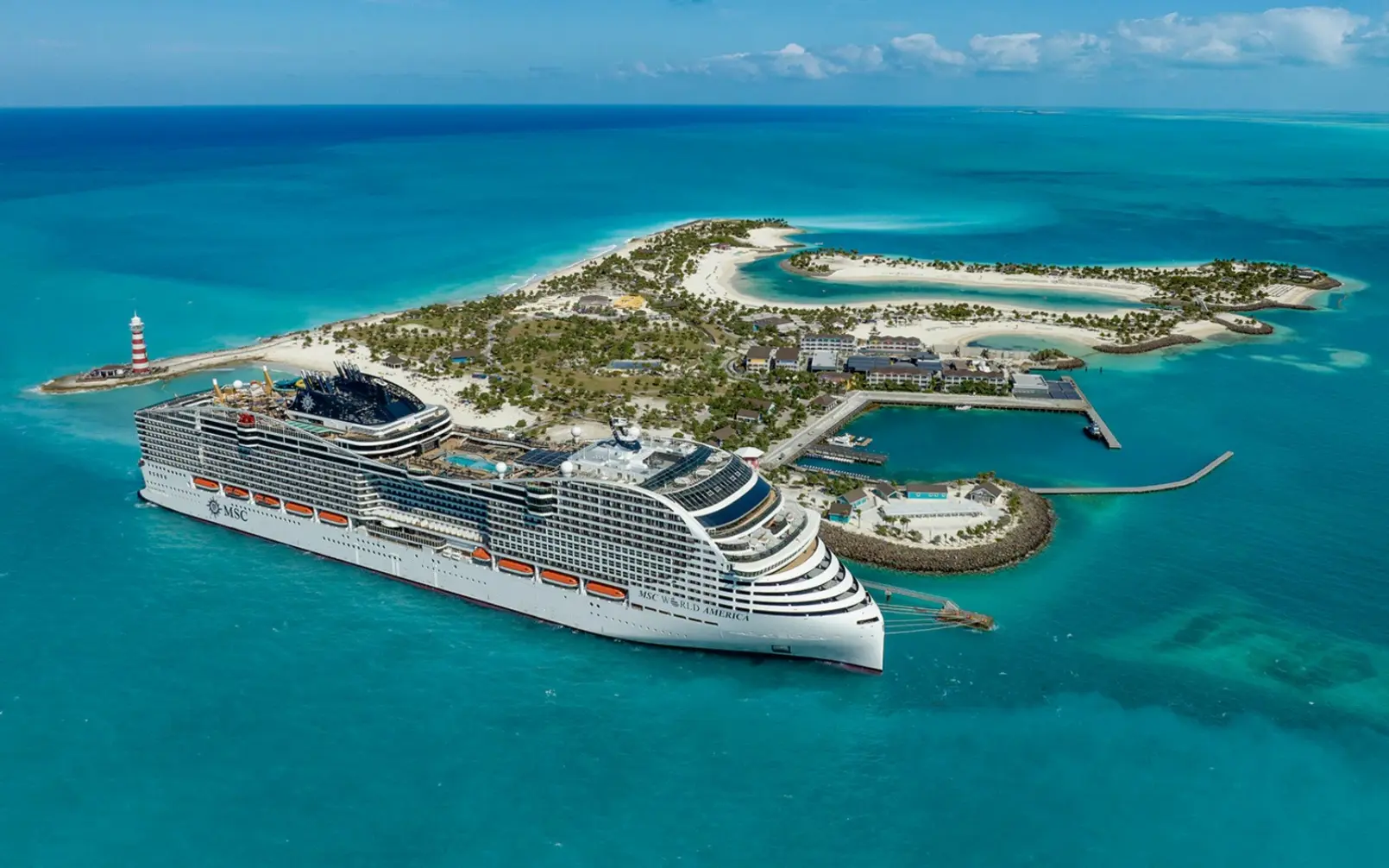
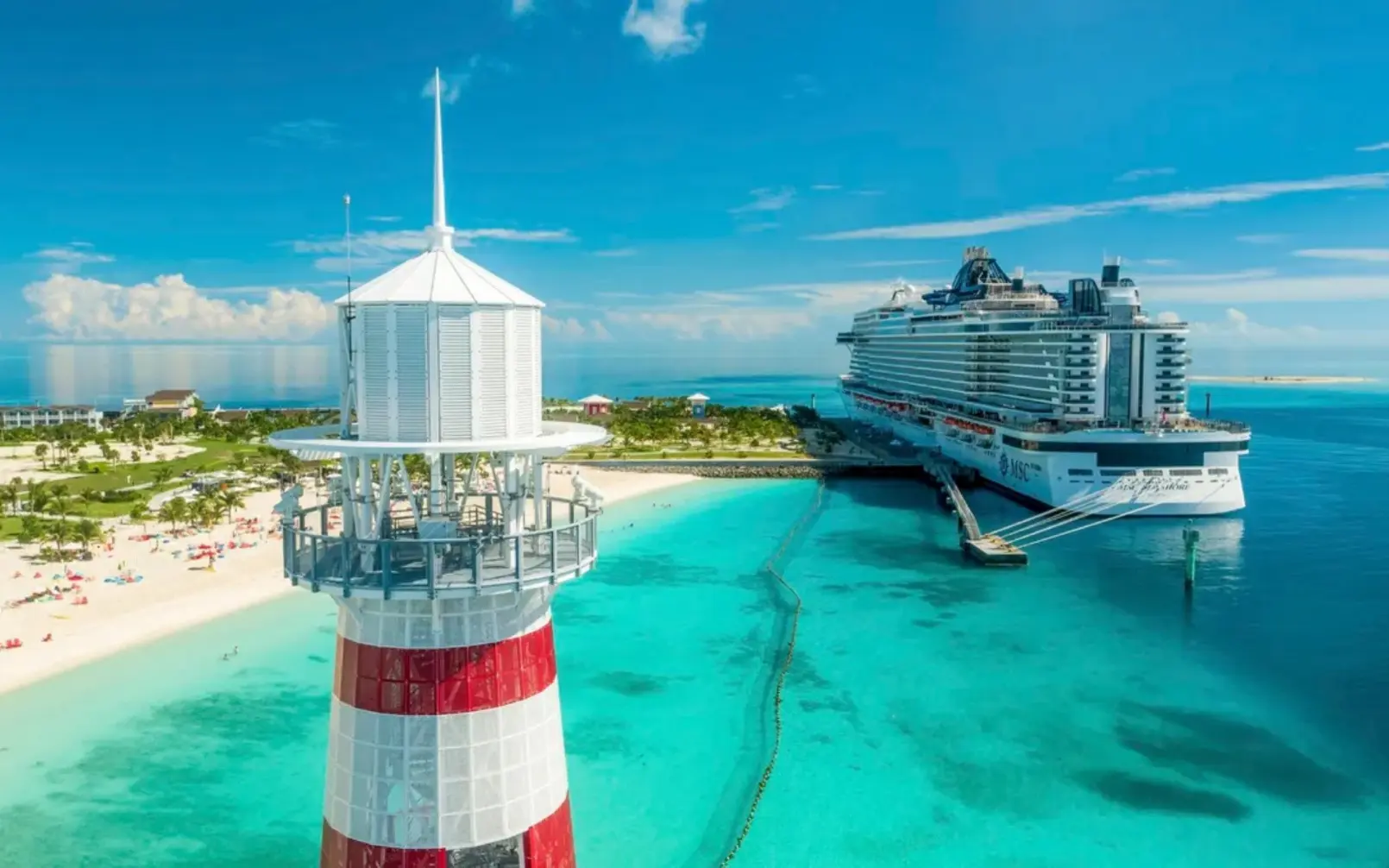
According to Bloomberg, since 2019 cruise companies have poured more than $1.5 billion into developing at least 15 private island destinations across the Caribbean and beyond. The strategy is clear: by creating controlled environments offering sunshine, safety, and exclusivity, cruise lines can deliver the dream of a perfect island escape, while keeping every aspect of that dream in-house.
For cruise operators and hospitality brands alike, private islands represent the next frontier of the “experience economy.” They offer total control over every sensory detail — the food, the music, the design, even the sand underfoot, allowing companies to fine-tune their brand storytelling in ways public destinations never could.
“They’re not just selling rooms or excursions anymore. They are selling the fantasy of perfect isolation and the comfort of knowing every element is curated and safe”, said travel analyst Leila Morton.
That promise proved irresistible during and after the pandemic. Islands offered not only distance but differentiation — a chance to reset the luxury travel narrative around privacy, sustainability, and personalization. The result is a surge of investment from major hotel groups. Aman, Four Seasons, Accor, and Marriott now manage private island properties across the Maldives, Seychelles, and the South Pacific, each blending ecological stewardship with high design.
Operating a private island, as Branson discovered, is a herculean task. Supplies, staffing, water, and waste systems must all be managed independently, often at enormous cost. And while corporate ownership keeps revenue within the travel brands’ ecosystem, it can also keep tourists insulated from local economies, like sustainable tourism researcher Dr. Amélie Tanoa said: "Private islands are double-edged. They protect fragile environments and provide stable employment, but they can also divert money and interaction away from nearby communities.”
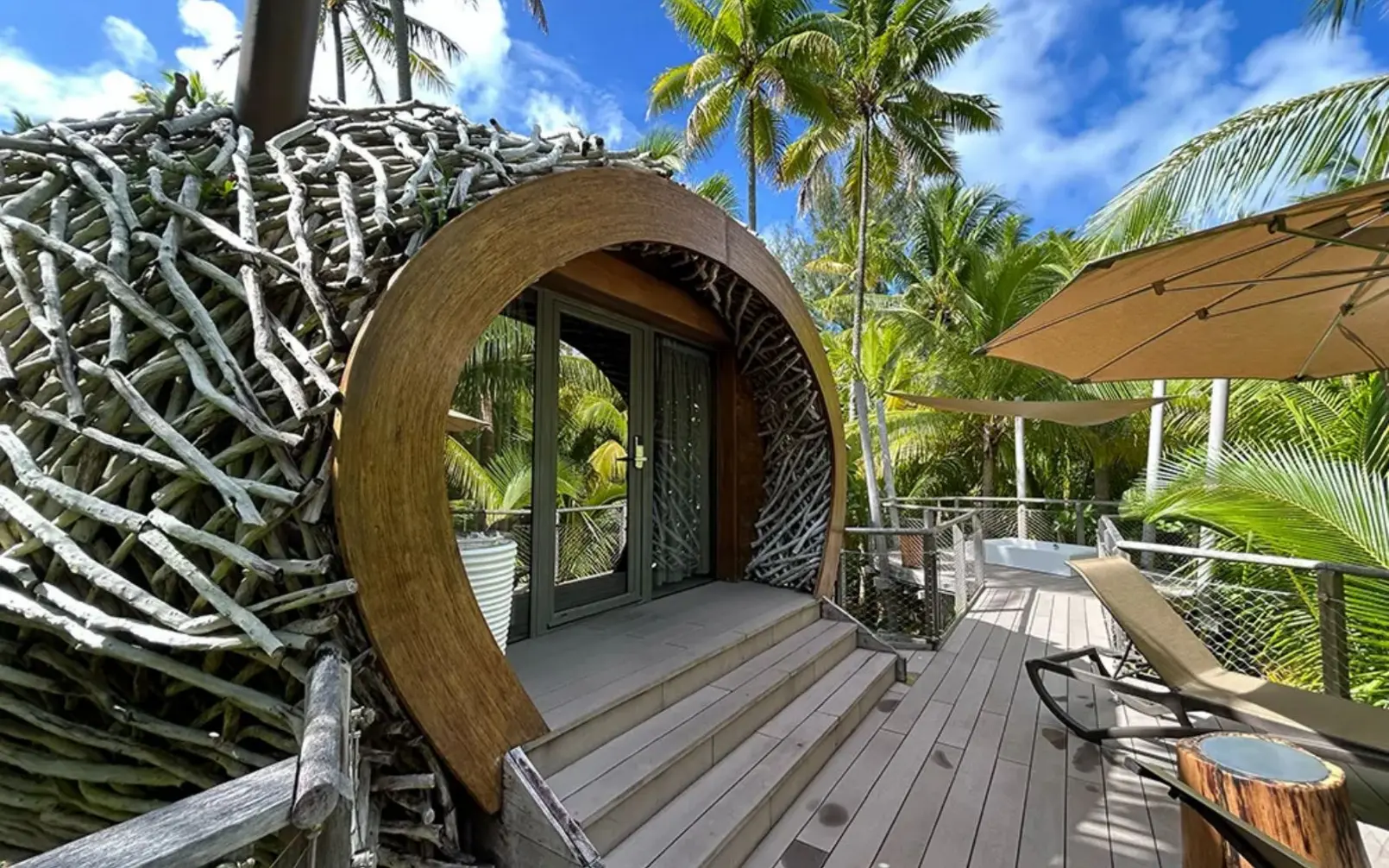
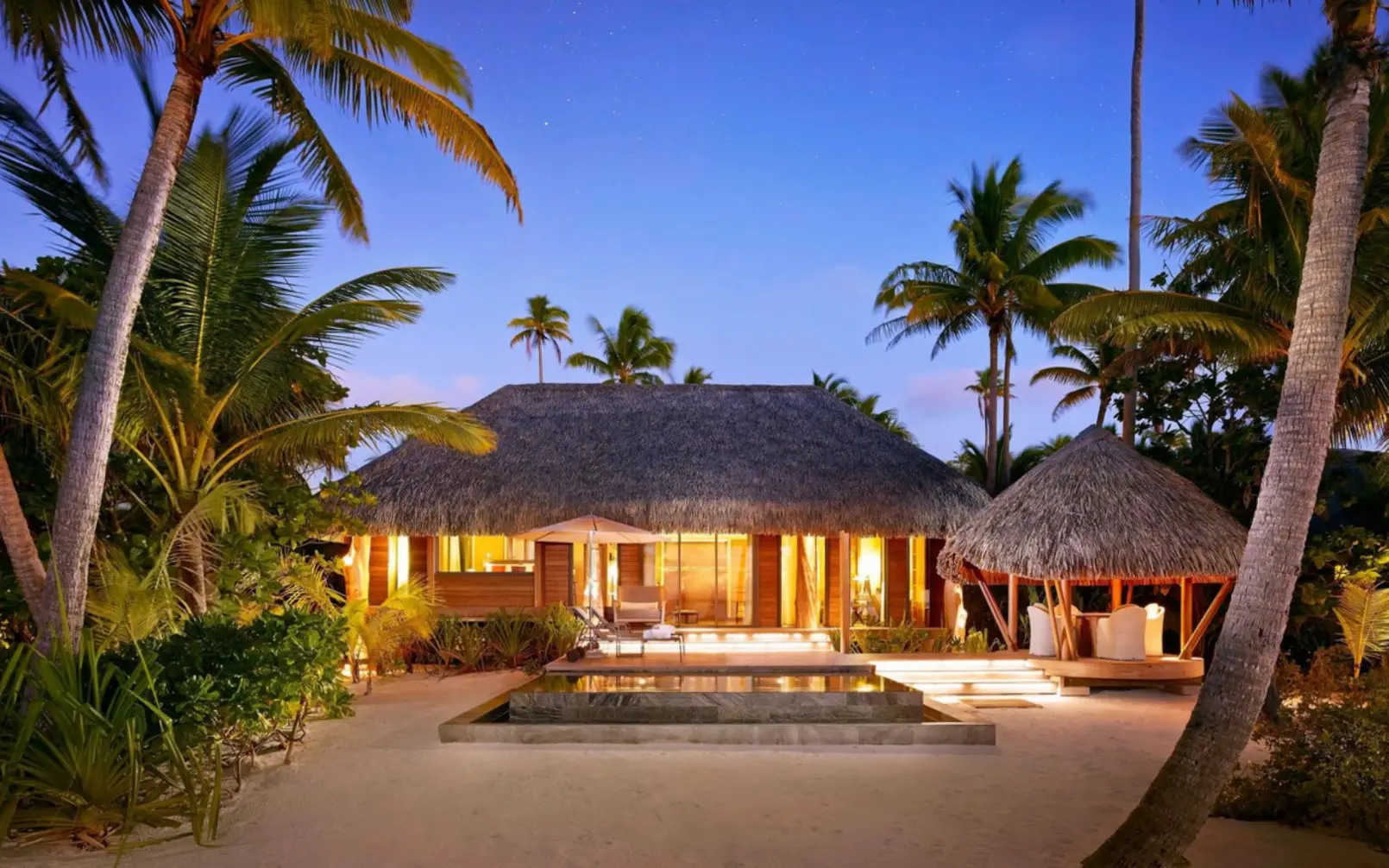
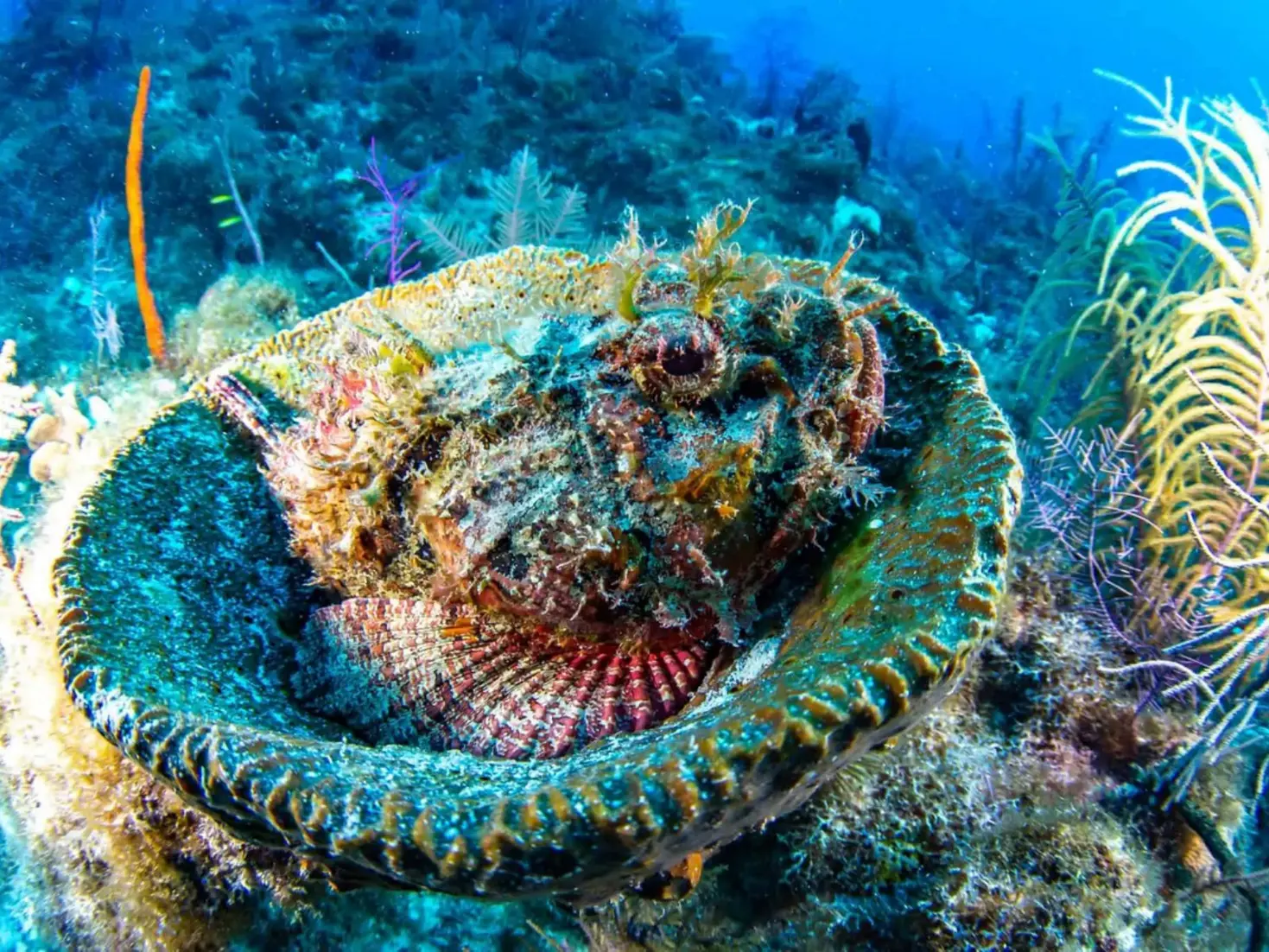
Some operators are addressing these concerns through conservation and community programs. The Brando Resort in French Polynesia, developed on Marlon Brando’s beloved Tetiaroa Atoll, runs entirely on renewable energy and funds local marine research through the Tetiaroa Society. Similarly, MSC’s Ocean Cay has become a marine sanctuary, restoring reefs damaged by decades of sand mining.
The emerging ideal is what Morton calls “ethical escapism” — destinations that promise privacy without exploitation, luxury without guilt.
If the 20th century was about discovering islands, the 21st is about designing them. Sustainable “green islands” powered by hybrid or zero-emission systems are in active planning stages.
And while the Caribbean remains the nucleus of private island tourism, new frontiers are emerging in the South Pacific, Southeast Asia, and Australia.
In parallel, the private island real estate market continues to expand, driven by both climate anxiety and digital freedom.
Private islands embody the ultimate contradiction of modern travel: the desire to be alone, facilitated by vast systems of global capital, technology, and logistics. They are both escape and enterprise, solitude and spectacle.
As the world’s coastlines grow busier and its oceans warmer, islands will remain the dream that refuses to fade. They are a symbol of what luxury once was and what it might yet become. Whether carved into billion-dollar cruise destinations or quietly preserved as sanctuaries of sustainability, they continue to answer an ancient call: to find a place apart.
When Richard Branson bought Necker Island with a 97 percent discount on its asking price, he had no idea he was defining the blueprint for a new kind of luxury. Four decades later, his gamble seems prophetic. Private islands have become microcosms of the travel industry’s future, where business, beauty, and belonging converge in one glittering horizon of turquoise and gold.