MENU
Close





Explore the legacy of Peter Lindbergh, the visionary who redefined fashion photography with raw, unretouched beauty. Discover his iconic 1990 Vogue cover, his philosophy of imperfection, and his lasting influence.
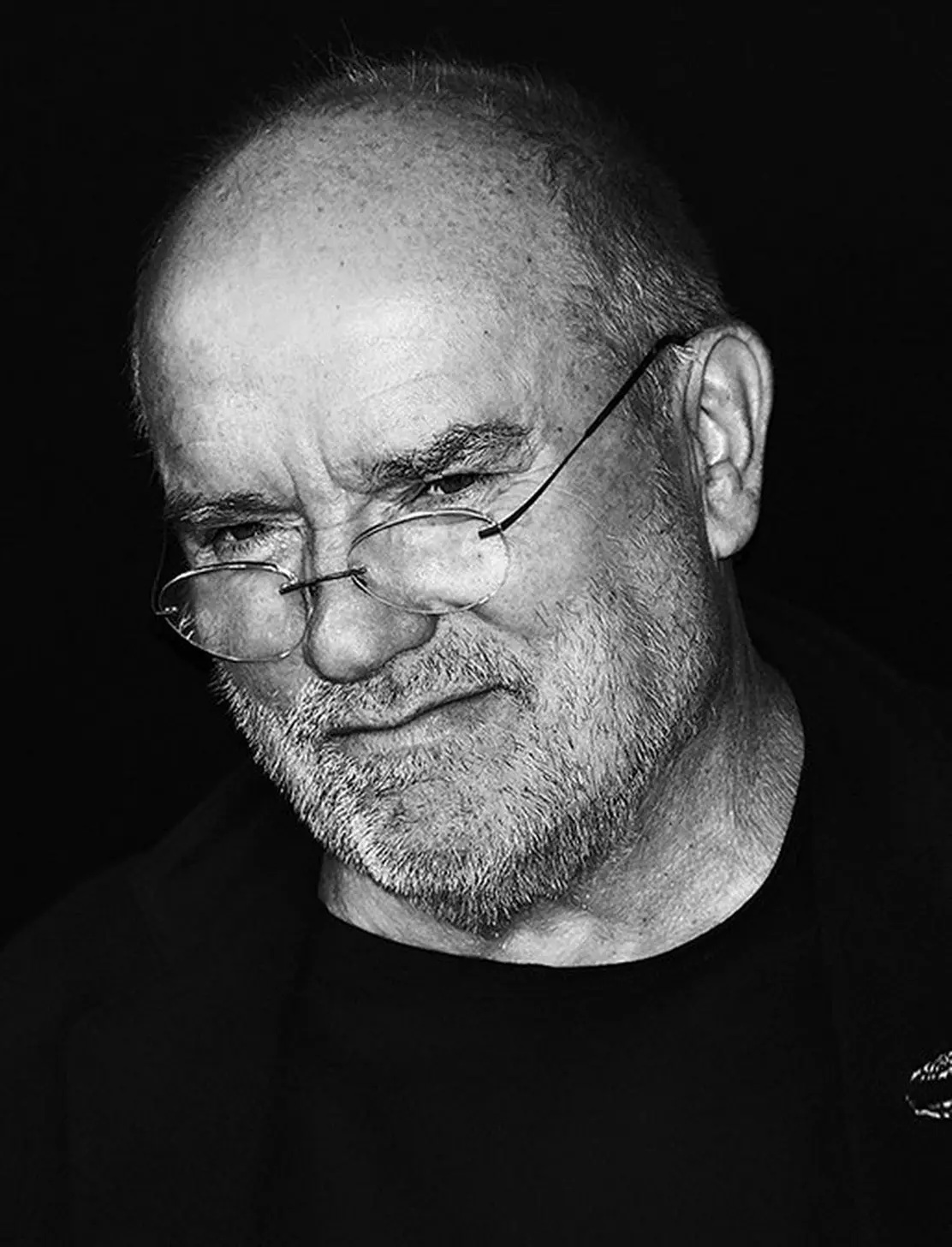
Explore the legacy of Peter Lindbergh, the visionary who redefined fashion photography with raw, unretouched beauty. Discover his iconic 1990 Vogue cover, his philosophy of imperfection, and his lasting influence.
January 13, 2026
Advertisement
Advertisement
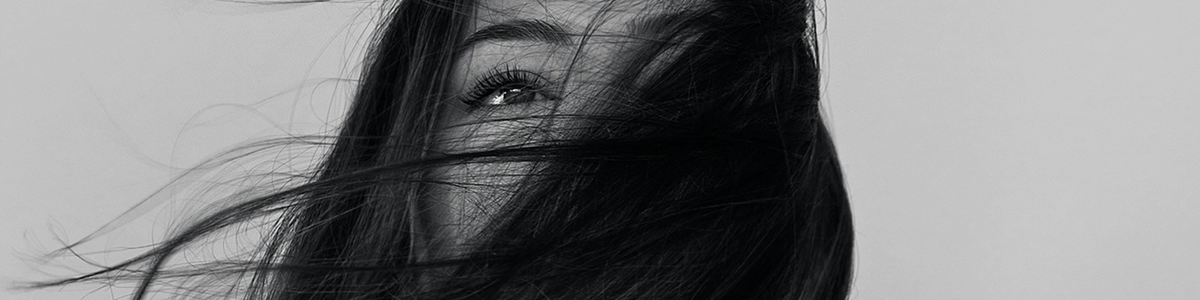


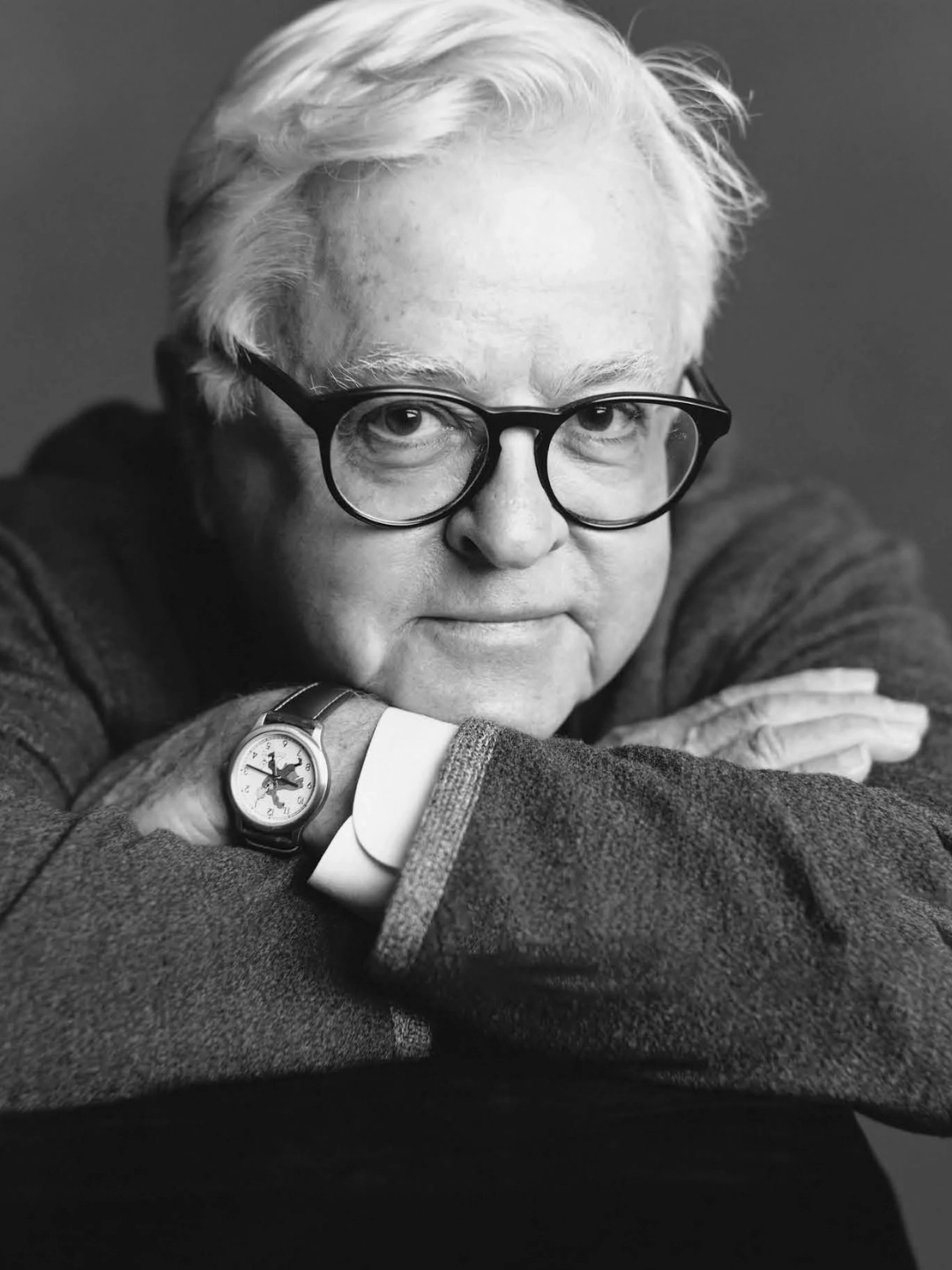
In a world obsessed with digital perfection, Peter Lindbergh taught fashion to breathe again. Through his iconic lens, beauty wasn't retouched - it was revealed. His powerful black and white fashion photography championed a radical idea: that authenticity is the highest form of elegance. This is the story of how one photographer's vision forever changed our definition of beauty.
The supermodel era was defined not by glitz, but by a moment of stunning simplicity. In 1989, Lindbergh gathered five young women - Naomi Campbell, Cindy Crawford, Linda Evangelista, Tatjana Patitz, and Christy Turlington - and gave a revolutionary directive: forget fashion to create a milestone for fashion photography.
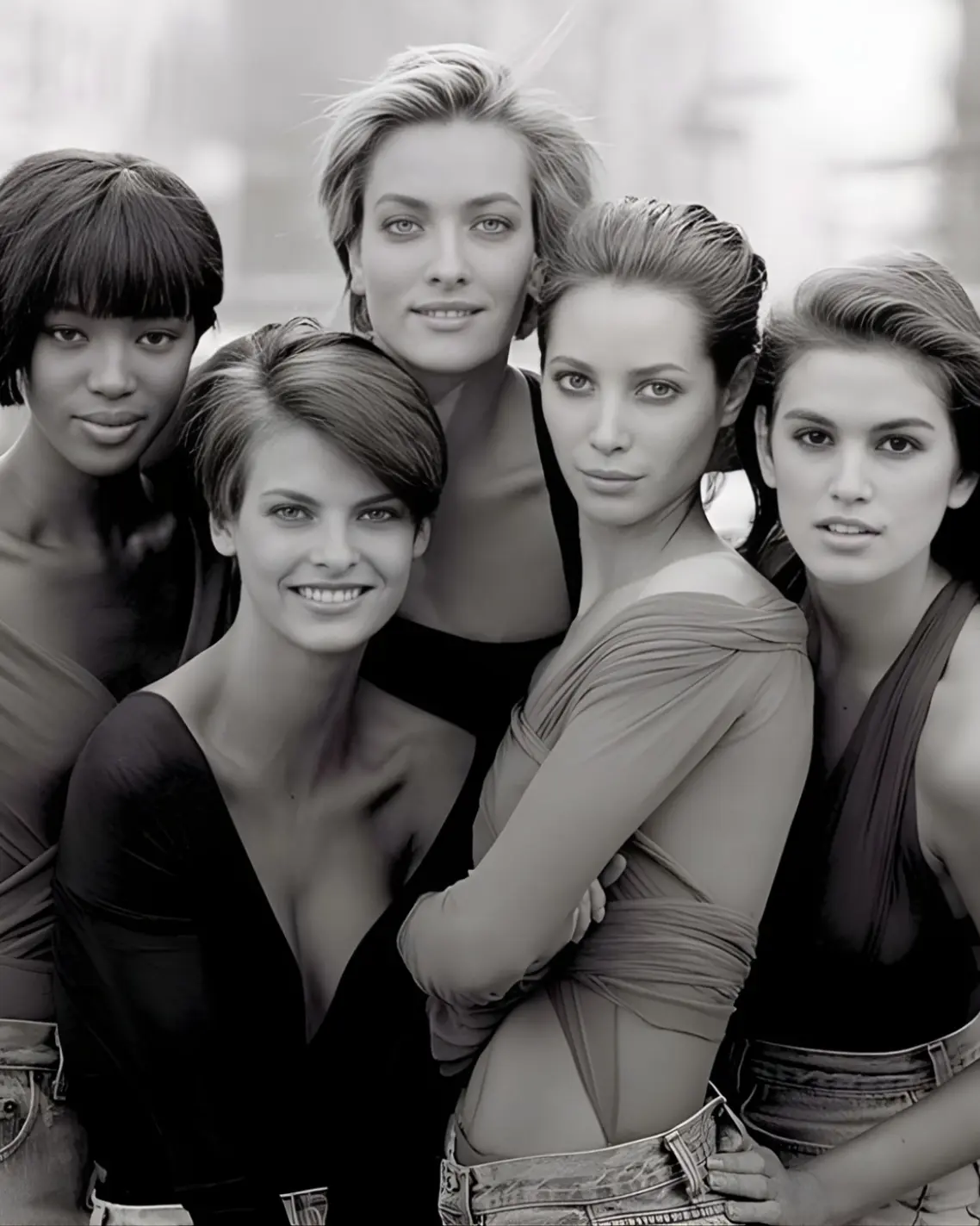
He shot them in plain white shirts, with no makeup, under natural light. The result, the iconic British Vogue January 1990 cover, was a cultural earthquake. It wasn't polished; it was alive. Lindbergh didn't create the supermodels; he humanized them, proving that charisma and personality mattered more than clothes.

"I don’t want people to look perfect. I want them to look real." - Peter Lindbergh. This philosophy defined his sets. Models weren't posing; they were being. He built trust, encouraged movement and conversation, and captured an intimacy that felt closer to a confession than a campaign.
While the 80s worshiped gloss, Peter Lindbergh brought raw, emotional grit. His signature black and white portraits were celebrated for what they included: every wrinkle, freckle, and scar. He believed these "imperfections" were proof of a life lived.
His work for Harper’s Bazaar and Vogue Italia rejected airbrushed ideals. He used bare, industrial backgrounds, steel walls, stormy beaches, placing the focus entirely on the subject's emotion and strength. This reached its peak with his revolutionary Pirelli Calendar 2017, where he shot actresses like Helen Mirren and Julianne Moore, unretouched and in natural light, shifting the calendar's focus from fantasy to authenticity.


In an age of digital illusion, Lindbergh’s refusal to retouch was a powerful ethical stance. It wasn't minimalism; it was empathy.
Lindbergh never separated fashion from narrative. "I photograph like I’m shooting a movie," he said. Trained as a painter and inspired by German cinema (Wim Wenders, Tarkovsky), he thought in terms of light, rhythm, and silent storytelling.
For luxury houses like Dior, Prada, and Jil Sander, he created campaigns that resembled film stills. The models seemed to exist in a larger story, possessing a life before and after the frame. This approach created unforgettable campaigns that sold an atmosphere and a mood, not just a product. His 2019 documentary, Women’s Stories, further explored this, turning his camera on the conversation about how women see themselves.
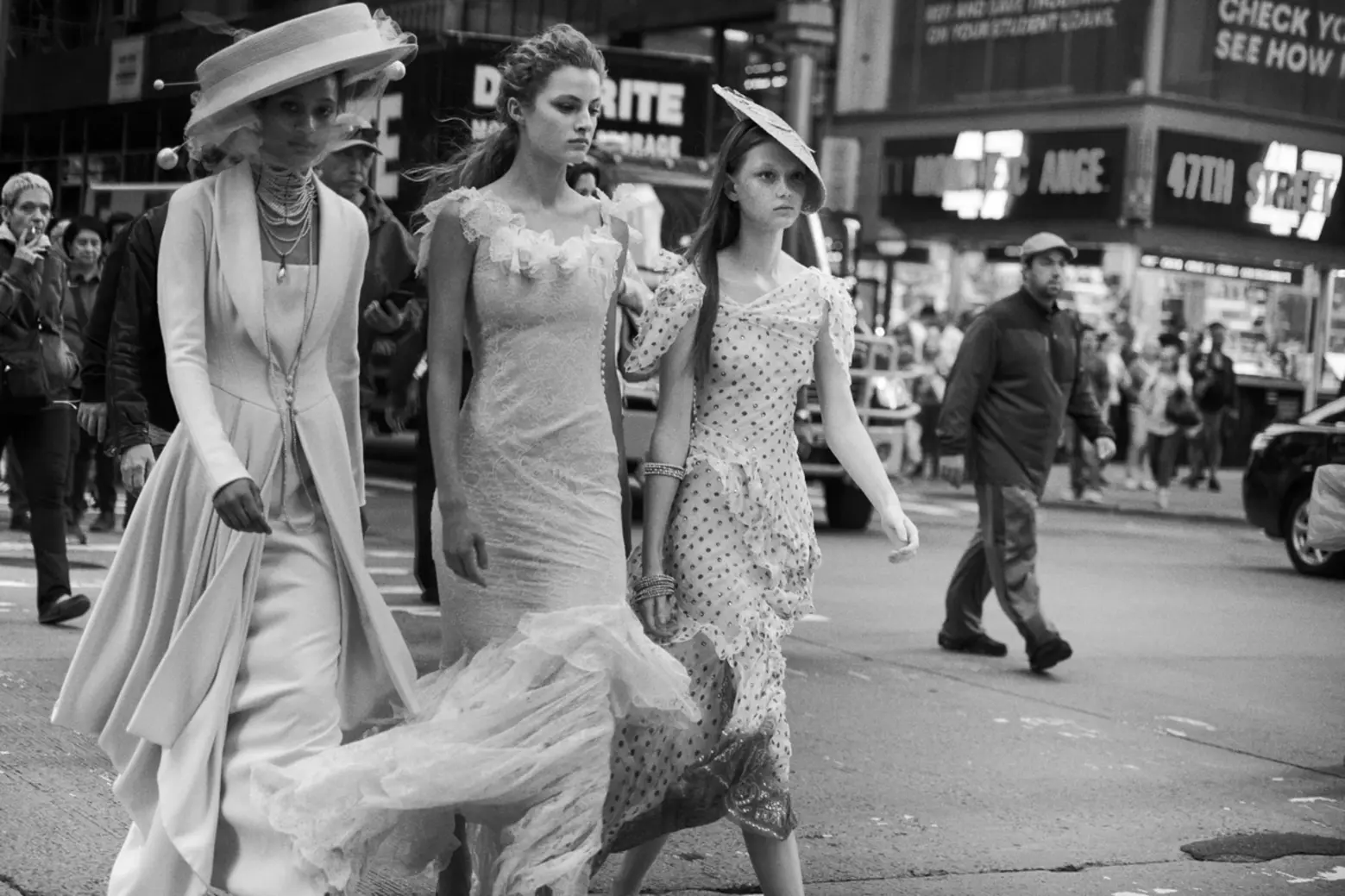

Peter Lindbergh's death in 2019 did not dim his influence. His visual language - raw, human, and resolutely black-and-white - continues to define modern fashion imagery. His legacy is evident in three key areas:

Peter Lindbergh's exhibitions, from Paris to Rotterdam, remain among the most visited in fashion history because people don't just come to see clothes, they come to feel something real. He taught not only fashion but also fashion photography to slow down, to listen, and to see. Through his lens, fashion finally remembered how to be human.
Advertisement