MENU
Close





Masterpieces of the Iranian New Wave returns as an expanded second programme after a sell out 2025 run, gathering rare pre-revolution films that feel freshly urgent in 2026: witty, intimate, politically awake, and formally daring in ways that still startle. The season runs 4–26 February 26th at Barbican Cinema, curated by Ehsan Khoshbakht.
Masterpieces of the Iranian New Wave returns as an expanded second programme after a sell out 2025 run, gathering rare pre-revolution films that feel freshly urgent in 2026: witty, intimate, politically awake, and formally daring in ways that still startle. The season runs 4–26 February 26th at Barbican Cinema, curated by Ehsan Khoshbakht.
February 4, 2026


The Iranian New Wave, or Cinema ye Motafavet, arrived as a refusal of glossy commercial “Film Farsi” and a wager on realism, poetry, and moral complexity. What makes this curation feel significant is its emphasis on restoration and access: films that once circulated in fragments, rumours, or compromised versions now reappear closer to how their makers intended.
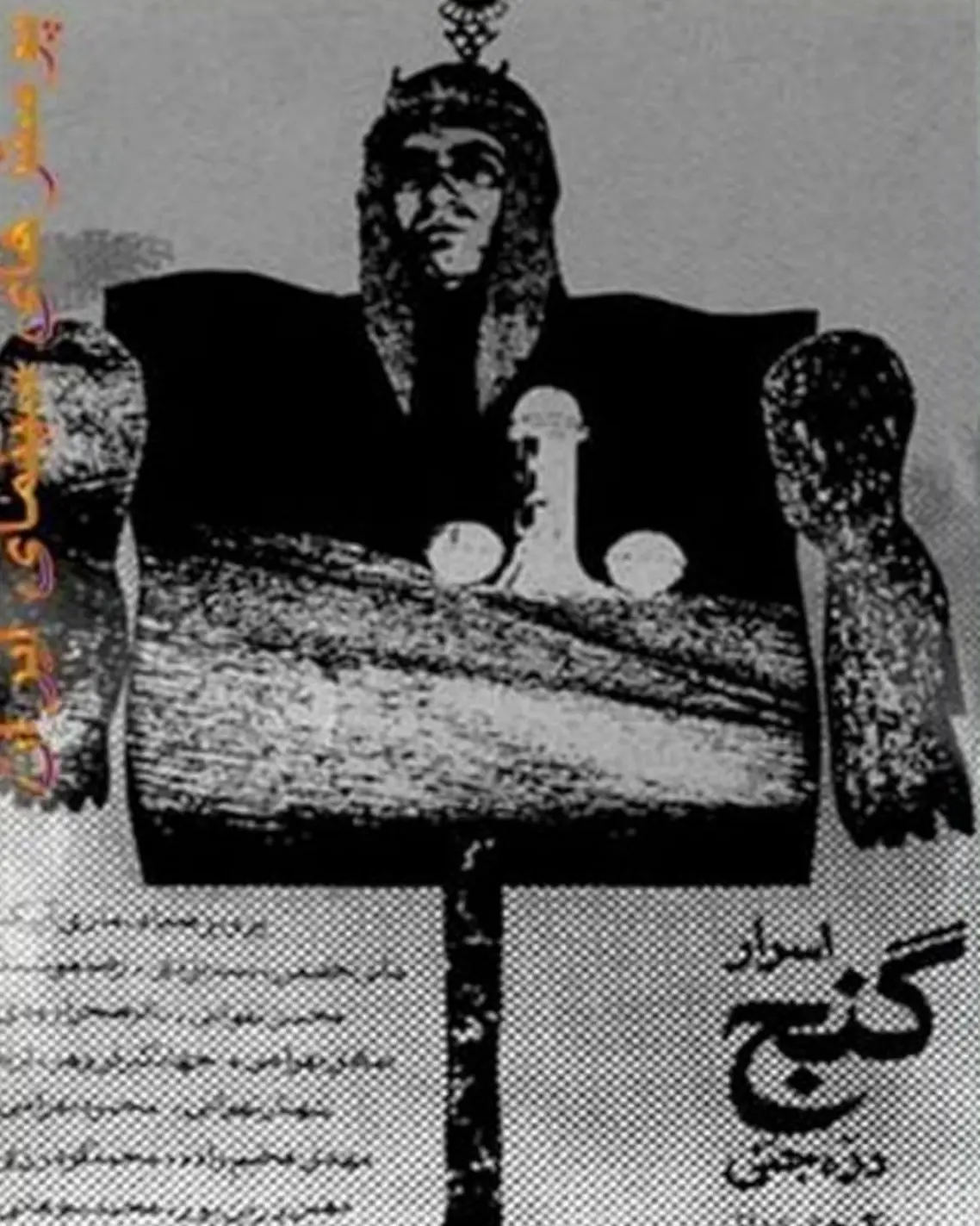
Two headline events capture the season’s thesis: cinema as both document and disguise. On 26 February, Barbican hosts the world premiere of the newly restored director’s cut of Ebrahim Golestan’s Secrets of the Jinn Valley Treasure (1974), a sharp political satire described by the venue as a “Monty Python–esque” allegory, banned shortly after release and, until this moment, unseen in the director’s own version.
The opening night sets a quieter, equally radical frame for authorship: the programme presents the only surviving fragment of Shahla Riahi’s Marjan (1956), recognised here as the first Iranian feature directed by a woman, paired with a restoration premiere of Bahram Beyzaie’s The Ballad of Tara.
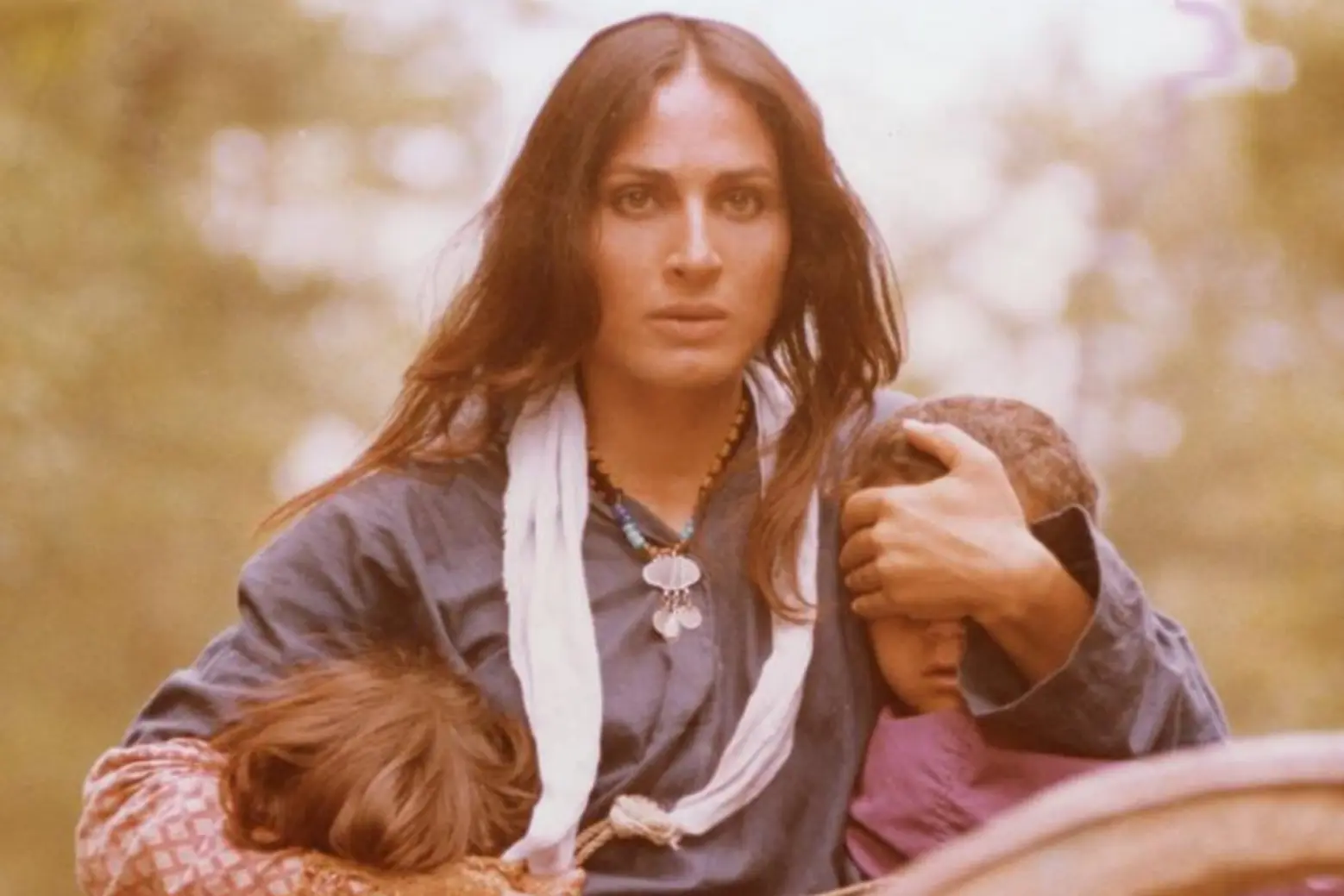
Then comes the “double ending” rarity: Masoud Kimiai’s The Deer (1974), screened with both its original ending and the alternate conclusion forced by censors — an unusually direct way to watch power reach into editing room decisions.
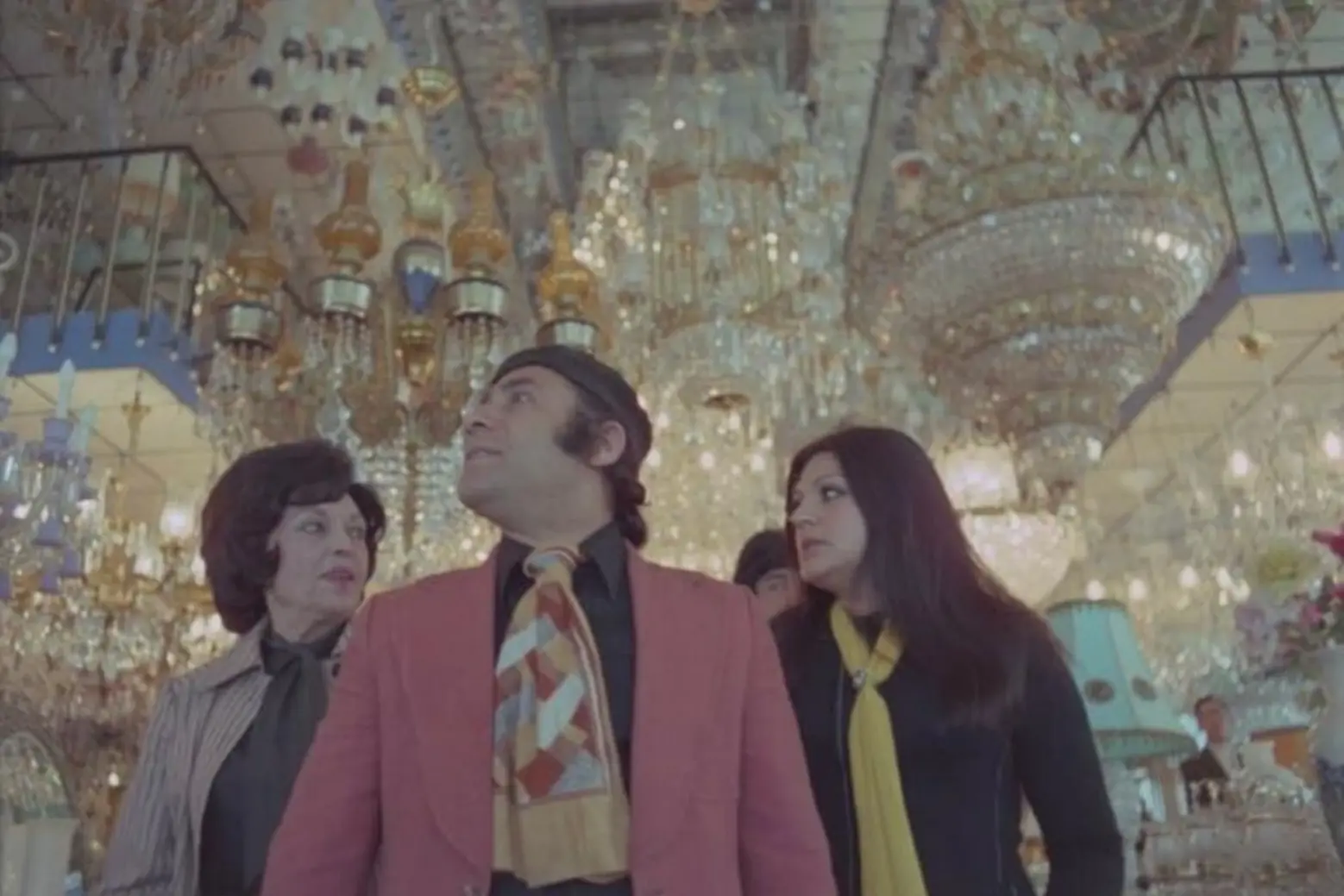
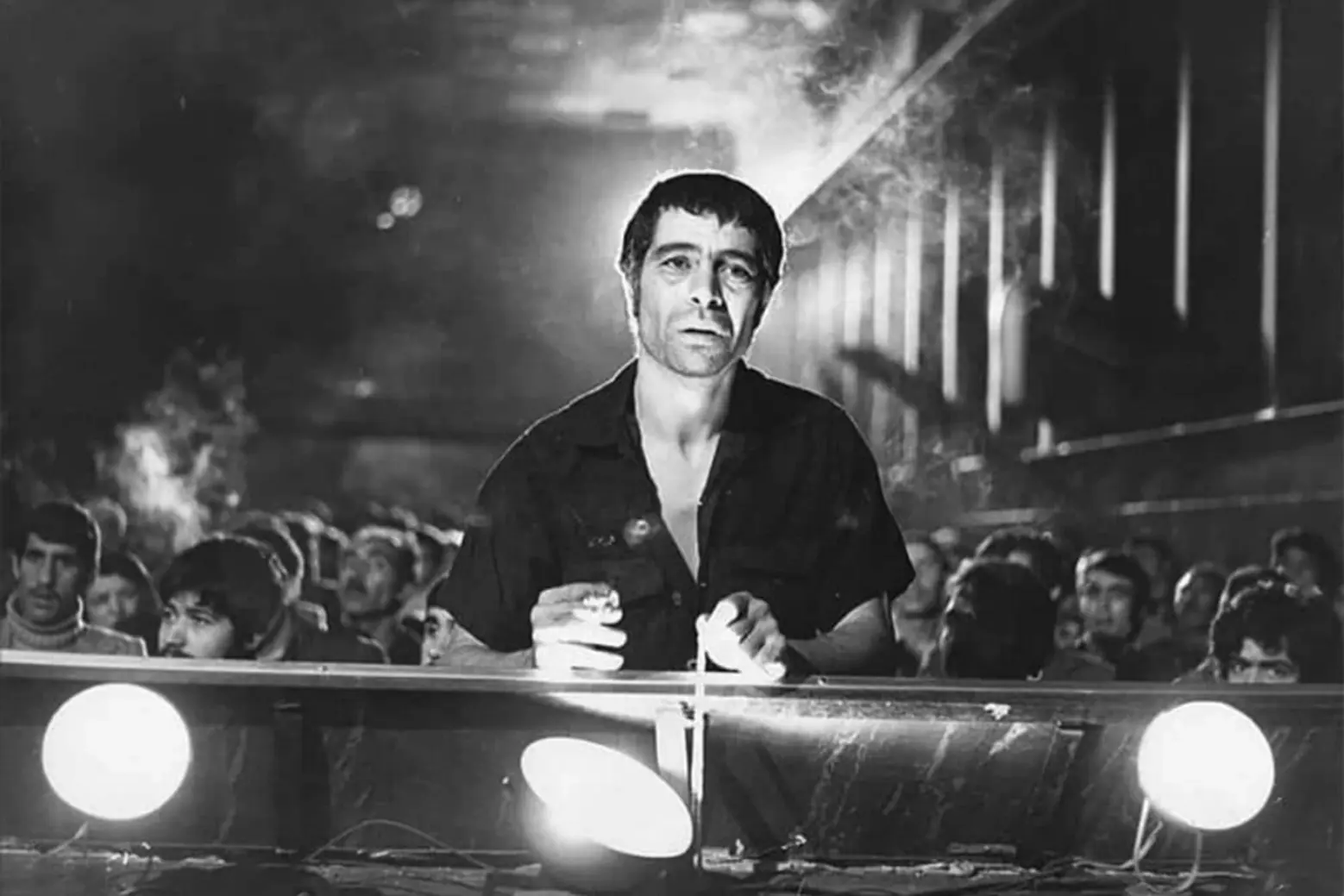
A landmark of Masterpieces of the Iranian New Wave is The Postman (1972) by Dariush Mehrjui. Inspired by Georg Büchner’s Woyzeck, the film cuts into Iran’s rush toward Westernisation, tracing the fallout when rash modernity collides with traditions already coming undone. Dancer of the City (Raghase ye Shahr) pushes that tension into a vivid, exhilarating fight for artistic freedom and a woman’s independence inside a religiously conservative society.
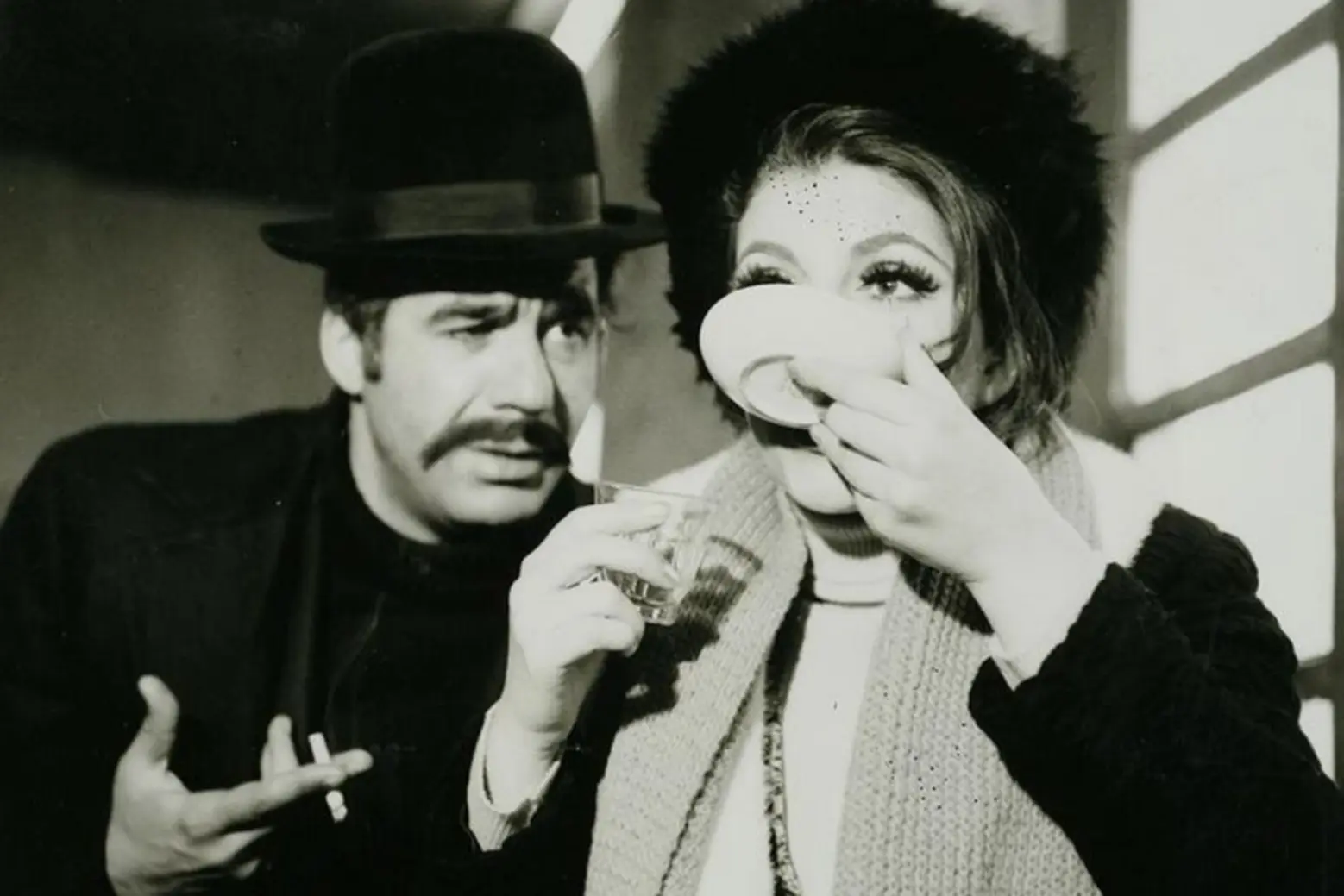
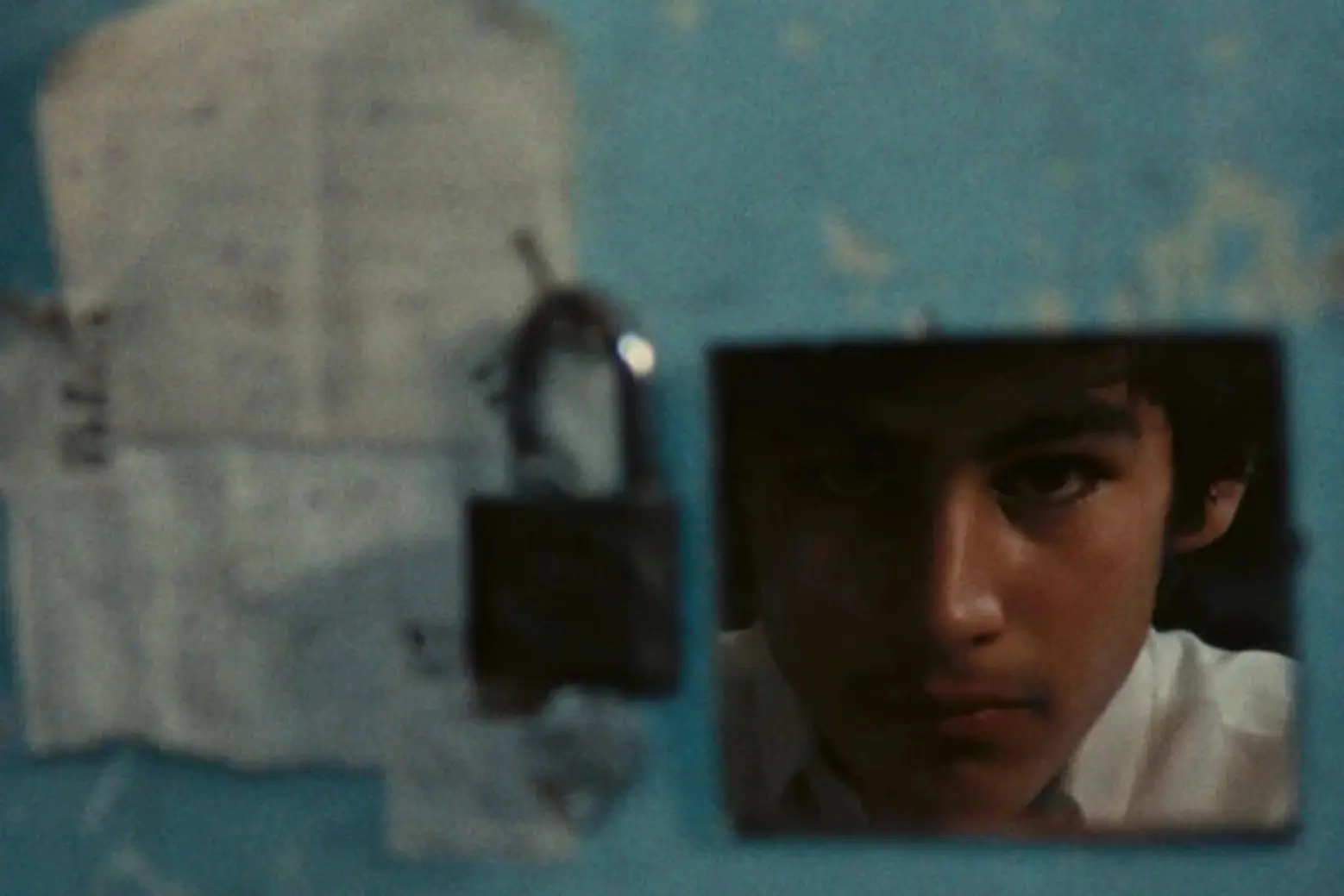
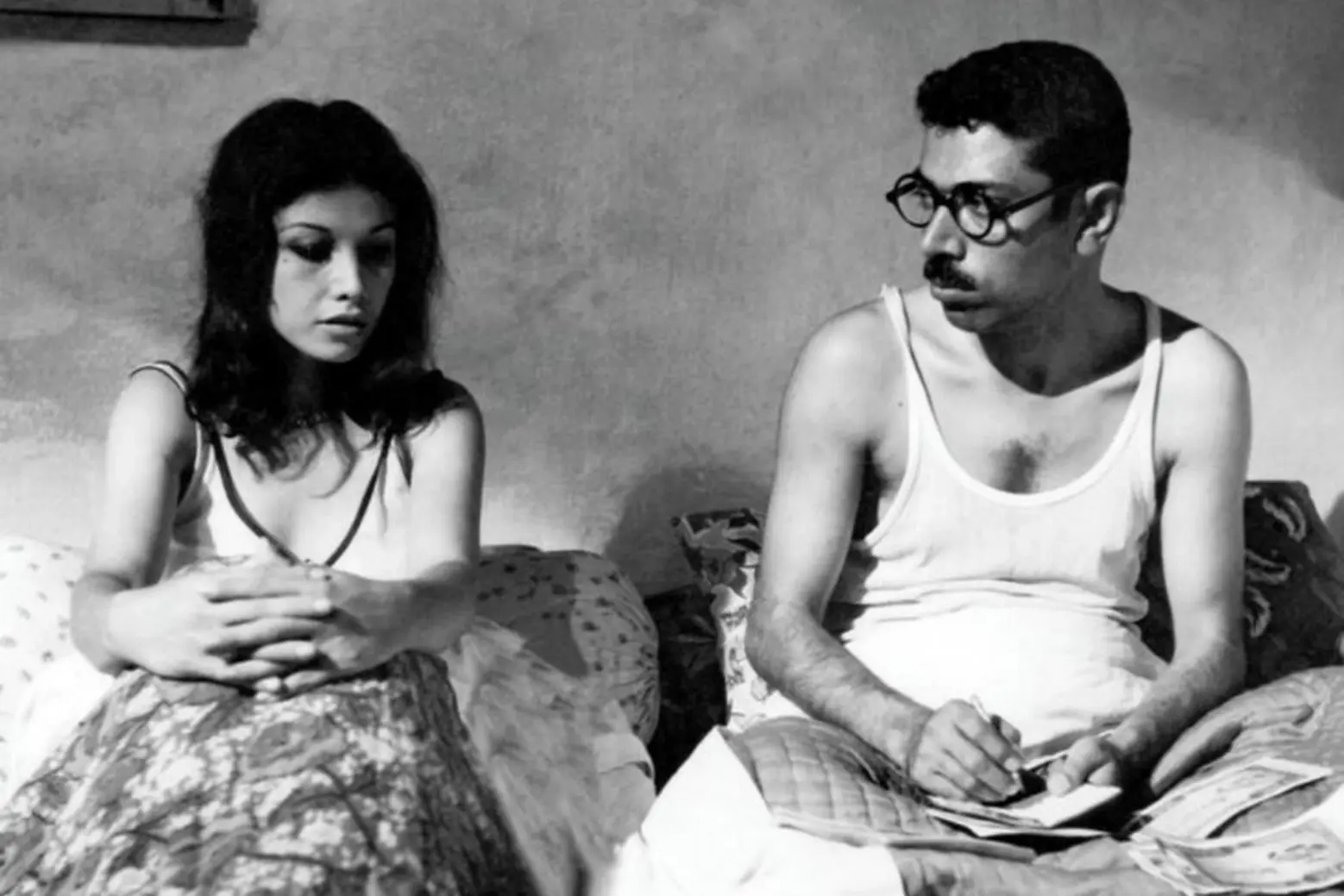
A Wedding Suit (Lebasi Bara ye Arousi) turns a single garment into a magnifying glass for boyhood disillusionment, revealing loneliness, anxiety, and ambitions quietly stifled by an indifferent world.
Come to Masterpieces of the Iranian New Wave if you are mapping out film festivals worth attending and scouting film festivals for 2026. This Barbican season plays like a masterclass in how cinema can look lyrical while thinking politically, turning everyday life, satire, and silence into forms of resistance that still feel electrifying now.