MENU
Close





Milan Fashion Week has just delivered a headline moment: Maria Grazia Chiuri’s debut at Fendi Fall/Winter 2026-2027 Show. Returning to the house where she began in accessories, she staged a collection that treated legacy as a living material, balancing daywear authority with evening sensuality and a pointed conversation around Fendi’s fur history.
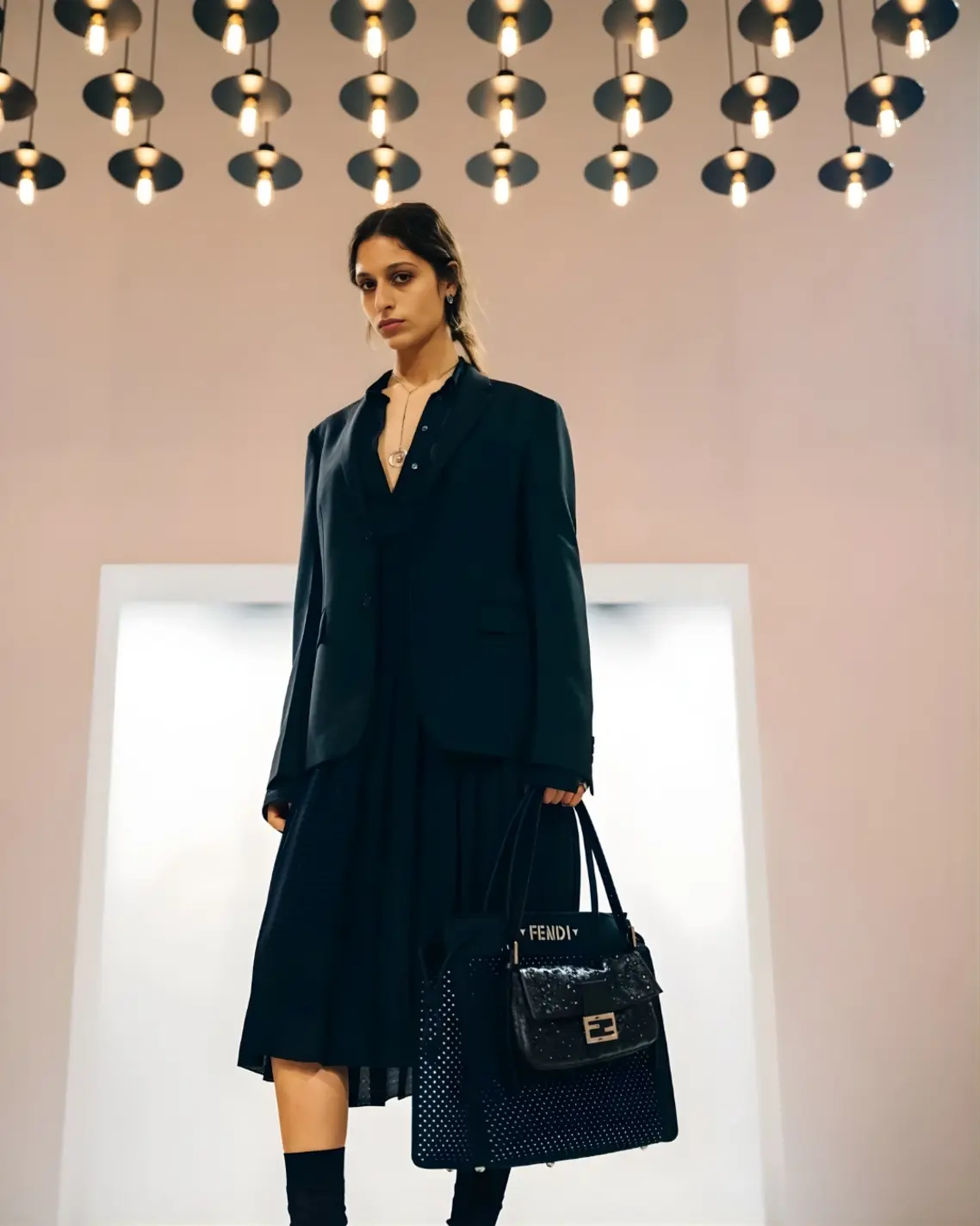
Milan Fashion Week has just delivered a headline moment: Maria Grazia Chiuri’s debut at Fendi Fall/Winter 2026-2027 Show. Returning to the house where she began in accessories, she staged a collection that treated legacy as a living material, balancing daywear authority with evening sensuality and a pointed conversation around Fendi’s fur history.
February 25, 2026


The Fendi Fall/Winter 2026-2027 Show landed like a homecoming with stakes. Maria Grazia Chiuri returned to Fendi, the house where she once worked in handbags, and opened a new chapter in front of a packed Milan Fashion Week crowd at Via Solari 35. This was not merely a nostalgic return but a strategic recalibration of a Roman empire.
Her debut reset Fendi around practical luxury, sharp tailoring, and accessories as cultural signatures. She nodded to the house’s fur and leather roots while proposing a more responsible direction through archival and repurposed approaches. The message: modern elegance grows from craft, not noise.
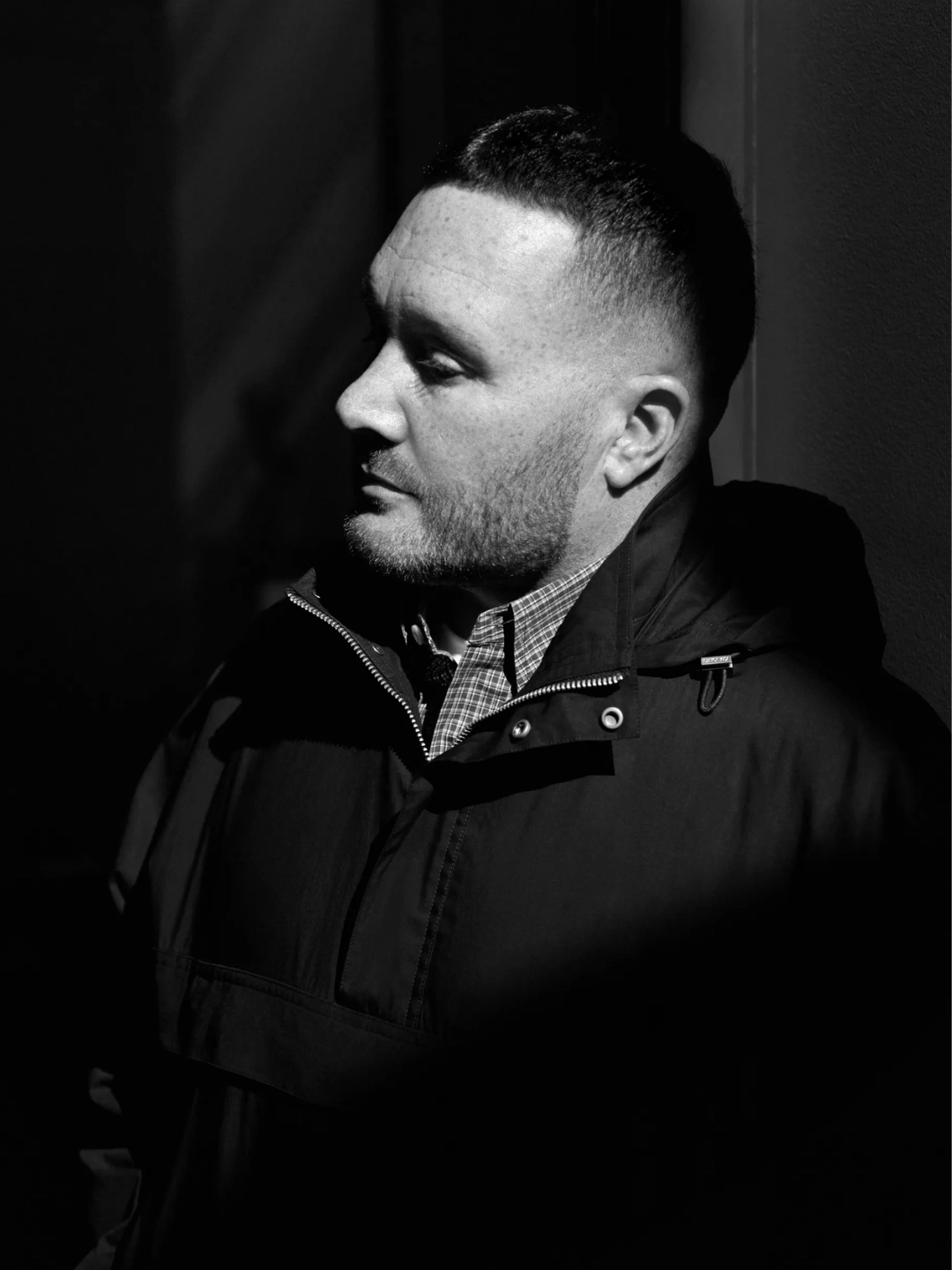
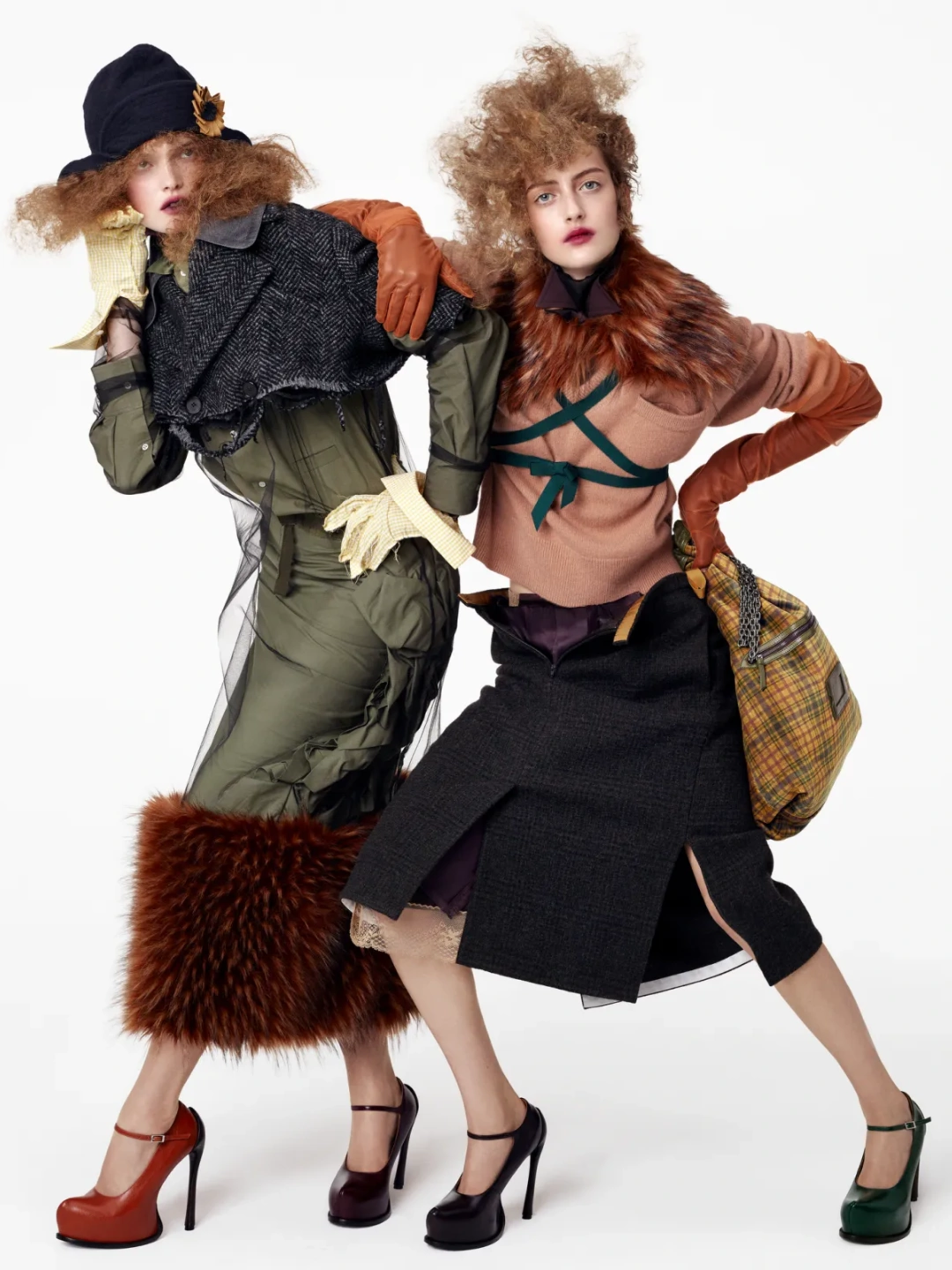
To understand why this collection feels so pivotal, one must look at what Fendi was before this moment. Under the tenure of Kim Jones, the Roman house was a bastion of ethereal, cinematic glamour. Jones’s Fendi was a world of statuesque beauty, draped in delicate silks and marblesque prints, breathtaking on a mood board, yet occasionally detached from the grit of the sidewalk. Before him, Karl Lagerfeld’s Fendi was a playground of whimsical eccentricity and fur-clad fantasy.
Chiuri’s first Fendi collection reframed the house as a matriarchal workshop of ideas: heritage, community, and craft placed above designer mythology. She signaled this with a direct motto,“Meno io, più noi” (Less I, More Us) is presented as an ethos of collective creativity, and built looks that read as wearable decisions rather than runway riddles.
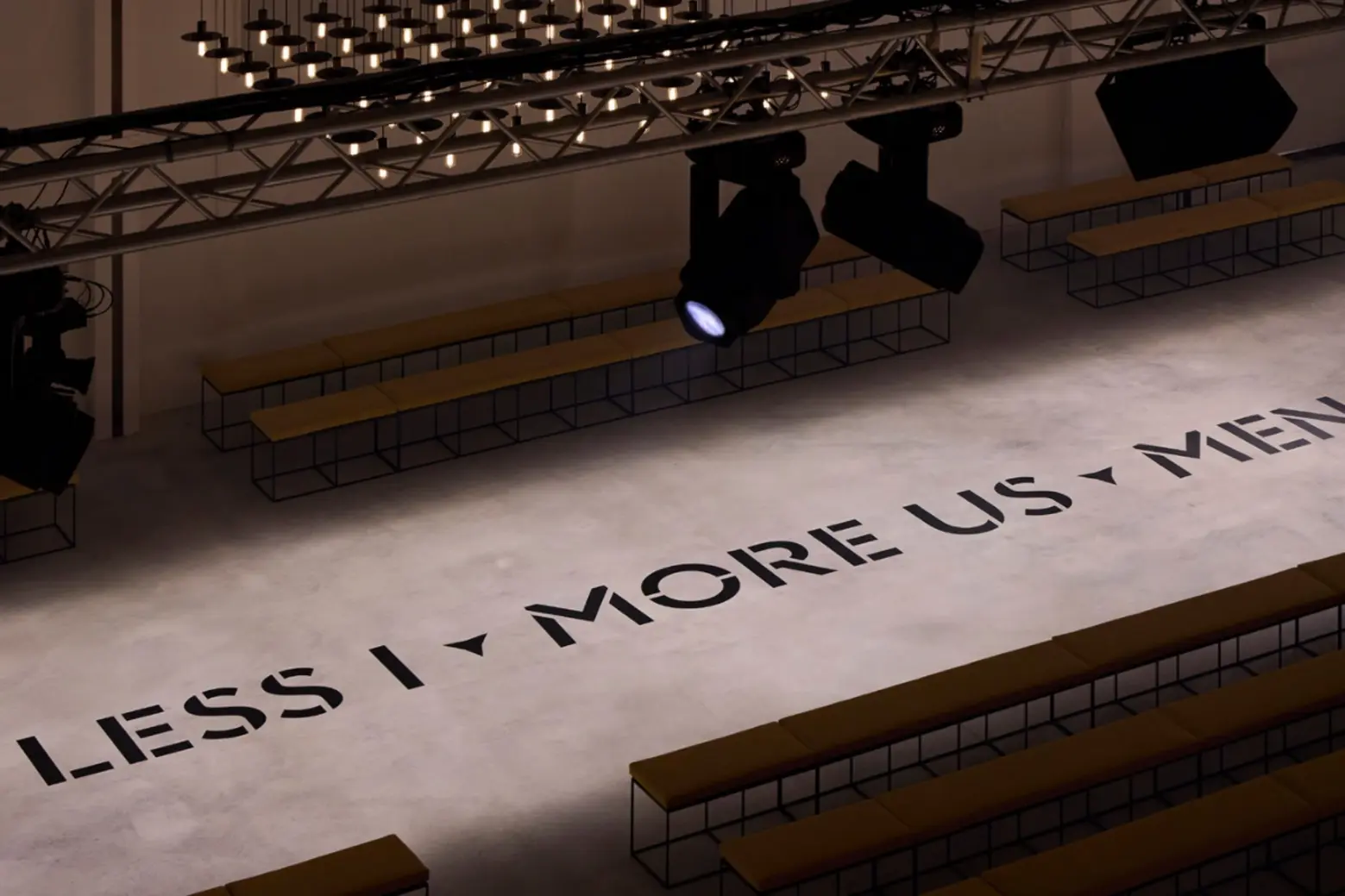
Instead of chasing spectacle, her debut argued for clarity: practical luxury as a disciplined wardrobe system, designed for women who move through power meetings, private dinners, and late city walks without changing their identity. This emphasis made the Fendi Fall/Winter 2026-2027 Show feel less like a costume change and more like a brand thesis, rooted in Roman precision and the reality of modern life. For many, this felt like a breath of fresh air precisely because of its restraint. In an industry often intoxicated by the high of a digital viral moment, there is a quiet bravery in being "useful." Chiuri’s focus on the "wearable decision" over runway riddles marks a sophisticated U-turn from the ethereal, cinematic glamour seen under Kim Jones, or the whimsical eccentricities of the Lagerfeld era.
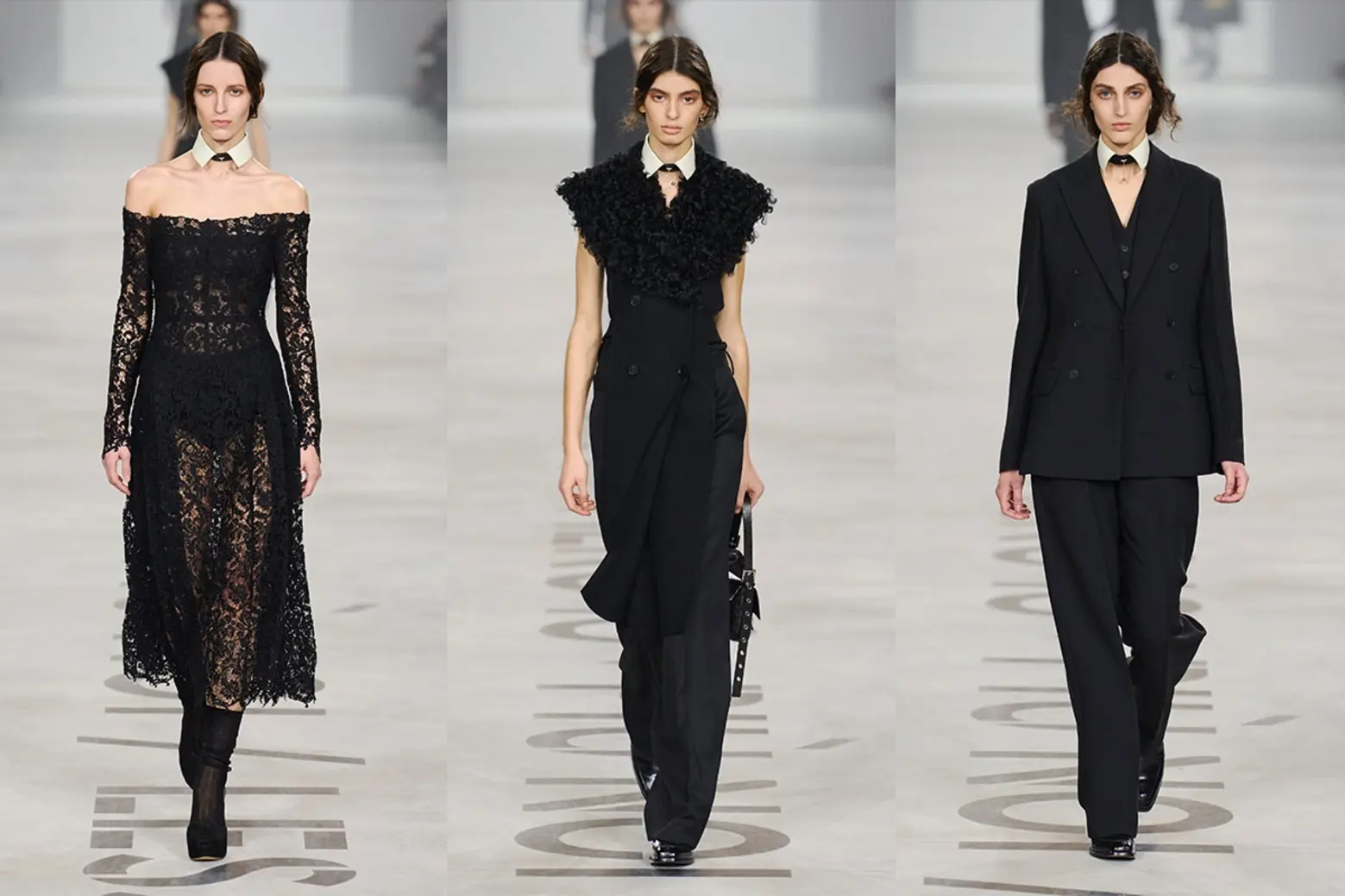
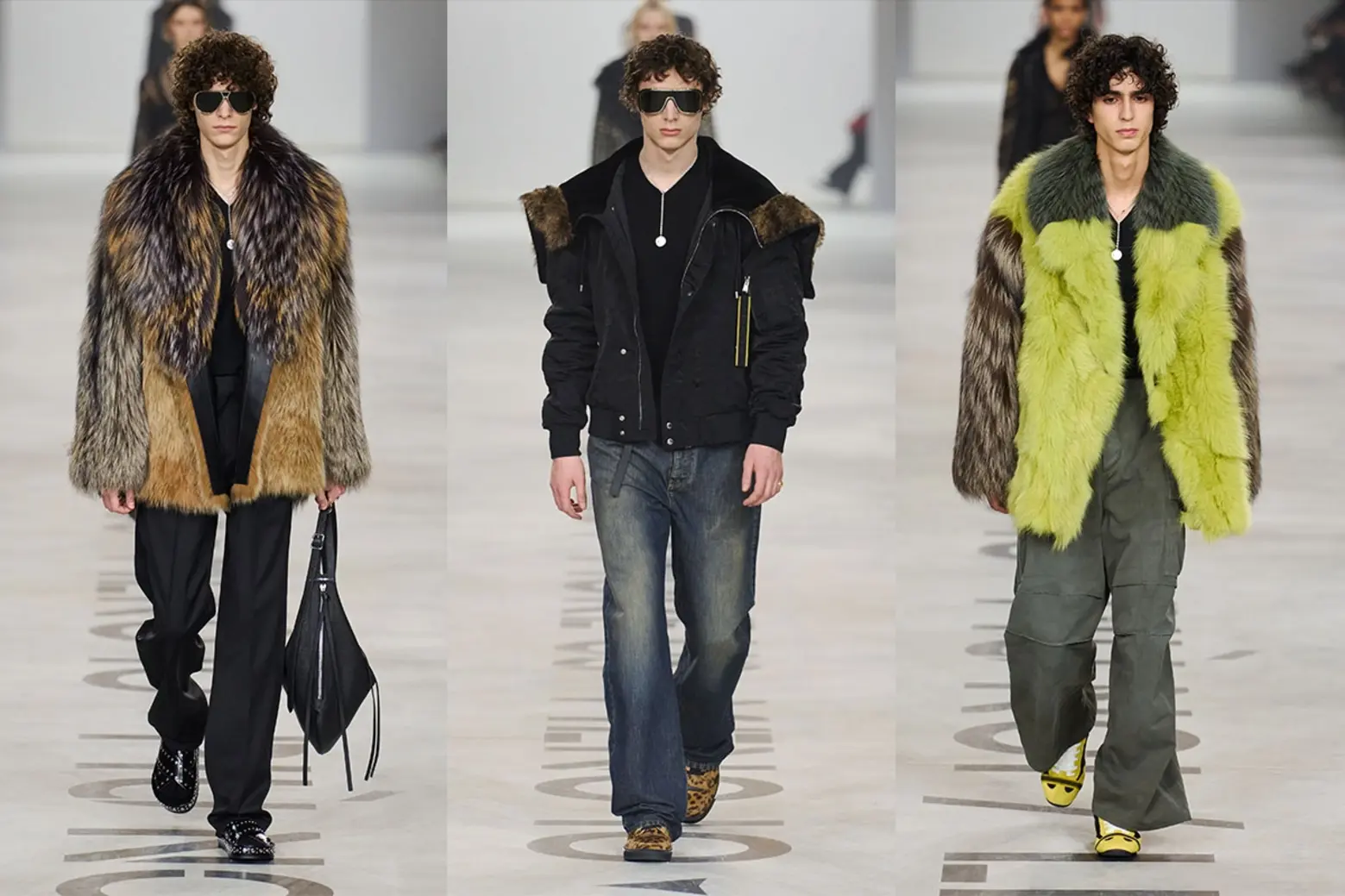
The silhouettes favored structure: dark blazers, overcoats, and a clean authority that contrasted with her recent legacy elsewhere, then softened into sensuous evening through sheer textures and refined embellishment. While critics from Highsnobiety and The Cut categorized this shift towards 'Luxury HR' isn't a lack of creativity, but a calculated embrace of the commuter lifestyle. The industry consensus, echoed across the front row at Via Solari, suggests that Chiuri has successfully traded the 'runway riddle' for something far more radical: a wardrobe that actually works. Fur remained central, because Fendi’s origin story makes it unavoidable, yet the treatment leaned into heritage and archive logic rather than pure provocation. Outside the venue, protests underlined the tension, ensuring the collection’s most old school material carried the most current debate.
If clothing sets the posture, accessories carry the heartbeat. Chiuri’s history with Fendi’s It bag era raised expectations, and the show treated bags as narrative objects, not mere add ons. The revival of the Baguette with its retro twin buckles, paired with football-inspired scarves by SAGG Napoli, added a gritty, subcultural edge that balanced high-fashion austerity. The front row, stacked with major actors and global pop stars, amplified the message: this was a brand moment designed to travel instantly.
When Silvia Venturini Fendi watched from the front row and called it moving, the emotion read as institutional, not sentimental: a leadership handoff performed in public, with craft as the shared language.
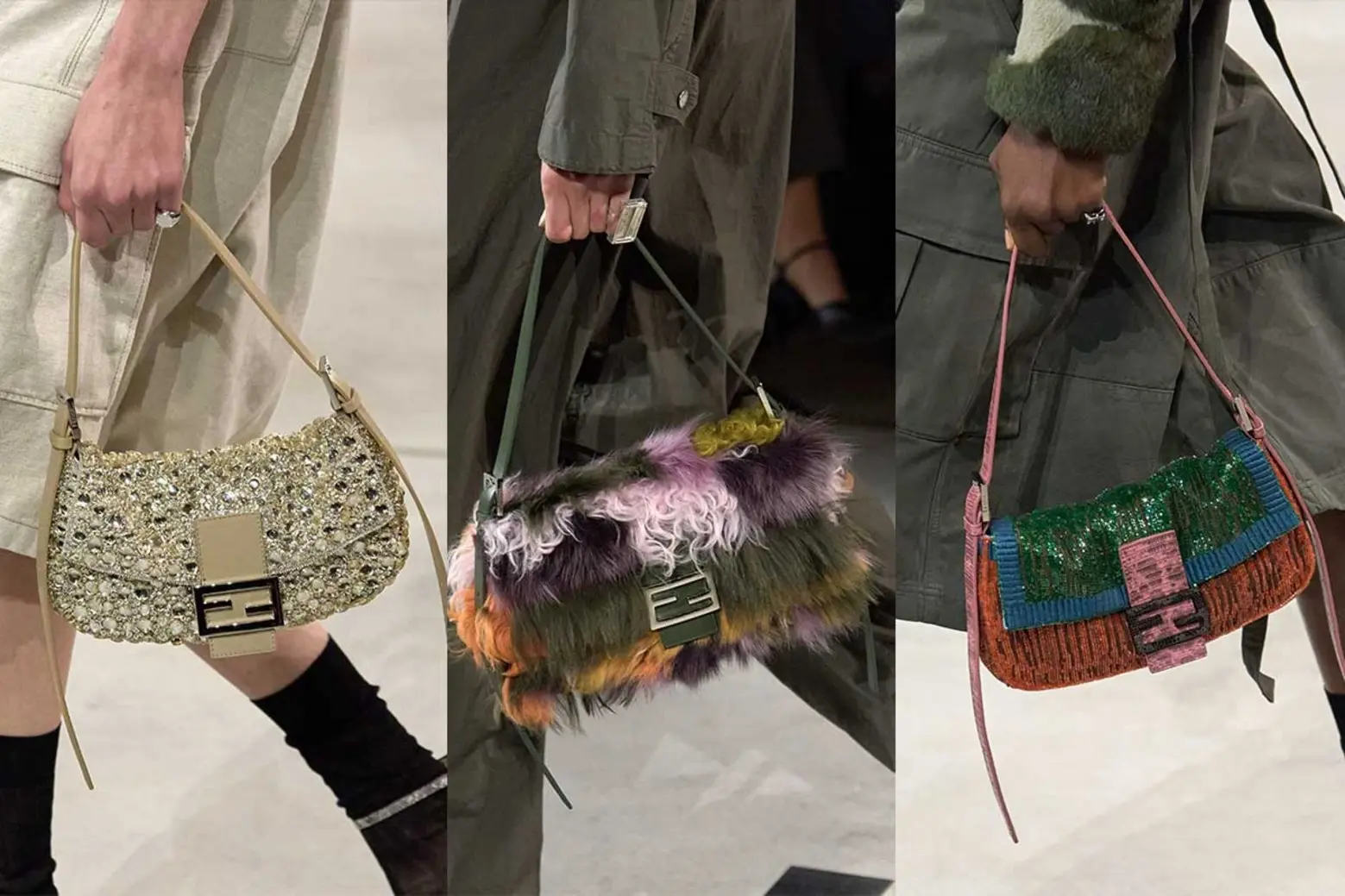
The Fendi Fall/Winter 2026-2027 show closed with a simple persuasion: Fendi’s future does not require amnesia. Chiuri’s debut connected Roman rigor to a promise of continuity, where practical luxury and iconic accessories evolve through the hands of many. Ultimately, the collection proves that the most sophisticated thing a brand can offer today is a sense of purpose. A legacy feels newly wearable again, providing not just a dream, but the wardrobe for a life actually lived.