MENU
Close





What makes a fashion campaign in 2026 break through, when every brand is fighting for attention and every image risks disappearing into the feed?
What makes a fashion campaign in 2026 break through, when every brand is fighting for attention and every image risks disappearing into the feed?
March 26, 2026
Advertisement
Advertisement


It has become absurdly difficult for a fashion campaign in 2026 to actually land these days. Beautiful pictures alone barely guarantee anything. The feed is too crowded, the pace too fast, the attention span too spoiled, and the visual field too polluted by disposable content and AI-looking sludge. A fashion campaign now has to do more than sit there looking expensive. It has to seduce, interrupt, persuade, and linger. The ones that are cutting through right now are doing so with a sharp little trick: they make an emotional appeal, they cast fresh or unexpected talent, and they keep the product very firmly at the centre of the fantasy. That balance matters. A fashion campaign in 2026 can flirt all it wants, though it still needs to show you exactly what you are meant to desire.
Burberry Spring 2026 campaign offers one of the cleanest examples. The brand has been digging into its heritage for months, trying to correct the wobble of an ill-fated push upmarket. Olivia Colman, Liam Gallagher, London, tartan, trench coats, all the familiar codes have been marched back into view with a renewed sense of purpose. Then came “The Trench,” the latest and most direct expression of that strategy. Kendall Jenner and Teyana Taylor join notable British faces and speak straight to camera about why they love Burberry’s signature coat. No convoluted concept, no unnecessary acrobatics, just the brand, its icon, and a story clear enough to register instantly. It worked. According to Launchmetrics, it became the top-performing fashion campaign in 2026 so far, reaching a media impact value of $9.6 million in its first week. Simple, in this case, looked wonderfully smug.
That clarity is part of the wider lesson. The most successful fashion campaigns in 2026 tell a story around a product and the wider brand at the same time. They make identity feel tangible. They give the audience a reason to feel something, though they also give them something very specific to want. Samantha Fodrowski of Tecovas put it rather well when she said people are tired of being sold to, and that the most radical thing a brand can do right now is stop shouting and start telling a story actually worth someone’s time. It is a sharp diagnosis of the current mood. Audiences still enjoy being seduced, though they now prefer the seduction to have some manners, some point of view, and ideally a little soul.
Casting, naturally, has become one of the most delicate weapons in the whole exercise. Lily Comba of Superbloom says what plenty of people are already thinking: everyone is sick of seeing the same faces. That fatigue has pushed fashion, which once leaned heavily on A-list movie stars for campaign prestige, to widen its net. More brands are turning toward rising talent, cultural figures on the brink of escalation, and personalities who still feel fresh rather than overprocessed. Television has become especially fertile territory. Rhode, for instance, featured “Love Story” actress Sarah Pidgeon just as chatter around the show reached fever pitch, and the result was striking. The campaign delivered $1.8 million in MIV in its first week, more than double Maybelline’s Sky High Mascara campaign with Miley Cyrus, which reached $853,000. The message there is deliciously clear: novelty, timing, and relevance can beat sheer celebrity mass.
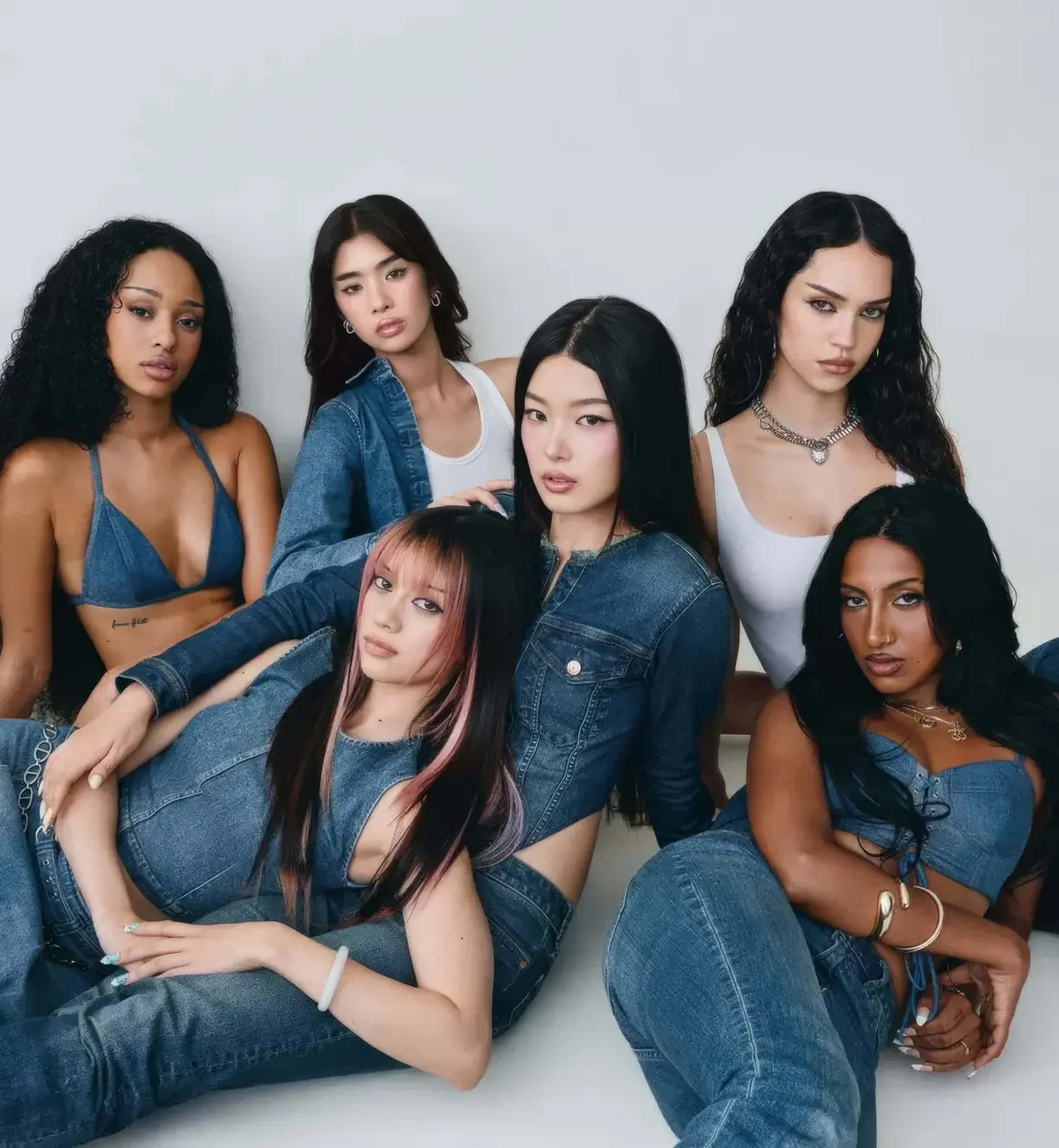
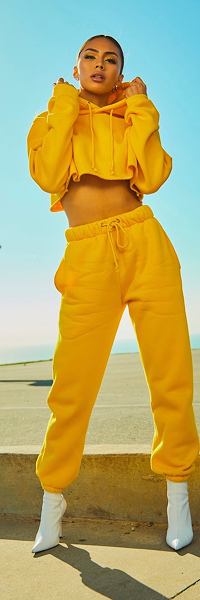
Gap has been playing a similar game, and doing it with rather good instincts. The brand has already worked with faces like Katseye and Sienna Spiro, and its latest campaign, “Sweats Like This,” features Young Miko, the Puerto Rican rapper whose rise is still gathering heat. Gap’s advantage came from catching these artists at exactly the moment when attention started accelerating around them. Fabiola Torres, Gap’s chief marketing officer, explained that the brand likes to support diverse talent at the moment when it matters, and there is something especially clever in that phrasing. It suggests attention to timing, to energy, to the chemistry of cultural ascent. Gap has also chosen to let artists express themselves creatively inside the campaign rather than flatten them into mannequins. The brand does not ride on the coattails of culture, it embraces it and lets it breathe on its own. Which is a much sexier strategy than turning a musician into a hanger for a sweatshirt.
Let a singer sing. Let an actor act. Celebrities become far more compelling when a campaign uses what actually makes them magnetic instead of forcing them into the blank posture of conventional modelling. They can communicate a brand message that a model, however gorgeous, may never quite deliver in the same way. That is where campaign-making becomes closer to direction than decoration.
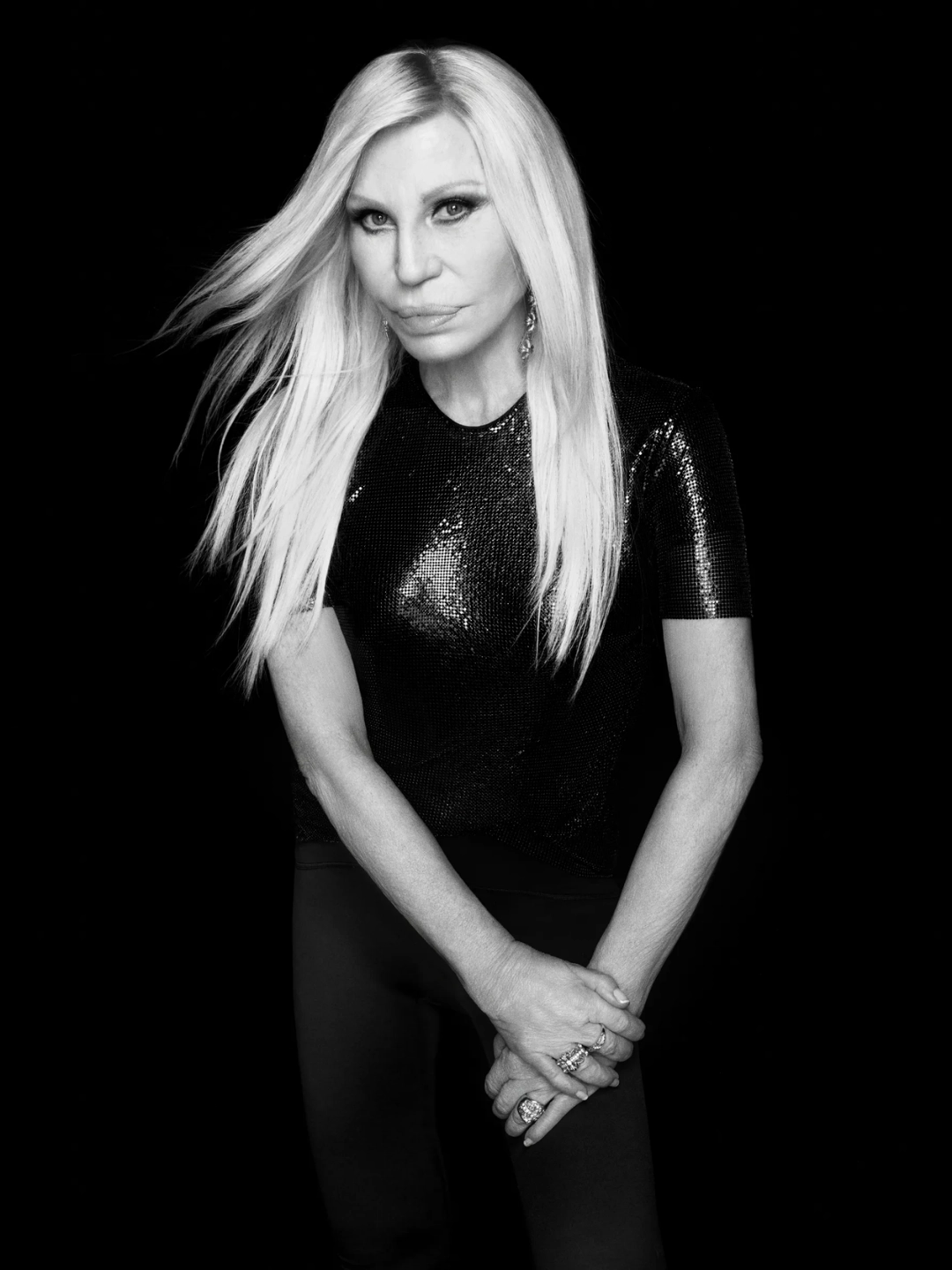
Versace’s Spring 2026 campaign also proves how much force still lives inside strong image direction. Dario Vitale gives the house over to three photographers, Steven Meisel, Tania Franco Klein, and Frank Lebon, so the campaign moves through different visual temperatures while still holding onto a singular Versace charge. Chanel goes straight for emotional recall with the newest Chanel 25 bag campaign, where Kylie Minogue and Margot Robbie step into a Michel Gondry-directed echo of “Come Into My World,” folding nostalgia, fantasy, and product clarity into one very polished seduction. Gucci takes the opposite route and turns the heat all the way up: in “Beauty and the Bag,” Mert and Marcus frame Kate Moss and Emily Ratajkowski in a feverish handbag fantasy that makes the Borsetto and Giglio feel glamorous, obsessive, and deliciously overcharged.
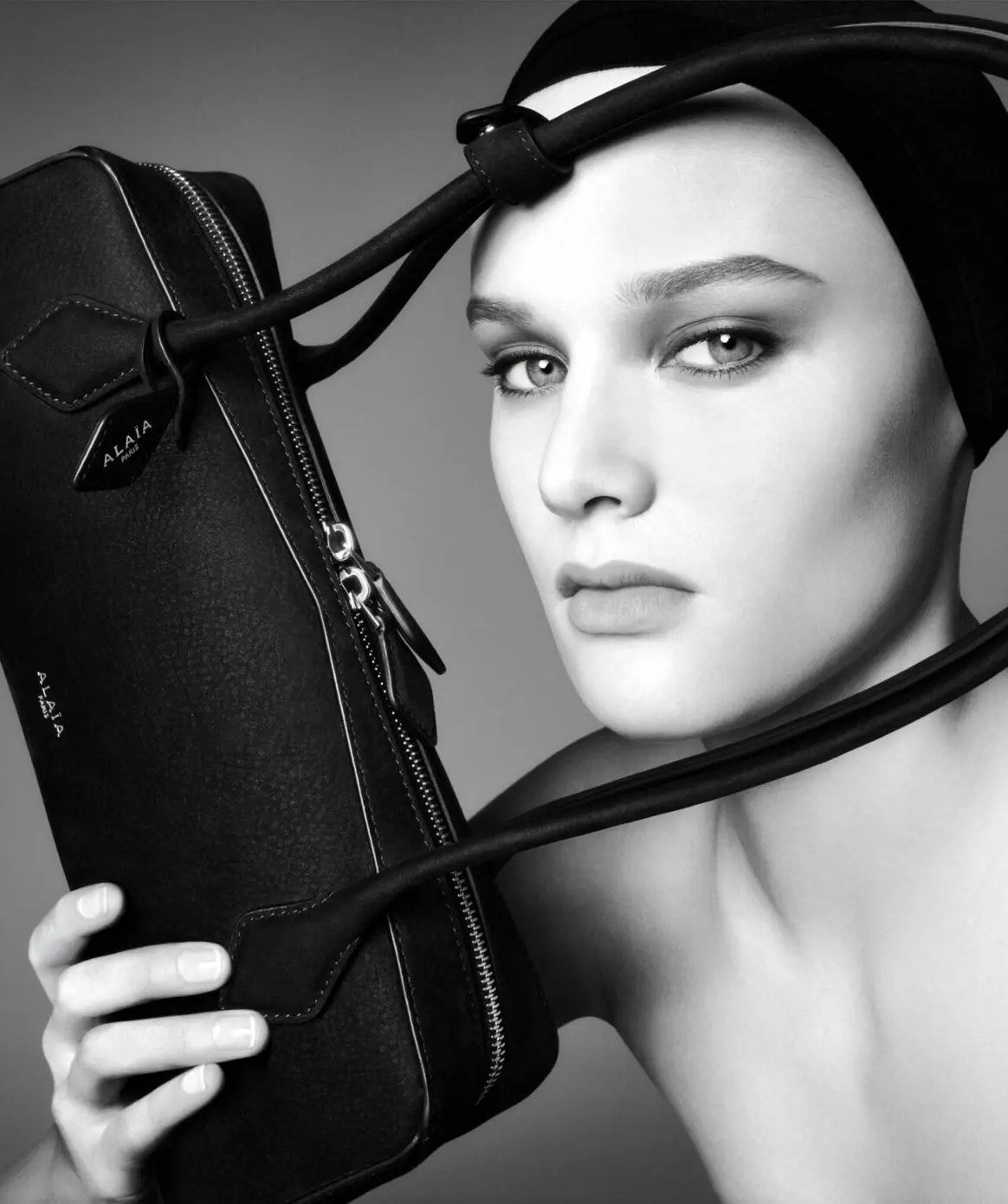
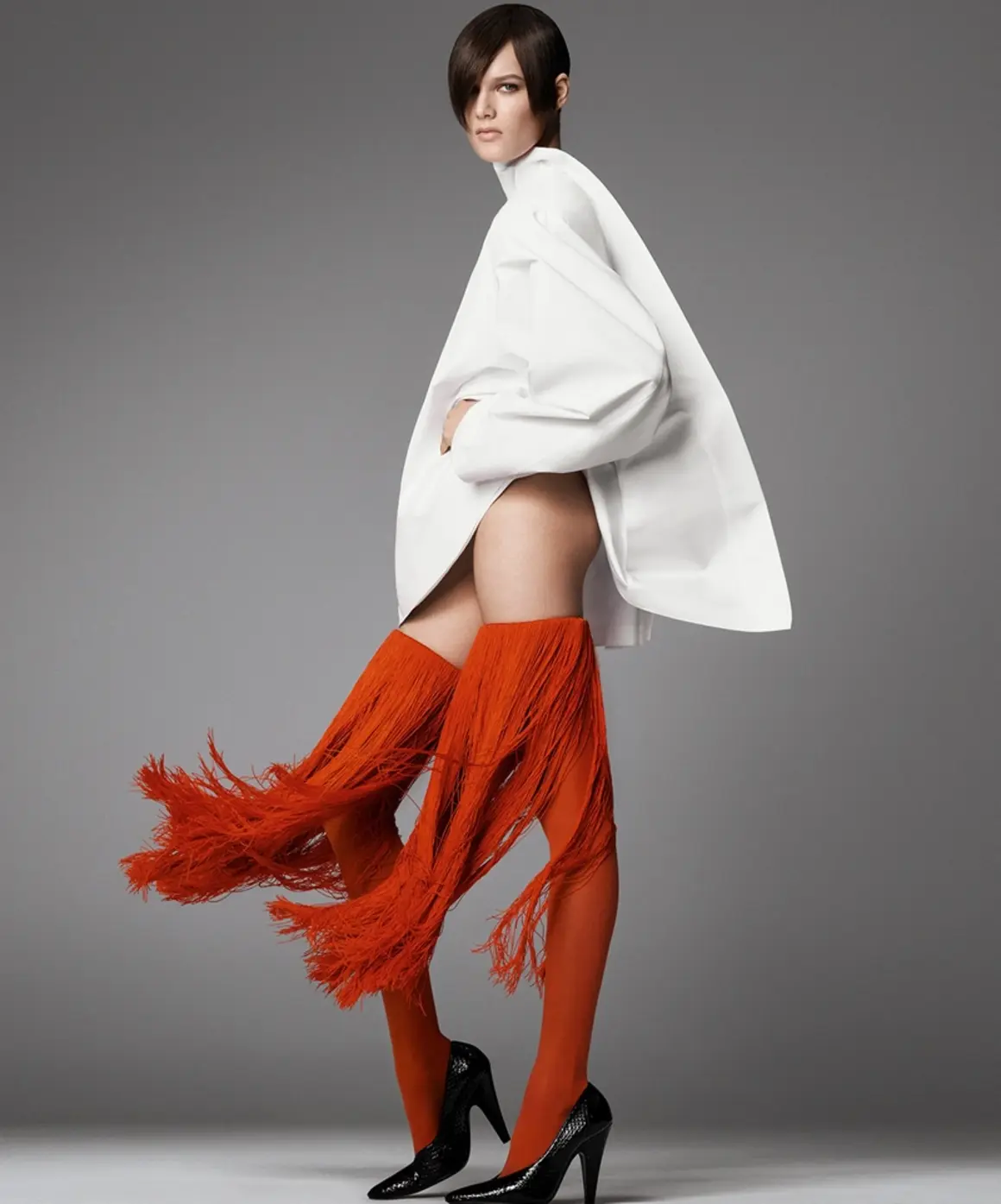
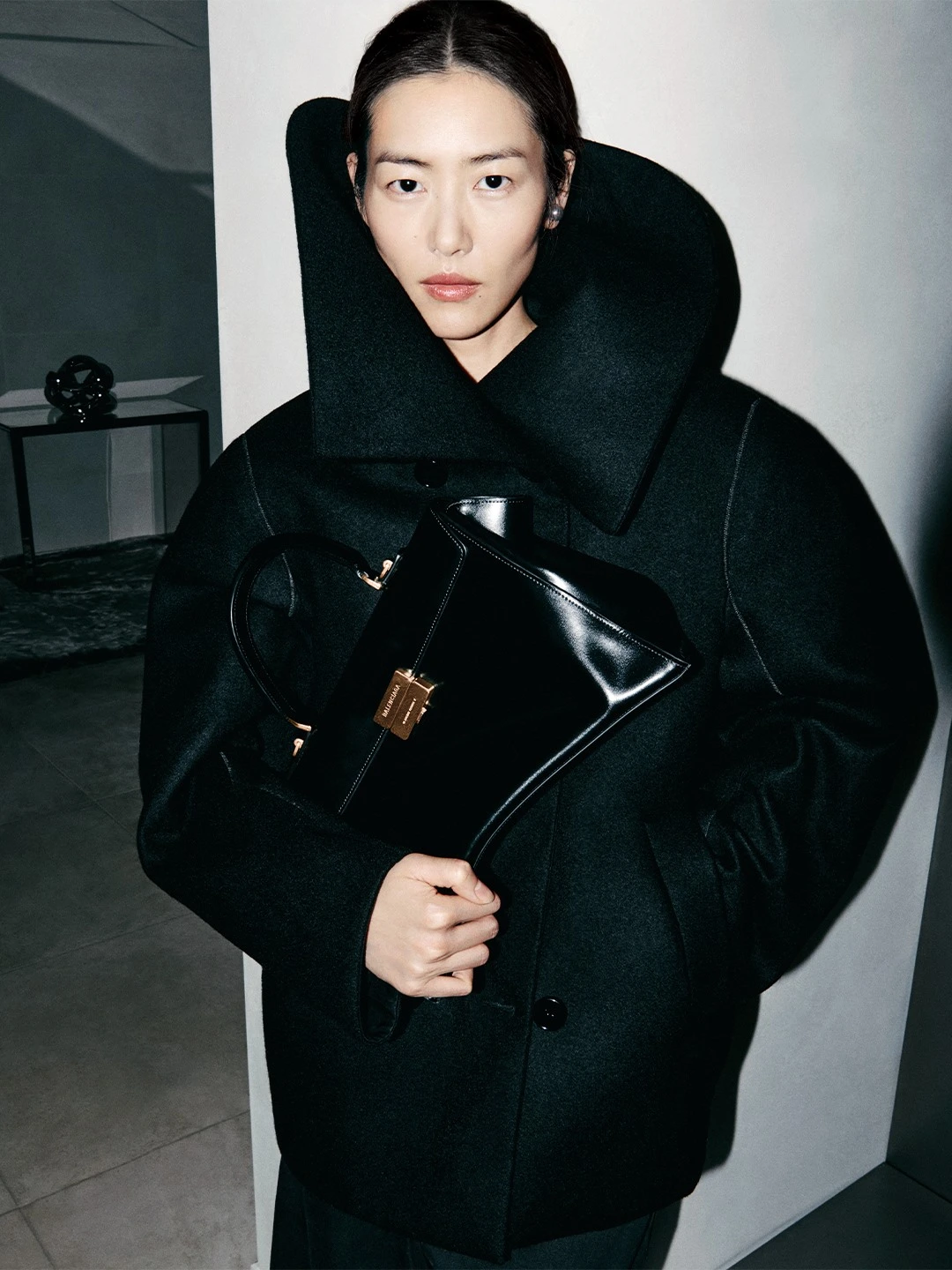
Of course, even the cleverest casting cannot rescue weak creative direction. Strong imagery still matters enormously. Alaïa’s campaign, shot by Steven Meisel, leans into black, white, and red, echoing Pieter Mulier’s precision with that severe, almost surgical glamour Alaïa does so well. To amplify the emotional charge, Baron created behind-the-scenes videos showing makeup artists, models, and other collaborators at work, foregrounding the human craftsmanship behind the image. “There’s no trickery, there’s no visual effects,” he said. “It is pure craft. It’s the fingers, it’s the hands … I wanted to go against the grain of AI.” That line lands because it identifies something many viewers feel instinctively. Human effort, texture, and touch now carry their own seductive force. In a visual culture drowning in synthetic smoothness, craft itself has become alluring.
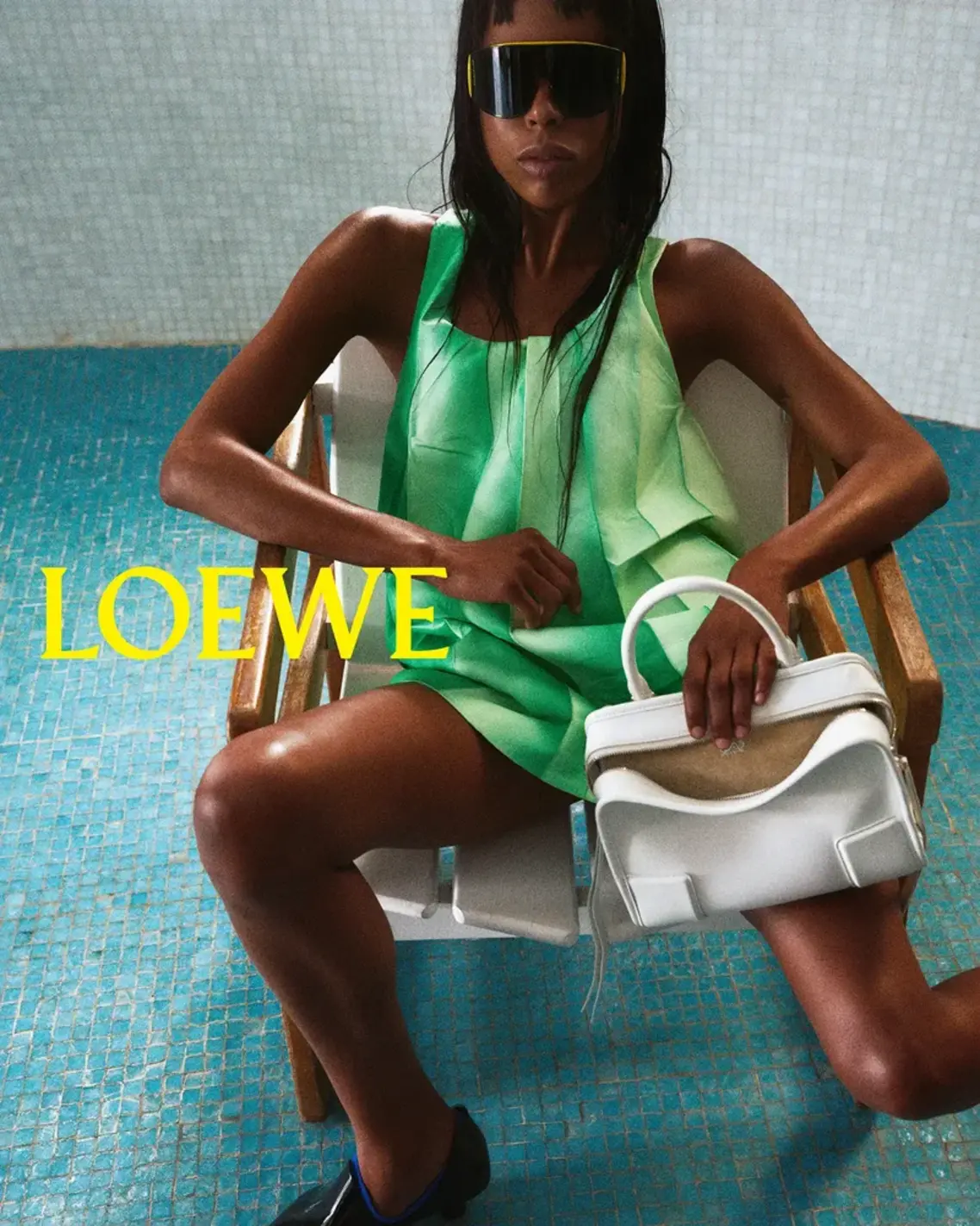
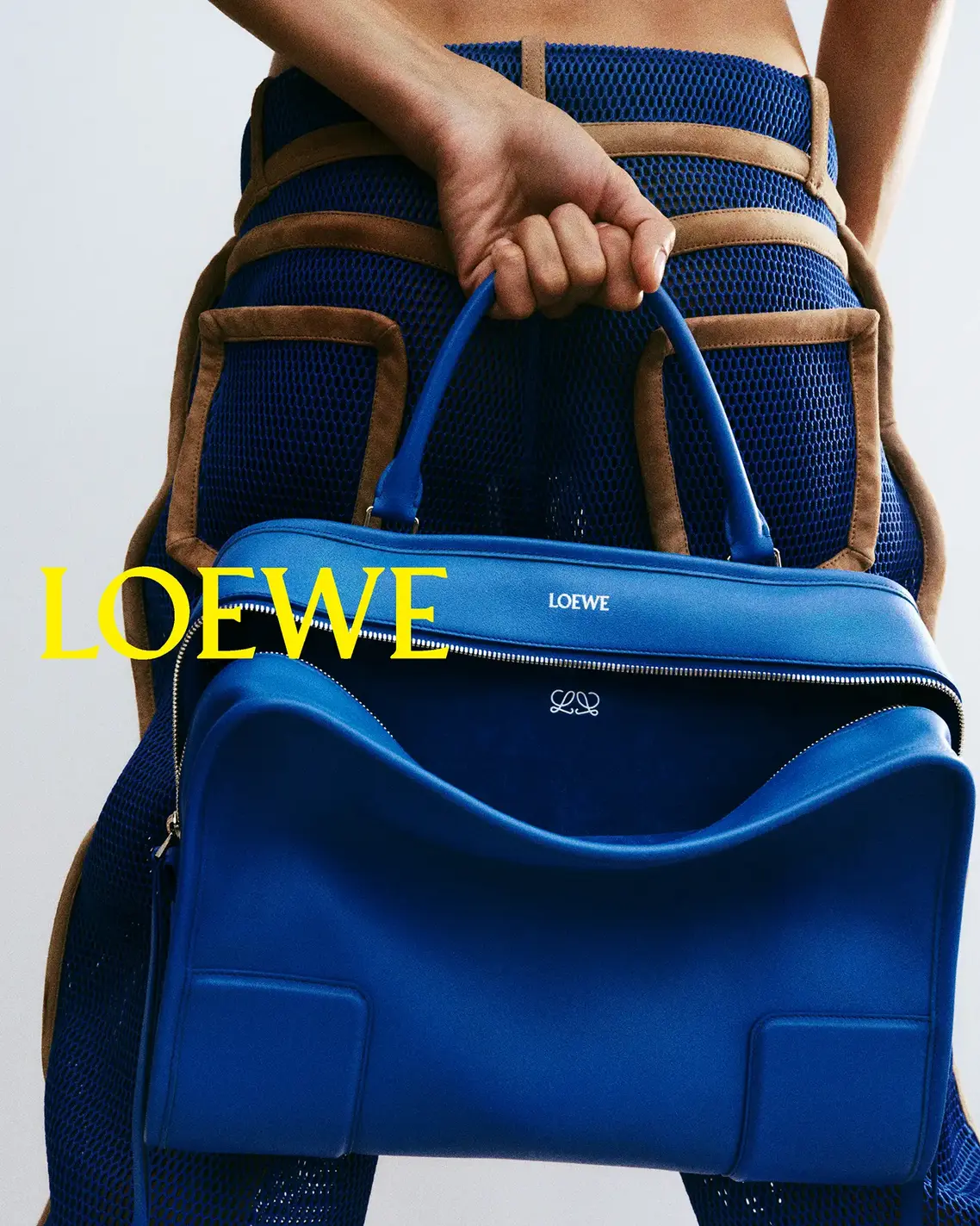
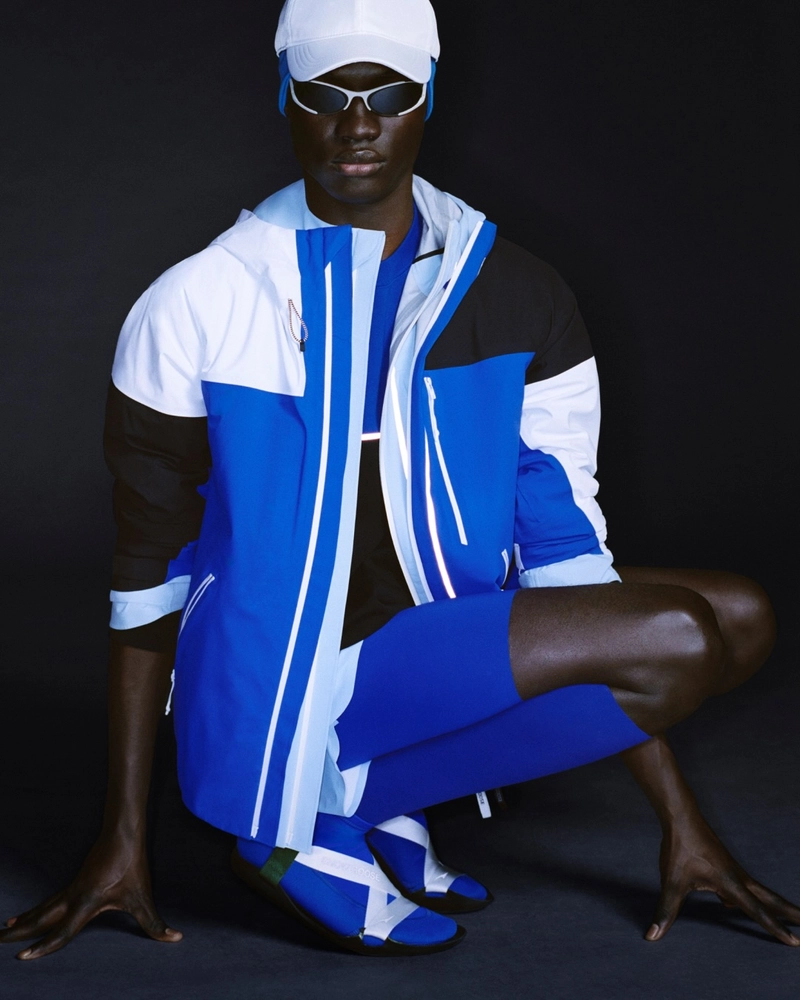
Loewe’s Spring 2026 campaign offers a different kind of charge, one built around provocation, sensuality, and pure scroll-stopping strangeness. Jack McCollough and Lazaro Hernandez’s first campaign for the house, shot by Talia Chetrit, features emerging stars like True Whitaker and Isla Johnston in bright colours, looking as though they have just emerged dripping from a swimming pool. The details are vividly physical: berries floating in ice water, PVC aqua booties stepping into a pool and onto tin-foil plates, damp hair, appetite, colour, surface. It is visceral and a little wicked, which is precisely why it works. The images do not merely ask to be seen. They insist on being felt.
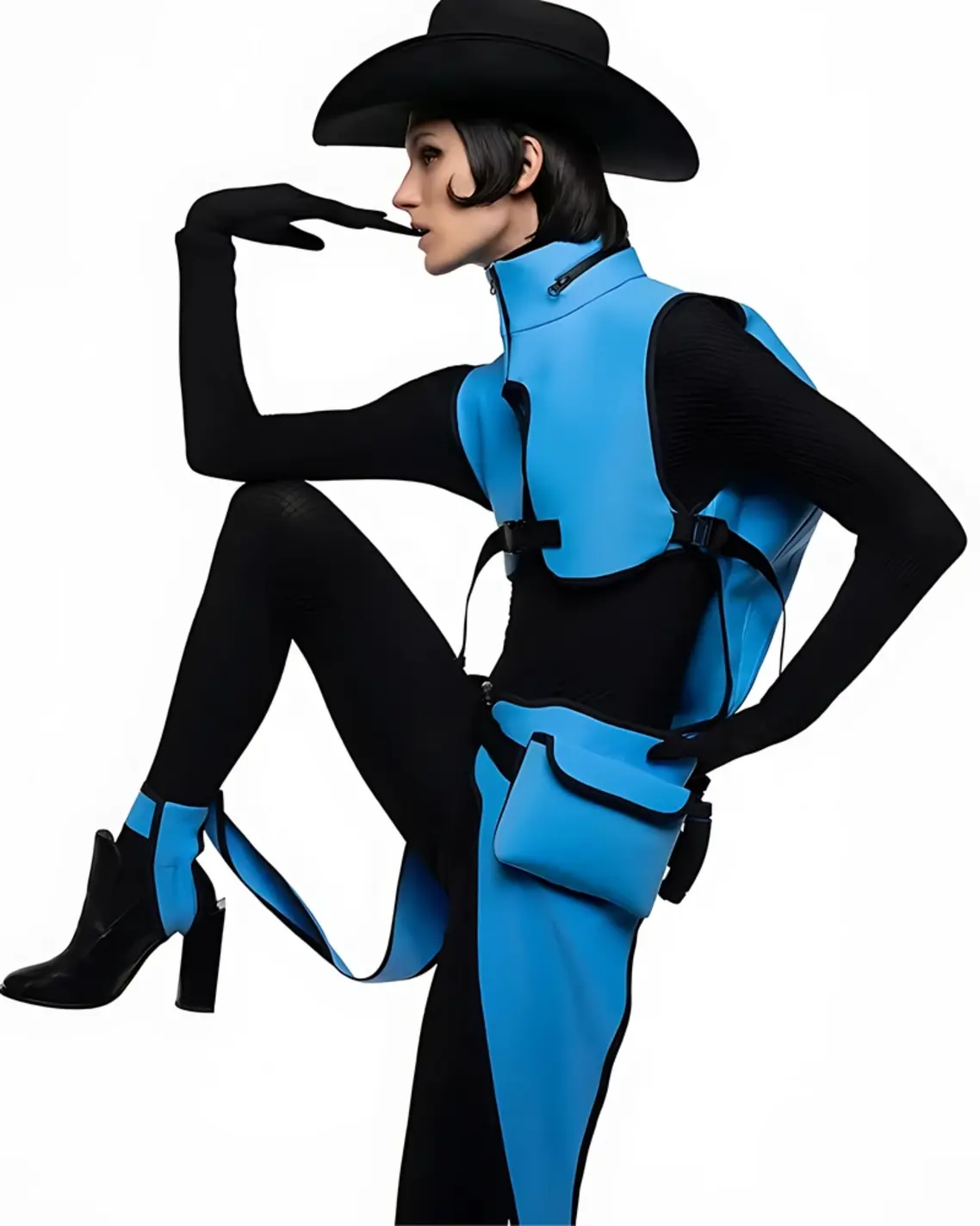
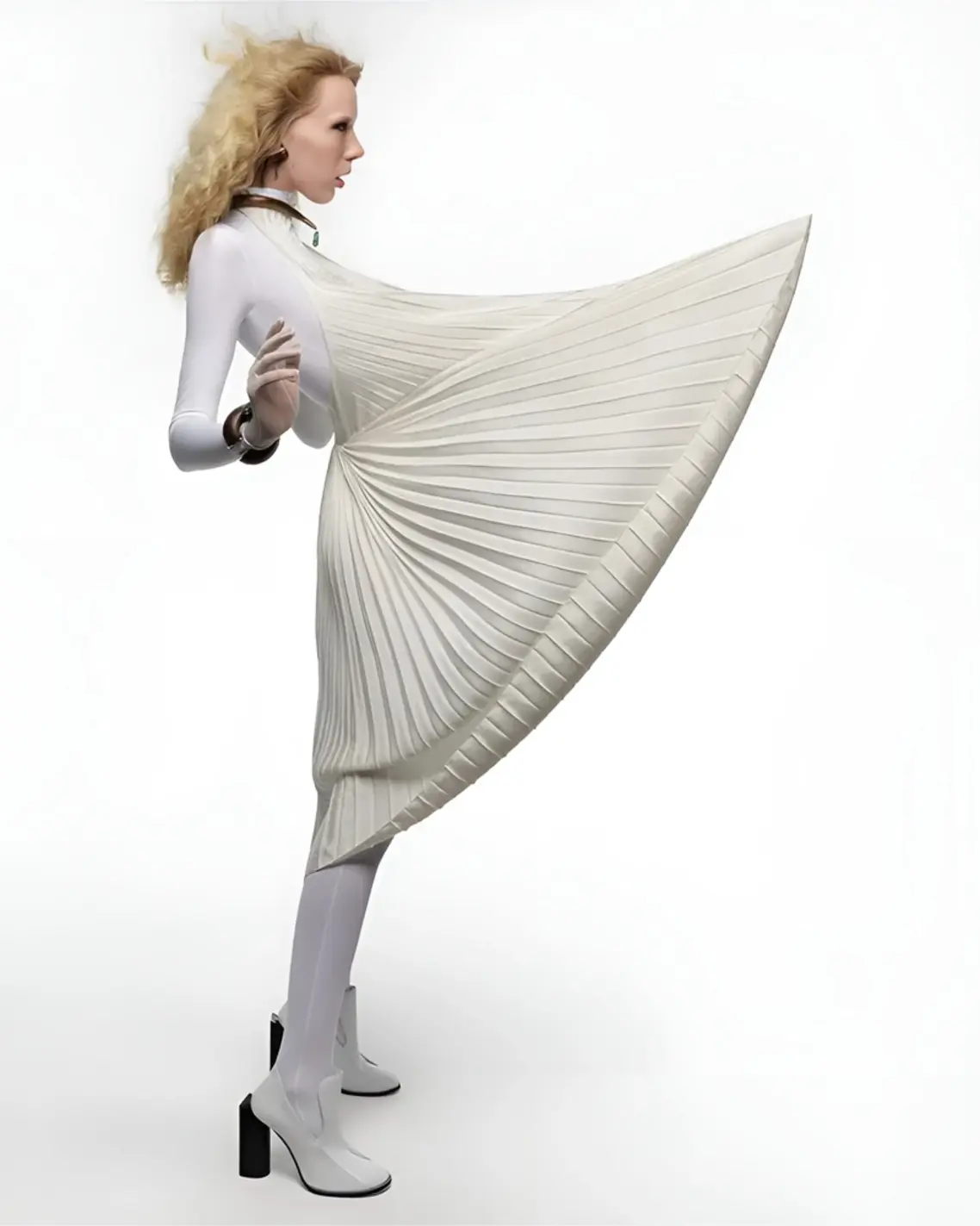
The genius of the Jean Paul Gaultier Spring 2026 campaign lies in how controlled it feels. “Junior,” Duran Lantink’s first ready-to-wear campaign for the house, brings back Gaultier’s avant-garde spirit through stiff, off-kilter poses that feel deliciously 1960s, a little awkward, a little naughty, and very precise. Shot by Inez and Vinoodh, the imagery trades chaos for sharp silhouette, letting that clinical, graphic tension do the seduction. It still carries the youthful, club-soaked energy Lantink described, though it delivers it with a stranger, cooler discipline.
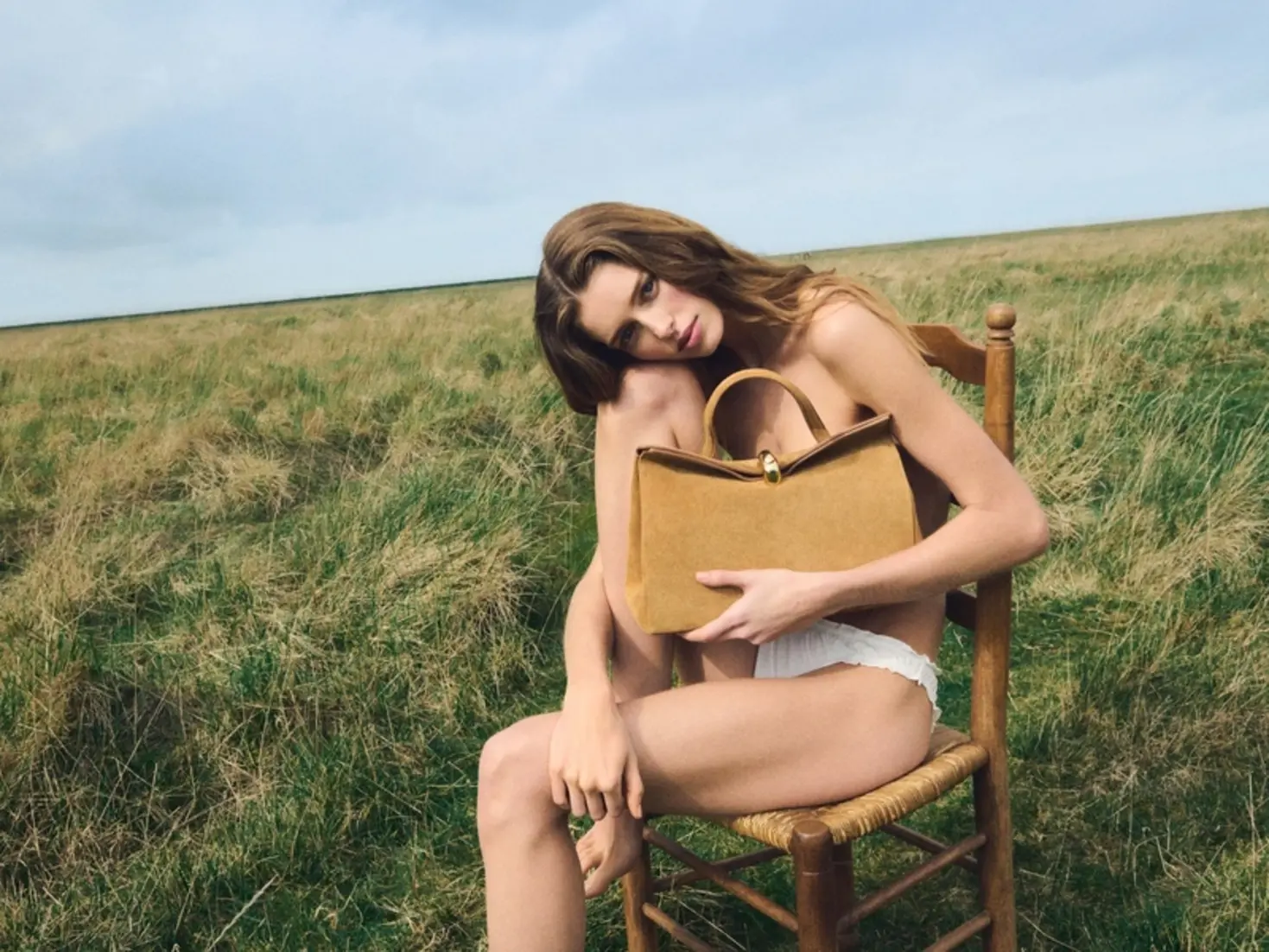
Emotion, in fact, is one of the great accelerants here. It helps people stop, look, and then share. Jacquemus understood that perfectly when Simon Porte Jacquemus introduced his grandmother Liline as a brand ambassador on Instagram in January. The post framed her as one of his great inspirations and as a living embodiment of the “fields, sun and simplicity” associated with the house. It was heartwarming, intimate, and deeply on brand. It also generated $2.6 million in MIV. Which is a rather useful reminder that sentiment, when tied directly to a designer’s world rather than pasted on for convenience, can be commercially potent as well as emotionally resonant.
Still, all the emotional intelligence in the world cannot distract from a weak product forever. Fashion advertising needs a clear connection to something people might genuinely want to buy. That is why storytelling works especially well when it is organised around an iconic product or a recognisable brand code. They help consumers enter the brand universe, though they also give them a practical point of purchase. In the end, if an ad is going to communicate the brand while making a viewer itch to own a piece of it, the product has to stand on its own. Baron says it plainly: usually the best campaigns are also the best clothes. That has to begin on the runway. Good clothes make good campaigns easier. Which, frankly, feels rude in its simplicity and true in exactly the same way.
So what does it take for a fashion campaign in 2026 to break through? Right now, the campaigns that win are the ones that remember fashion advertising is part seduction, part storytelling, part cultural timing, and part object lust. Miss one of those, and the whole thing risks vanishing into the feed like it was never there at all.
Advertisement