In 2026, the most intriguing luxury device may be the one that does less. As smartphones become universal, dumb phones are rising as a new status symbol, shaped by privacy, restraint, and the polished allure of quiet luxury tech.
Dumb Phones Are the New Quiet Luxury Tech Status Symbol
In 2026, the most intriguing luxury device may be the one that does less. As smartphones become universal, dumb phones are rising as a new status symbol, shaped by privacy, restraint, and the polished allure of quiet luxury tech.
June 4, 2026


In 2026, luxury’s most interesting objects are no longer always the loudest ones. They rarely arrive in a blaze of logos or technical spectacle. They move with greater subtlety: a watch chosen for its movement rather than its shine, a handbag prized for its hand rather than its hardware, a hotel suite that whispers rather than performs. Into this new landscape enters one of the chicest status symbols of the year: the return of dumb phones.
Seen from the right distance, the rise of dumb phones feels almost inevitable. The smartphone, once the purest emblem of modern aspiration, has become too common, too expected, too universally possessed to retain its old glamour. Everyone has a glossy screen. Everyone has the same digital reflexes. Everyone lives inside the same glow. Luxury, by instinct, moves elsewhere.
That elsewhere is where dumb phones begin.
Why Dumb Phones Signal Modern Refinement
What makes them desirable in 2026 has very little to do with nostalgia and everything to do with refinement. The new appeal lies in editing, in discretion, in the elegance of a life with fewer digital intrusions. A dumb phone does not promise maximal capability. It offers something far more seductive to the luxury imagination: composure. In a world that rewards urgency, the person carrying a reduced, beautifully made phone appears to live above the noise. That, in itself, has become a powerful status symbol.
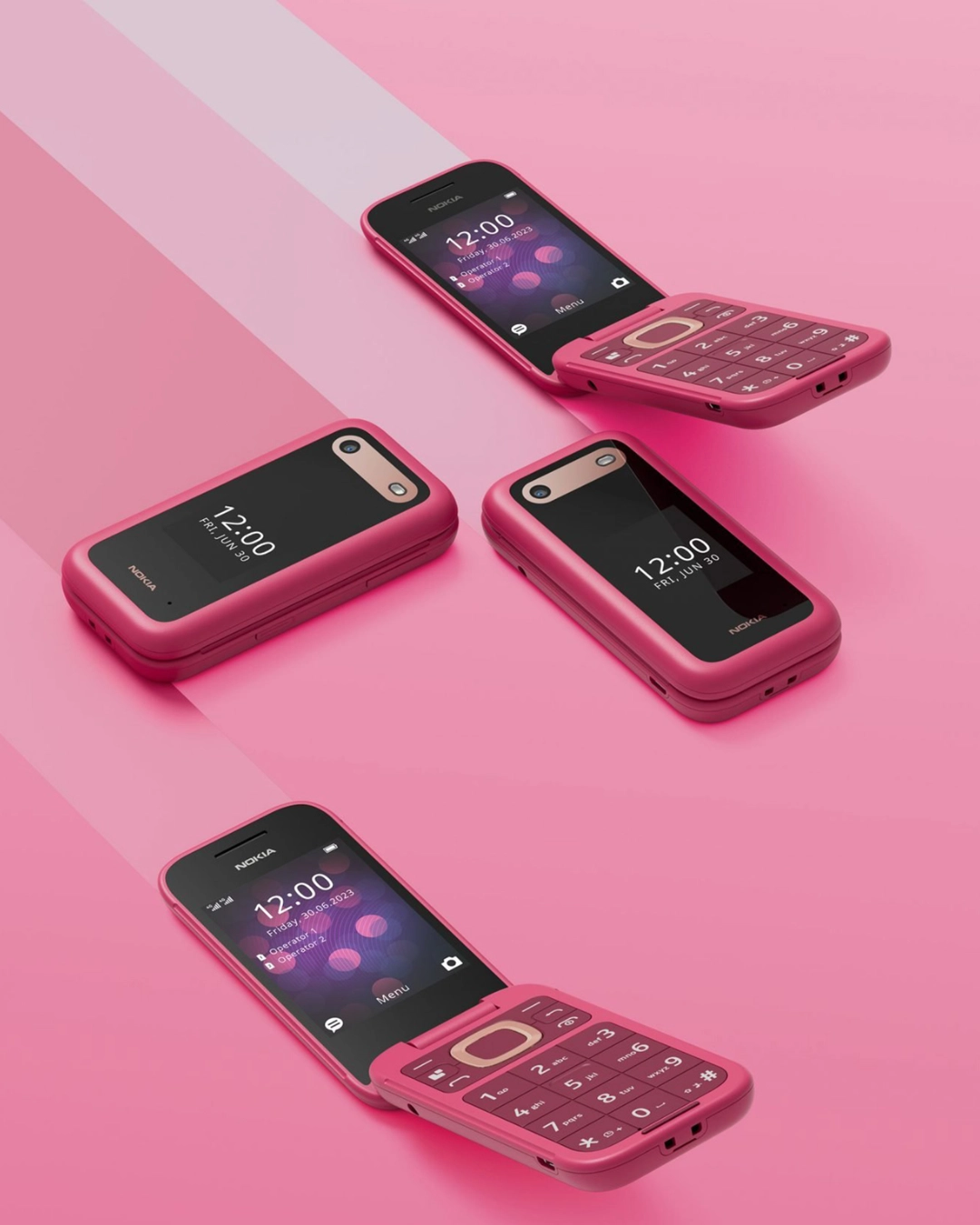
The appeal also sits perfectly inside the broader rise of quiet luxury tech. Fashion has spent the last few seasons teaching us that wealth no longer needs to shout. Technology is now learning the same lesson. The most intriguing devices are those that feel considered, tactile, and materially convincing. They belong less to the world of annual upgrade fever and more to the world of lasting objects, objects with weight, finish, and atmosphere.
The Phones which Defining the Digital Exit
That distinction matters. A luxury watch seduces through ritual: the winding, the clasp, the movement, the pleasure of the object against the skin. The new generation of dumb phones aspires to a similar intimacy. The keypad, the click, the matte casing, the resistance to endless scroll: each gesture becomes slower, cleaner, more intentional. Even the act of making a call acquires a kind of ceremony.
At the highest end of the category, Vertu remains the clearest expression of the luxury thesis. The brand’s Signature S+ is framed around handcrafted materials, sapphire, leather, and the now-iconic Ruby Key, which serves as a gateway to the house’s concierge universe. Vertu describes that Ruby Key as a one-touch line to personal assistance, an idea that turns the phone from a communications device into a lifestyle portal. In luxury terms, that shift is everything: the object ceases to be a gadget and becomes service, access, and rank made tangible.
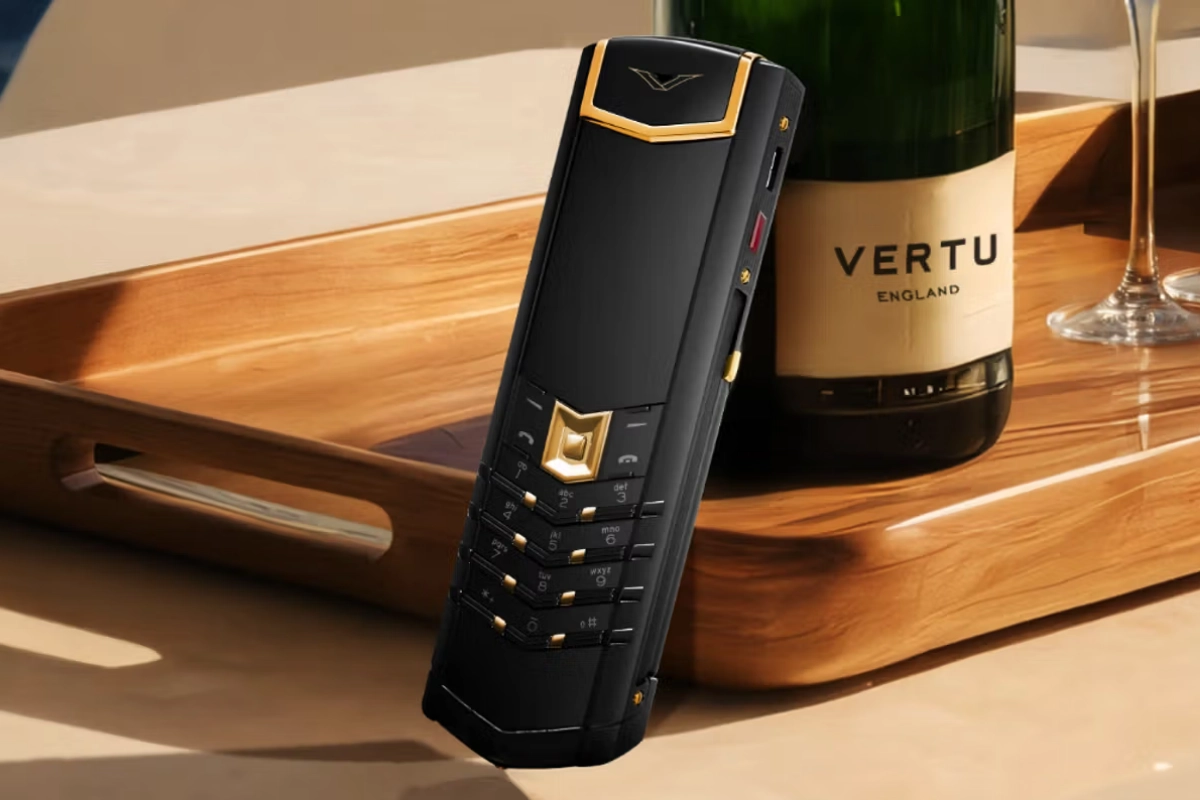
This is why dumb phones are fascinating right now. In ordinary consumer culture, less functionality might read as compromise. In luxury culture, less can read as mastery. A pared-back device suggests that its owner already possesses the infrastructure modern life demands. Assistants exist. Drivers exist. Teams exist. Screens elsewhere exist. The personal phone, then, becomes free to return to something more elegant: contact without chaos.
That idea gives the category its deepest glamour. The new prestige device is no longer the one that can do everything. It is the one that protects the owner from having to do everything at once.
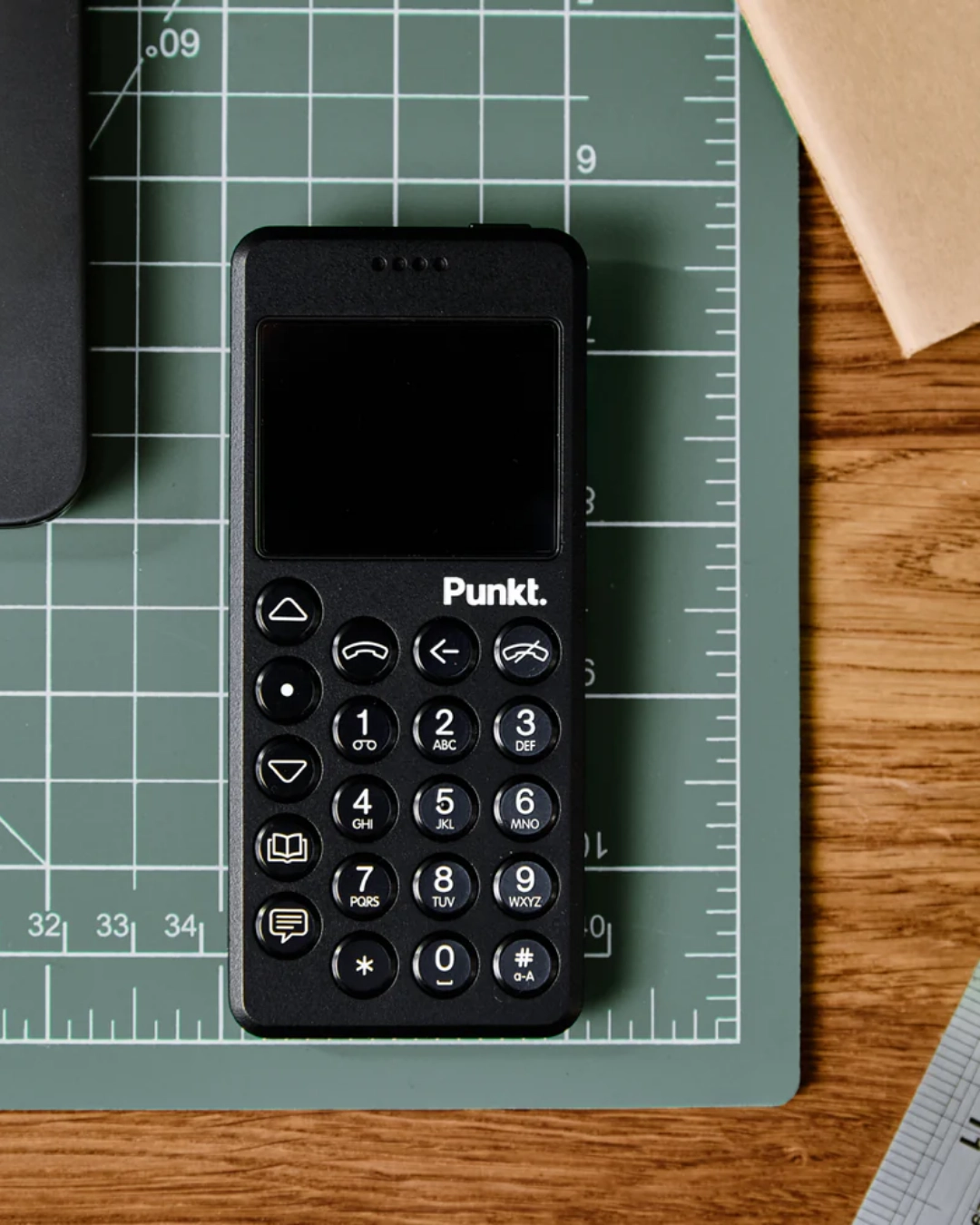
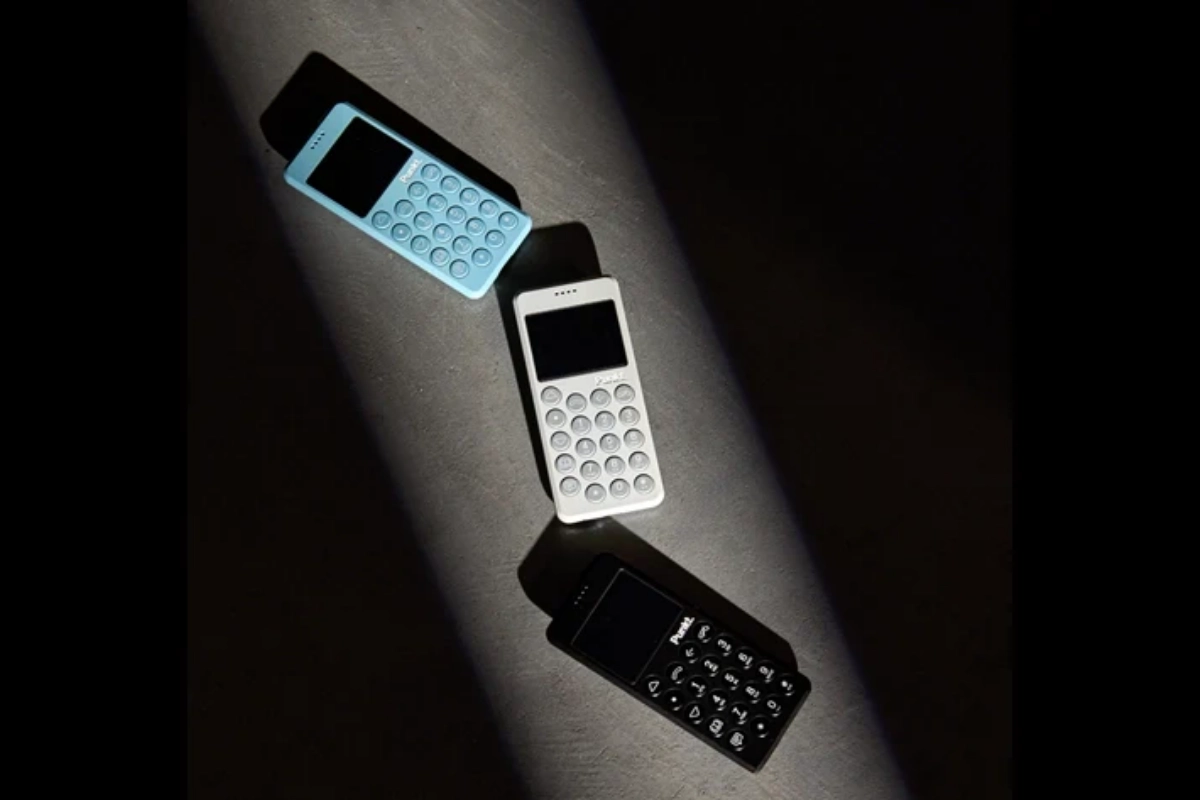
Punkt brings a very different form of desirability to the same conversation. Its MP02, designed by Jasper Morrison, belongs to the lineage of objects that feel almost monastic in their restraint. The appeal lies in form, proportion, and philosophy. Punkt presents it as a 4G minimalist phone with Wi-Fi tethering and secure messaging, a device for people drawn to clarity rather than digital abundance. In the context of Quiet Luxury Tech, its beauty comes from discipline. It does not beg for attention. It simply has standards.
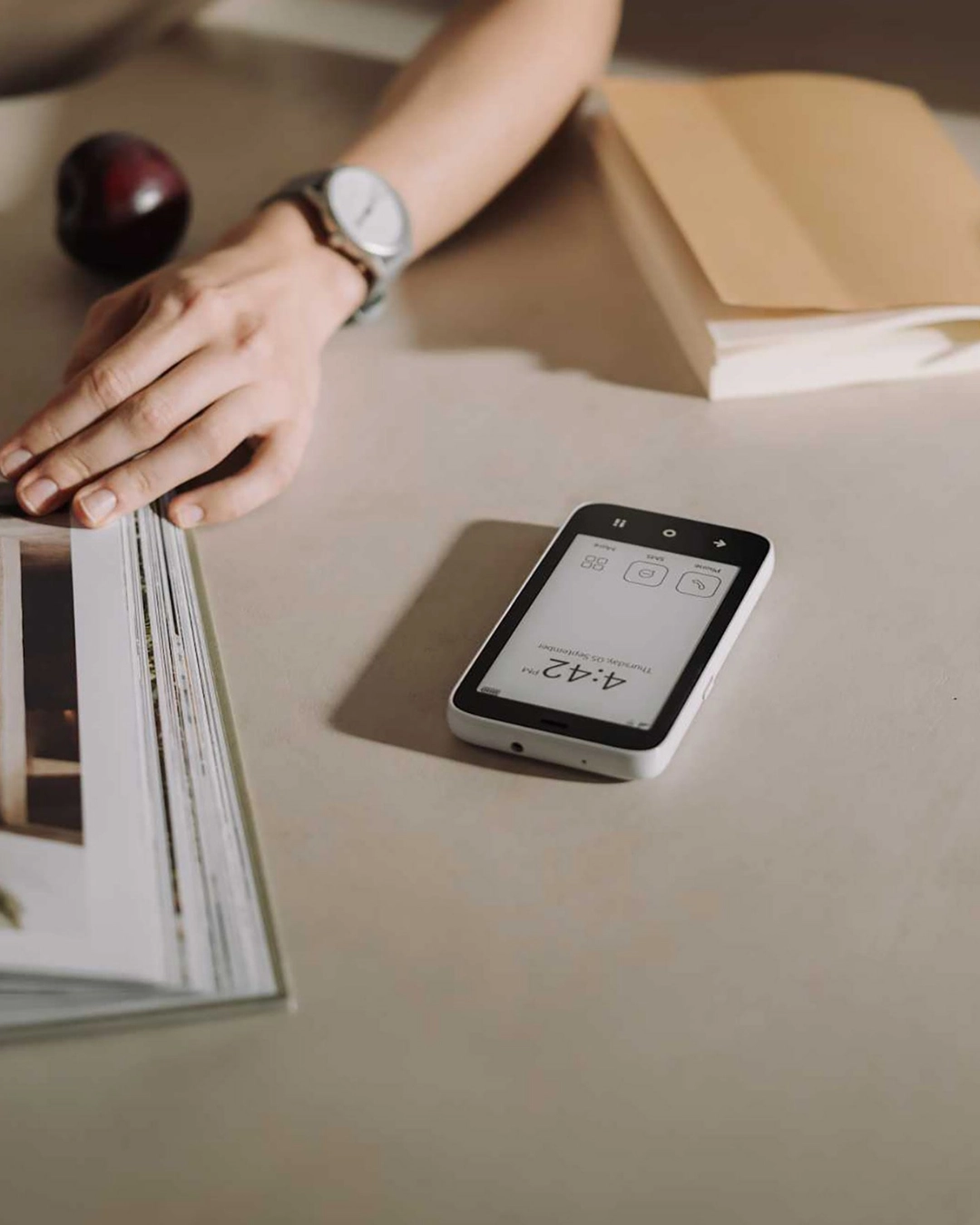
Mudita, meanwhile, contributes a softer, more private kind of luxury. Its Kompakt wraps the dumb phones story in the language of calm: E Ink, reduced visual stress, and a privacy-first design approach. The company emphasizes a dedicated privacy control that cuts microphones and the GSM modem at the hardware level while disabling other wireless features at the software level. That promise of physical quiet feels deeply in tune with contemporary luxury, where emotional comfort has become every bit as important as beautiful surfaces.
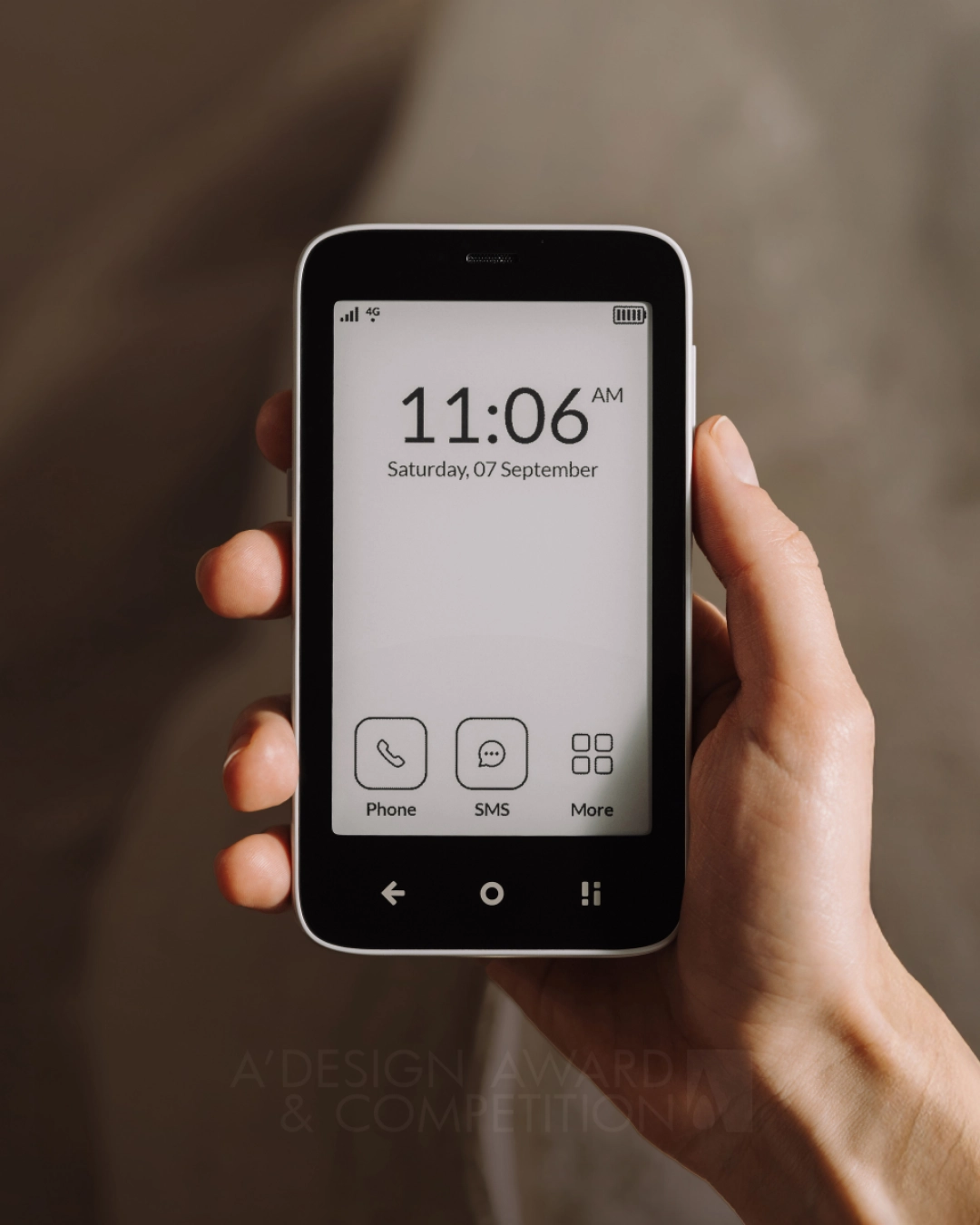
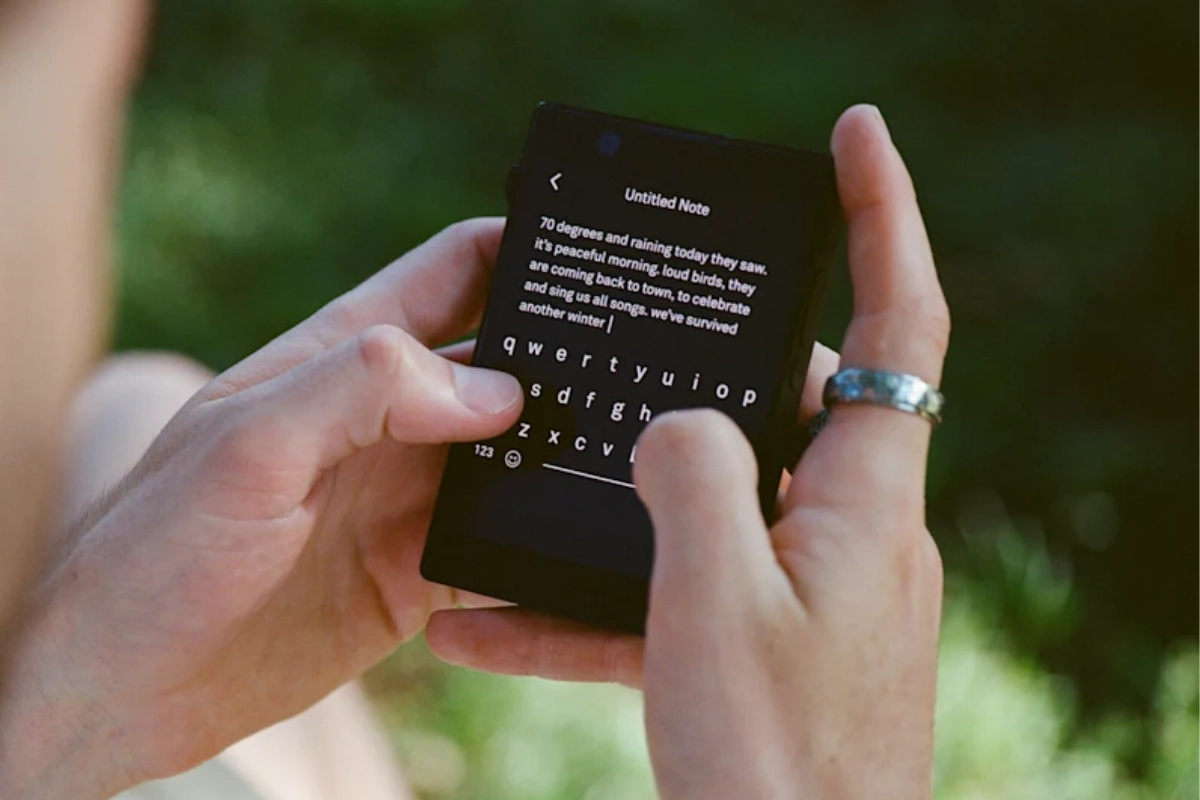
Then there is Light Phone III, perhaps the most aesthetically telling device of the group because it transforms absence into aspiration. Light states plainly that the phone will never include social media, internet browsing, email, news, or ads. That refusal gives the object its identity. Instead of trying to seduce the user into more engagement, it protects a cleaner visual and mental field. For the luxury consumer, that kind of refusal feels newly irresistible. It is a device built around curation. Around boundaries. Around the rare pleasure of a technological object that leaves room for the rest of life.
Four Phones , One New Luxury Language
Taken together, these devices reveal the true shape of the movement. Dumb phones are no longer a fringe category associated with utilitarian need or retro quirk. They now span several luxury languages at once. Vertu speaks in concierge, craft, and prestige. Punkt speaks in design intelligence. Mudita speaks in privacy and stillness. Light speaks in edit, restraint, and visual purity. Different vocabularies, same allure.
And that allure is ultimately about much more than telecom. It is about social texture. About what a person signals when they place a phone on the table at lunch, in the back of a chauffeured car, inside the pocket of a sharply cut coat. The modern smartphone says efficiency, exposure, participation. Dumb phones say something more layered. They suggest selectivity. They suggest a life arranged with a little more air around it.
That is why the Digital Exit resonates so strongly in luxury circles. It feels less like retreat and more like elevation. The phrase captures a mood rather beautifully: a move away from digital clutter and toward a life with stronger contours. The Digital Exit does not demand total disappearance. It proposes better boundaries, cleaner rituals, and greater intention. In luxury, where so much value lies in spacing, pacing, and atmosphere, that proposition feels perfectly at home.
Why Dumb Phones Became the Ultimate Status Symbol
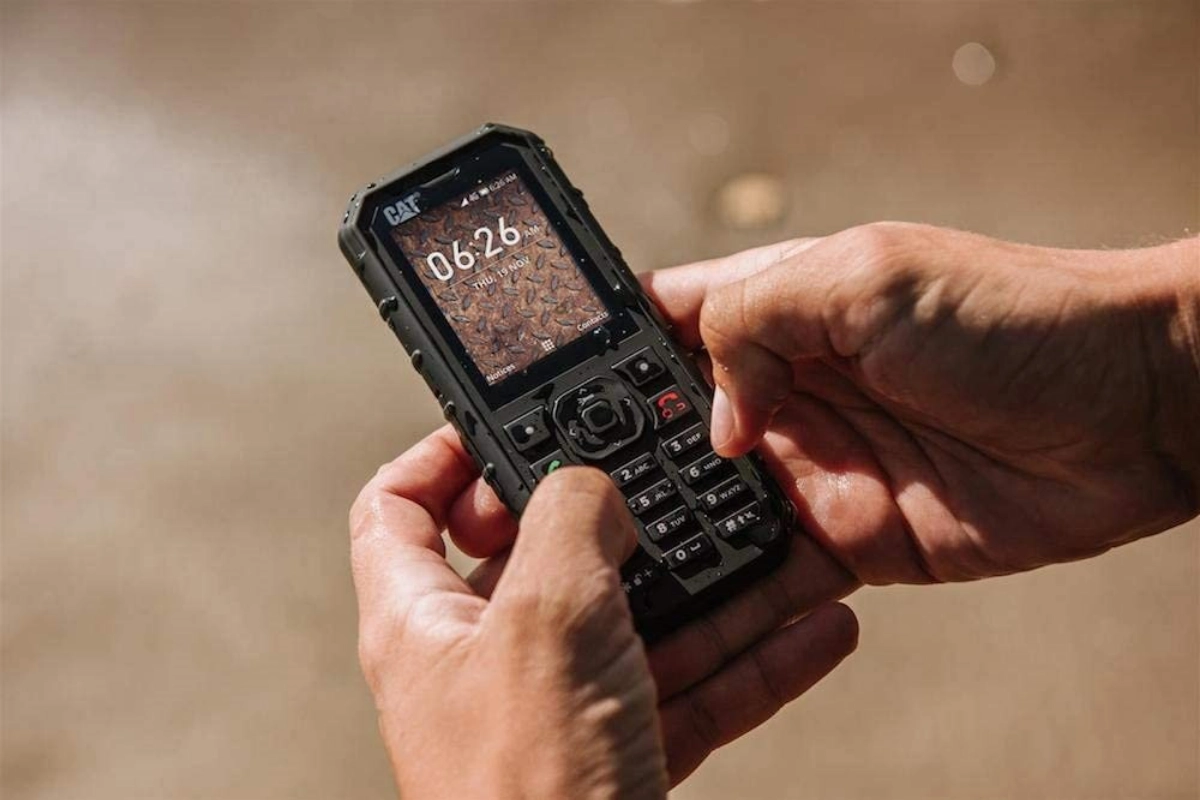
There is also a material truth here that should not be overlooked. The most compelling dumb phones offer what so much contemporary consumer tech has lost: objecthood. They feel like things rather than portals. Their surfaces matter. Their weight matters. Their sound matters. Their limitations, paradoxically, heighten their presence. They occupy the hand with more character because they ask less of the nervous system.
This is where the category becomes especially rich editorially. Dumb phones align with the same impulses that now shape luxury hospitality, luxury fashion, and luxury interiors. The best new hotels promise sanctuary over spectacle. The sharpest wardrobes lean toward refinement over flash. The most enviable homes privilege texture, calm, and intentional emptiness. Quiet Luxury Tech belongs to that same world. It extends the codes of discreet luxury into the pocket.
And in 2026, that extension feels timely. For years, technology sold aspiration through acceleration. Faster, brighter, more connected, more immersive. Luxury now seems drawn to a different promise: elegance through subtraction. The phone becomes smaller in spirit, and the owner seems larger in presence.
So yes, dumb phones have become a status symbol. Yet their power lies in the kind of status they signal. This is not the status of louder consumption. It is the status of edited living. The status of a person whose life appears curated rather than crowded. The status of someone who values privacy, calm, and concentration enough to make them visible choices.
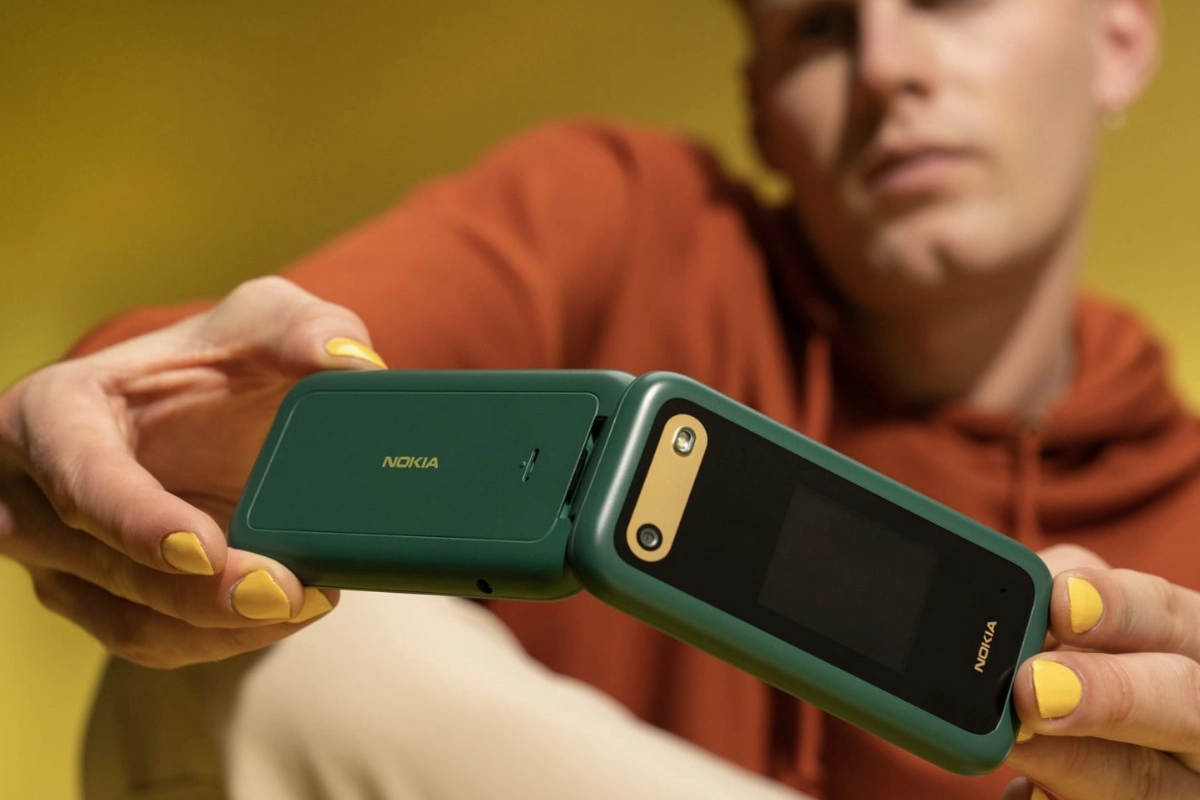
That may be the chicest part of the whole phenomenon. In a culture crowded with devices engineered to pull harder, the most luxurious gesture now is softness. A quieter ring. A smaller screen. A phone that asks very little and therefore gives back a great deal: space, silence, and the feeling of being entirely present inside one’s own life.
In that sense, the rise of dumb phones marks something larger than a tech shift. It marks a refinement of desire itself. Luxury has always known that true prestige lives in what one can decline. In 2026, the most elegant decline of all may fit in the palm of the hand.