MENU
Close





The inauguration of the Centre Pompidou Hanwha marked the first time a leading international museum brand established a long-term presence in South Korea. Here, from architectural design to curatorial practices, everything serves as a cultural bridge between Korea, France and the international art community.
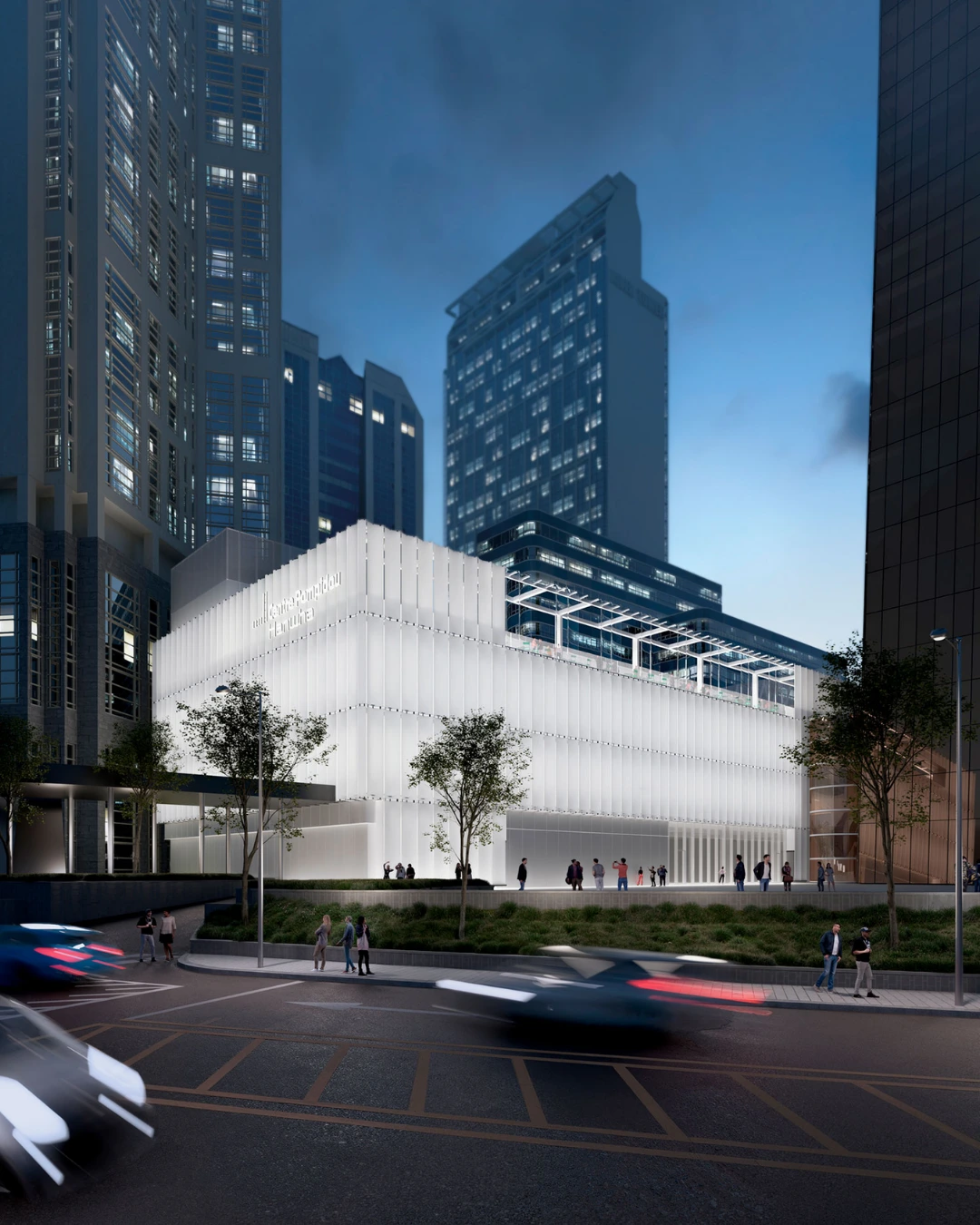
The inauguration of the Centre Pompidou Hanwha marked the first time a leading international museum brand established a long-term presence in South Korea. Here, from architectural design to curatorial practices, everything serves as a cultural bridge between Korea, France and the international art community.
June 9, 2026


On June 4, the Centre Pompidou Hanwha - a museum born from a collaboration between the Hanwha Foundation of Culture and the Paris-based Centre Pompidou - opened in Yeouido, Seoul. Following a series of high-profile partnerships in Europe and Asia, the lauching of this Seoul branch “strengthens Centre Pompidou’s international vision and its commitment to deepening ties with local audiences and artistic scenes” - said the French institution. Accordingly, the Centre Pompidou Hanwha aims to enhance the international standing of Korean artists by incorporating Korean artistic identity into curatorial practices.
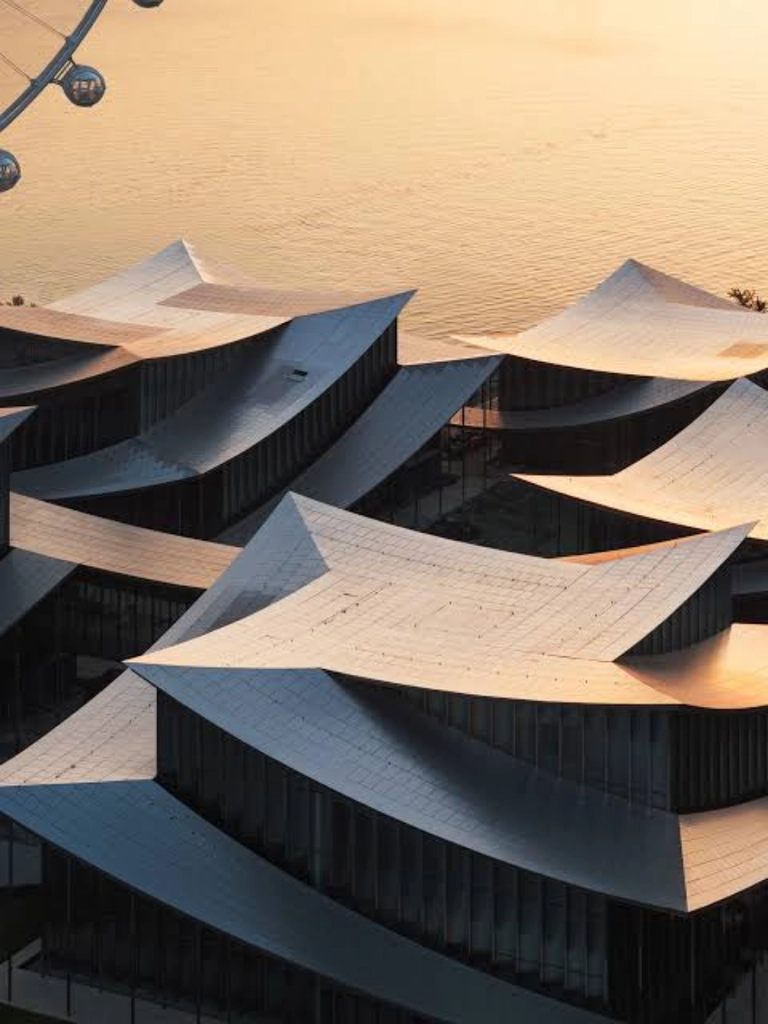
Renovated from an aquarium, the Centre Pompidou Hanwha spans 11,000 square metres across four stories, consisting of large galleries alongside an auditorium, shop, café and restaurant. The museum's exterior features bands of double-glazed, backlit panels stretching 150 meters along the Han River. This translucent curtain transformed the building into a “box of light”: it gently welcomes natural light during the day and diffuses interior light outwards to illuminate a corner of Seoul at night. Furthermore, the curved exterior is reminiscent of traditional Korean roof tiles, making the Centre Pompidou Hanwha a construction where modern design blends with Korea's long-standing architectural heritage.
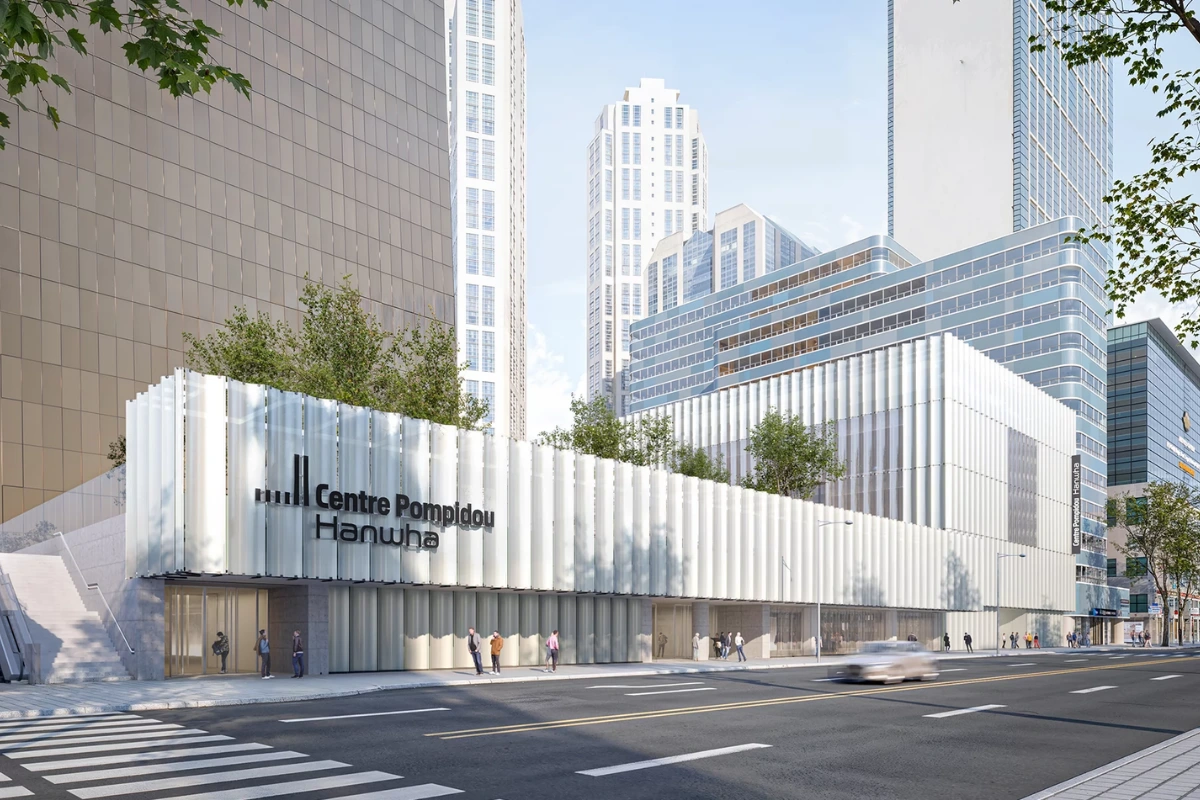
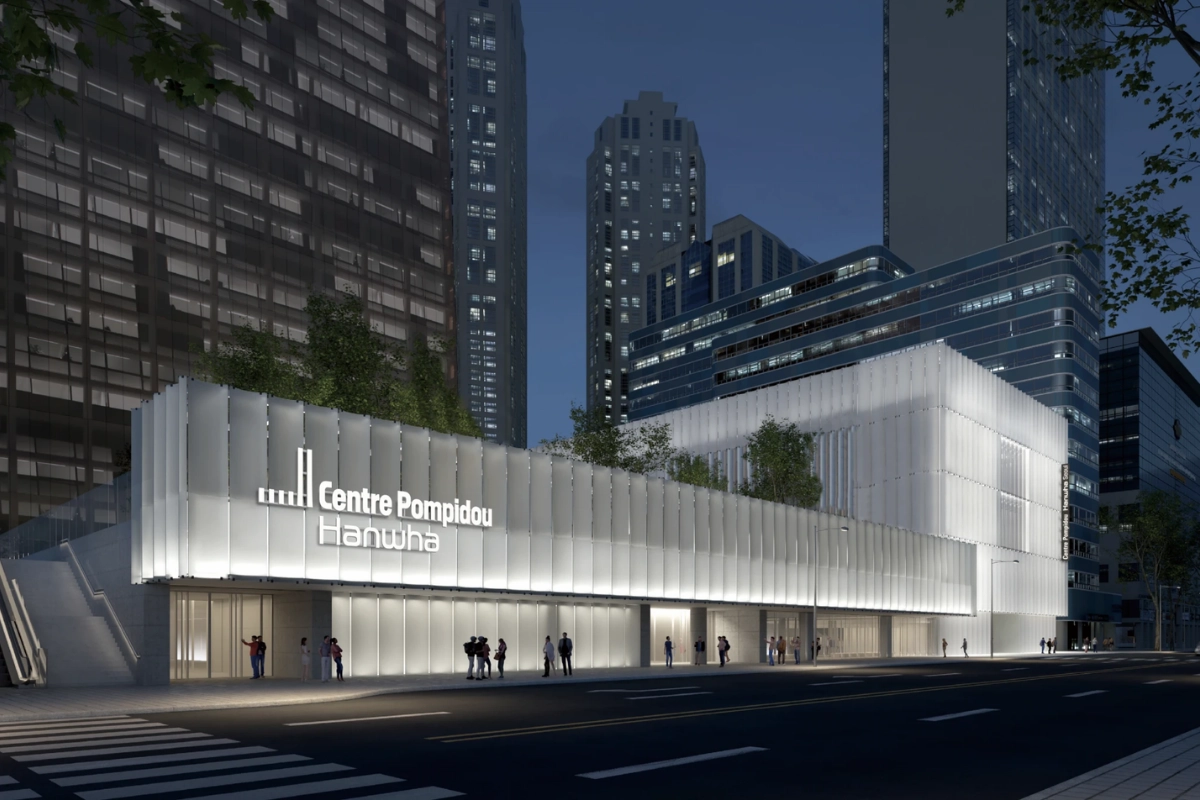
The core of the Centre Pompidou Hanwha lies in two 1,6000-square-meter galleries on the second and third floors. Aiming to foster international dialogues between the European and Korean art scenes, these spaces will present pieces of art coming from Centre Pompidou’s Musée national d’art moderne and Korean artists. Located on the second floor, Gallery 1 - with its seven-meter ceilings - is designed to host two large-scale touring exhibitions annually, showcasing artworks drawn from modern collections of Paris’s Centre Pompidou. On the floor above, Gallery 2 is a split-level space with a mezzanine, dedicated to contemporary exhibitions curated by the Hanwha Foundation of Culture. These programs not only highlight Korean artists but also connect country’s cultural context into the broader narratives of art history.
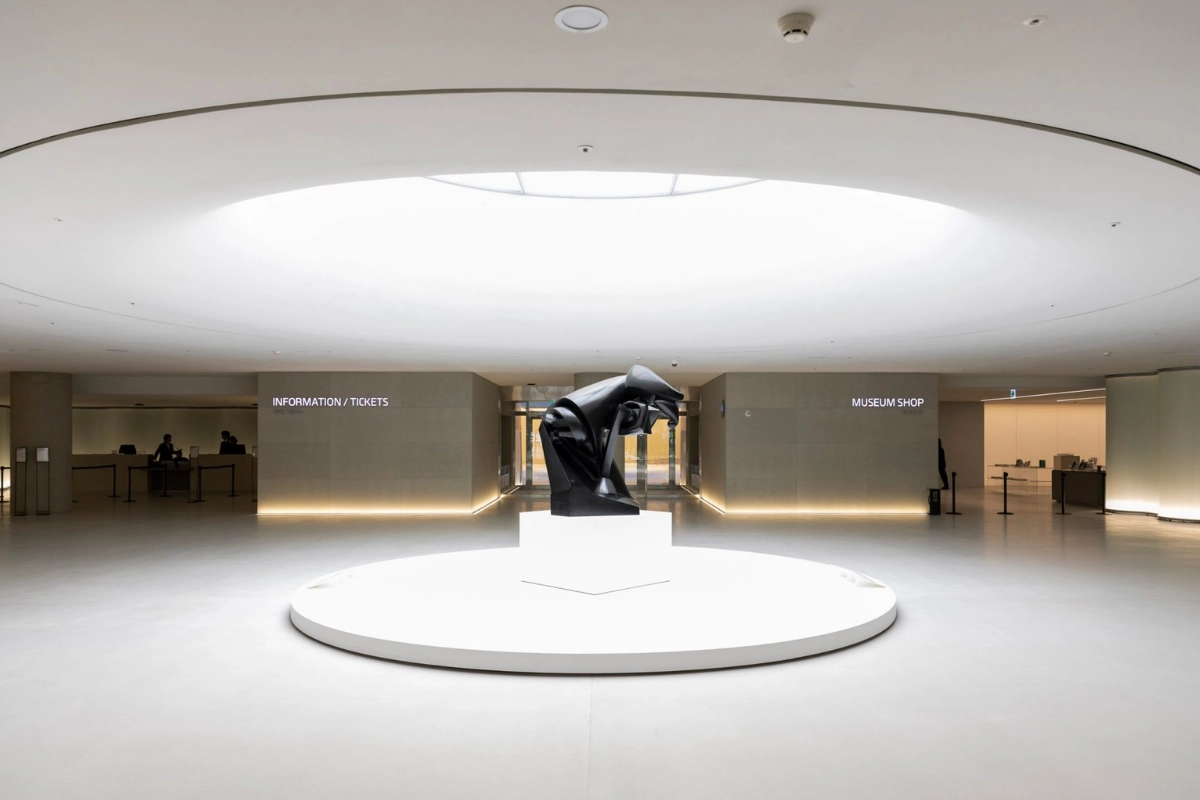
The journey of the Centre Pompidou Hanwha began with its inaugural exhibition entitled “The Cubists: Inventing Modern Vision”. Jointly curated by a French and Korean team, the show features 112 works, including 91 works by 43 Cubist figures and 21 works by 11 modern and contemporary Korean artists. Through the language of art, “The Cubists: Inventing Modern Vision” portrayed the evolution of Cubism, explaining how a new visual art style became a revolutionary artistic movement. Notably, the exhibition in the Centre Pompidou Hanwha include “Korea Focus” - a section featuring works by Lee Soo-auck, Ham Dae-jung, and Park Re-hyun, thereby depicting the influence of Cubism and other Western avant-garde movements on Korea’s art.
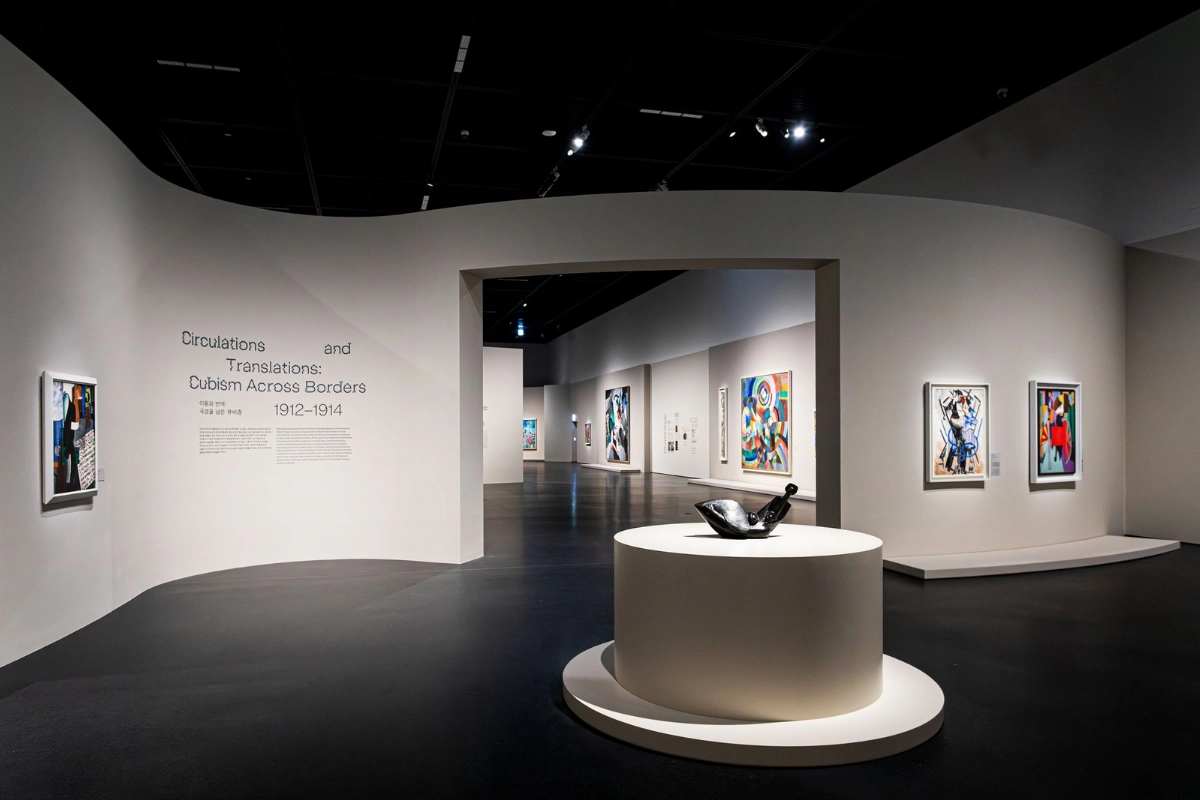
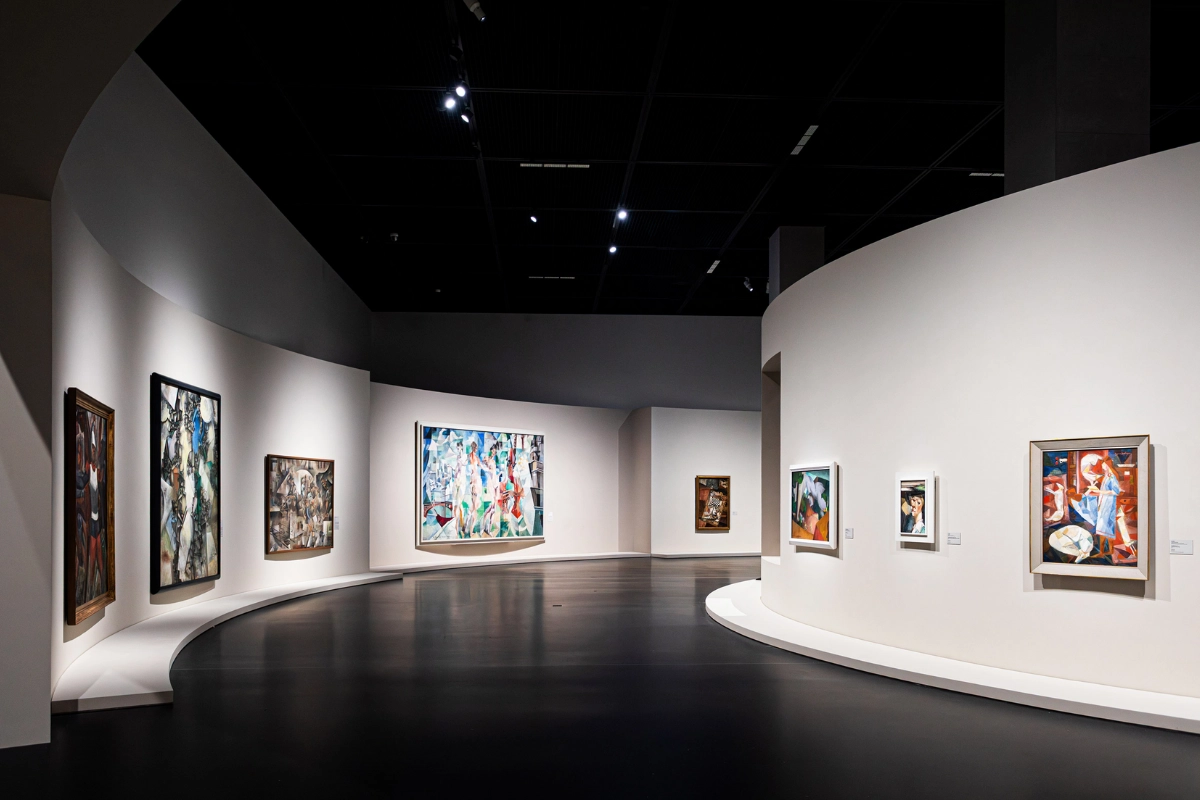
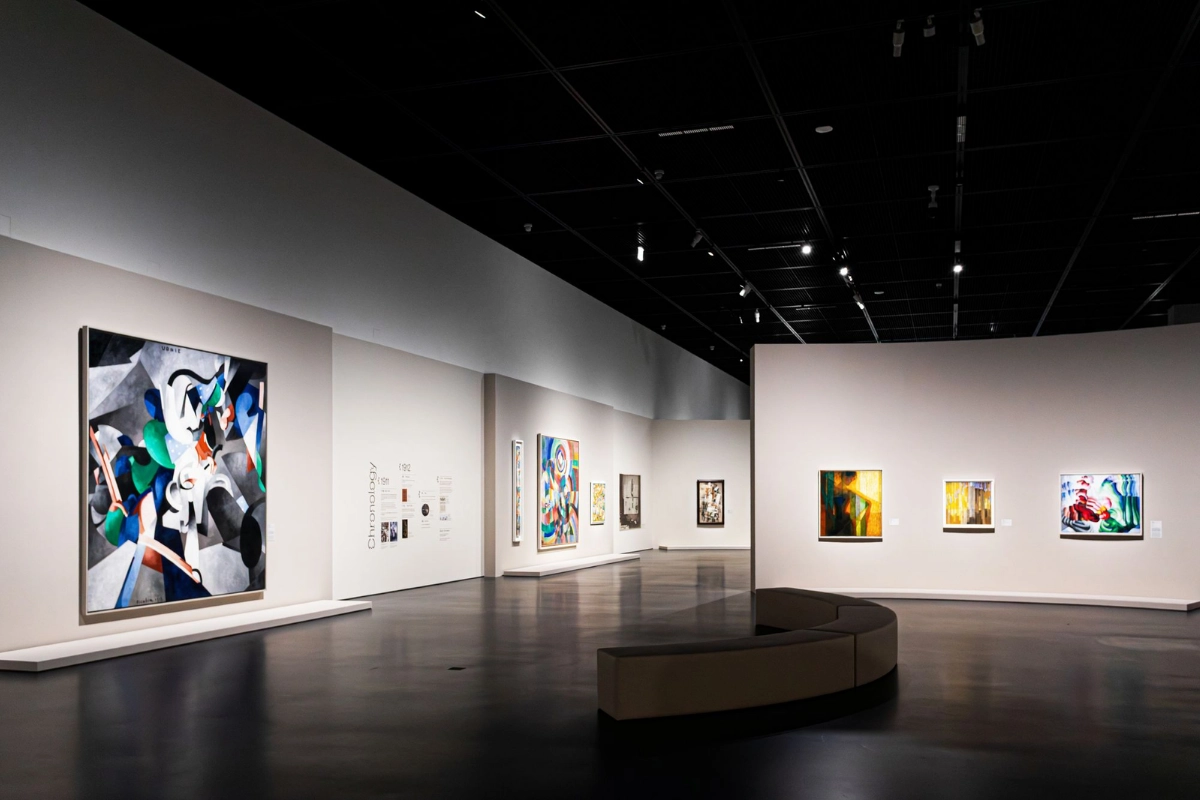
From the very beginning, the Centre Pompidou Hanwha demonstrated its ambition to become a new platform for modern and contemporary art in Asia. Within the museum's expansive space, masterpieces from Europe and Korea are interconnected, fosters profound dialogues of art, history and culture. These interpretations help art transcend national borders, connecting people and constantly evolving.