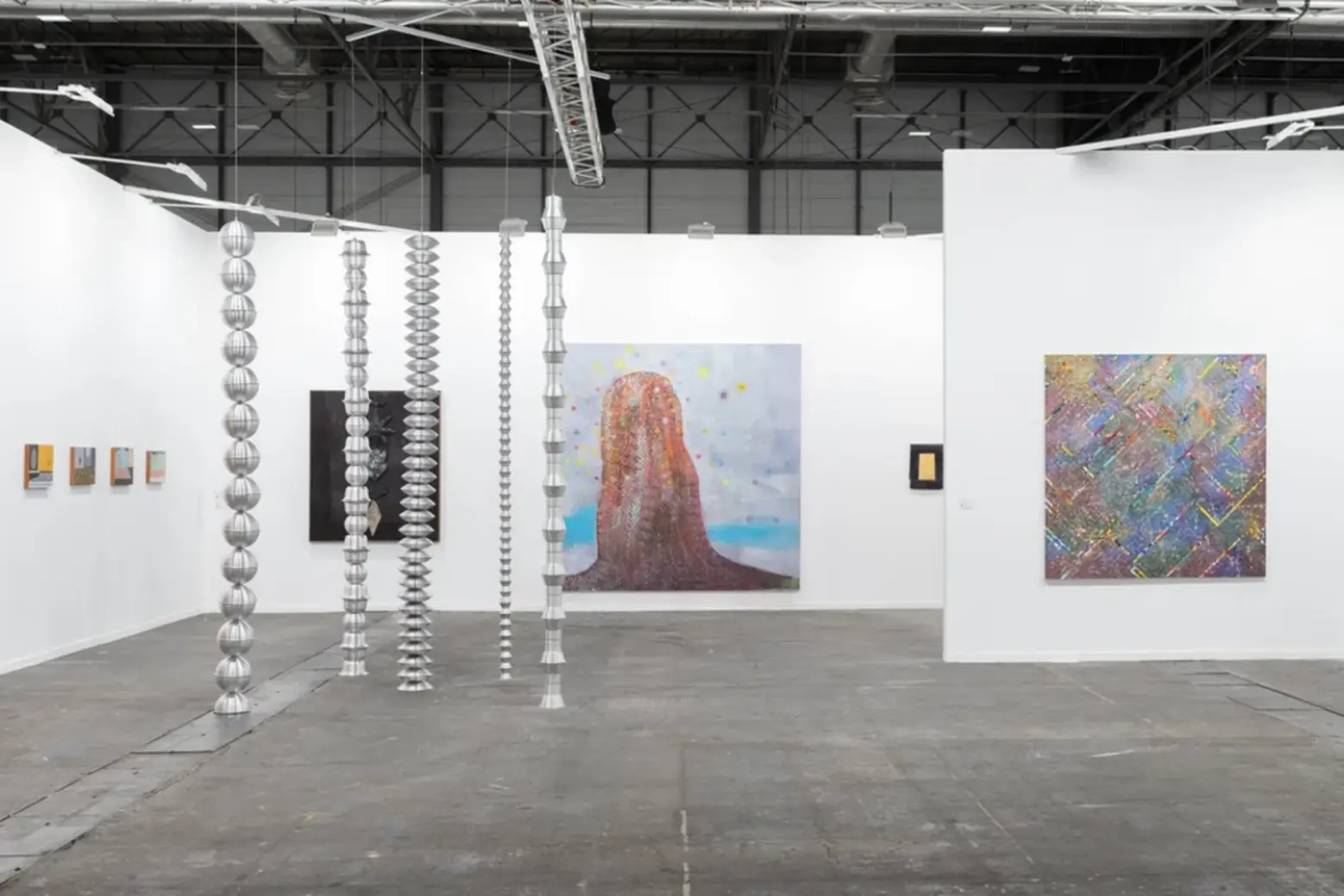
For its 45th anniversary, ARCOmadrid 2026 closed as both a market success and a curatorial statement, turning Madrid into a sharper, more speculative bridge between Europe and Latin America while proving that an art fair can still think as hard as it sells.
ARCOmadrid 2026: When the Fair Became a Forecast
For its 45th anniversary, ARCOmadrid 2026 closed as both a market success and a curatorial statement, turning Madrid into a sharper, more speculative bridge between Europe and Latin America while proving that an art fair can still think as hard as it sells.
March 8, 2026


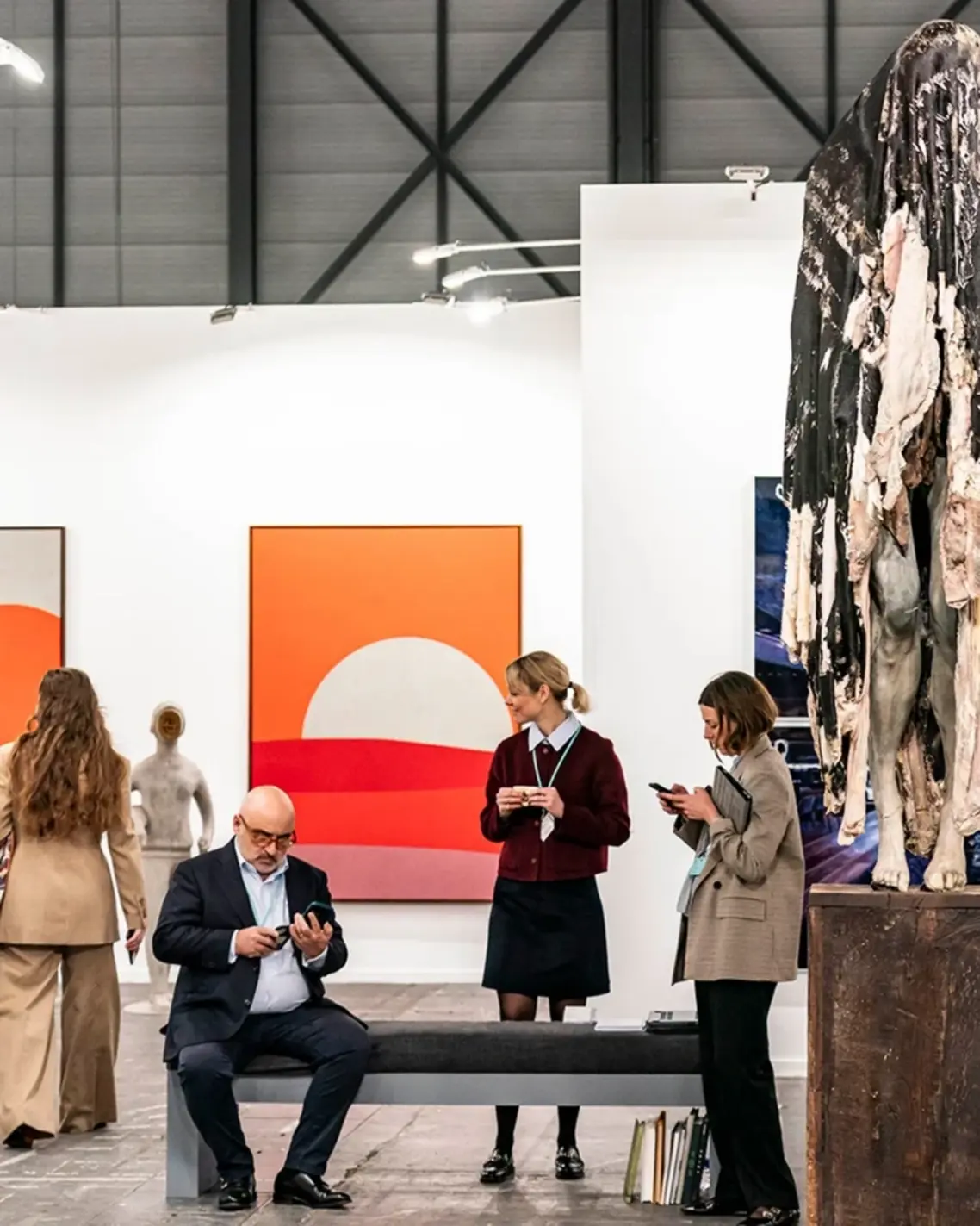
After the booming success of ARCOmadrid 2025, ARCOmadrid 2026, held from March 4 to 8 at IFEMA Madrid, did more than celebrate a 45th edition. It used the anniversary to reset its identity. The fair closed with an expected 95,000 visitors, around 40,000 art professionals, and 211 galleries from 30 countries, reaffirming Madrid’s weight in the international circuit and strengthening its role as a meeting point between Europe and Latin America. Organizers also estimate an economic impact of €195 million on the city, a figure that underlines how firmly ARCO now sits at the intersection of culture, commerce, and civic branding.
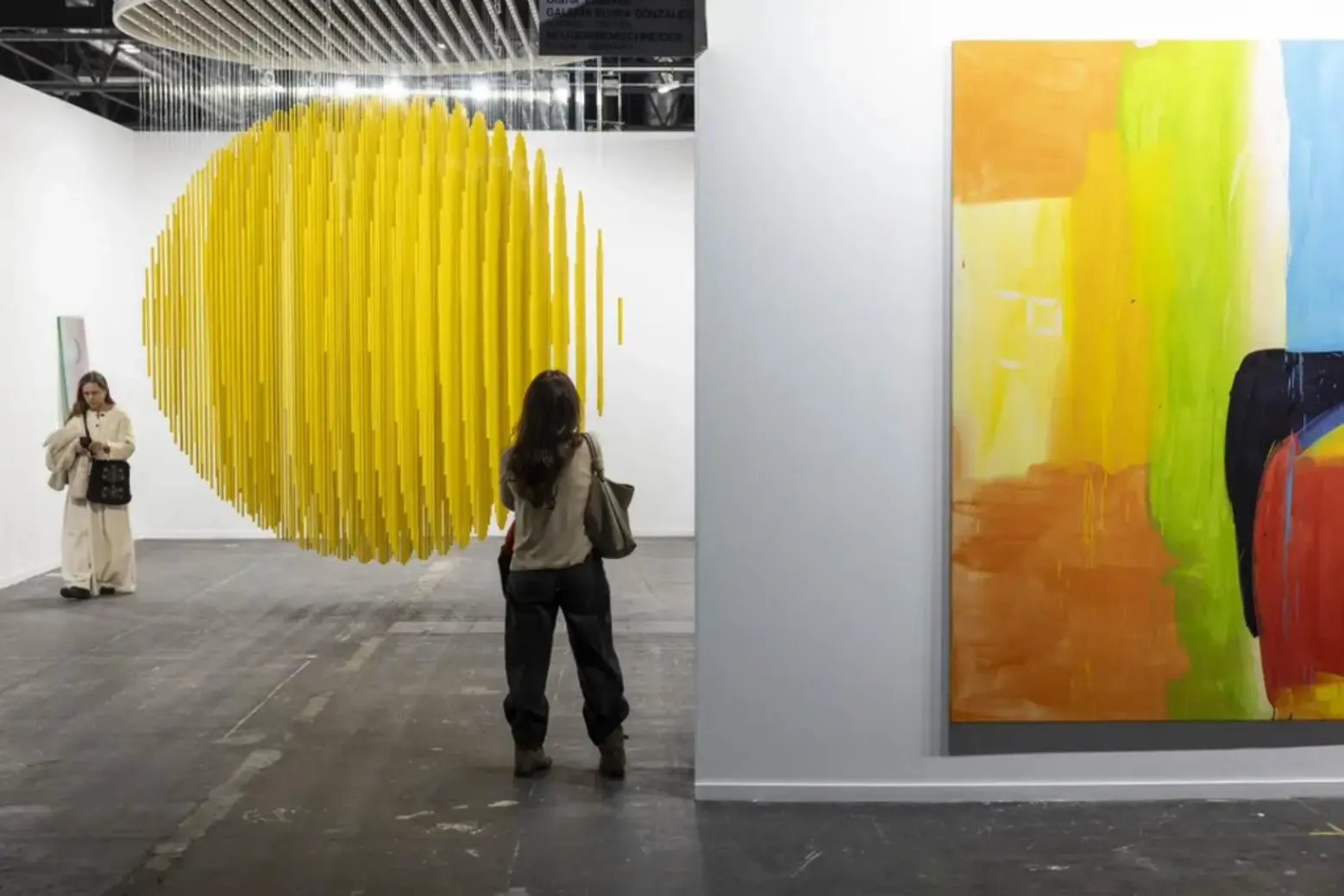
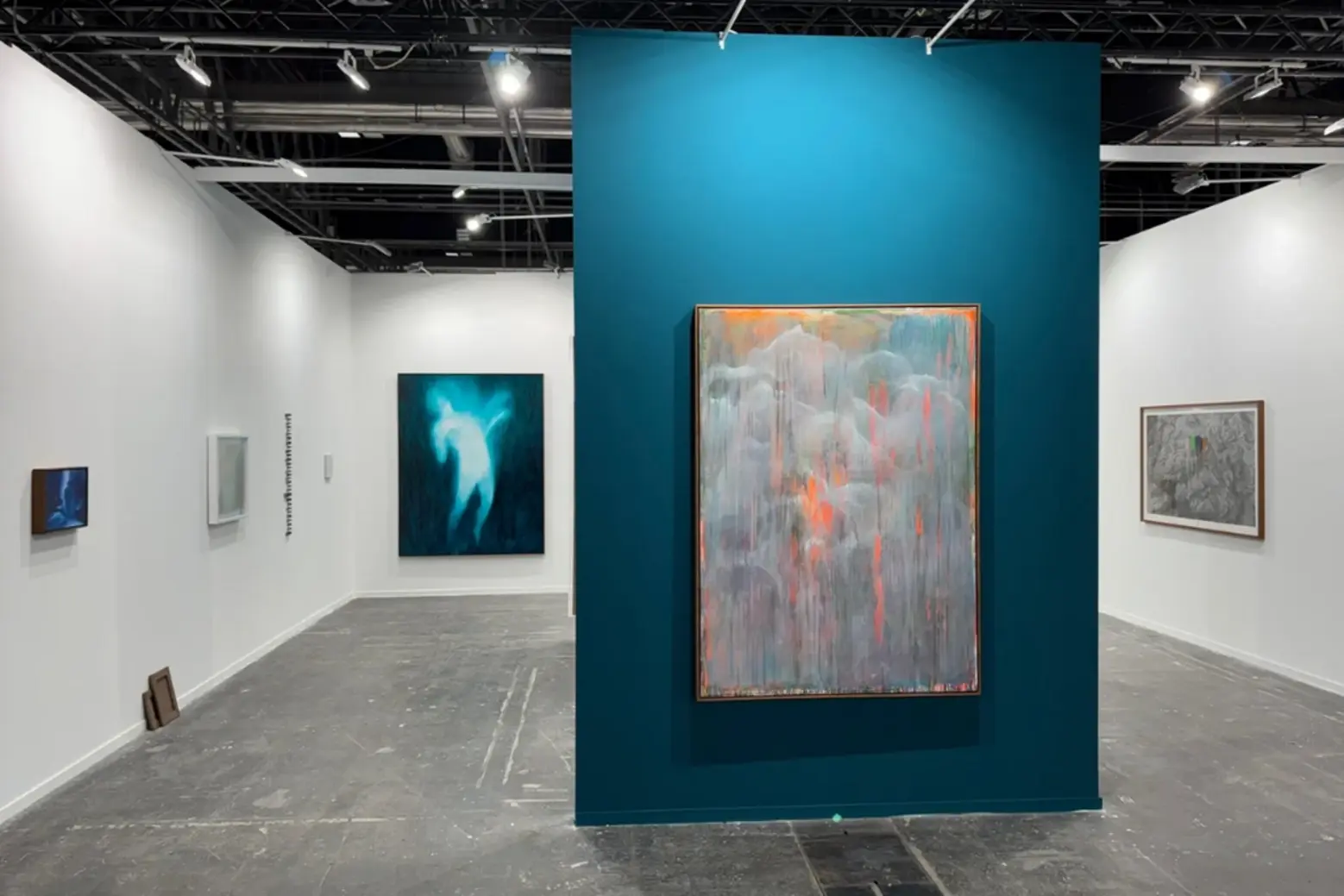
The most meaningful shift came in its curatorial structure. Instead of the familiar guest-country model, ARCO introduced ARCO2045: The Future, for Now, a section curated by José Luis Blondet and Magalí Arriola across two dedicated spaces with 17 galleries. The premise was less diplomatic showcase, more speculative instrument: a fair imagining the future through déjà vu, theatrical mise-en-scènes, nostalgia, and unstable prediction.
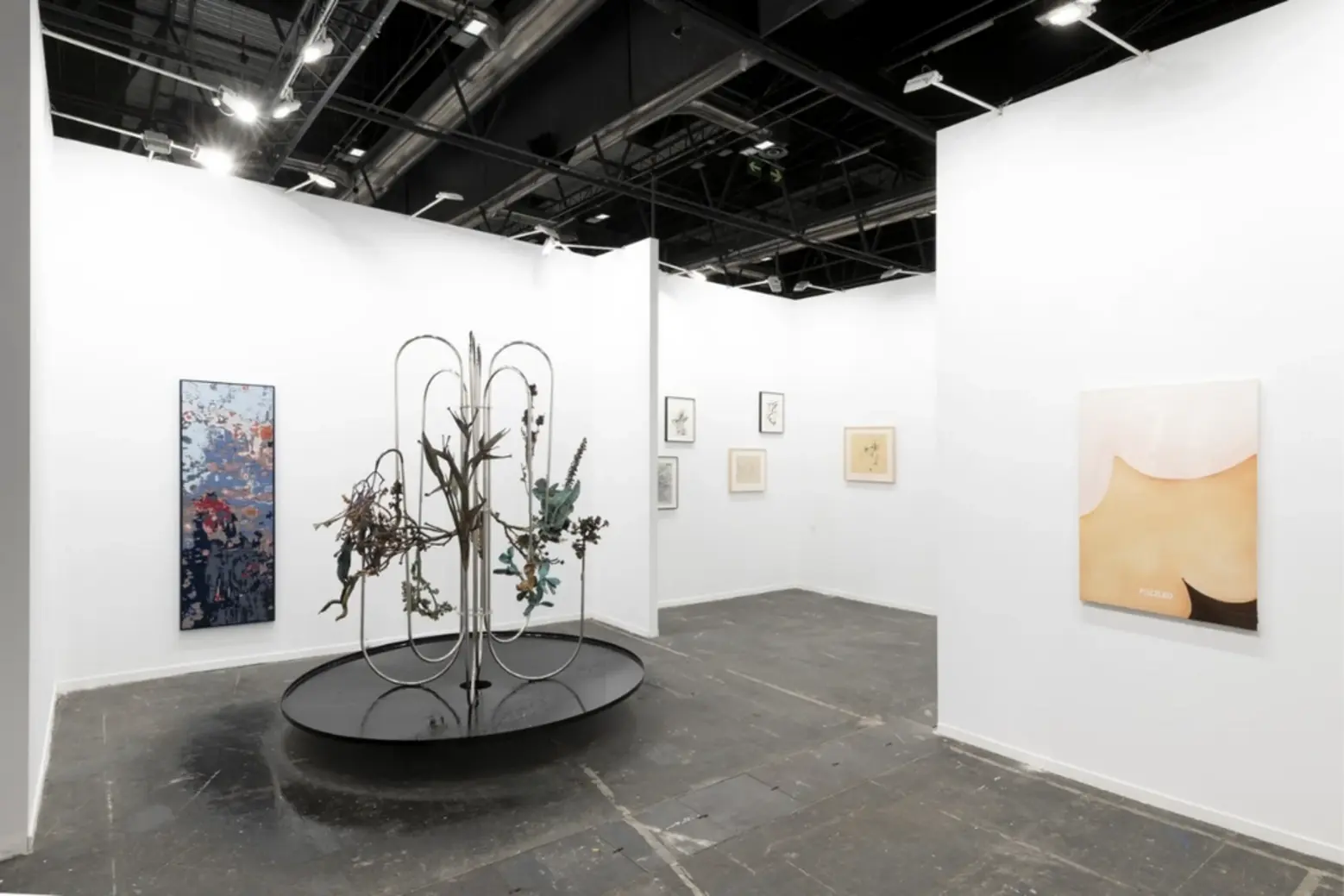
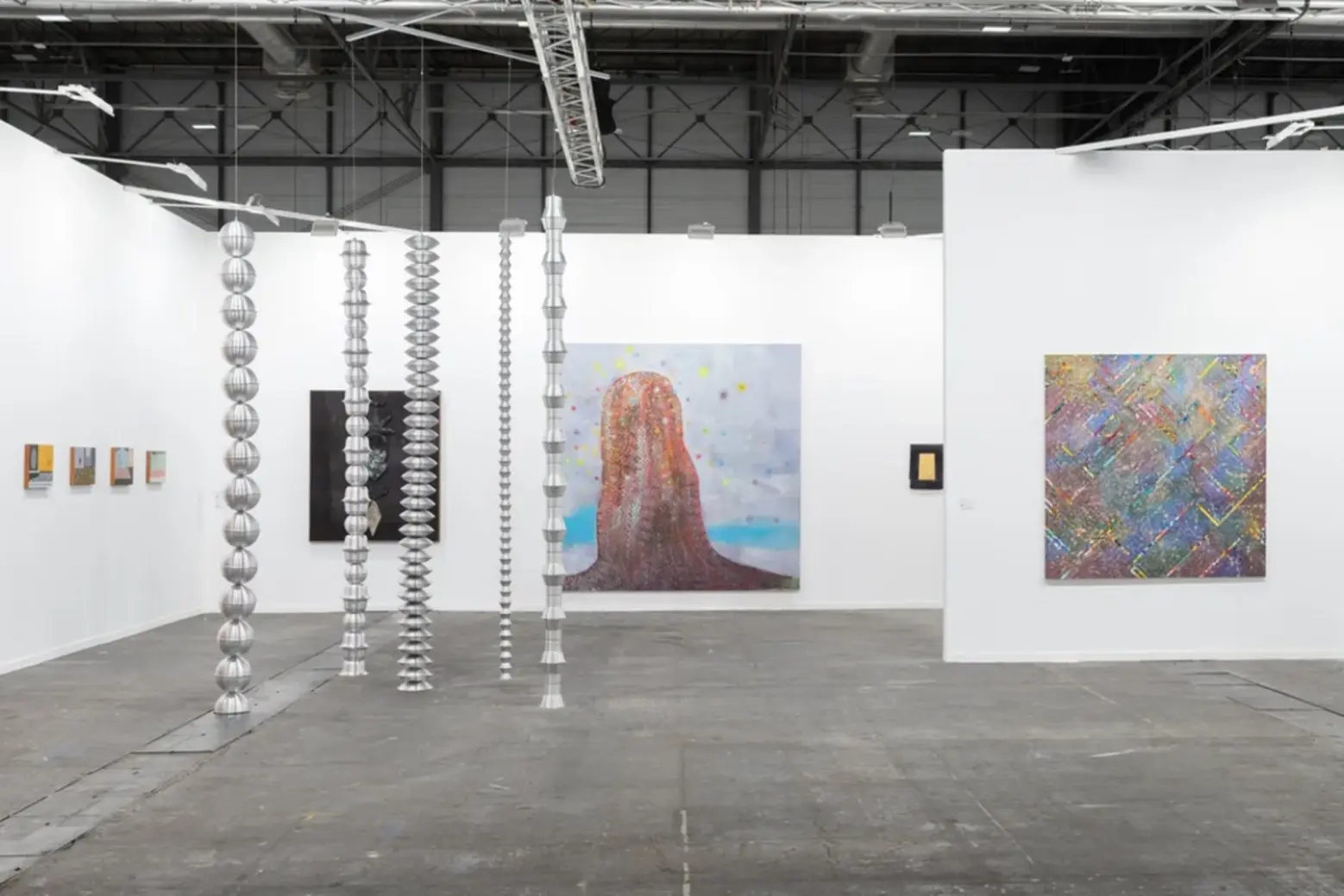
That intellectual turn did not weaken the market. It clarified it. ARCO’s long-standing Latin American focus remained decisive, with 66 percent international participation and more than 31 percent of those international galleries coming from 11 Latin American countries. The section Profiles | Latin American Art, curated by José Esparza Chong Cuy, deepened that identity through single-artist presentations.
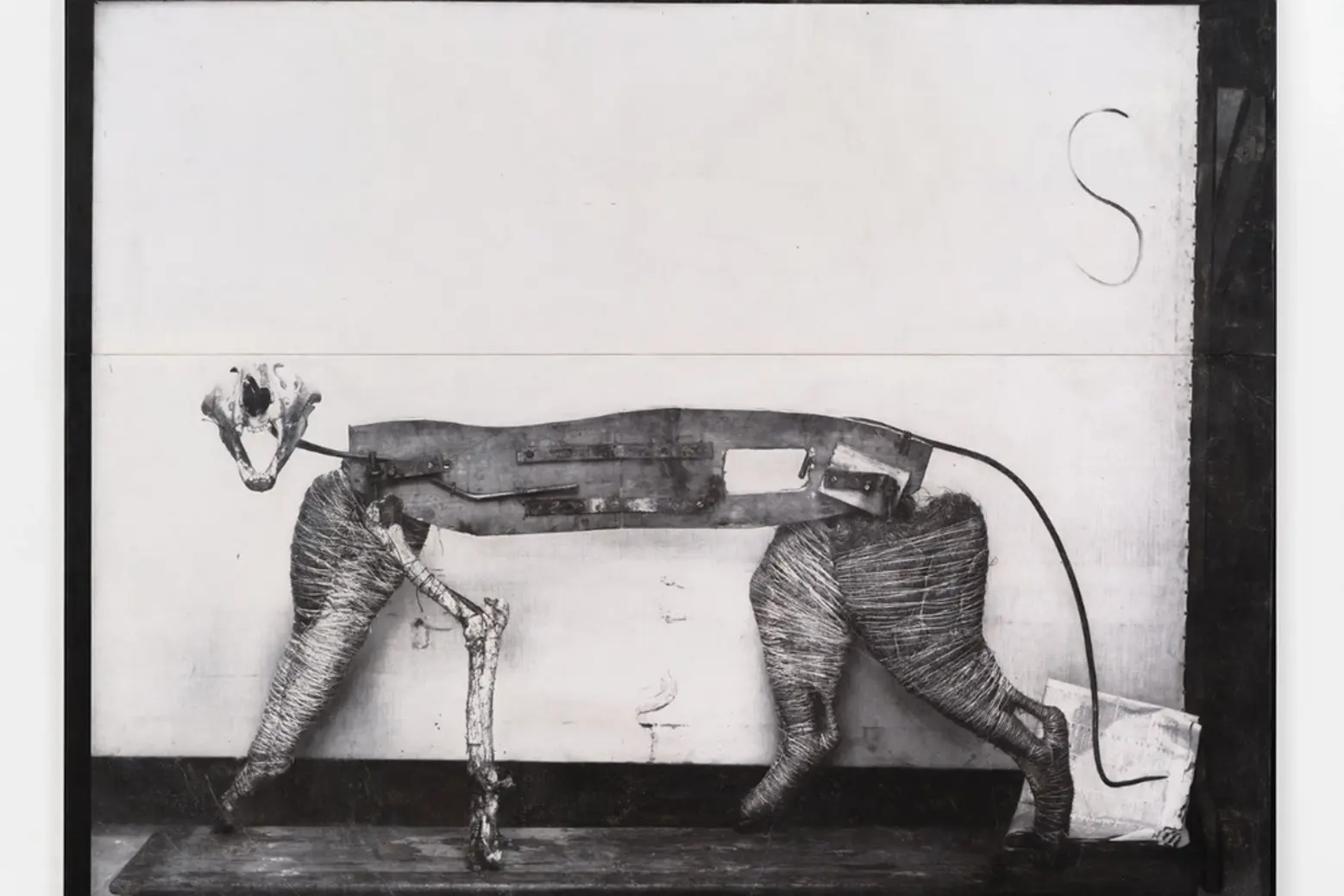
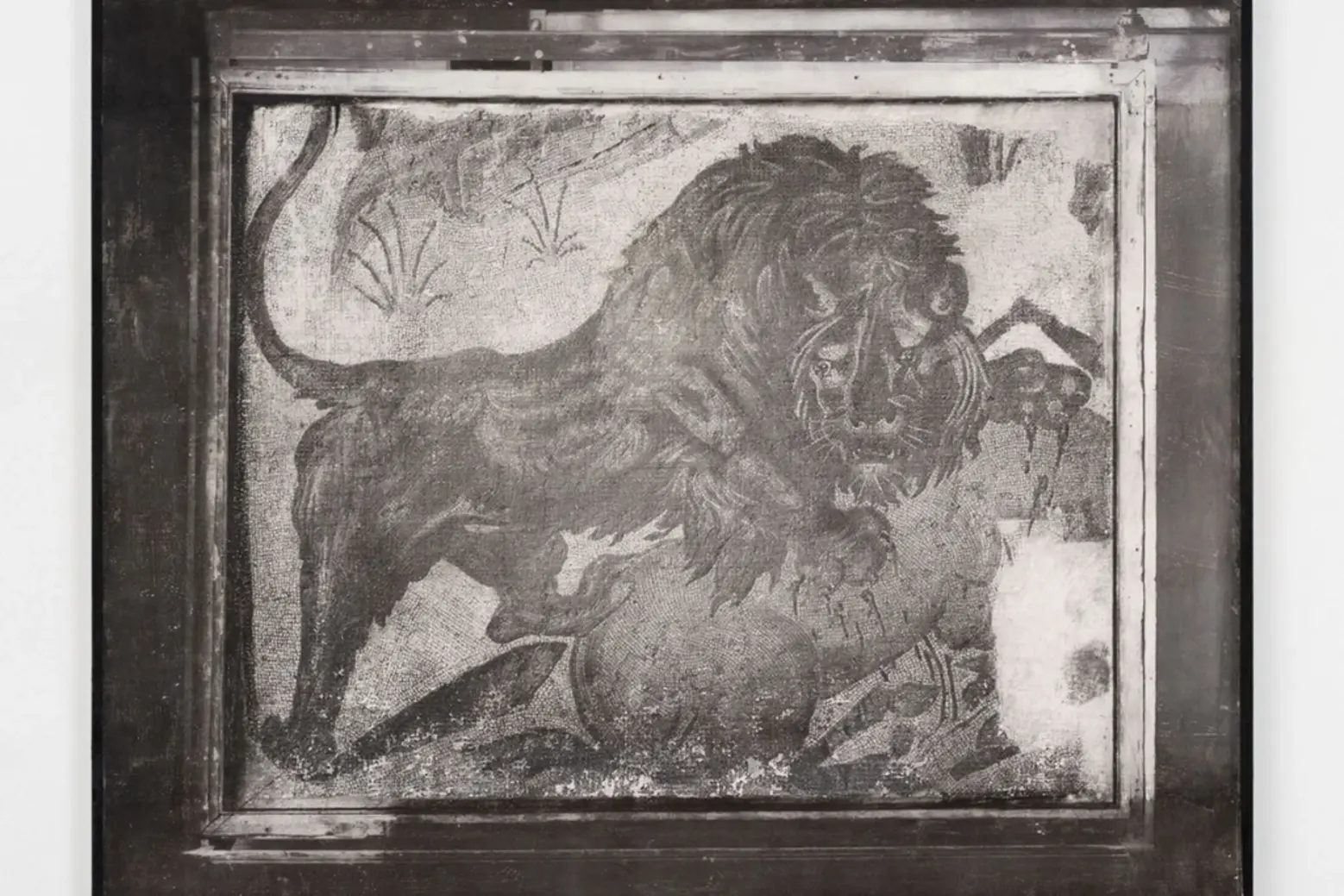
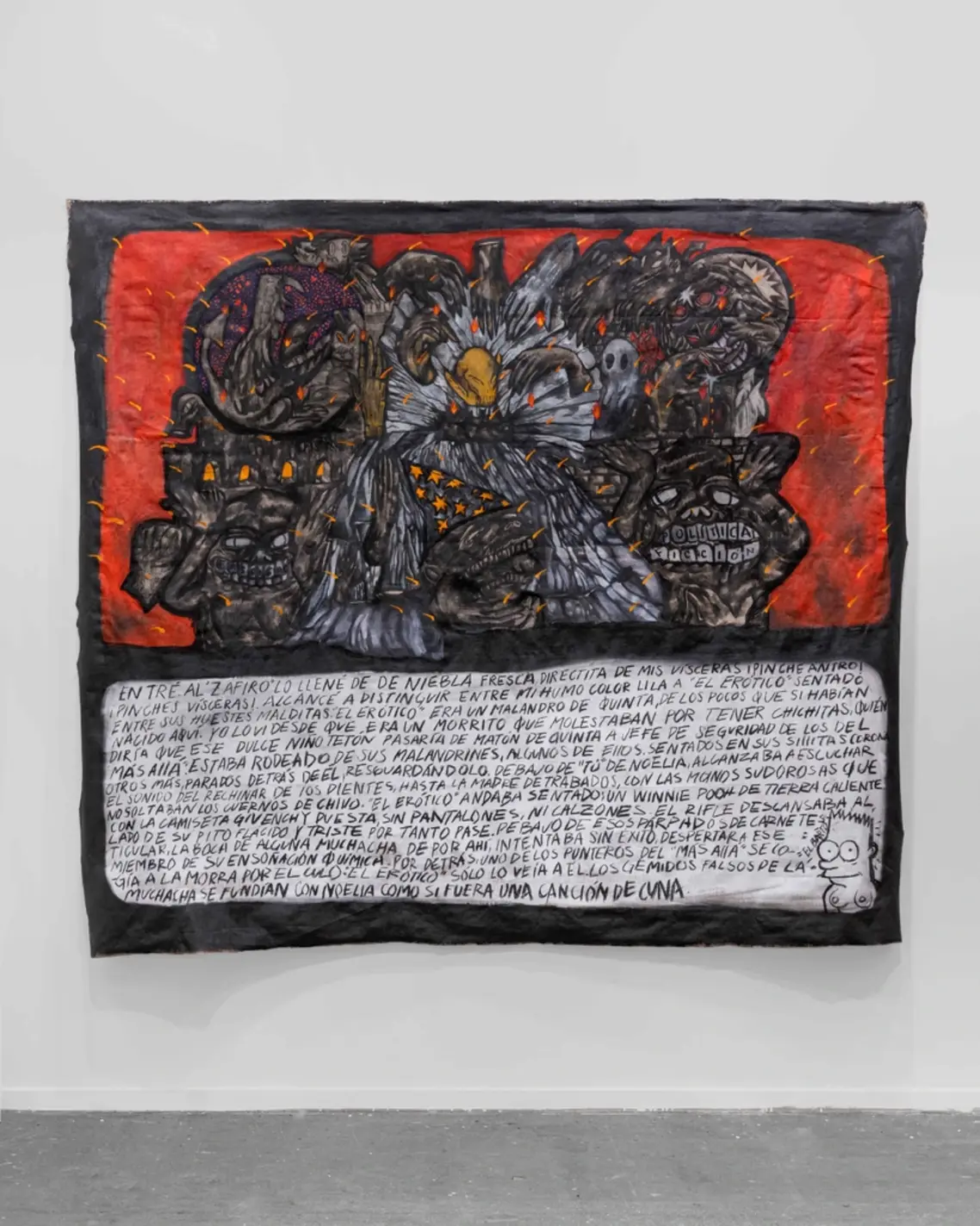
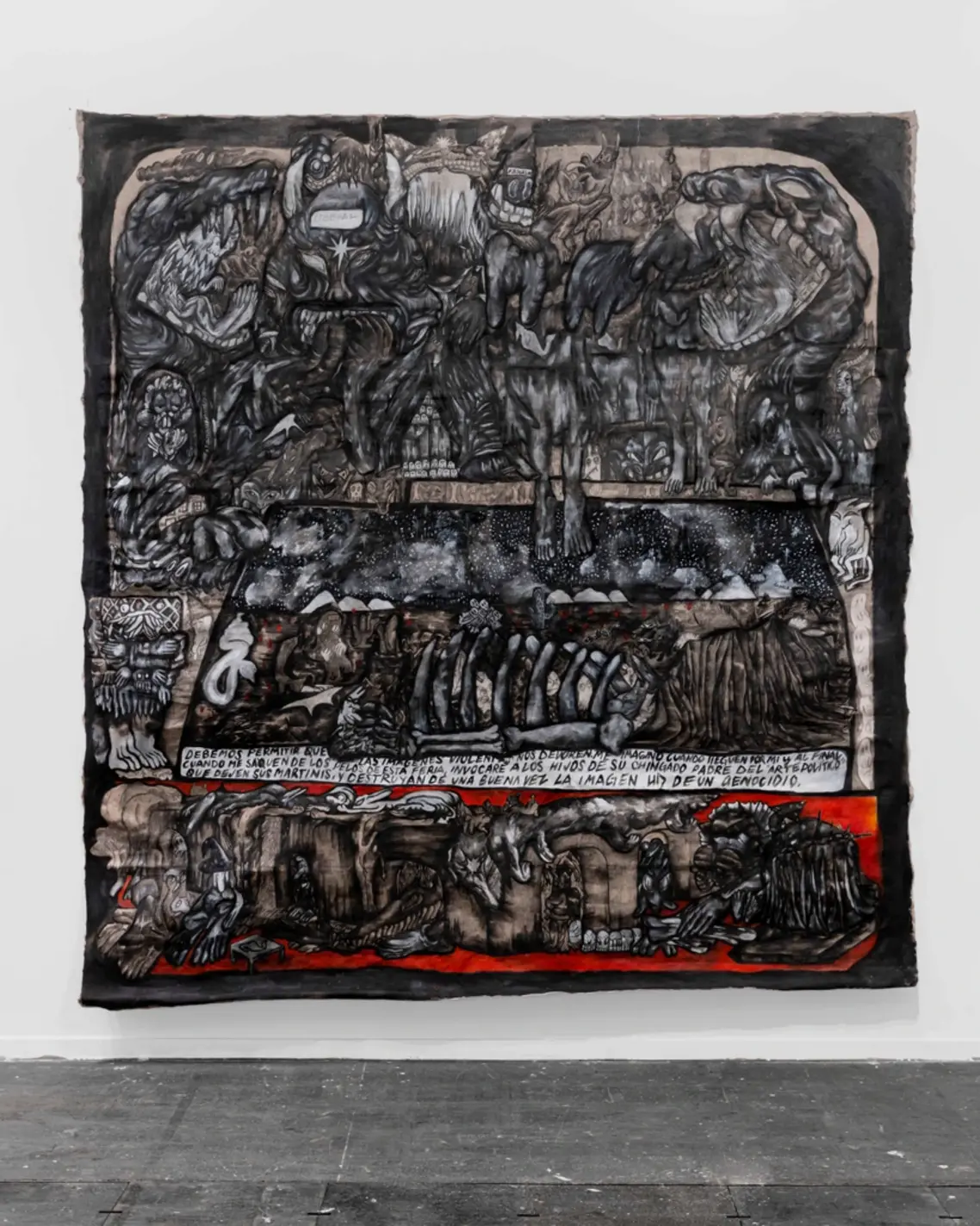
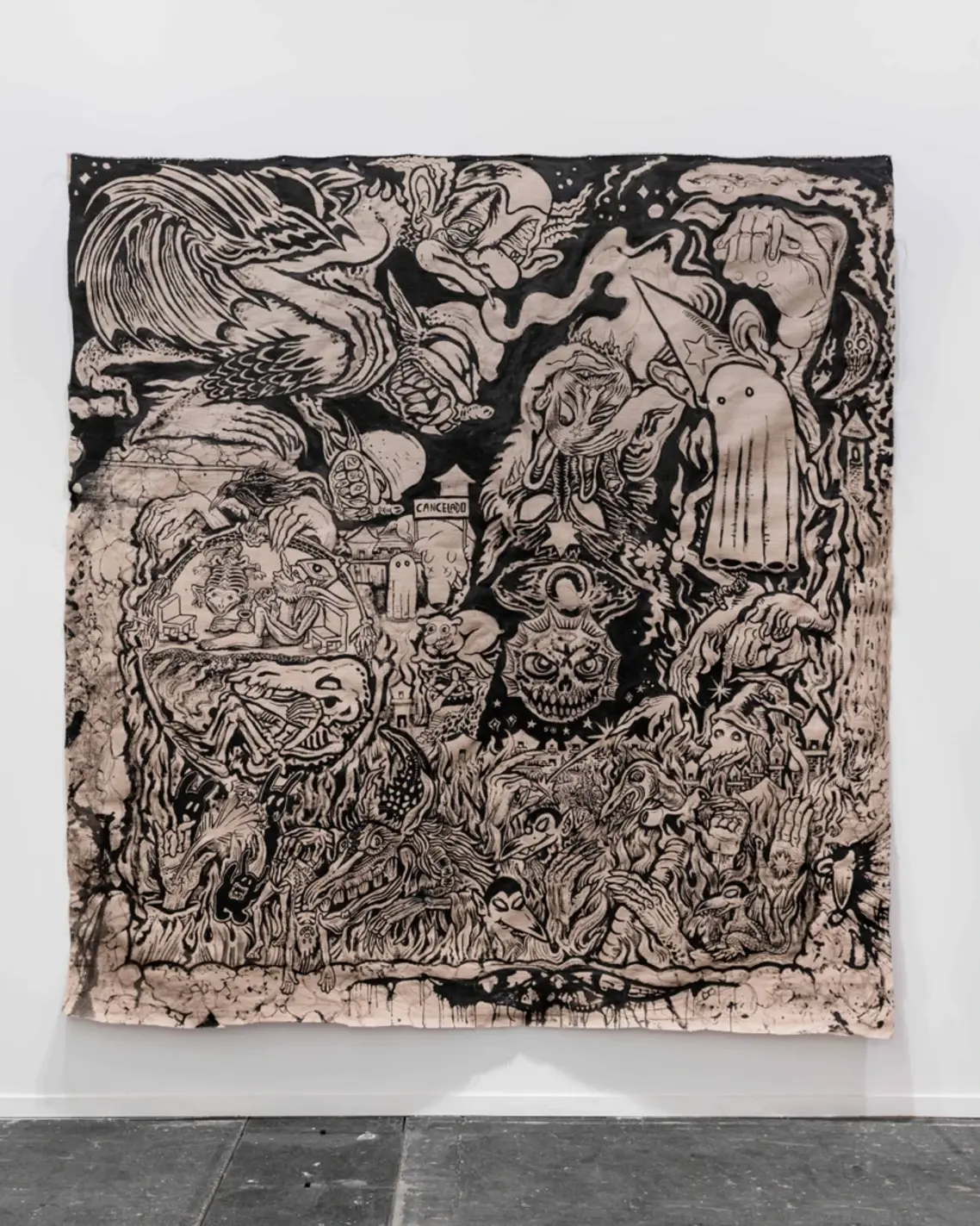
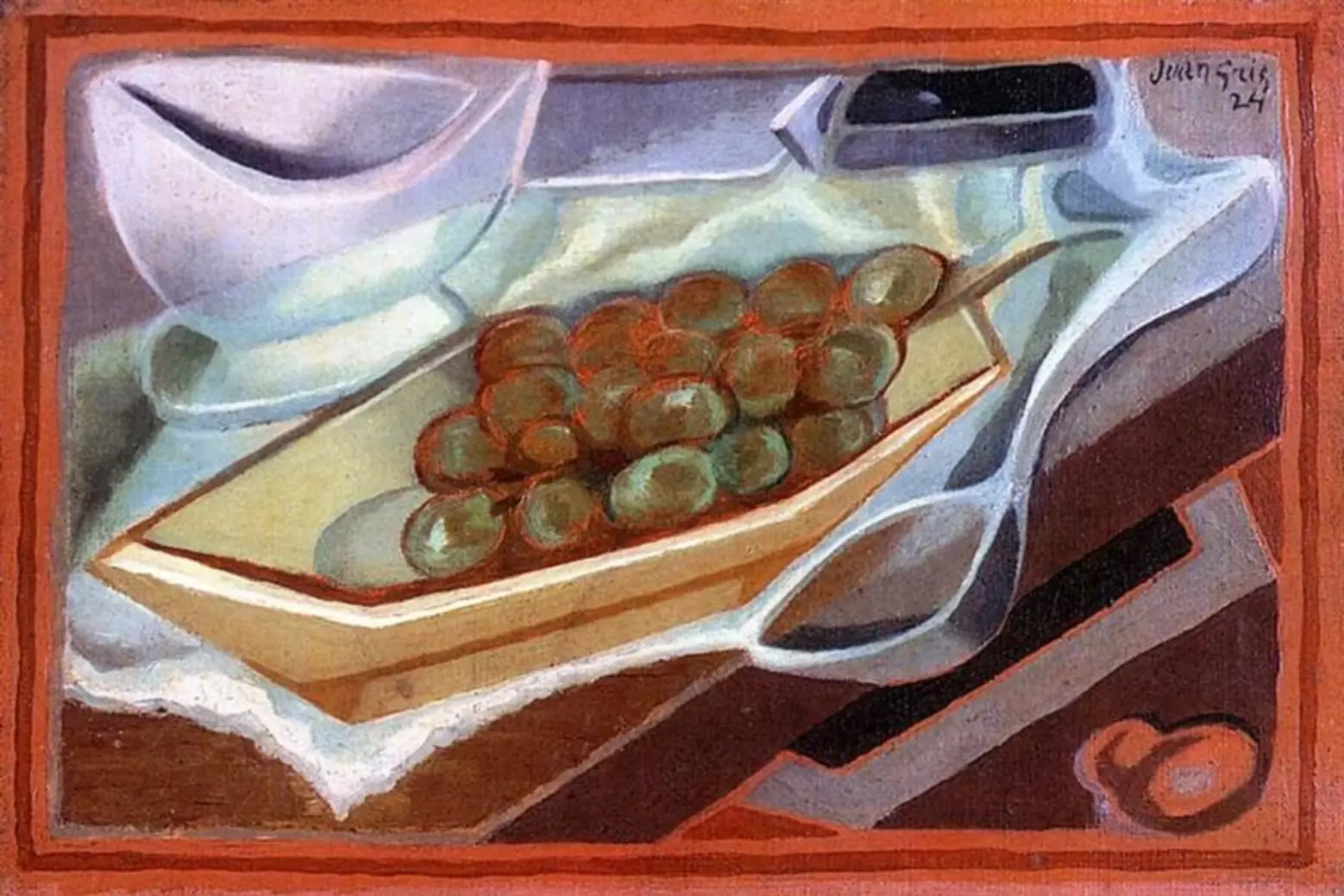
Meanwhile, the fair’s commercial range stayed unusually broad, stretching from Juan Gris’s The Bunch of Grapes at €4.2 million to collages at Ponce+Robles starting at €500. Pace brought Paulina Olowska into the ARCO2045 conversation, while galleries such as Esther Schipper and Thaddaeus Ropac reported strong early sales.
Even the fair’s spatial language insisted on ideas. Pedro Pitarch’s overall design treated ARCO as an ephemeral metropolis, structured around a central “Wall” that organized the fair as an architectural event rather than a neutral container. Elsewhere, the Guest Lounge by Manuel Bouzas and salazarsequeromedina used reclaimed wood from Spain’s fire-ravaged forests, while SO Arquitectura transformed the Fundación Room into a contemporary cloister.

Add the 15th anniversary of First Collector and major acquisitions by the Reina Sofía, the Regional Government of Madrid, and the María Cristina Masaveu Peterson Foundation, and ARCOmadrid 2026 looked less like a trade fair chasing momentum than one confident enough to shape it.