MENU
Close





Basel is rarely disoriented by spectacle, yet this autumn the city leans willingly into wonder. At the Fondation Beyeler, Yayoi Kusama’s first Swiss retrospective (which runs until 25 January, 2026) unfolds with a scale as expansive as the artist’s imagination.
Basel is rarely disoriented by spectacle, yet this autumn the city leans willingly into wonder. At the Fondation Beyeler, Yayoi Kusama’s first Swiss retrospective (which runs until 25 January, 2026) unfolds with a scale as expansive as the artist’s imagination.
January 25, 2026


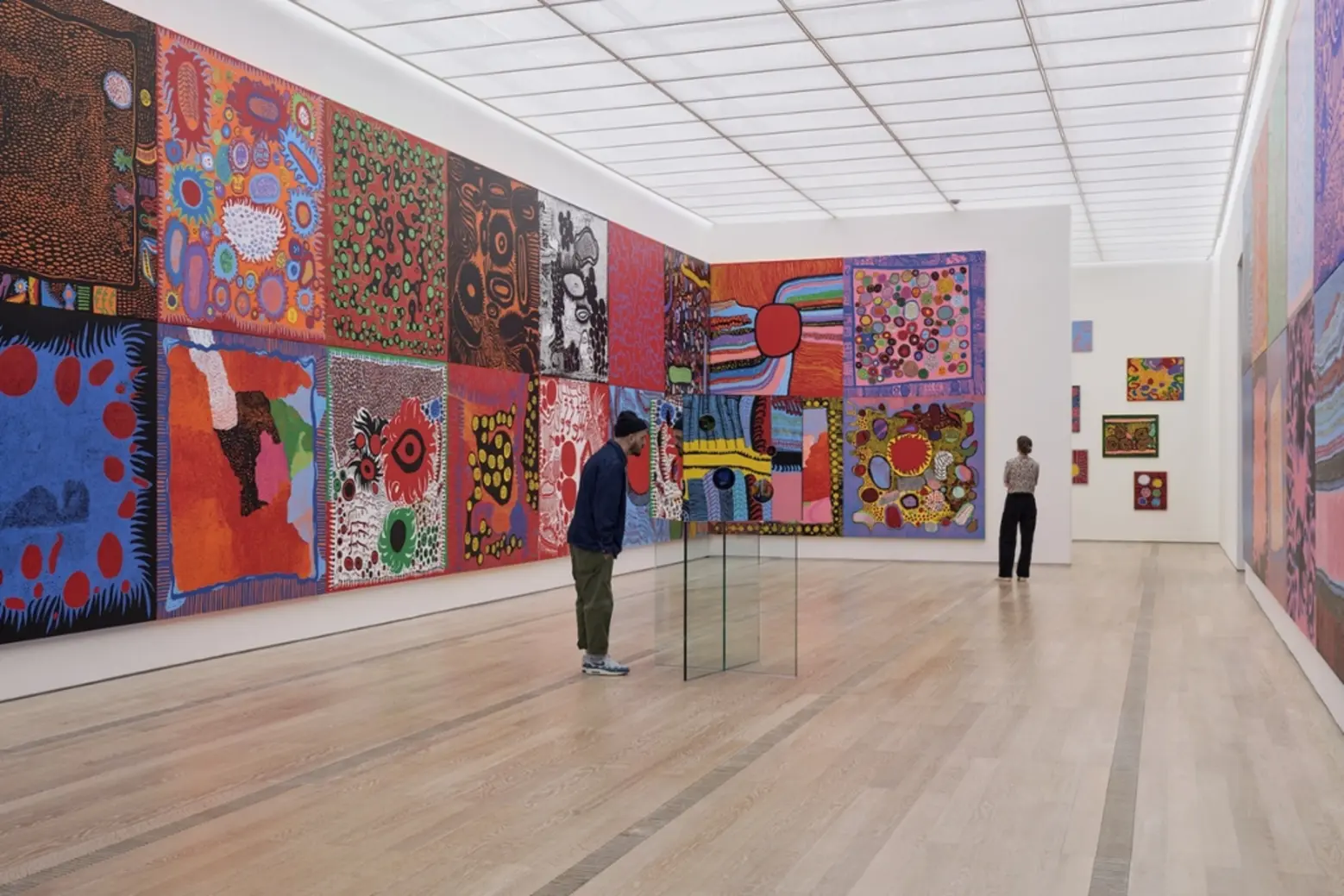
The exhibition marks Kusama’s first major institutional show in Switzerland and brings together 300 works, including 130 pieces never previously exhibited.
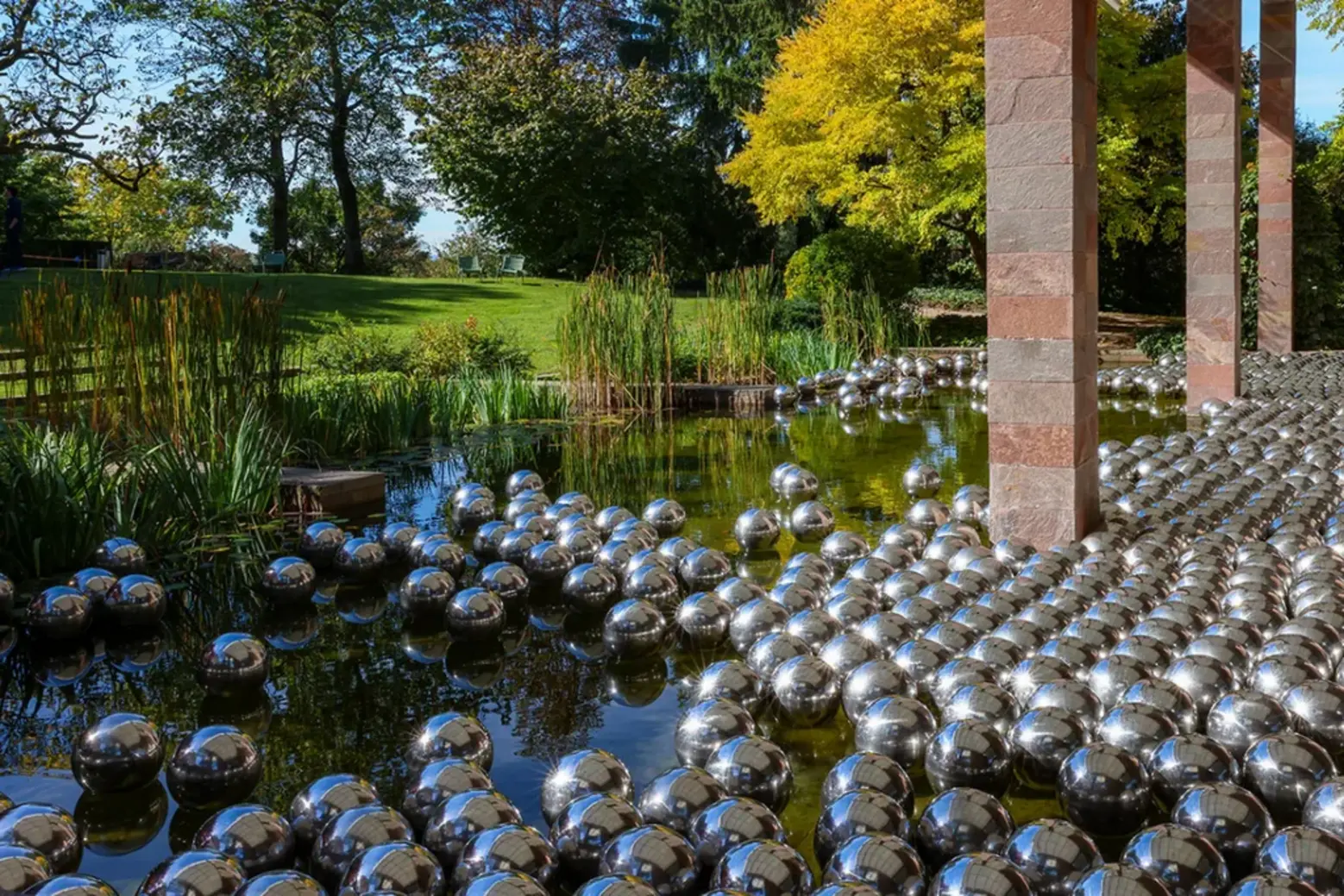
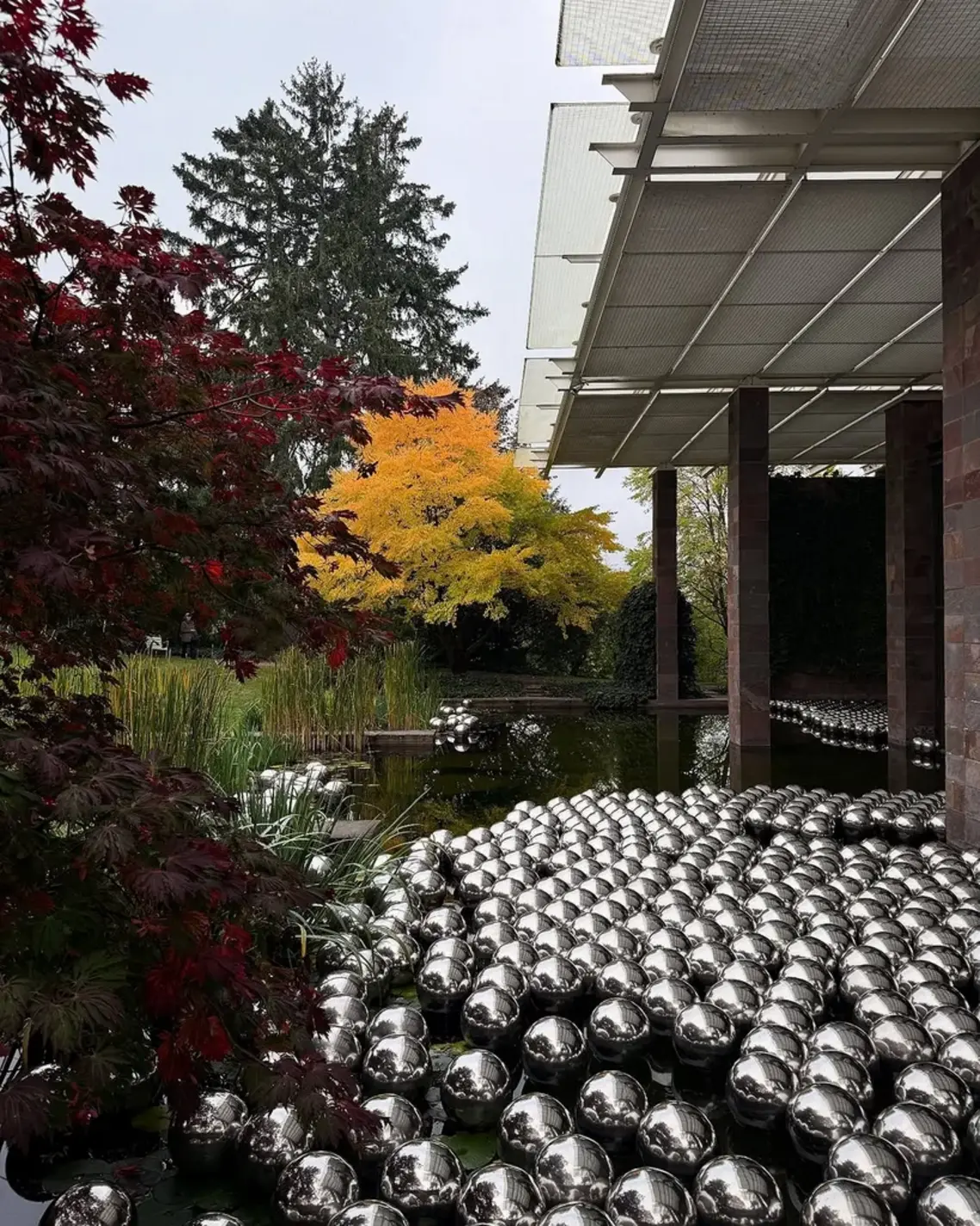
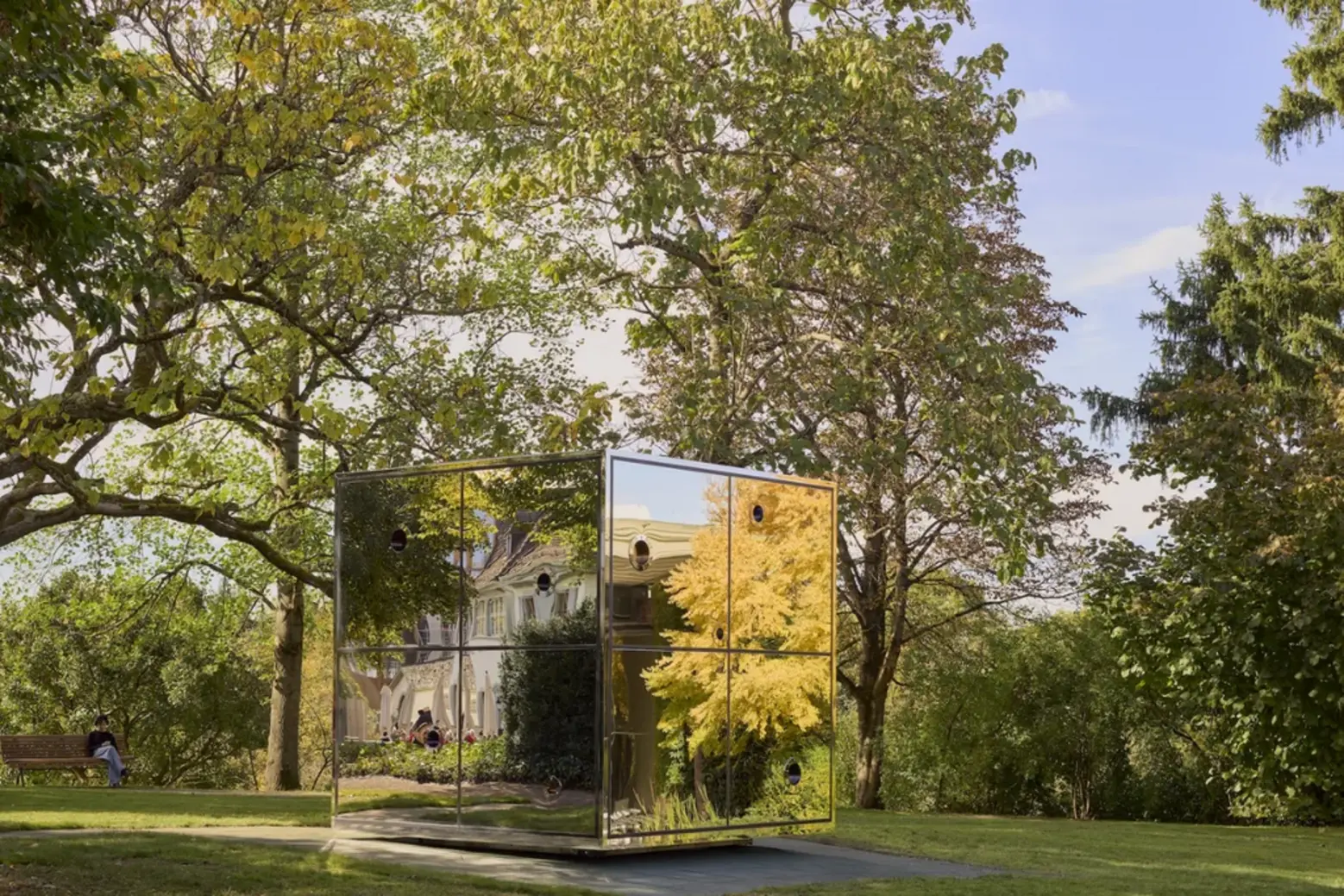
On the October preview day, co-hosted by Swiss watchmaker Richard Mille, the experience begins outdoors. In the garden of the Fondation Beyeler (designed by Renzo Piano) autumn light ricochets inside Infinity Mirrored Room – Illusion Inside the Heart (2025), a mirrored cube that pulses with reflections. Nearby, Narcissus Garden floats serenely across the pond, its silver spheres mirroring sky and foliage in a quiet choreography first staged guerrilla-style at the Venice Biennale in 1966.
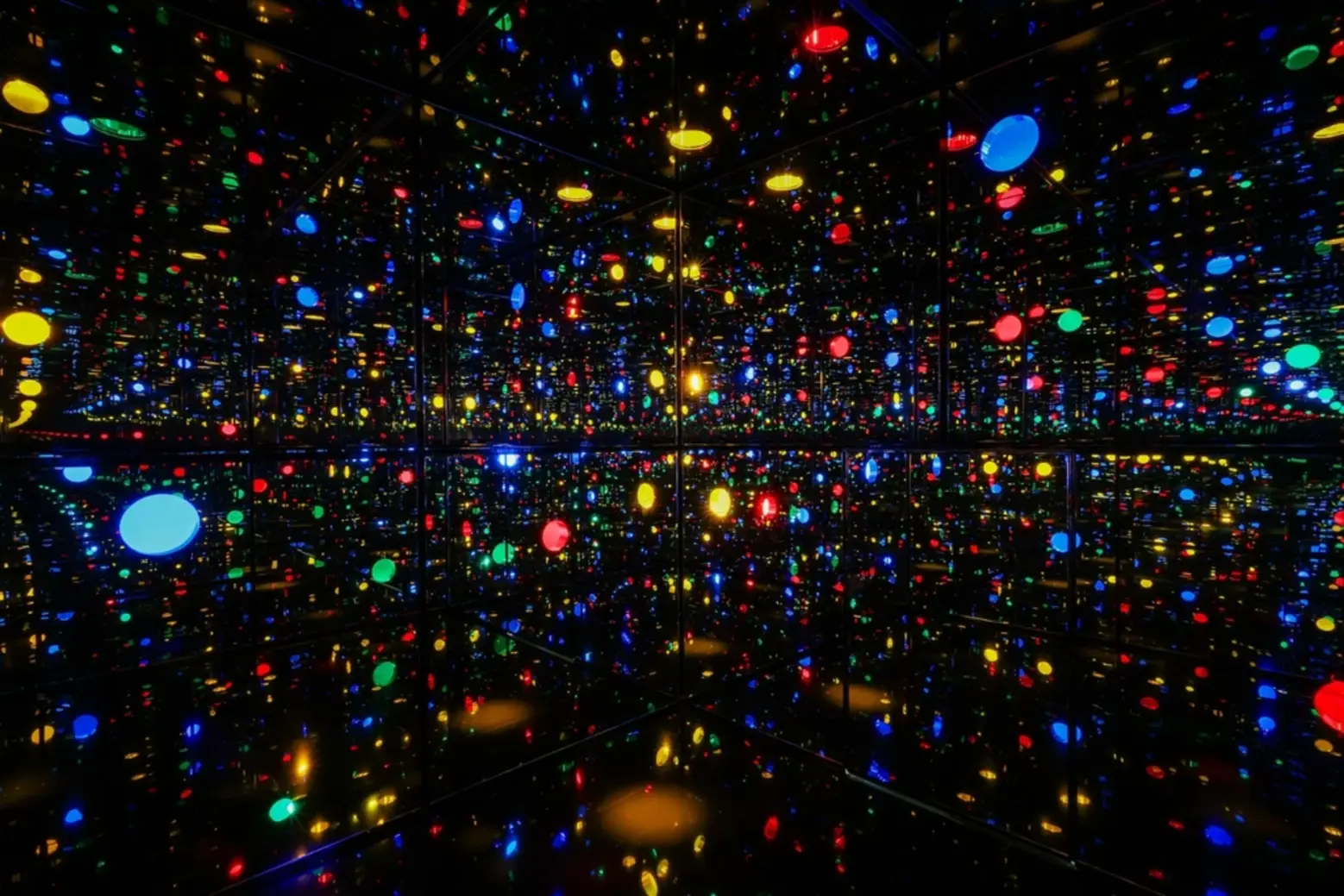
“It really is meditative watching the balls move across the pond,” says museum director Sam Keller, reflecting on a work that captures Kusama’s lifelong oscillation between control and cosmic release. Once an underground figure in 1960s New York, Kusama would not represent Japan officially at the Venice Biennale until 1993, a pivotal recognition in a career that now spans more than seven decades.
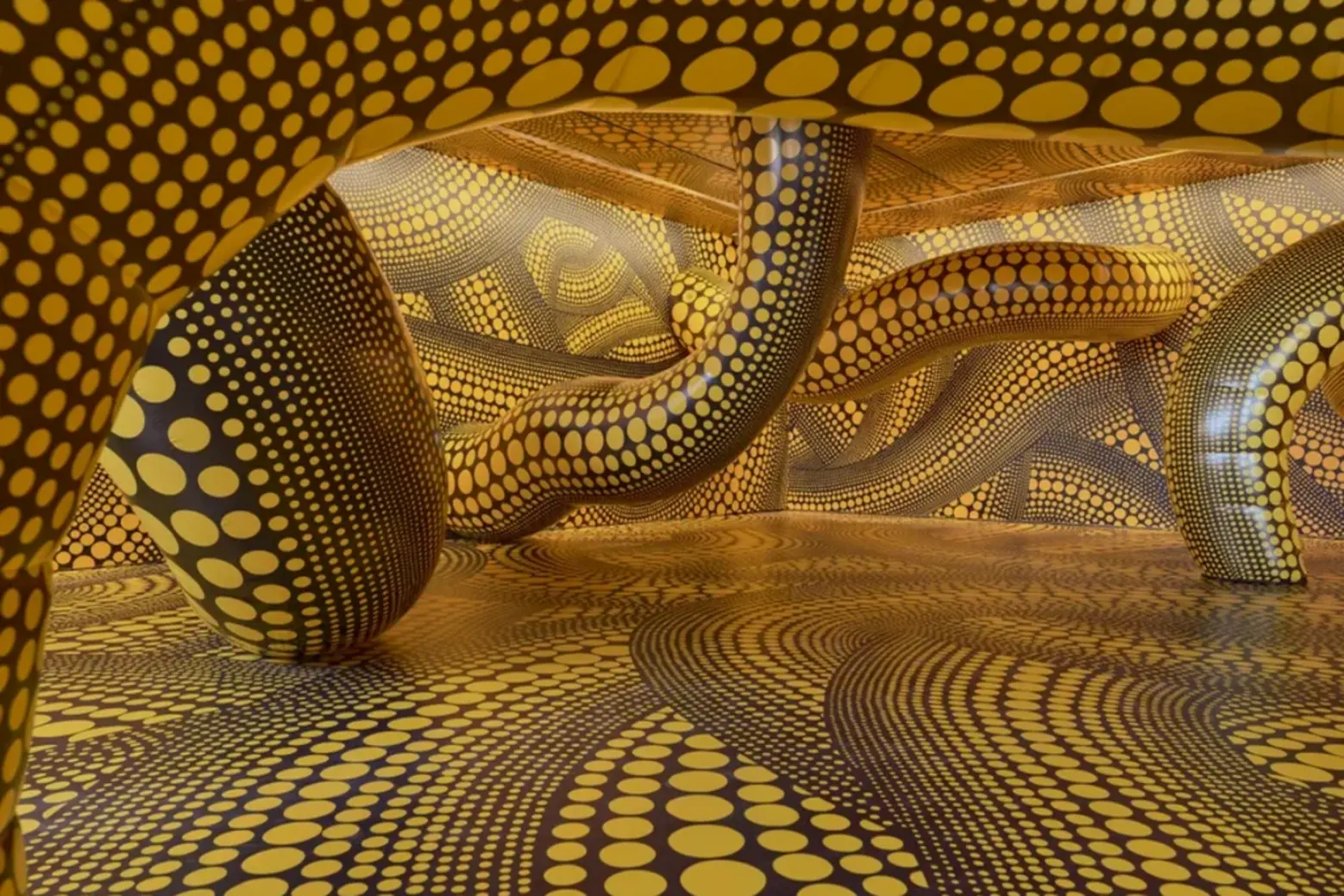
Inside, the exhibition’s breadth becomes exhilarating. Visitors move from fragile watercolours and intimate works on paper to vast, fully immersive environments. A standout is The Hope of the Polka Dots Buried in Infinity Will Eternally Cover the Universe (2019/2024), where giant black-and-yellow inflatable tentacles engulf the viewer, collapsing scale and certainty in a delirious field of dots and mirrors.
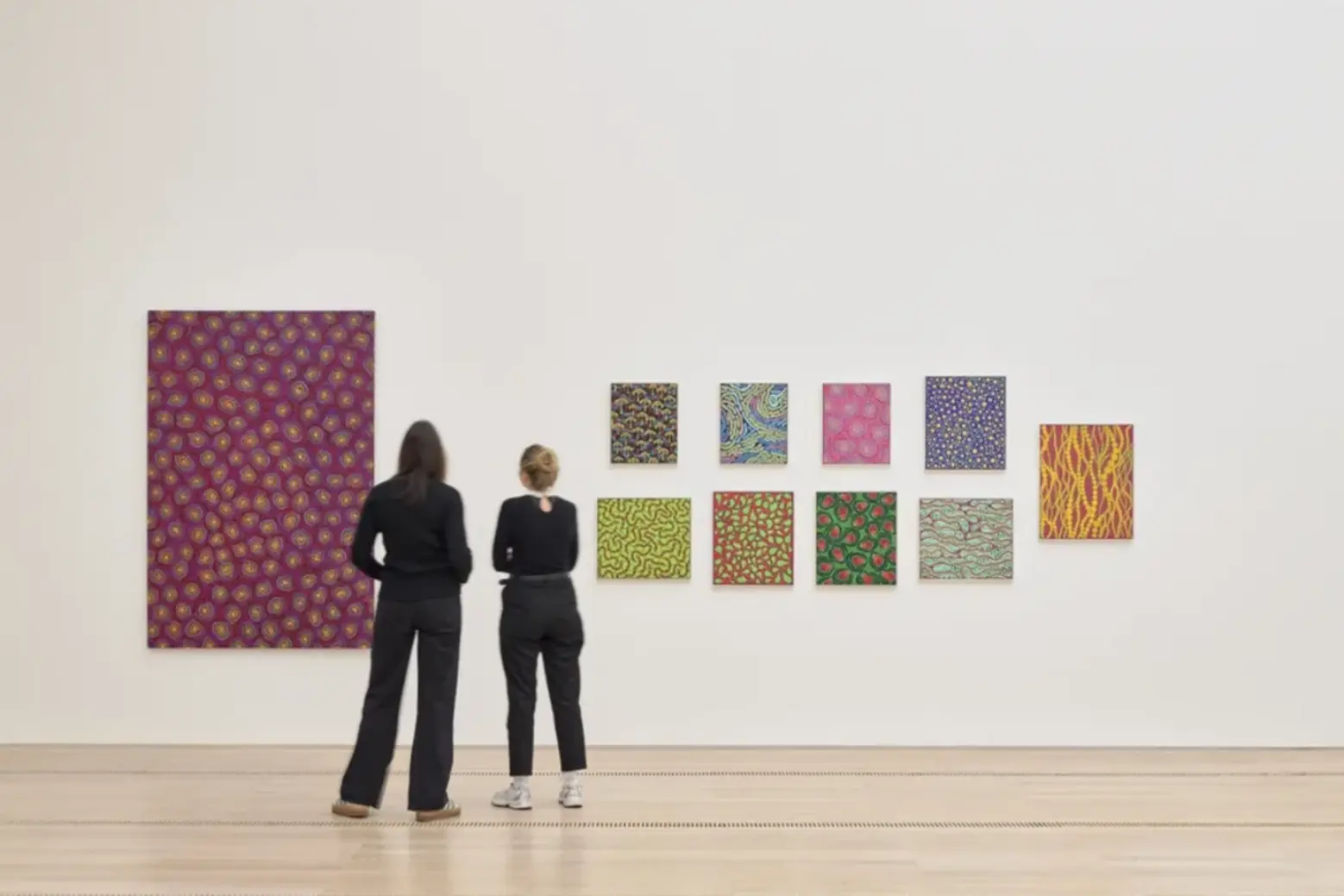
What lends the show its particular electricity is the curatorial focus on overlooked periods. Working closely with the Kusama Foundation, curator Mouna Mekouar unearthed delicate etchings and small shikishi works (low-cost calligraphy papers Kusama used in the early 1970s after returning to Japan). Among them, a 1972 self-portrait layered with butterflies and botanical motifs glows with quiet resilience.
At nearly a century old, Kusama continues to communicate across generations with rare clarity. As Keller observes, her practice resists any separation between life and art. At the Fondation Beyeler, Yayoi Kusama’s first Swiss retrospective unfolds as something both intimate and infinite—a living universe that invites viewers to lose themselves, and gladly.