MENU
Close





If all you need is a device that tells the time, the phone in your pocket or a quartz watch worth a few dozen dollars will do. But if what you want is a real watch, 30,000 dollars may now be only a modest point of entry into the expensive world of haute horlogerie.
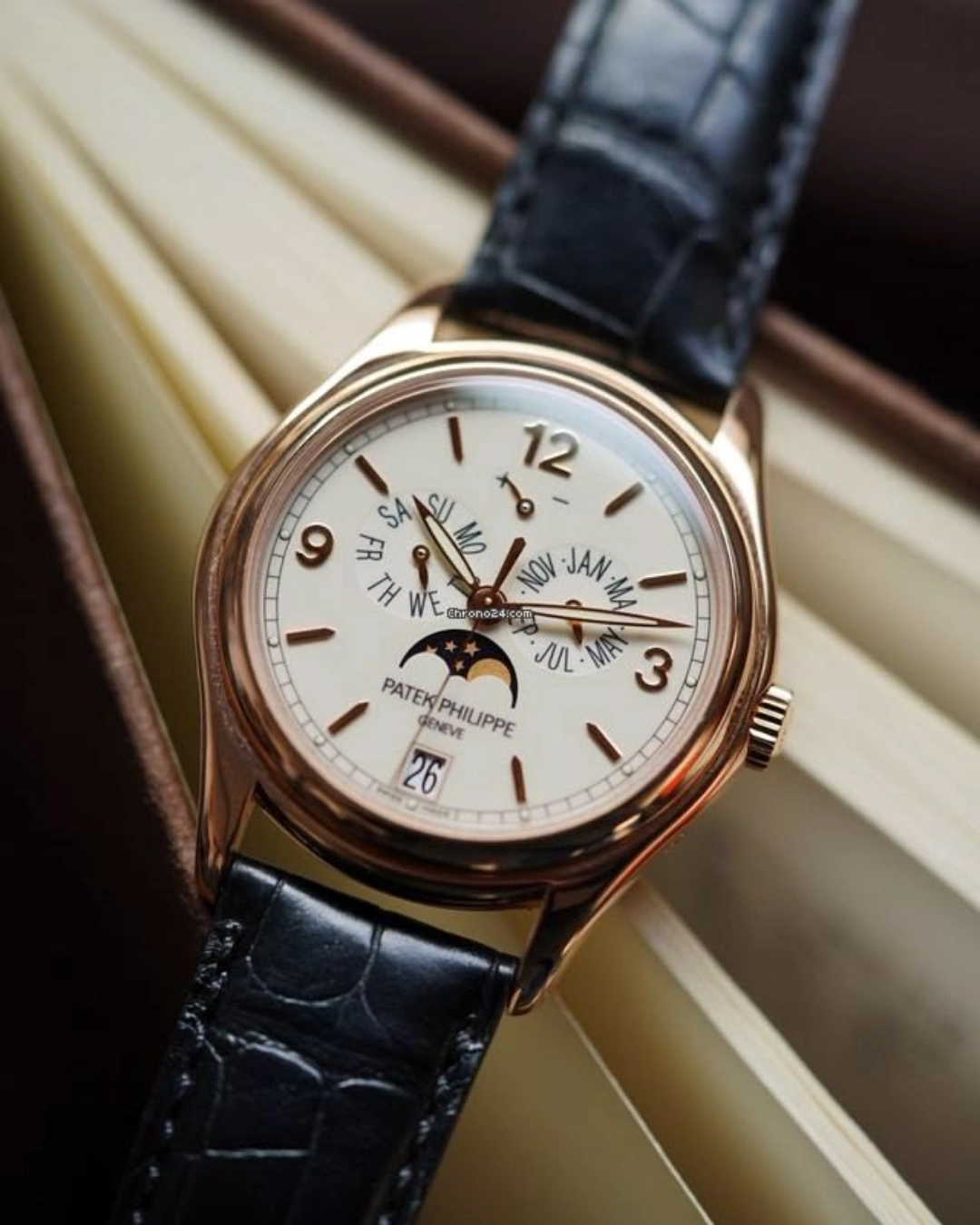
If all you need is a device that tells the time, the phone in your pocket or a quartz watch worth a few dozen dollars will do. But if what you want is a real watch, 30,000 dollars may now be only a modest point of entry into the expensive world of haute horlogerie.
May 21, 2026


The question “why are watches so expensive?” sounds simple. In reality, it opens the entire structure of the Swiss watch industry: expensive labour, proprietary materials, technical research, rare craftsmanship, limited production, strict certification, selective distribution, and the most intangible element of all, the right to appear on the wrist as a cultural signal.
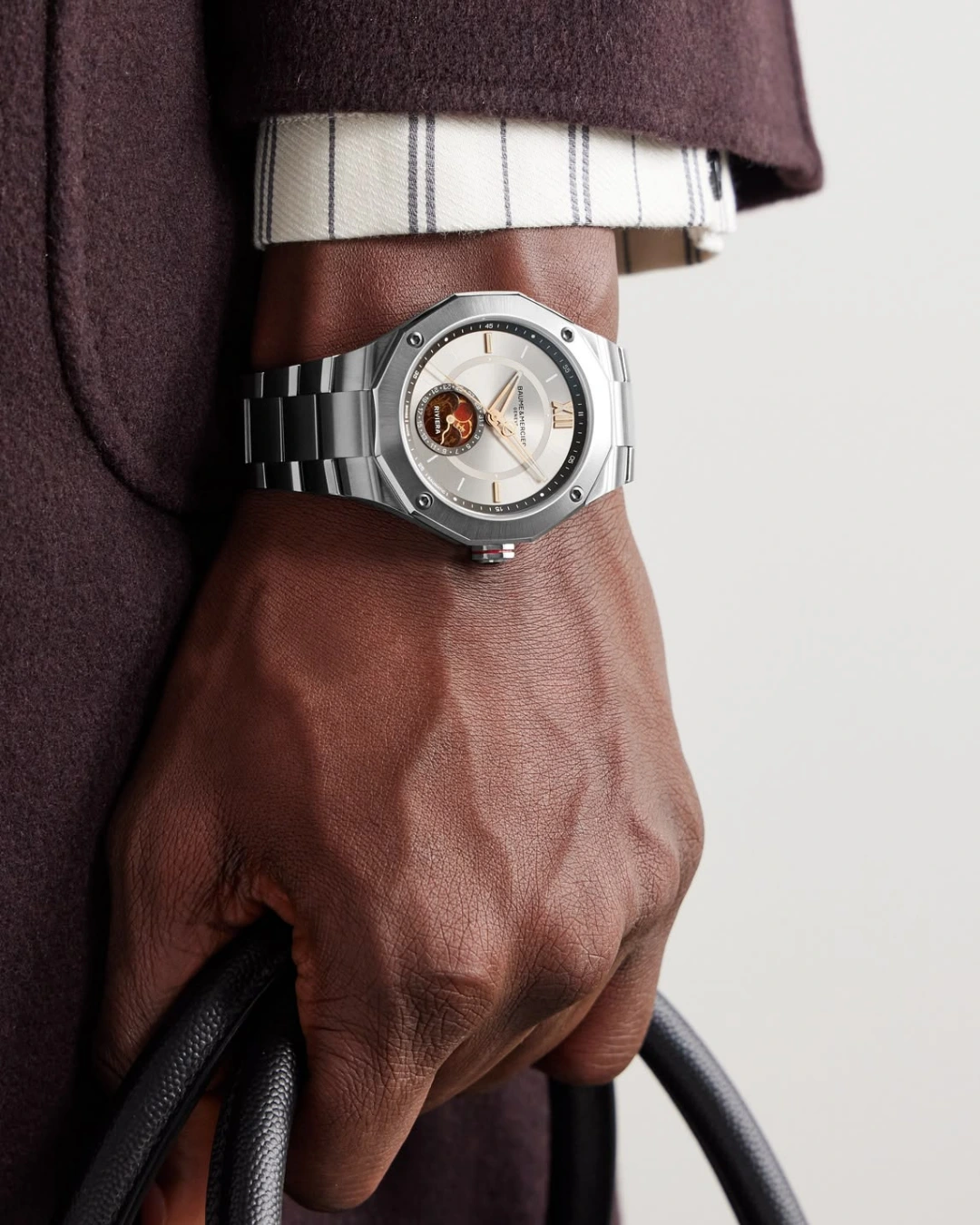
If this question had been asked in 2010, a Patek Philippe Calatrava at around 30,000 dollars would have been a beautiful example of a high-end starting point. Today, that figure feels like a memory from a more forgiving age. Current Calatrava references have moved well beyond that threshold, with modern models often sitting closer to the high-thirty-thousand to mid-forty-thousand-dollar range at retail. In other words, 30,000 dollars was once a doorway. Now it is almost a nostalgic price point.
And this is the key: watches are not expensive only because they are made of gold, platinum or diamonds. They are expensive because a very small object is asked to carry many burdens at once: technique, labour, failure risk, aesthetic standard, research cost, brand power and the expectation that it may outlive its first owner.
To understand why Swiss watches are expensive, begin with wages. Switzerland has no single national minimum wage; instead, minimum wage rules vary by canton and labour agreement. In Geneva, for example, the hourly minimum wage is already above 24 Swiss francs. That figure applies to basic labour, not to trained watchmakers, polishers, finishers, movement constructors or specialists working inside high-end manufactures.
High watchmaking is an intensely labour-heavy industry. A mechanical watch is not simply “printed” out of a machine like an ordinary industrial object. It must be designed, machined, finished, assembled, adjusted, tested, dismantled, reassembled and tested again. A bridge bevelled by hand, a polished screw head, a wheel checked for friction, a jewel set with the right pressure, a hand adjusted with microscopic care — all of this is time. In haute horlogerie, the watchmaker’s time is one of the most expensive materials in the room.
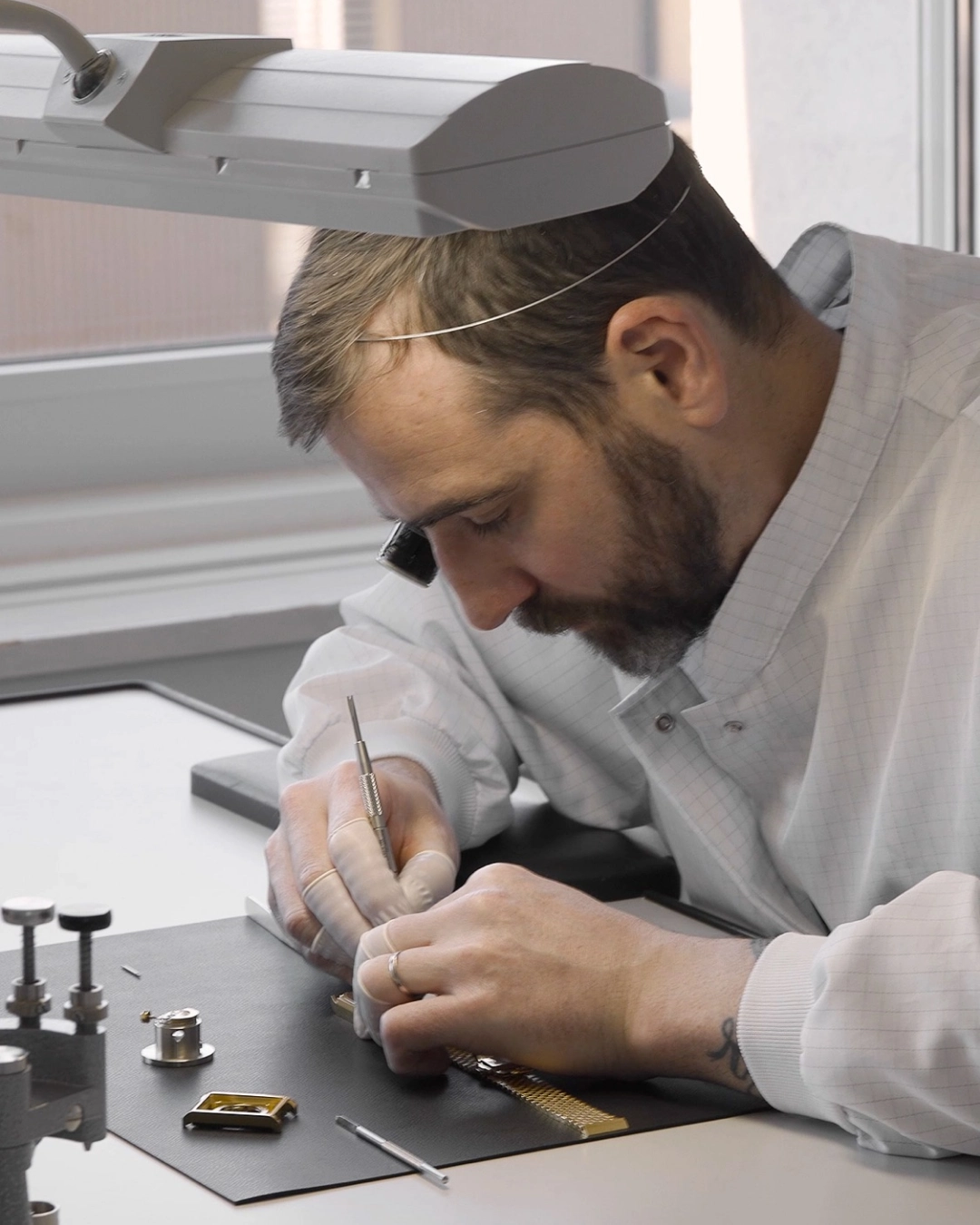
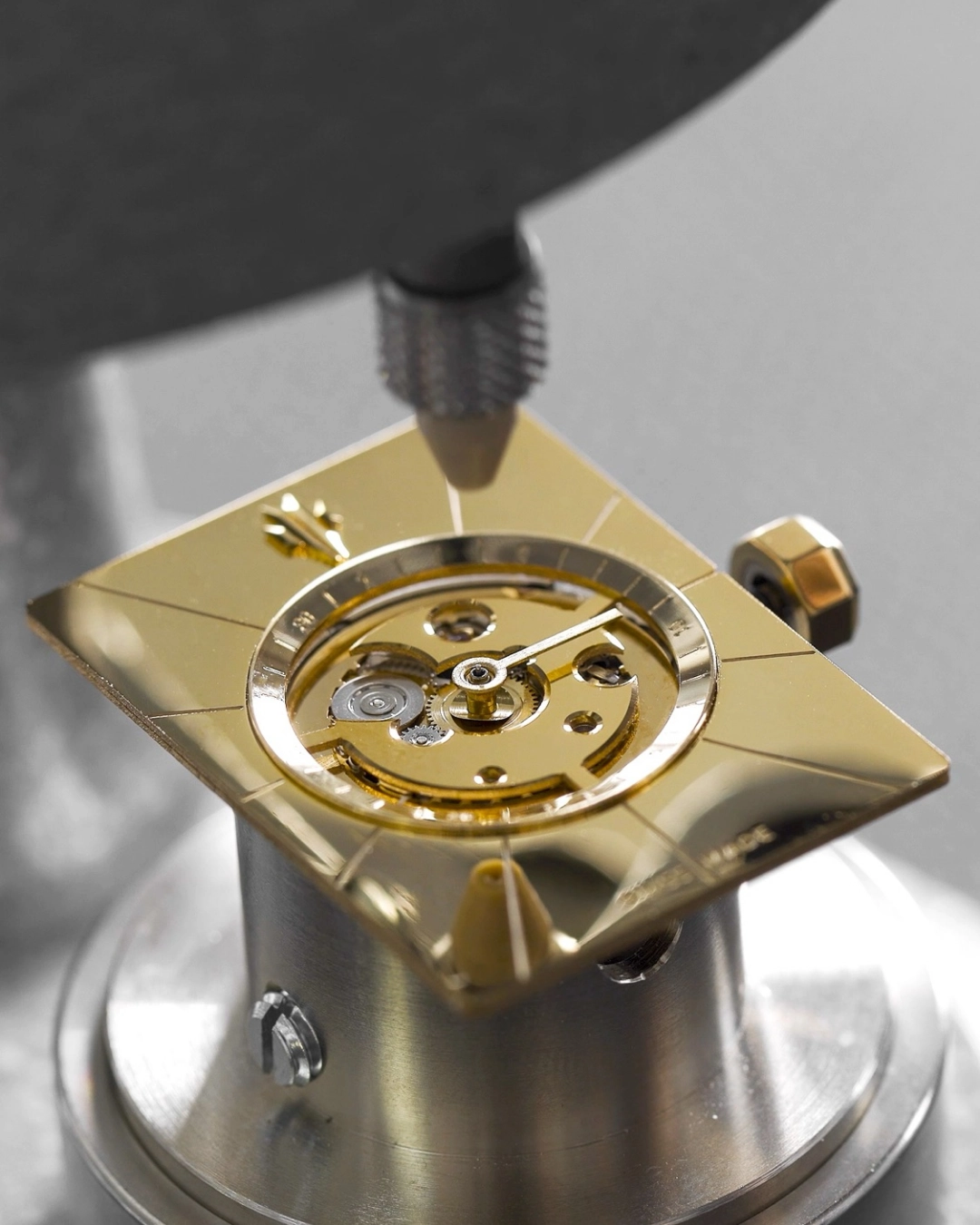
Even the words “Swiss Made” are not merely decorative. Current rules require at least 60 per cent of the manufacturing cost of a finished watch to be generated in Switzerland, while technical development must also take place there. That means the buyer is not just paying for a label on the dial. They are paying for a cost structure anchored in one of the world’s most expensive economies.
Before tourbillons, minute repeaters or proprietary gold alloys enter the conversation, a Swiss watch is already expensive because of the conditions of its existence: it is made in a country where labour, training, real estate, energy, testing and time are all costly.
A gold watch is not expensive simply because of gold. If all one wanted was gold, one could buy a bullion bar. In watchmaking, gold has to become a technical material: durable enough to be worn, stable enough in colour, beautiful enough when polished, precise enough when machined, and reliable enough to live with sweat, water, climate and daily impact.
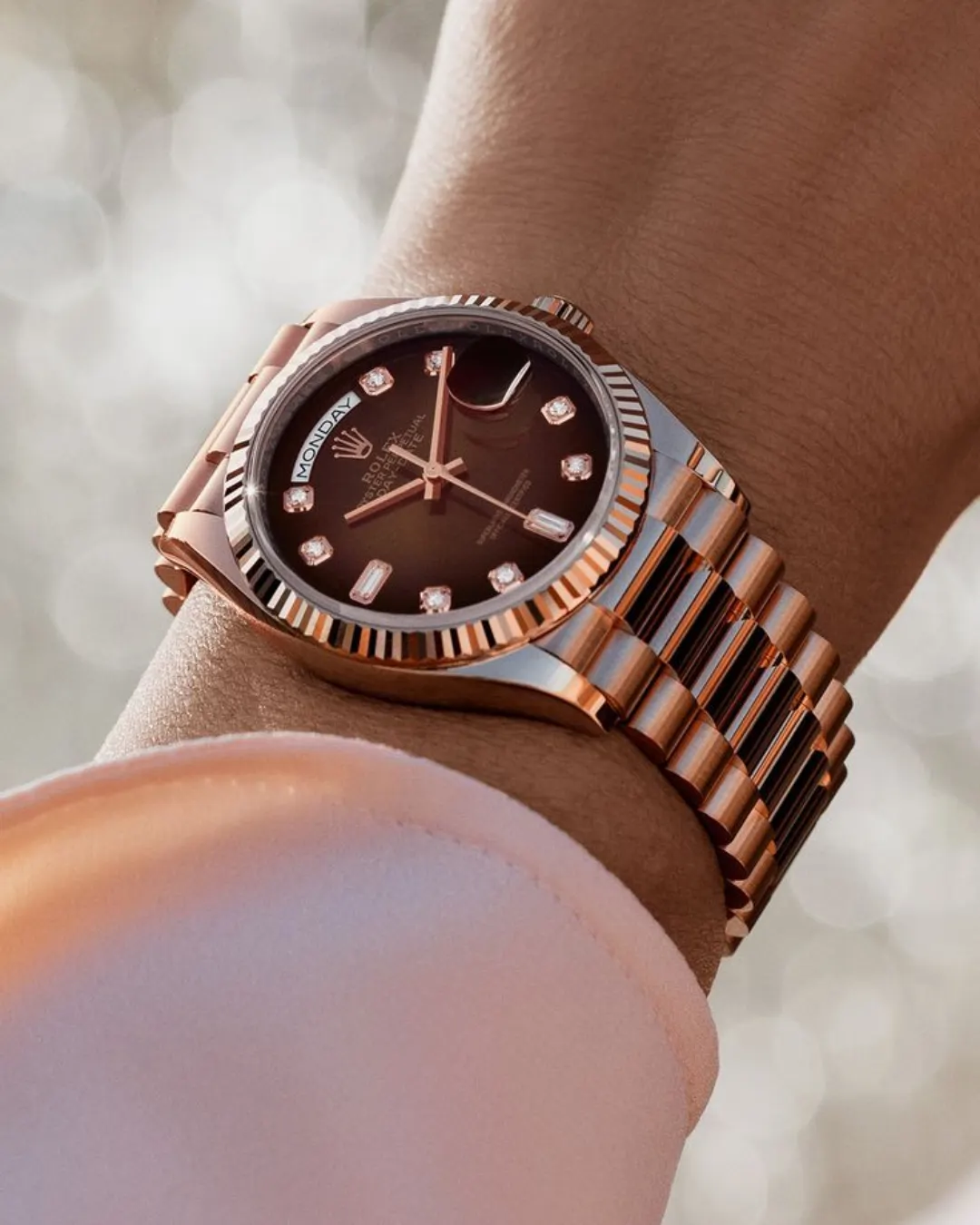
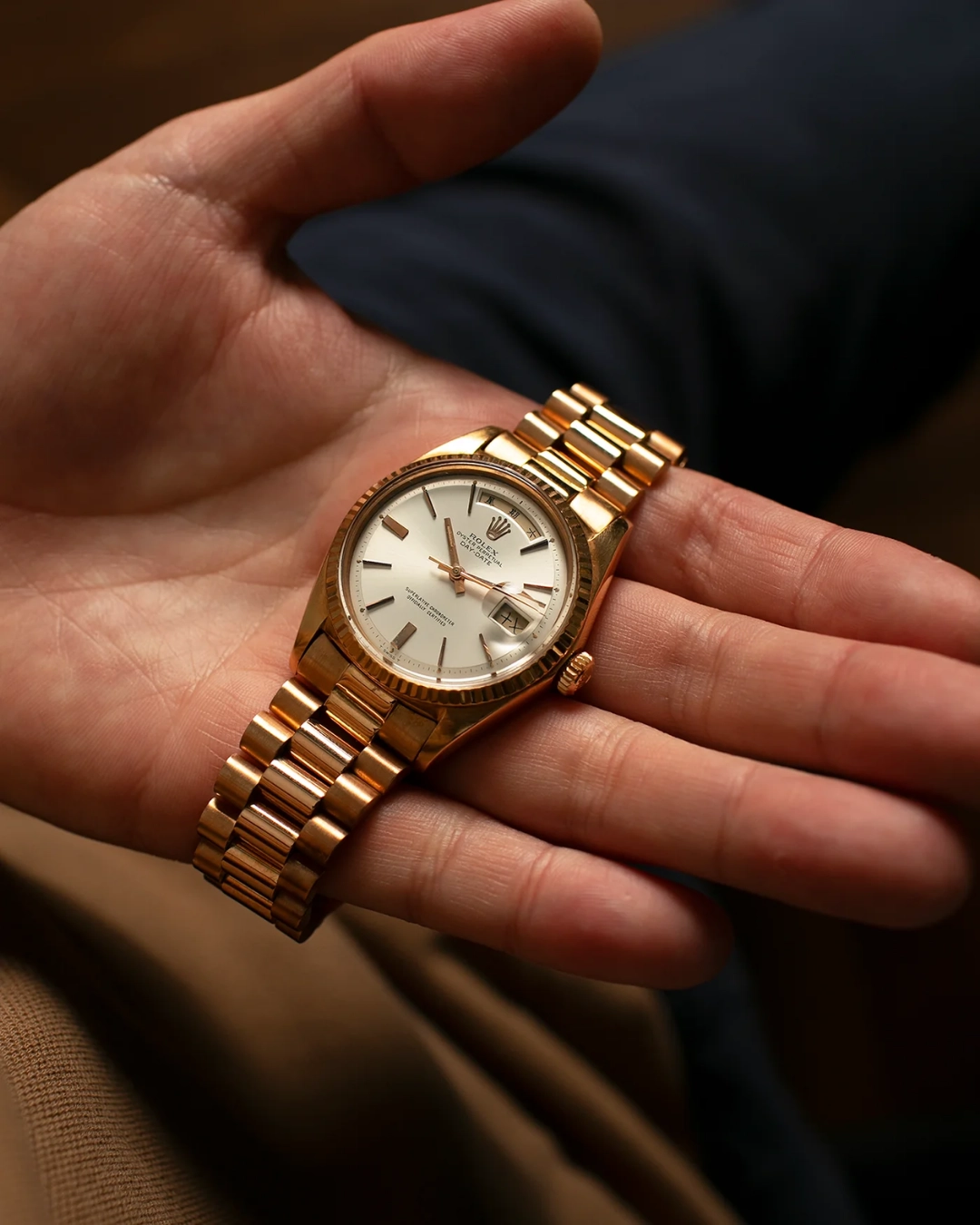
Rolex is an obvious example. Everose gold, the brand’s proprietary 18 ct rose gold alloy introduced in 2005, was developed to preserve colour and resist the fading often associated with ordinary rose gold. The luxury here is not merely that Rolex uses rose gold. It is that Rolex developed its own rose gold to control ageing, colour and material behaviour over time.
Hublot takes the idea further with Magic Gold, an 18K gold alloy known for its unusually high scratch resistance. It is not just gold with a more dramatic name. It is a material experiment, in which gold is asked to behave more like an advanced technical substance: harder, tougher and less vulnerable than its traditional softness would suggest.
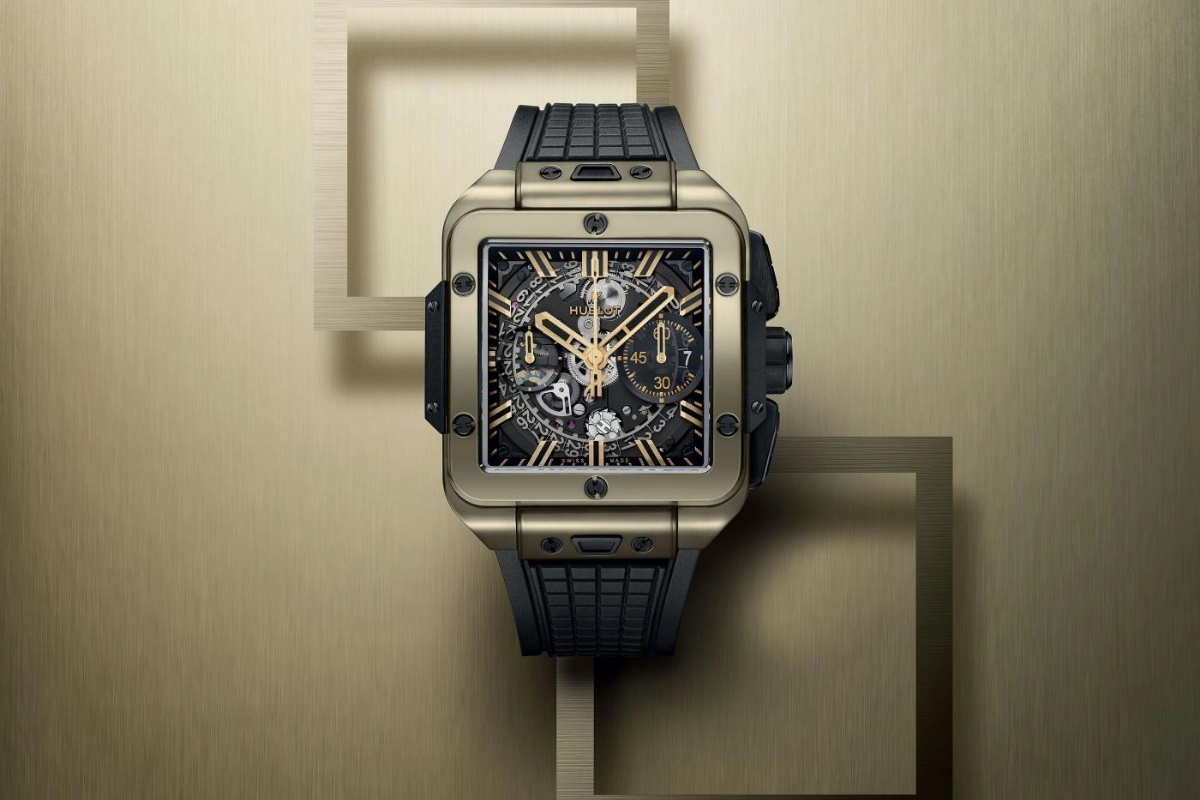
This is why, in high watchmaking, material is often a research project. Ceramic, titanium, carbon composite, silicon, sapphire, ceramic-gold composite and proprietary alloys all come with research costs, testing, machinery, failed trials and specialised finishing processes. The smarter the material, the harder it becomes to price it by weight alone.
A steel watch may be cheaper than a gold watch in raw material cost, but if that steel case is finished with multiple brushed, polished, bevelled and mirror-polished surfaces, the value is no longer just in the metal. It is in the hand that disciplined the metal.
To speak of a mechanical watch without speaking of the movement is to miss the soul of the object. A mechanical movement is a miniature city of energy: the mainspring stores power, the gear train transmits it, the escapement releases it in rhythm, the balance wheel oscillates, the hairspring regulates, the jewels reduce friction, the bridges hold the architecture and the screws keep order.
What makes the movement expensive is not only the number of parts. It is the fact that those parts must work inside an extremely small space, within very narrow tolerances, for years, on a wrist that is never still. A mechanical watch does not live in a laboratory. It is tilted, shaken, warmed, cooled, magnetised, forgotten in a drawer, worn at dinner, worn while walking, worn while typing, worn while travelling.
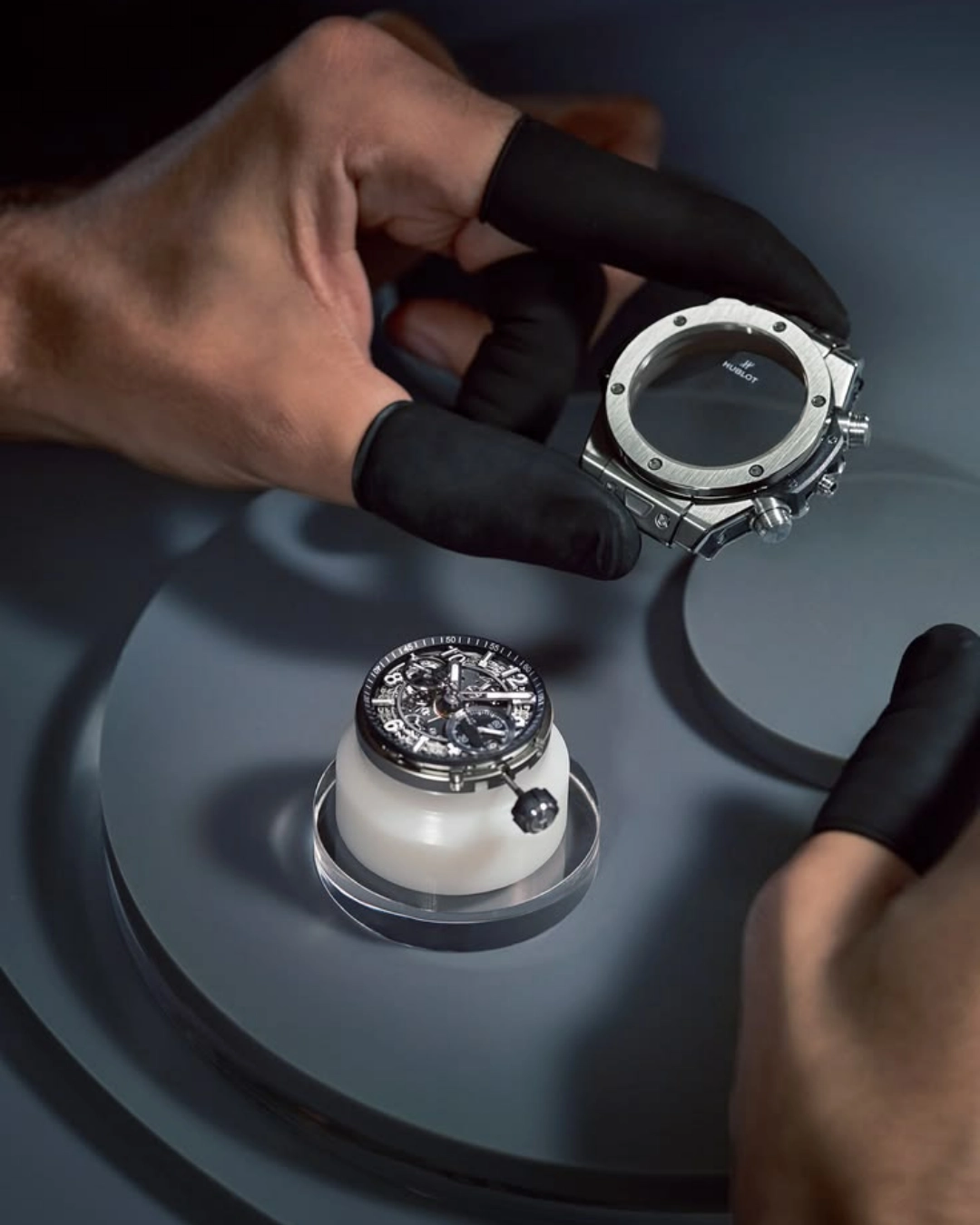
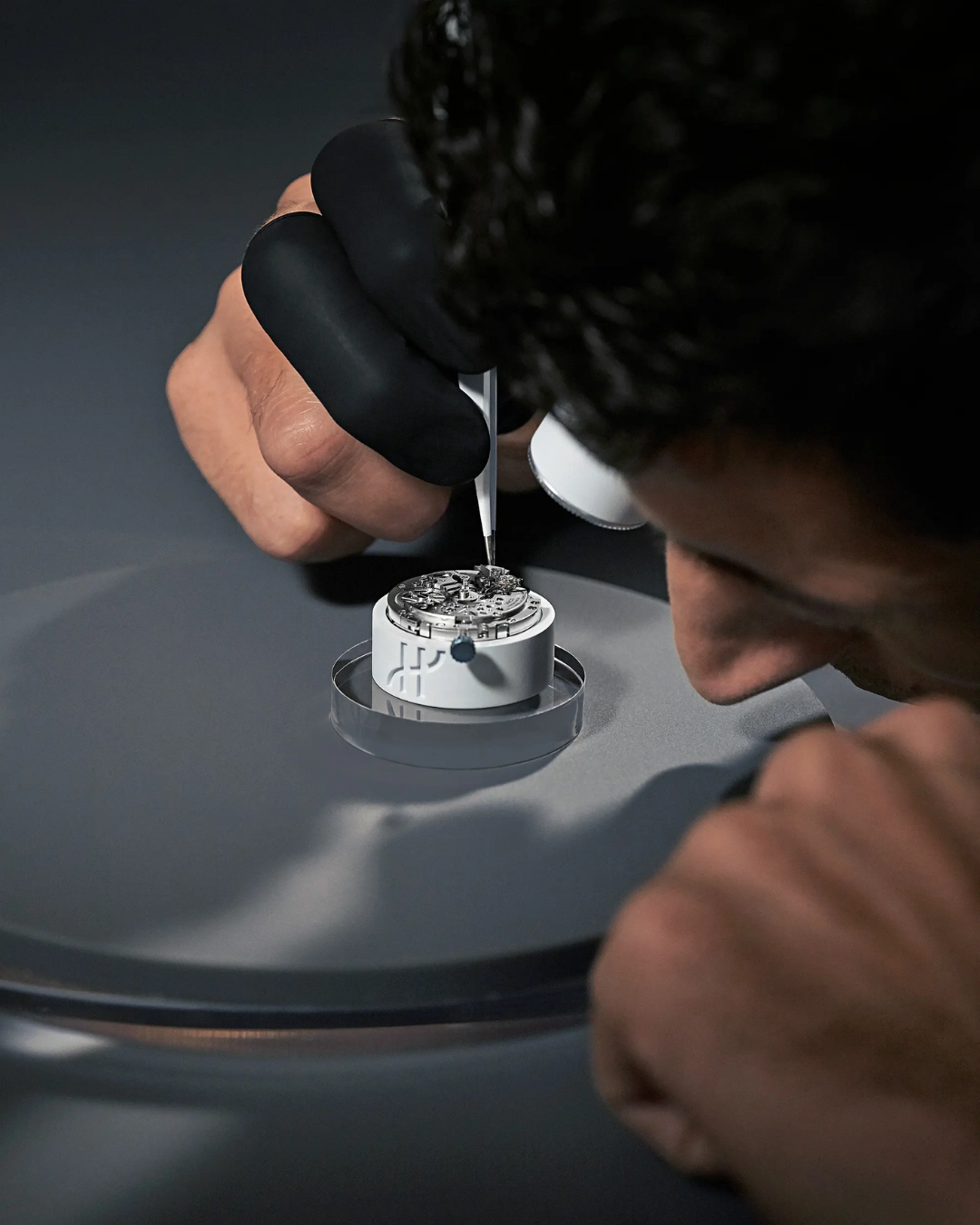
In high watchmaking, components do not merely need to function. They must also be beautiful, even where the owner may rarely look. Bridges are bevelled. Plates are decorated with perlage. Screws are polished or thermally blued. Côtes de Genève sweep across the movement. Inner angles are cleaned. Edges are softened, disciplined, made worthy.
These details may not directly make the watch tell time better. They do something more aristocratic: they prove that the watchmaker respects even the hidden places.
In haute horlogerie, the parts that remain unseen must still have dignity.
Minute repeater, tourbillon, perpetual calendar, split-seconds chronograph, grande sonnerie, equation of time, world time, celestial chart — each complication is a way of making an already difficult task more difficult still. That may sound irrational, but it is central to haute horlogerie.
If a phone can change time zones automatically, why does anyone need a mechanical world time? If a digital calendar can calculate leap years, why does anyone need a perpetual calendar? If a speaker can announce the time, why does anyone need a minute repeater? The answer lies in humanity’s strange attraction to mechanical systems that perform unnecessary tasks in the most beautiful and difficult way possible.
Among these complications, the minute repeater remains one of the most demanding. It is not only machinery. It is miniature music. A minute repeater must mechanically read the time, translate it into a sequence of hours, quarters and minutes, then produce sound with sufficient clarity, warmth, rhythm and resonance.
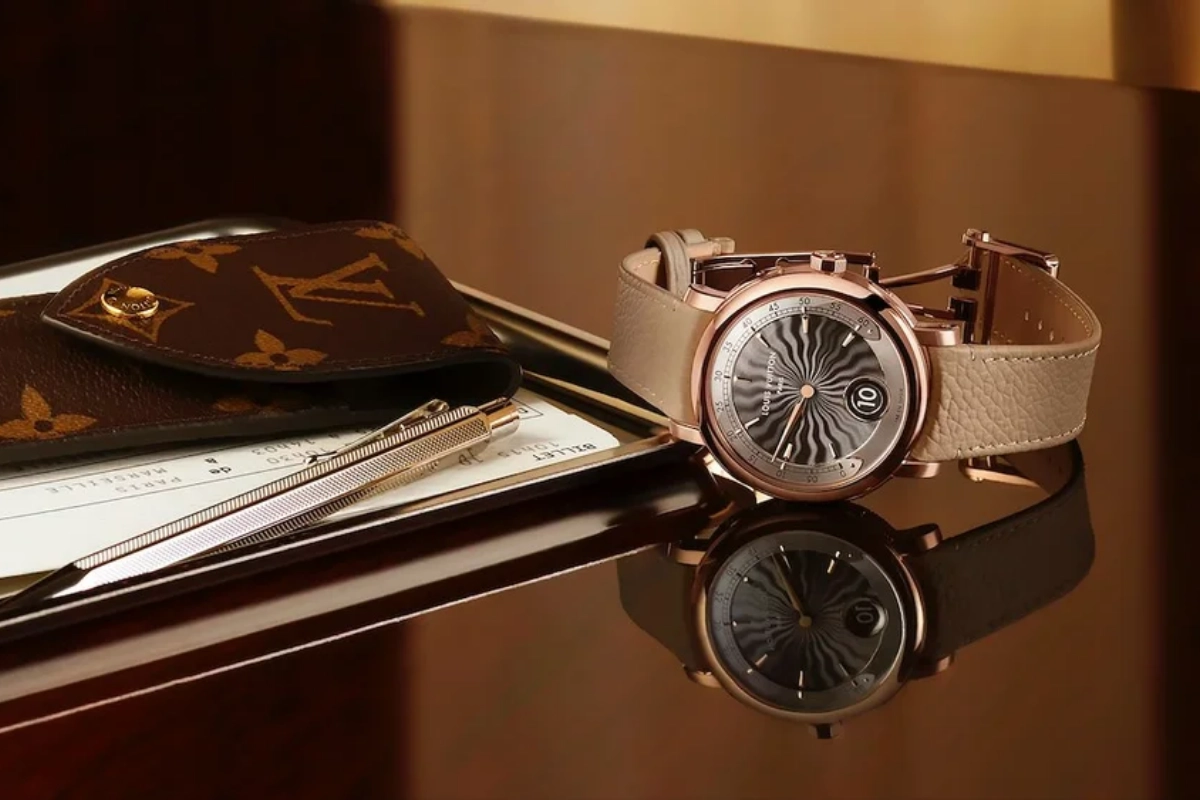
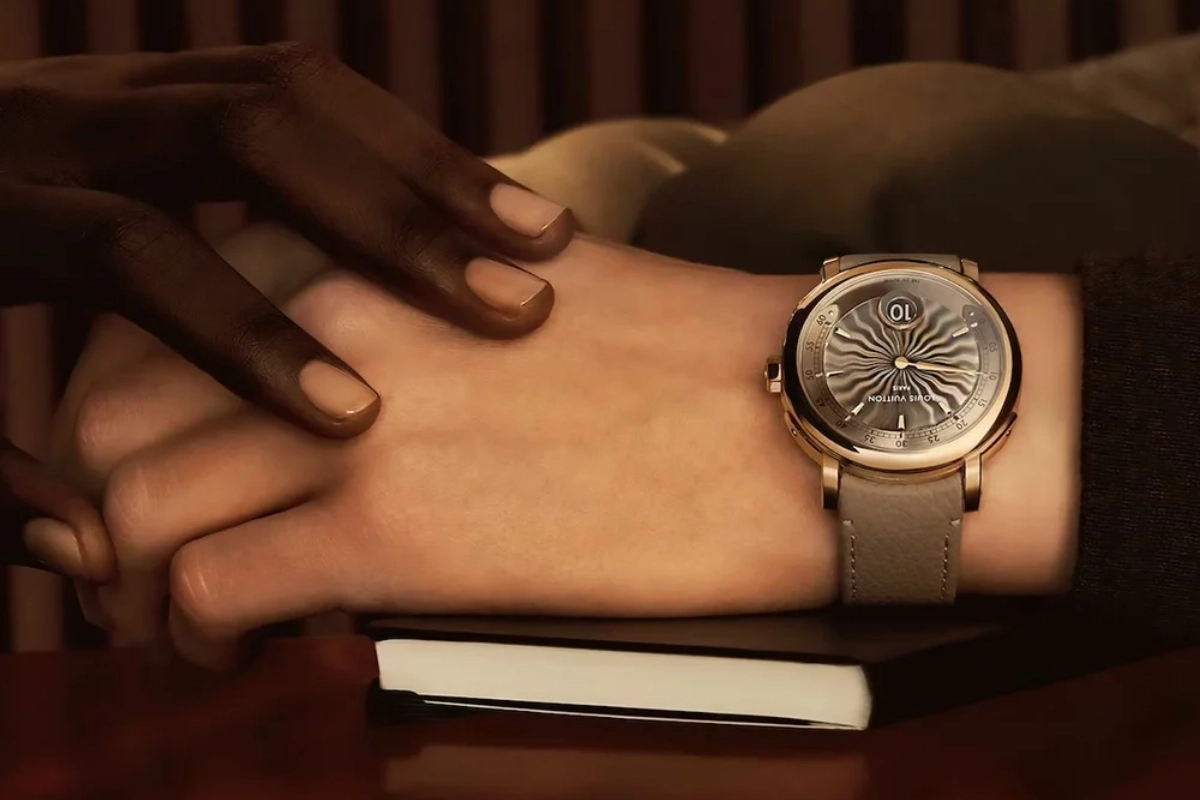
Patek Philippe treats this as almost ceremonial. No minute repeater leaves the manufacture without its sound being personally approved by the president of the house. In an age of mass production, the image of a maison president listening to each chiming watch before delivery says everything: at this level, a watch is not only tested by instruments. It is judged by the human ear.
That is why watches are expensive: not merely because they have functions, but because their functions are passed through aesthetic ritual.
The tourbillon deserves its own correction, because it is one of the most mythologised mechanisms in watchmaking. Historically, Abraham-Louis Breguet patented the tourbillon in 1801 as a way to counter the effect of gravity on the regulating organ of a pocket watch. It remains one of the great symbolic inventions of mechanical horology.
But one misunderstanding should be corrected: modern brands do not pay Breguet a formula royalty every time they produce a tourbillon. The original patent lasted only for a limited period and expired long ago. The reason tourbillons remain expensive is not legal royalty. It is difficulty.
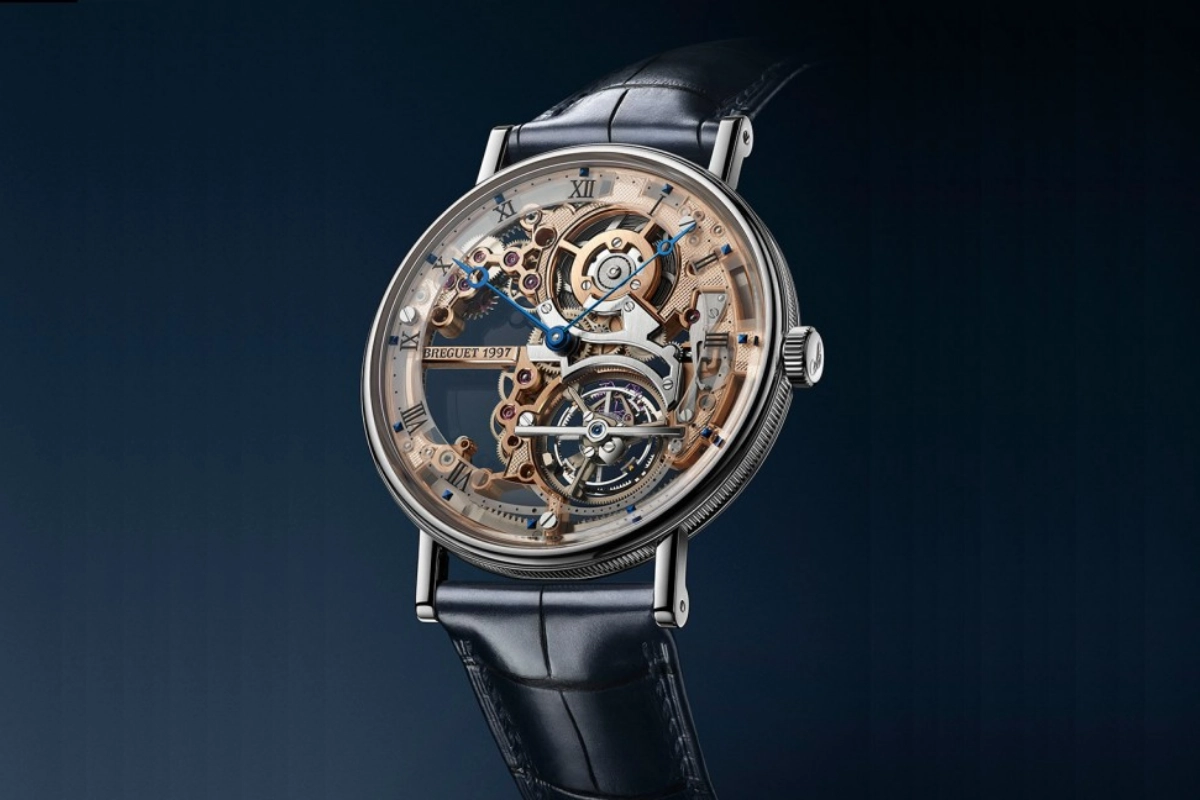
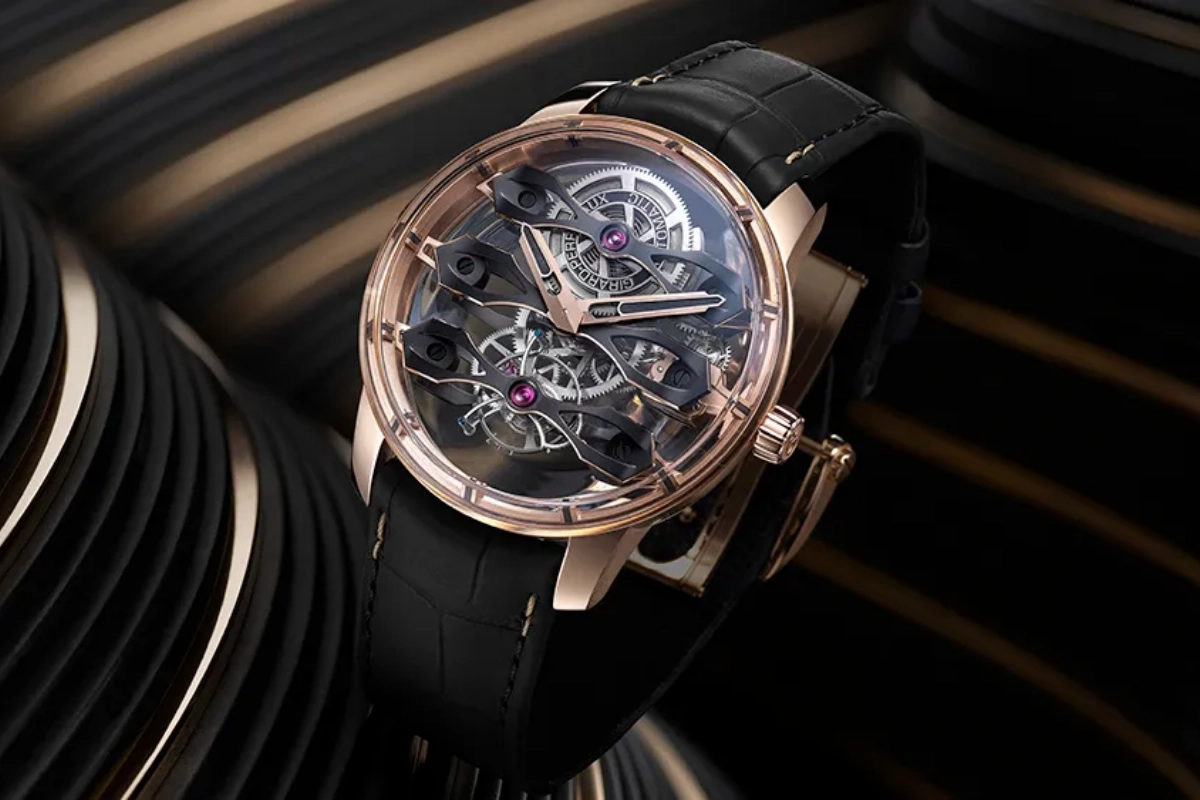
A tourbillon cage may weigh only a few grams, but it can contain dozens of tiny components. It has to rotate, support the escapement, preserve stability, avoid excessive energy loss and still be finished beautifully. In modern wristwatches, the practical precision benefit of a tourbillon is often debated, but its symbolic function remains powerful. It shows that a manufacture can control gravity, energy, friction, aesthetics and reputation inside a structure smaller than a coin.
A tourbillon is expensive because it forces a watchmaker to prove competence in miniature.
If absolute accuracy is the goal, the phone wins. Quartz wins. GPS wins. But a mechanical watch is not playing by the same rules. It tries to keep time through springs, gears and mechanical oscillation. The closer a watchmaker wants to get to precision, the more they must fight physics.
This is why brands continue to invest in high-frequency movements, silicon components, new escapements, new hairsprings, anti-magnetism, shock resistance, real-wear simulation and independent certification. Breguet’s Type XXII, for example, brought a 10 Hz movement into serial production, beating at 72,000 vibrations per hour. That is extremely high in the world of mechanical watchmaking, where many traditional movements run at 2.5 Hz, 3 Hz or 4 Hz.
But one must be precise: 10 Hz is not “higher than quartz”. Quartz operates at a much higher frequency through an entirely different electronic logic. In mechanical watchmaking, however, 10 Hz is significant because a higher frequency can improve stability and measurement, while also consuming more energy, increasing friction and demanding more advanced materials.
TAG Heuer pushed this obsession with speed even further with the Mikrograph, a mechanical chronograph capable of measuring 1/100th of a second. Very few people need such a thing in practical life. But the point is not need. The point is proof: mechanical watchmaking can still innovate in a field where electronics should have won absolutely.
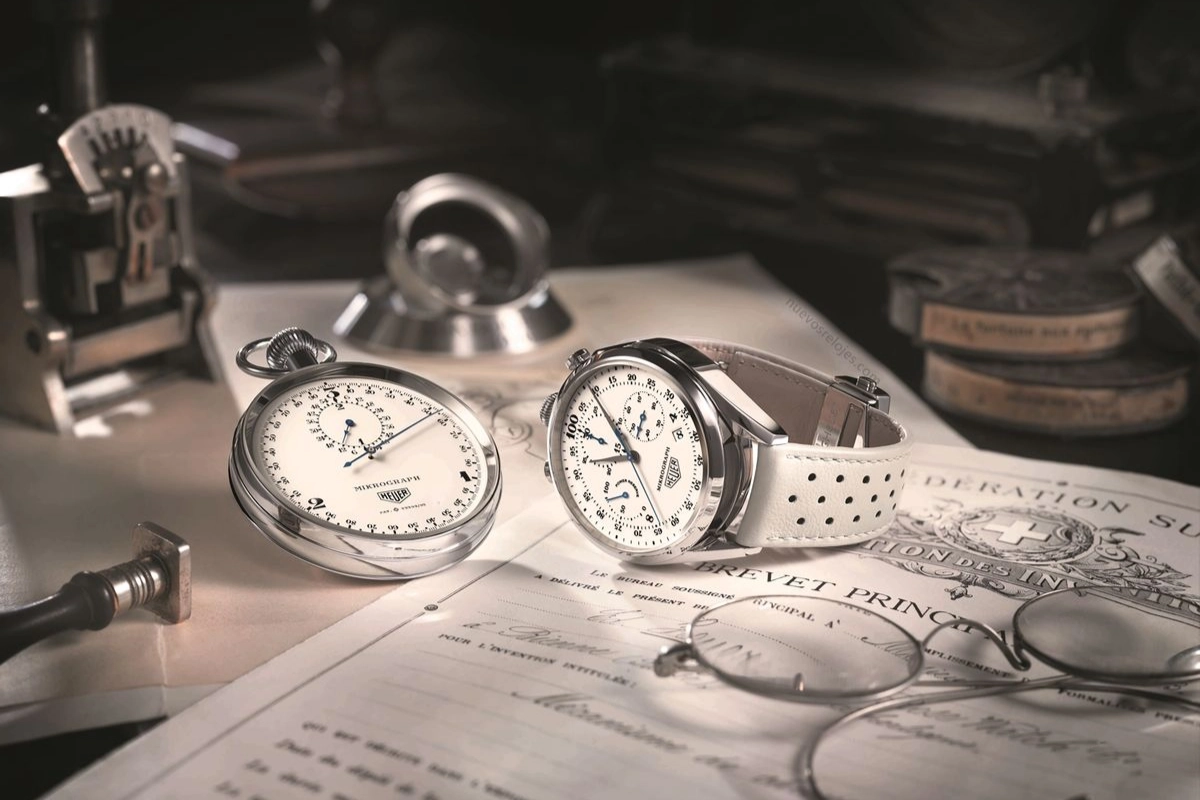
The closer a mechanical watch moves toward precision, the more expensive it becomes. Not because a few seconds matter so much in daily life, but because each second removed from the margin of error is a negotiation with energy, friction, material and scale.
After complication comes finishing. This is where many newcomers to watches fail to see where the money goes. A fine movement is not merely well designed. It must also be finished according to an aesthetic code that machines can assist but rarely replace entirely.
Anglage, black polishing, perlage, Côtes de Genève, chamfering, hand engraving, skeletonisation, gem-setting, guilloché, enamel — each technique belongs to its own territory of skill. Among them, miniature enamel is one of the rarest and most fragile.
An enamel dial is not simply painted. Mineral powders and metallic oxides are ground, applied and fired repeatedly at high temperature. Each firing can destroy the work that came before it. The enamel can crack, bubble, shift colour, catch dust or lose depth. A dial may require many firings, each one a risk.
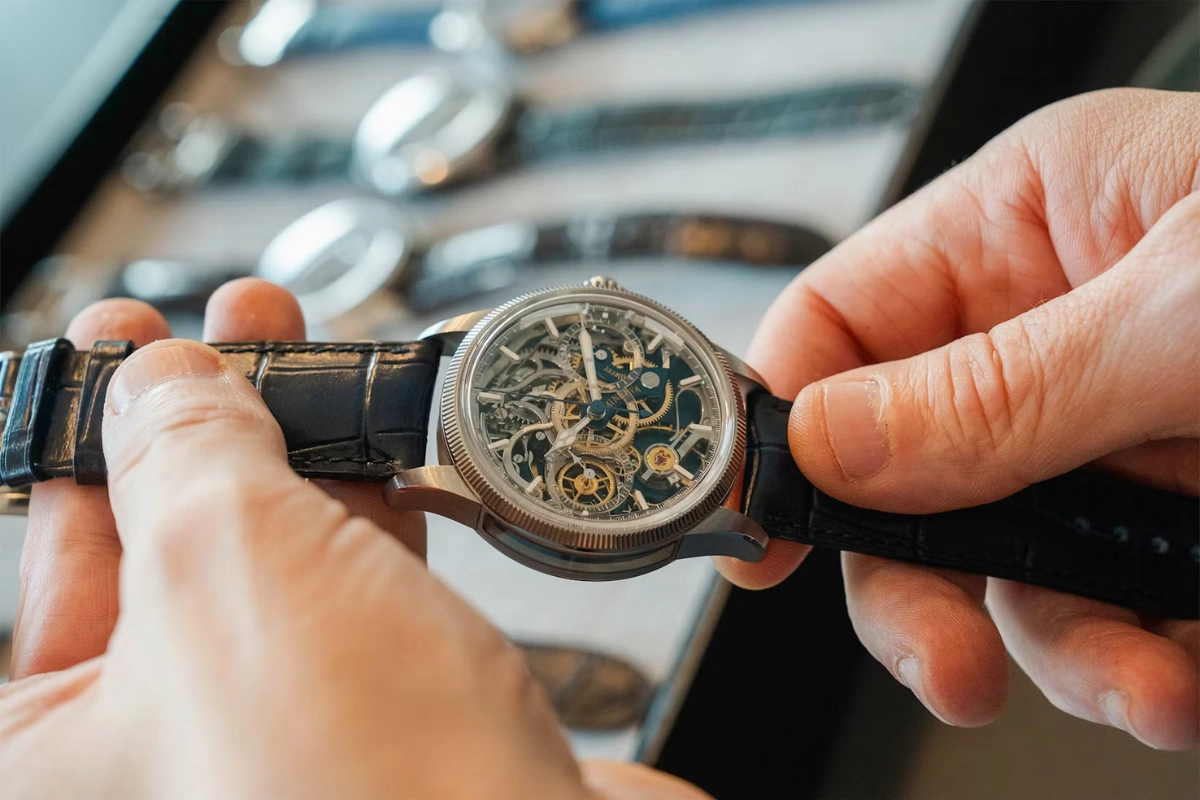
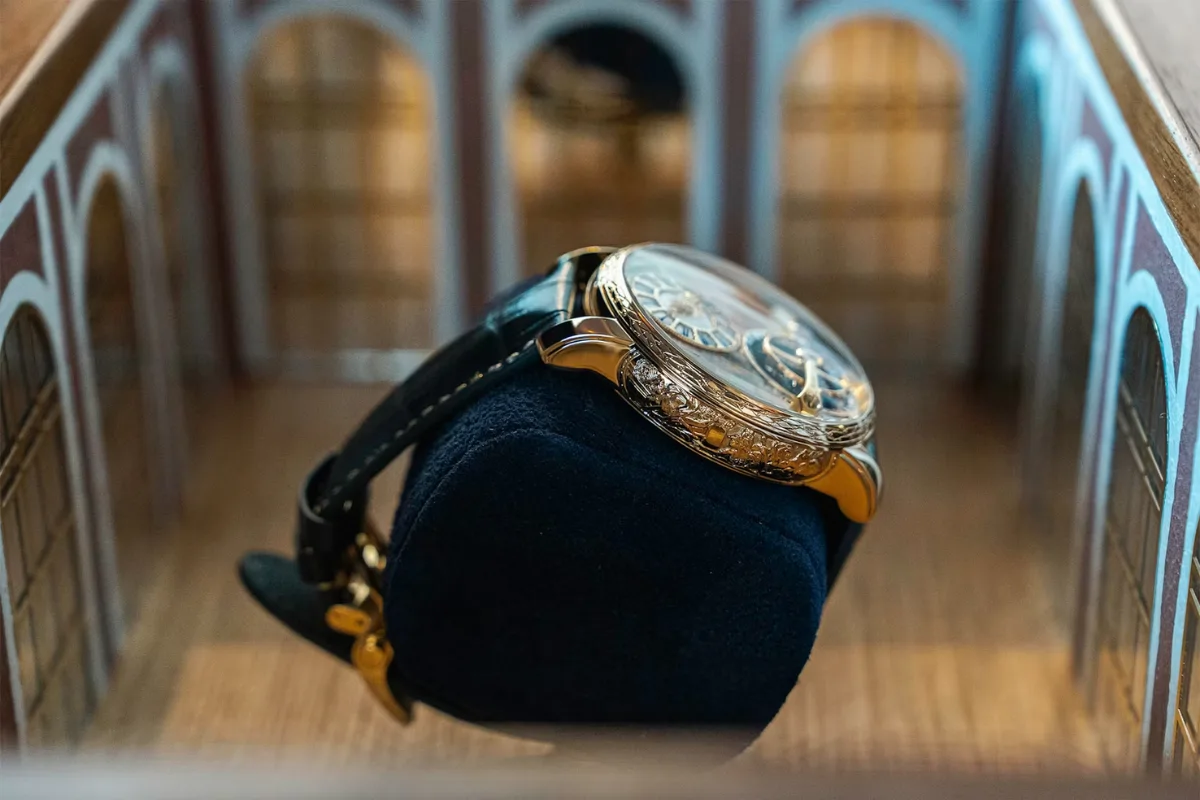
This is why an enamel dial is not expensive because it is “pretty”. It is expensive because it is a painting that has survived fire.
A serially produced watch can spread the cost of design, research, prototypes, tooling and failed experiments across many pieces. A unique piece cannot. A one-of-one watch has to carry the burden of its own development.
This is why bespoke watches from major maisons often exist beyond ordinary price logic. Vacheron Constantin’s Les Cabinotiers, for example, allows clients to commission unique timepieces, sometimes involving extraordinary complications, rare crafts or artistic collaborations. At that level, the client is not merely buying a watch. They are buying the right to intervene in the living history of a maison.
Vacheron Constantin also offers some of the most extreme examples of ultra-complication. The Berkley Grand Complication, described as one of the most complicated watches ever made, contains dozens of complications and thousands of components. At that point, price can no longer be explained by material. It is the cost of engineering, time, institutional memory and the ambition to create something that did not previously exist.
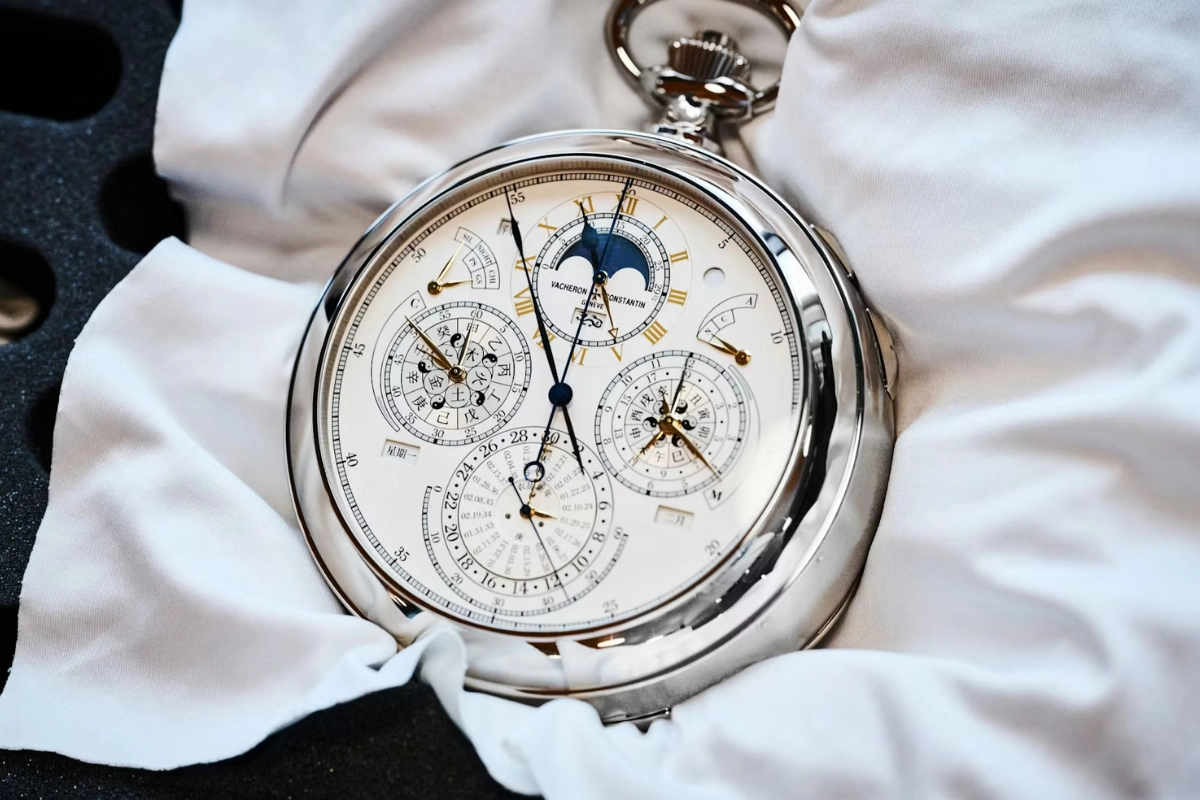
In such projects, the buyer is not paying for hours, minutes and seconds. They are paying for a maison to gather engineers, artisans, designers, finishers, acoustic specialists, calendar experts and brand honour into one object small enough to hold in the hand.
A modern explanation must also include the market itself. The Swiss watch industry is no longer growing simply by selling more units. In recent years, export volumes have declined while total export value has remained comparatively resilient. This reveals a structural shift: the industry is increasingly dependent on higher-priced watches. It sells fewer pieces, but asks each piece to carry more value.
That also helps explain why high-end watches keep becoming more expensive. When volume is no longer the main weapon, a brand must sell deeper stories: proprietary materials, in-house movements, independent certifications, archival legitimacy, rare artisans, boutique control, after-sales service and the feeling that the buyer is entering a more selective club than before.
In luxury, price does not only reflect cost. Price also creates a border. It says who can enter, who can only look, who must wait, who receives allocation, who is invited into the private room. This is the less romantic but very real part of watchmaking: sometimes a watch is expensive because it must remain expensive to preserve its symbolic position.
If all one needs is to know the time, a phone is enough. If one wants more accuracy than a mechanical watch can provide, quartz is enough. If one wants a device that is precise, cheap, light, convenient and easy to replace, the world has countless options.
But a high-end watch was not born to defeat the phone. It was born to do something else: to turn time into an object with cultural weight. It gathers Swiss labour, technical materials, handcraft, mechanical research, certification, brand history and a little human absurdity into something that can be worn on the wrist.
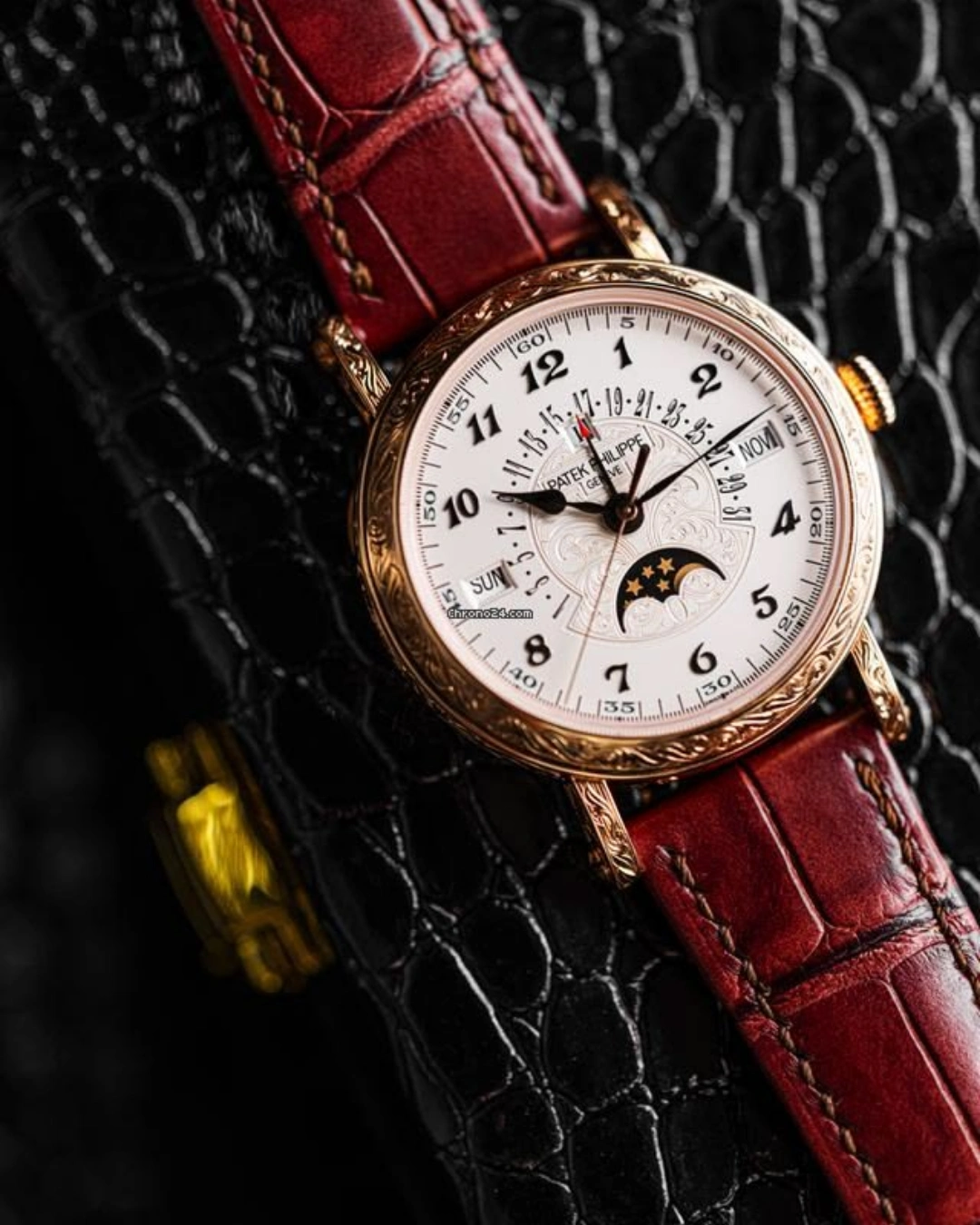
So why are watches expensive?
Because in a world where time appears free on every screen, the mechanical watch still tries to persuade us that time can be crafted, polished, bevelled, enamelled, regulated, cased in gold, struck into sound and passed on.
A cheap watch tells you the time.
An expensive watch asks you to believe that time deserves a body.