MENU
Close





January 22, 1981, Annie Leibovitz photographed John Lennon and Yoko Ono in what would become one of the most iconic portraits of the twentieth century.
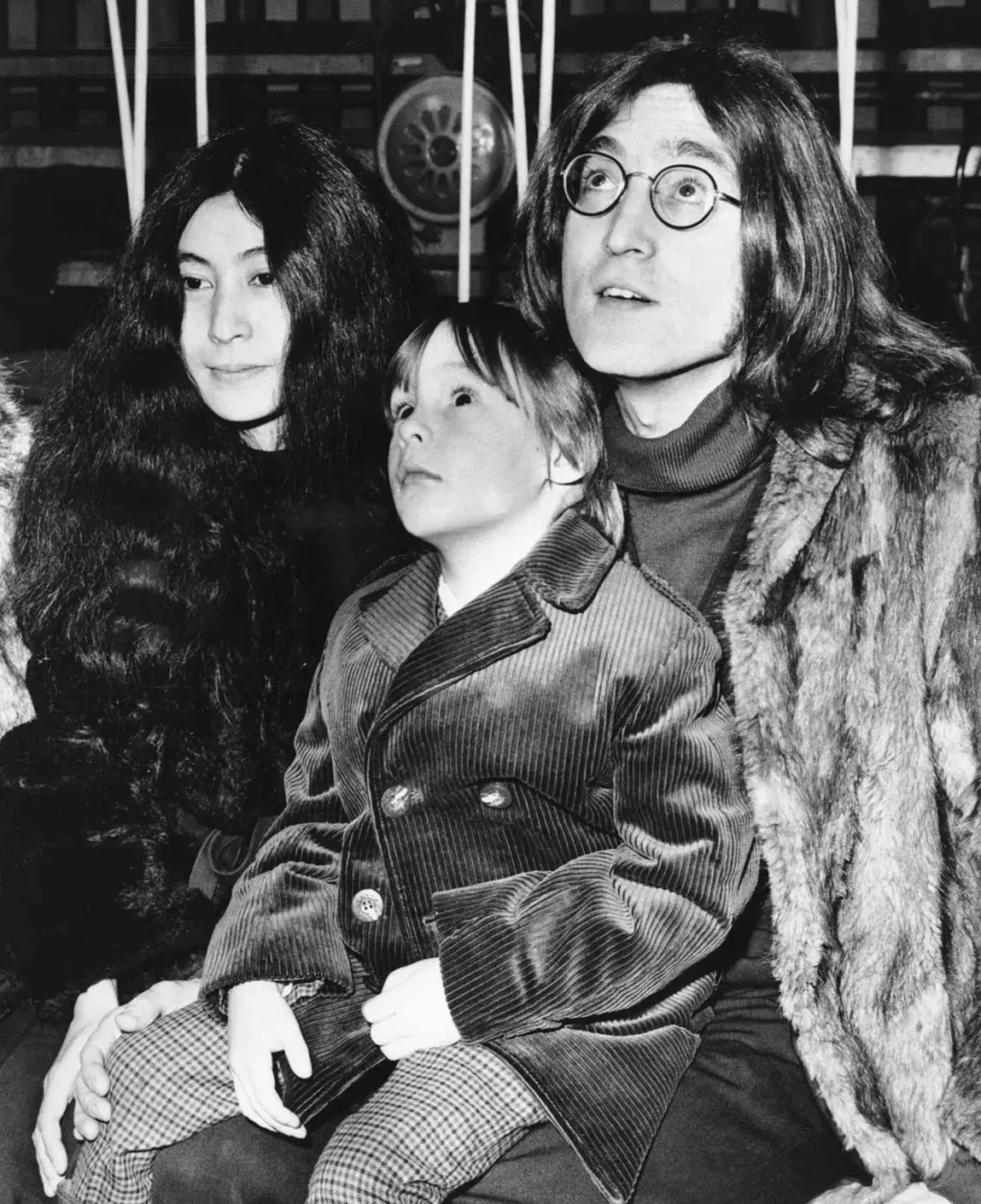
January 22, 1981, Annie Leibovitz photographed John Lennon and Yoko Ono in what would become one of the most iconic portraits of the twentieth century.
January 22, 2026


The leader of the The Beatles, John Lennon, curled naked around Yoko Ono on the cover of the Rolling Stones. What began as an editorial assignment evolved into a timeless meditation on love, devotion, and vulnerability.
The photograph breaks every expectation of a celebrity portrait. Lennon appears exposed and emotionally open, clinging to Ono, who remains fully clothed and composed. The visual language is deliberate. Lennon wanted the image to reflect their real relationship, not a stylized version of fame. Leibovitz initially planned to photograph Lennon alone, but he refused, insisting that Yoko be included. His request was simple and revealing: “This is us.”
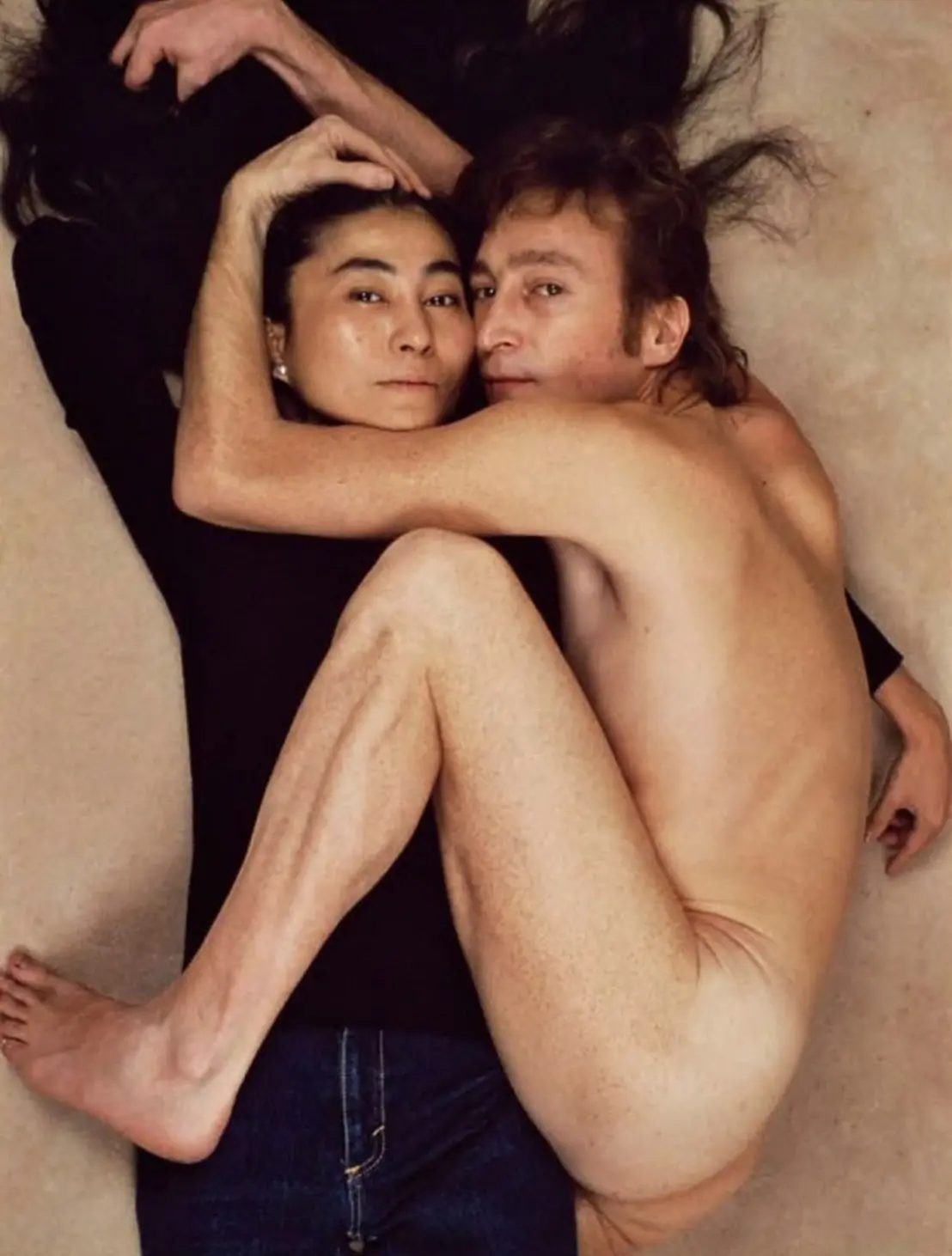
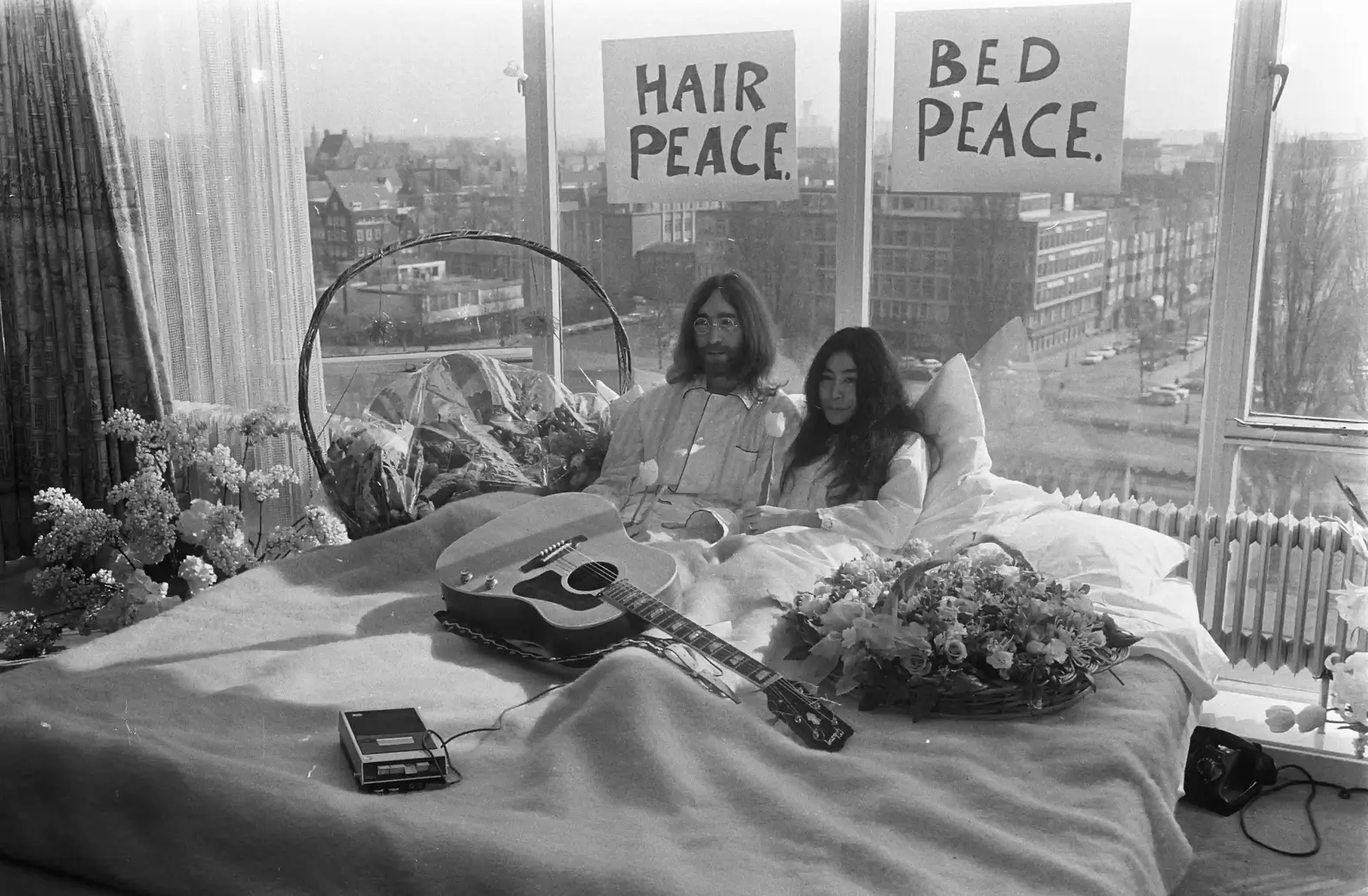
Their relationship itself was filled with moments that challenged convention. One often cited fun fact is that Lennon and Ono considered themselves a single artistic unit, frequently signing works and projects as “JohnAndYoko.” They famously staged “Bed-Ins for Peace” in 1969, turning their honeymoon into a global protest against war. Lennon once said that meeting Yoko felt like meeting his equal, someone who understood art as instinctively as he did. Despite relentless public criticism and blame placed on Ono for the Beatles’ breakup, Lennon remained fiercely protective, calling her “the most famous unknown artist in the world.”
Another intimate detail lies in the photograph’s quiet symbolism. Ono’s calm gaze contrasts with Lennon’s almost childlike need for closeness, subtly reversing traditional gender roles. Leibovitz later recalled that Lennon was thrilled when he saw the image, saying it perfectly captured their bond.
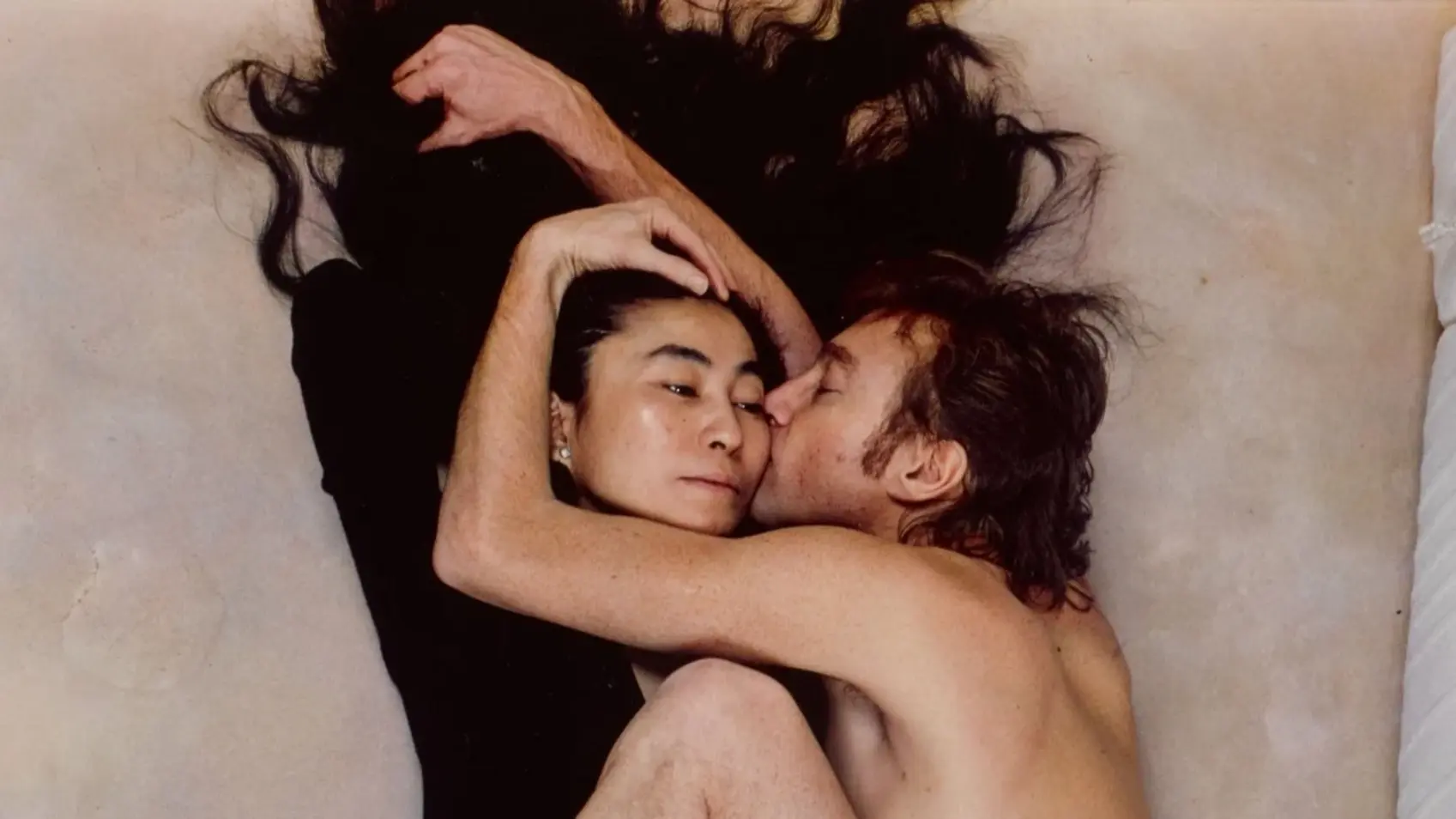
What gives January 22 its lasting emotional weight is what followed. Just days later, John Lennon was shot and killed outside the Dakota building in New York. The photograph became his final professional portrait. When Rolling Stone published it without headlines or cover lines, the image felt less like a magazine cover and more like a farewell.
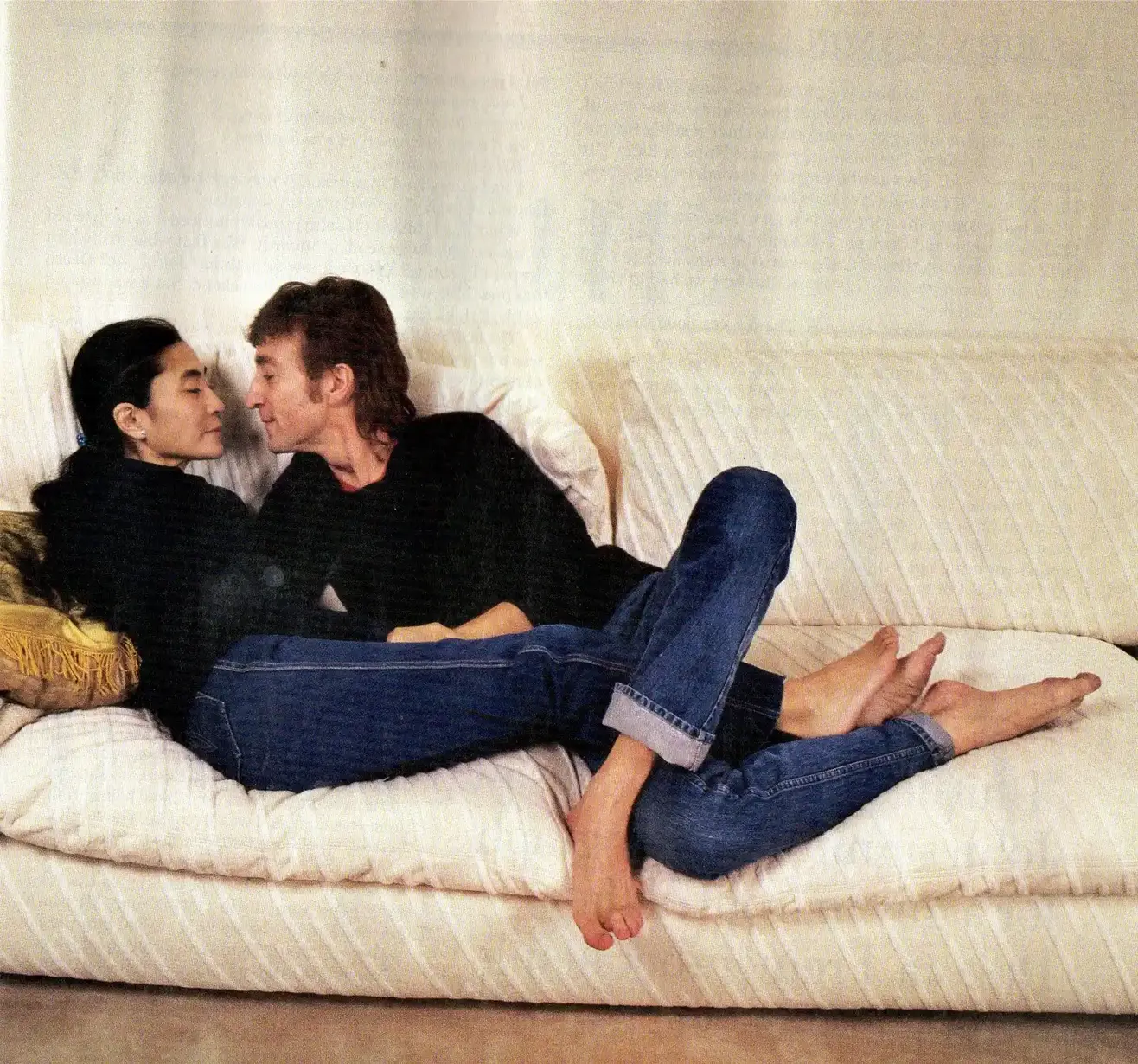
Decades on, Annie Leibovitz's photograph remains arresting because it preserves a fleeting truth. It is about love without performance, intimacy without defense, and a moment of human connection frozen just before the world irrevocably changed.