MENU
Close





On March 9, 2022, Vogue Russia addressed its readers with a brief, carefully worded message announcing the suspension of publishing “until further notice.”
On March 9, 2022, Vogue Russia addressed its readers with a brief, carefully worded message announcing the suspension of publishing “until further notice.”
March 9, 2025


The statement followed Condé Nast’s decision to halt operations in Russia amid rapidly tightening media laws and the escalation of the war in Ukraine. What read as a pause marked the end of an era: the quieting of one of fashion’s most influential regional voices.
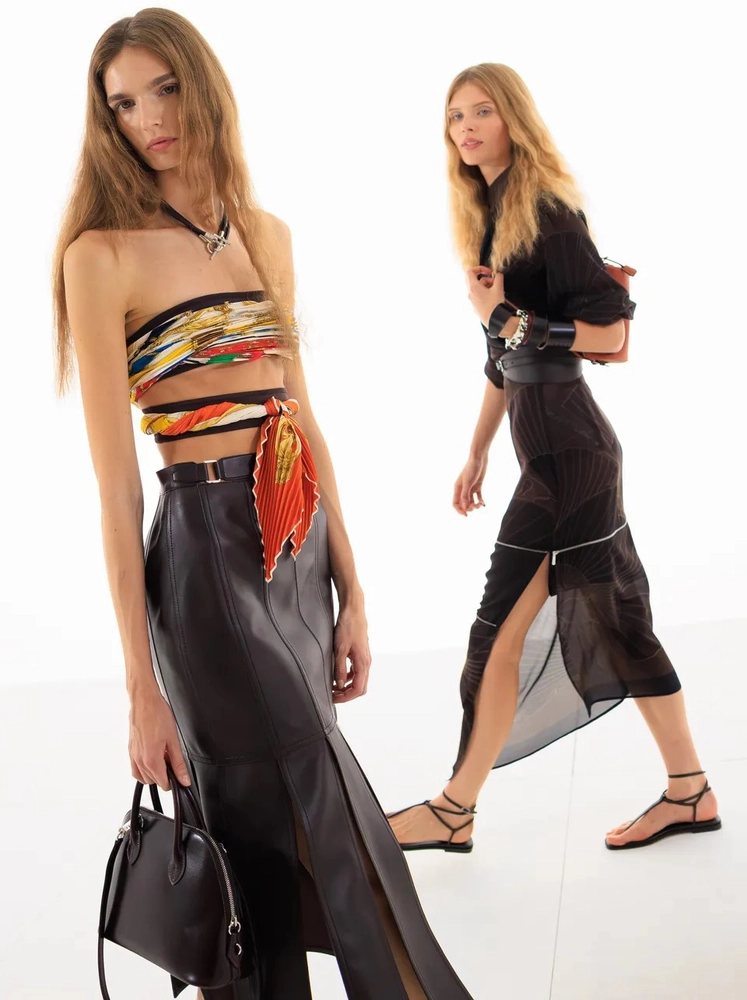
Since its debut in 1998, Vogue Russia served as a cultural compass for a country in transition. Emerging alongside post-Soviet modernity, the magazine translated international fashion codes into a distinctly Russian register, confident, experimental, and visually ambitious. It introduced global luxury to a new readership while elevating local creative talent onto the world stage.

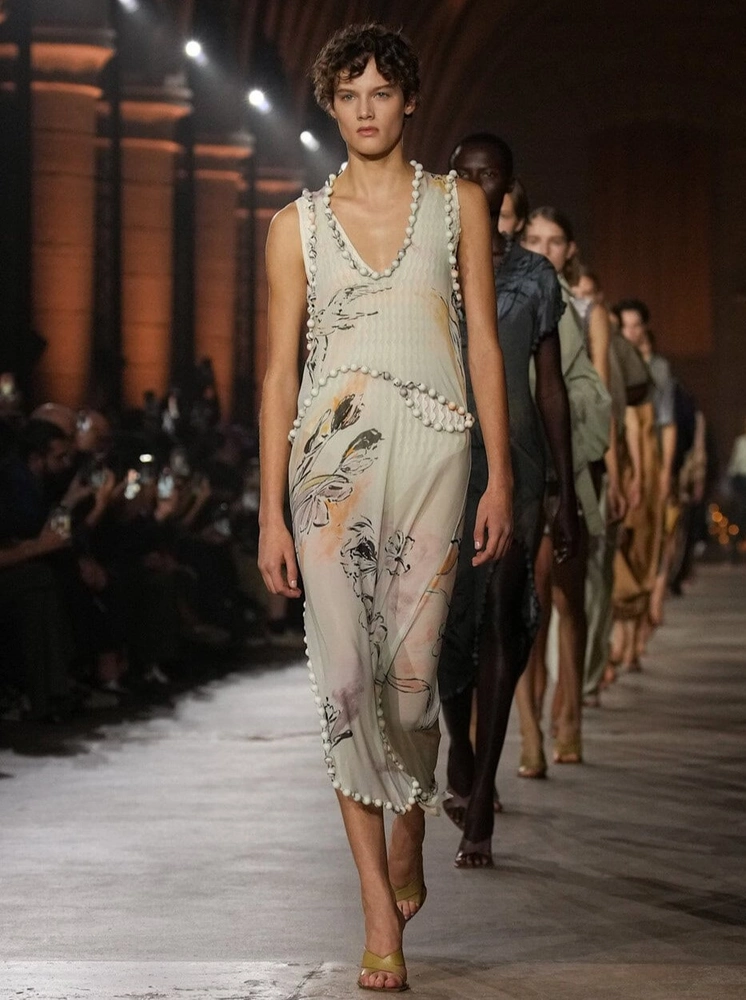
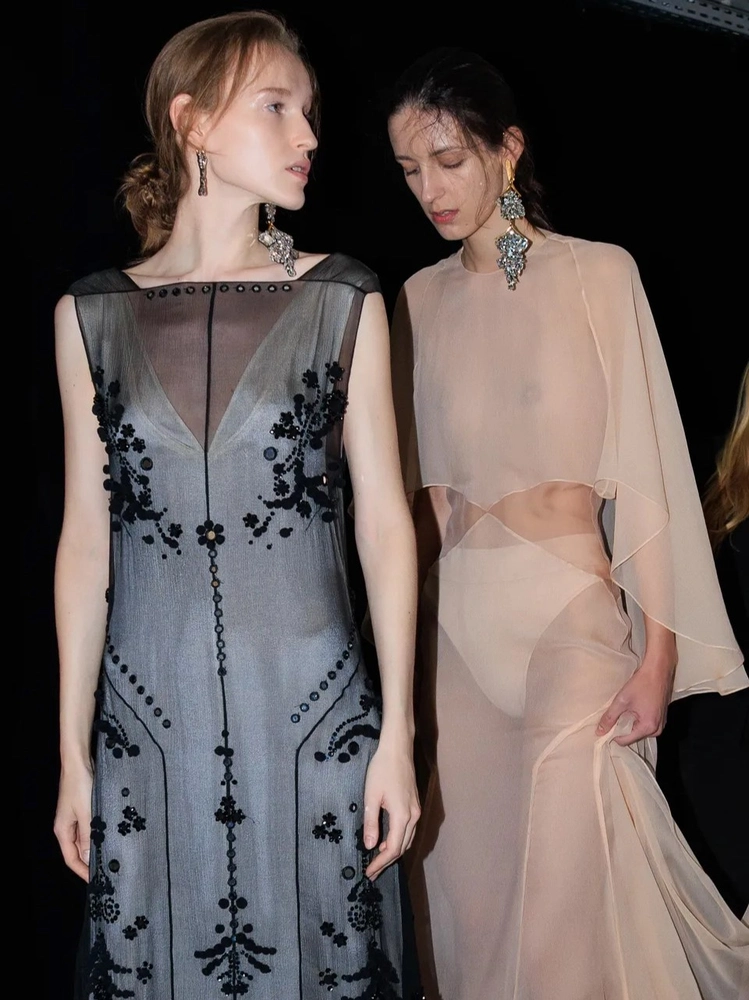
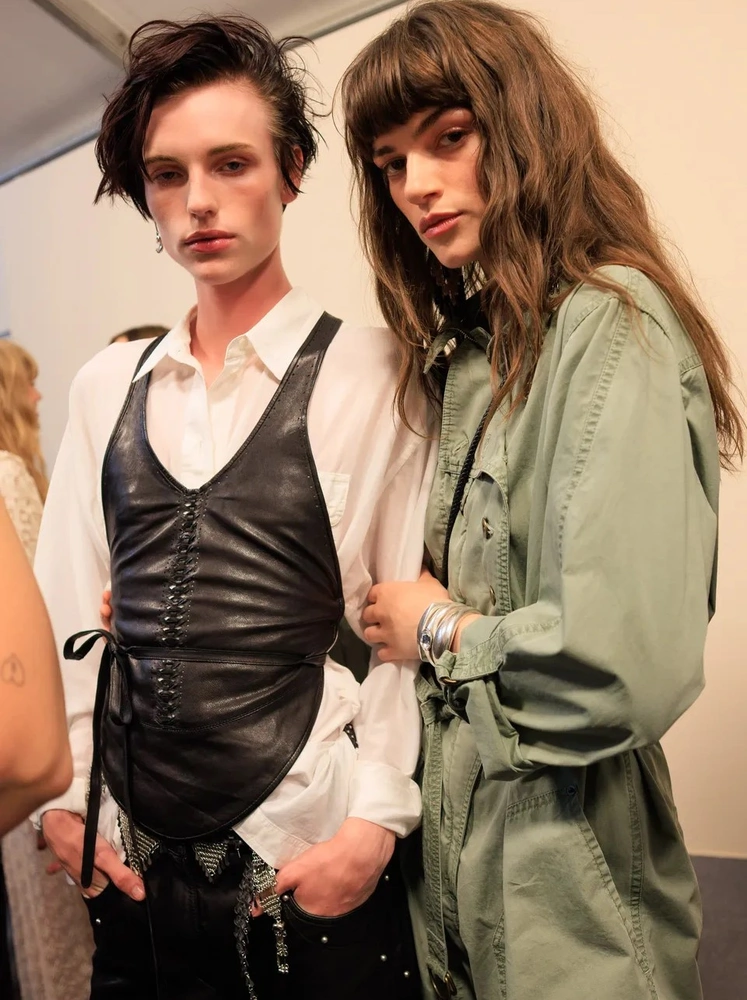
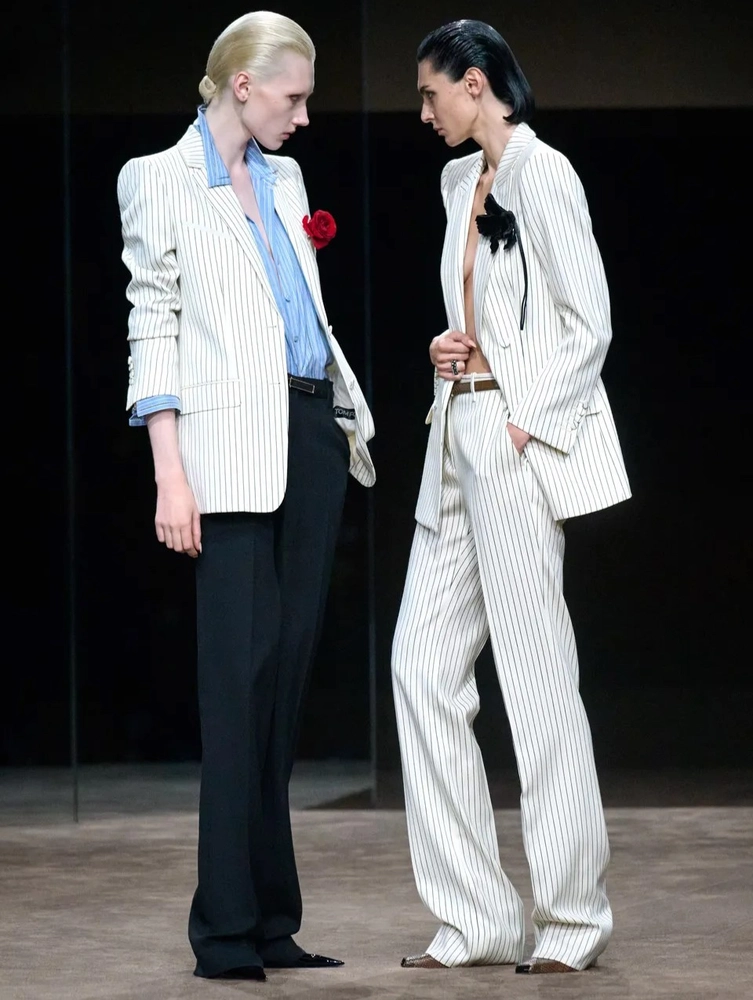
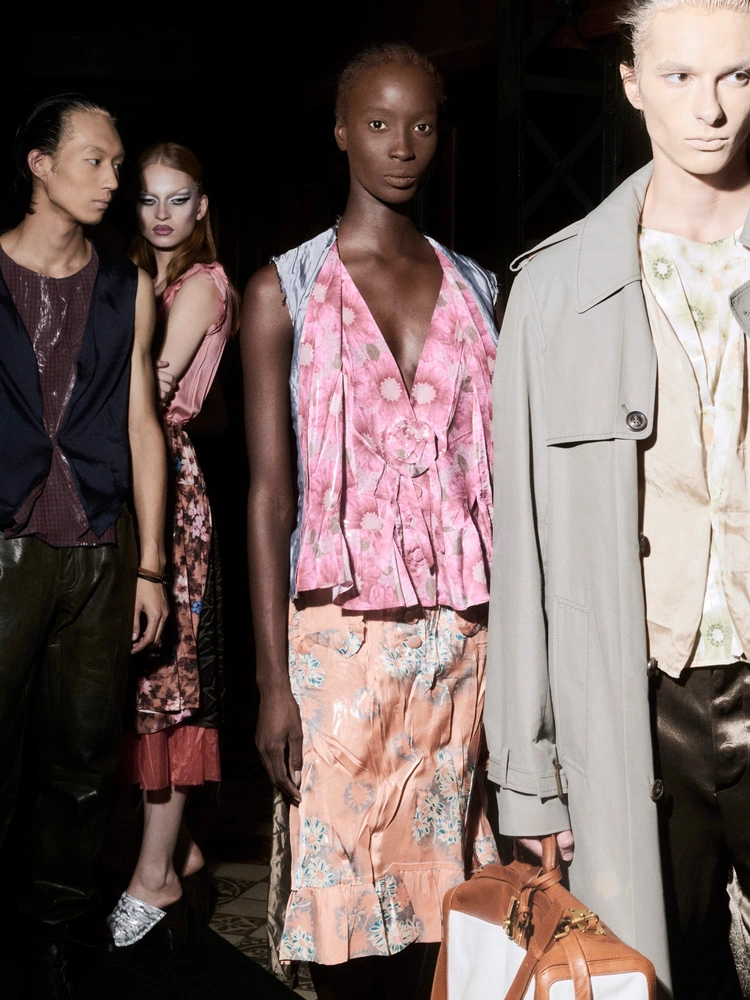
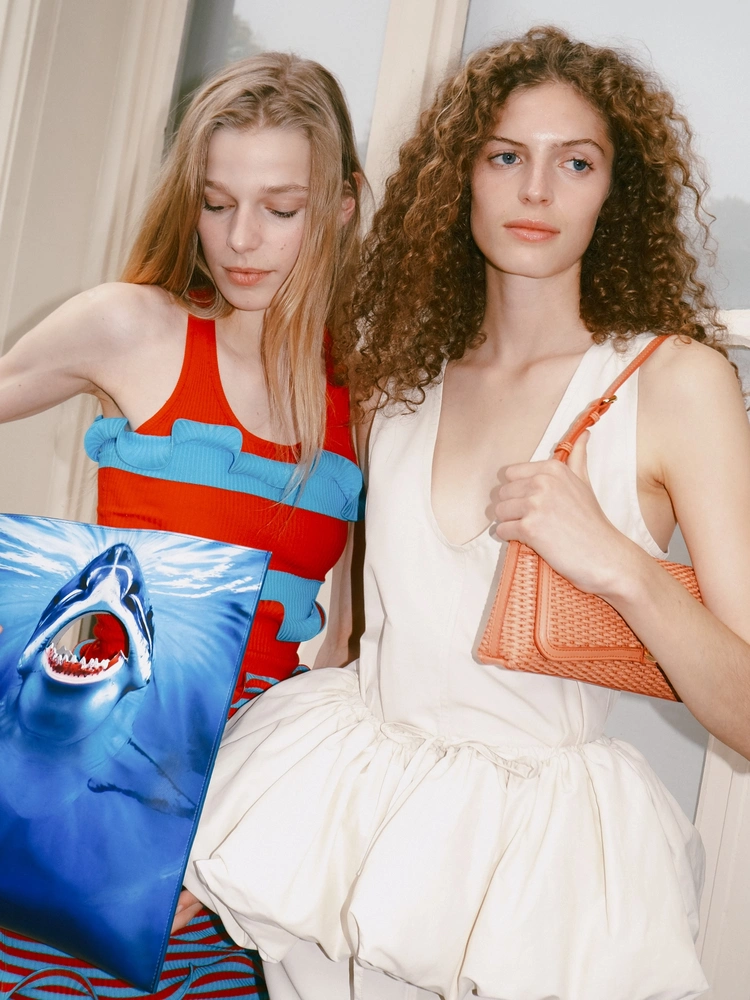
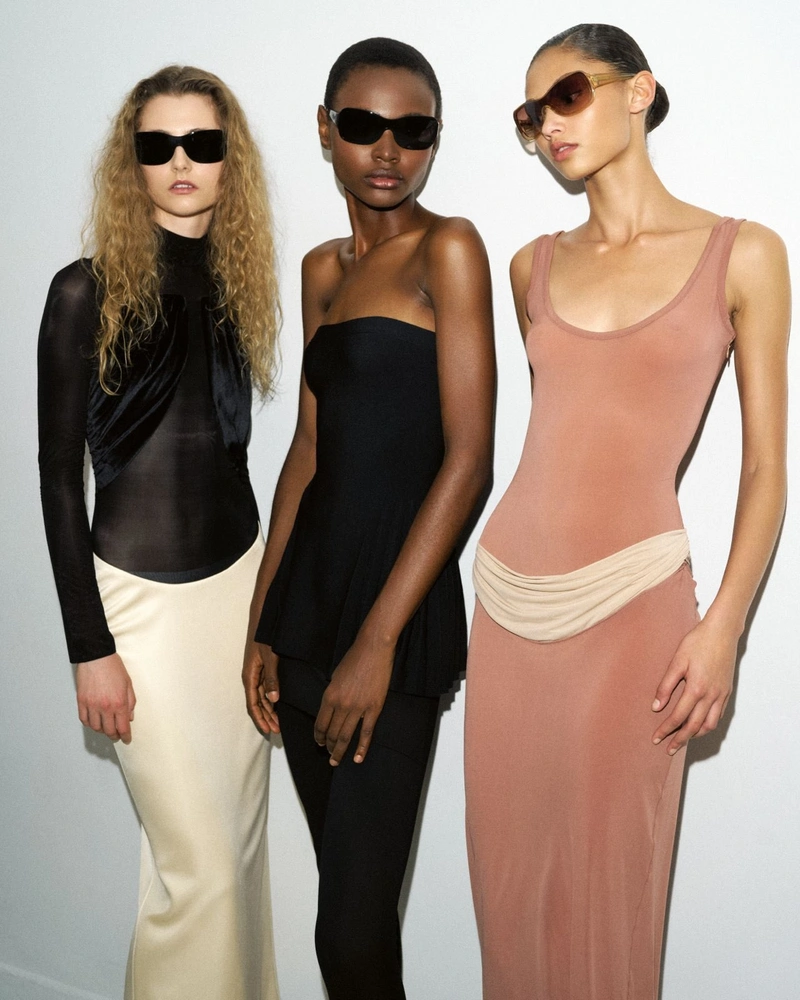
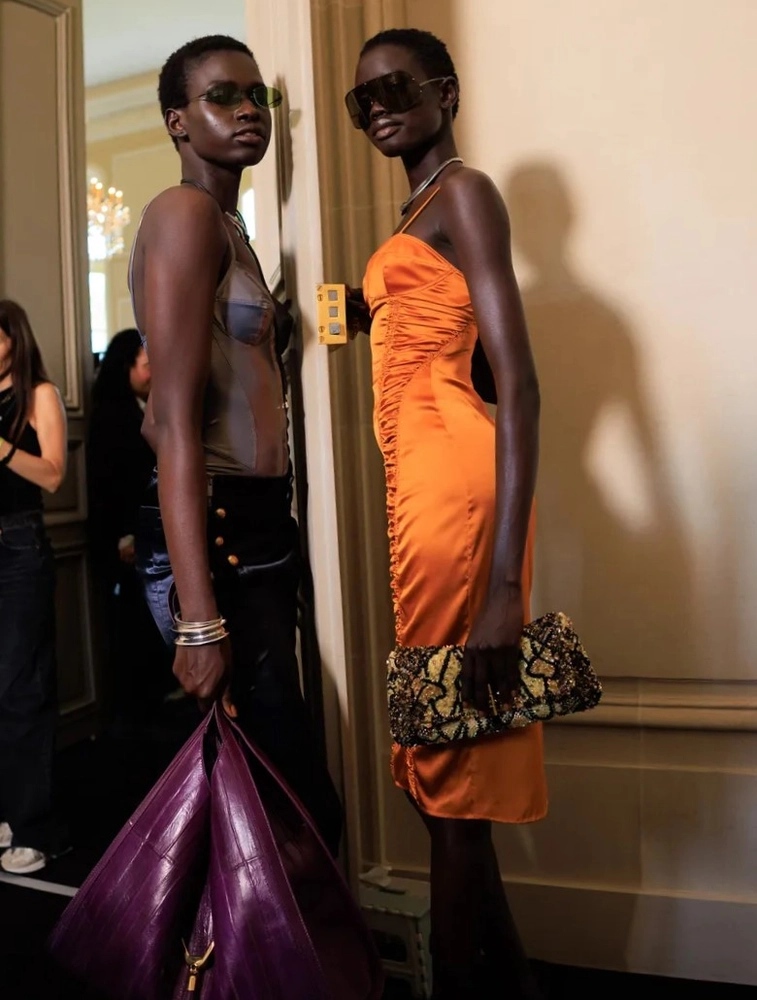
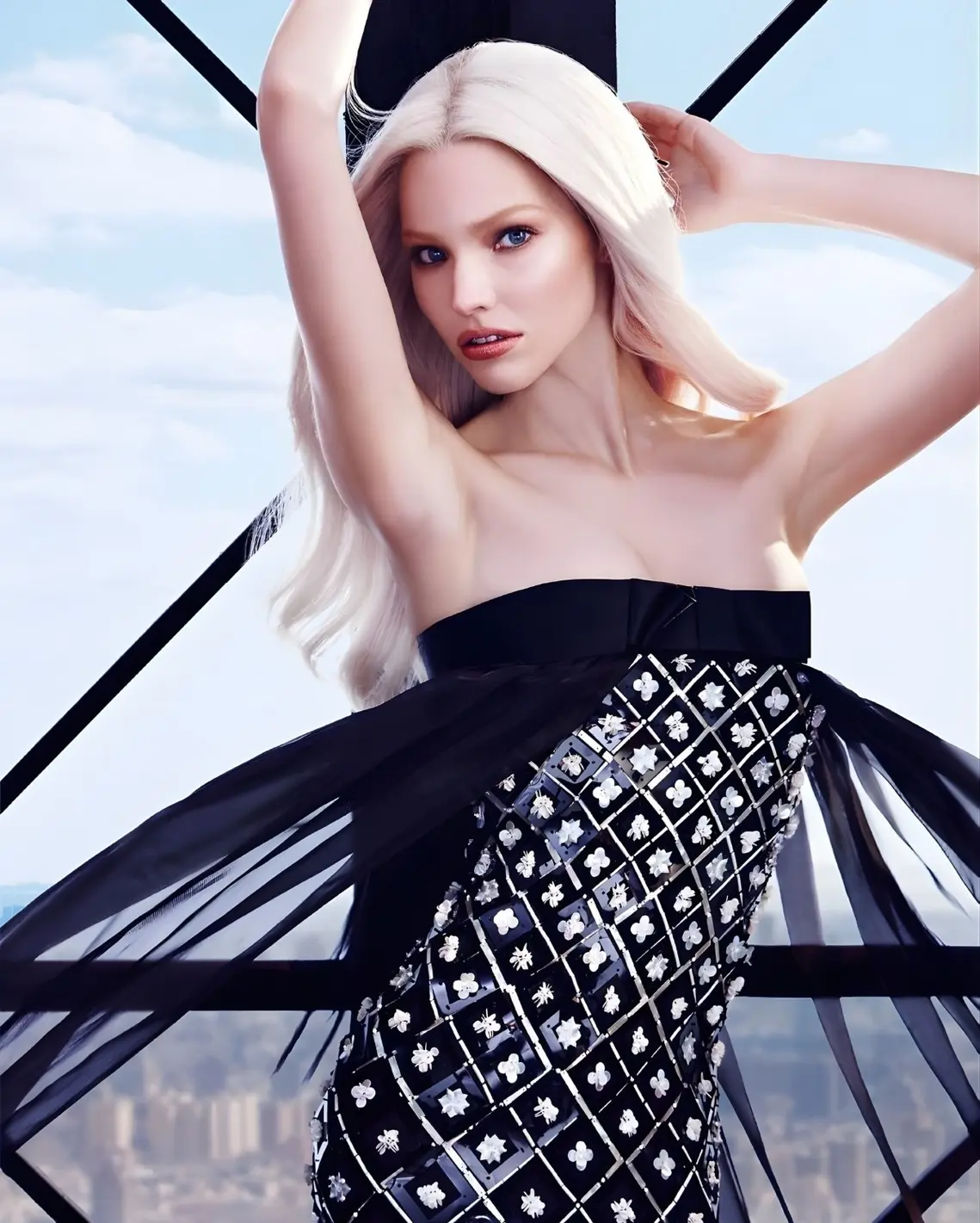
Photographers, stylists, models, editors, and designers found in Vogue Russia a platform that validated their work within a global conversation. Vogue Russia also marked the rise of the Eastern European model era, or "Slavic Doll"era, introducing the world to a distinctly Slavic vision of beauty through faces such as Natalia Vodianova, Irina Shayk, Sasha Luss, and Natasha Poly.
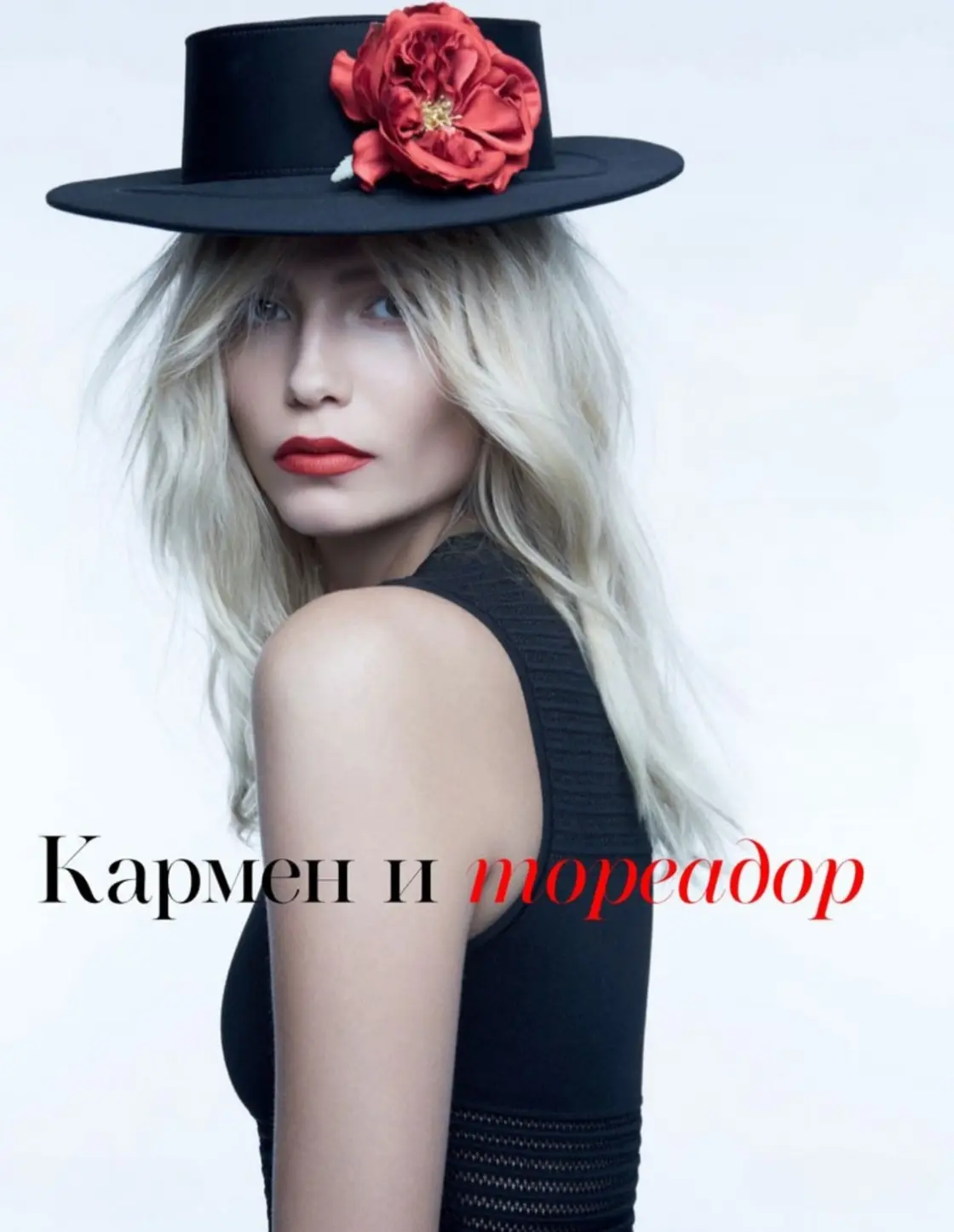
Its spirit combined editorial authority with cultural curiosity. Beyond runway reporting, Vogue Russia offered a complete fashion ecosystem: seasonal direction, beauty intelligence, high-production imagery, and long-form features that explored art, cinema, literature, and identity. To appear in its pages signaled arrival. To work behind them shaped taste. The magazine operated as both mirror and maker of aspiration, bridging Moscow with Paris, London, Milan, and New York.
The events of early 2022 altered the conditions required for such work. New censorship laws reshaped what could be said and how safely it could be published. International brand partnerships paused. Advertising pipelines contracted. Editorial independence, the foundation of Vogue’s authority, faced unprecedented pressure. Condé Nast cited staff safety and the ability to publish responsibly as decisive factors in its suspension, later moving toward a permanent exit as the environment hardened.
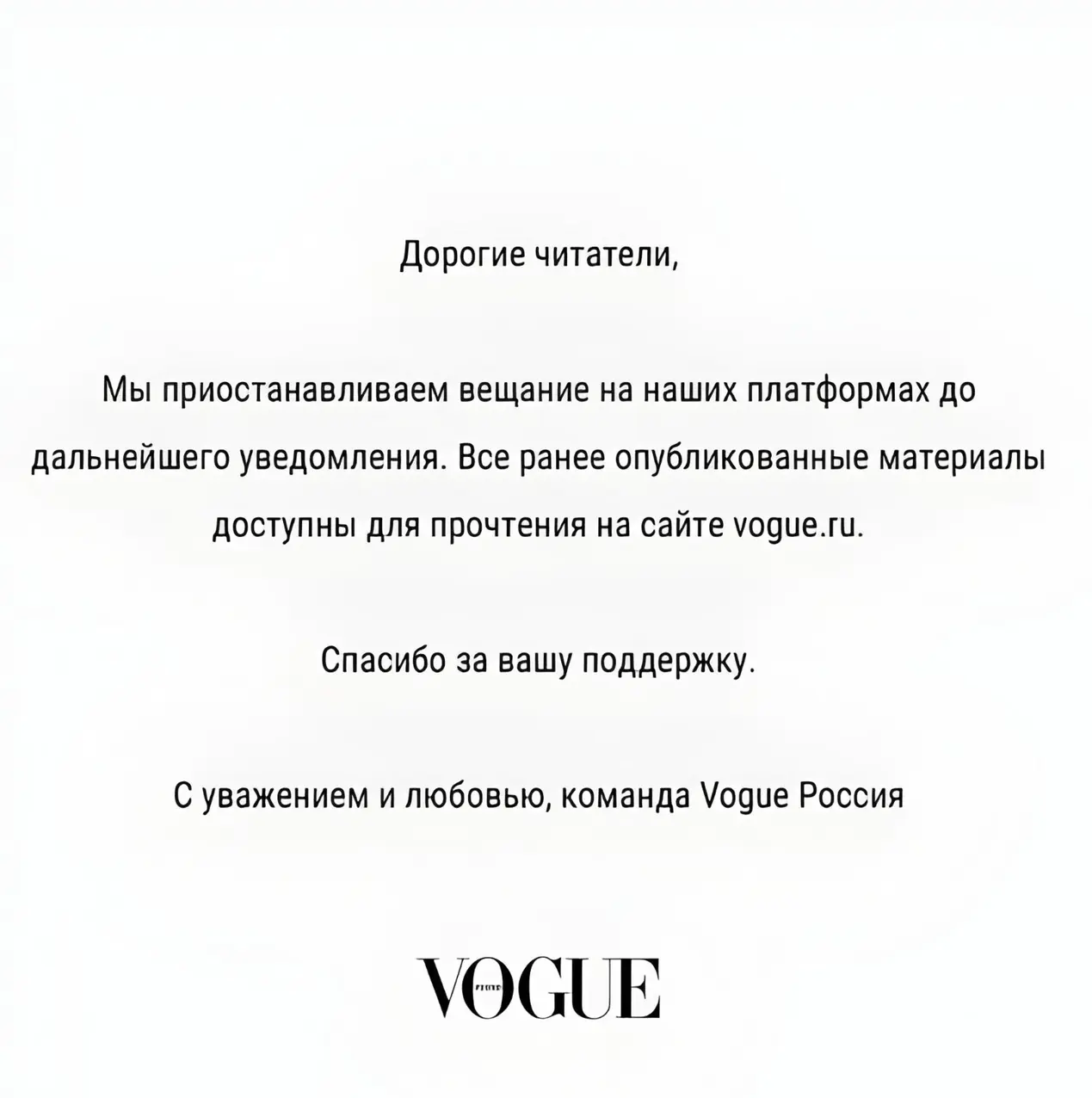
On March 9, Vogue Russia communicated through symbolism as much as text. Peace-coded imagery, subtle, appeared where direct commentary carried risk. It was a final expression of editorial values: clarity, humanity, and an understanding of fashion as cultural language. The message resonated precisely because it aligned with the magazine’s long-standing approach, using visual intelligence to speak when words narrowed.
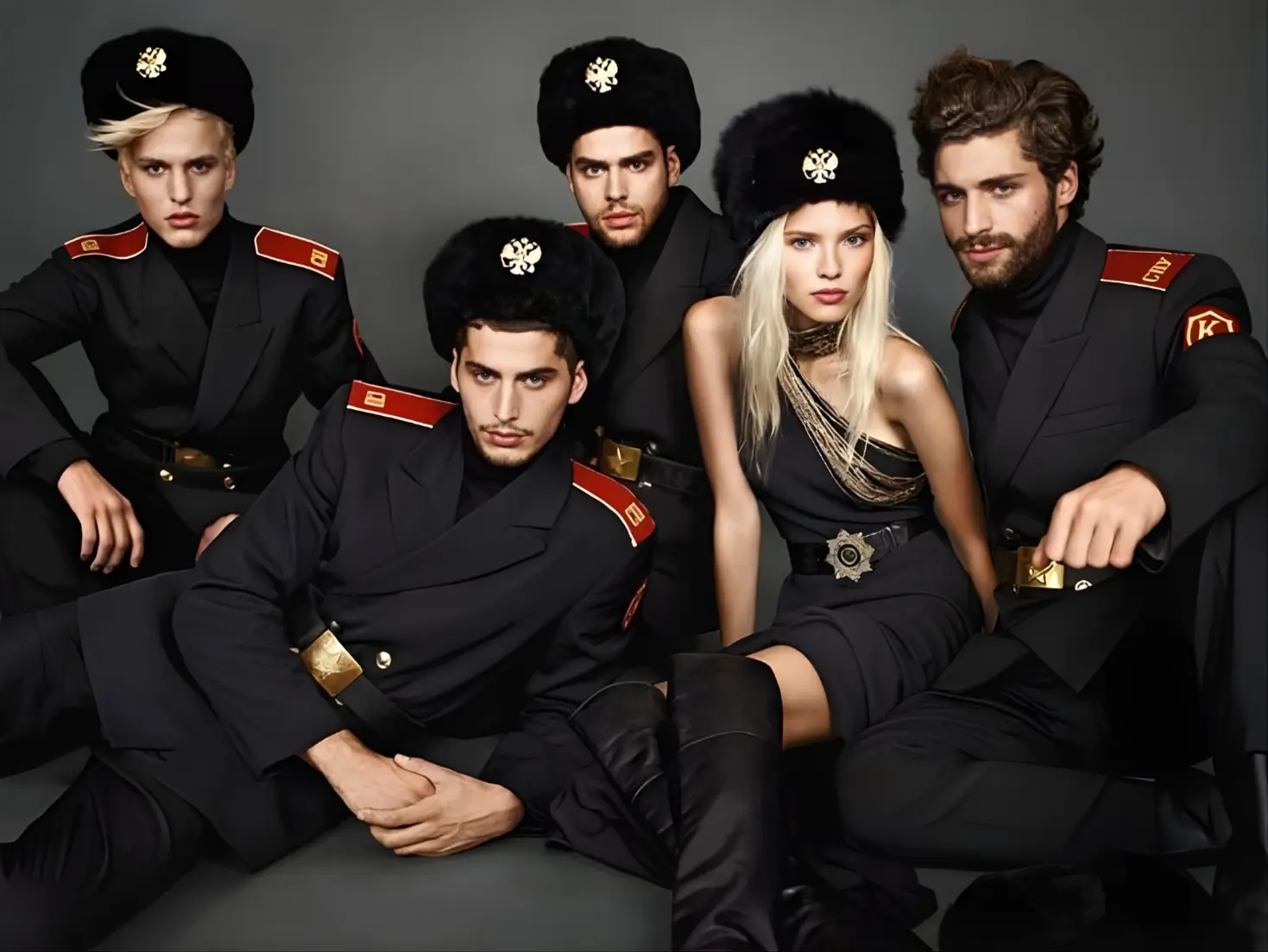
Vogue Russia had functioned as a conduit between a major fashion market and the global industry. Archives endure, yet living institutions shape the present. When they pause, the ripple moves outward.
Vogue Russia’s legacy remains visible in images, ideas, and the talent it championed. Its pause reminds the industry that beauty and influence require space to speak.