MENU
Close





On June 21, 1987, Thierry Mugler’s Greenland photoshoot editorial really expanded the vocabulary of fashion photography.
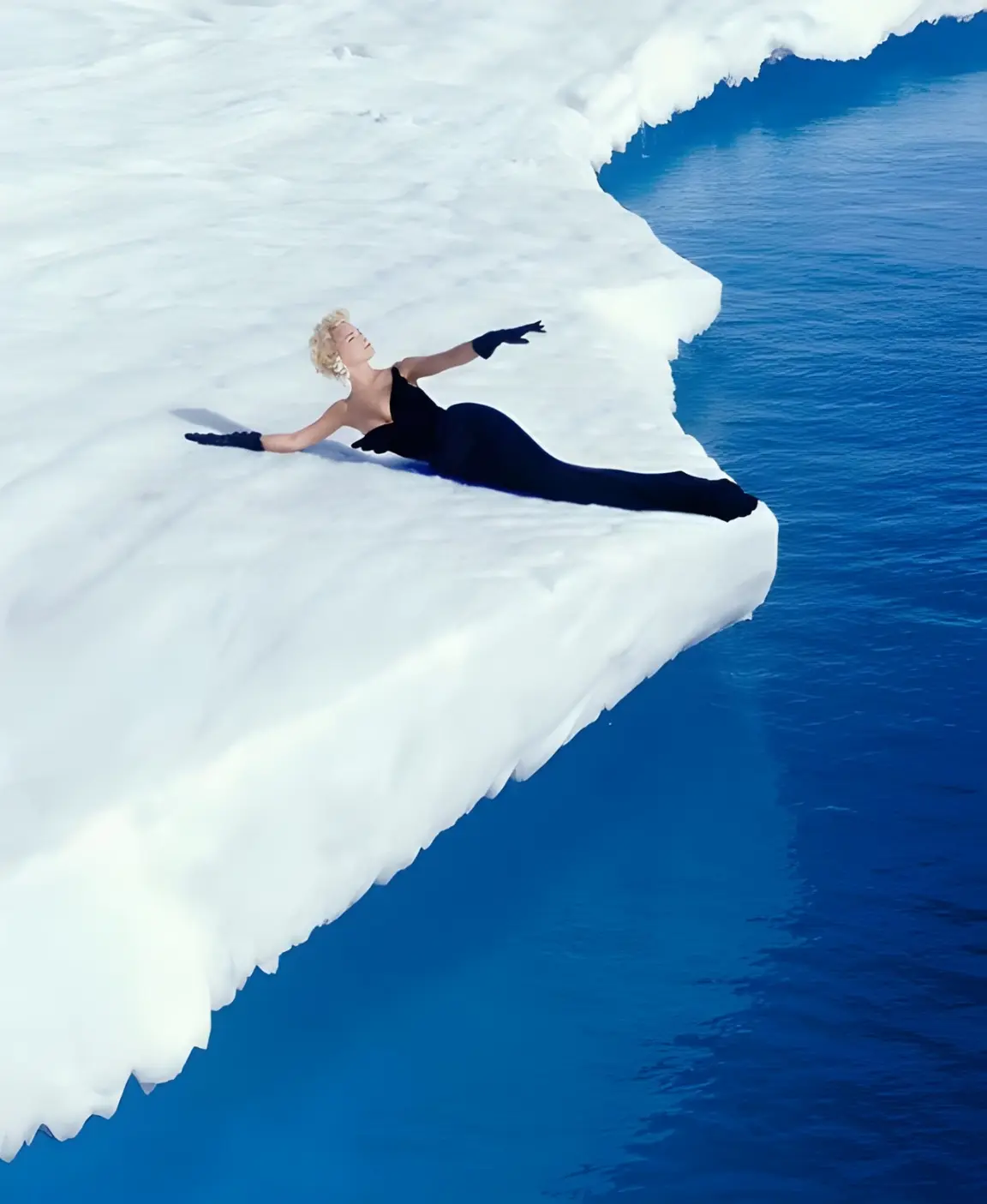
On June 21, 1987, Thierry Mugler’s Greenland photoshoot editorial really expanded the vocabulary of fashion photography.
June 21, 2025


Thierry Mugler staged one of fashion’s most ambitious editorials in Greenland, timing the production to the summer solstice for a specific technical reason: the light. The day delivered a rare photographic advantage, steady illumination that held across hours and tinted the icebergs in pale green, violet, and rosy tones. For Mugler, whose work consistently treated image-making as equal to design, this editorial was a milestone because it positioned landscape, lighting, and risk as core elements of the final fashion message.
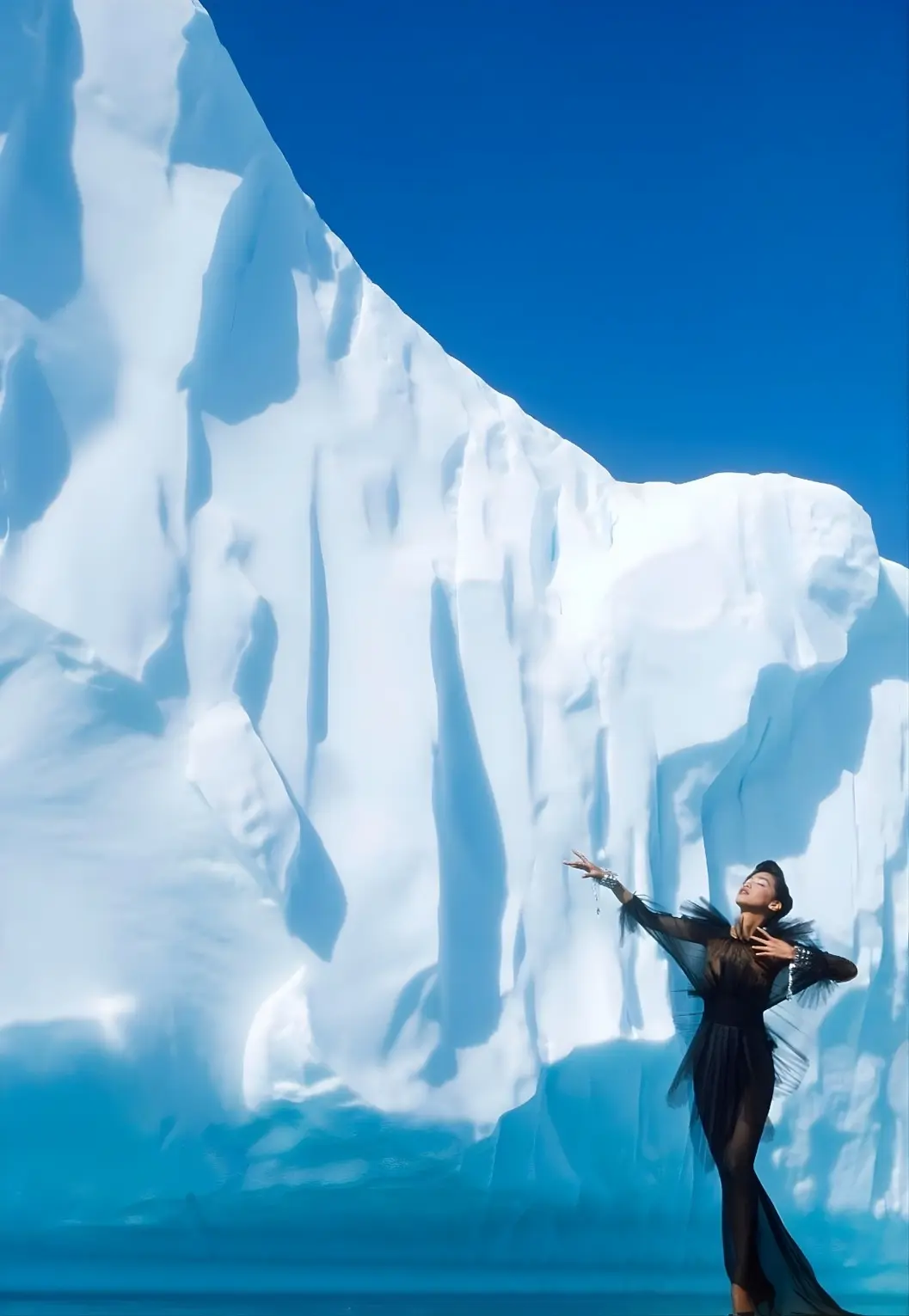
The concept was very extreme. Mugler wanted the largest, most immaculate icebergs, the kind that read pure and monumental on film. The problem was access. The skipper of the fishing boat they hired refused to approach the icebergs, warning the team that getting close could be lethal. Icebergs shift, crack, and drift. Even without impact, their surrounding waters create conditions that can turn a controlled shoot into an emergency. That refusal forced a production decision that defined the day and ultimately defined the story of the editorial.
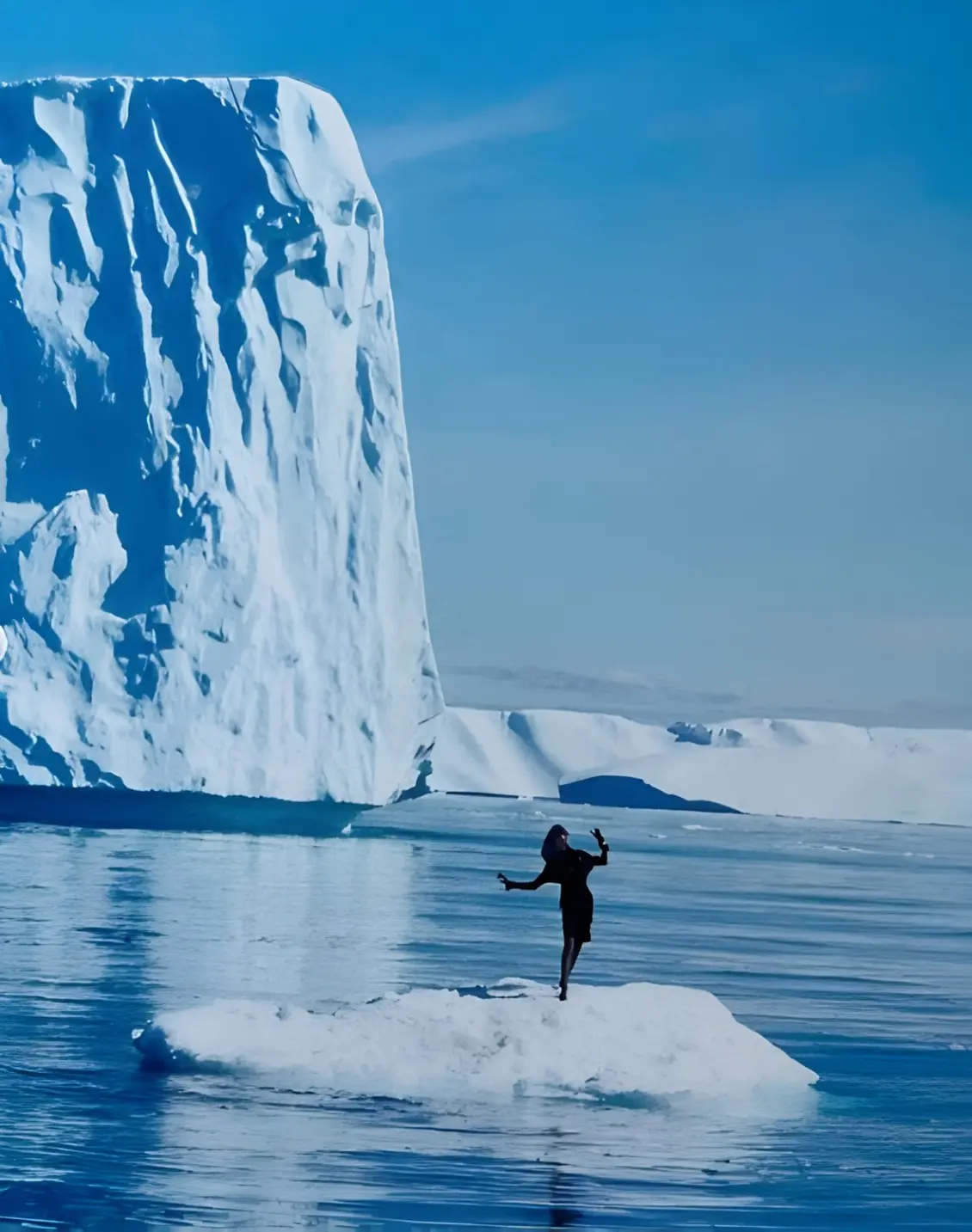
Thierry Mugler negotiated an operational workaround. The skipper would remain with the boat, while Mugler and his team would transfer into small rubber dinghies to travel farther out, where the ice appeared cleaner than coastal chunks sitting in darker water. The plan pushed the shoot into true location logistics rather than scenic backdrop. It also created a clear separation between creative intent and physical constraint, with the team choosing to manage risk to secure the image.
The execution required a precise sequence. The dinghies delivered the team to an iceberg or free-floating ice. Then, the model climbed onto the ice alone, fully dressed, ready to pose. The danger was explicit. If she slipped into water just above freezing, survival time was limited. That reality sharpened every detail of the set, turning styling, balance, and timing into practical survival variables rather than aesthetic choices.
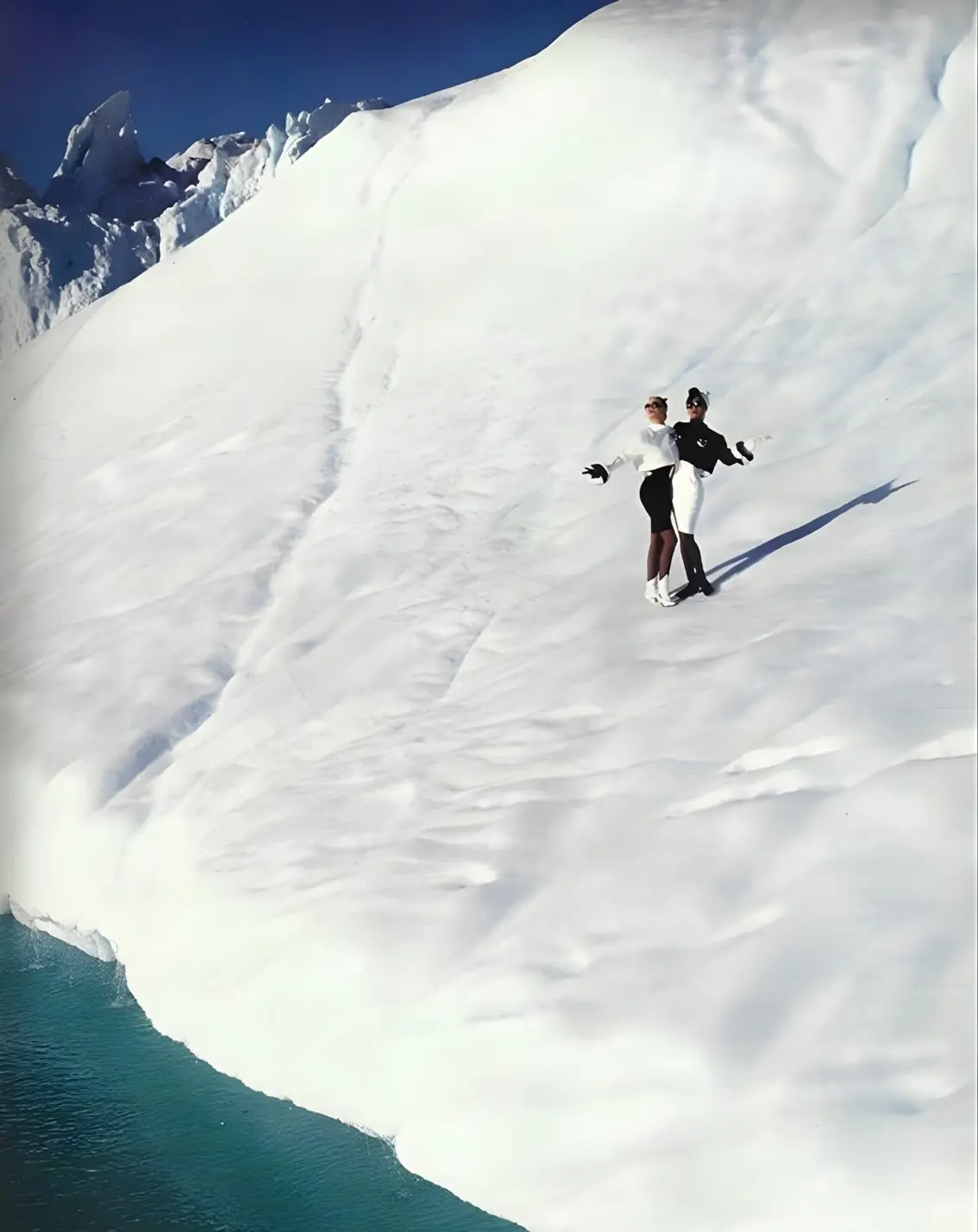
Two models carried the shoot with exceptional composure: Anna Bayle and Claude Heidemeyer. Their work became part of the editorial’s legacy because it showed the human side of high-fashion production, discipline under pressure, calm in an environment that offered no softness. To reduce exposure to the cold, the team used small folded survival blankets underfoot, hidden from the camera, a small technical detail that reveals how the most pristine fashion images often depend on unseen protection and planning.
Thierry Mugler’s Greenland editorial really expanded the vocabulary of fashion photography.