MENU
Close





Sustainable luxury today is no longer announced. It is recognised. In the emerging hierarchy of taste, true discernment reveals itself not through volume or visibility, but through restraint, intelligence, and continuity. This is the new luxury: a system of values where beauty endures because it is built to last—materially, ethically, and culturally.
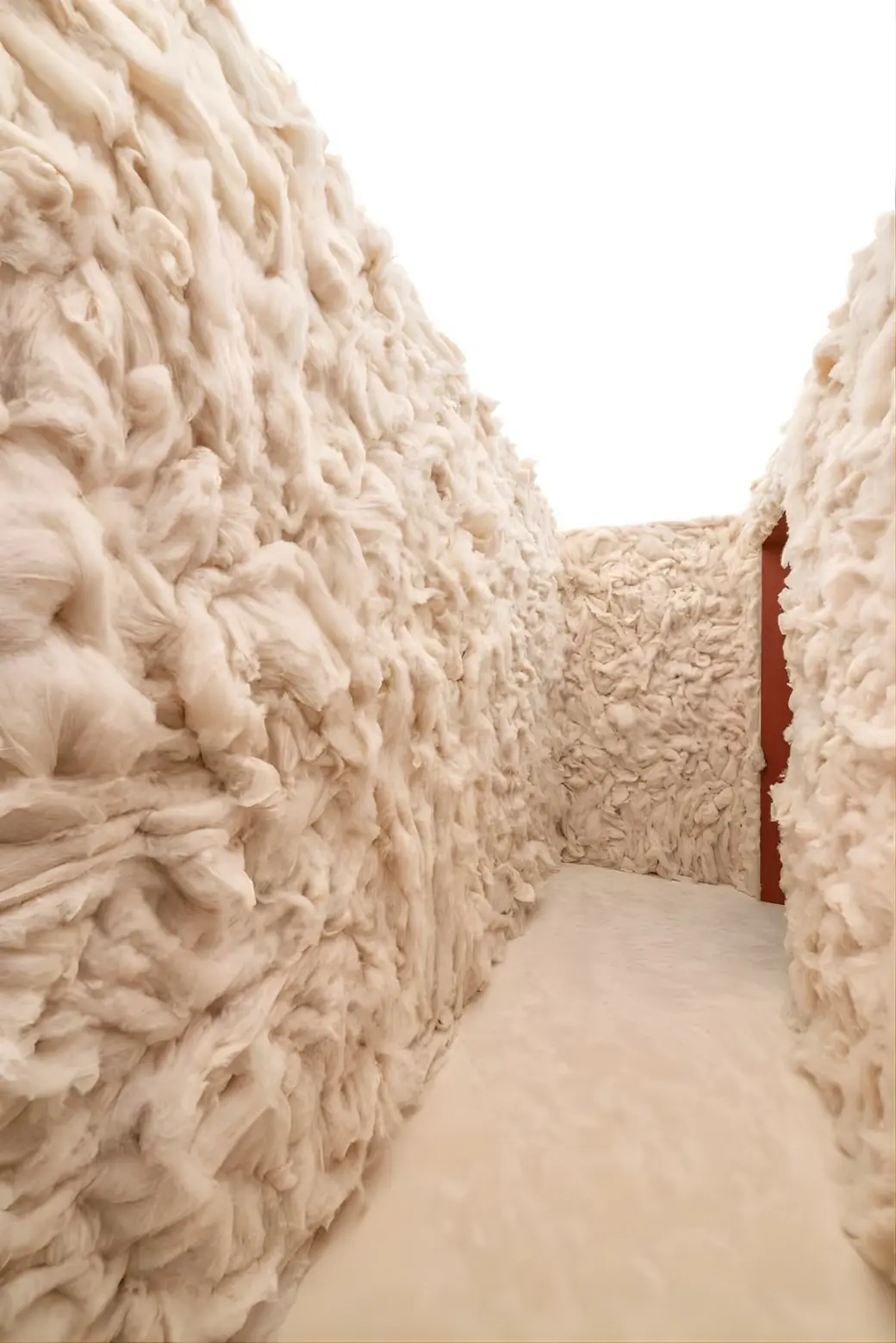
Sustainable luxury today is no longer announced. It is recognised. In the emerging hierarchy of taste, true discernment reveals itself not through volume or visibility, but through restraint, intelligence, and continuity. This is the new luxury: a system of values where beauty endures because it is built to last—materially, ethically, and culturally.
December 18, 2025
Advertisement
Advertisement


As we approach 2026, a profound shift is underway. The new luxury codes are written not in logos, but in legacy, forged from lab-grown diamonds, regenerative cashmere, and the exquisite intelligence of traceability. We explore the artisans, scientists, and visionaries building a more beautiful and enduring world.
If the last decade in fashion was defined by a roaring, digital-first maximalism, the emerging sensibility is one of profundity. The most forward-thinking connoisseurs are no longer asking “What is new?” but “What will endure?” This is not a rejection of beauty or desire, but its elevation. The new luxury is an ecosystem of exquisite choices, a silent language understood by those who value the story behind the stitch, the science within the silk, and the land that yields the linen.
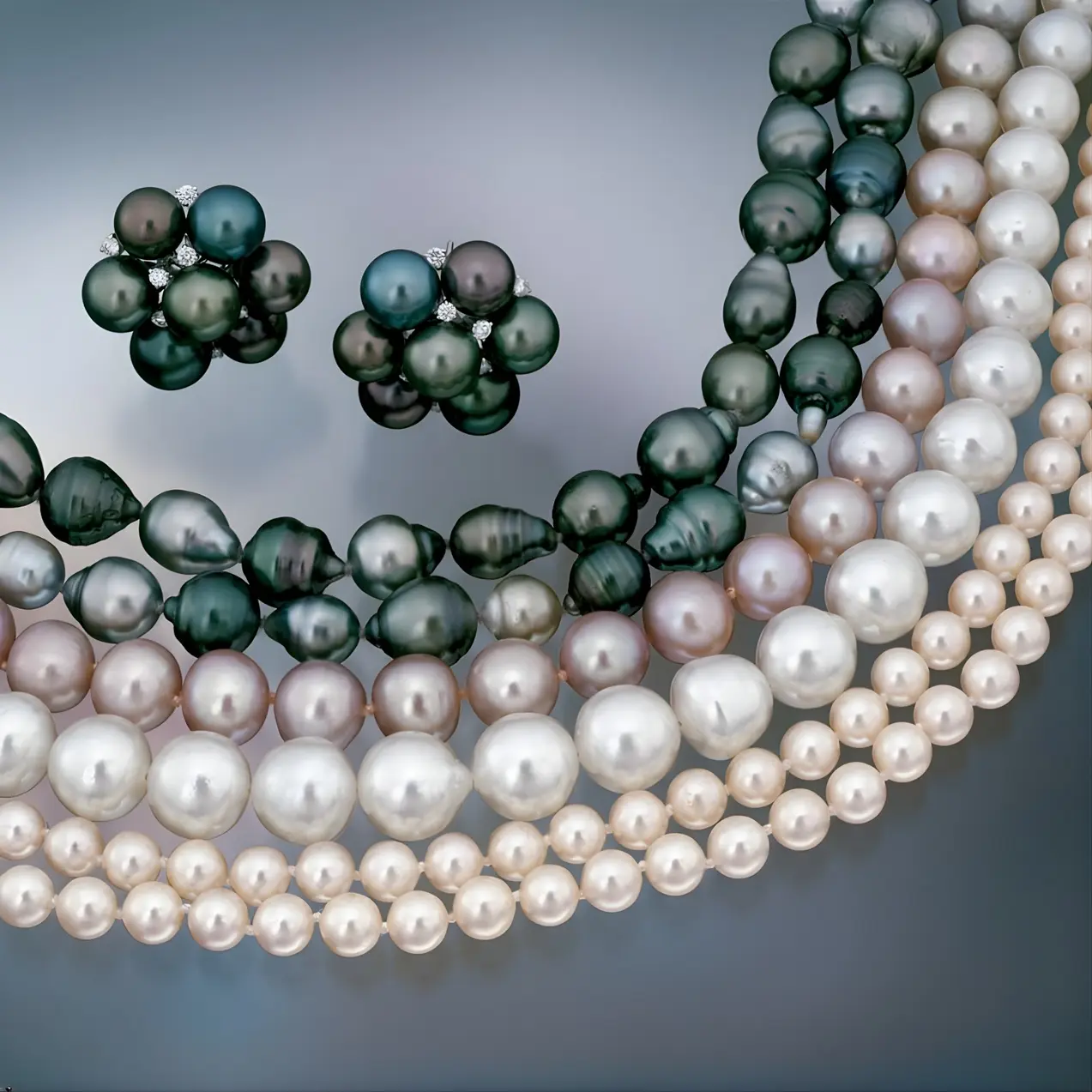
The most coveted ateliers of our moment are as likely to house a bioreactor as a bolt of silk. This is the frontier of material intelligence, where the rarest resources are not mined, but mindfully grown.
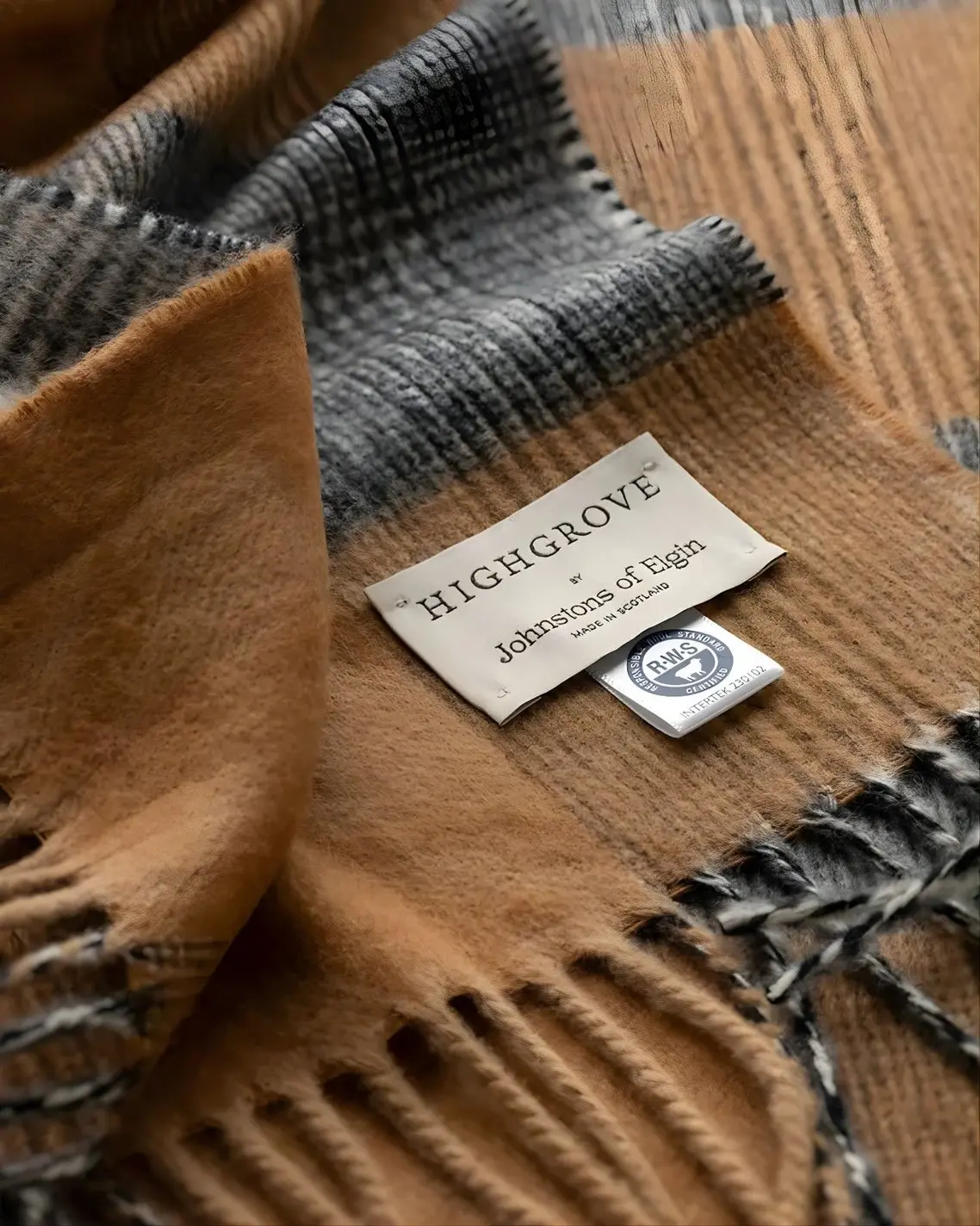
Opacity is the antithesis of modern luxury. For the discerning client, provenance is paramount. The Digital Product Passport, a forthcoming EU mandate, is becoming the new standard for luxury houses, offering an immutable ledger of a garment’s life.

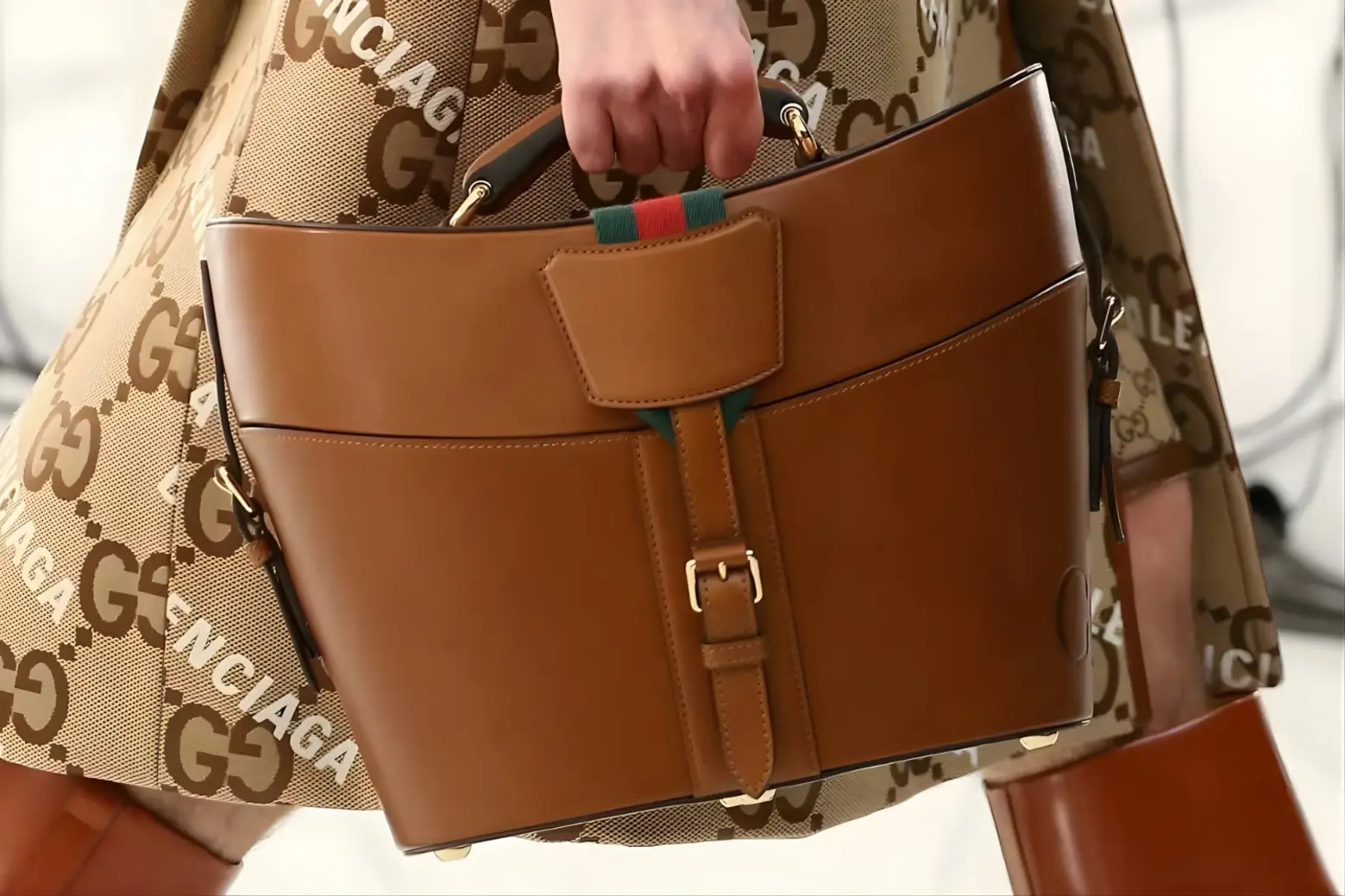
Imagine scanning the discreet lining of a Gabriela Hearst bag to see a film of the Uruguayan ranch where the leather was nurtured, or tracing the organic cotton in a Zimmermann dress back to the specific regenerative farm in NSW. Platforms like Eon’s CircularID are making this a reality, transforming each piece into a legacy object with a verifiable biography. This is the new heirloom, authenticated not by a receipt, but by data.
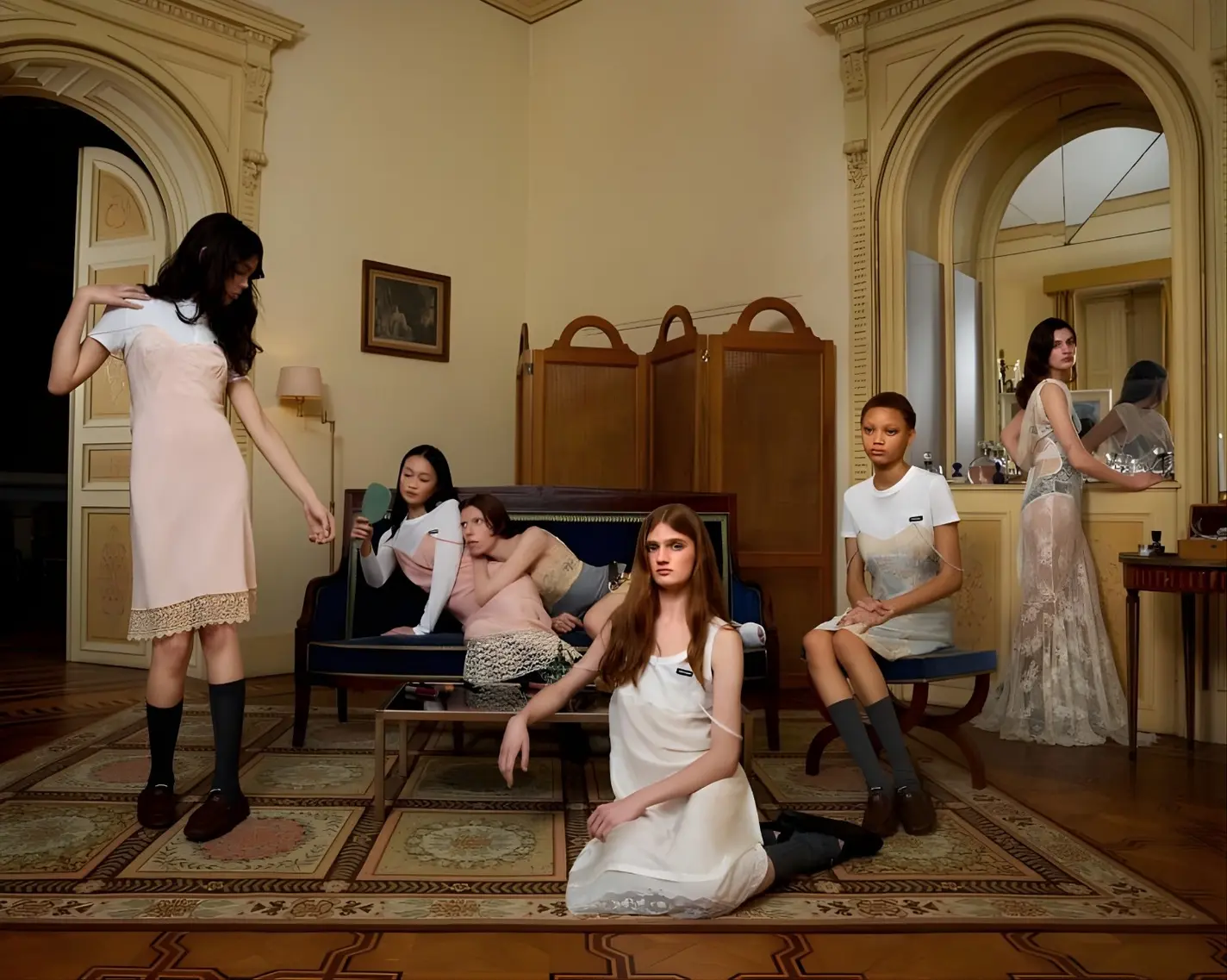
The pinnacle of style is no longer a crowded closet, but a meticulously curated collection of pieces designed for multiple lives. The most influential circles now celebrate the circular connoisseur.
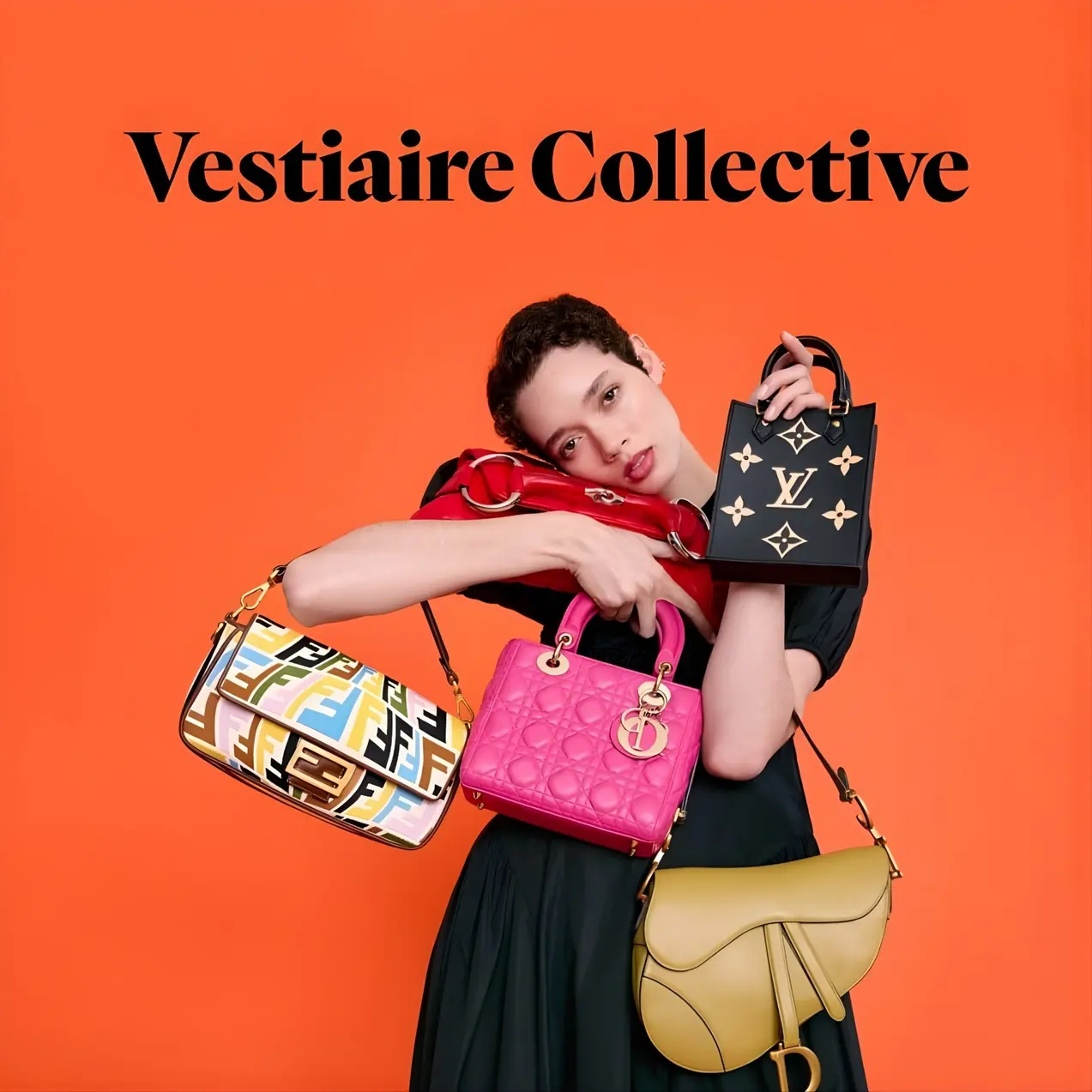
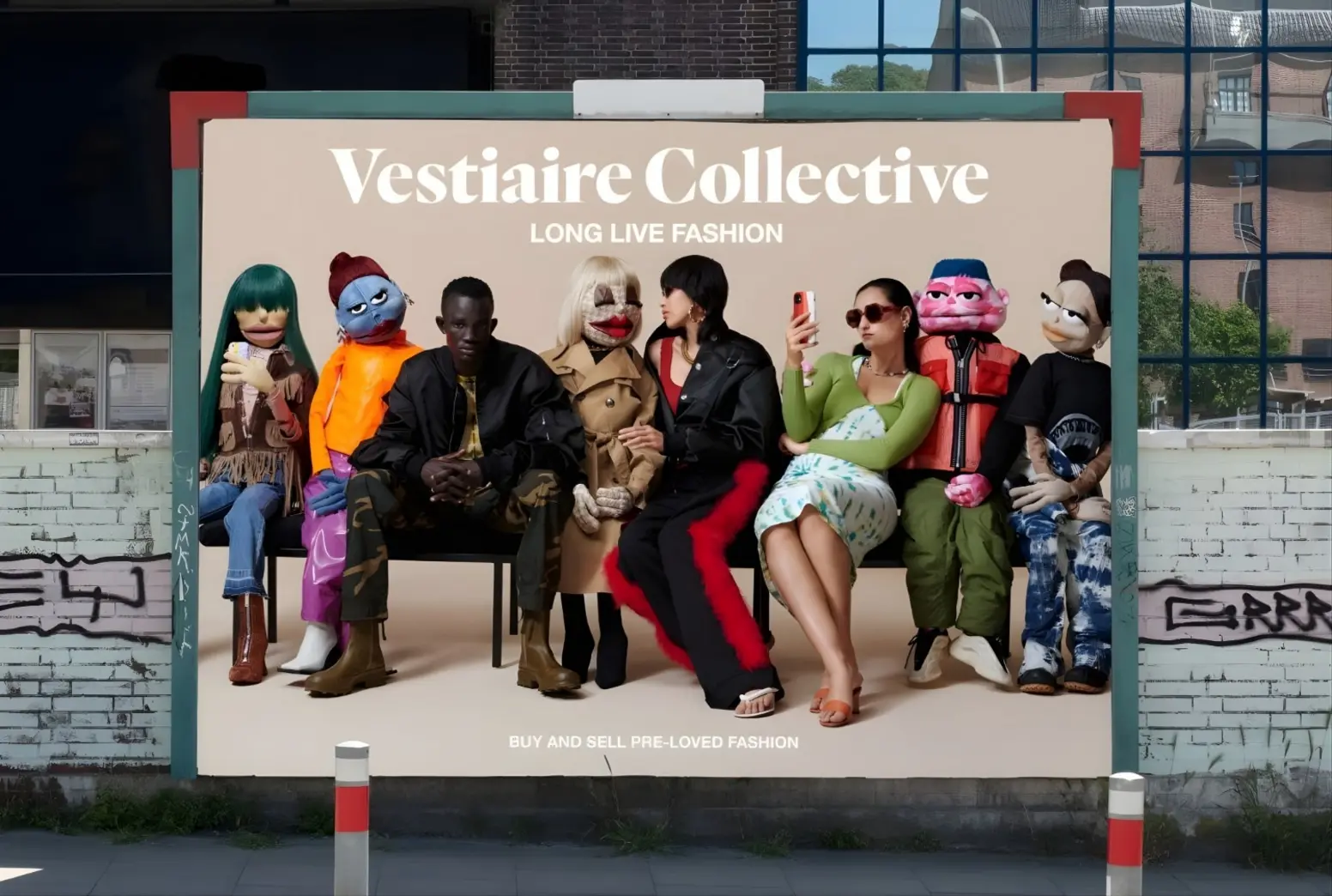
The ultimate luxury expenditure is becoming an investment in the future itself. The most admired figures are not simply collectors but patrons of regeneration.
This is seen in the rise of regenerative fashion funds and direct consumer support for projects like The Or Foundation’s work in Kantamanto, Ghana, or Maggie Marilyn’s “Farm to Hangar” initiative in New Zealand. To purchase is to participate in a broader restoration.
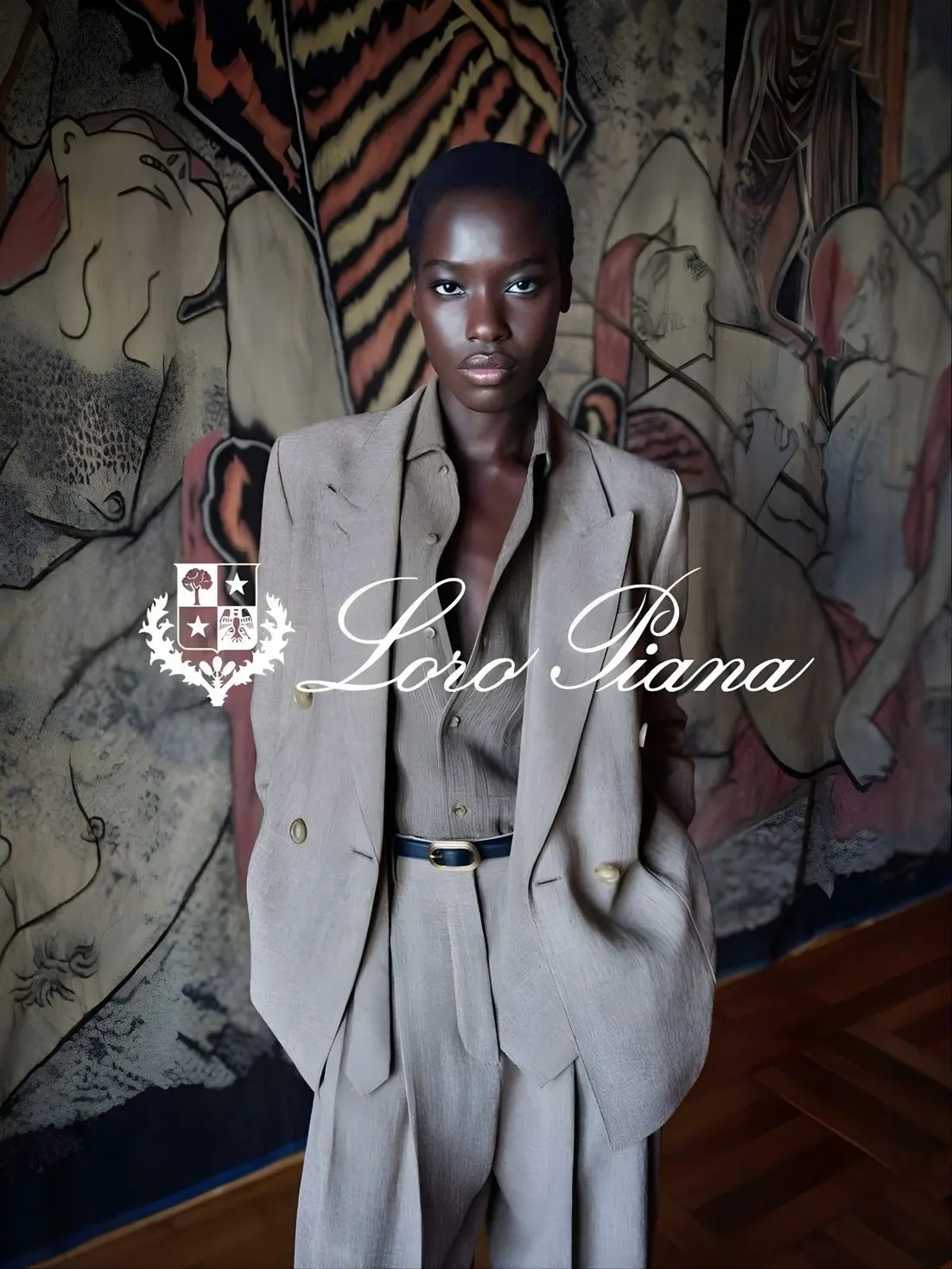
The quiet revolution shaping sustainable new luxury is ultimately a return to depth. It honours the artisan-scientist, the traceable thread, the garment or object that gains value through care rather than speed.
In this landscape, sustainability is not decorative, it is foundational. And luxury, once again, becomes what it was always meant to be: not a performance of excess, but a commitment to permanence. In the end, the most compelling luxury is no longer what is displayed, but what can be responsibly carried forward, beautifully, intelligently, and without apology.
Advertisement