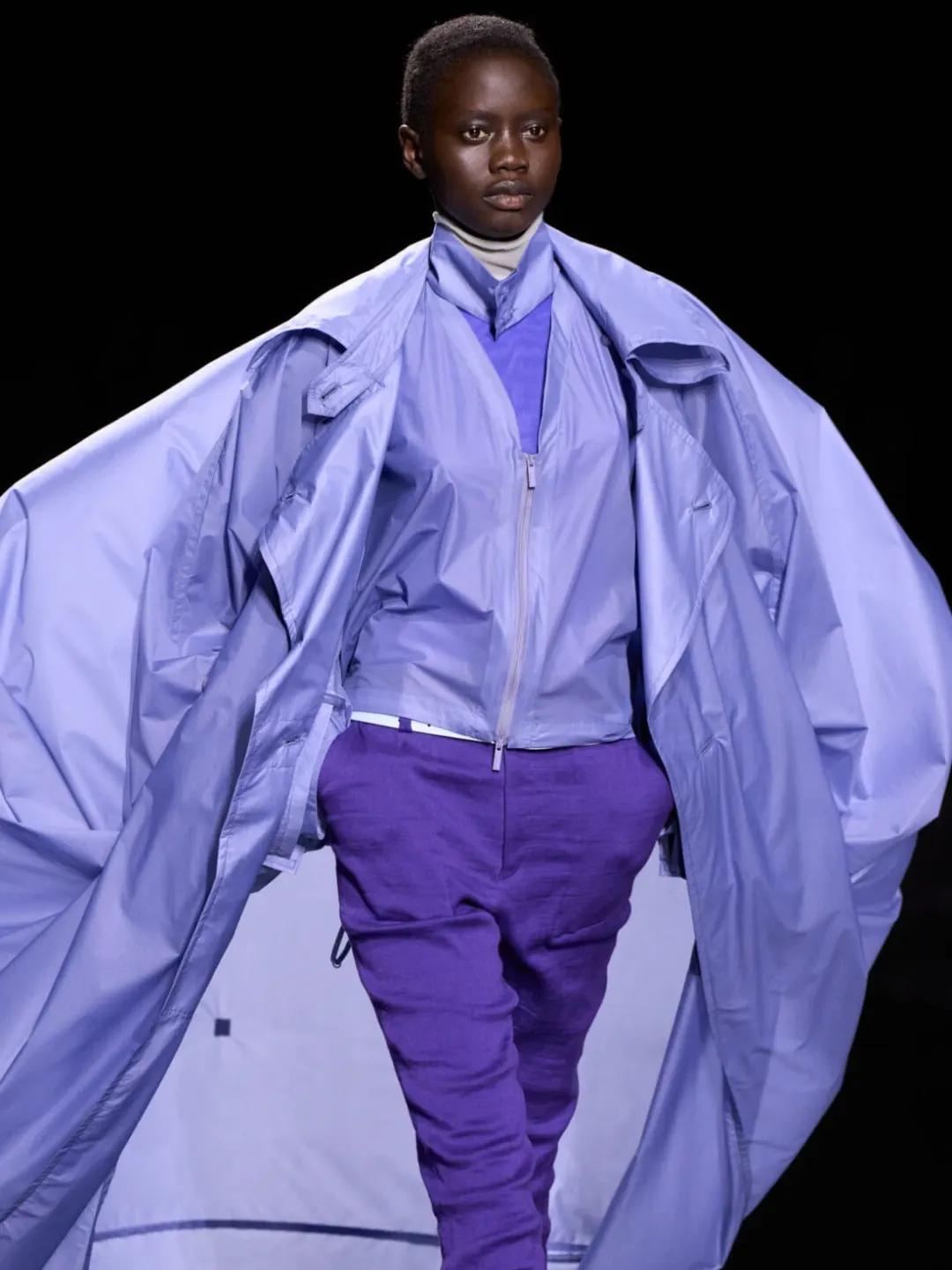
On June 1, 2008, Yves Saint Laurent passed away in Paris at the age of 71. His death marked a decisive moment in fashion history, closing the life of a couturier whose work changed the structure of women’s wardrobes
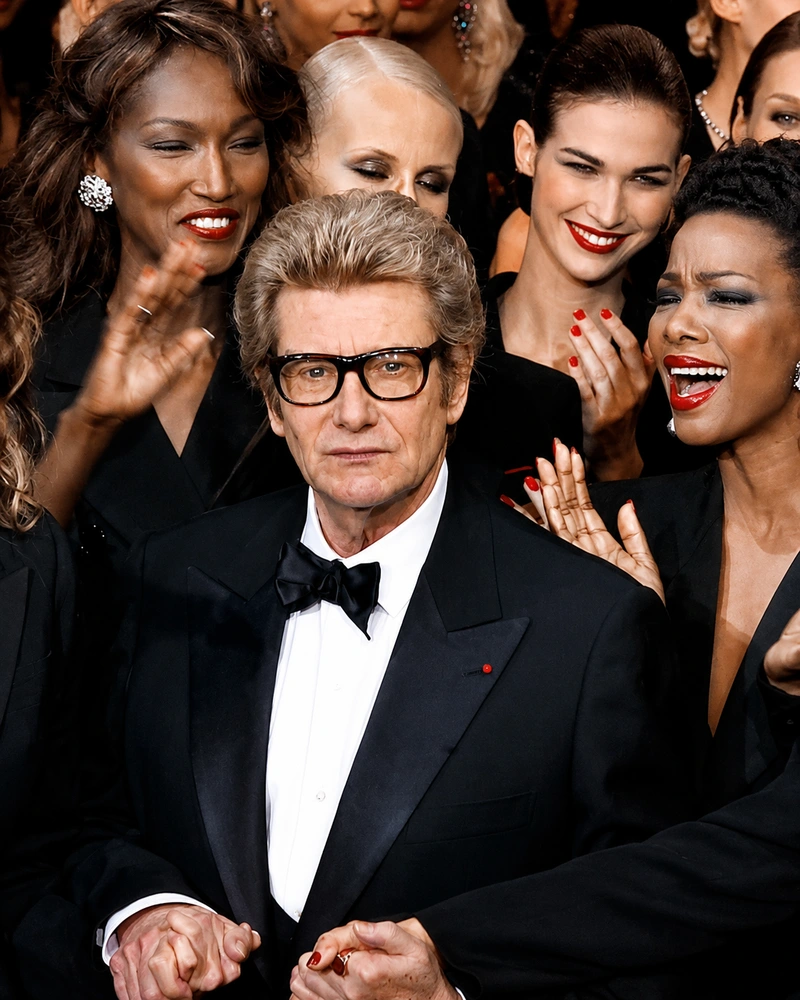
The Day Yves Saint Laurent Left Fashion With A Beautiful Wound
On June 1, 2008, Yves Saint Laurent passed away in Paris at the age of 71. His death marked a decisive moment in fashion history, closing the life of a couturier whose work changed the structure of women’s wardrobes
June 1, 2026


His death became a major cultural event because his work had already moved far beyond the seasonal rhythm of couture. By the time of his passing, Yves Saint Laurent had become an institution in himself: a designer whose archive carried social history, whose garments shaped public identity, and whose name remained attached to the modern language of elegance, authority, and self-possession.
Born Yves Mathieu-Saint-Laurent in Oran, Algeria, in 1936, he entered the Paris fashion system through drawing, competition, and early professional recognition. His rise inside Christian Dior placed him at the center of French couture at an exceptionally young age, while his later partnership with Pierre Bergé gave him the structure to build an independent house with a clear creative and commercial identity. Together, they developed a fashion business grounded in image control, couture prestige, cultural timing, and a precise understanding of how a designer’s name could become a complete world.

The importance of Yves Saint Laurent rests in the way he translated social change into clothes. His work addressed women as public figures moving through offices, streets, restaurants, galleries, and political rooms. Le Smoking, introduced in the 1960s, became one of the clearest examples of this vision. The tuxedo suit gave women a formal evening uniform built from tailoring, discipline, and presence. It turned masculine-coded structure into a tool of feminine authority, allowing the body to appear composed, protected, and socially commanding.
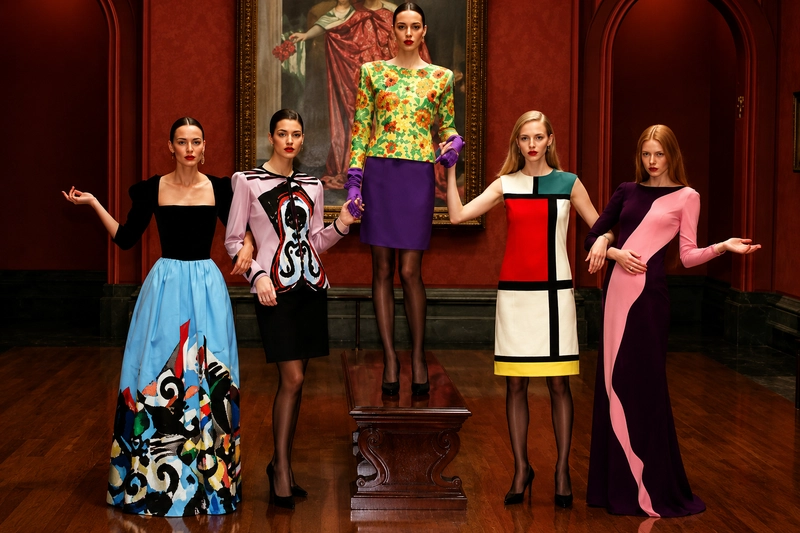
His influence also expanded through Saint Laurent Rive Gauche, launched in 1966 as a ready-to-wear line with a strong boutique identity. Through Rive Gauche, Yves Saint Laurent placed his design language into urban life and connected luxury with the pace of a new generation. The safari jacket, trouser suit, pea coat, jumpsuit, and tailored separates formed a wardrobe for women whose lives required mobility, confidence, and public visibility. This was fashion as system-building: couture supplied the authority, ready-to-wear supplied the circulation, and the boutique supplied the atmosphere.
The death of Yves Saint Laurent also changed the meaning of his archive. His work became a field of study for museums, historians, designers, and luxury institutions seeking to understand how clothing records social transformation. The Fondation Pierre Bergé–Yves Saint Laurent preserved thousands of garments, sketches, accessories, photographs, and documents, turning the designer’s career into a living resource for fashion knowledge. His archive continues to explain how couture technique, brand mythology, retail strategy, and cultural memory can operate within one creative legacy.