MENU
Close





On December 17, 1892, a new magazine emerged in Manhattan, chronicling the elegance, style, and social rituals of the city’s elite. That magazine was Vogue, and it would come to define fashion for generations.
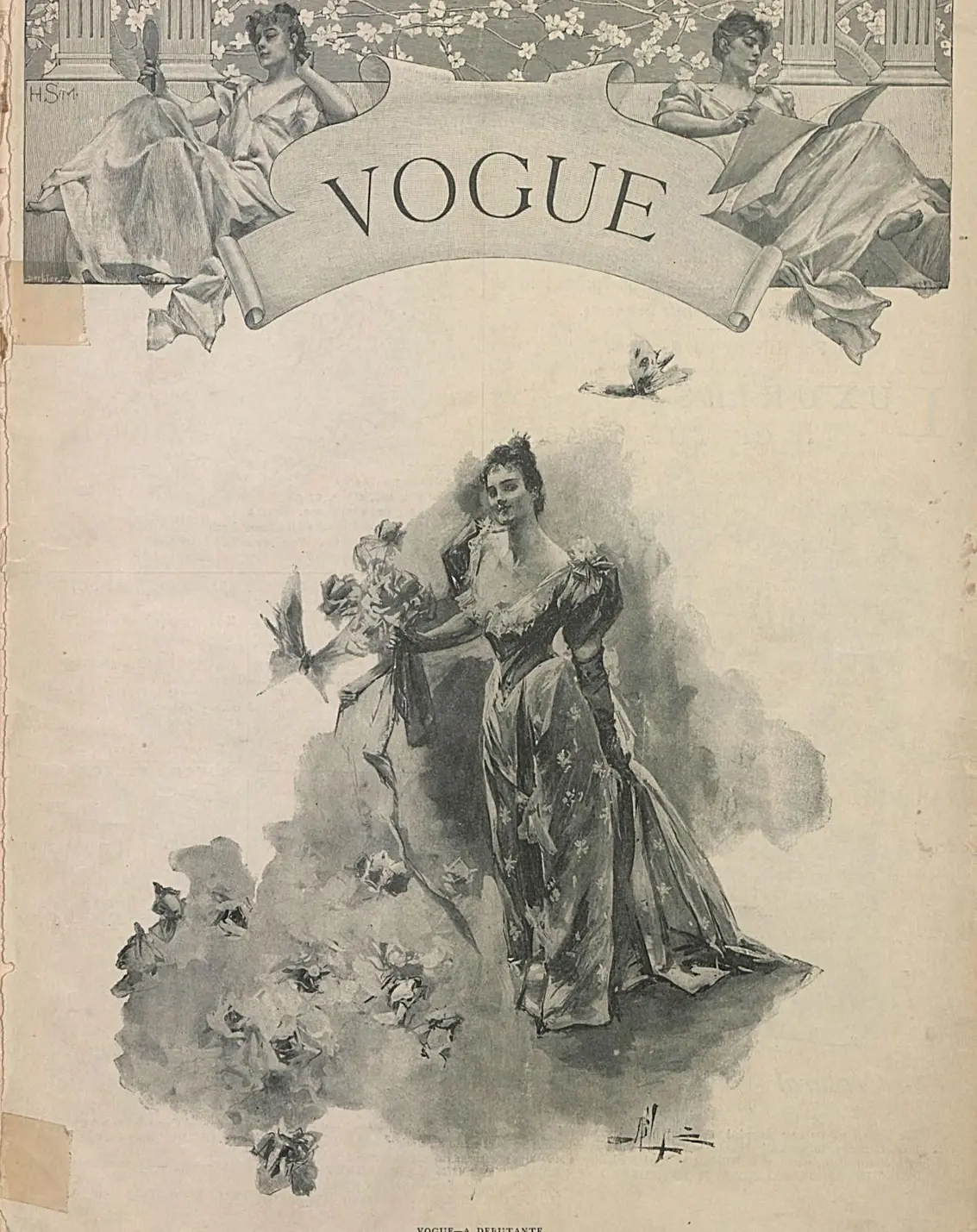
On December 17, 1892, a new magazine emerged in Manhattan, chronicling the elegance, style, and social rituals of the city’s elite. That magazine was Vogue, and it would come to define fashion for generations.
December 17, 2025


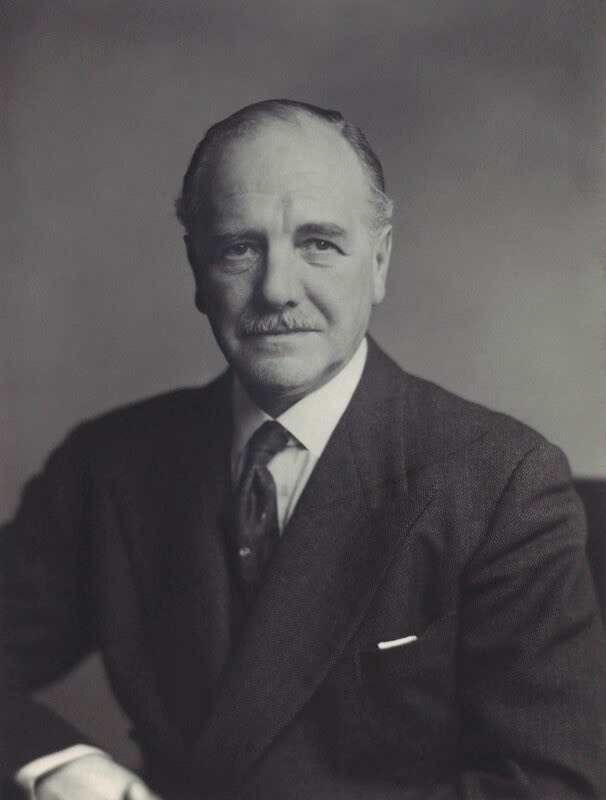
Arthur B. Turnure, a young businessman with an eye for refinement, founded Vogue to capture the ceremonial life of Manhattan’s elite. He documented the wardrobes, habits, and rituals of families like the Vanderbilts and Astors - but also spoke to those dreaming of a glimpse behind the velvet ropes. Early issues chronicled “the 400,” the socialites deemed worthy of the Astors’ ballroom.
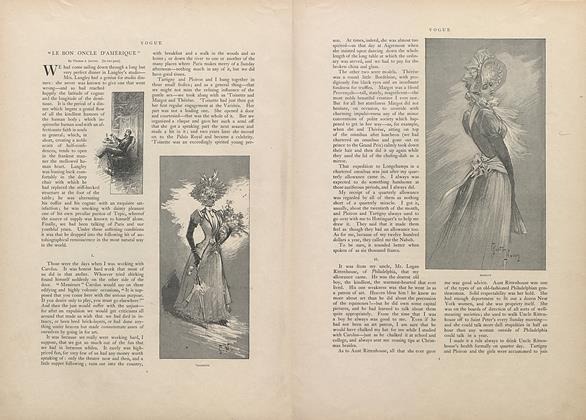
After Turnure’s untimely death, Condé Nast acquired Vogue in 1905. Under his leadership, the magazine focused on women’s fashion, expanded internationally, and became a platform for photographers, writers, and illustrators. This shift laid the foundation for Vogue’s role as an authority in both style and culture, establishing it as a reference point for readers worldwide.
Anna Wintour’s tenure, beginning in 1988, brought Vogue into a new era. Her signature bob and oversized sunglasses became as iconic as the magazine itself. Wintour envisioned Vogue as the reader’s “glamorous girlfriend”—authoritative, aspirational, yet surprisingly accessible.
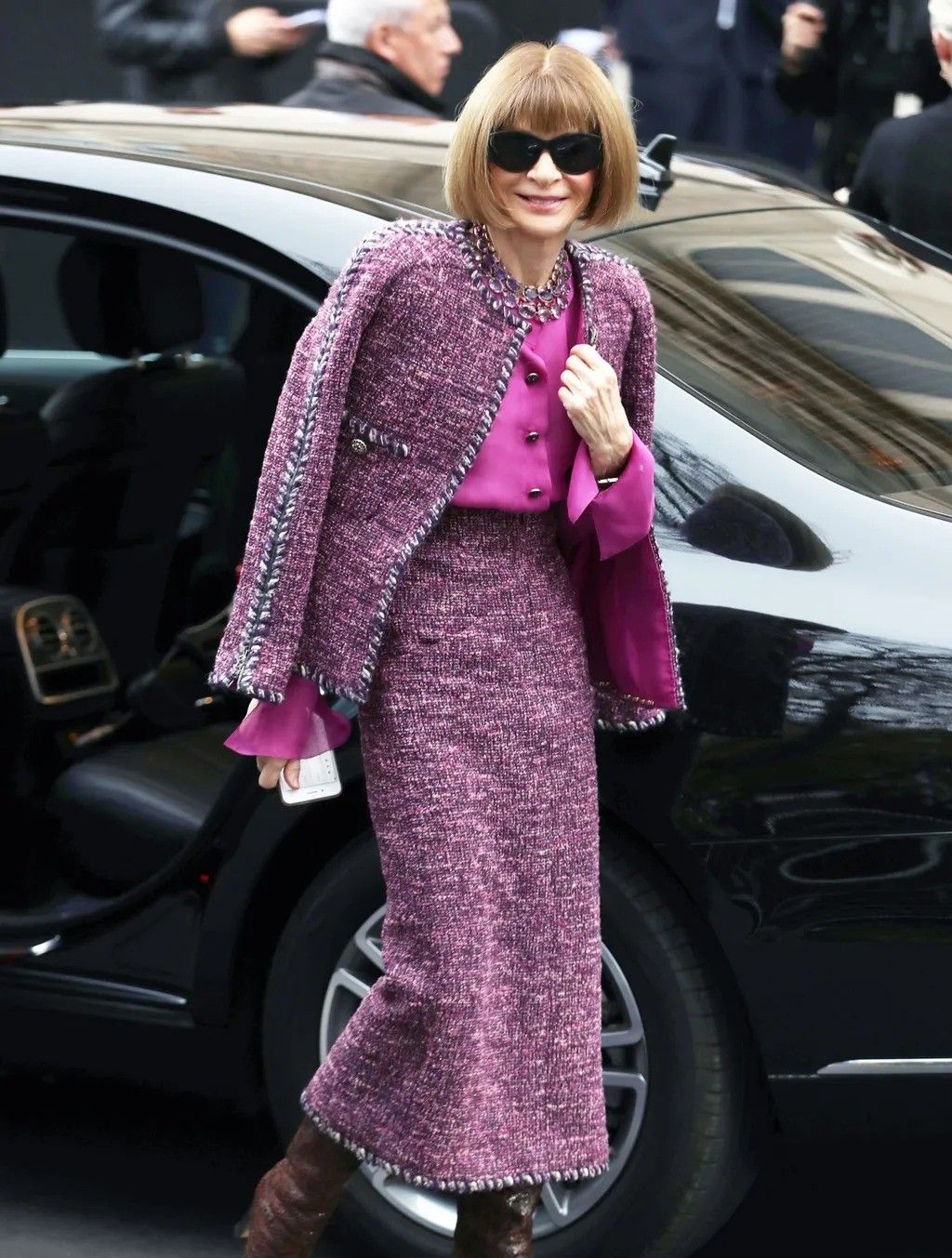
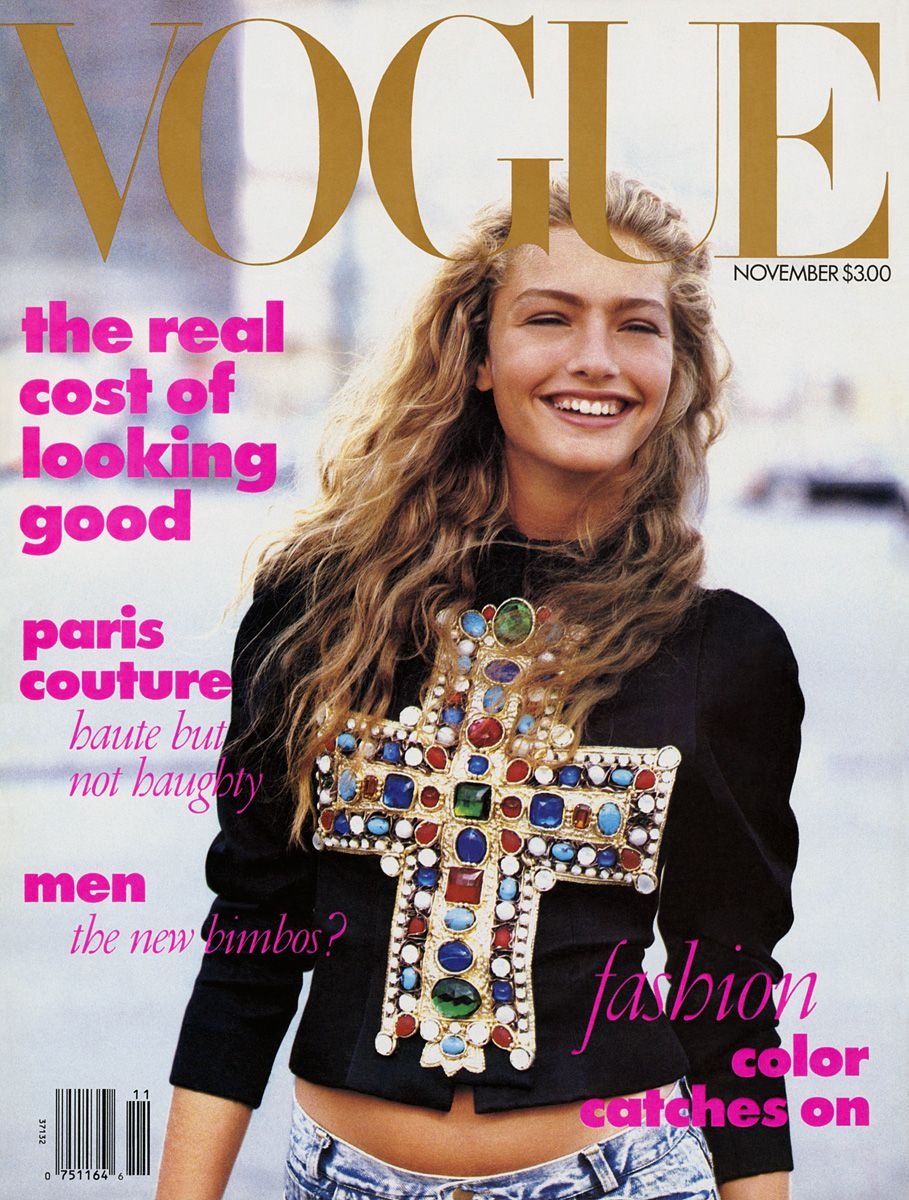
Her debut cover, featuring model Michaela Bercu in a Christian Lacroix jacket paired with jeans, signaled a shift: luxury could be modern, sophistication could be playful. Alongside fashion editor Grace Coddington, Anna Wintour transformed Vogue into a global empire of style, a paper-made archive for readers worldwide, a living dictionary for anyone who loves beauty, design, and the art of dressing. For models, it is the ultimate stage; for designers, the benchmark of taste; for readers, a portal into aspiration itself.
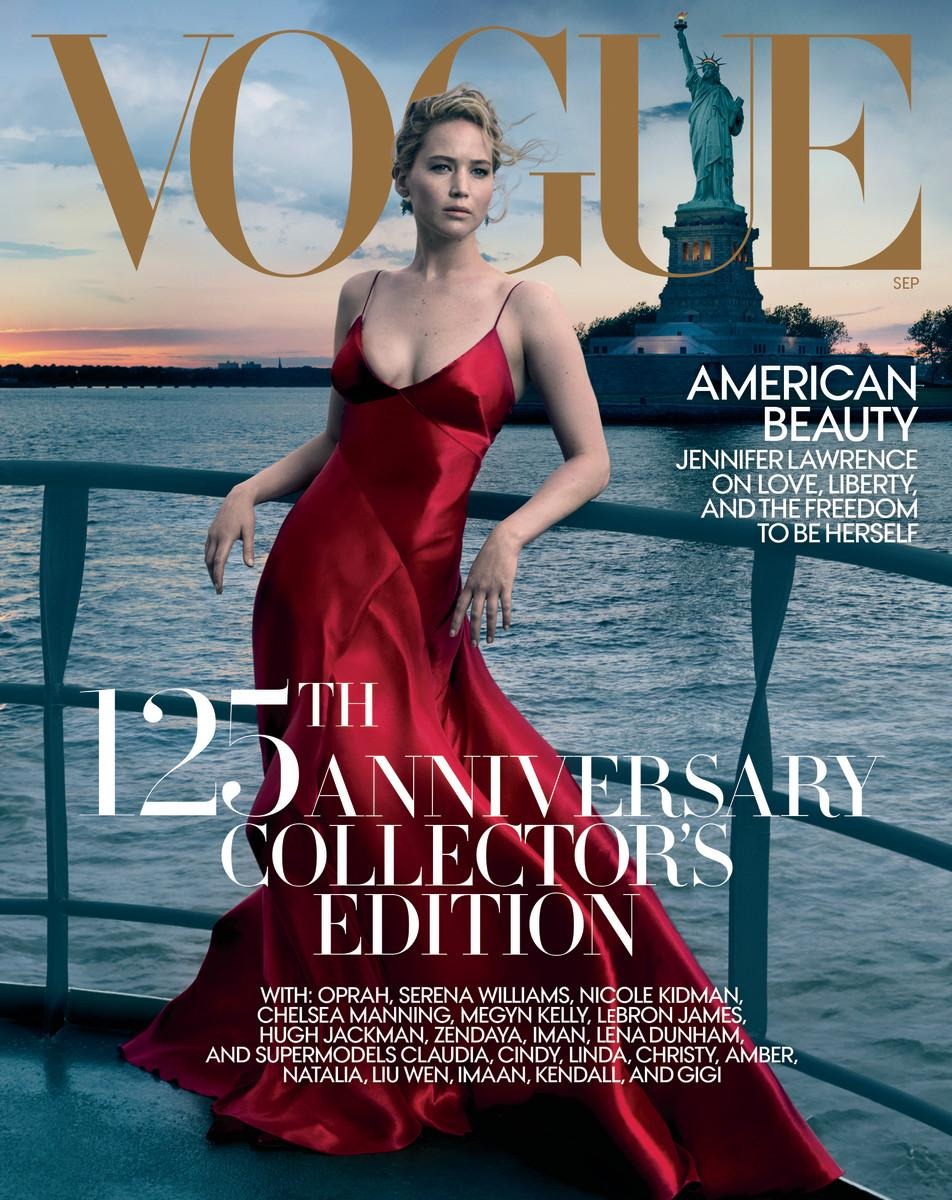
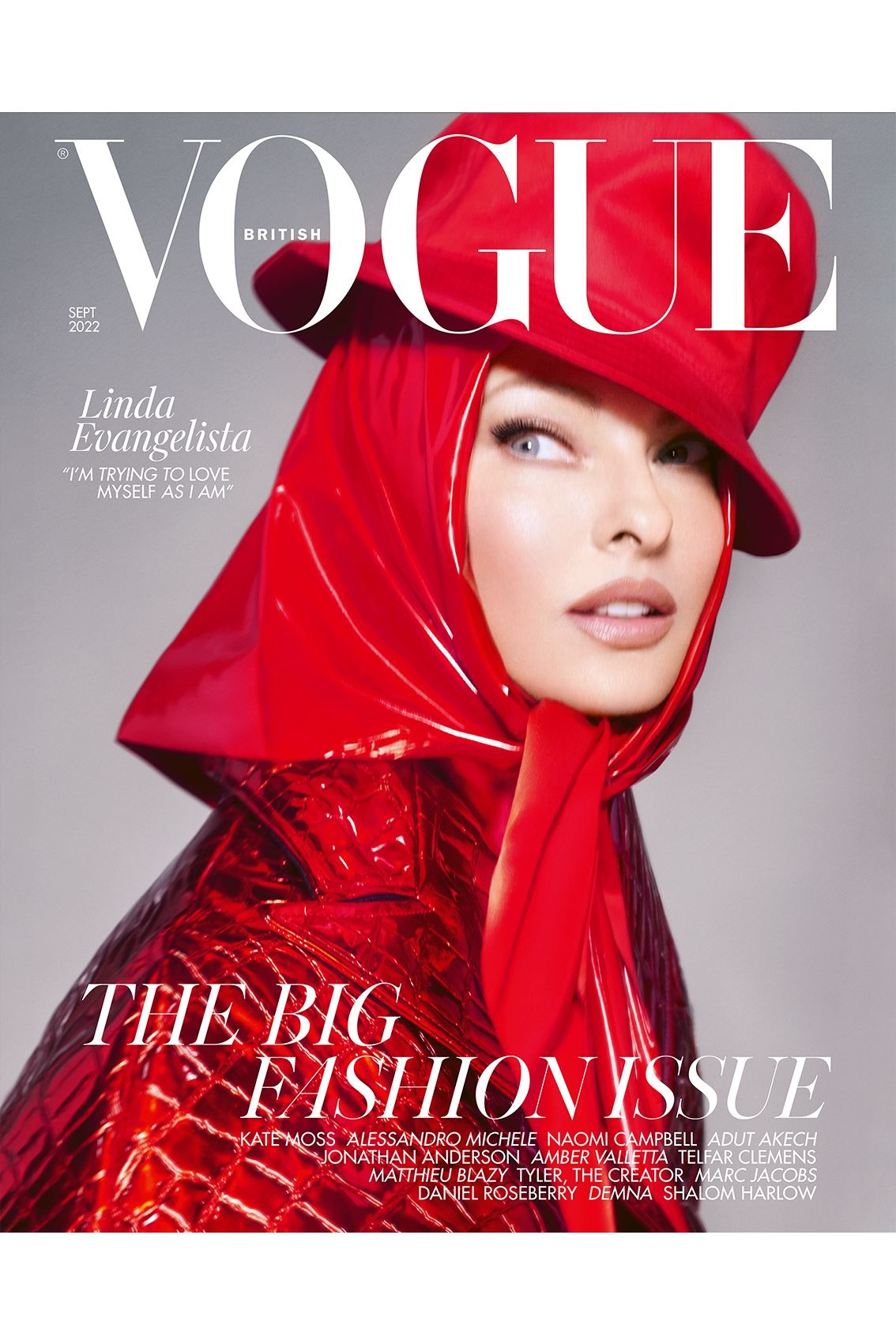
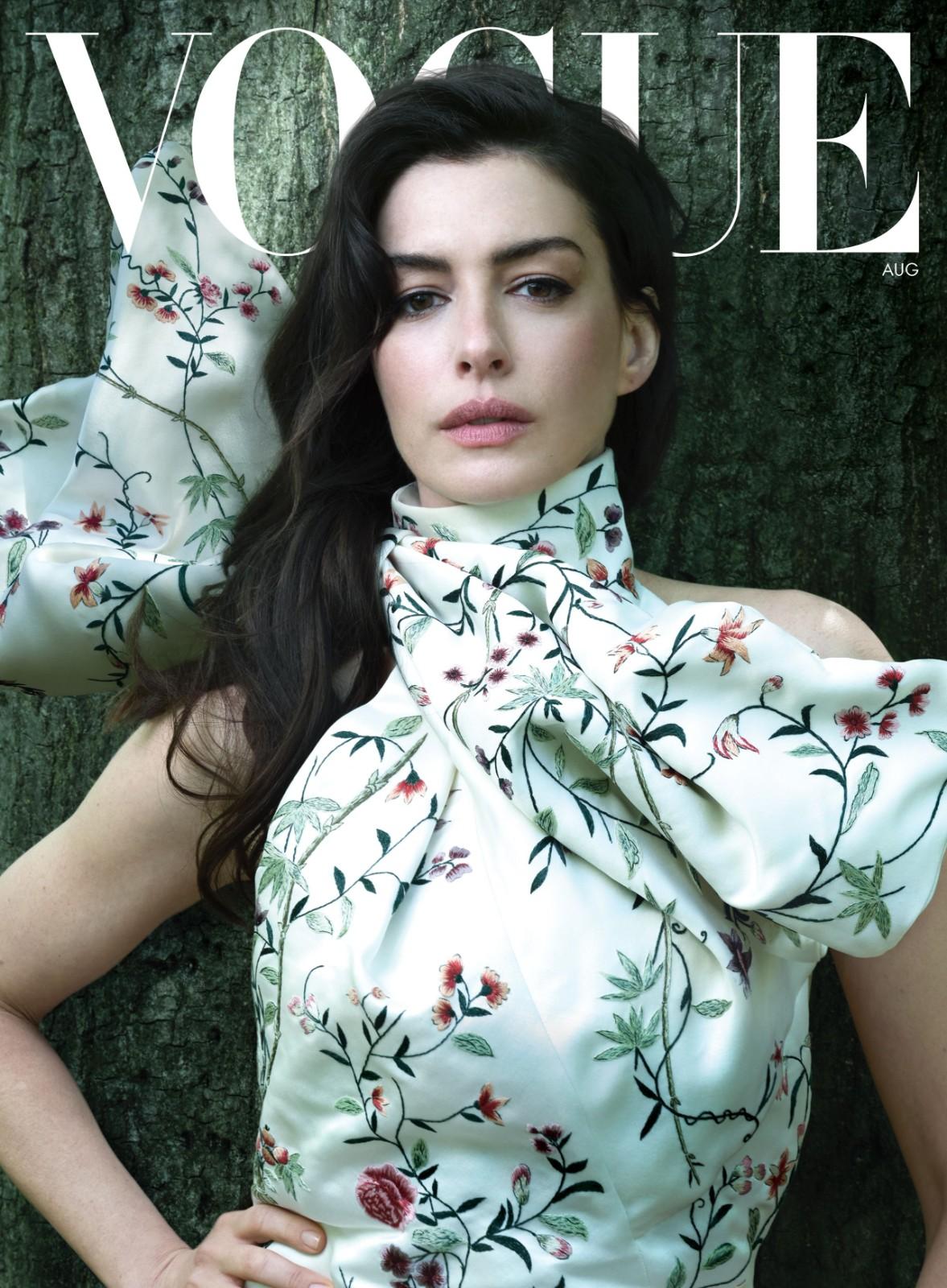
Yet Vogue has always been more than fashion. From Manhattan’s elite to global audiences, Vogue became the ultimate tastemaker, dictating not only fashion spreads but also retail trends, runway shows, and cultural conversations. Under Anna Wintour's guidance, each page is a snapshot of aspiration, a record of the dreams, risks, and triumphs that shape culture.
Over 125 years, Vogue has done more than reflect fashion - it has defined it. It dictates trends, elevates talent, and interprets society through the prism of style. Fashion, Vogue reminds us, is never just clothing. It is identity, ambition, and imagination made visible. It is a stage where dreams collide with reality, and where each issue continues a conversation that inspires generations across the globe.