MENU
Close





In an age where 'rare' is carelessly applied, one gemstone defines the term with geological finality. Found in a single, dwindling source and boasting a colour found nowhere else, tanzanite is the ultimate narrative gem. As mines near exhaustion, we explore why this stone is not merely a jewel, but a finite piece of our planet's history—and an astute acquisition.
In an age where 'rare' is carelessly applied, one gemstone defines the term with geological finality. Found in a single, dwindling source and boasting a colour found nowhere else, tanzanite is the ultimate narrative gem. As mines near exhaustion, we explore why this stone is not merely a jewel, but a finite piece of our planet's history—and an astute acquisition.
December 13, 2025


In the lexicon of luxury, the word “rare” has been democratised to the point of meaninglessness. Yet, in the realm of gemmology, nature’s laws remain absolute. Not every glittering stone earns the title. Tanzanite stands as a stark and beautiful rebuke to this dilution, a gem whose rarity is quantified not by marketing, but by mathematics and the immutable facts of geography.

Its singularity is defined by what geologists call "point-source rarity." Every facet of tanzanite in existence originates from a mere four-square-mile strip in the Merelani Hills, nestled in the shadow of Mount Kilimanjaro in northern Tanzania. This is not merely a primary source; it is the only source. Crucially, this resource is exhaustible. Leading gemological bodies, including the Gemological Institute of America (GIA), estimate that at current extraction rates, economically viable tanzanite deposits could be depleted within the next 20 to 30 years. This is not speculative scarcity; it is a countdown. As the noted gem expert and author, Gary Roskin, observes: "Tanzanite is a one-generation gem. We are the generation that gets to enjoy it from discovery to disappearance."
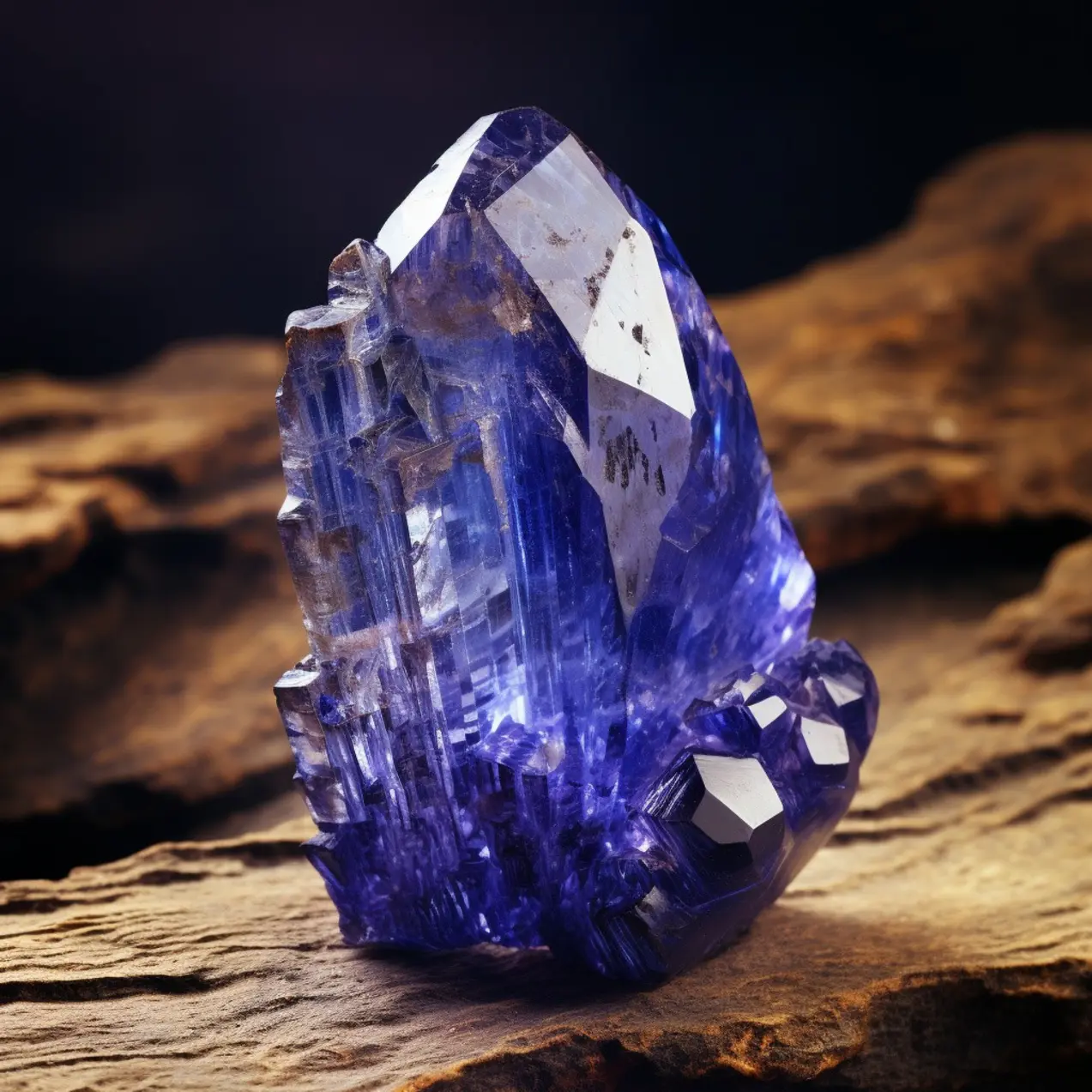
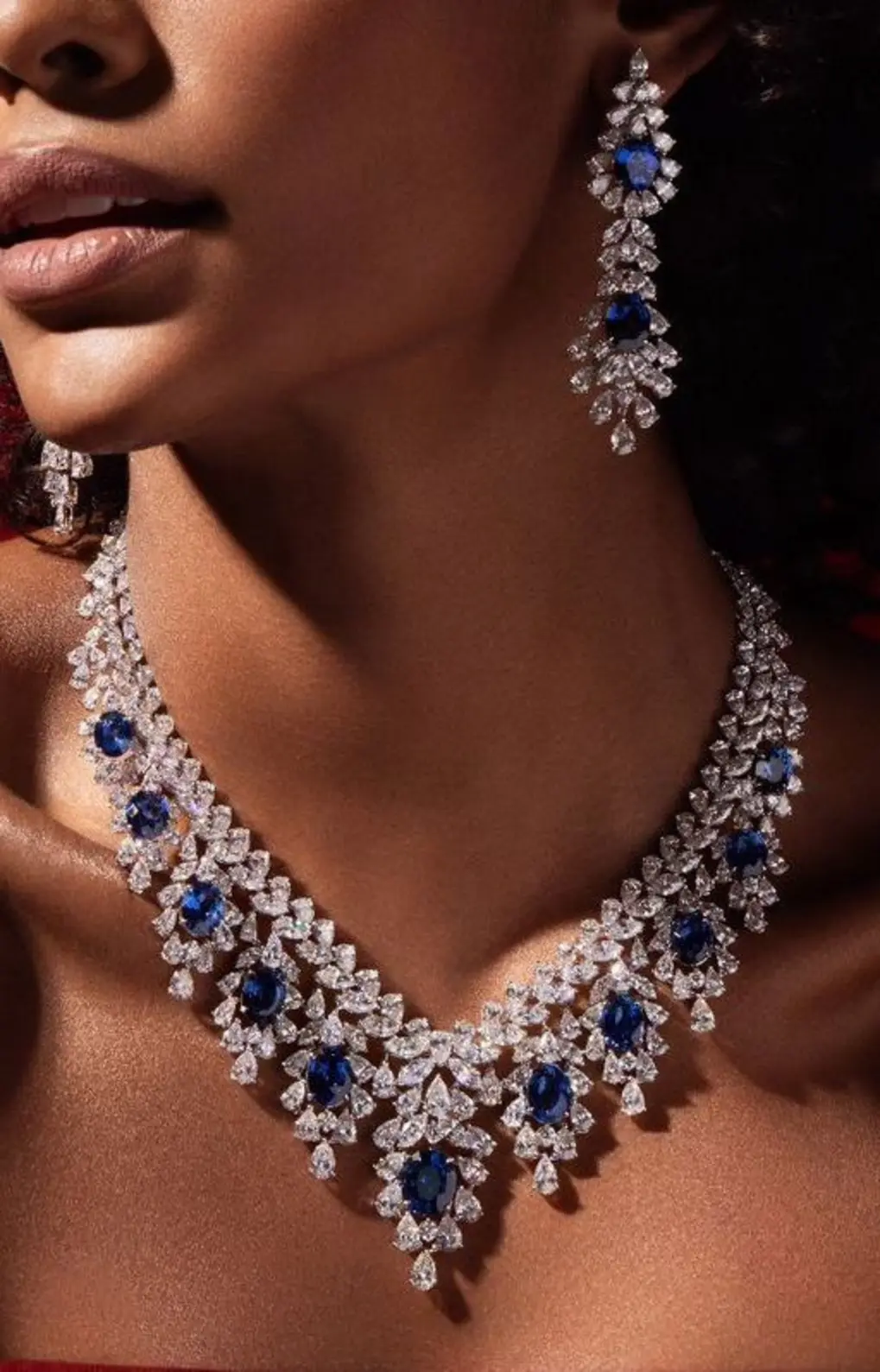
Discovered in 1967 and initially mistaken for sapphire, tanzanite — a vibrant blue-violet variety of the mineral zoisite, quickly revealed its unique character. Its mesmerising colour, a deep, velvety blue suffused with an inner fire of violet, is just the beginning. Tanzanite possesses an exceptionally strong trichroism, displaying three distinct colours depending on the axis of view: deep sapphire blue, rich violet, and a burgundy-red.
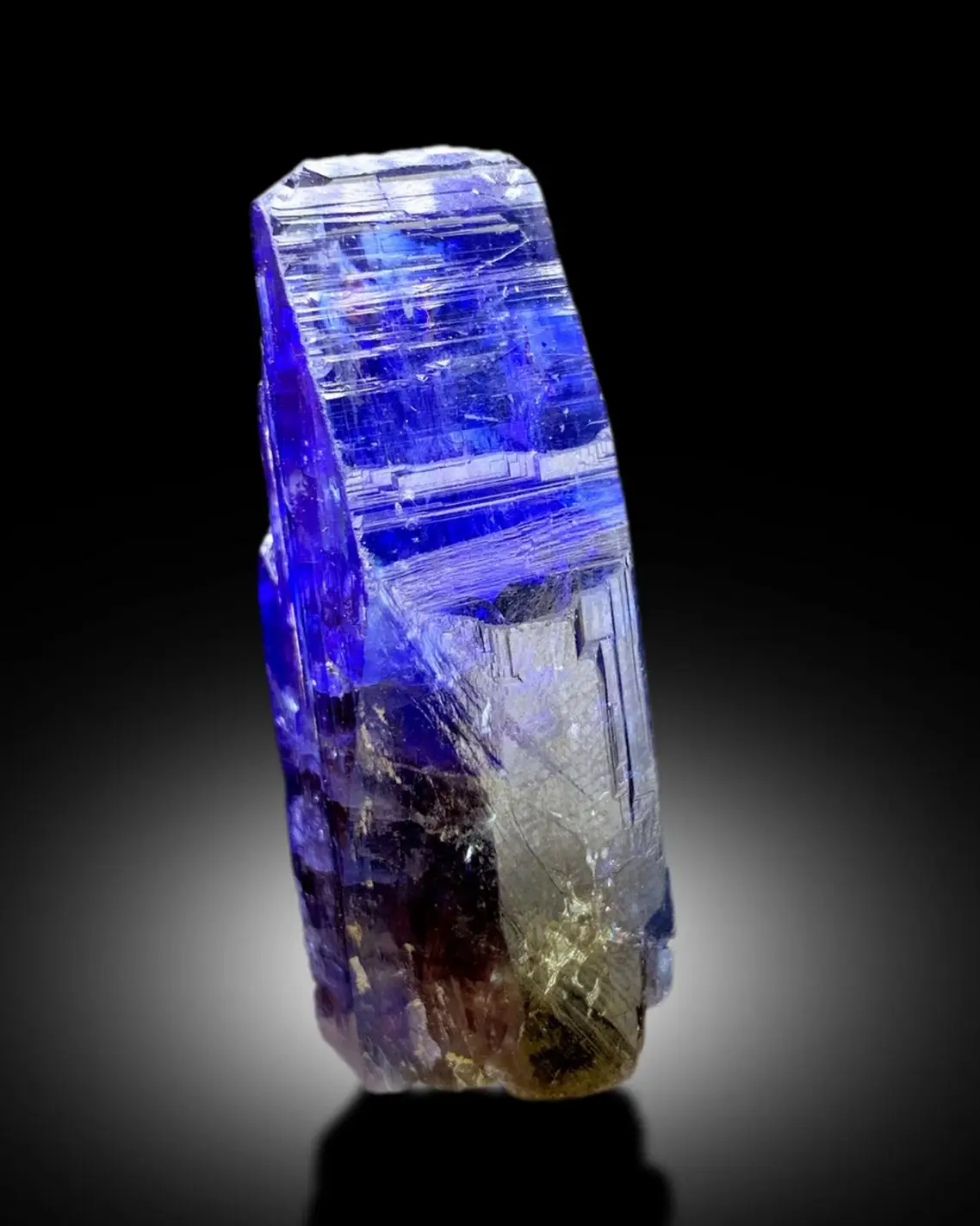
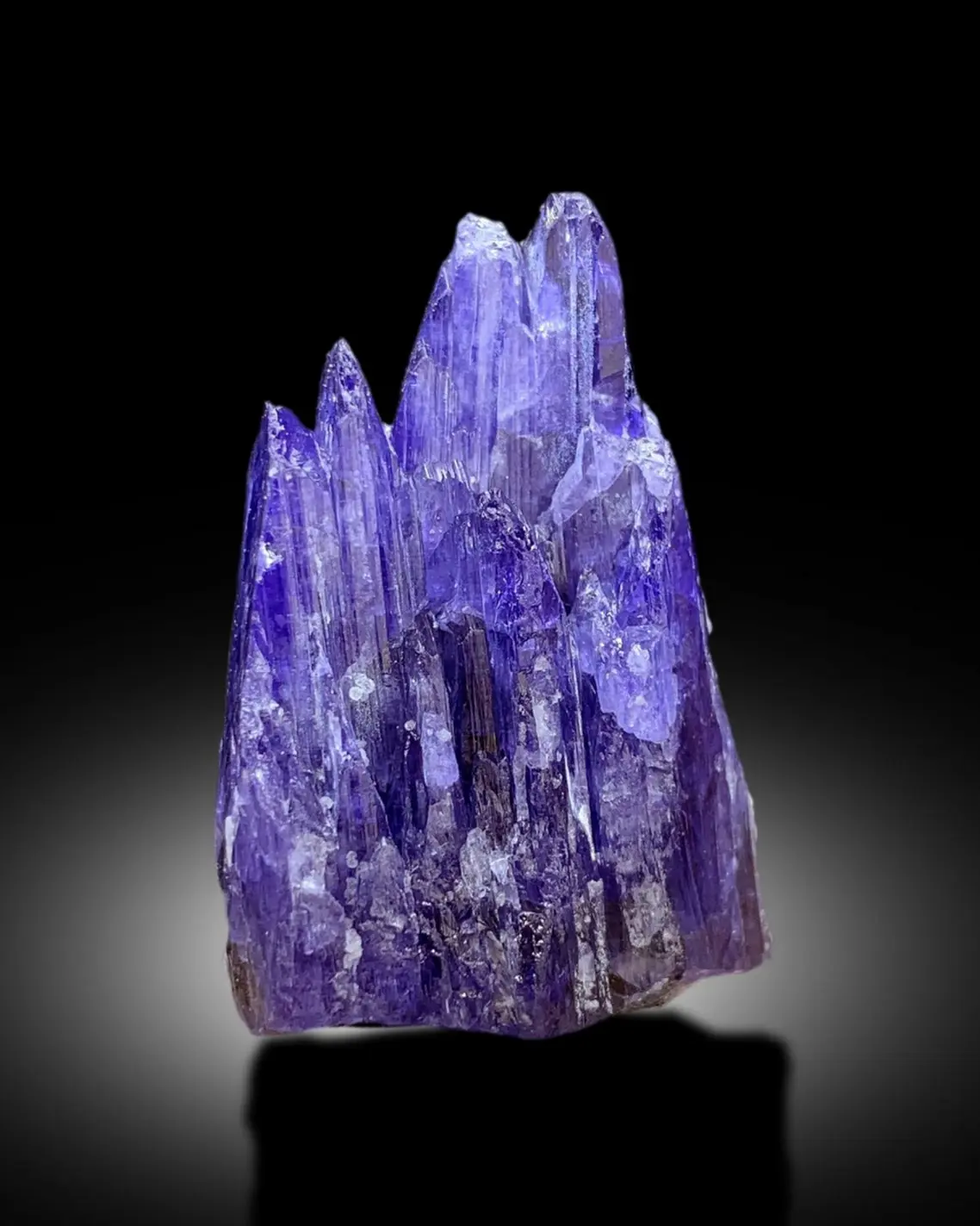
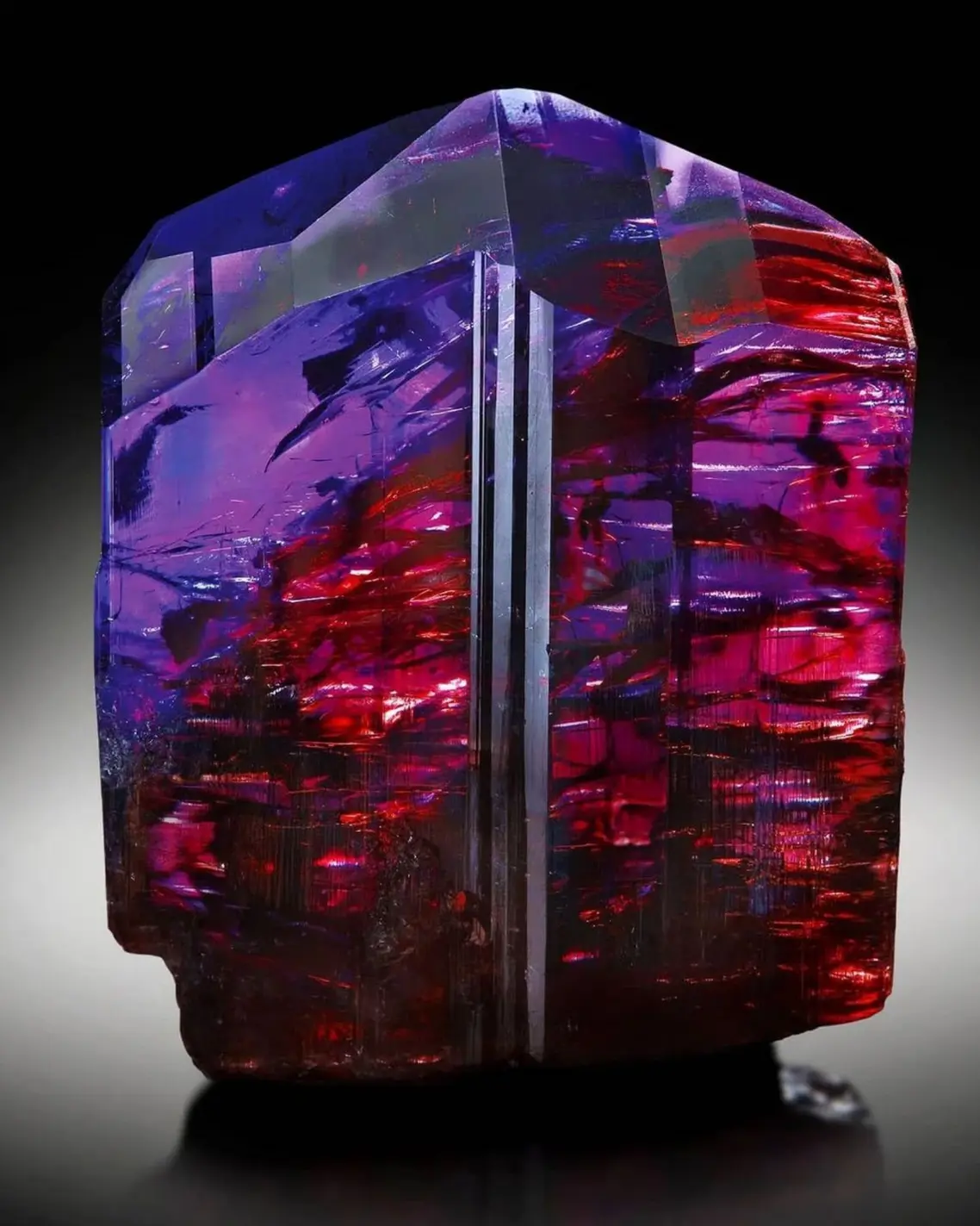
"It is this optical magic that defines tanzanite," says Johnny Dang, of the esteemed New York-based jeweller Larry Jewelry. "In one stone, you hold a kaleidoscope. The finest qualities show a saturated, vivid blue in daylight and reveal their royal purple undertones in incandescent light. It’s a performance." This chameleon-like quality makes it endlessly fascinating and ensures no two stones are truly identical. For the collector, this means each acquisition is singular.
The gem’s ascent from local curiosity to global icon is a masterclass in luxury branding. The seminal moment came when Henry B. Platt, grandson of Louis Comfort Tiffany and then vice-president of Tiffany & Co., encountered the rough crystals. Enthralled, he christened it 'tanzanite'to honour its sole provenance and proclaimed it “the most beautiful blue stone discovered in over 2,000 years.” With characteristic audacity, he announced tanzanite could only be found in two places on Earth: Tanzania, and at Tiffany’s.
This masterstroke did more than name a gem; it anointed it. Tiffany launched the stone with the now-legendary 1968 "The Tiffany Tanzanite" campaign, centred on the breathtaking Bahari Brooch, set with a 233.96-carat stone. It was an instant sensation among the jet set, establishing tanzanite not as a novelty, but as a new classic.
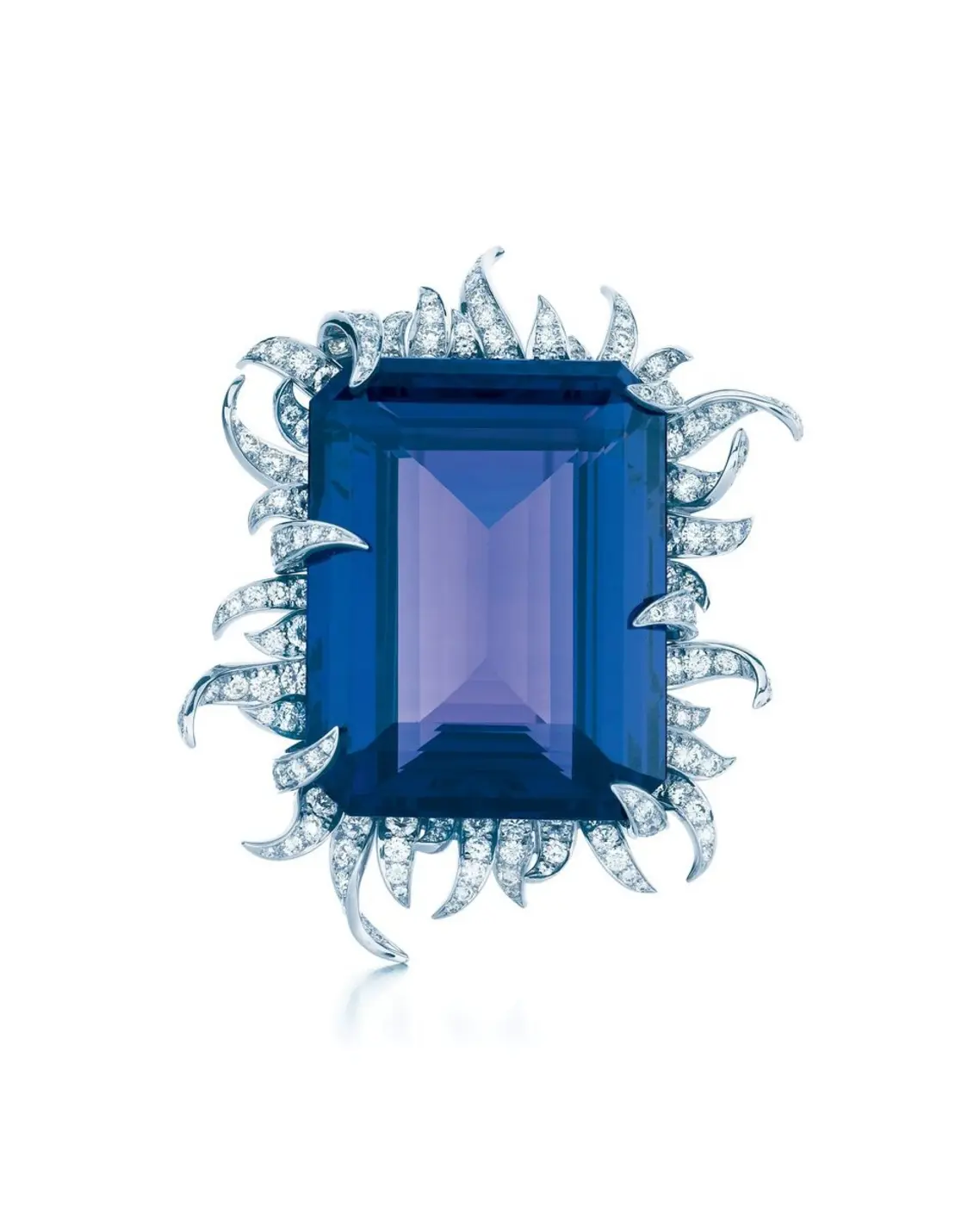
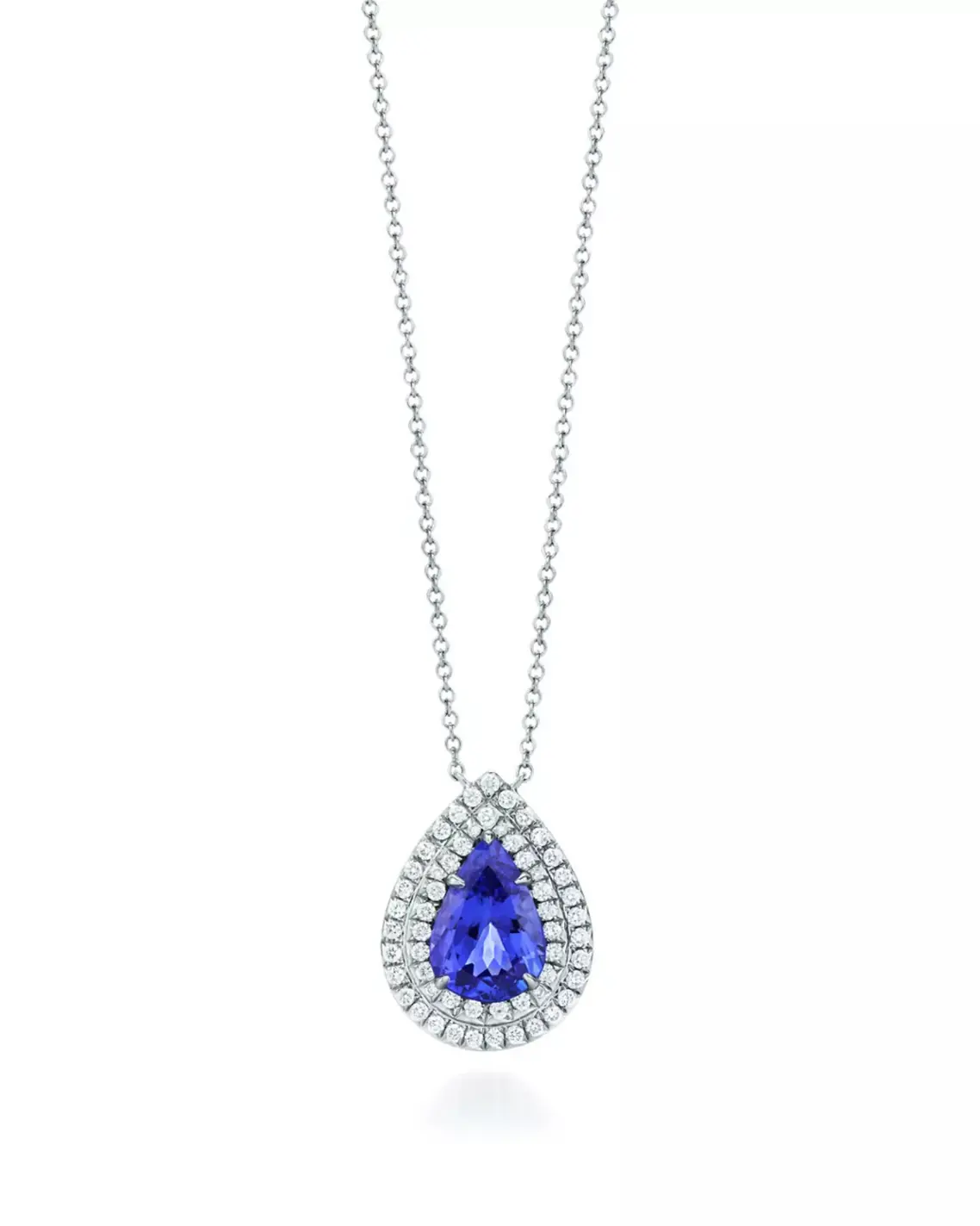
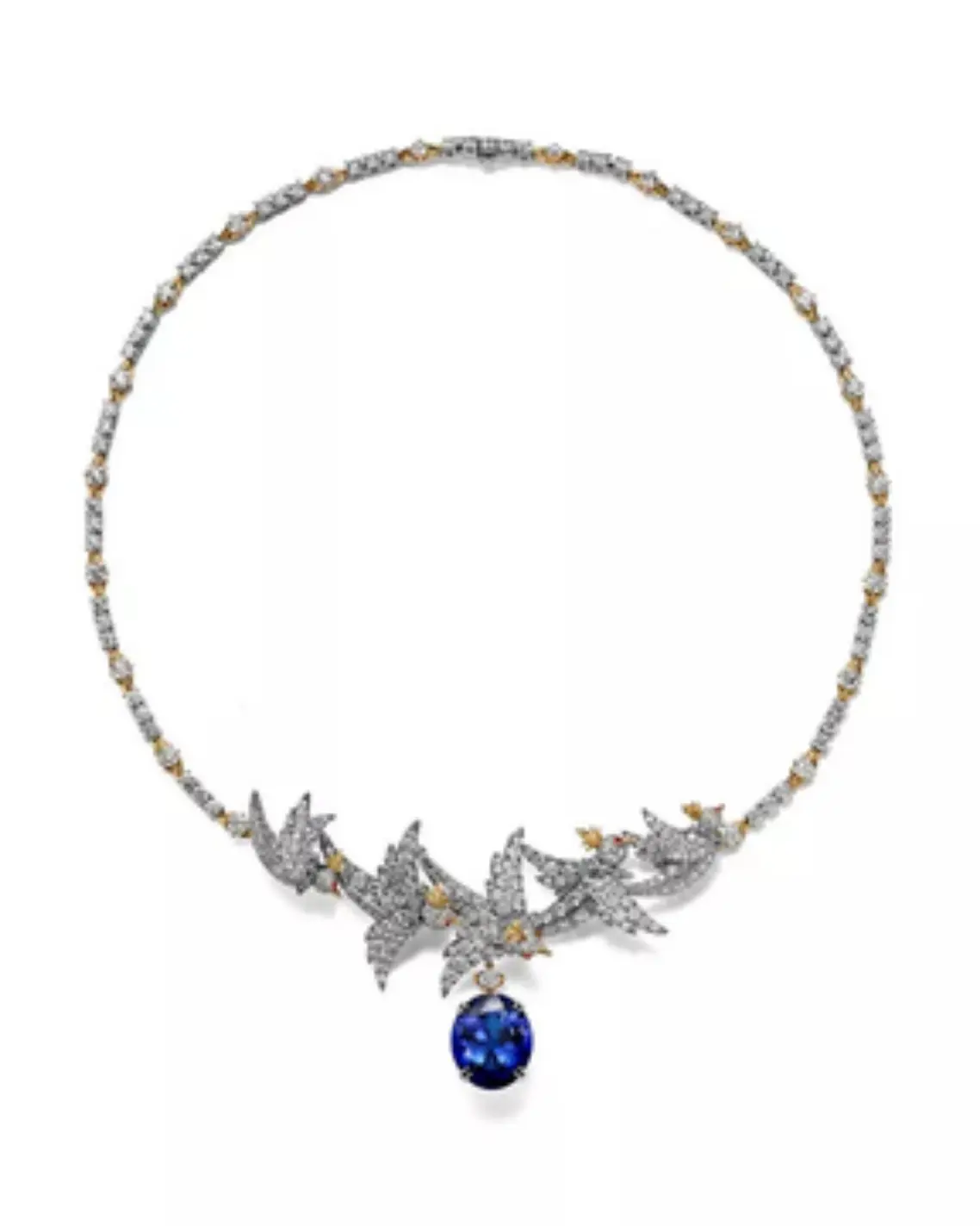
Since the 1990s, tanzanite has transcended its boutique status. Its market trajectory tells a compelling story. According to the International Colored Gemstone Association (ICA), high-quality tanzanite has seen an average annual price appreciation of 8-12% over the past decade, with exceptional stones far exceeding this. A landmark sale at Christie’s in 2020 saw a 36.97-carat rectangular-cut tanzanite ring achieve over $27,000, signalling robust demand at the top tier.
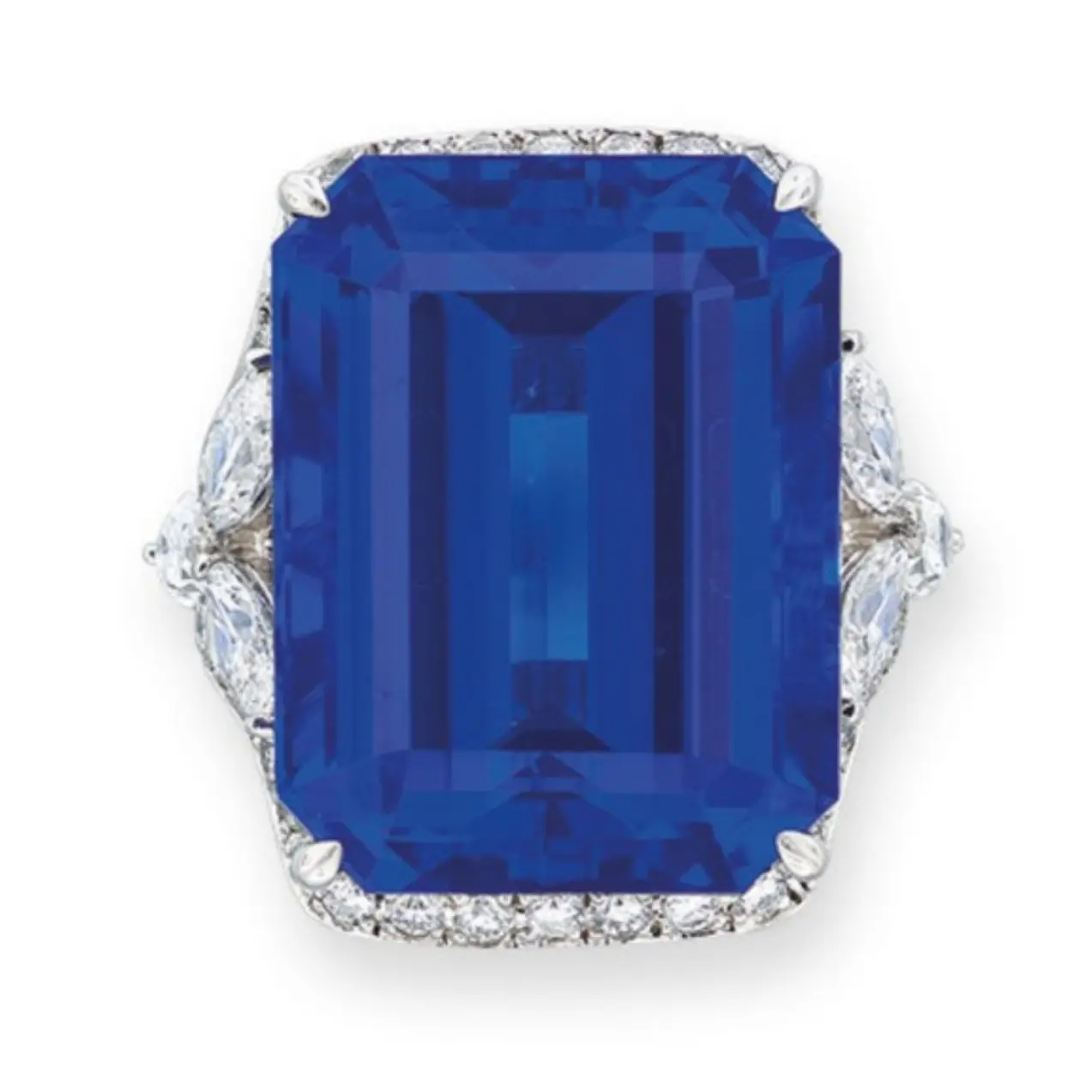
This sustained interest is driven by its undeniable beauty and its potent narrative of impending scarcity. "For our clients, tanzanite represents a unique proposition," explains Marie-Hélène Morrow, co-founder of the Parisian high jeweller Fancy. "It is both a contemporary treasure and a future heirloom with a built-in story of rarity. In a portfolio of jewels, it plays a role similar to a limited-edition masterpiece."
Today, it commands the attention of the world’s most audacious designers. Stephen Websterframes its electric blues in his signature dark, edgy gold settings. Lydia Courteille incorporates them into her fantastical, story-driven collections. Even houses like Boucheron and Van Cleef & Arpels have selectively used top-grade tanzanite in high jewellery pieces, valuing its unique hue to complement sapphires and diamonds.
For the serious acquirer, understanding quality is paramount. Unlike diamonds, tanzanite is not graded on a universal scale, but several factors determine value:
The tanzanite story is not without its challenges. The mining region has faced issues with informal, unsafe mining. However, a significant shift occurred in 2017 when the Tanzanian government introduced new regulatory frameworks and partnered with major players like The Tanzanite Foundation to formalise the sector, improve traceability, and ensure better conditions. Today, purchasing from reputable dealers who support ethical and traceable sourcing is crucial, ensuring your jewel’s beauty is untainted.
Why does tanzanite captivate? For some, it is the "three-stone phenomenon" of its pleochroism. For others, its connection to the Maasai people, who have long valued blue beads for adornment and as talismans for health and optimism. For the investor, it is the compelling equation of finite supply and growing desire.
Ultimately, tanzanite offers something beyond carat weight and colour charts: narrative permanence. To own a significant piece is to hold a fragment of a singular geological event, championed by Tiffany, and destined to become the stuff of legend. As the mines inch toward silence, each fine tanzanite becomes a quieter, more profound whisper from a disappearing world. In the vault of a connoisseur, it is not just a blue gem; it is a piece of history, crystallised.