MENU
Close





On May 18, 2026, news of the Shein Everlane deal turned a retail acquisition into a cultural shock: what happens when a brand built on radical transparency enters the orbit of ultra-fast fashion?

On May 18, 2026, news of the Shein Everlane deal turned a retail acquisition into a cultural shock: what happens when a brand built on radical transparency enters the orbit of ultra-fast fashion?
May 18, 2026


The Shein Everlane deal lands like a contradiction too sharp to ignore. Everlane built its identity on cleaner basics, factory transparency, and the millennial belief that buying better could become a form of everyday ethics. Shein, by contrast, became a global force through speed, volume, low prices, and a supply chain model that has long been criticized for its labor and environmental implications. Bringing those two names together creates more than a business headline. It exposes a fracture inside contemporary fashion.
At the center of the story is Everlane’s original promise. Everlane was once a millennial dream brand, the kind of label that made plain T-shirts and straight-leg trousers feel like proof of better taste, better values, and better consumption. The brand made transparency feel modern by showing costs, naming factories, and turning plain clothing into a quiet moral position. A T-shirt or pair of trousers was framed as a choice with values attached, not simply another purchase. For a generation tired of disposable shopping but still attached to newness, Everlane offered a softer fantasy: consumption with conscience.

Shein’s move changes the emotional meaning of that fantasy. The acquisition gives the fast-fashion giant access to a brand with a very different cultural reputation, while Everlane gains the resources and operational scale of one of fashion’s most powerful online machines. On paper, the logic is clear. In feeling, it is much messier. The deal asks whether ethical branding can survive once it is absorbed by a system built on acceleration.
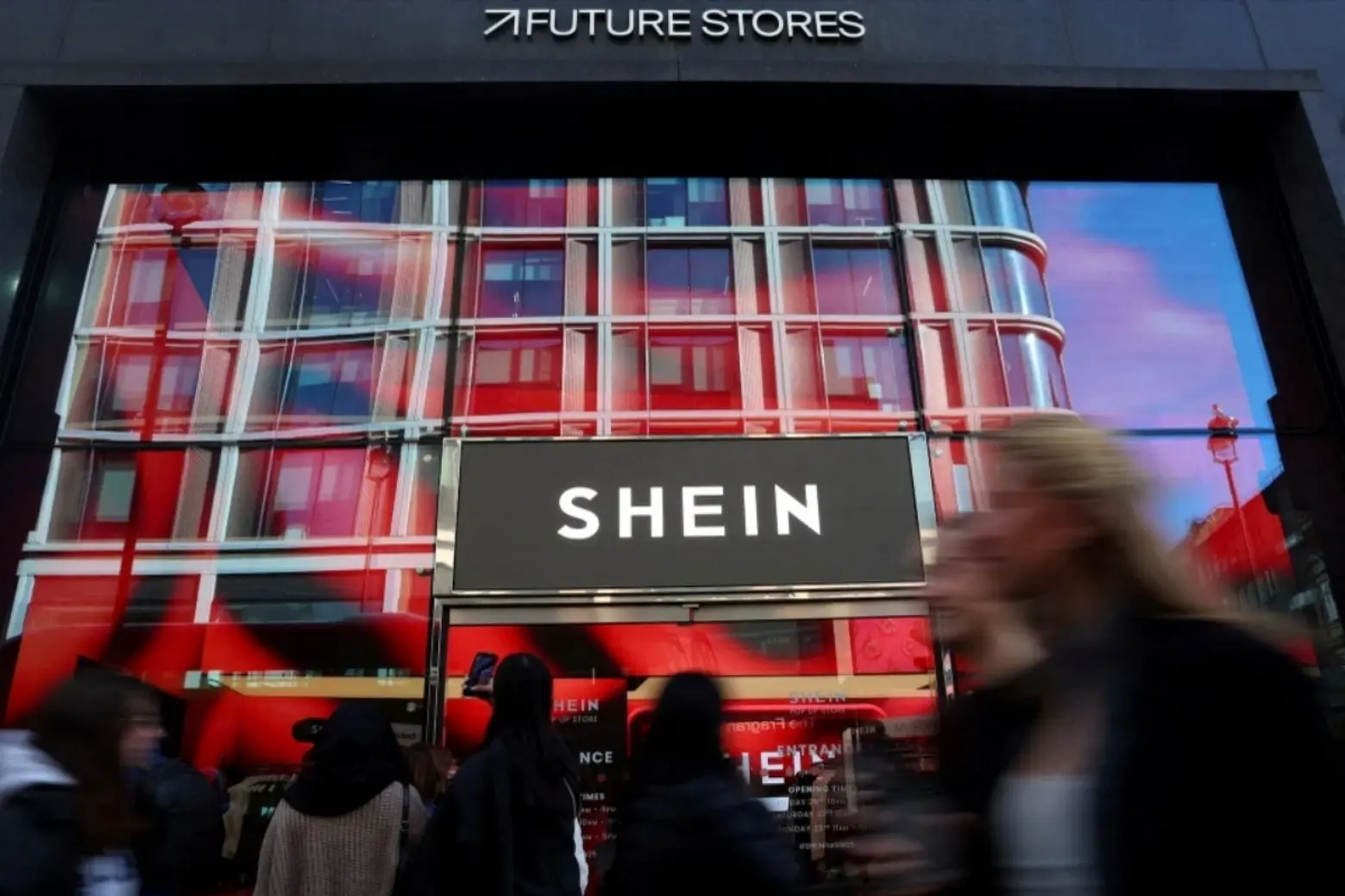
The tension also reveals how fragile the language of sustainable fashion has become. Transparency, quality, and responsibility have often been treated as brand identities, yet the market continues to reward speed and price with brutal efficiency. Everlane’s sale suggests that good intentions alone cannot protect a business from debt, retail pressure, or the economics of scale. In that sense, the deal is not only about one company changing hands. It is about the limits of a whole consumer dream.
For Shein, Everlane may become a credible play. For Everlane, Shein may become a survival mechanism. The uneasy power of the deal lies between those two readings.
The Shein Everlane deal closes with a harder question about sustainable fashion: whether ethics can remain a brand value when scale becomes the condition of survival.