MENU
Close





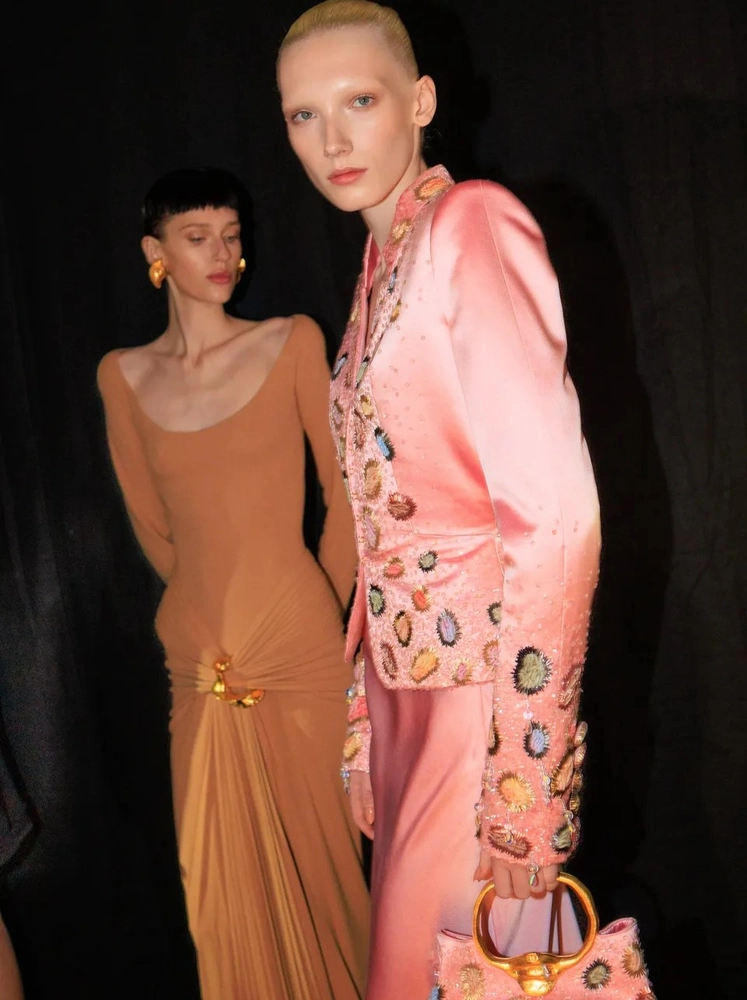
On 26 January 2026, Schiaparelli Haute Couture Spring Summer 2026 opened Paris Couture Week January 2026 with a collection that traded gentleness for tension, and decoration for dominance. Daniel Roseberry staged couture as confrontation: bodies sculpted into monuments, nature rendered as predator, and craftsmanship sharpened into an argument for couture’s cultural power.
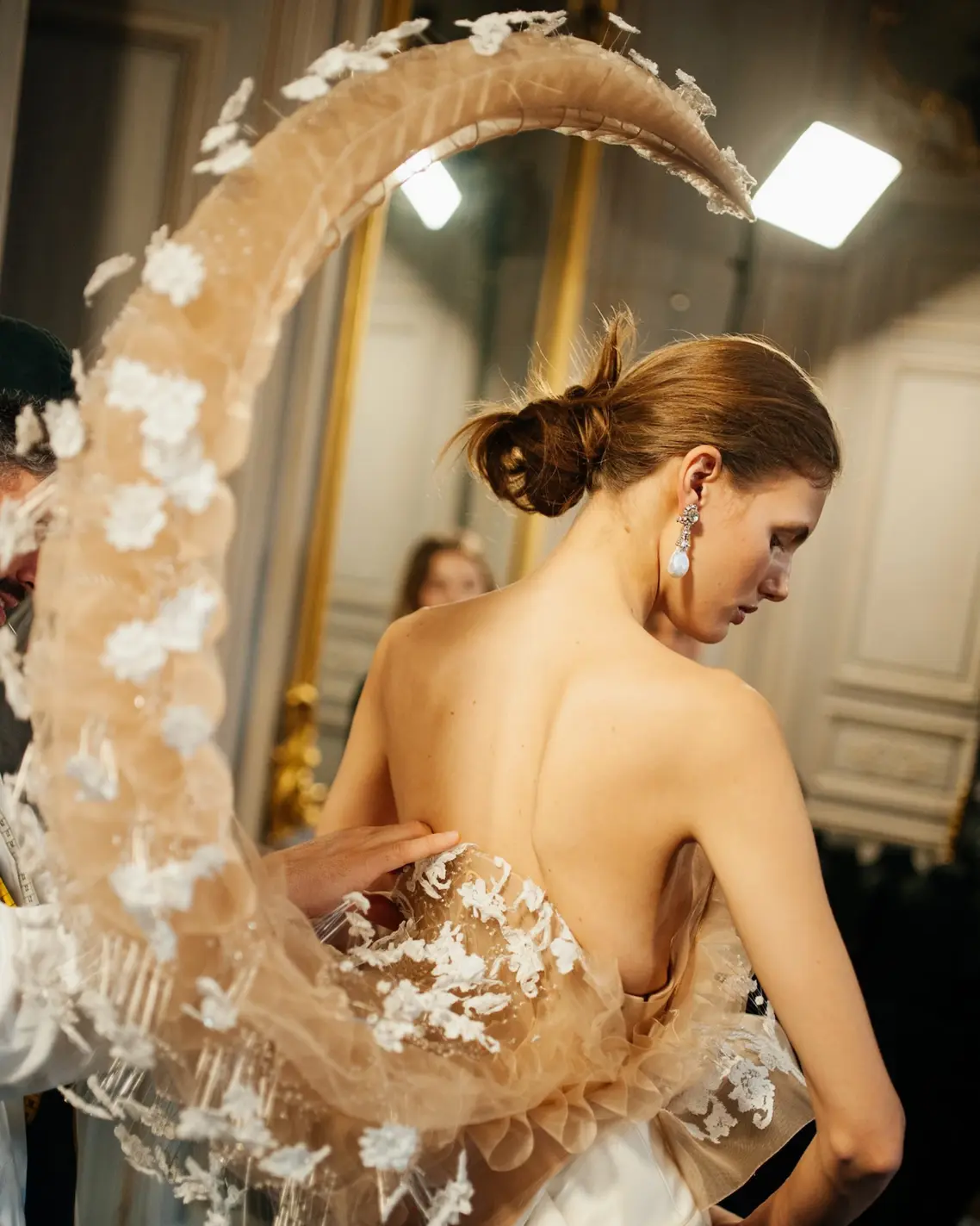
On 26 January 2026, Schiaparelli Haute Couture Spring Summer 2026 opened Paris Couture Week January 2026 with a collection that traded gentleness for tension, and decoration for dominance. Daniel Roseberry staged couture as confrontation: bodies sculpted into monuments, nature rendered as predator, and craftsmanship sharpened into an argument for couture’s cultural power.
January 26, 2026


In declaring himself an “old master” within a shrinking couture landscape, Roseberry did more than provoke. He positioned himself within a lineage - one defined not by nostalgia, but by authority. Drawing inspiration from the raw physical drama of Michelangelo’s Sistine Chapel ceiling, Roseberry translated Renaissance monumentality into modern fashion language. The result was not literal reference, but emotional scale: bodies treated as sculptural forms, garments acting as armor, and couture elevated to an almost mythic register.
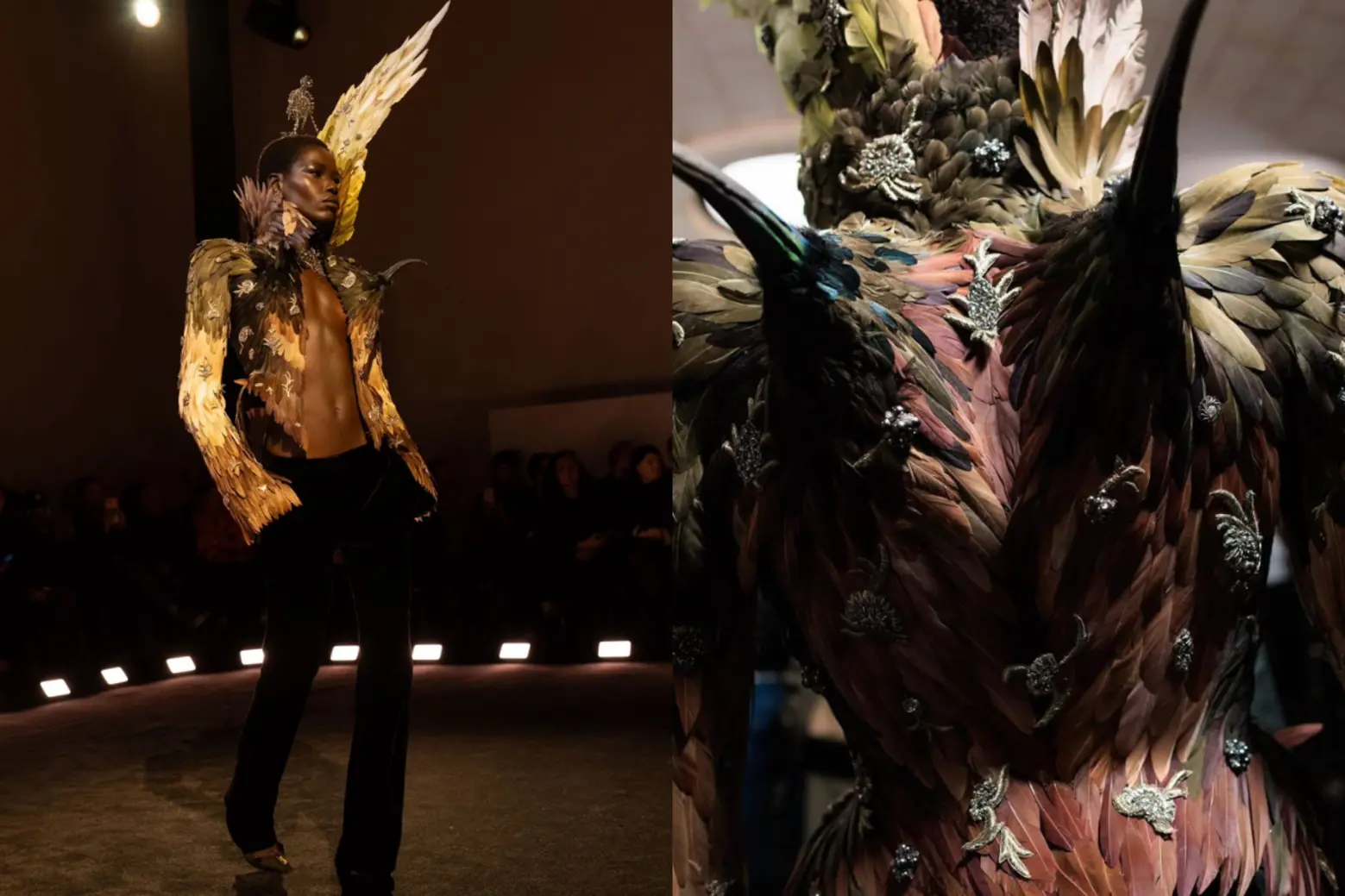
Where traditional couture often leans into softness, Roseberry deliberately turned toward danger. His vision of nature was not decorative but predatory. The runway advanced with menacing elegance: a spiked “Isabella Blowfish” tailleur, jackets bursting into sculpted scorpion tails, and a strapless gown from which feathered wings seemed to grow organically. These were garments that suggested movement, threat, and power.
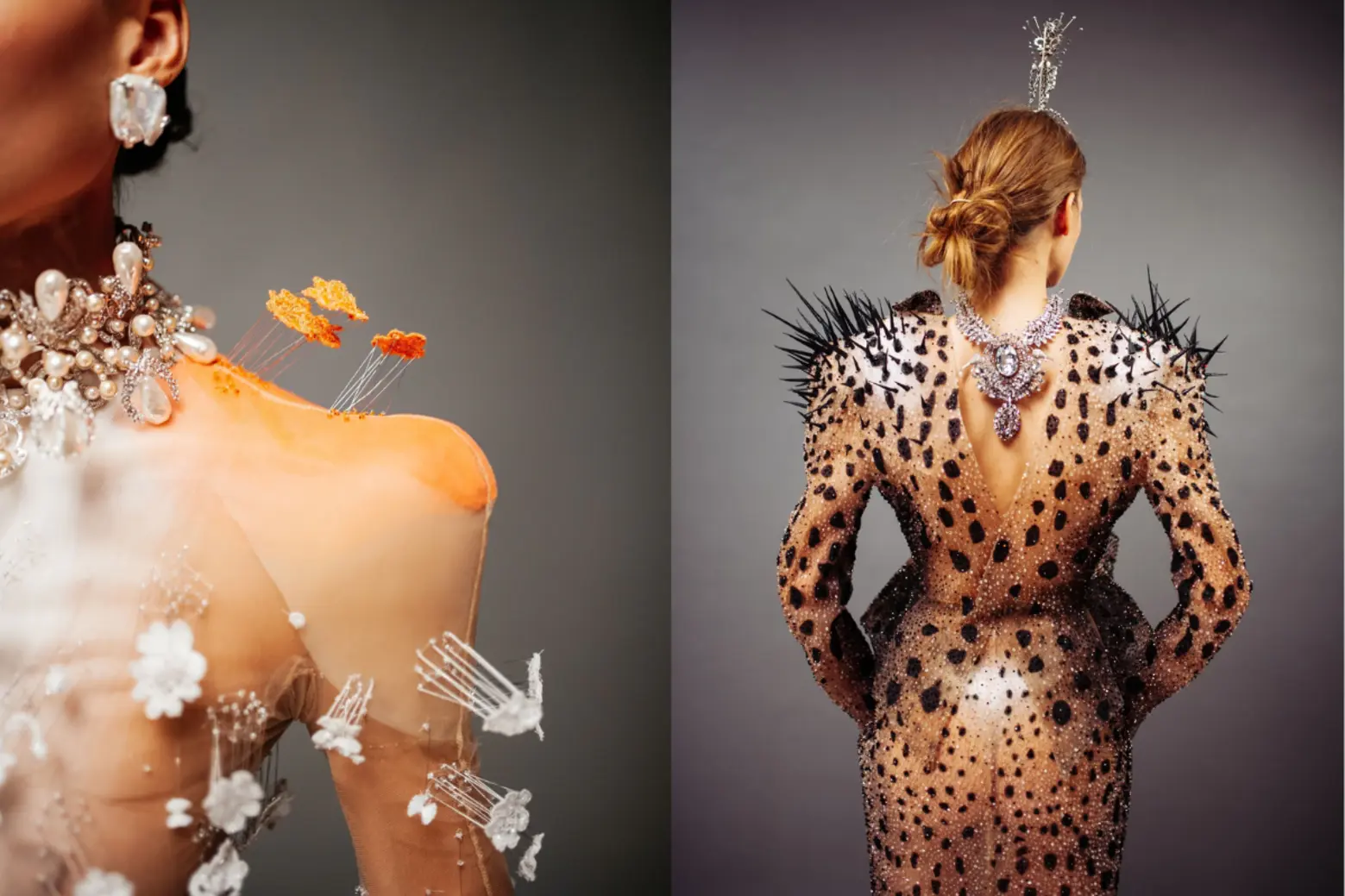
At the heart of Schiaparelli Haute Couture Spring Summer 2026 sat the house’s signature deception: trompe l’oeil pushed into the uncanny. Tails curled around the body with eerie precision. Horns emerged as if grown rather than attached. The collection played a deliberate game with boundaries, where clothing ends, creature begins, and the eye doubts its own certainty.

Ultimately, Roseberry’s Schiaparelli was not about spectacle for spectacle’s sake. It was a statement about couture’s role today. In an industry increasingly driven by speed, commercial logic, and diluted craftsmanship, this collection argued for couture as a space of risk, imagination, and authority. It reminded audiences that haute couture, when practiced with conviction, can still unsettle and command attention.
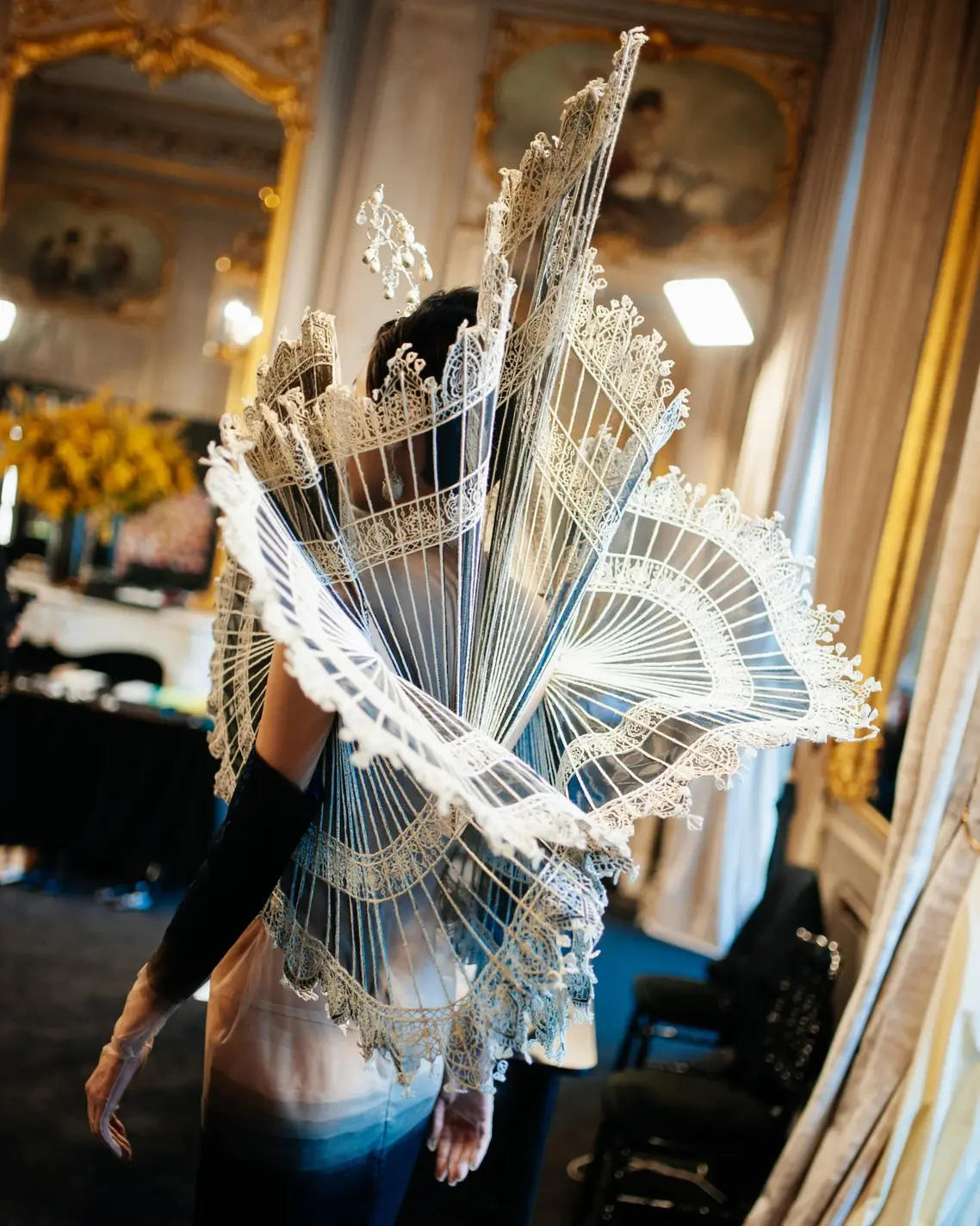
By opening the season with Schiaparelli Haute Couture Spring Summer 2026, Daniel Roseberry set a tone for Paris Couture Week that felt intentional: couture with teeth, made to command attention.