MENU
Close





On September 26, 1966, YSL Rive Gauche opened on rue de Tournon, as Yves Saint Laurent became the first couturier to formally enter ready-to-wear and, without exaggeration, rewrote the rules of modern fashion.

On September 26, 1966, YSL Rive Gauche opened on rue de Tournon, as Yves Saint Laurent became the first couturier to formally enter ready-to-wear and, without exaggeration, rewrote the rules of modern fashion.
September 26, 2025


When Yves Saint Laurent opened YSL Rive Gauche, the first ready-to-wear boutique by a couturier, in 1966, Paris didn’t yet realize it was witnessing a rupture. Haute couture still dictated taste from its gilded salons, and the idea that a couturier would lend his name to clothes sold on racks felt almost sacrilegious. Couture was aspiration; prêt-à-porter was compromise.
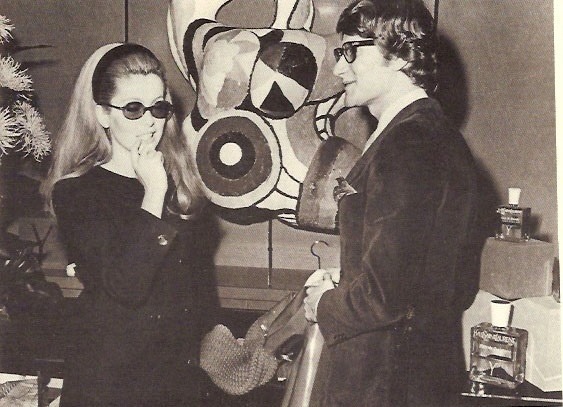
Rive Gauche wasn’t conceived as “cheaper couture.” It was something far more radical: a new system of dressing, built on prototypes as rigorously made as his runway pieces but intended for streets rather than salons. The location alone—an old antiques shop on the Left Bank, surrounded by students instead of society women—telegraphed the shift. No chandeliers, no ceremony. Just clothes with intent.
Where couture demanded reverence, Rive Gauche invited participation. Women, they queued for hours, as if a door into modern life had opened and they refused to be left outside.
For all the mythology surrounding Saint Laurent’s couture, it was Rive Gauche that became his real site of invention in the 1970s. Free from the choreography of fittings, patrons, and atelier ritual, he treated ready-to-wear like a laboratory.
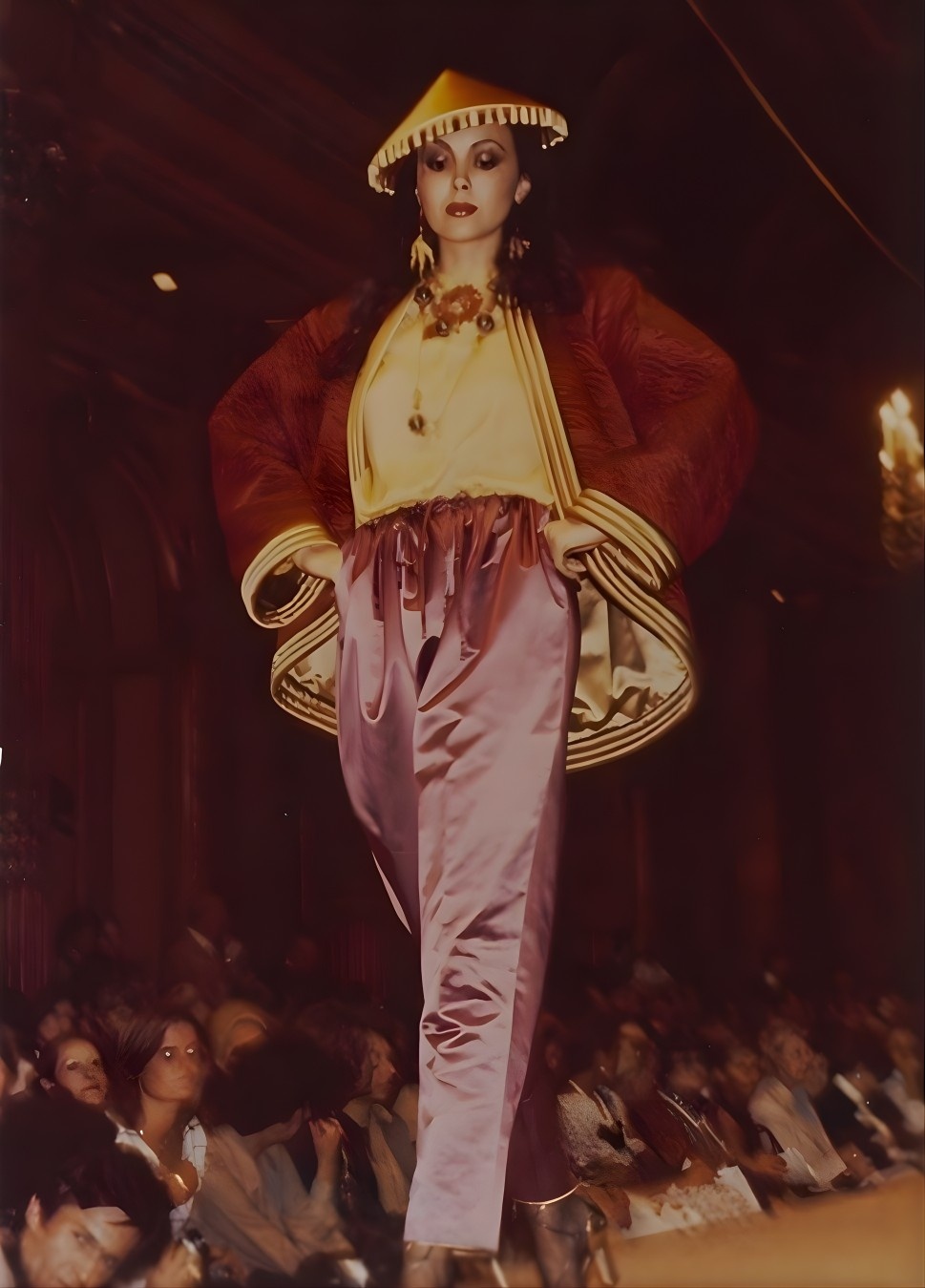
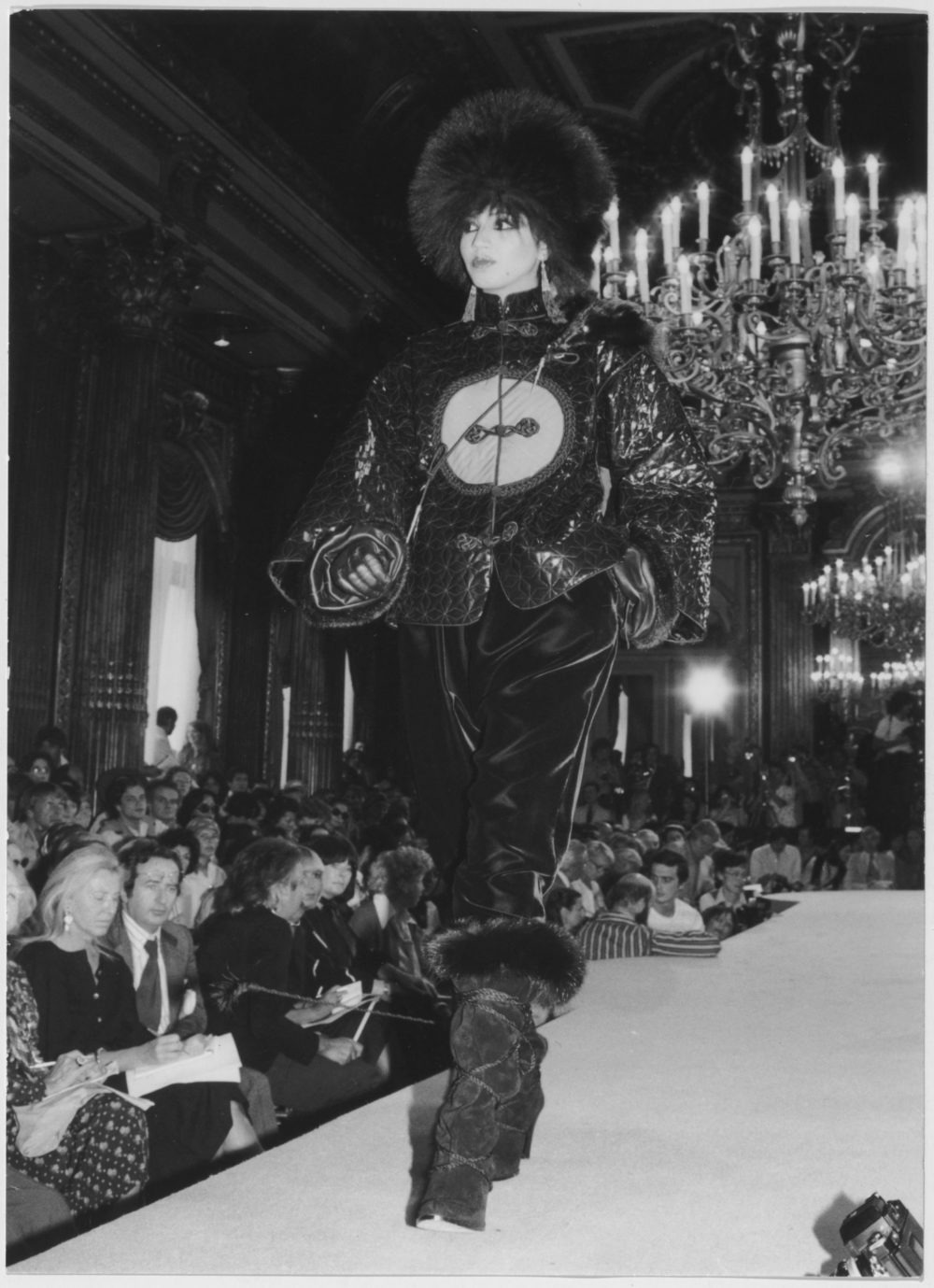
Here he could play. And because the clothes had to be lived in, skirts, parkas, sailor jackets, jumpsuits, he could experiment with style the way contemporary women were beginning to dress: modularly, instinctively, mixing masculine with feminine, luxe with utility.
This was couture reimagined. Many collections that later defined his brand—Russian, Chinese, the new bohemian vocabulary—began on Rive Gauche racks before they ever appeared in a couture salon. The boutique became couture’s compass, setting the direction instead of following it.
More than that, it is the true revolution: Saint Laurent reshaped fashion by shifting creativity into everyday life. He made creativity accessible at street level.
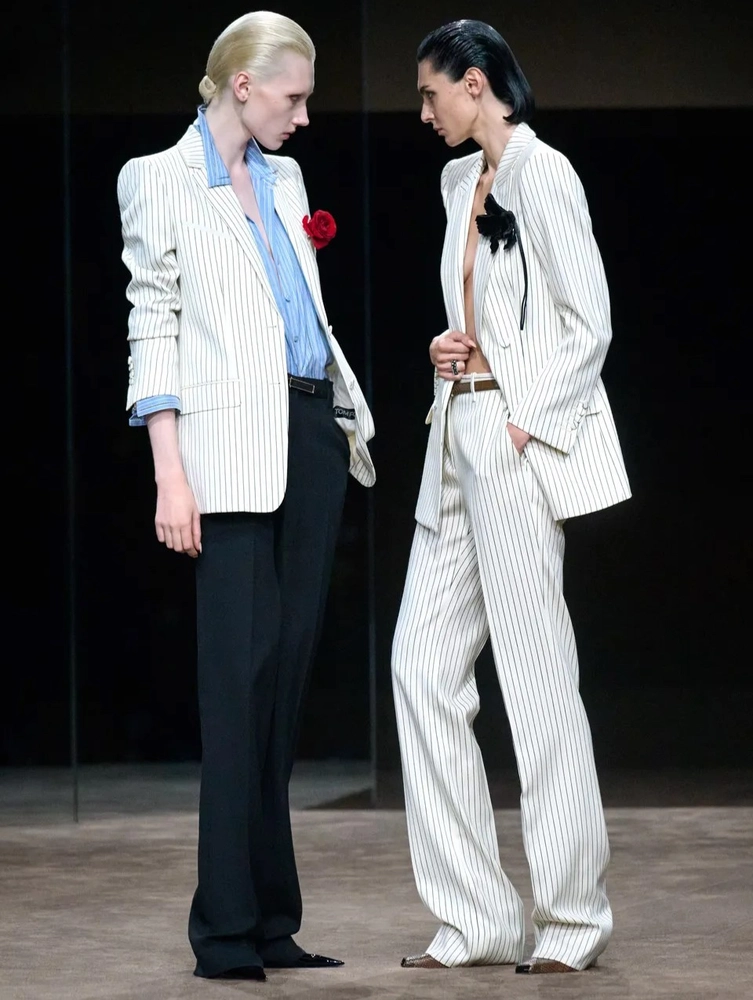
The clothes themselves show how intelligent the shift was. Denim skirts with lace-up boots, Spencer jackets, cotton gabardine sahariennes, slim black smokings, peacoats, fox-lined parkas, jersey jumpsuits, heart-print chiffon - pieces meant to be bought, worn, lived in, not archived.
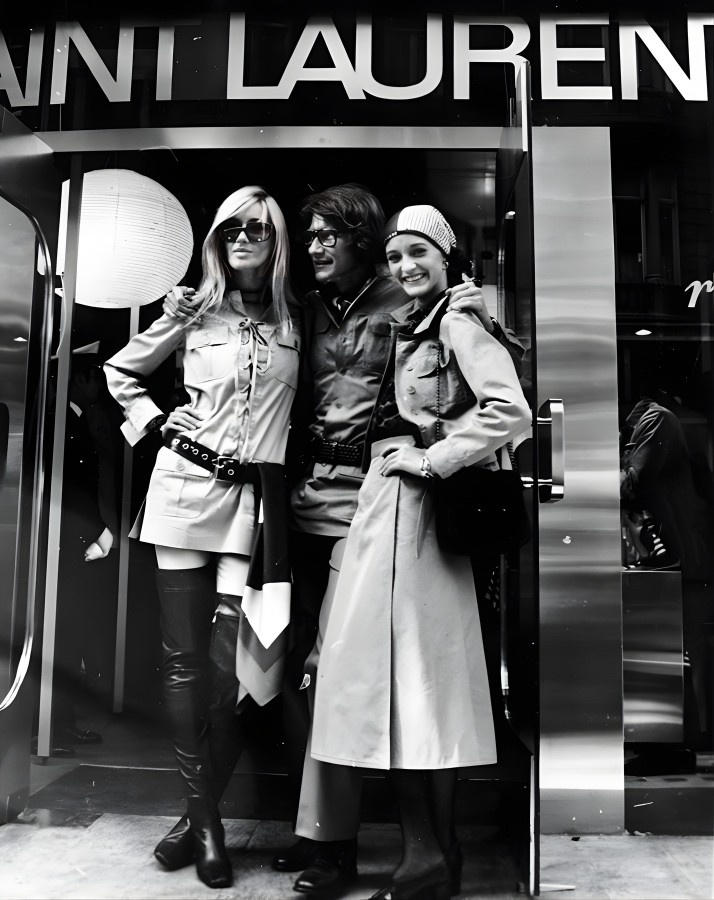
And here lies the paradox: by removing couture’s preciousness, he created garments that became emotionally precious to a generation. Rive Gauche dressed the working woman in armor: sharp, sensual, a little rebellious. The materials were often humble, the prices reachable, yet the transformation they offered was unmistakable.
From September 26, 1966 onward, YSL Rive Gauche shifted the center of fashion toward the Left Bank, toward everyday life, and toward a modern wardrobe built not for salons, but for the street.