MENU
Close





Released on January 30, 1977, the Rubik's Cube stands as one of the rare objects that reshaped how society understands play, intellect, and design.
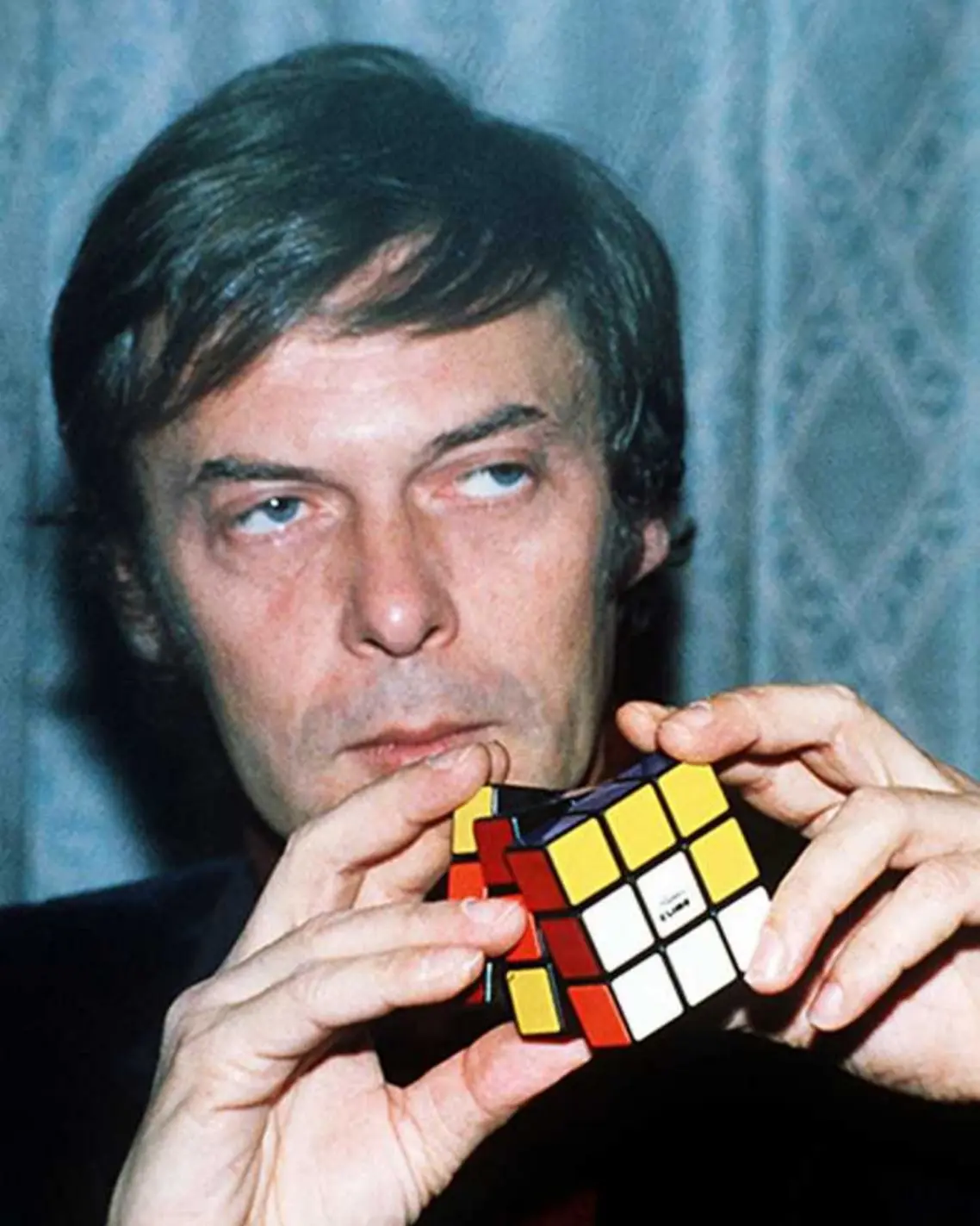
Released on January 30, 1977, the Rubik's Cube stands as one of the rare objects that reshaped how society understands play, intellect, and design.
January 30, 2026


Created in 1974 by Hungarian architect and educator Ernő Rubik, the cube began as a modest teaching aid. Rubik, then an interior design instructor in Budapest, built the prototype from wooden blocks, rubber bands, and paper clips to help his students grasp abstract principles of form and spatial relationships. What emerged was something far greater than a classroom model. The cube revealed itself as a puzzle, emotionally charged and unexpectedly complex, transforming symmetry into challenge.
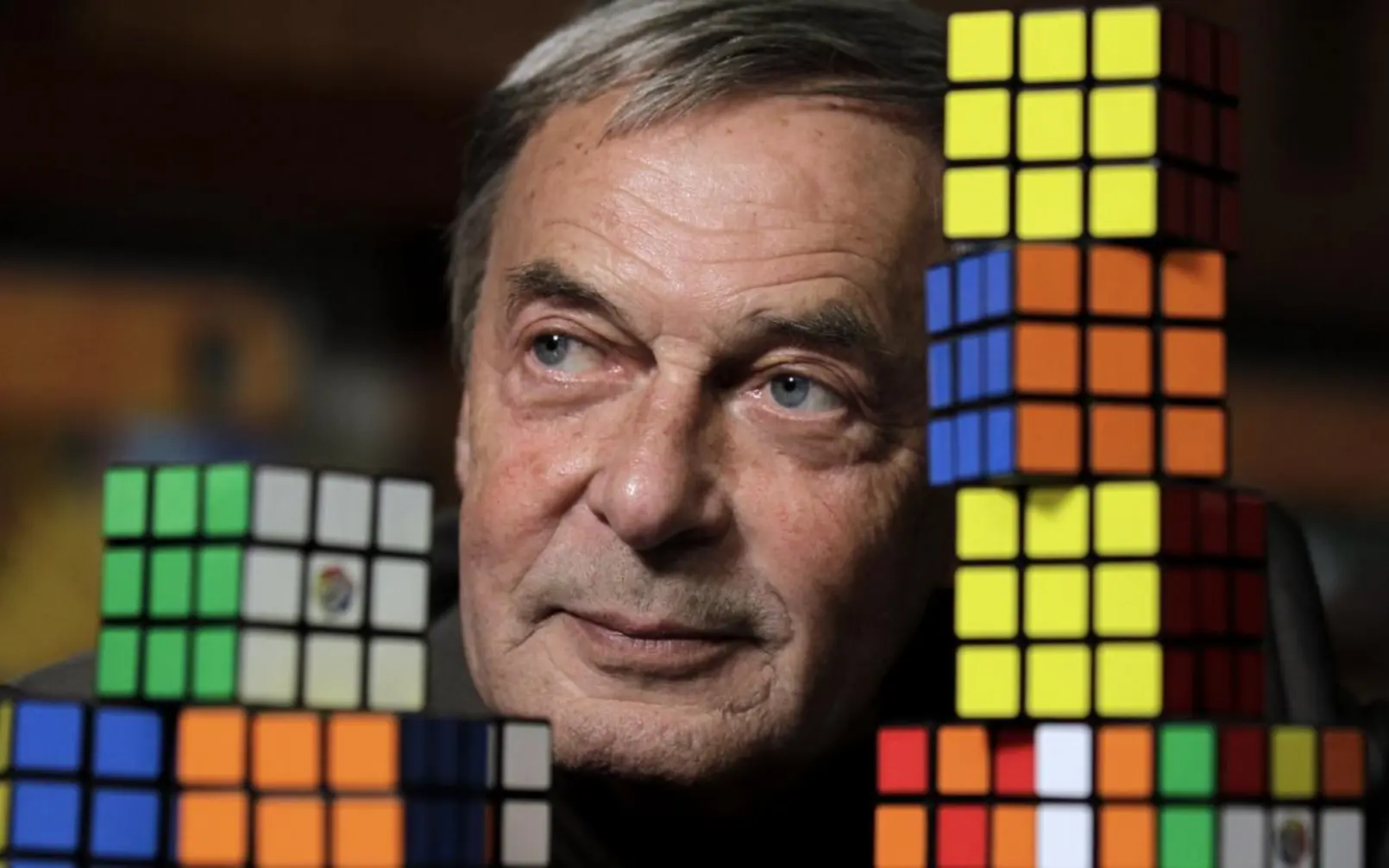
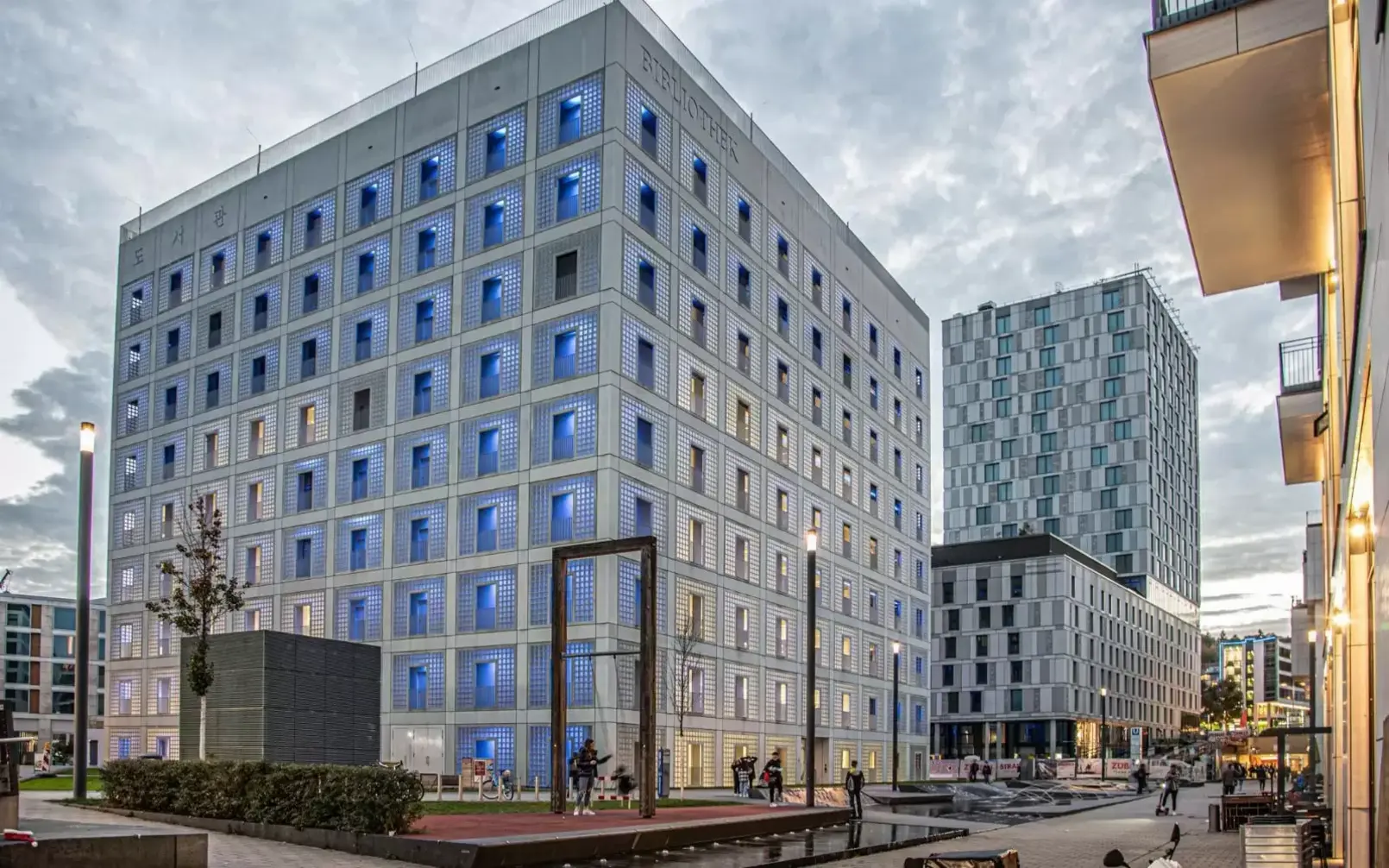
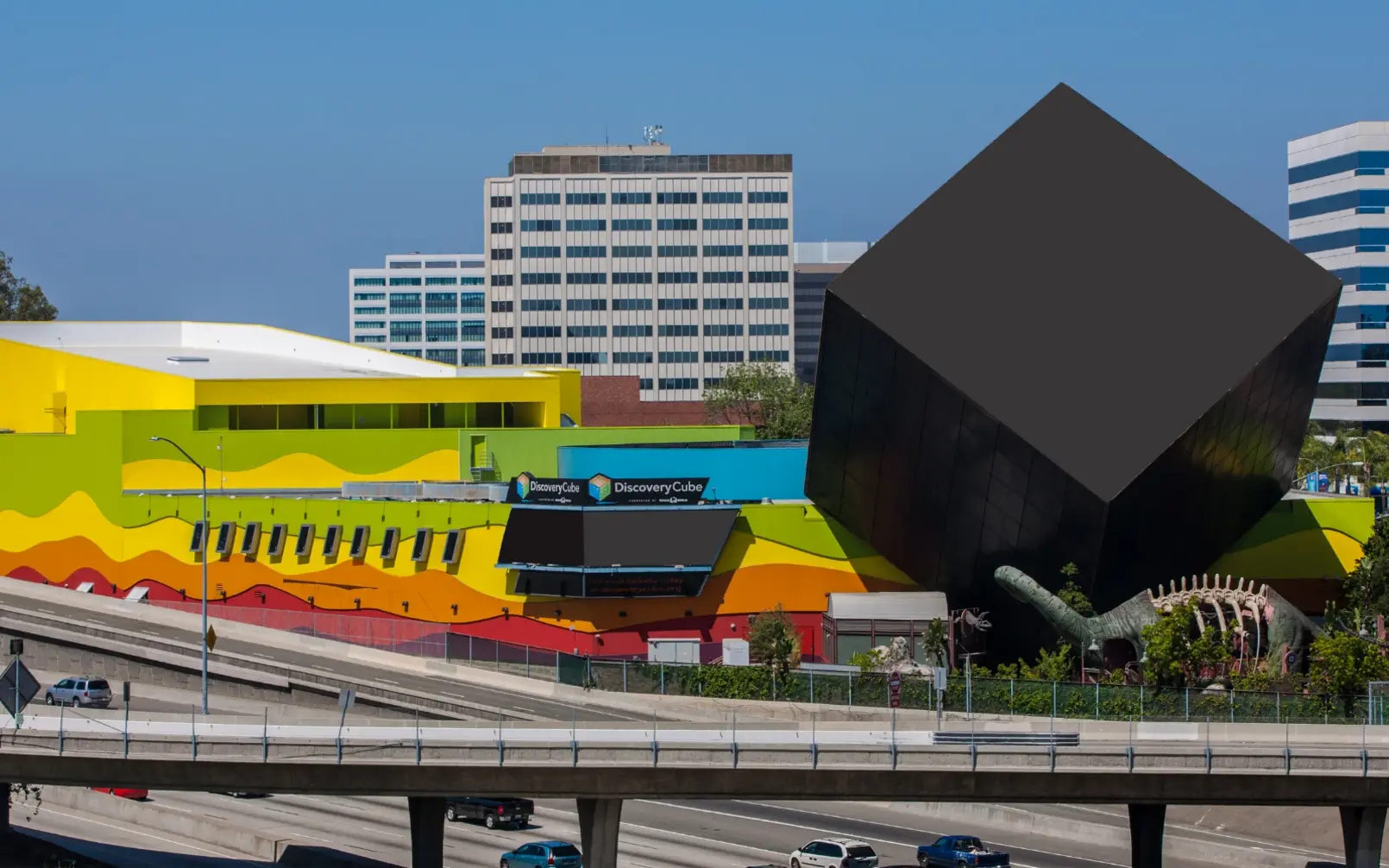
Over the decades, the Rubik’s Cube evolved into a global cultural icon. Its influence extends well beyond puzzles and competitions, entering the worlds of architecture, art, education, and popular culture. Architects drawn to minimalism and modular thinking found inspiration in its perfect proportions and efficient use of space. Buildings such as Melbourne’s Children’s Gallery, Germany’s Stuttgart City Library, and the Discovery Cube in Orange County echo the cube’s geometry, translating its logic into inhabitable form. Even the Hungarian government once envisioned a cube-shaped museum dedicated entirely to Rubik’s invention, a concept that remains unrealized yet symbolically powerful.
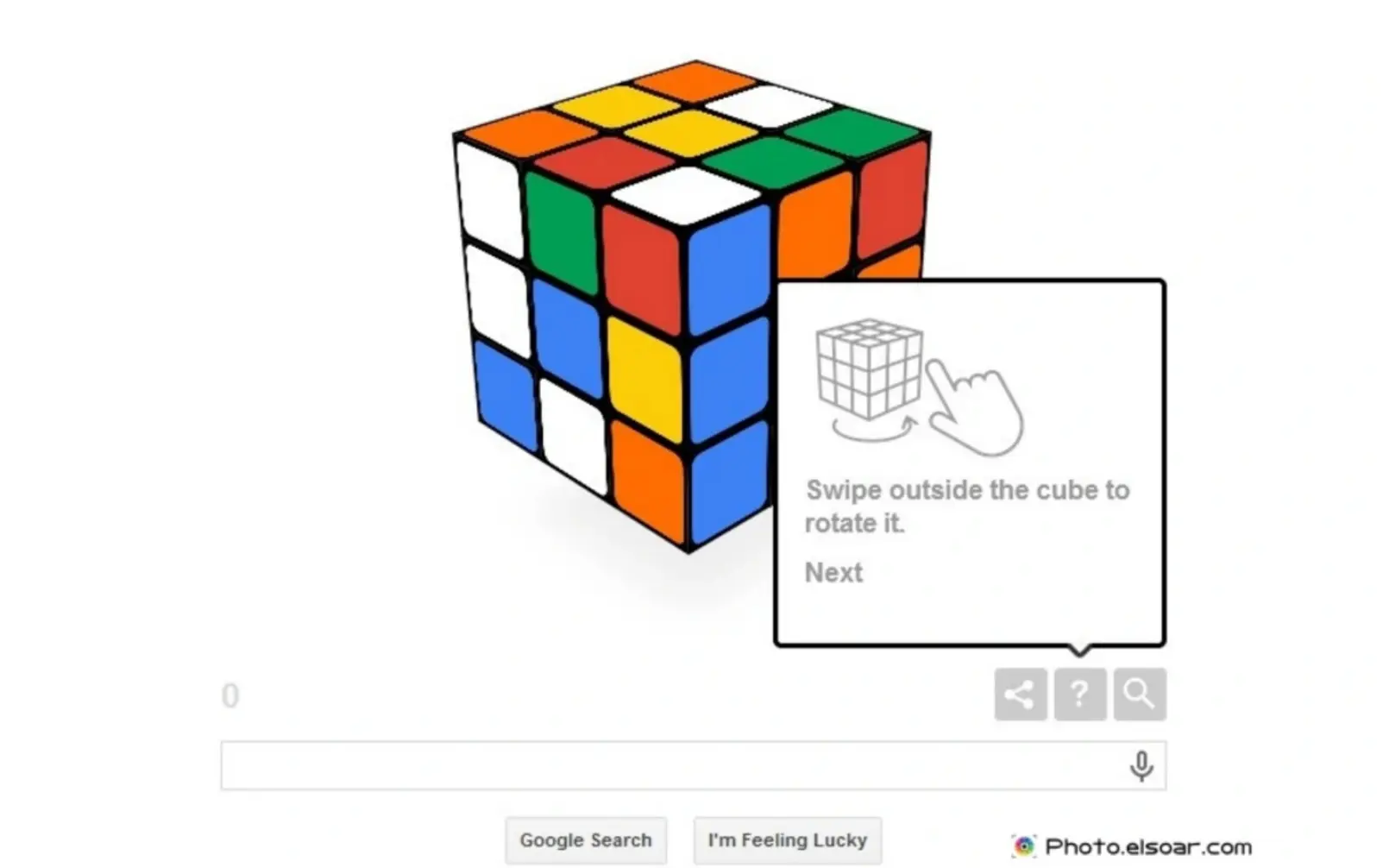
In society, the cube became shorthand for intelligence, curiosity, and perseverance. It appeared across films, television, and media as a visual metaphor for problem solving and resilience. Its presence in exhibitions reached monumental scale, including a multimillion-dollar showcase at New Jersey’s Liberty Science Center, while its status as a Google Doodle cemented its place in digital culture. Few objects have traveled so effortlessly between analog play and the virtual age.
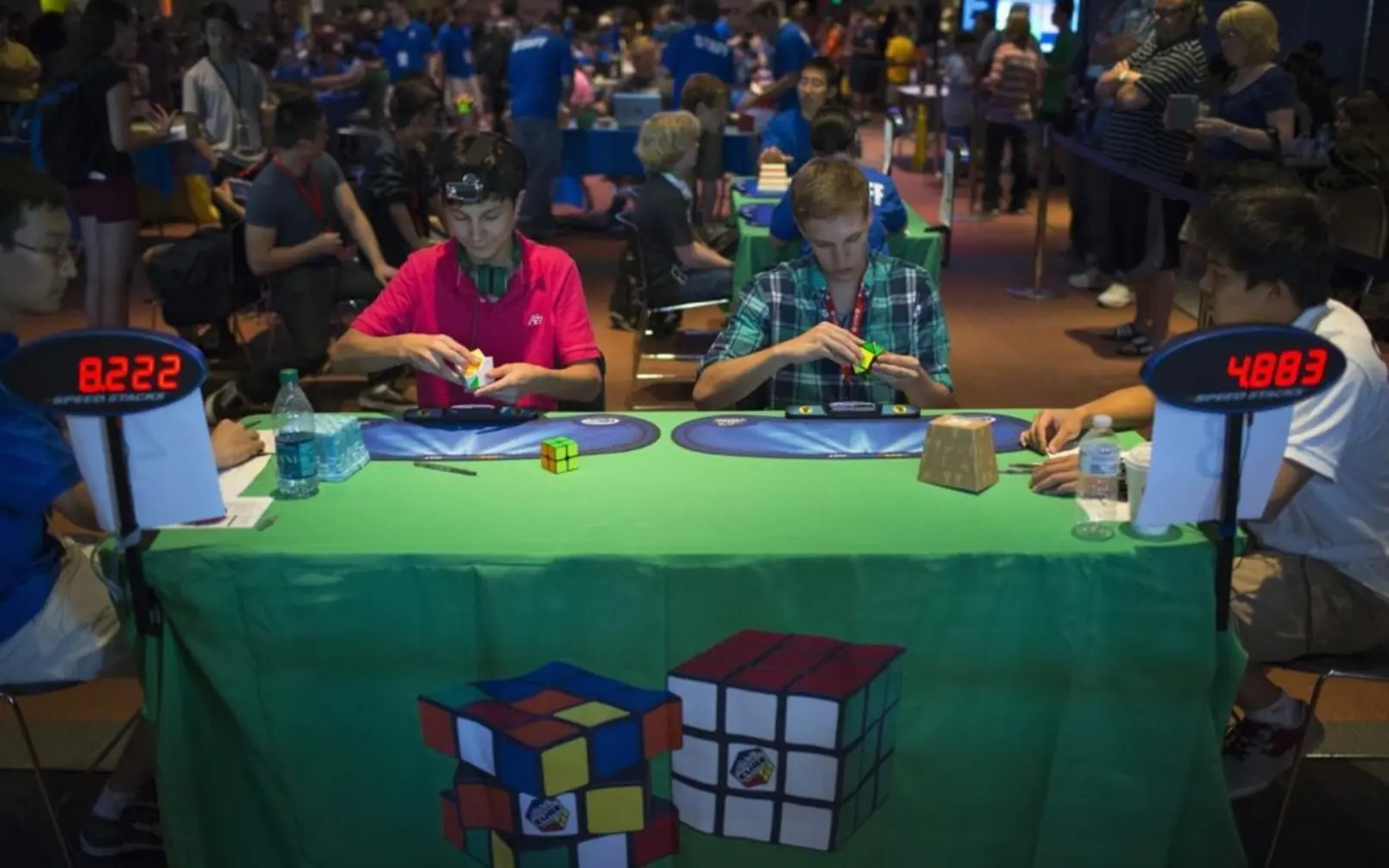
Artists embraced the cube as both material and message. Rubik’s Cube mosaics, assembled from hundreds or thousands of cubes, transform pixel-like faces into portraits and landscapes, blending precision with illusion. Designers borrowed its bold colors and clean lines for fashion, product design, and branding, while educators adopted it as a hands-on gateway to mathematics, logic, and algorithmic thinking long before STEM became a buzzword.
Today, the Rubik’s Cube symbolizes complexity with the promise of resolution. It reflects humanity’s drive to impose order on chaos through patience and insight. On January 30, its release anniversary celebrates more than a toy. It honors an object that reshaped culture, architecture, education, and the way the world thinks.