MENU
Close





November 13 marks the anniversary of the death of Luis García Berlanga, one of Spain’s most celebrated filmmakers and a master of cinematic satire.
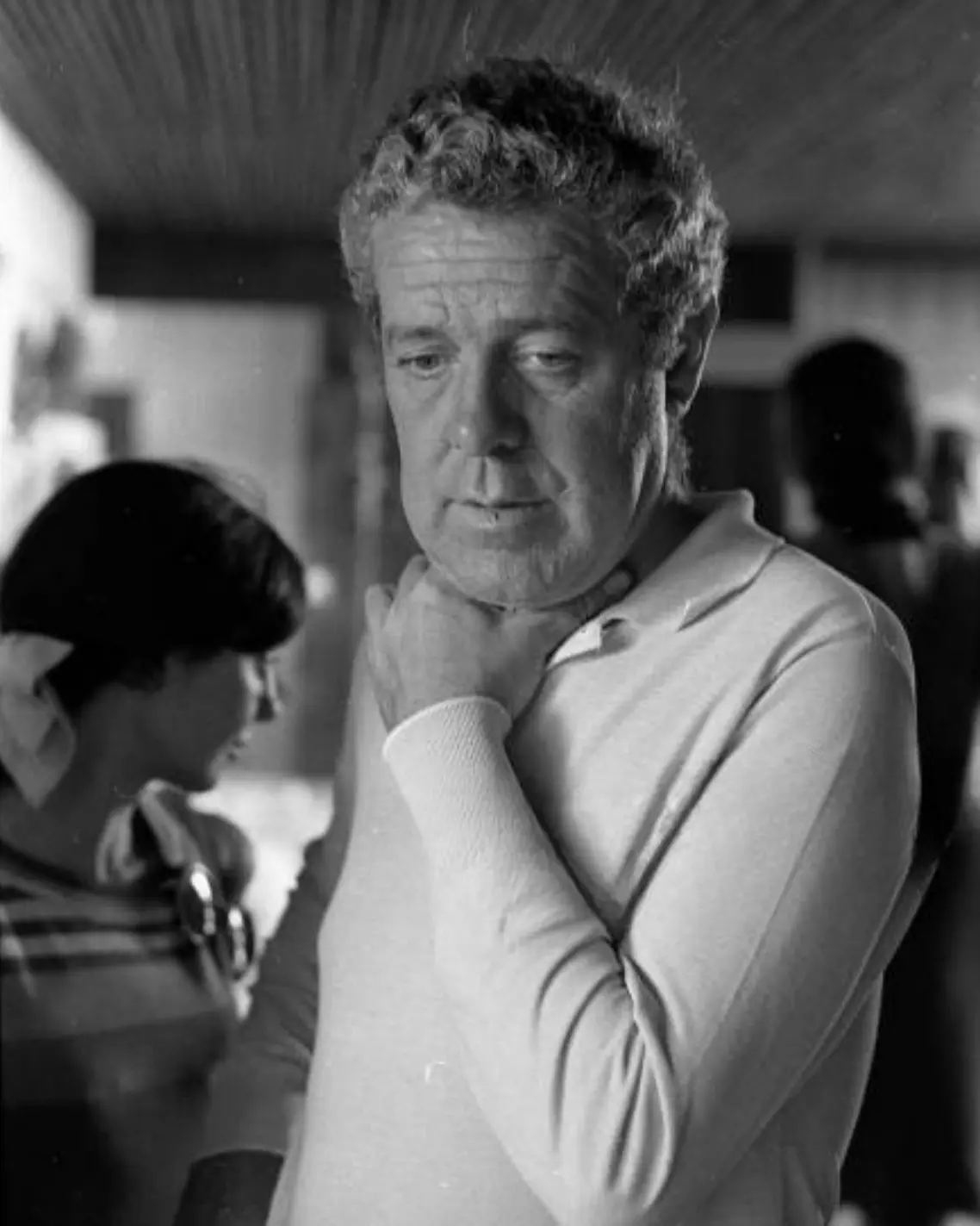
November 13 marks the anniversary of the death of Luis García Berlanga, one of Spain’s most celebrated filmmakers and a master of cinematic satire.
November 13, 2025


Born in Valencia in 1921, Berlanga initially studied law and philosophy before realizing his true calling in cinema. After serving as a volunteer with the Blue Division on the Eastern Front during World War II — an experience he later described as a grim lesson in the absurd, he returned to Spain determined to tell stories about ordinary people caught in extraordinary circumstances. Enrolling at Madrid’s Instituto de Investigaciones y Experiencias Cinematográficas, he began to refine his craft and his signature voice.
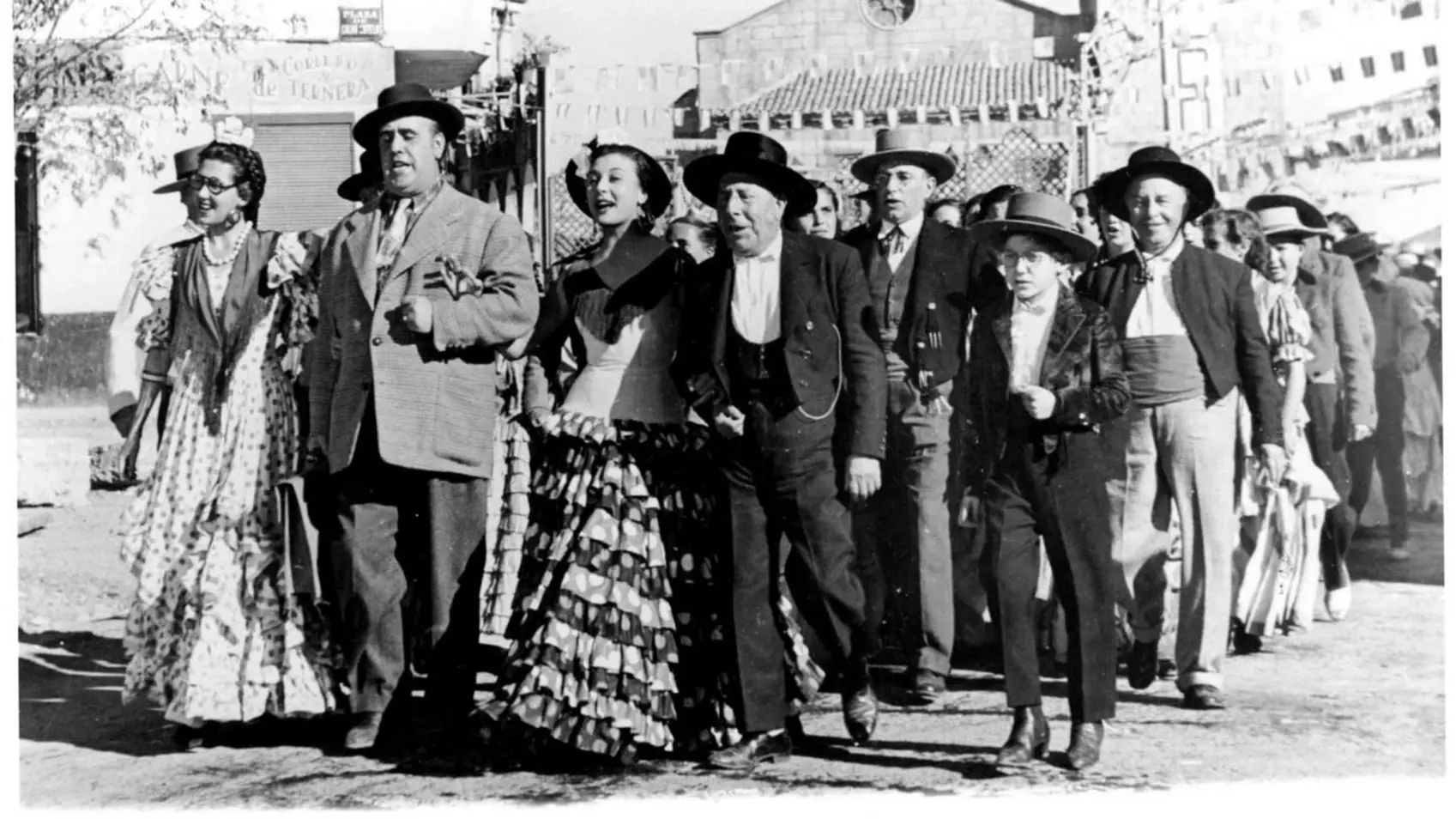
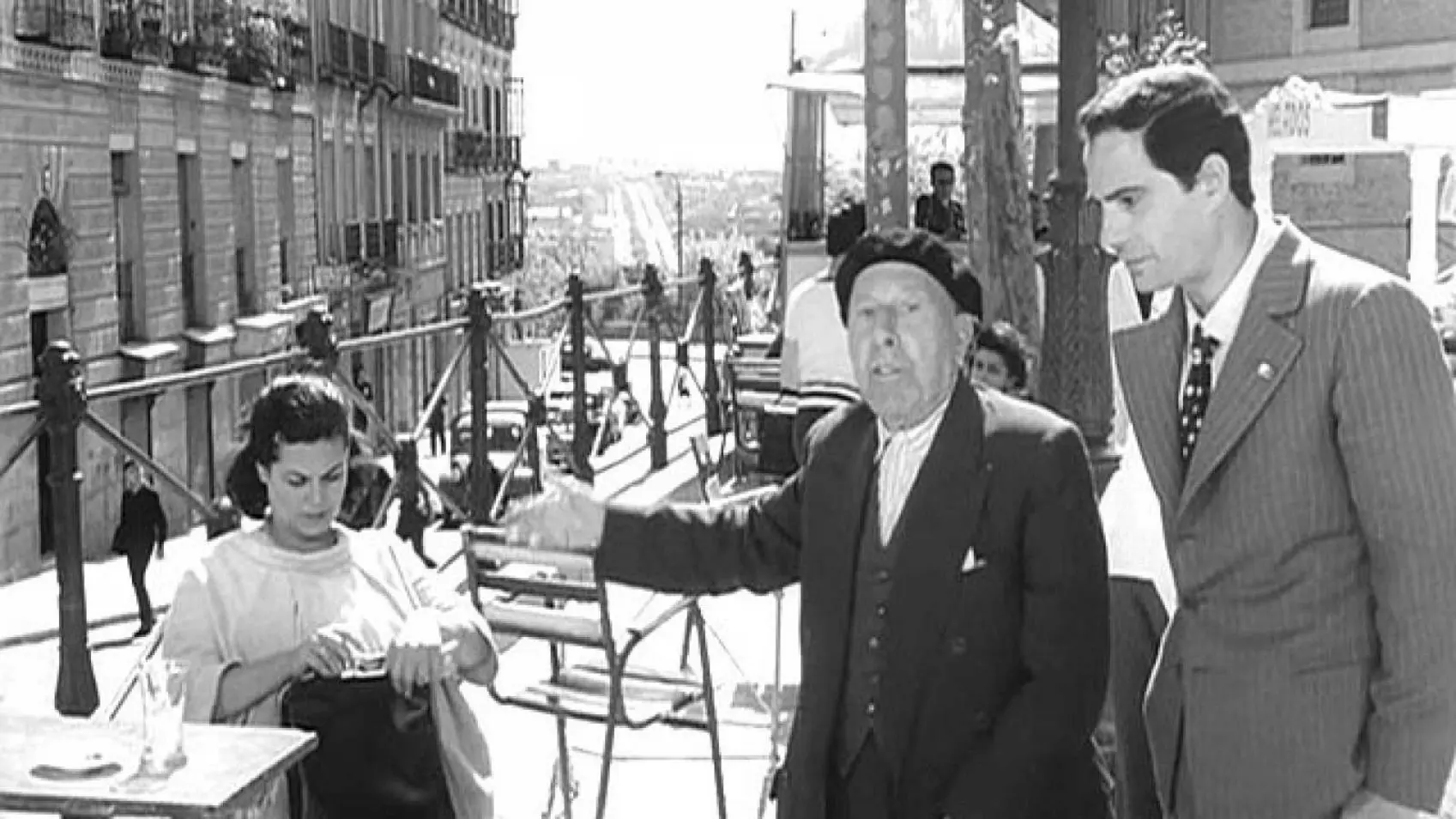
Berlanga’s breakthrough came with “Bienvenido, Mister Marshall!” (1953), a brilliantly subversive satire that lampooned Spain’s eager embrace of U.S. aid under the Marshall Plan. Disguised as a cheerful village comedy, it delivered a biting critique of false hope and cultural dependency, earning international acclaim at Cannes.
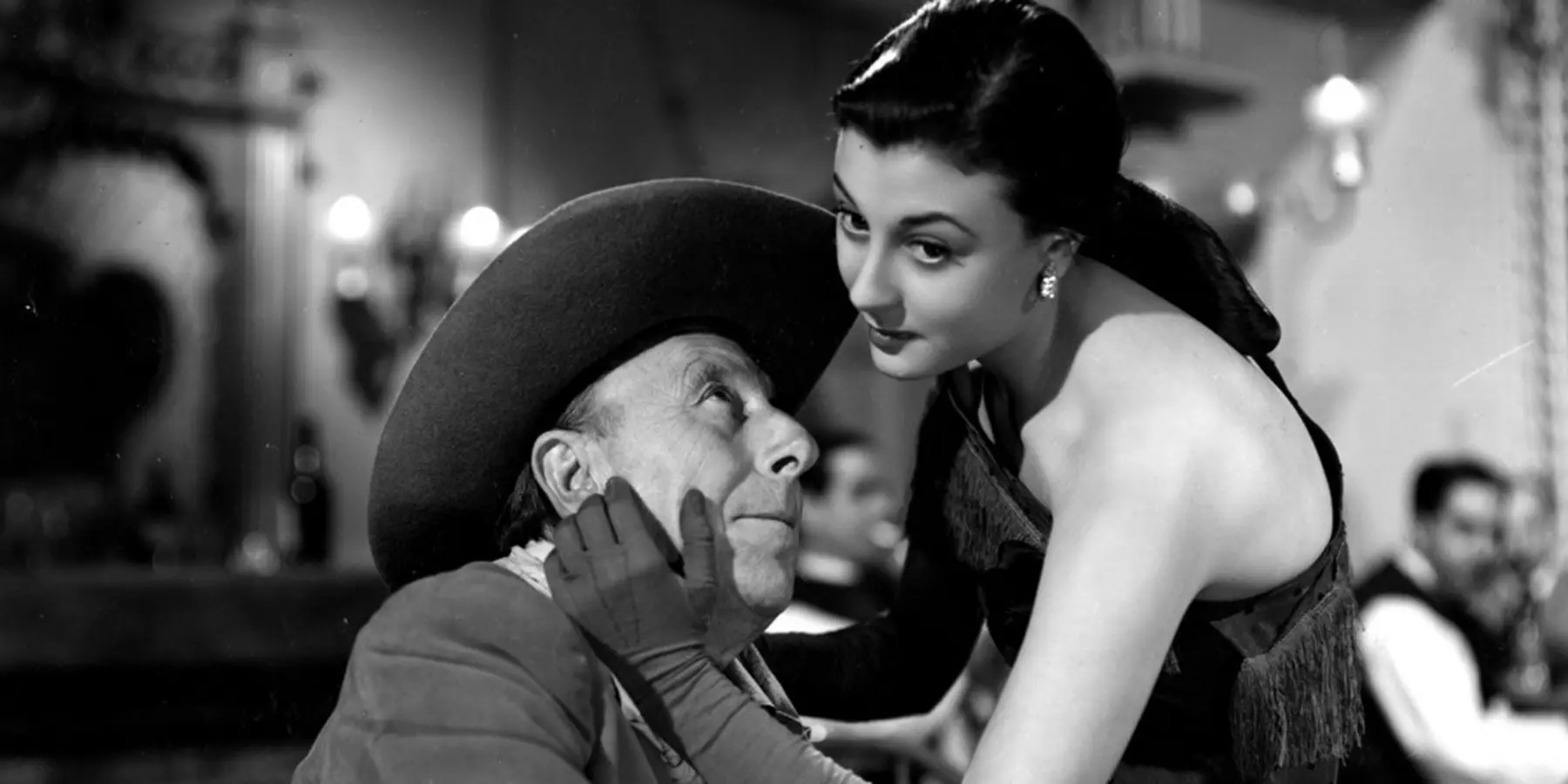
His later films, including “Plácido” (1961) and “El Verdugo” (1963), deepened his reputation for darkly comic realism. “El Verdugo,” which follows a reluctant executioner drawn into his grim profession, remains one of the most haunting anti–death penalty statements in cinema.
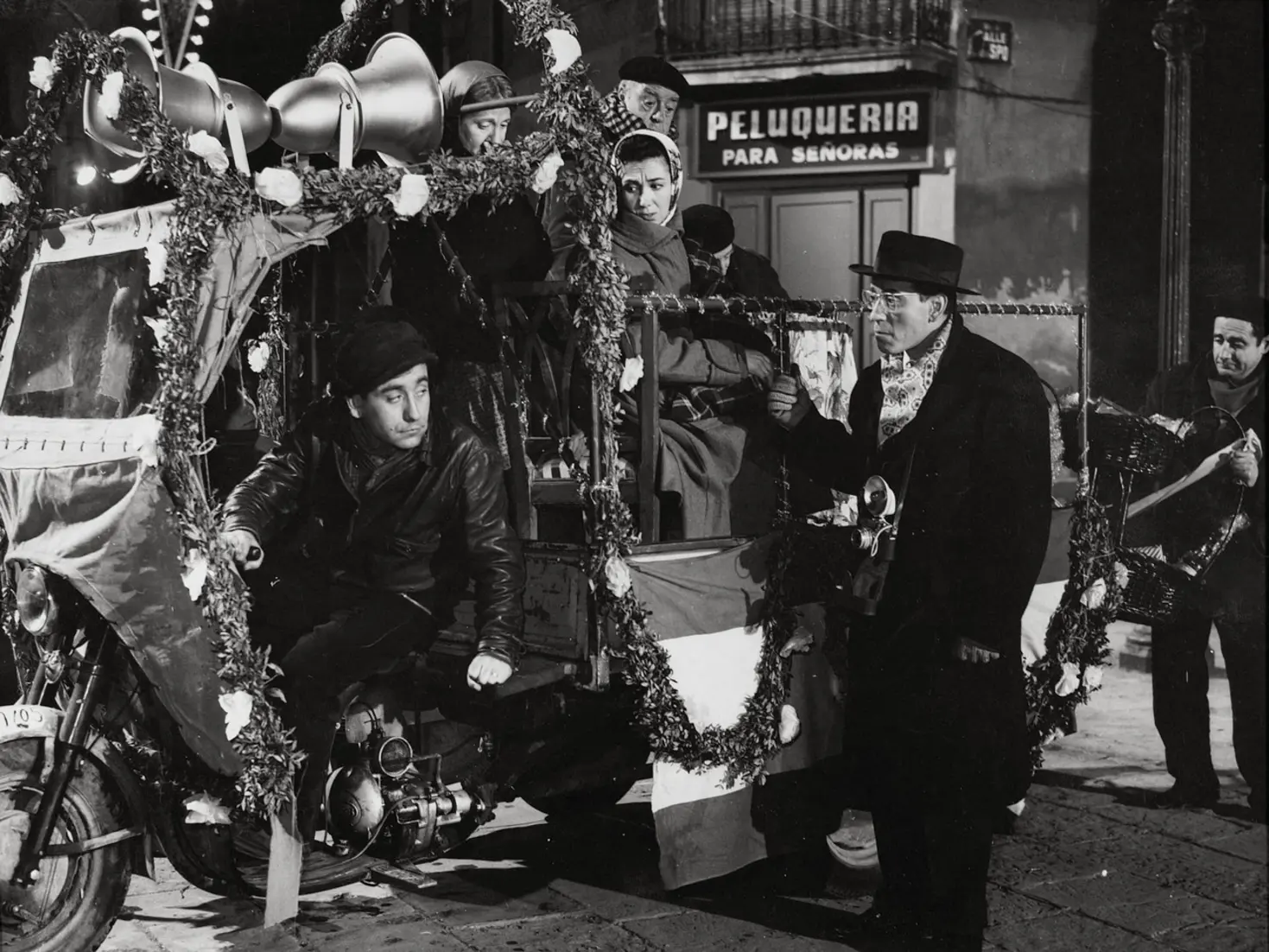
With sharp humor, sprawling ensemble casts, and love for human absurdity, Berlanga turned laughter into a tool of resistance, exposing the contradictions of Spanish society under dictatorship and beyond.
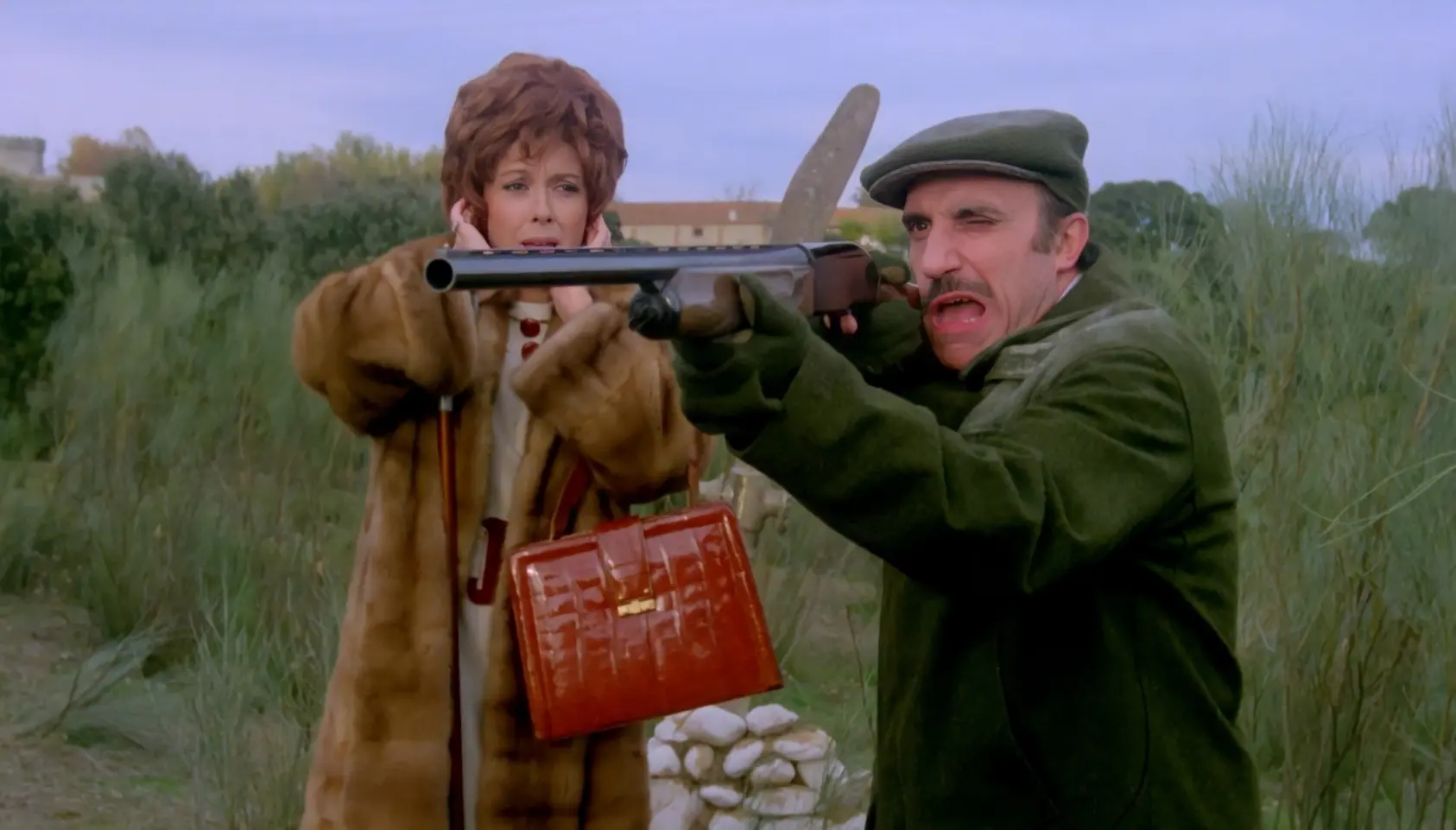
Throughout the 1970s and 1980s, Berlanga continued to dissect Spain’s evolving society through his “National Trilogy,” beginning with "La escopeta nacional" (The National Shotgun), a scathing look at corruption and class privilege during the country’s transition to democracy. His films were defined by crowded frames, overlapping dialogue, and a rhythm that mimicked the chaos of life itself.
Off-screen, Berlanga was as irreverent as his films. Known for his sardonic humor, he once quipped that if he were ever canonized, he’d be “the patron saint of chaos.” His colleagues admired him for his keen eye, quick wit, and affection for human folly.

When he passed away in 2010, Spain lost not just a filmmaker but a chronicler of its soul. His legacy endures through the Premio Berlanga, awarded annually in his home region of Valencia, and through his timeless films.