MENU
Close





On November 23, 1993, British sculptor Rachel Whiteread made art history in a way no one could have predicted.

On November 23, 1993, British sculptor Rachel Whiteread made art history in a way no one could have predicted.
November 23, 2025


In a single night, she received two awards: one the most prestigious honor an artist in Britain could hope for, the other an infamous, tongue-in-cheek anti-prize. Together, they marked a defining moment not only in her career, but also in the cultural conversation about contemporary art at the end of the 20th century.
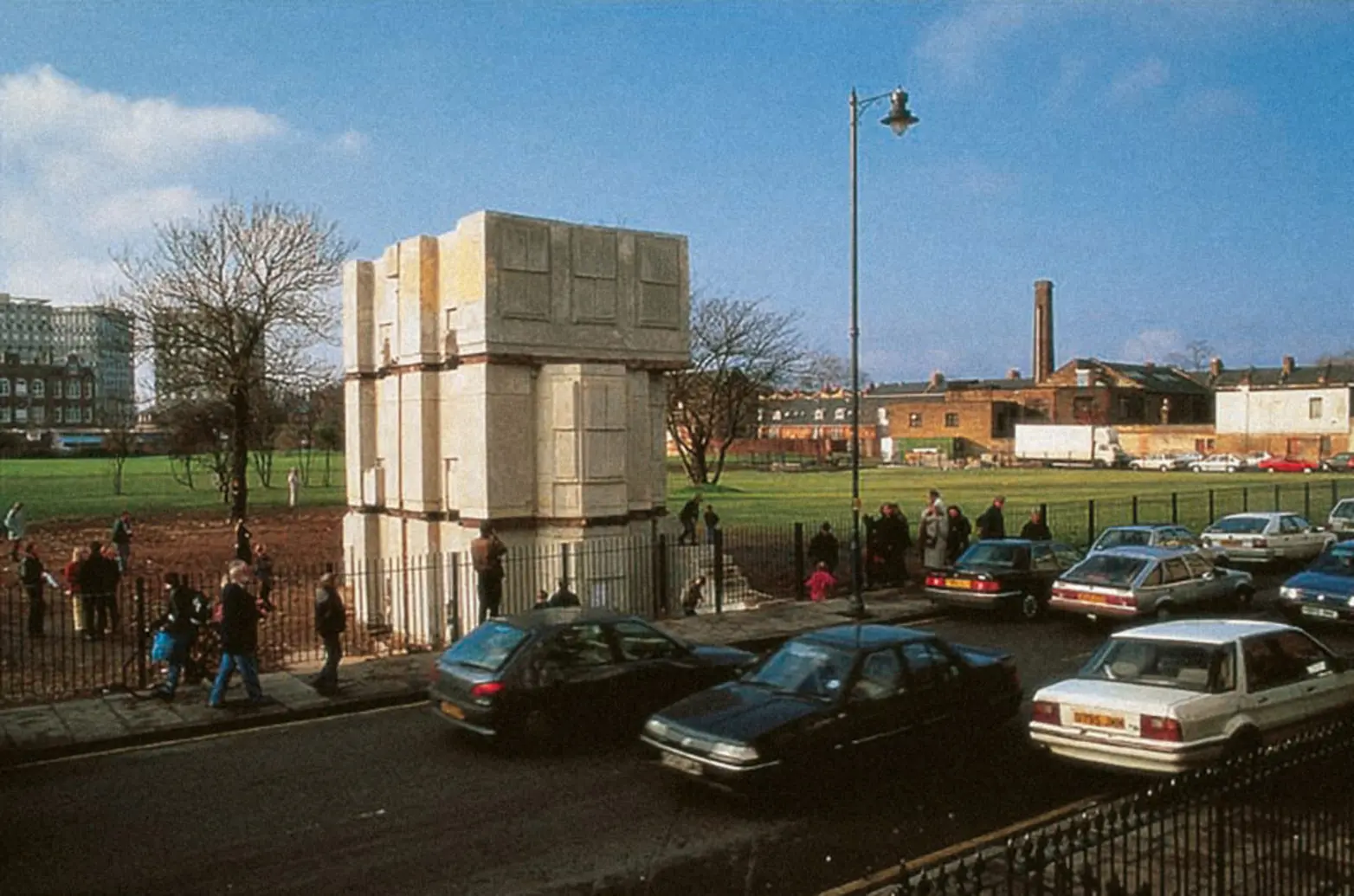
The first award was the Turner Prize, which Whiteread won for her groundbreaking public sculpture House (1993). She became the first woman ever to receive the Prize. House was an extraordinary cast of the interior of an entire Victorian terrace home in London’s East End, transforming absence into presence with monumental emotional weight. Poet Seamus Heaney praised it for revealing “a subterranean echo of all the lives once lived there.” The work was bold, architectural, and deeply humane, qualities the Turner jury recognized as reshaping the future of British sculpture.
But even as Whiteread was celebrating this milestone, another group had been preparing a very different kind of award. That same night, the K Foundation, a duo of musicians-turned-art provocateurs, announced Whiteread as the winner of their “Worst Artist of the Year” prize, a satirical award created as a direct critique of the art establishment. The amount was intentionally outrageous: £40,000, double the Turner Prize.
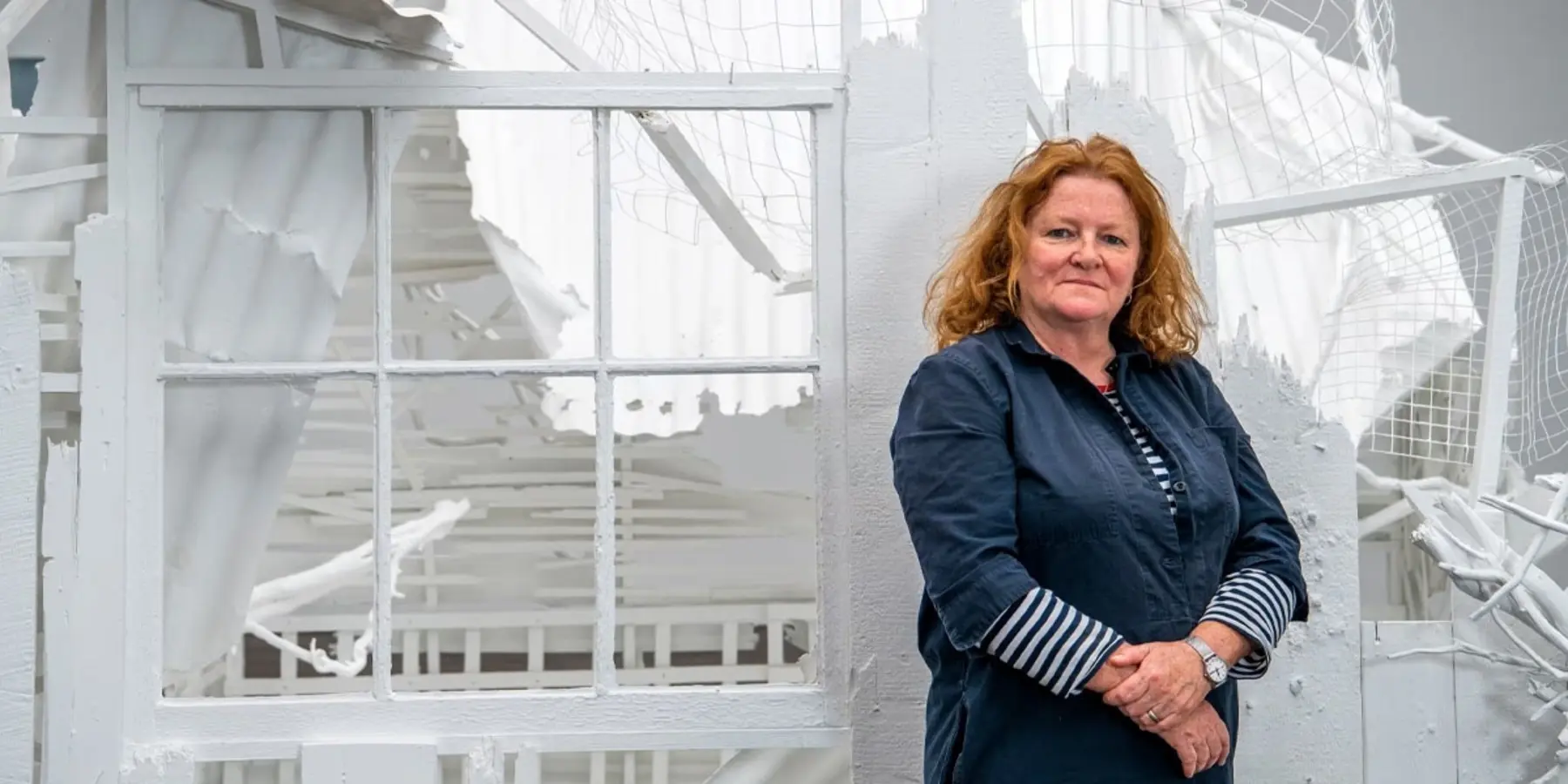
The K Foundation staged the announcement outside the Tate, transforming the event into a performance artwork of its own. Their intention was to question the meaning of value, taste, and recognition in contemporary art: how could the same artist be celebrated as the “best” and condemned as the “worst” in a matter of hours?
Whiteread accepted the Turner Prize but donated the K Foundation money to charities supporting artists and the homeless. This decision only amplified the night’s symbolism. Rather than undermining her achievement, the absurd contrast between the two awards highlighted the ambition and complexity of her practice. It made clear that her work — quiet, conceptual, structurally rigorous, was powerful enough to provoke admiration, debate, and controversy simultaneously.
Today, November 23 stands as one of the most iconic dates in contemporary art history: the night Rachel Whiteread became both the most celebrated and the most challenged artist in Britain. It was a moment that cemented her place as a sculptor capable of transforming negative space into cultural impact.