MENU
Close





On 11 February 2026, EssilorLuxottica published a line that resets the wearable conversation: Meta x EssilorLuxottica AI smart glasses sold more than 7 million units in 2025, a scale jump that moves smart eyewear from early adopter curiosity into mass consumer behavior.
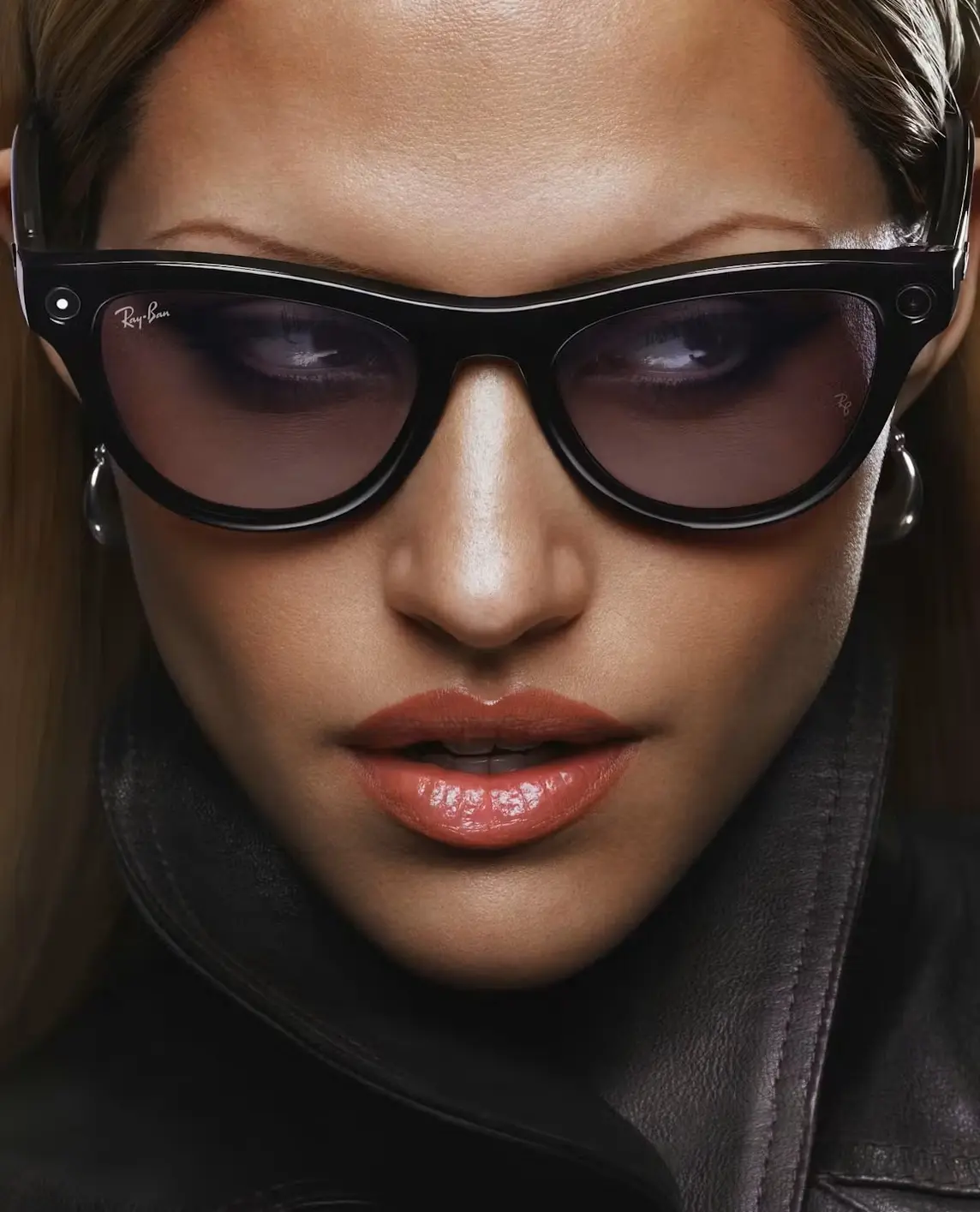
On 11 February 2026, EssilorLuxottica published a line that resets the wearable conversation: Meta x EssilorLuxottica AI smart glasses sold more than 7 million units in 2025, a scale jump that moves smart eyewear from early adopter curiosity into mass consumer behavior.
February 11, 2026


EssilorLuxottica’s numbers matter because this company sits at the center of global eyewear: brands, factories, wholesale reach, and retail doors that turn frames into everyday purchases. The record becomes clearer with the comparison point. In February 2025, EssilorLuxottica described Ray-Ban Meta at 2 million units sold since launch, a strong result for a young product line. One year later, the company’s full-year 2025 release talks about AI-glasses units sold (including Ray-Ban Meta, launched September 2023, and Oakley Meta, launched June 2025) reaching above 7 million in 2025.
What actually drove the acceleration? EssilorLuxottica’s own press materials point to the second half of 2025 as the inflection, describing a sharp pickup powered by the AI-glasses business developed with Meta. This fits the product strategy: eyewear first, technology second. The collaboration works because it uses frames people already trust, Ray-Ban for lifestyle, Oakley for sport, and adds camera, audio, and AI features as the upgrade layer.
The business context helps explain why 7 million lands as a record headline. EssilorLuxottica reported full-year revenue of €28,491 million and highlighted double-digit growth across major regions, while also acknowledging that scaling AI-glasses affects margins in the short term.
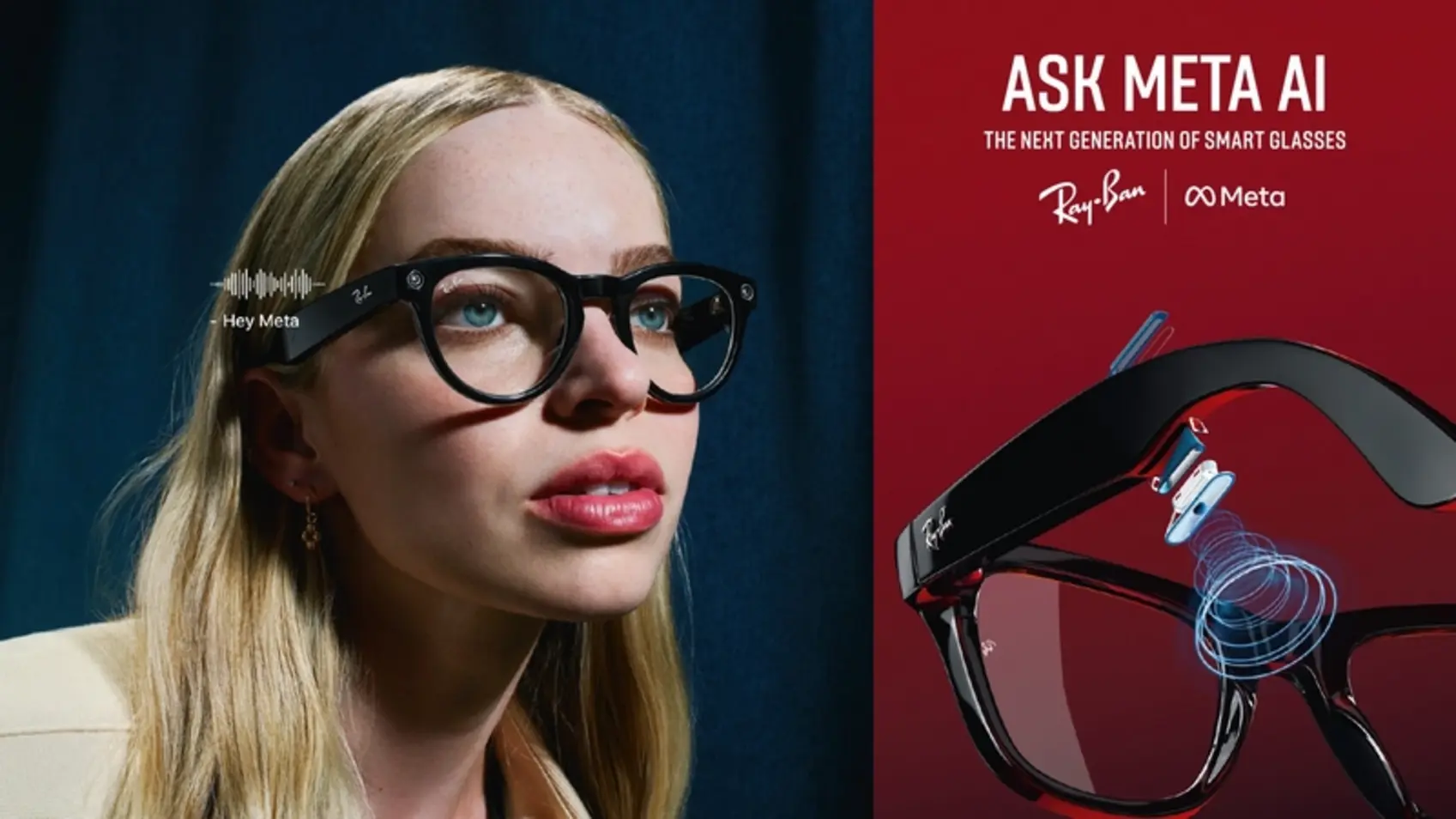
Then comes the next tell: production planning. In January 2026, Reuters reported discussions (via Bloomberg) around doubling production capacity for these glasses to 20 million units annually by the end of 2026, with even larger scenarios discussed if demand keeps climbing. Capacity conversations at this level happen when a product line looks less like a limited experiment and more like a franchise.
From a fashion and culture angle, the quiet genius here is the partnership structure. Meta brings the software gravity, voice, camera intelligence, assistant behavior. EssilorLuxottica brings the fashion legitimacy and the logistics: fit, comfort, optics know-how, retail placement, and the habit loop of buying eyewear as a seasonal refresh. When those two systems sync, wearable AI stops feeling like a future concept and starts reading like a product class consumers already understand. So this date stands as a clean timestamp: the day Meta x EssilorLuxottica AI smart glasses gained a credible sales receipt at global scale. The next chapter is more about shaping what people expect from the category, battery life, privacy norms, design breadth, and whether smart eyewear becomes a daily default in the way wireless earbuds did.