The March 2, 2026, ruling by the UK Court of Appeal marks the end of a years-long "toxic" dispute between the firm’s principal, Patrik Schumacher, and the Zaha Hadid Foundation. In this significant legal development, Zaha Hadid Architects (ZHA) has officially won the legal right to change its name or renegotiate the terms of its branding.
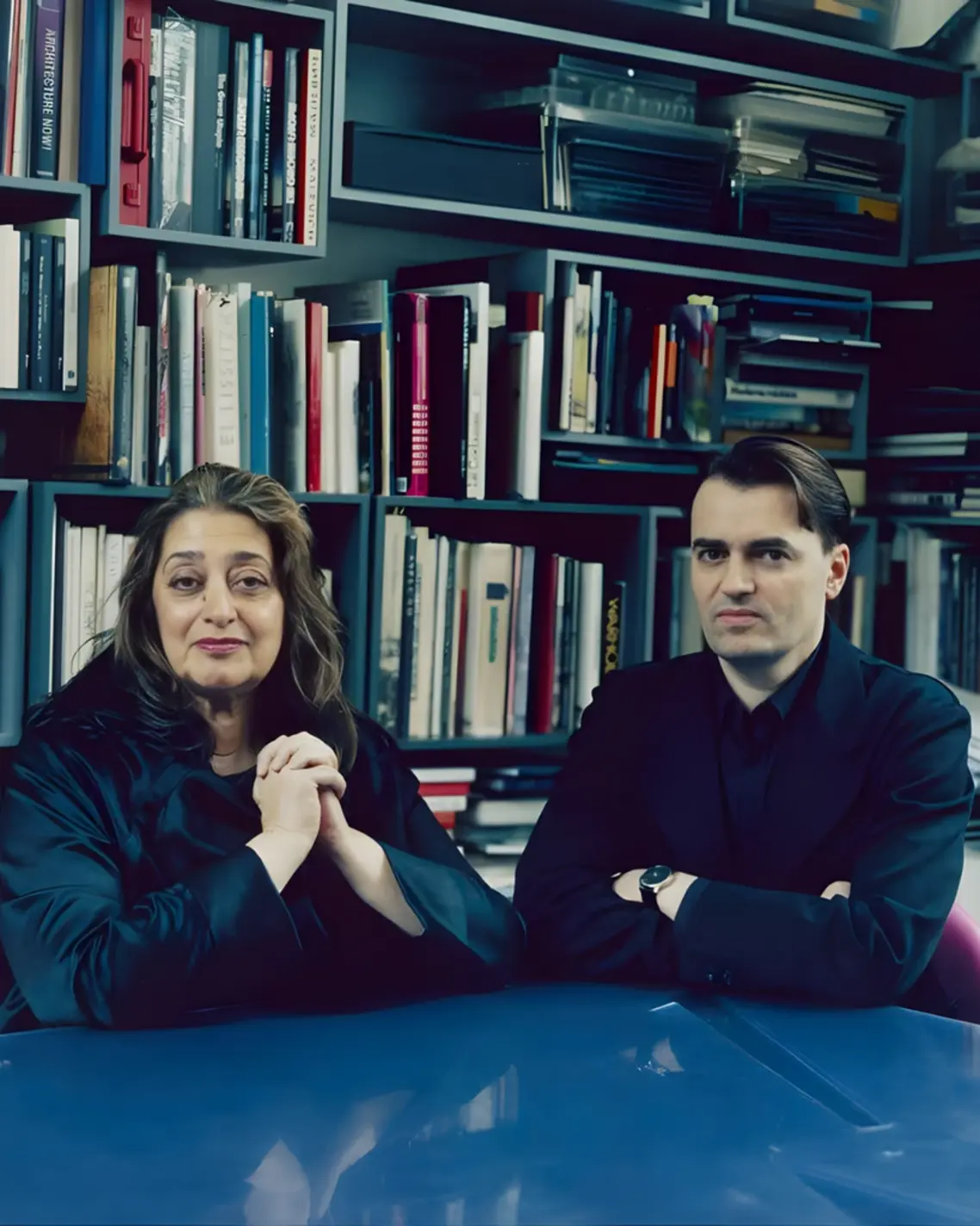
Zaha Hadid Architects Wins the Right to Rewrite Its Brand
The March 2, 2026, ruling by the UK Court of Appeal marks the end of a years-long "toxic" dispute between the firm’s principal, Patrik Schumacher, and the Zaha Hadid Foundation. In this significant legal development, Zaha Hadid Architects (ZHA) has officially won the legal right to change its name or renegotiate the terms of its branding.
March 2, 2026


On March 2, 2026, the UK Court of Appeal handed down a decision that may reshape one of architecture’s most powerful names: the practice operating as Zaha Hadid Architects can now terminate or renegotiate the trademark licence that has bound it to the “Zaha Hadid” brand for over a decade.
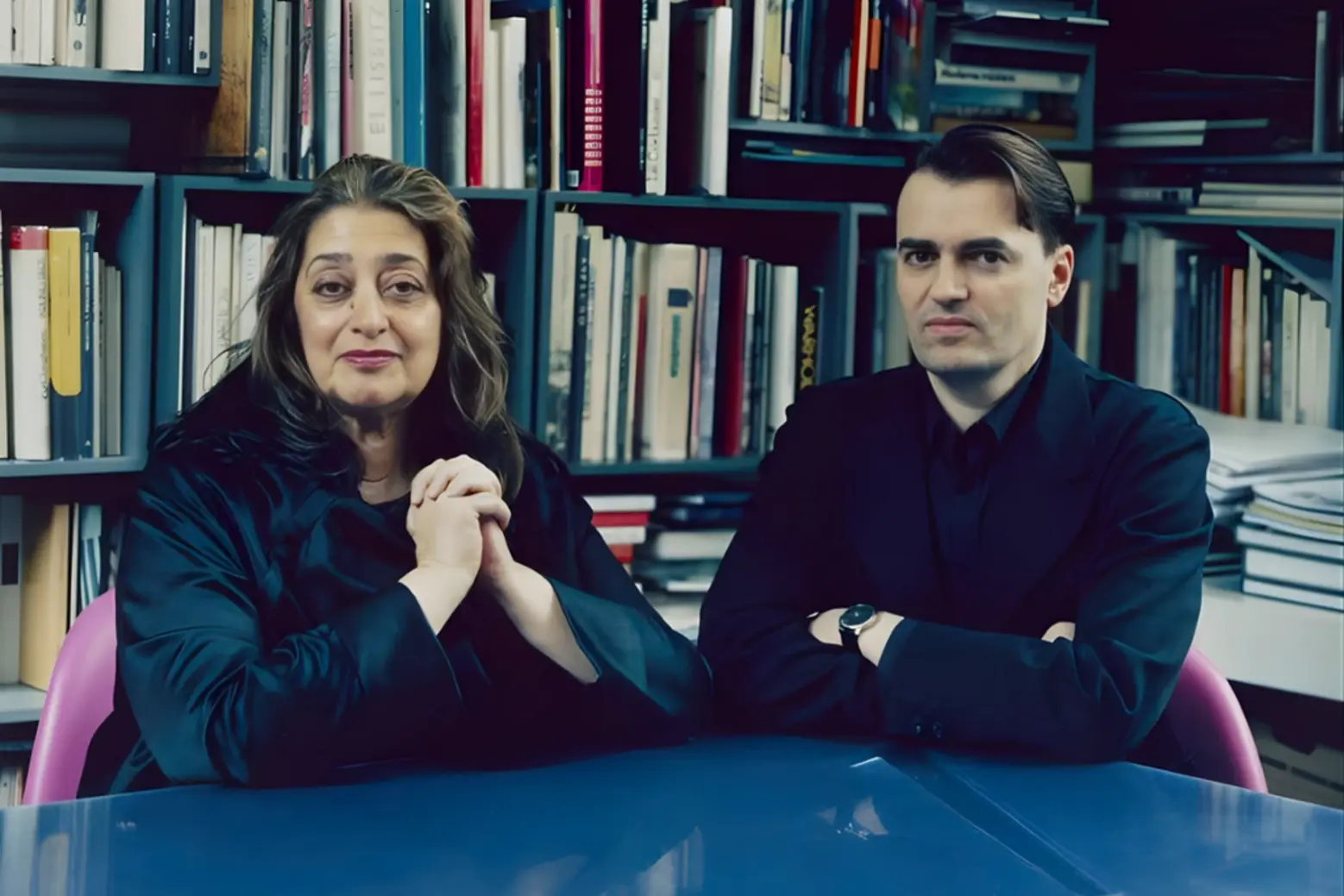
At the heart of the dispute sits a trademark licence agreement dated 1 May 2013 (signed in 2014), created when Dame Zaha Hadid was alive and closely involved in the practice. The licence granted the company ongoing use of the “Zaha Hadid” marks in exchange for a royalty of 6% of “Net Income” for licensed services. Over time, the arrangement became a flashpoint between the studio’s principal, Patrik Schumacher, and the Zaha Hadid Foundation, the entity established to preserve Hadid’s work and legacy.
The legal fight largely hinged on a deceptively simple word: “indefinitely.” A High Court ruling in 2024 treated the deal as effectively perpetual unless the Foundation ended it. The Court of Appeal reversed course, drawing a sharp line between an agreement that lasts “indefinitely” and one intended to run “for ever.” In the judgment, Sir Colin Birss stressed that binding a living, evolving business to a founder’s identity a century from now could become “so detrimental to the brand” that it would make little commercial sense.
Financially, the stakes are enormous. Reporting around the case says the practice paid more than £21.4 million in royalties since 2018, while revenues grew significantly, reaching about £69 million in 2023.
What happens next remains a strategic choice. The ruling opens two paths: Zaha Hadid Architects can either renegotiate a lower-fee licence while keeping the name, or pursue a full rebrand to exit payments entirely, a high-risk move for a global “starchitect” label. Either way, the moment lands as the firm invests in a future defined less by memorial and more by method, including data and AI work through ZHAI, its analytics and insights unit.