MENU
Close





On 13 February 2026, Skate Canada published the clearest proof that fashion and elite sport only overlap when craft is willing to do the hard work: Deanna Stellato-Dudek stepped onto competition ice in two custom Oscar de la Renta dresses.
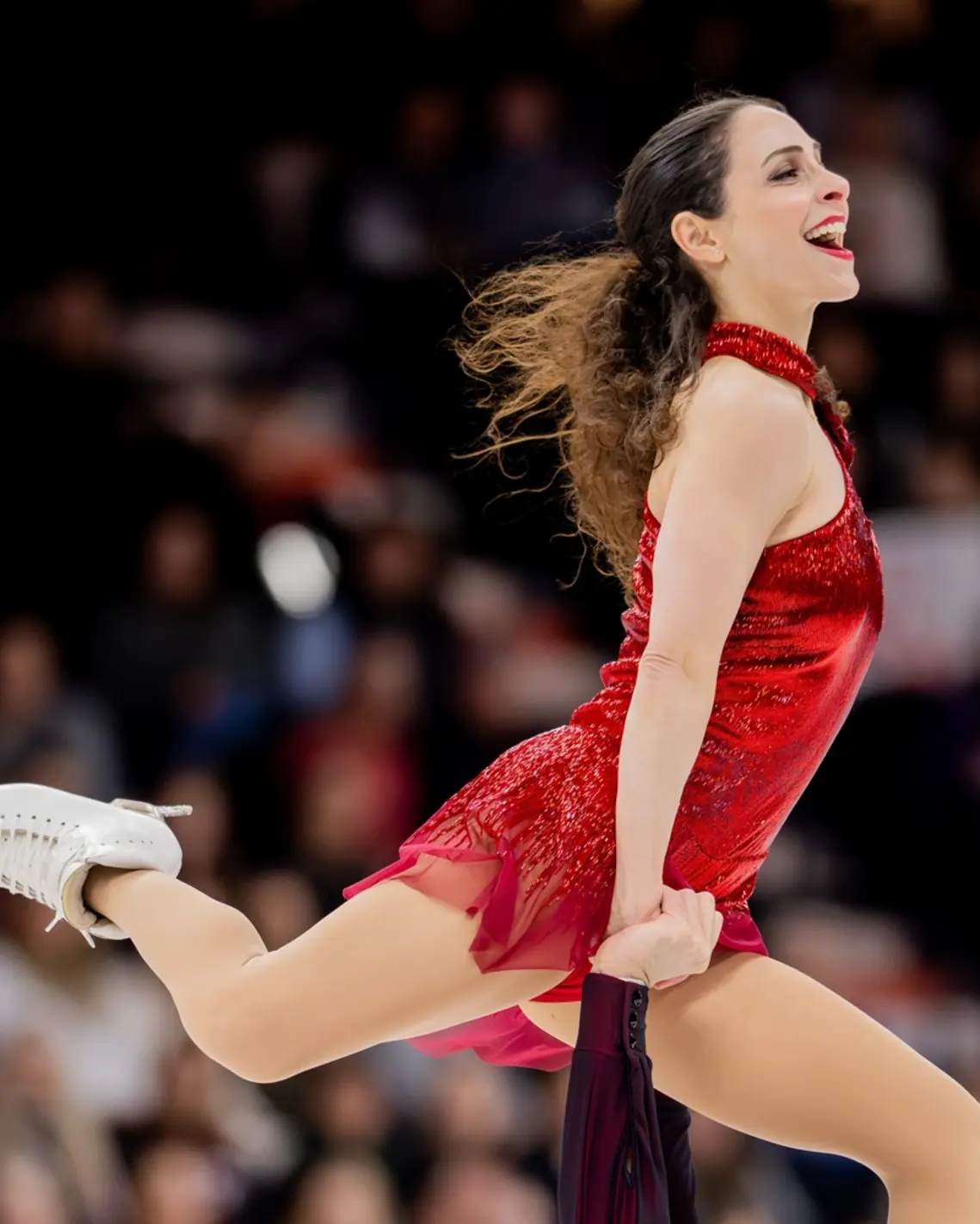
On 13 February 2026, Skate Canada published the clearest proof that fashion and elite sport only overlap when craft is willing to do the hard work: Deanna Stellato-Dudek stepped onto competition ice in two custom Oscar de la Renta dresses.
February 13, 2026


Oscar de la Renta dressing a skater sounds like styling until you look at the constraints. Figure-skating costumes operate like equipment: they stretch through throws and lifts, hold shape under speed, and keep every embellishment locked down. The International Skating Union’s dress code also sets a tight aesthetic boundary around modest, dignified, appropriate for athletic competition, which means the design has to read as elevated while still behaving like performance gear.
Skate Canada’s feature makes the collaboration concrete: two looks, two programs, two different engineering problems solved in couture language. The short program dress is described as a hand-beaded gold sheath designed to move cleanly through spins, throws, and lifts. The free skate look shifts into a cherry one-shoulder dress, built for visibility and motion on camera while staying secure during pairs elements. Both dresses arrived in time to debut at Canadian Nationals in Gatineau in early January 2026, which matters because a competition costume needs real ice testing, not studio approval.
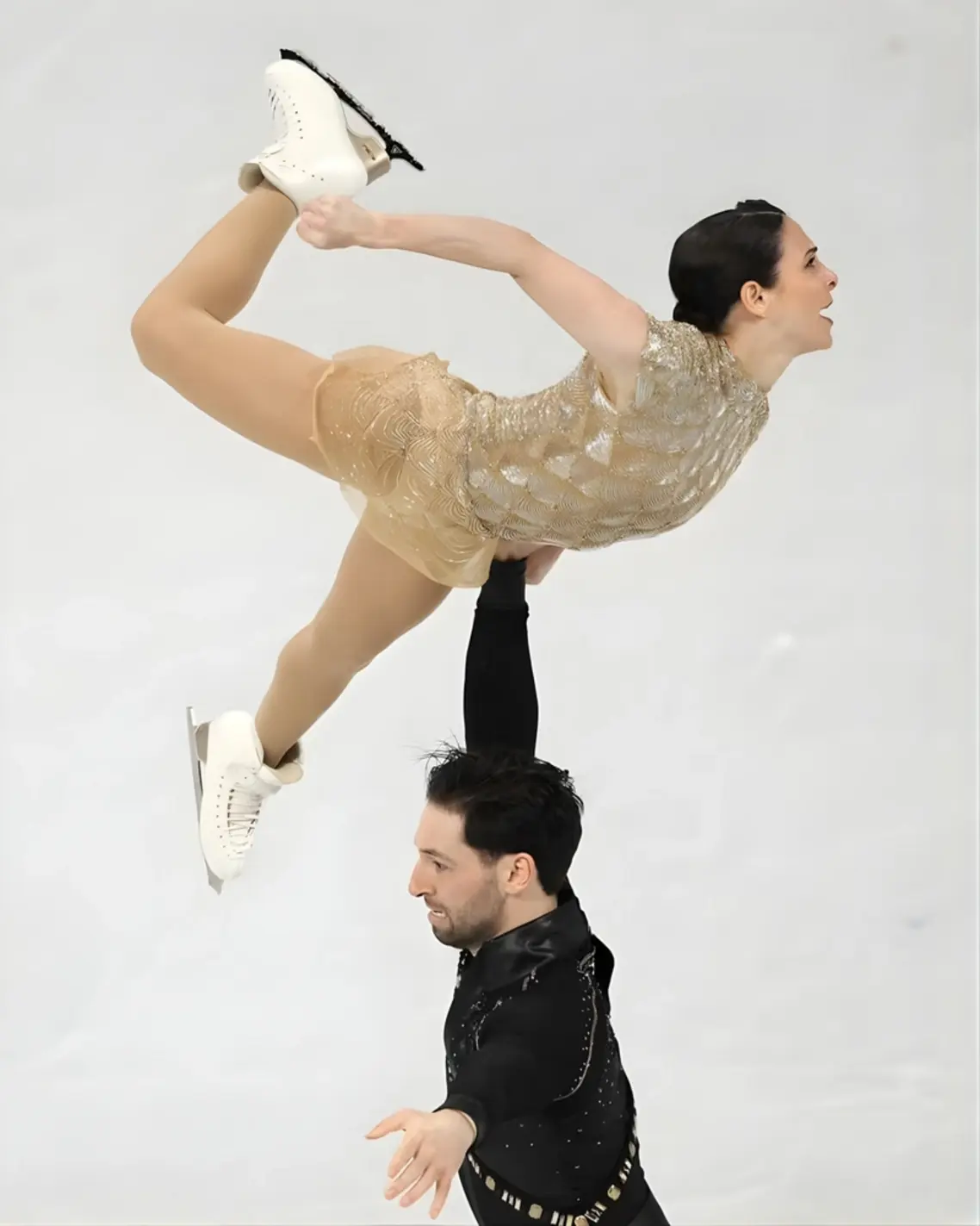
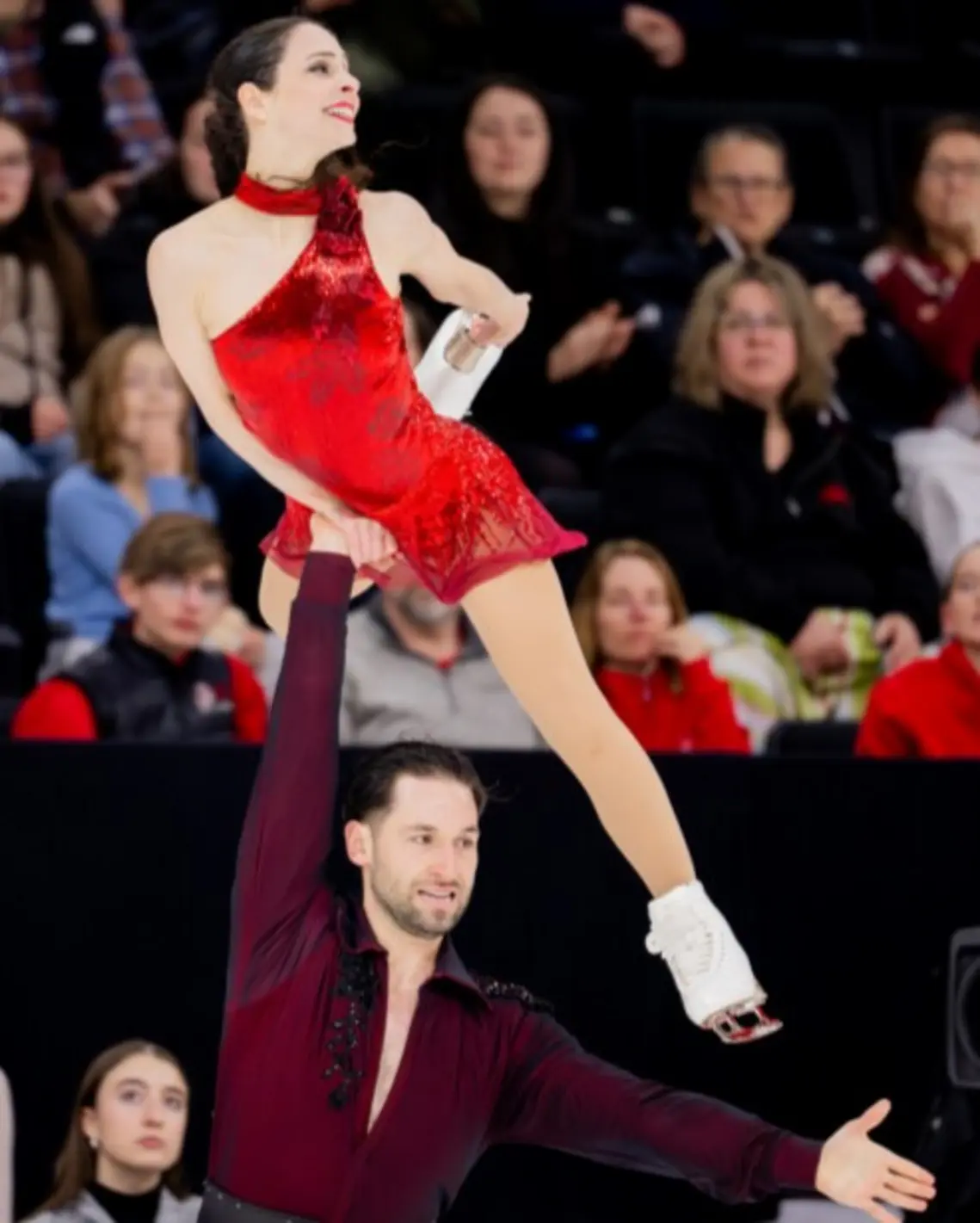
Behind the scenes, the work required multiple versions plus travel for fittings, with the total investment estimated around $50,000. It also reported a strict weight target (each look under a pound) and a design debate that explains why big houses usually stay away: the team wanted a refined finish, yet every technique had to account for thread stress, impact, and the risk of any embellishment becoming ice debris during competition.
So why do luxury empires with massive resources, including groups like LVMH, usually choose Olympics visibility through sponsorships, ceremonies, and brand moments rather than dressing figure skaters for competition? Because the Olympic stage rewards scale and clarity, while skating costumes demand specialization and carry performance risk. Competition costumes, by contrast, deliver a tiny product volume, intense labor per piece, and a narrow margin for technical error, exactly the opposite of what conglomerates optimize for.
Oscar de la Renta leaned into the hard version of fashion at the Olympics, and Deanna Stellato-Dudek gave it the right narrative vehicle: a champion with a late-career peak and a pairs discipline that makes every costume decision public through lifts, grips, and impact. The result became one of the Games’ clearest style stories, because it respected the sport’s terms first and used couture as the finishing layer.