MENU
Close





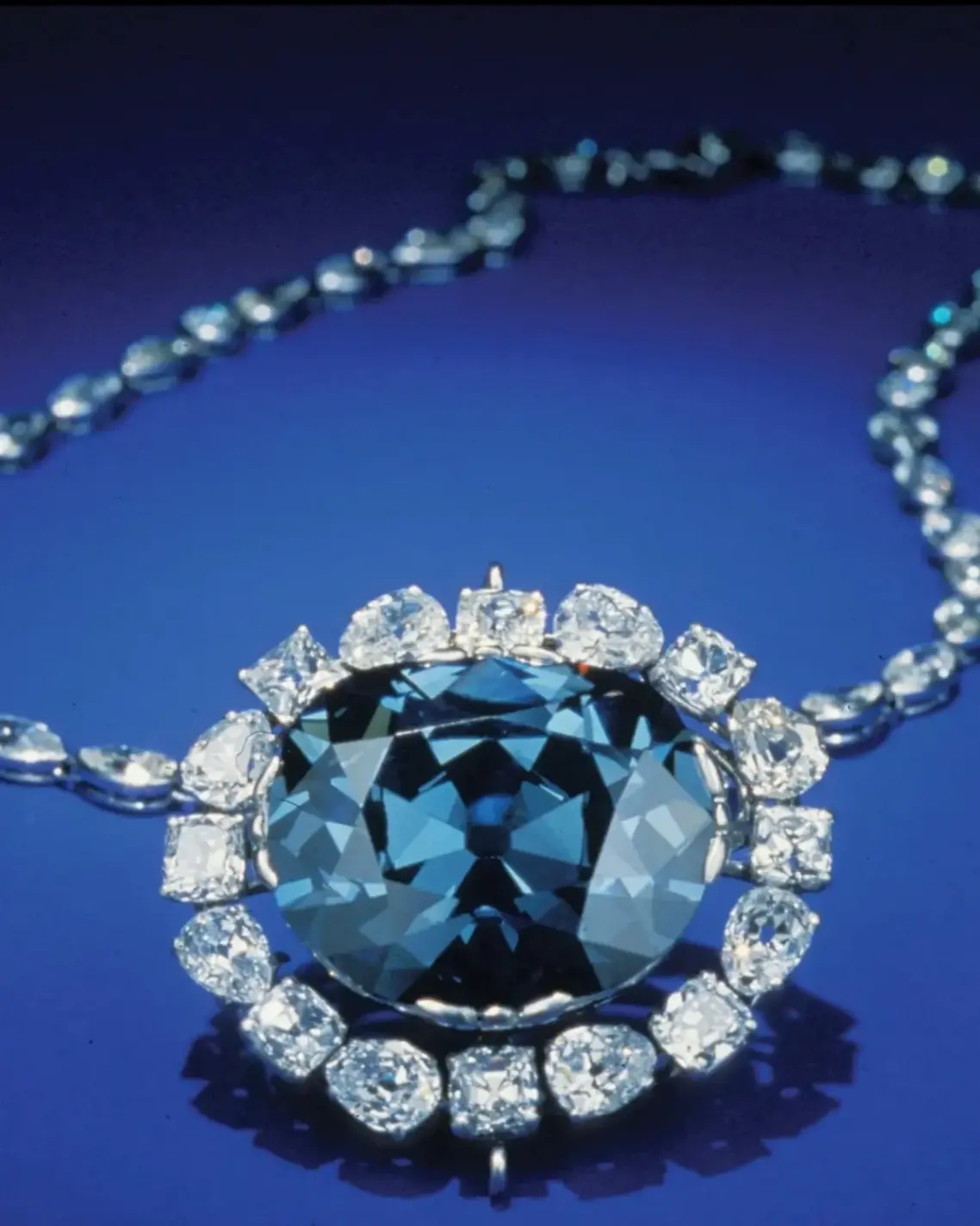
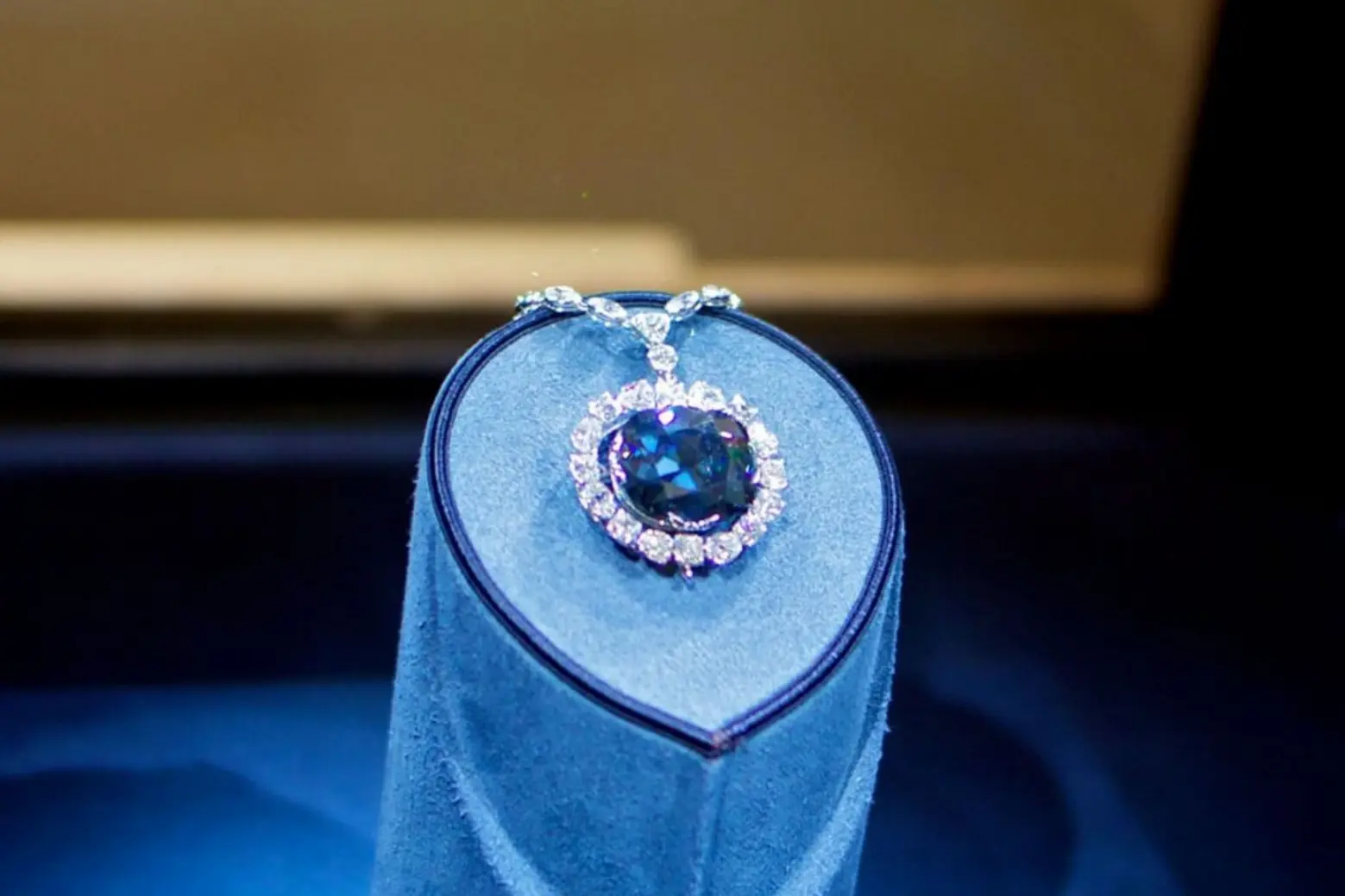
On November 8, 1958, one of the most valuable objects on Earth was not transported by armored truck, elite security detail, or private jet. Instead, the 45.52-carat Hope Diamond was tucked into a plain brown paper-wrapped box and sent through the United States Postal Service.
On November 8, 1958, one of the most valuable objects on Earth was not transported by armored truck, elite security detail, or private jet. Instead, the 45.52-carat Hope Diamond was tucked into a plain brown paper-wrapped box and sent through the United States Postal Service.
January 26, 2026


The "King of Diamonds," Harry Winston, had decided to donate the legendary blue gem to the Smithsonian Institution to help establish a national gem collection. His reasoning for using the mail was surprisingly practical: he trusted the Post Office. "It’s the safest way to mail gems," Winston famously remarked, noting he had sent precious stones across the globe using the same method for years.
The logistics of the mailing remain a marvel of postal history. Winston sent the package via Registered First-Class Mail from New York City. The total cost of the transaction was a mere $145.29. This included: $2.44 for the actual postage, $142.85 for $1 million worth of insurance (a fraction of its true value even then).
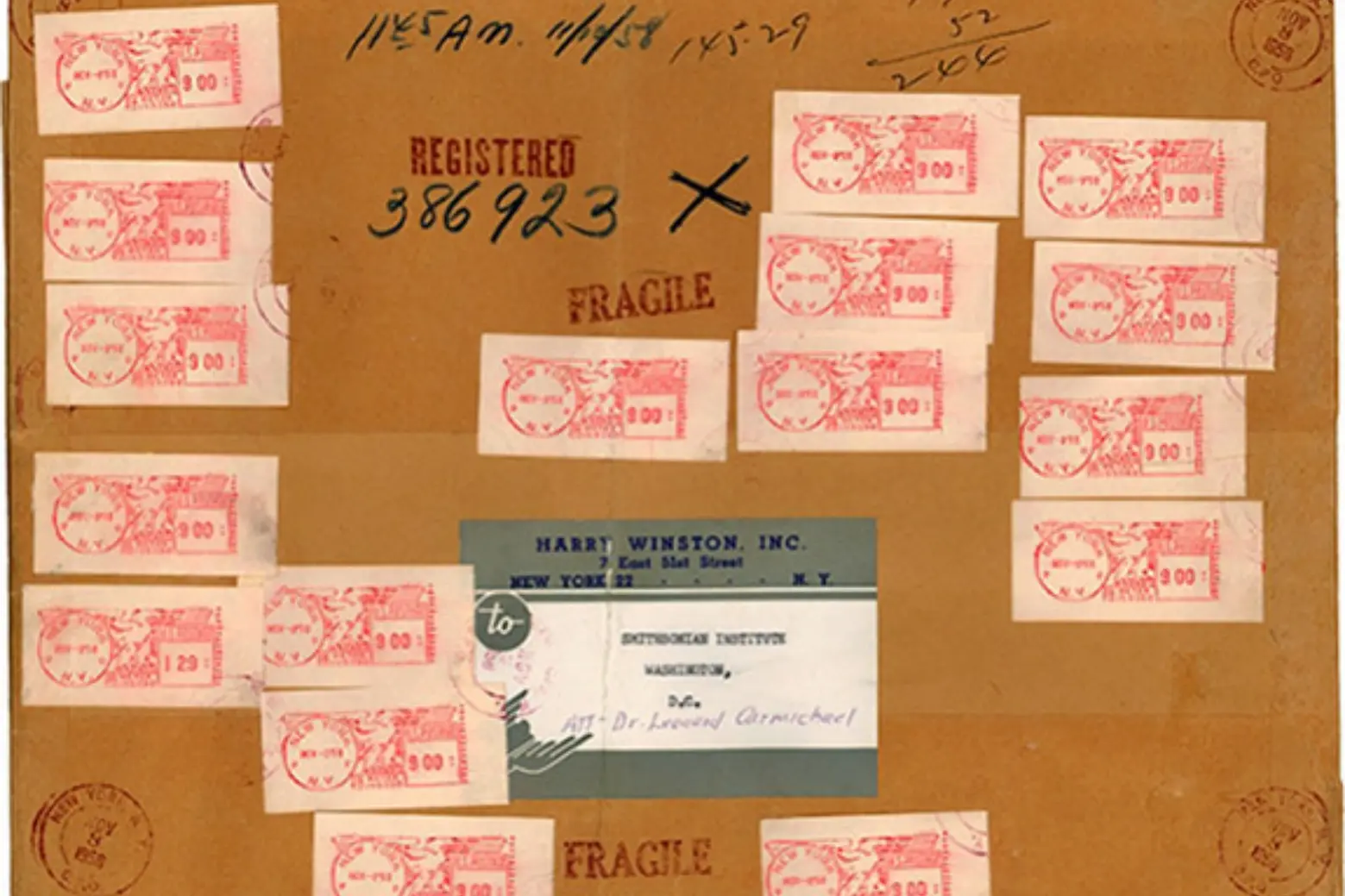
The unassuming package arrived in Washington, D.C., on November 10, 1958. It was delivered by mail carrier James G. Todd, who handed the brown parcel directly to Leonard Carmichael, the Secretary of the Smithsonian. While the diamond itself became the centerpiece of the National Museum of Natural History, the original mailing wrapper (plastered with $2.44 in stamps) is now a prized artifact at the National Postal Museum.
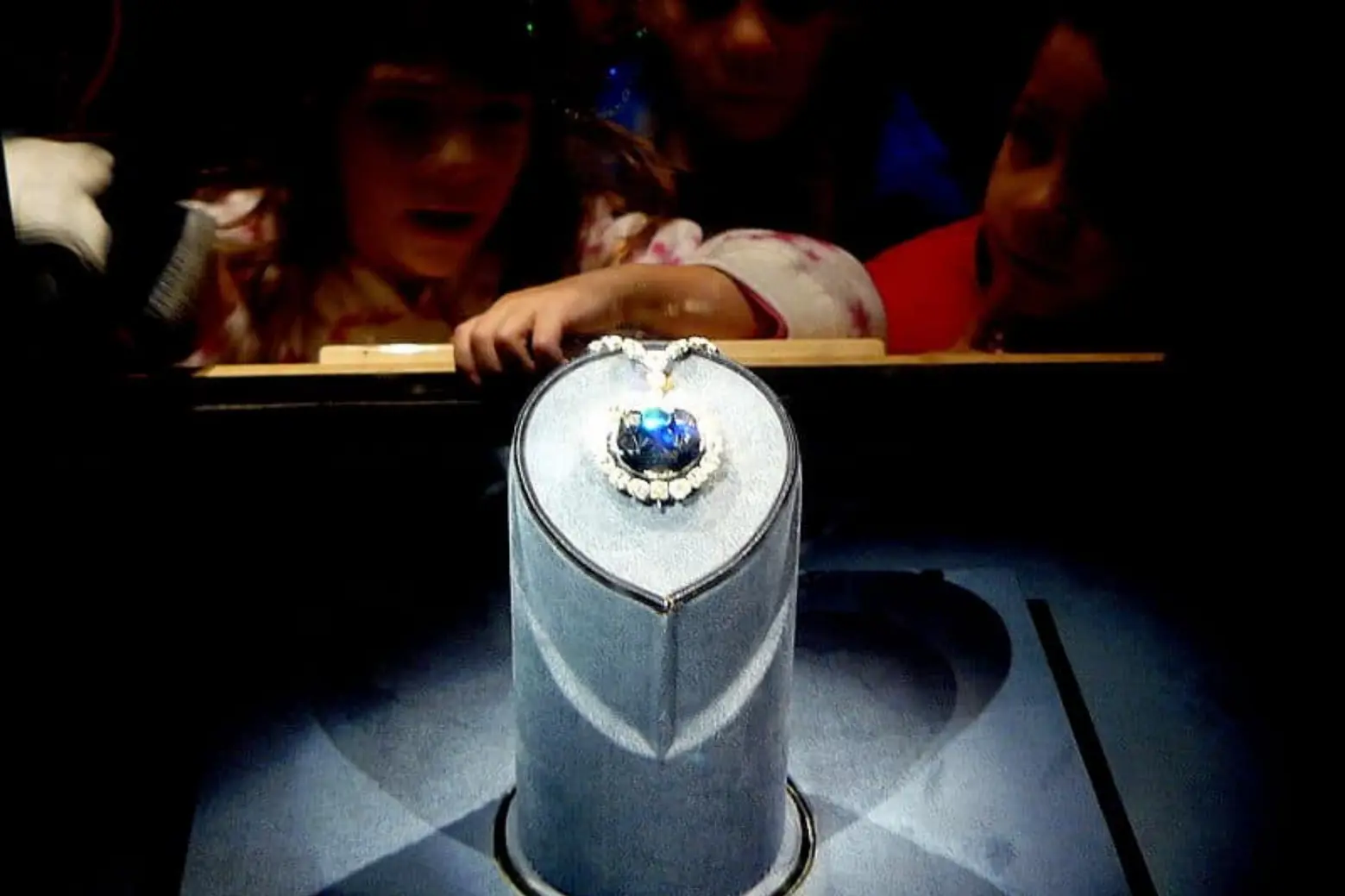
Winston’s donation transformed the Smithsonian's gem collection into a world-class attraction. Today, the Hope Diamond remains the museum's most visited object, drawing millions of people who are captivated by its rare deep-blue hue, its 1.1-billion-year history, and the persistent (though likely fabricated) legends of its curse.
By "mailing" the Hope Diamond, Harry Winston did more than just move a stone from New York to D.C.; he ensured that "the world’s most famous diamond" would belong to the American public forever.