MENU
Close





On April 9, the fragrance world has a reason to return to Olivia Giacobetti's perfumerie works in celebration of her birthday. Born in 1966, the French perfumer gave modern scent a more intimate, transparent, and finely drawn language. Across Diptyque, L’Artisan Parfumeur, Frédéric Malle, and her own IUNX, Giacobetti built a body of work in which subtlety became structure, atmosphere became authorship, and simplicity carried extraordinary precision.
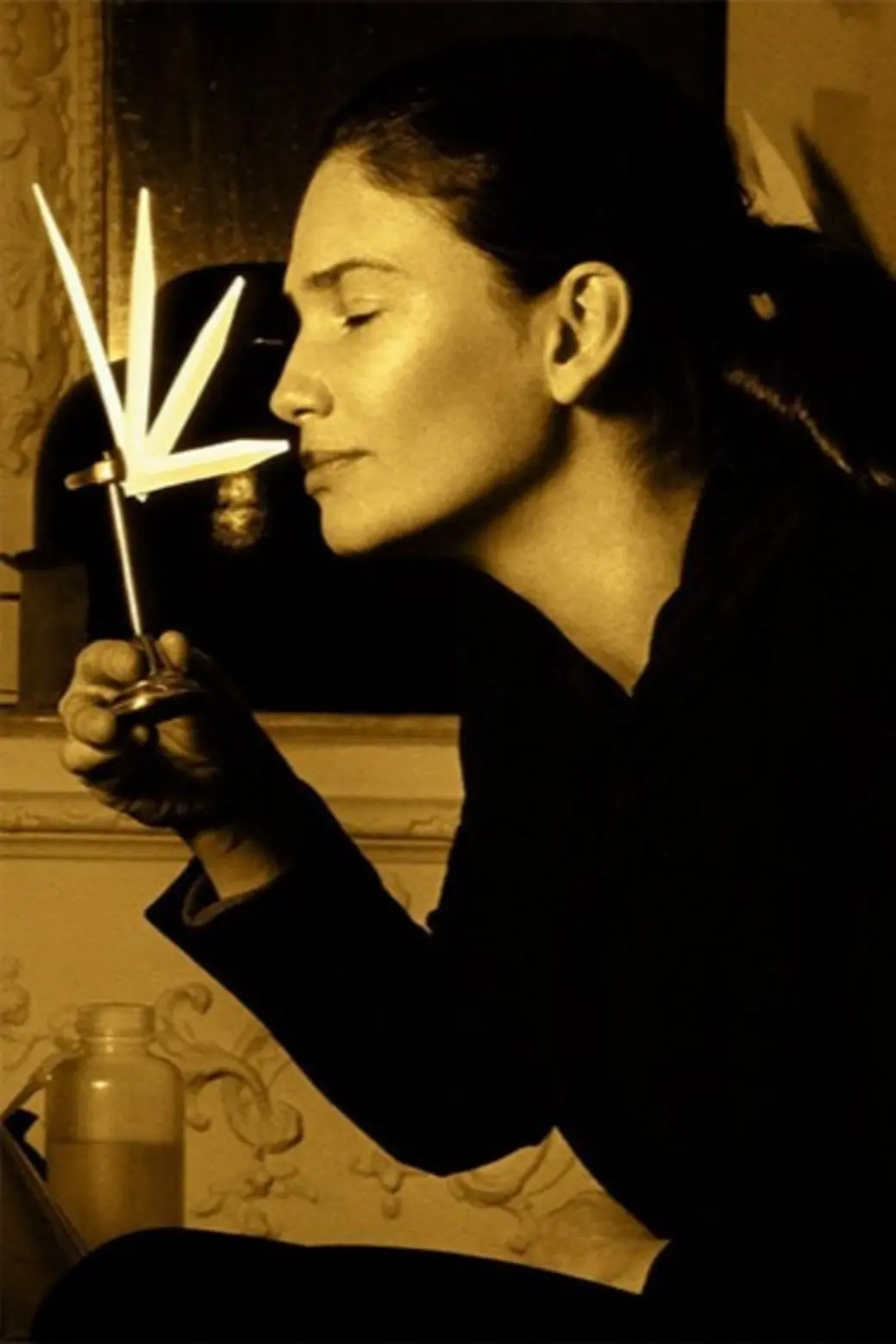
On April 9, the fragrance world has a reason to return to Olivia Giacobetti's perfumerie works in celebration of her birthday. Born in 1966, the French perfumer gave modern scent a more intimate, transparent, and finely drawn language. Across Diptyque, L’Artisan Parfumeur, Frédéric Malle, and her own IUNX, Giacobetti built a body of work in which subtlety became structure, atmosphere became authorship, and simplicity carried extraordinary precision.
April 9, 2026


One could say of Olivia Giacobetti what has often been said of certain great image makers, that the aim is never mere reproduction. Her perfumes do not stop at excellently rendering a fig leaf, a lilac bloom, or a veil of white musk with technical fidelity. Something in her work pushes further, toward the sensation those materials leave behind, toward the particular way they move through memory, light, and skin. That quality helps explain why her fragrances have remained so distinctive. They feel exact without ever turning rigid, delicate without becoming vague, airy while still holding shape.
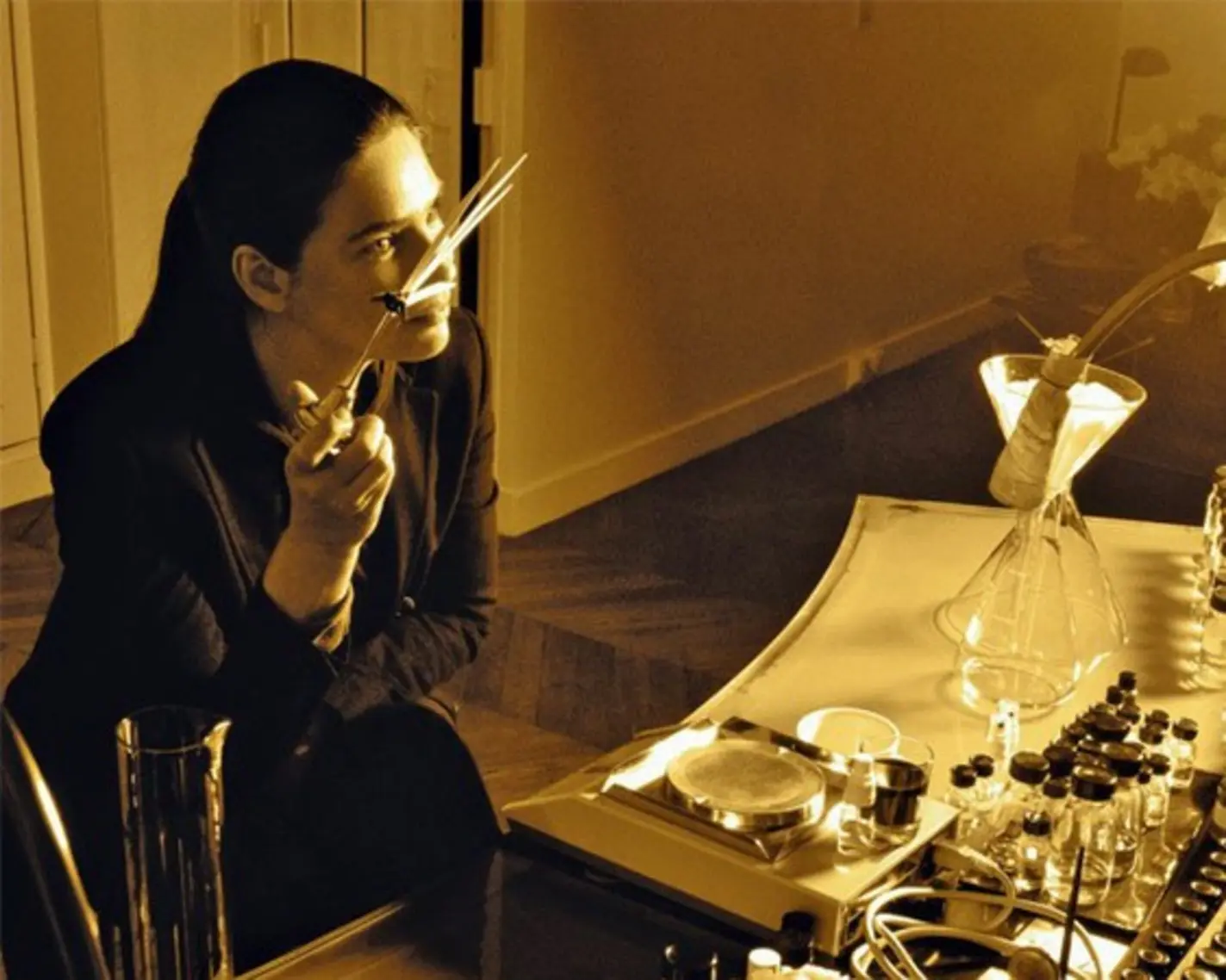
Giacobetti went on to create for houses including Diptyque, L’Artisan Parfumeur, Frédéric Malle, Hermès, and her own IUNX, shaping a style that fragrance lovers still recognize almost instantly. In interviews, she has said that a standout perfume begins with "a very potent idea," and she has described her own goal as finding "a complex form that gives the illusion of simplicity." Another of her remarks remains especially revealing: what makes music is melody, not noise. The line reads almost like a manifesto for her entire body of work.
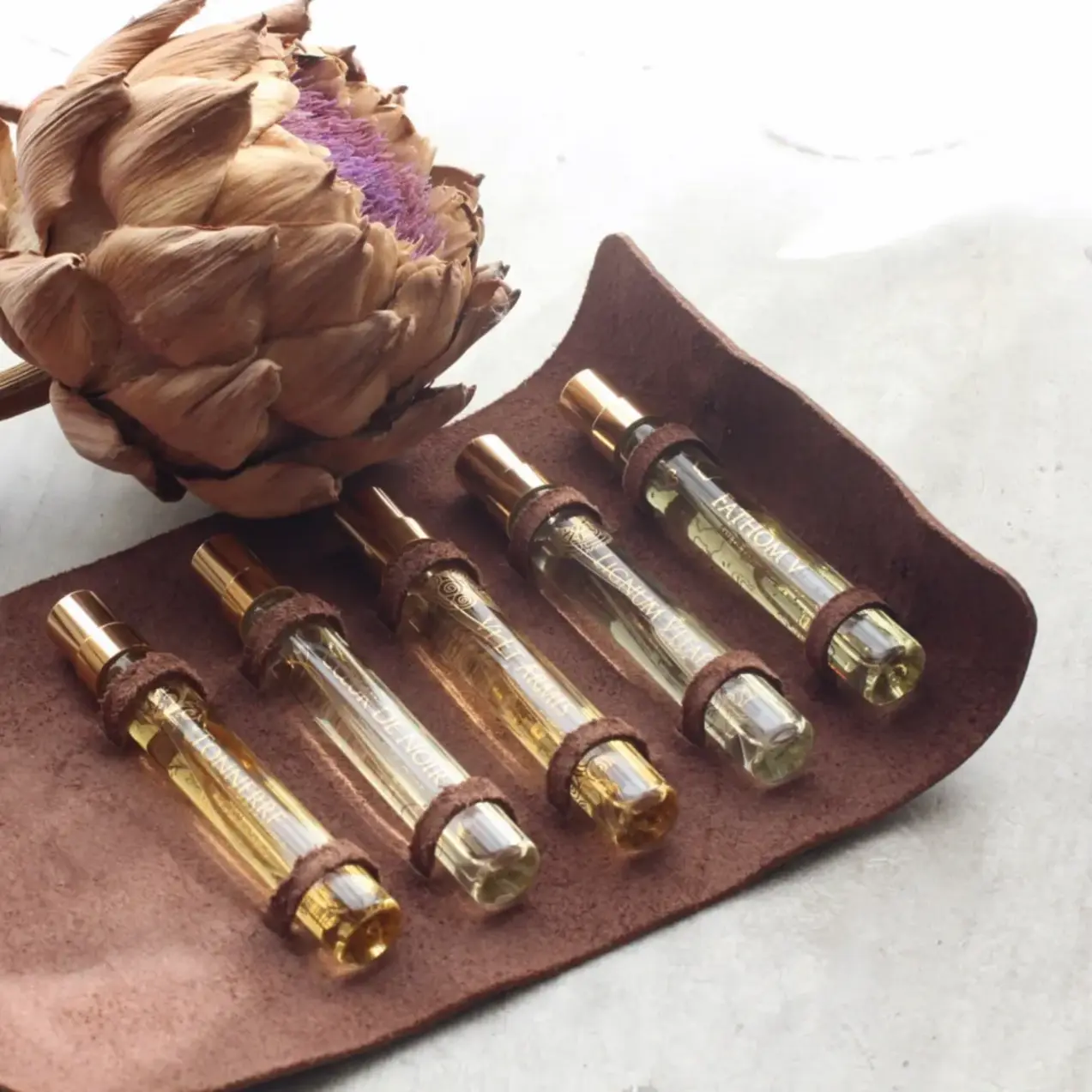
A handful of perfumes make the point clearly. Premier Figuier helped establish fig as one of modern perfumery’s defining notes. Philosykos carried that language into one of Diptyque’s enduring signatures. En Passant captured lilac with a realism so soft and suspended it still feels quietly radical. Olivia Giacobetti herself has spoken of wood as giving fragrance "structure and mystery," and of her attraction to elemental materials such as trees, water, and fire. Those instincts run through her legacy. Contemporary perfumery feels richer because she proved that clarity, atmosphere, and restraint could leave as deep an impression as any louder form of beauty.