MENU
Close





Heritage is no longer a story merely told in archives. Today, female-focused British brands are rewriting the rules of fashion, fusing craftsmanship, history, and contemporary flair. Welcome to the age of New British Heritage - where tradition meets modernity, and elegance meets empowerment.

Heritage is no longer a story merely told in archives. Today, female-focused British brands are rewriting the rules of fashion, fusing craftsmanship, history, and contemporary flair. Welcome to the age of New British Heritage - where tradition meets modernity, and elegance meets empowerment.
November 11, 2025
Advertisement

Advertisement



Heritage has long been synonymous with history, longevity, and impeccable craftsmanship. Yet in 2025, the definition is evolving. Heritage is no longer just the weight of centuries; it is an idea, a narrative, and increasingly, a marketing superpower. Today’s female-focused brands are learning to balance the gravitas of British tradition with bold, modern creativity.
Walk down Bond Street or through Mayfair, and you might find signs declaring, “Established 1875” or “Since 1893,” places where not only men but also royal women and female politicians visit, sourcing not just family heirlooms but also pieces for their own wardrobe. Brands like Burberry, Mulberry, and Aspinal of London have long relied on this centuries-old authority. Yet in the digital age, heritage alone is insufficient. Instagram, TikTok, and high-profile collaborations have become just as influential as royal warrants or traditional craftsmanship. A trench coat or a handbag is no longer valued solely for its lineage; it must also tell a story that resonates with contemporary women.
As British fashion historian Amber Butchart observes, “Heritage for women’s fashion is not just about longevity. It is about relevance. It is how a brand uses its history to speak to the modern woman without feeling dated.”
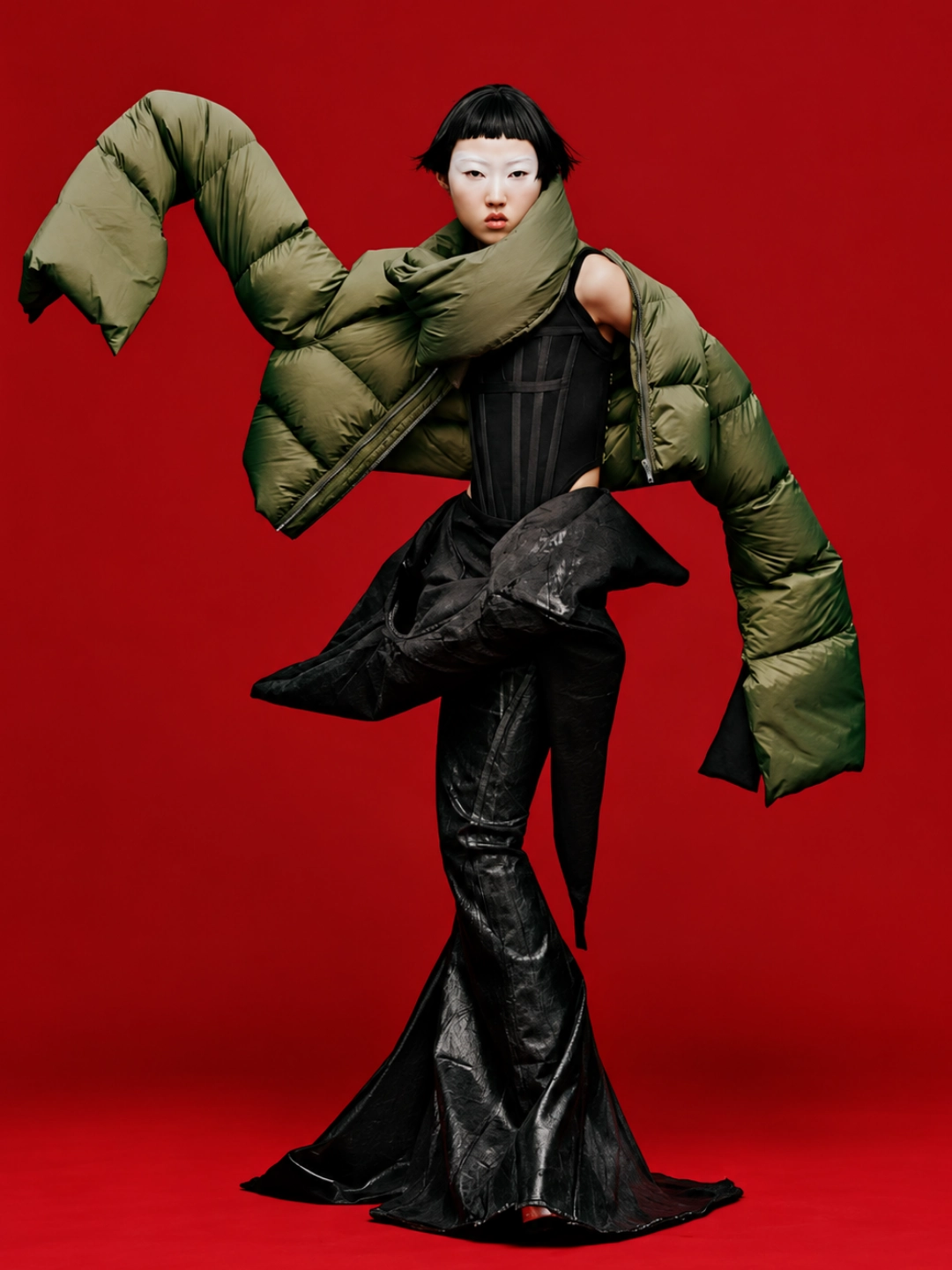
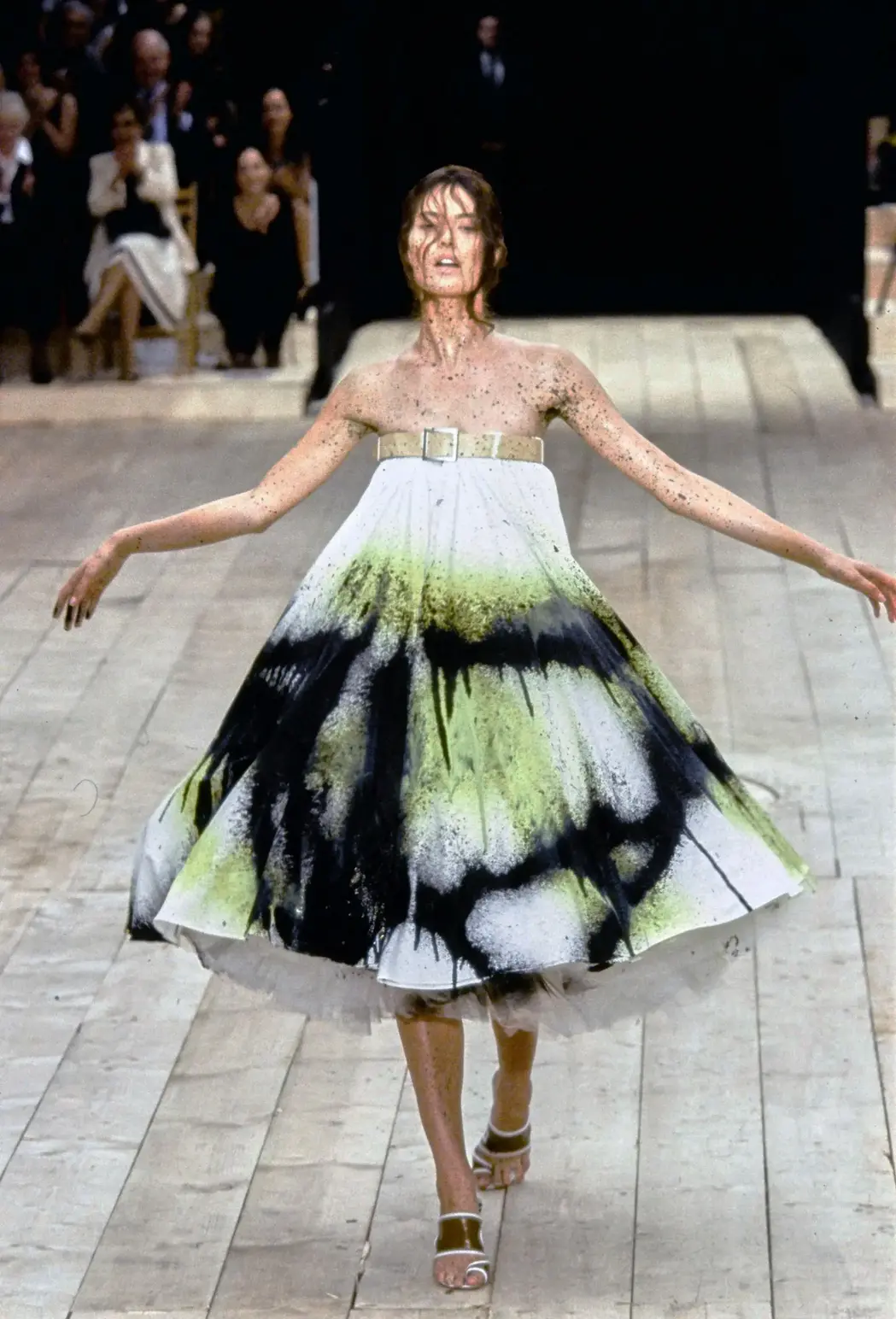
Many brands draw on historical inspiration to craft their contemporary collections. Take Alexander McQueen, whose archives from the 1990s continue to inspire womenswear silhouettes today. McQueen’s tailoring, historically rooted in theatrical British couture, has been adapted into modern lines featuring sharp blazers, sculpted dresses, and avant-garde outerwear that women wear on the streets of London, Paris, and New York alike.
Similarly, Mulberry has leveraged its storied past in leather craftsmanship, reinterpreting the iconic Bayswater and Alexa bags for today’s discerning women. The brand fuses traditional British artistry with contemporary design sensibilities, producing handbags that are simultaneously timeless and current.
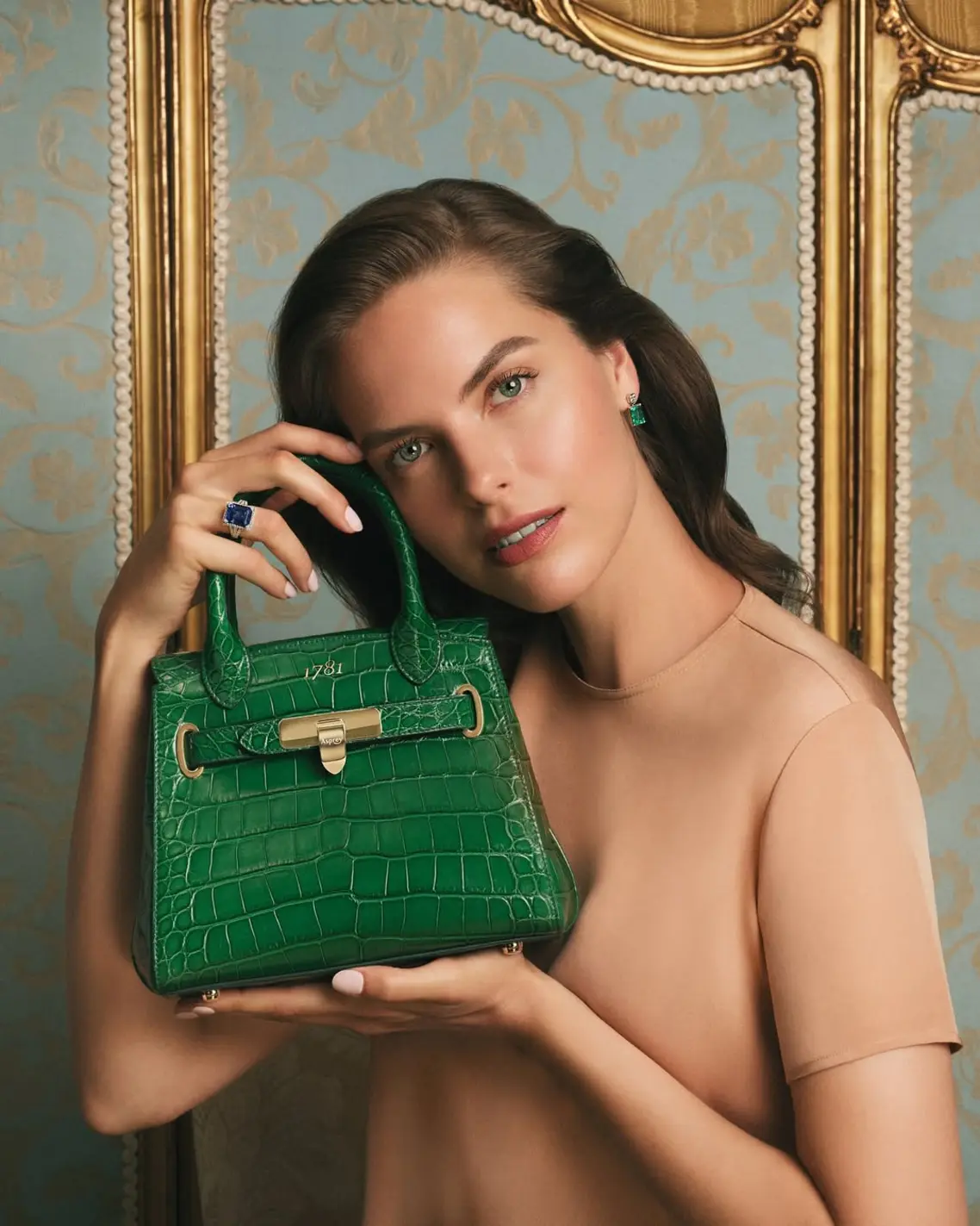
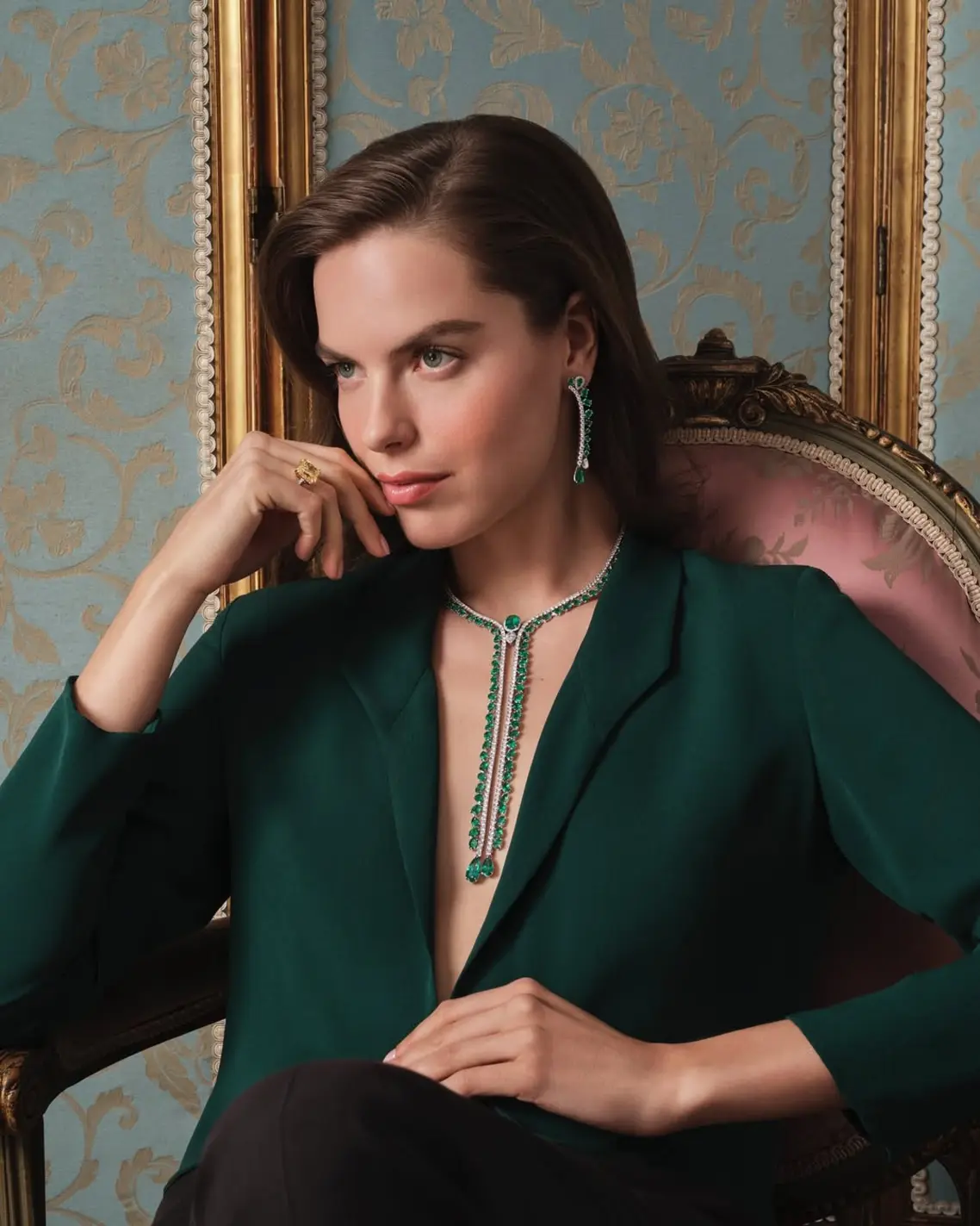
Even Asprey, historically known for luxury jewelry and silver, has pivoted to emphasize women’s accessories and bespoke items, blending historical savoir-faire with contemporary utility.
This ability to connect past and present is what separates brands that are merely old from brands that are truly “heritage” in spirit. For modern women, a jacket or bag is not just an object; it is a story, a symbol of craftsmanship, and a connection to British identity.
“Made in Britain” remains an aspirational statement, a badge of credibility in a global marketplace. But today, it has been reimagined. Instead of simply signifying longevity or royal endorsement, it embodies quality, ethics, and contemporary relevance.
Burberry, the archetypal British luxury brand, has adapted its production practices to emphasize sustainability while maintaining local craftsmanship. Their iconic trench coat, once a symbol of wartime pragmatism, has been updated with lightweight, recycled materials and made-to-order options for women seeking both style and conscience.
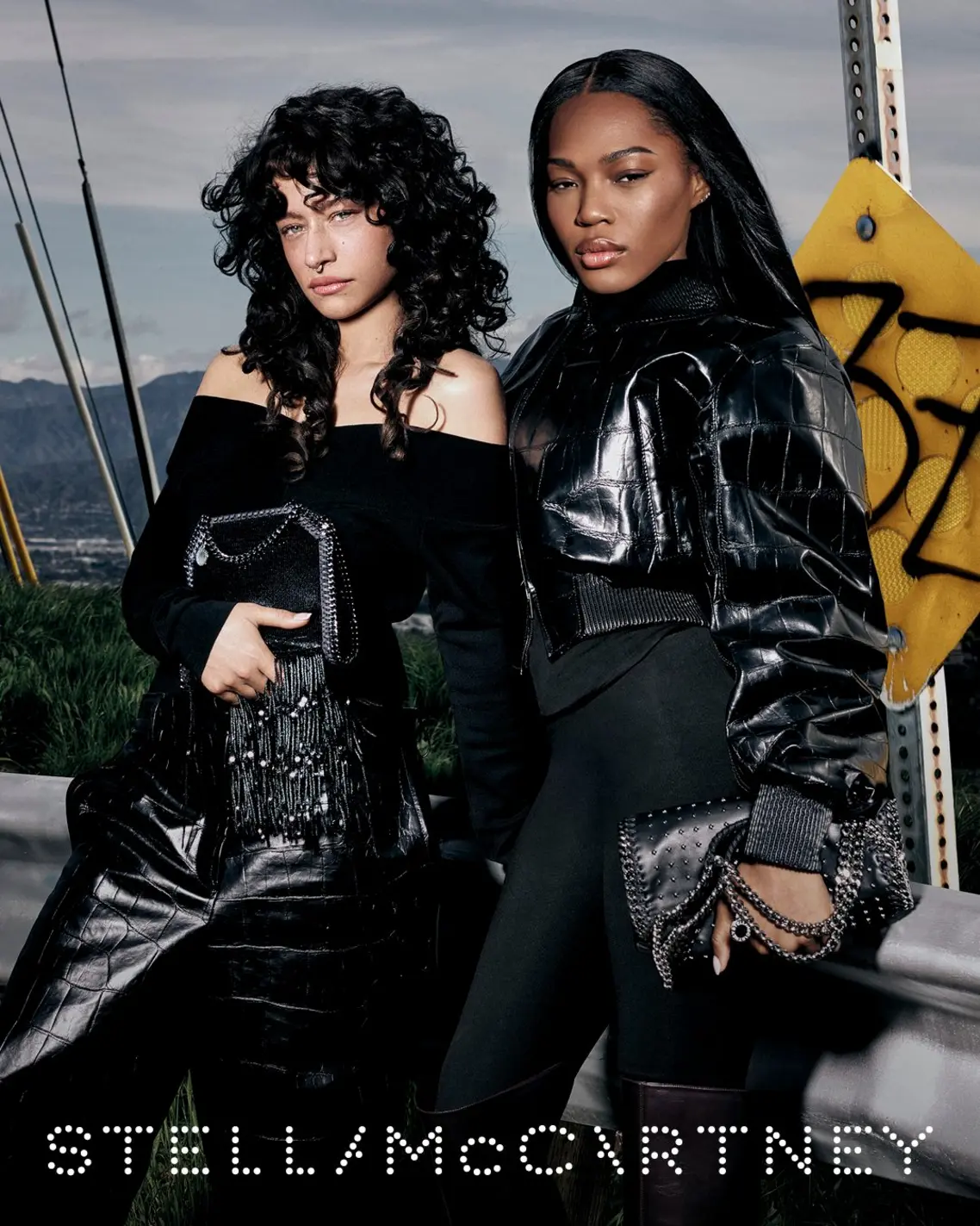
Stella McCartney, a pioneer in ethical luxury, has demonstrated that “Made in Britain” can mean innovation without compromise. Her women’s collections champion cruelty-free materials, responsible sourcing, and modern tailoring, proving that heritage and ethics can co-exist seamlessly.
Other notable examples include Loake’s women’s footwear line and bespoke British milliners like Lock & Co., who have modernized hat design for women without losing the meticulous handcraft that has earned them four centuries of renown.
British-made women’s fashion today is as much about storytelling as craftsmanship. Every stitch, fabric choice, and silhouette reflects a careful balance between tradition and modernity.

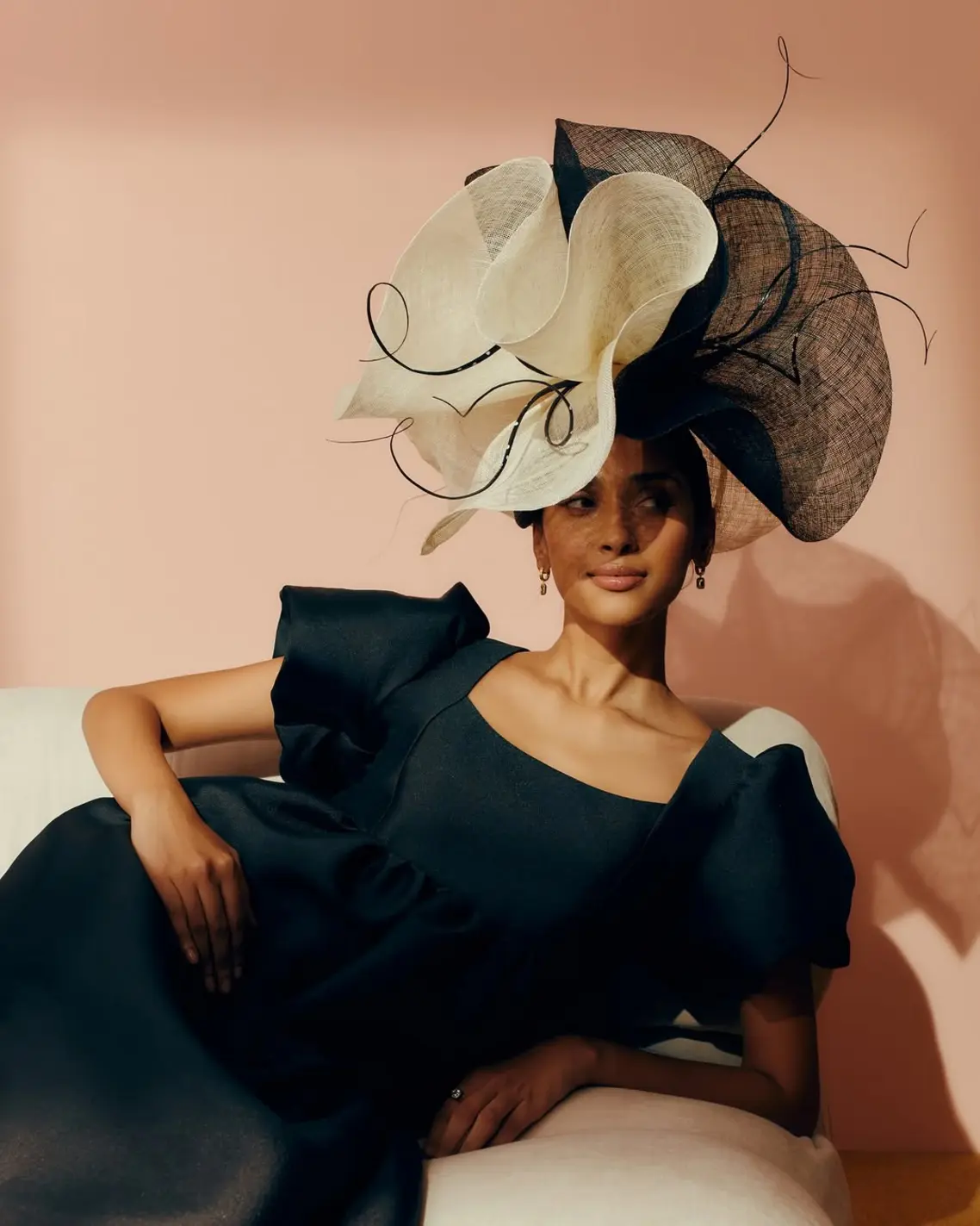
In the 2020s, the concept of heritage cannot ignore social media. Enter the fan economy, where style icons and influencers can elevate brands overnight. A single Instagram post by Alexa Chung, Adwoa Aboah, or Emma Corrin can turn a heritage trench coat or tweed jacket into a viral sensation.
This phenomenon has transformed marketing strategies for female-focused brands. Jo Malone London, for example, leverages its English heritage in combination with influencer collaborations, allowing fragrances inspired by British gardens or orchards to reach a global audience. Similarly, Astley Clarke jewelry has successfully merged family legacy with celebrity endorsement, creating limited-edition collections that feel simultaneously luxurious and personal.

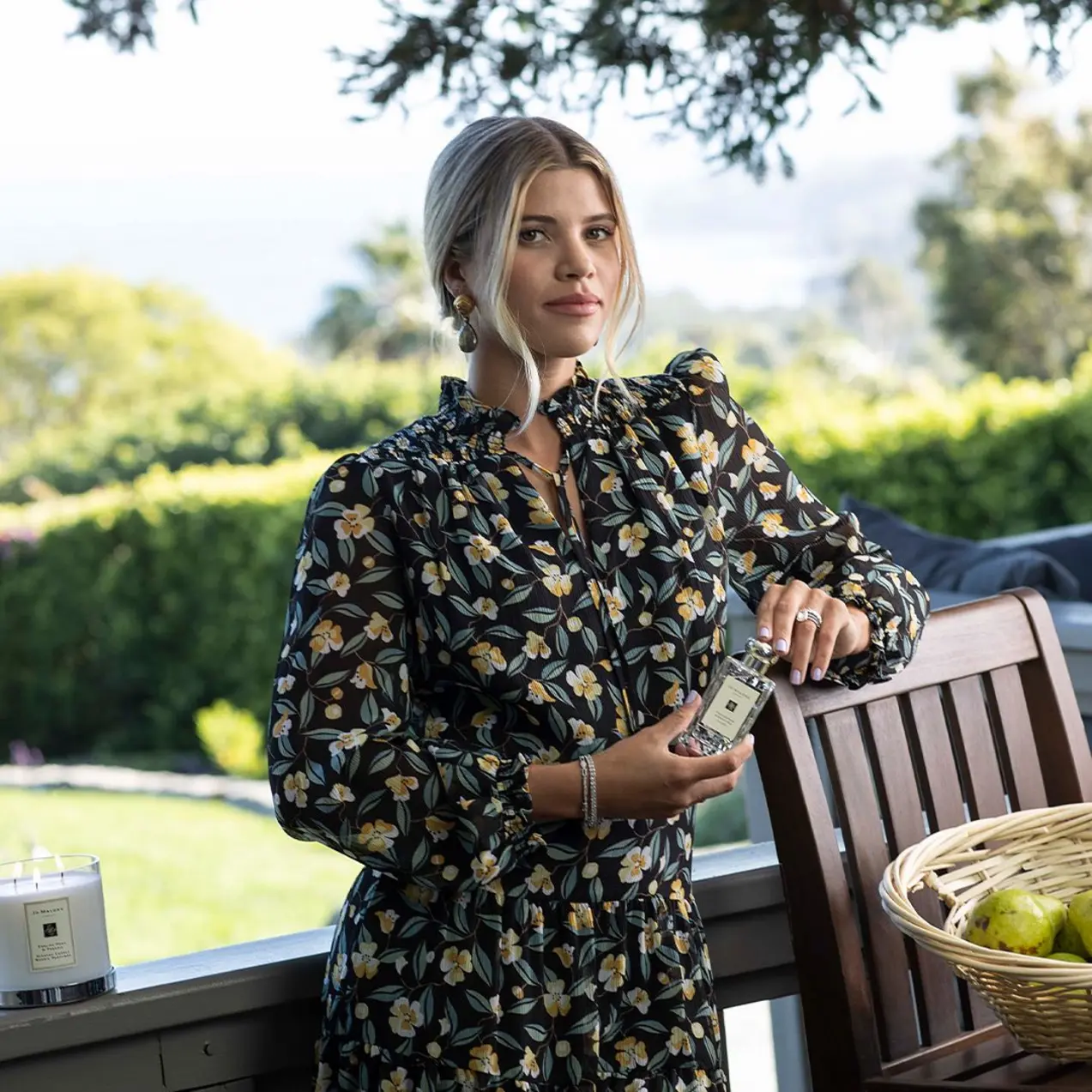
Yet the fan economy is double-edged. Brands must carefully curate which influencers align with their narrative. Heritage cannot be cheapened. While collaborations can spark virality, they also risk diluting the message if the partnership feels inauthentic.
Modern British heritage for women extends beyond visuals—it embraces ethics and environmental consciousness. Luxury brands increasingly recognize that the contemporary consumer values responsible practices as much as impeccable design.
Burberry, for instance, has implemented circular fashion initiatives, allowing women to repair, resell, or upcycle their iconic trench coats. Stella McCartney continues to push plant-based and recycled textiles, while bespoke ateliers like Lock & Co. now offer sustainable options for handcrafted hats.
For the modern woman, a heritage brand must feel responsible, not just prestigious. Each purchase becomes a conscious choice, combining timeless style with forward-thinking ethics.
While some British heritage brands remain historically male-focused, a new generation caters directly to women:
These brands honor heritage while speaking to modern feminine identities—professional, confident, and socially aware.
The influence of royal women and political figures has long amplified British heritage for women. From Queen Elizabeth II’s iconic outfits to Princess Diana’s unforgettable style, and now to Kate Middleton and Meghan Markle, British brands have dressed women who define global fashion moments. Designers who dress these women, from evening gowns to tweed jackets, gain instant visibility and prestige. Similarly, female politicians, including Margaret Thatcher, embraced bespoke tailoring, subtly cementing the power of British fashion in professional spheres. These iconic women transform garments into symbols of authority, elegance, and independence.
Nothing drives modern British heritage like celebrity connection. When Kate Winslet steps out in a Burberry trench, it instantly creates a narrative. These moments transform timeless craftsmanship into an aspirational style for millions of women worldwide.

The strategy is deliberate: heritage + influencer + social media = aspirational currency. Brands can now compress centuries of narrative into a single viral image, reaching women who may never step inside a London boutique but are captivated by the idea of British-made luxury.
Yet authenticity is key. True heritage cannot be fabricated. A label may claim tradition, but without quality, craftsmanship, and thoughtful storytelling, the illusion falters.
Contemporary Heritage: Balancing Past and Present
The “New British Heritage” in women’s fashion is a careful balancing act. Brands must:
This is evident in brands like Burberry, whose trenches mix traditional tailoring with sustainable fabrics, or Astley Clarke, whose jewelry references familial heritage but feels modern and wearable.
Why It Matters
For the modern women, British heritage is more than a label. It is a symbol of empowerment, creativity, and elegance. It signals that she appreciates timeless design, values ethical practices, and understands that luxury is about story, quality, and identity, not simply price.
In 2025, heritage is not static—it evolves with the woman who wears it. From bespoke hats to contemporary tweed jackets, from sustainable trench coats to influencer-driven viral jewelry, British fashion for women has found a new voice.
It is confident, chic, and unapologetically feminine. And in this era, that is the ultimate luxury.
Advertisement