On this day, June 8, 2015, Madame Carven passed away in Paris, closing a life that carried almost the entire twentieth century of French fashion within it.
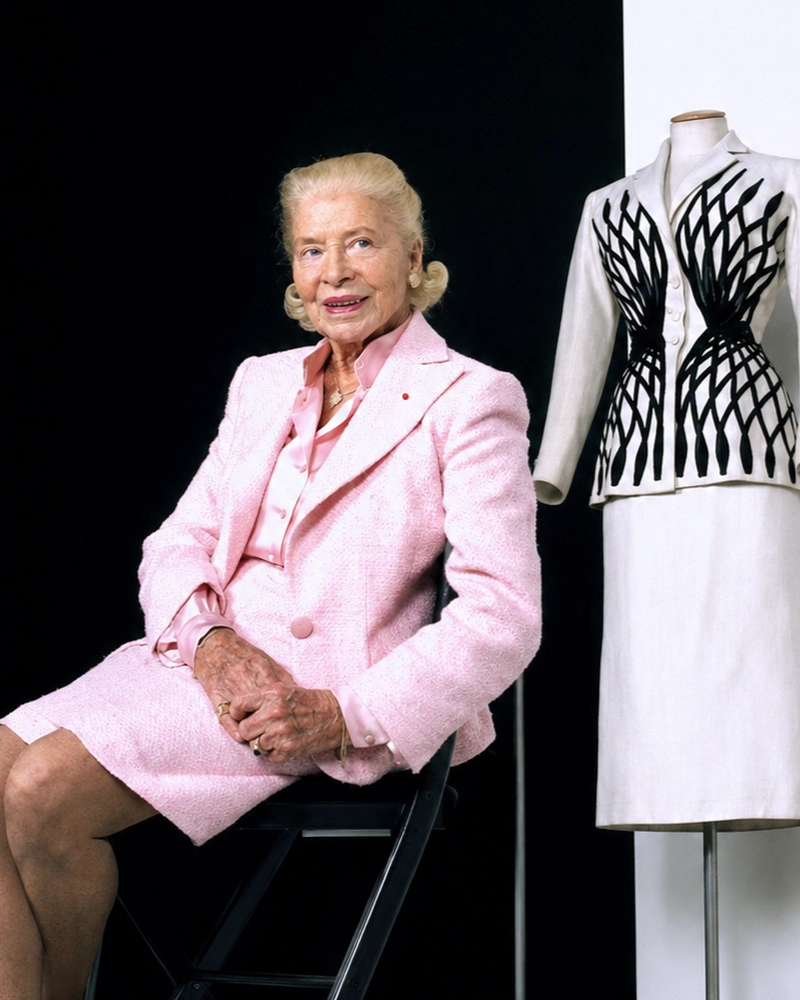
Madame Carven Left, But Her Dresses Still Knew How To Travel
On this day, June 8, 2015, Madame Carven passed away in Paris, closing a life that carried almost the entire twentieth century of French fashion within it.
June 8, 2026


Born Carmen de Tommaso in 1909 and later known professionally as Marie-Louise Carven, she founded the house of Carven in 1945, at a moment when Paris couture was rebuilding its authority after the war and women were entering a new phase of public life, movement, work, travel, and social visibility.
The importance of Madame Carven begins with the audience she chose to serve. Her couture house became closely associated with women of petite proportions, a category that carried limited attention inside the traditional couture system. Instead of treating proportion as a secondary technical issue, she made it a design principle. Her clothes often used lifted waistlines, controlled volume, fresh fabrics, and clear construction, giving clients a wardrobe that felt elegant, mobile, and physically considered. This made Carven a house of practical intelligence as much as Parisian charm.
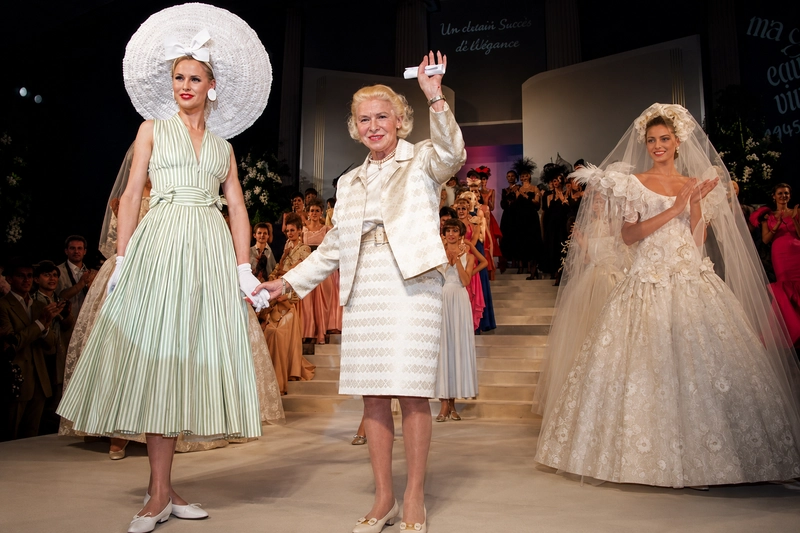
Her first collections helped define a lighter postwar fashion mood. Madame Carven brought freshness into couture through cottons, gingham, stripes, youthful dresses, easy tailoring, and a sense of holiday movement that connected Paris with a wider world. Her design identity carried a strong belief that elegance could belong to daily life, travel, and young modern women, while still holding the discipline of a couture atelier. This balance gave Carven a distinct place in French fashion history.
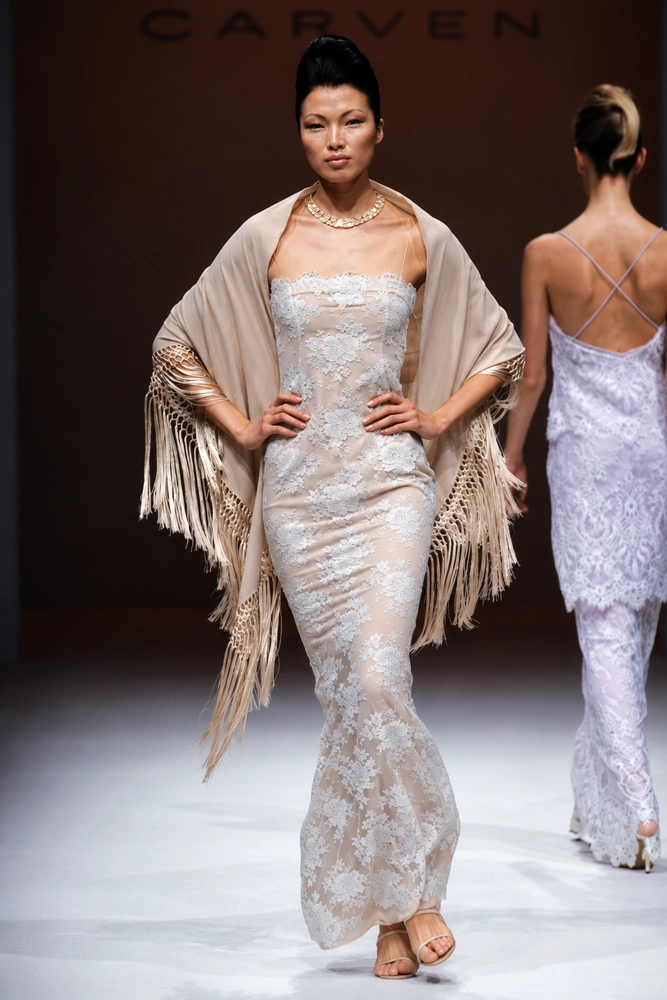
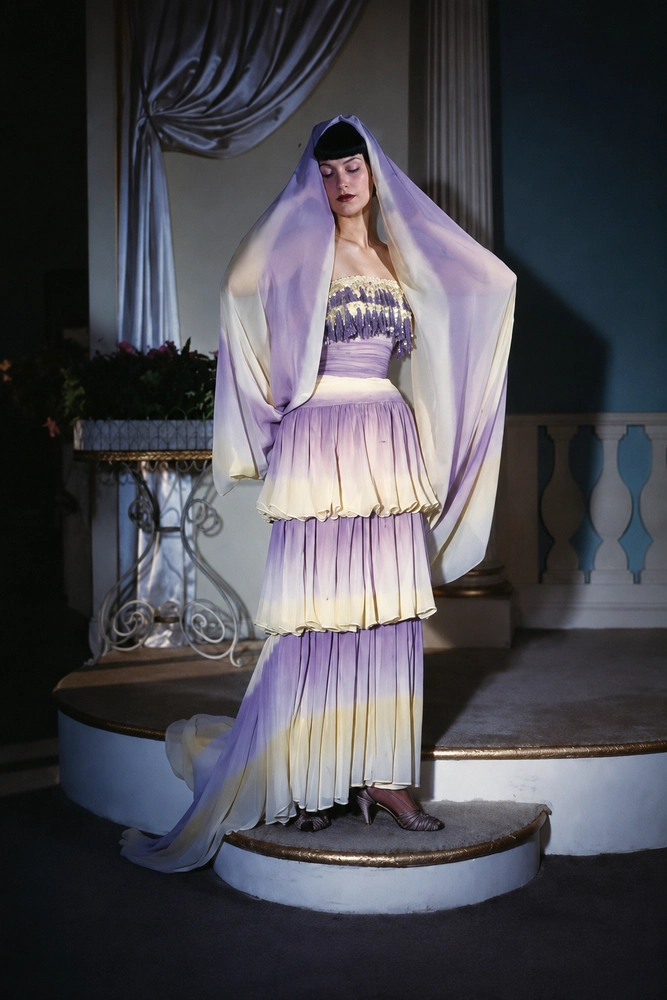
The work of Madame Carven also moved beyond couture gowns. She designed uniforms for airlines and public-facing services, proving that fashion could shape how institutions presented modernity, hospitality, and national style. These projects placed her design thinking inside systems of travel and public life, where clothing had to communicate discipline, optimism, and function at once. This wider field of work makes her career especially relevant to the history of fashion branding.
Her passing in 2015 marked the loss of a designer who connected postwar couture with ready-to-wear thinking, fragrance culture, and accessible elegance. Madame Carven understood that a fashion house could grow through personality, product range, visual clarity, and a precise understanding of women’s lived needs. She built a brand where charm had structure, lightness had strategy, and proportion became a form of respect.