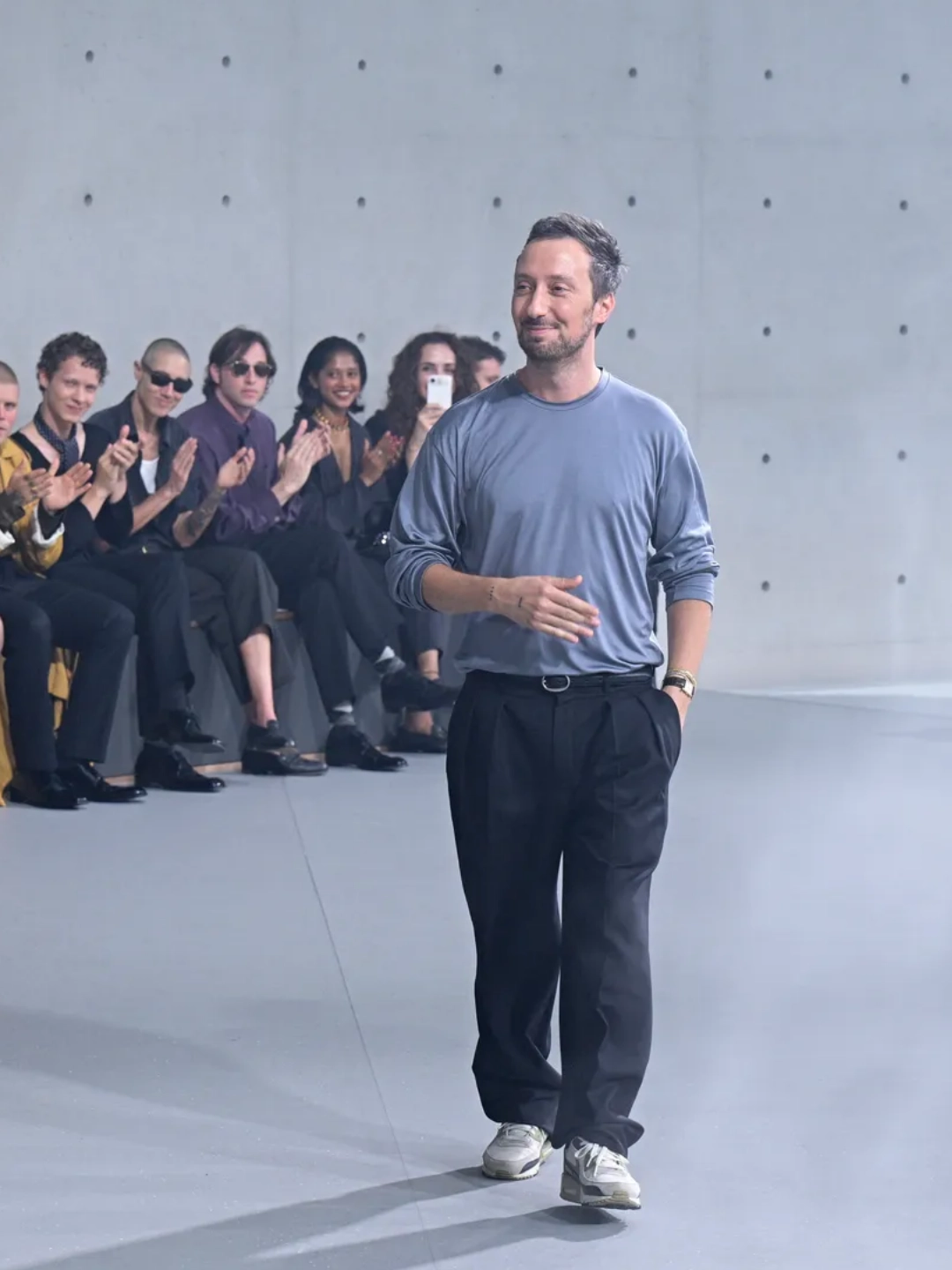
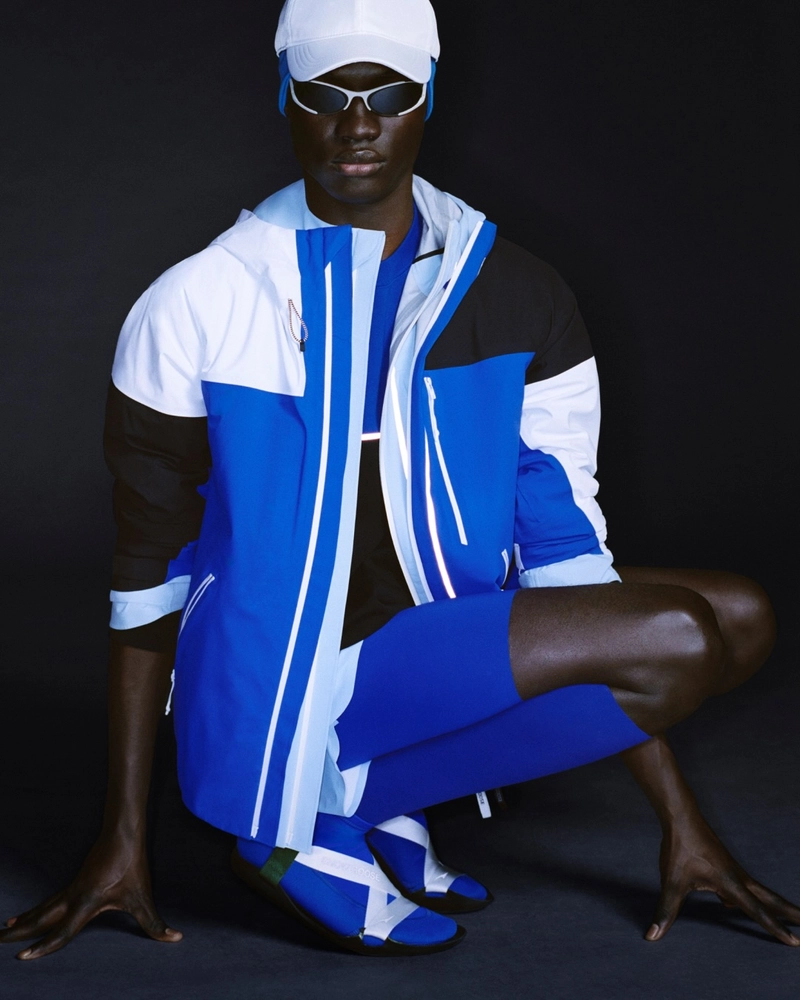
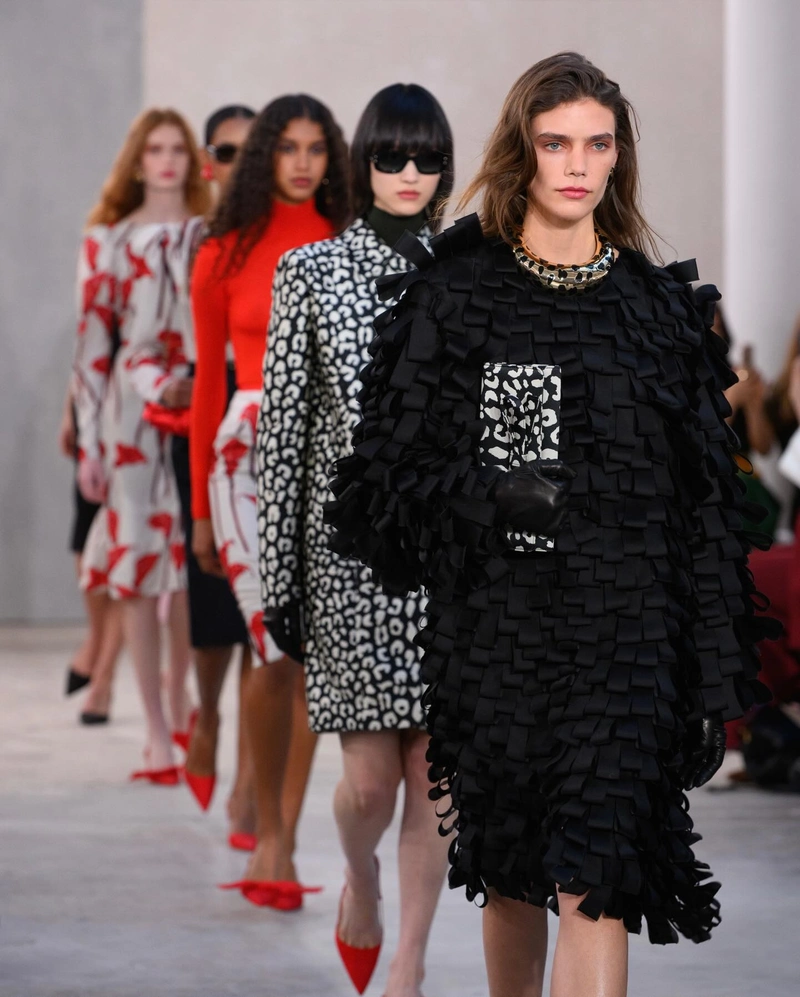
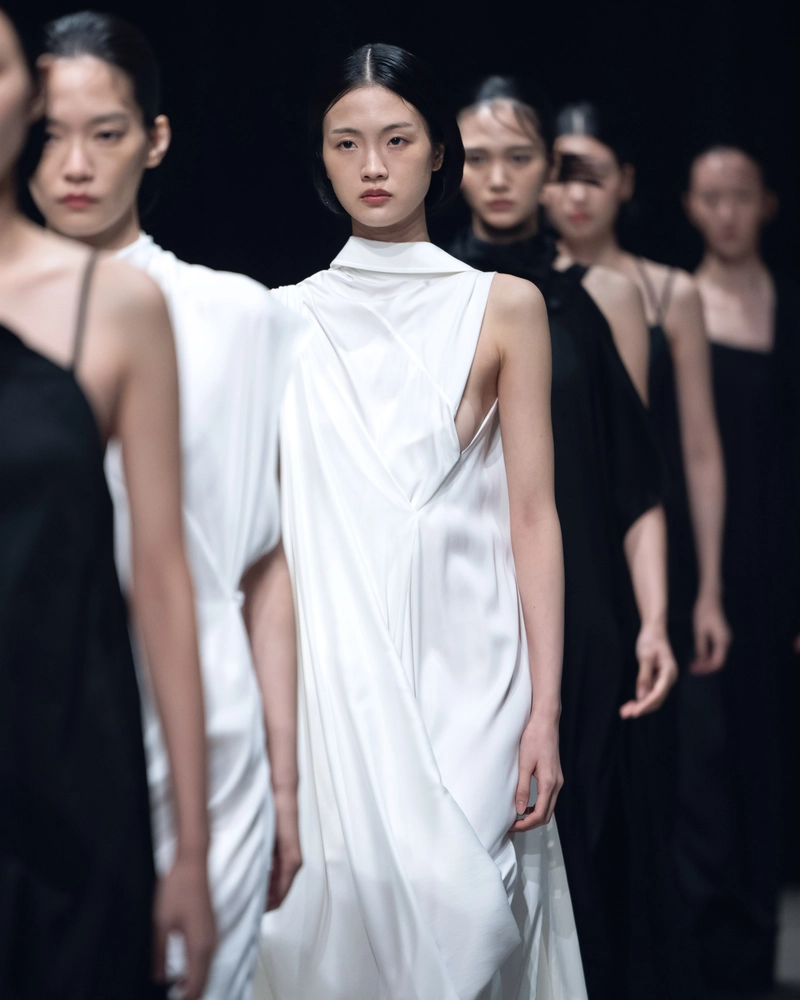
On 17 March 2025, Loewe confirmed Jonathan Anderson’s departure after 11 years, ending a 2013–2025 tenure that turned a storied Spanish leather house into one of fashion’s most referenced, most copied, and most emotionally intelligent brands.
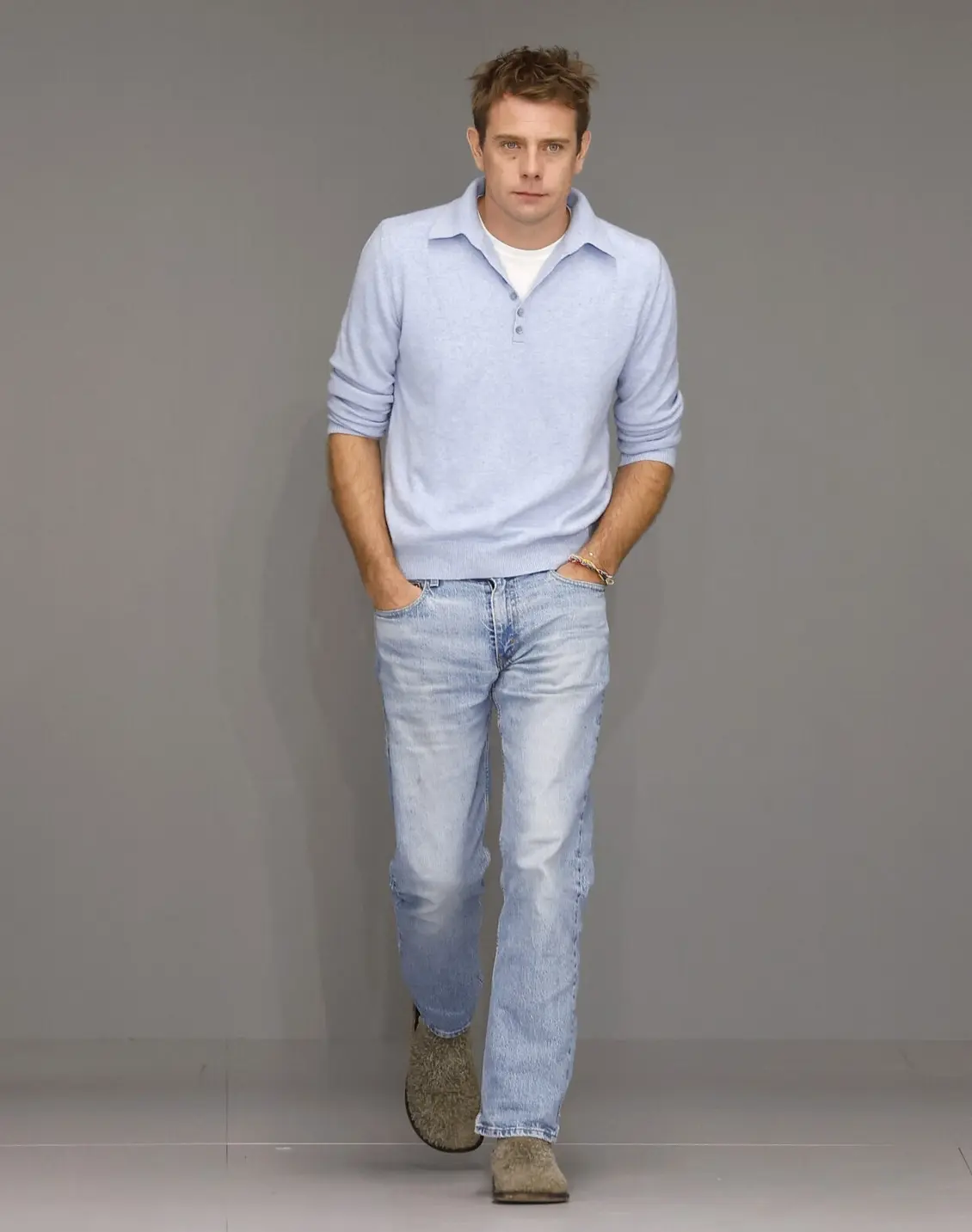
On 17 March 2025, Loewe confirmed Jonathan Anderson’s departure after 11 years, ending a 2013–2025 tenure that turned a storied Spanish leather house into one of fashion’s most referenced, most copied, and most emotionally intelligent brands.
March 17, 2025


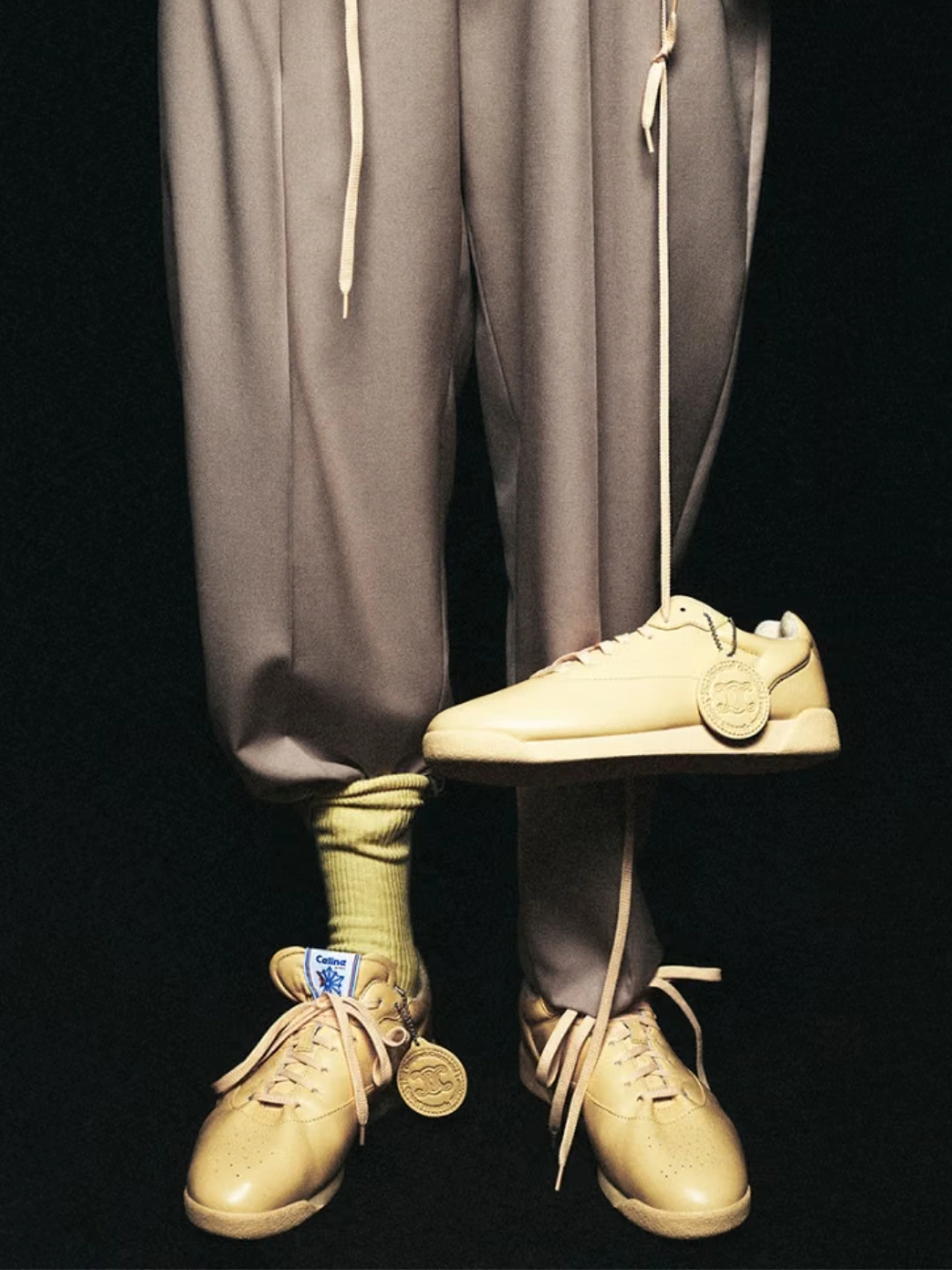
Jonathan Anderson’s Loewe worked because it never treated luxury as pure polish. It treated luxury as curiosity, as touch, as an appetite for the handmade, and as a willingness to let the strange sit beside the useful. Jonathan Anderson made craftiness cool, rooting the brand’s modern identity in artisanship and cultural responsibility rather than glossy distance.
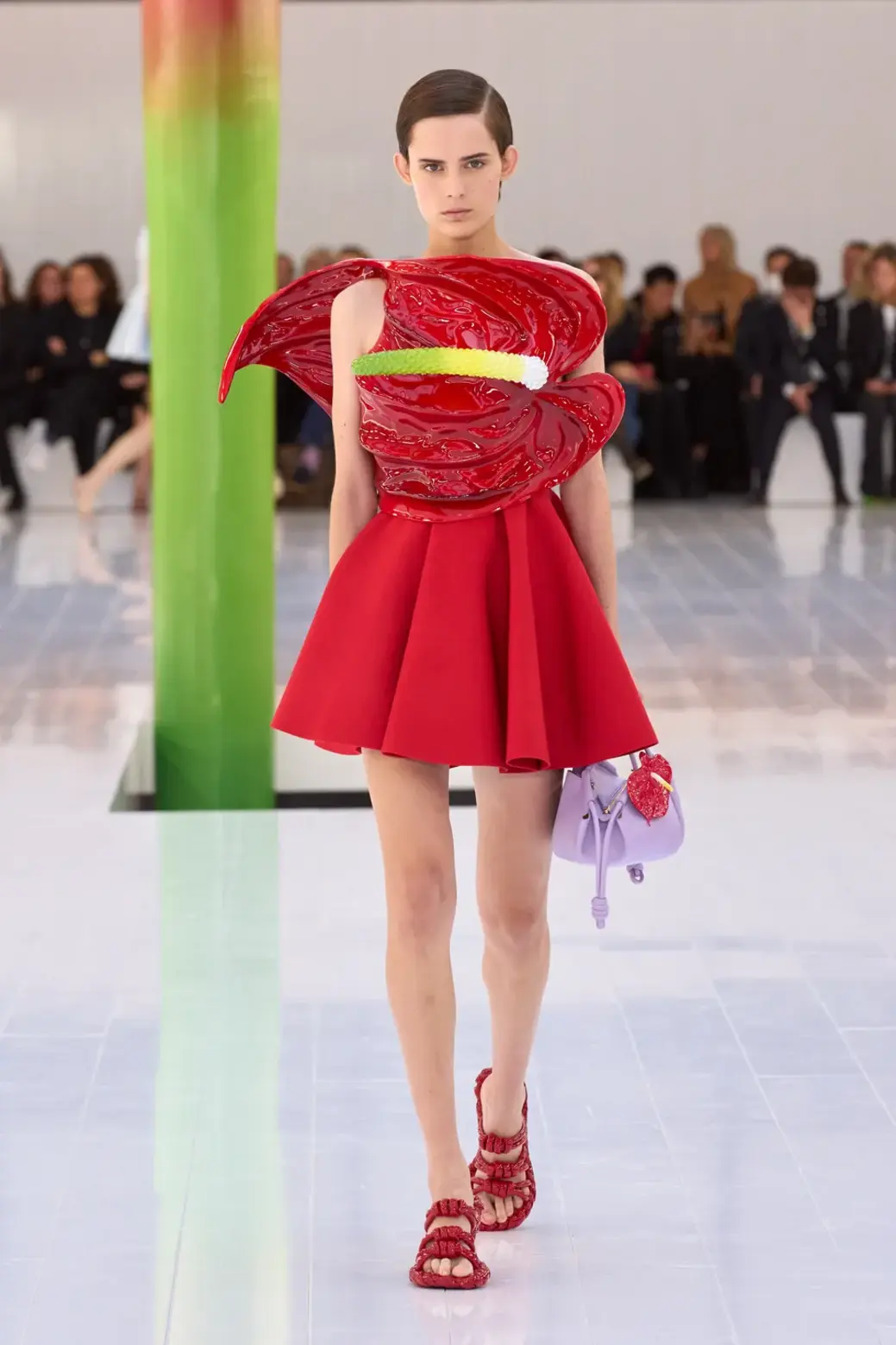
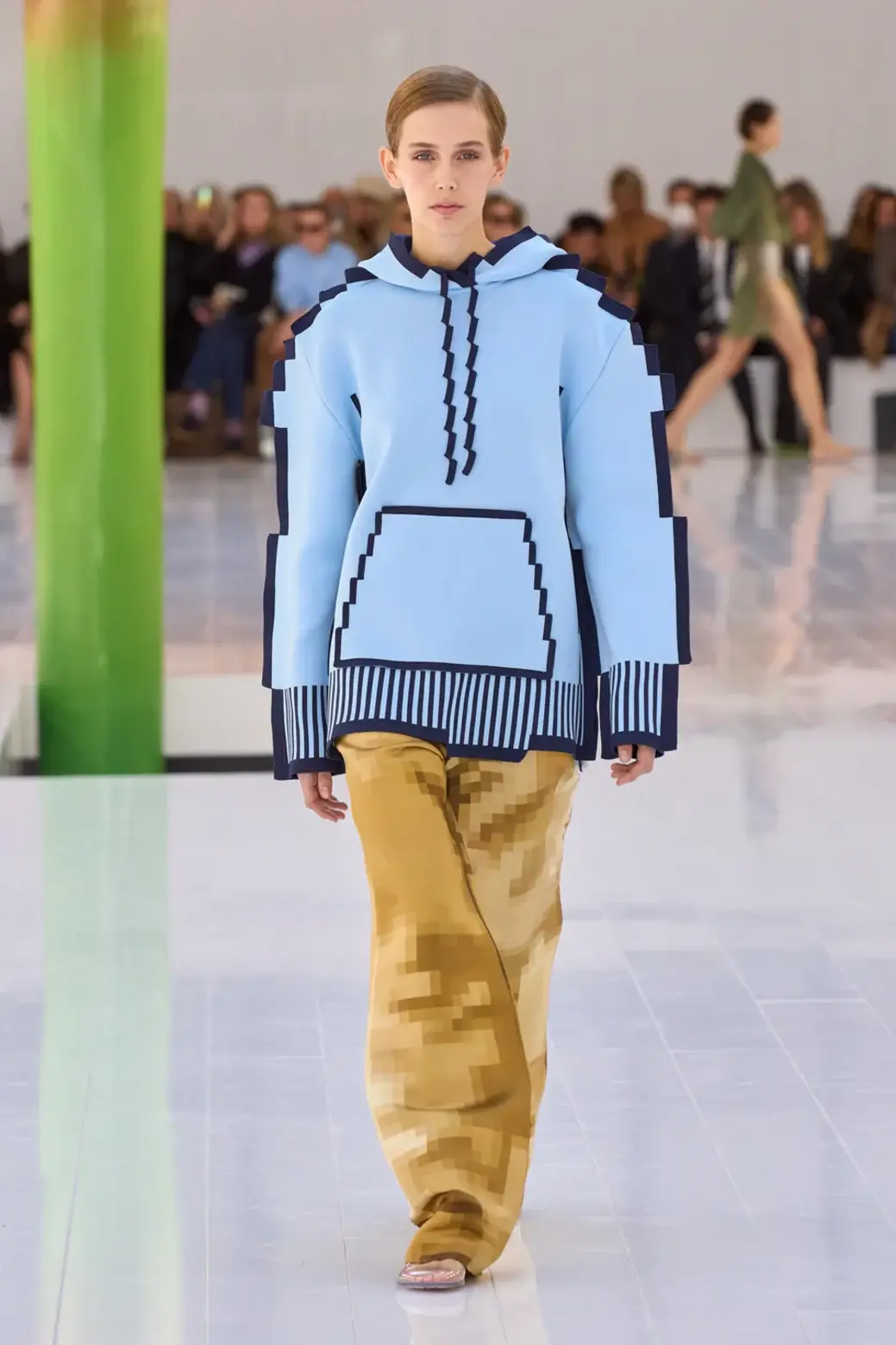
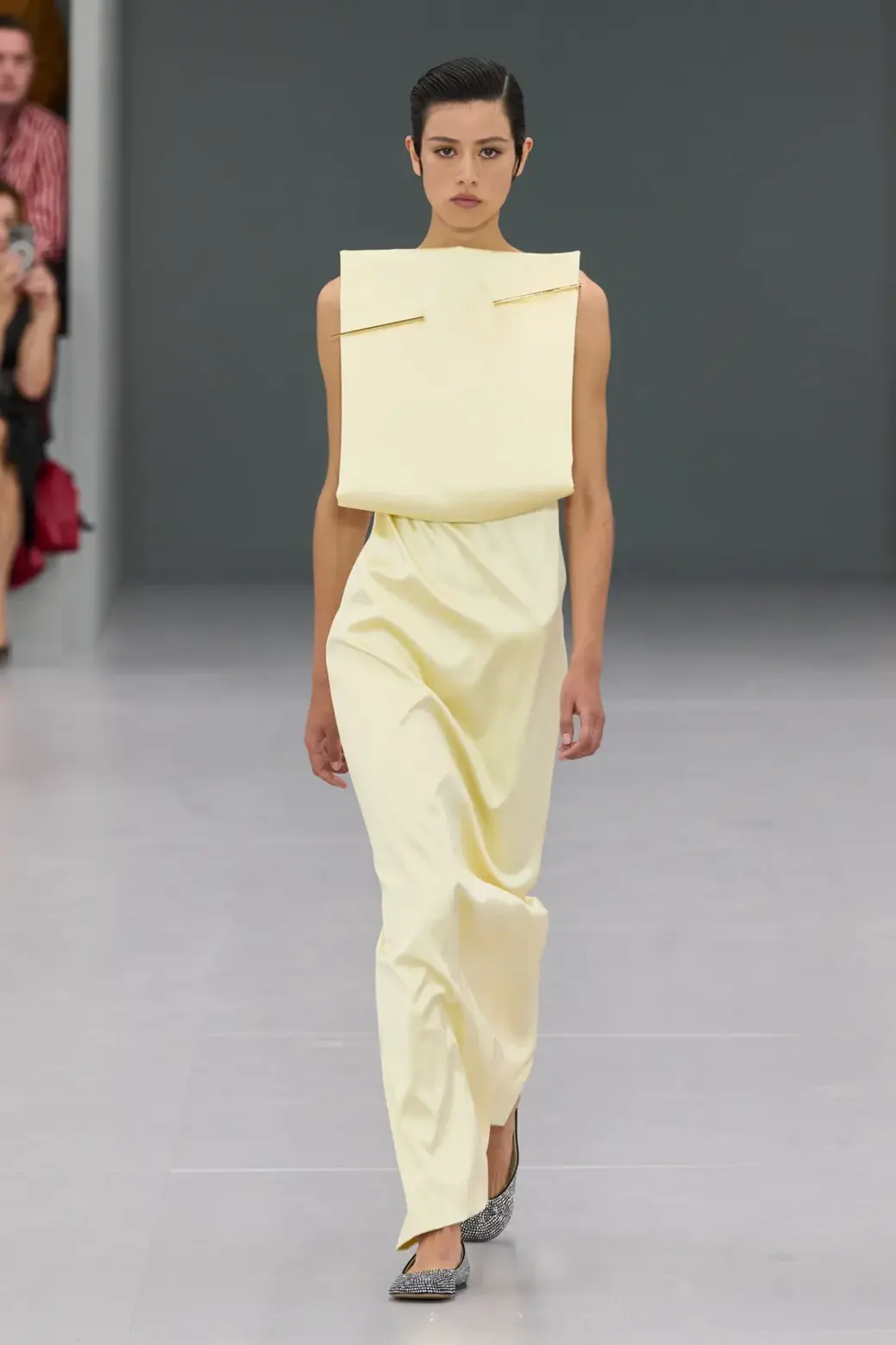
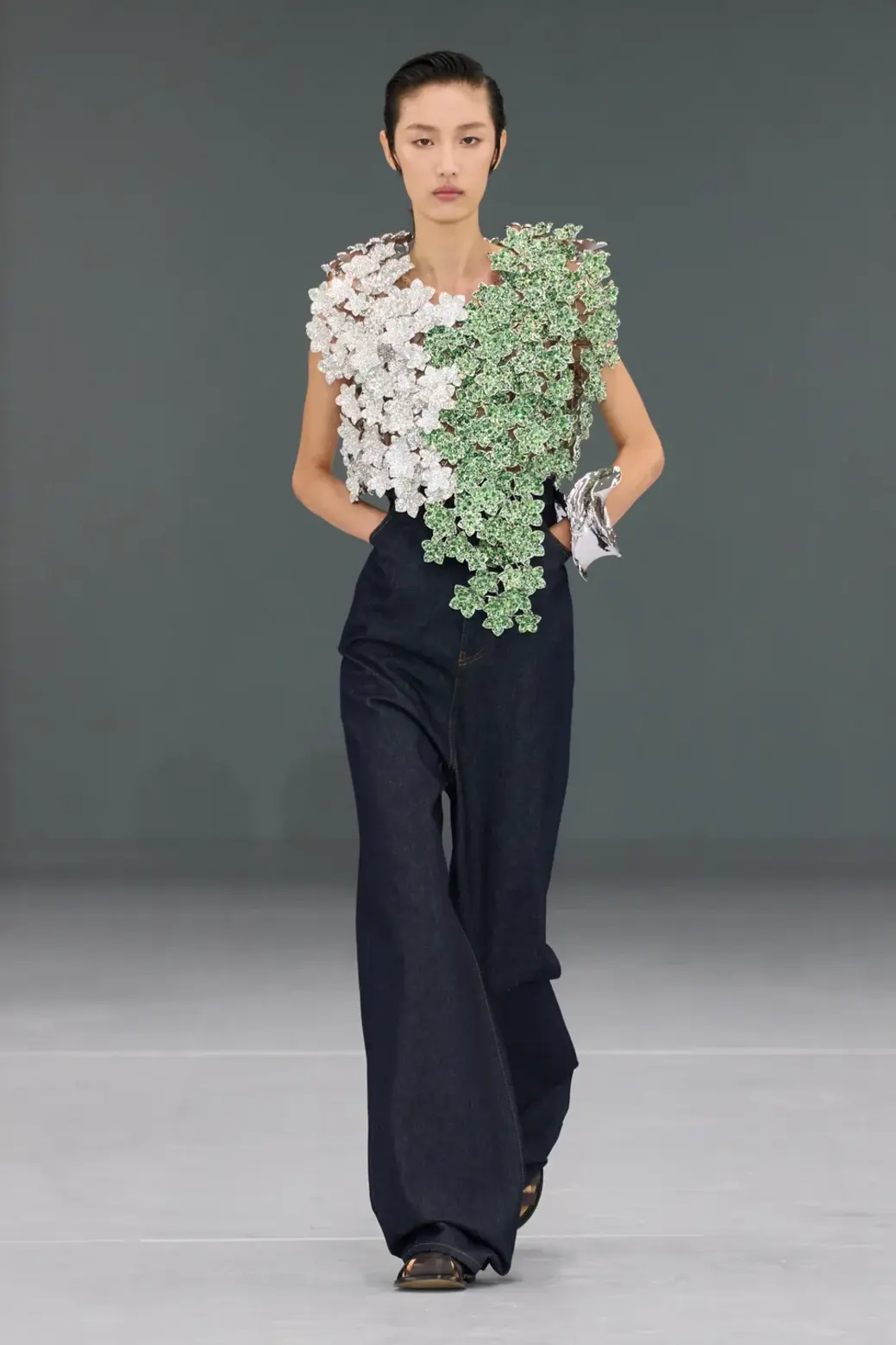
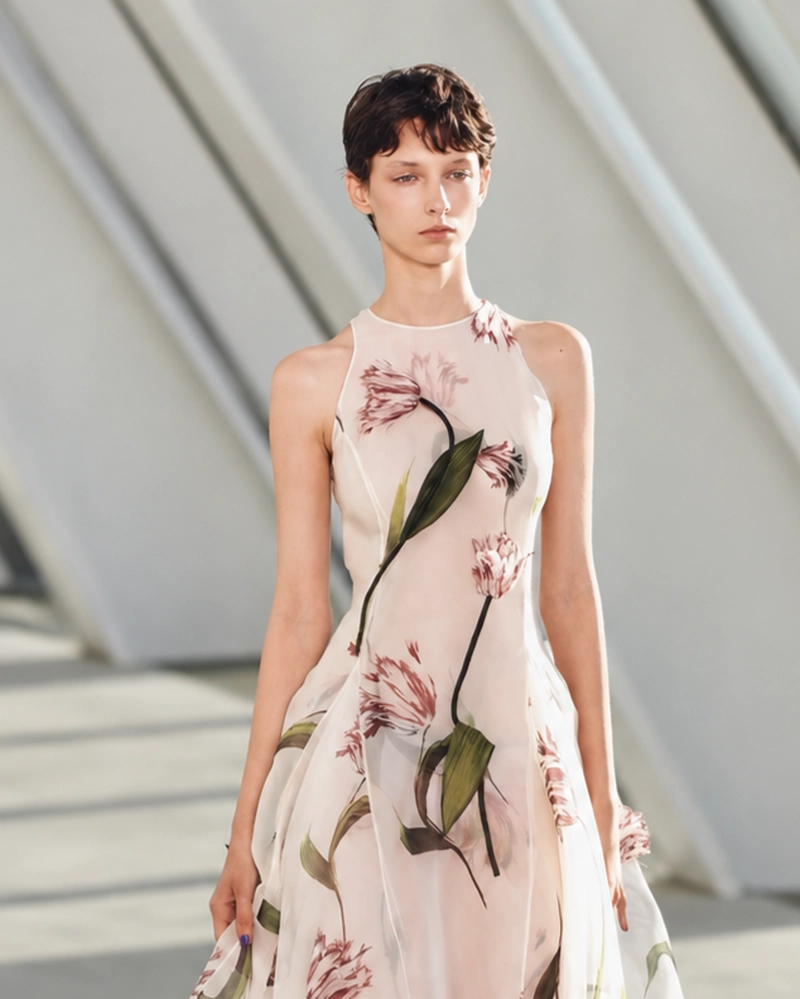
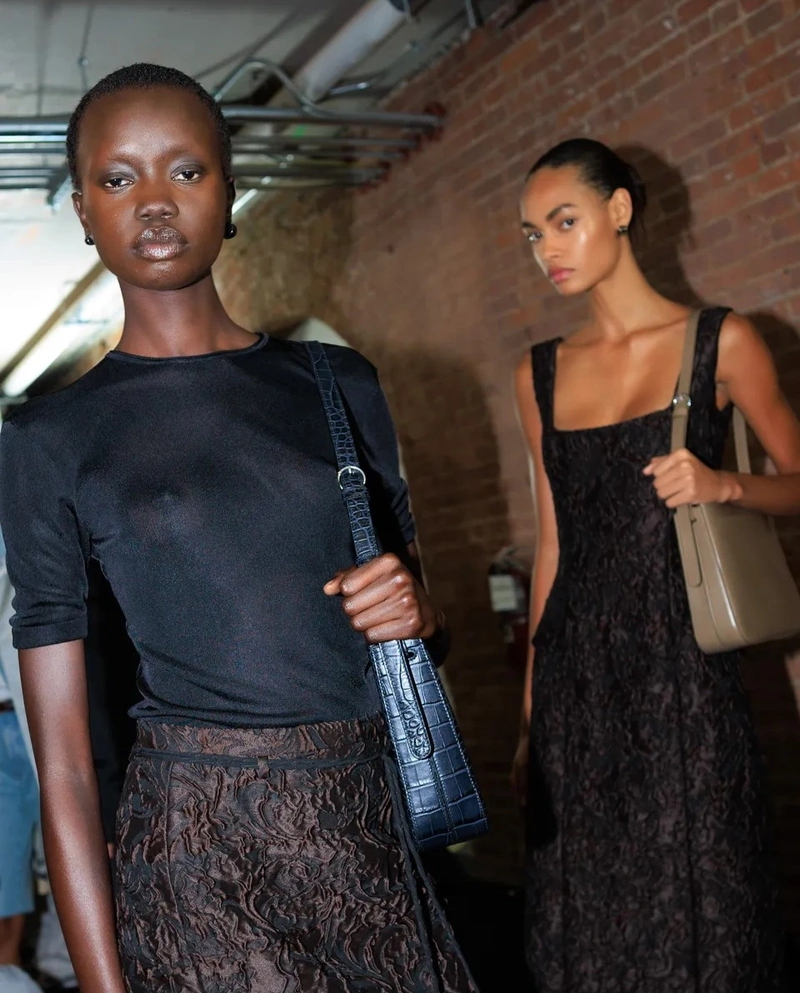
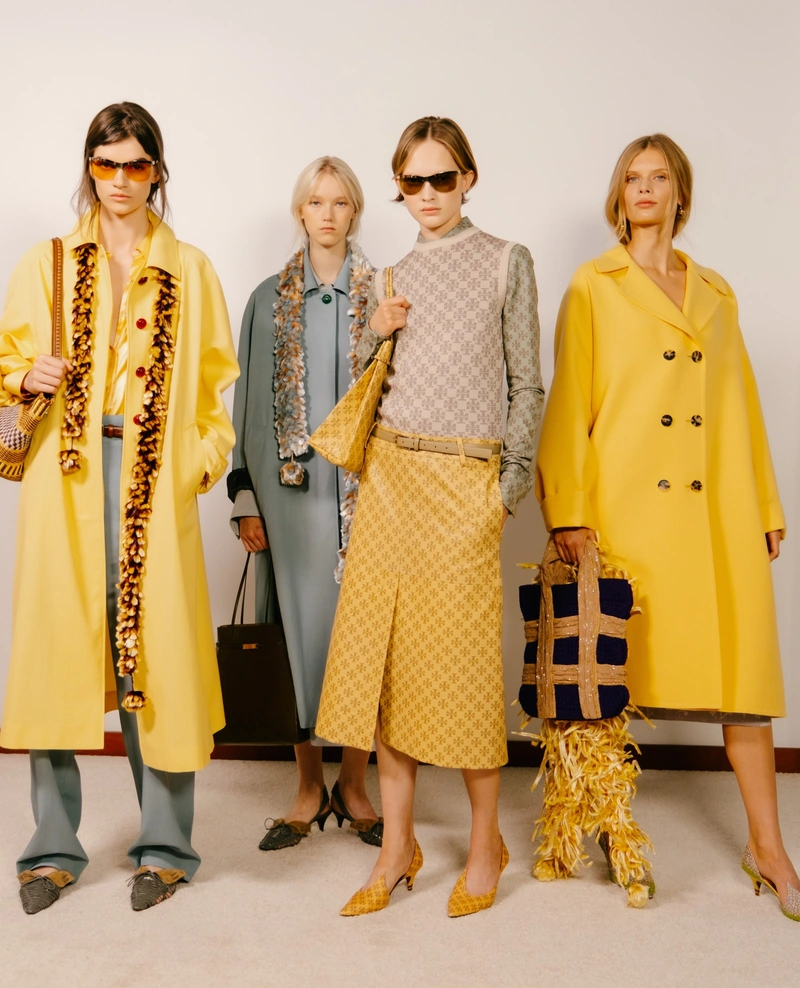
His signature design language lived in contradictions, and he used them as structure. In the clothes: severe lines softened by odd volume, romance interrupted by a technical edge, silhouettes that read wearable from afar and turn surreal up close. In the world-building: runway and campaign imagery that acted like visual essays, built with long-running collaborators such as M/M Paris, Benjamin Bruno, and Steven Meisel, so the brand’s image system became as recognizable as its product.
If Loewe under Jonathan Anderson has an icon that sums up the era, it is the Puzzle bag. The Puzzle first appeared on the Loewe men’s Spring 2015 runway, engineered with fold-flat geometry that still holds an architectural shape once filled, with construction described as painstaking and time-heavy. It became the rare accessory that satisfied every side of the market at once: design people admired the geometry, stylists loved the graphic lines, customers loved that it worked every day. He followed with other signatures that helped define 2010s–2020s luxury leather: the Gate bag, introduced in 2018 as a modern saddle idea that quickly entered the It-bag conversation, and later additions like the Balloon bag, which pushed softness and tactility into the brand’s accessories vocabulary.
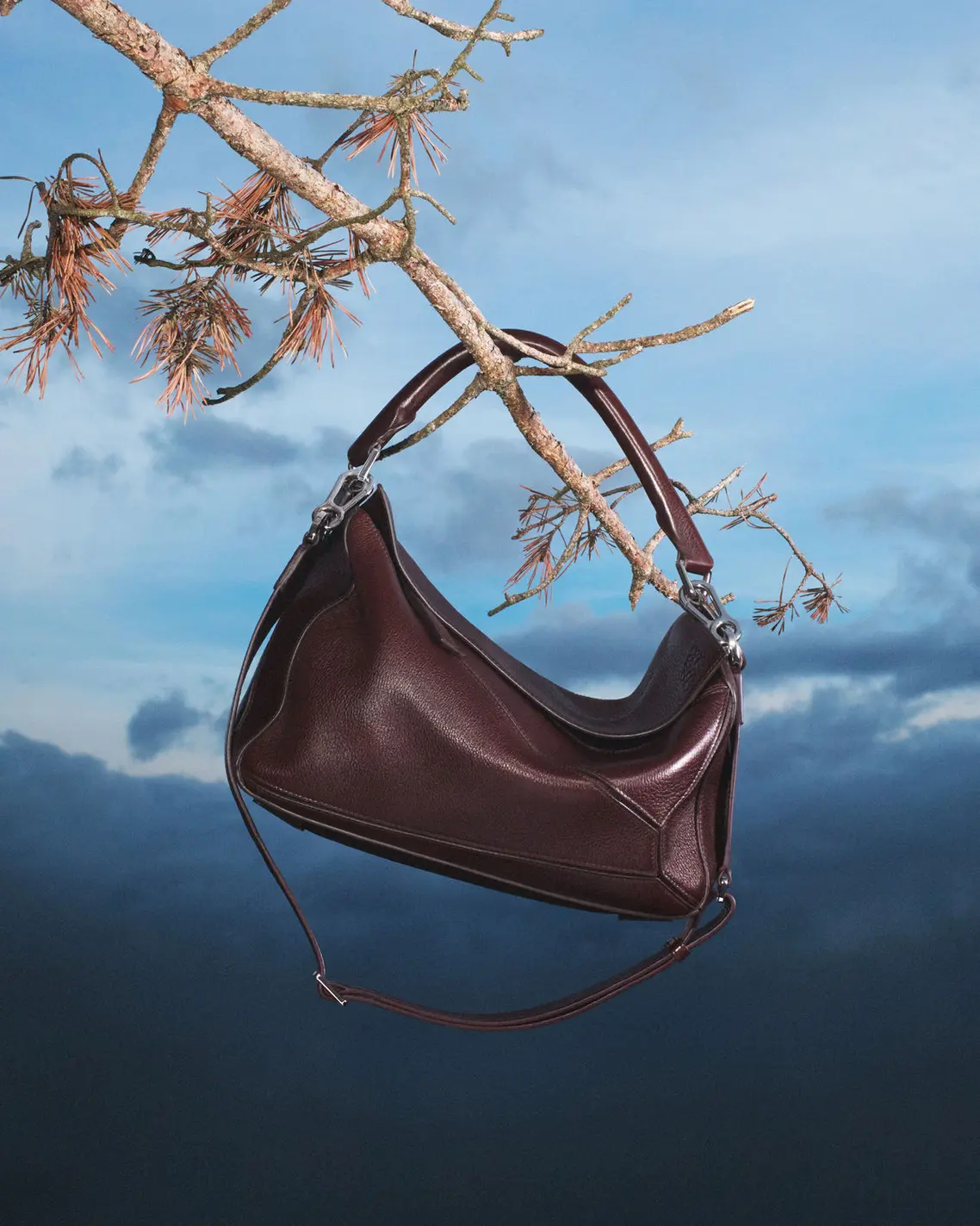
His contribution stretches beyond product into infrastructure: he built Loewe into a cultural platform. The clearest proof is the Loewe Foundation Craft Prize, launched in 2016 and widely credited to Jonathan Anderson’s initiative, turning a luxury house into a serious patron of contemporary craft across disciplines. It signaled a wider shift in fashion’s values, where workmanship and material knowledge regained status as modern taste.
So when Loewe confirmed his exit on 17 March 2025, it read as the closing of a method: a way of proving that modern luxury can be playful without losing rigor, artistic without losing product clarity, and widely desired without flattening into sameness. A week later, Loewe announced Jack McCollough and Lazaro Hernandez as new co-creative directors, beginning 7 April 2025, which underlined the scale of what Jonathan Anderson left behind: a house with momentum, pressure, and a very high bar for meaning.