MENU
Close





On Dec 30, 2024, Galliano bid farewell to Margiela, leaving a decade-long imprint of theatrical shows, audacious collections, and a reinvented vision of what couture could be: a world where every garment had a story, and every runway a drama.
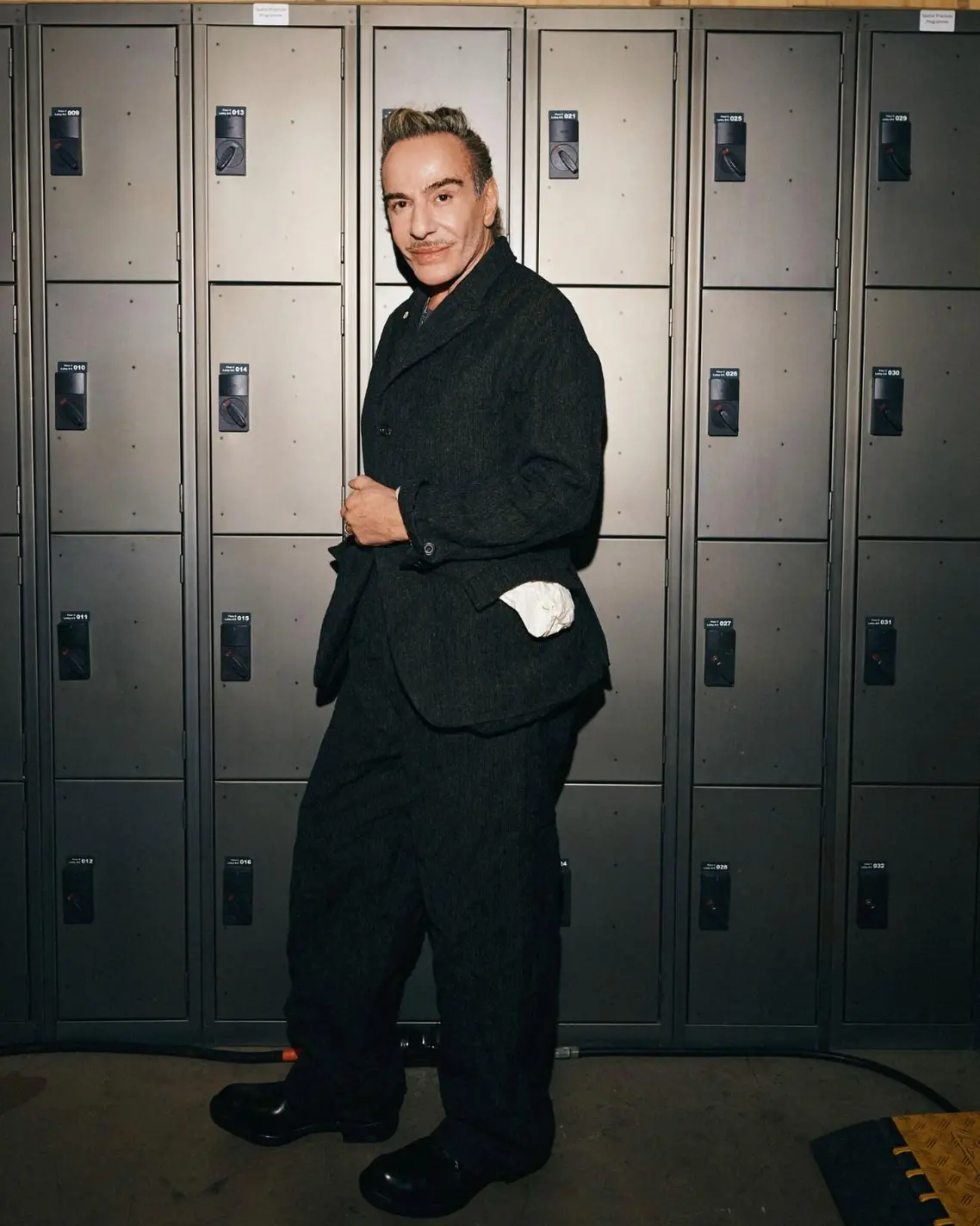
On Dec 30, 2024, Galliano bid farewell to Margiela, leaving a decade-long imprint of theatrical shows, audacious collections, and a reinvented vision of what couture could be: a world where every garment had a story, and every runway a drama.
December 11, 2025


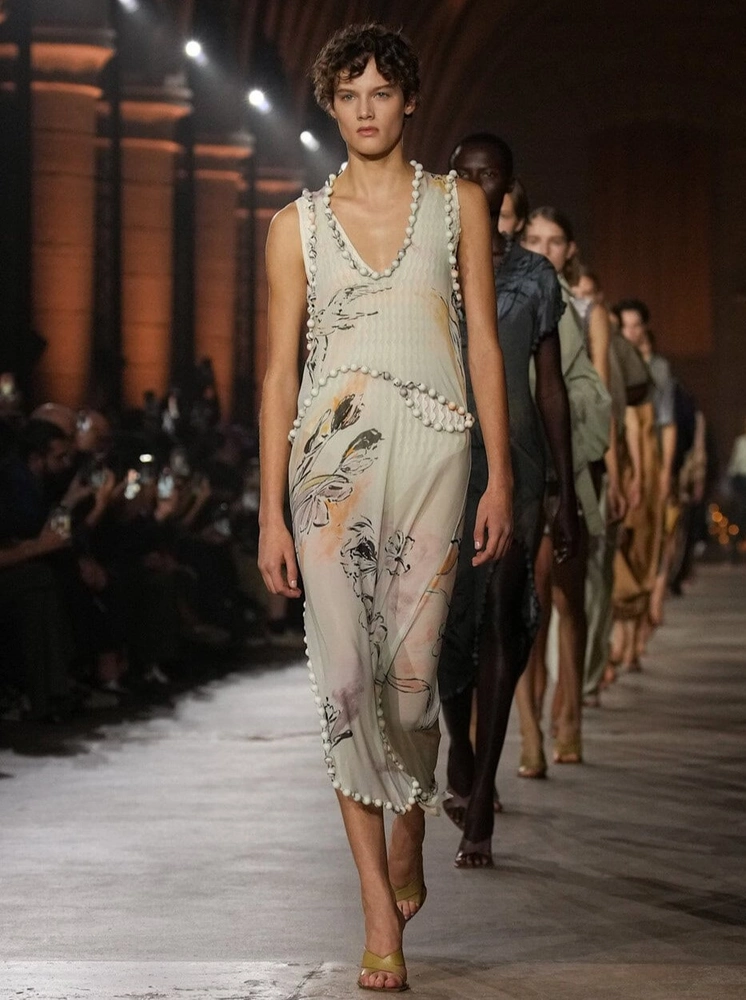
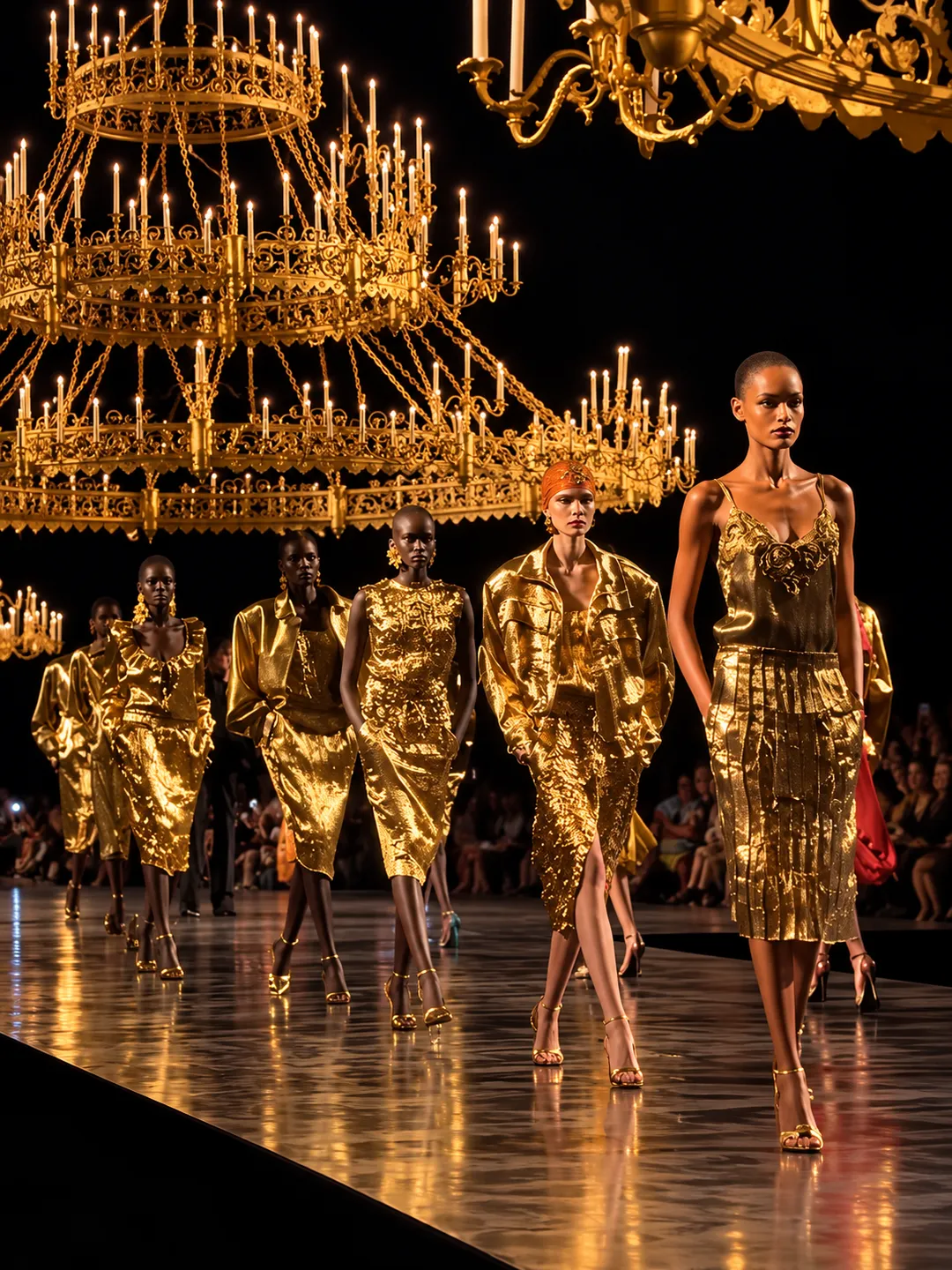
Before entering Margiela’s world, Galliano had already carved out a formidable legacy — from his own label John Galliano, to Givenchy, and of course Dior, where he transformed the runway into a baroque opera of silhouettes, drama, and theatrical excess.
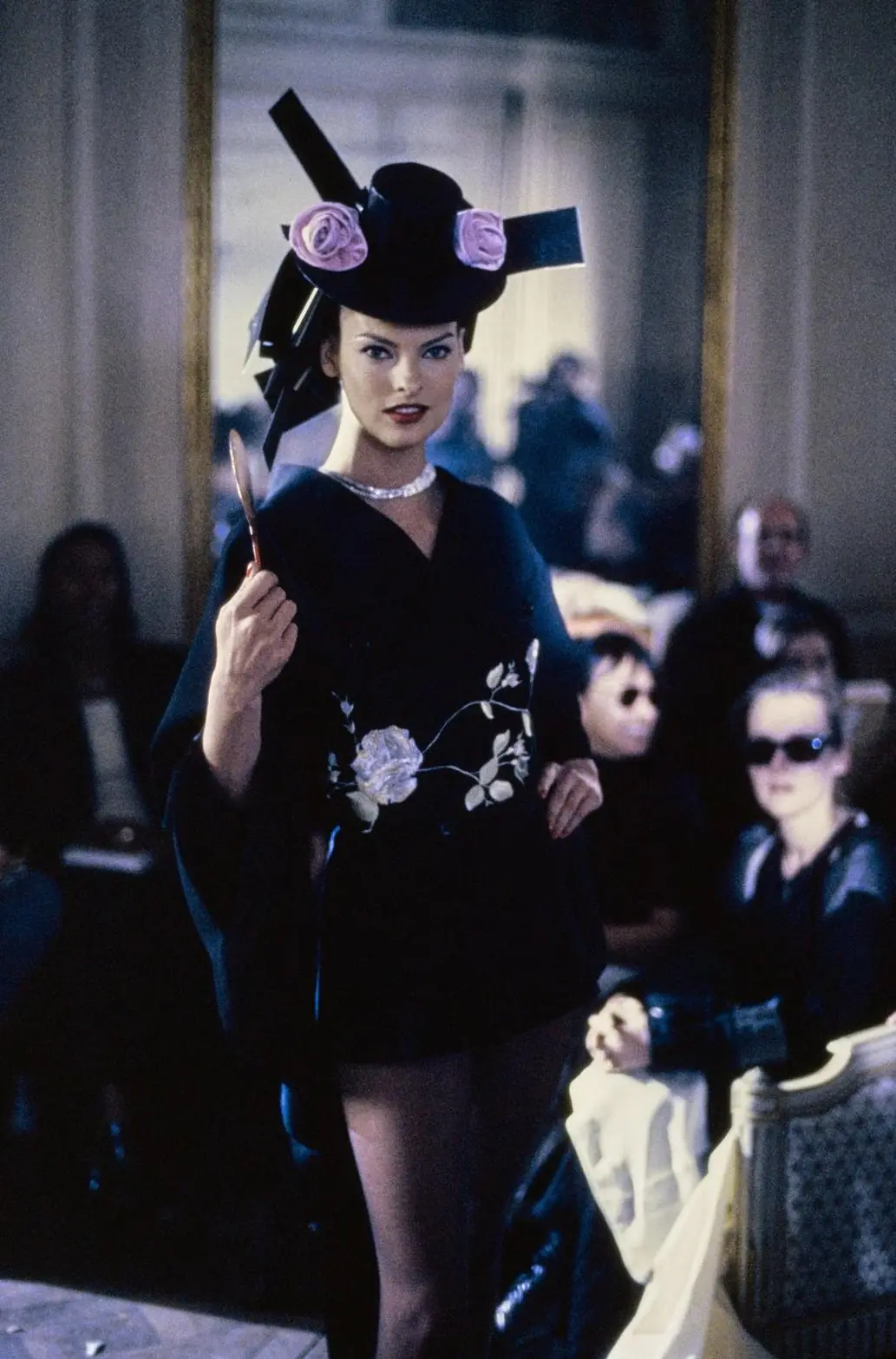
Bias-cut mastery, historical romanticism, character-driven storytelling - these weren’t signatures; they were his native language.
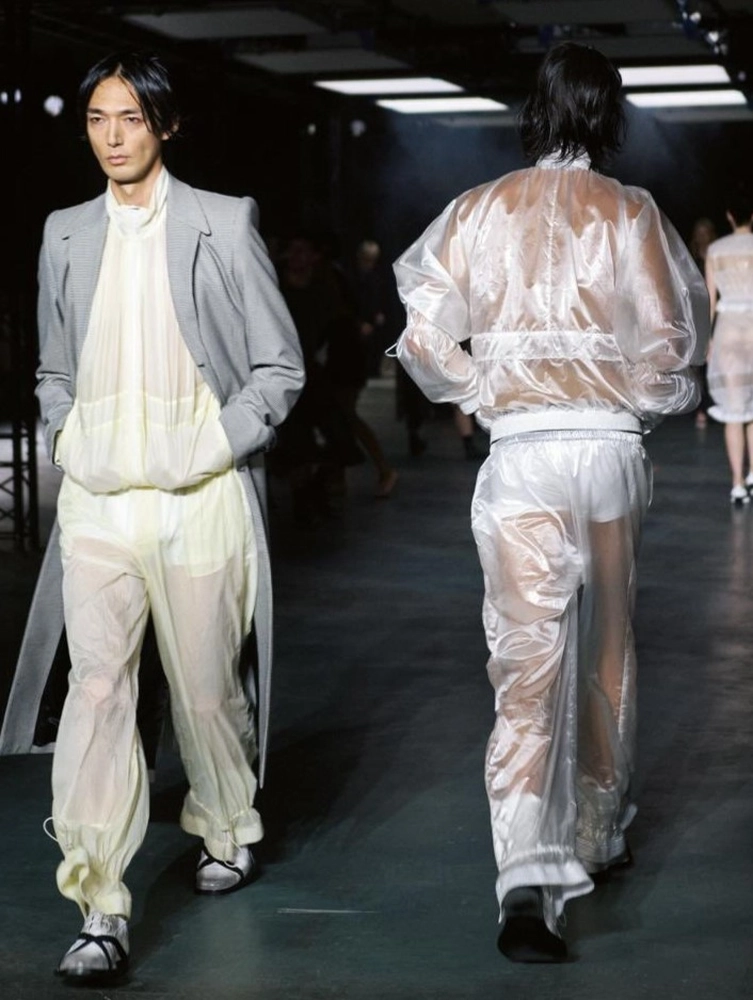
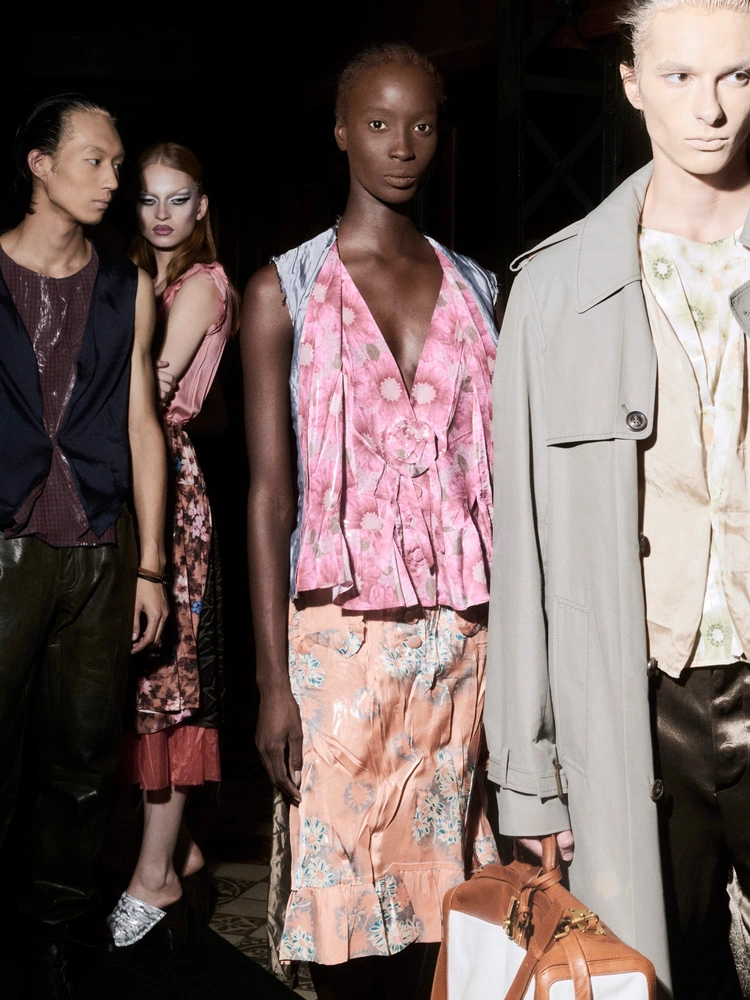
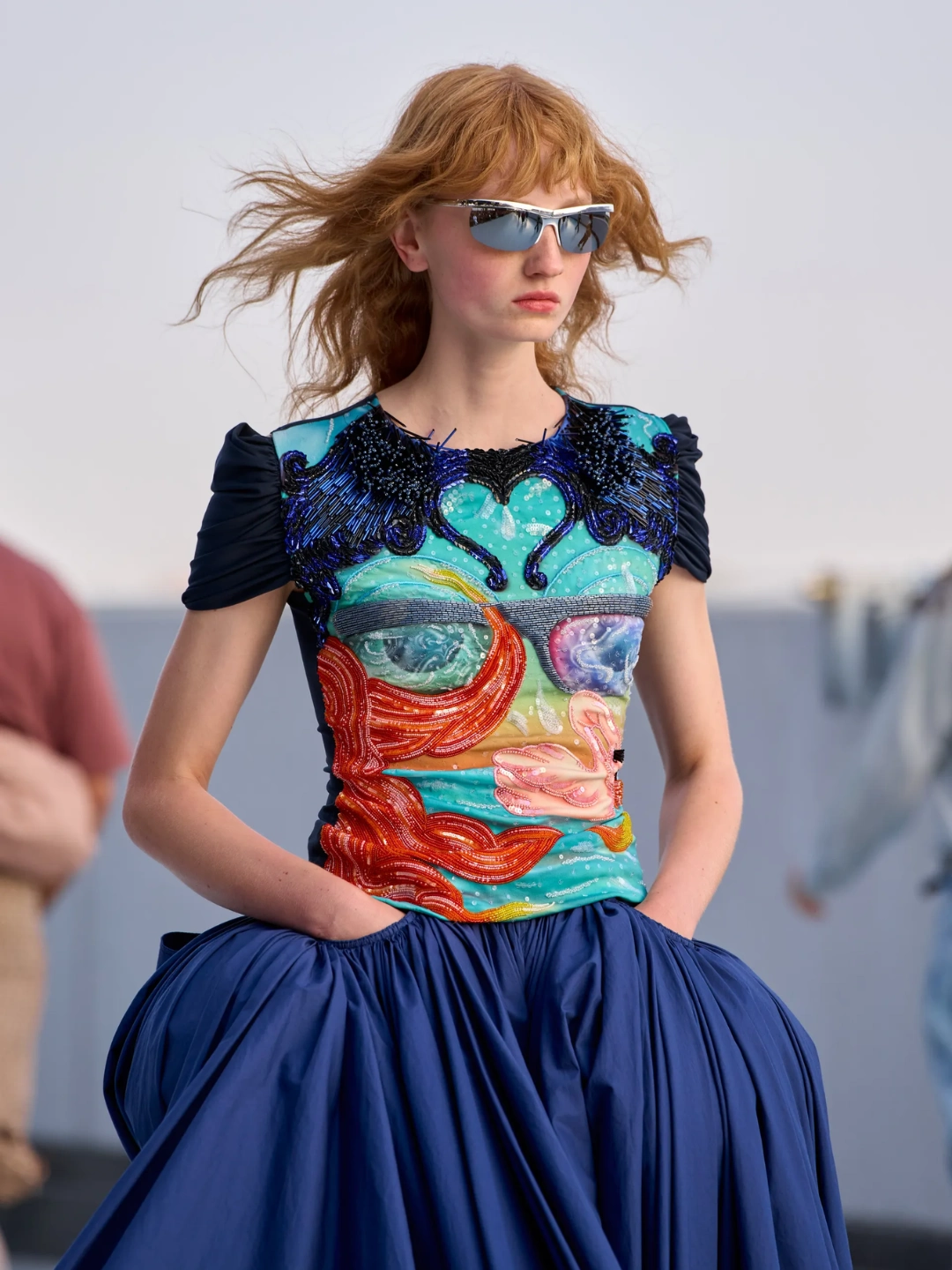
The house’s emphasis on raw finishes, unfinished garments, and recycled materials became a new canvas for his theatrical instincts. This was not the gilded opera of Dior; this was anarchic couture, utilizing deconstruction as a narrative device rather than a purely intellectual exercise. Aesthetic Extremity: Collections frequently achieved moments of transcendent design—such as the transformative Artisanal line—where his bias-cut mastery was fused with Margiela’s codes (e.g., the use of décortiqué cutting). Margiela has always been a house of deconstruction, anonymity, and obsessive craft. Galliano injected theatricality without drowning the intellect, pushing Margiela’s codes into stranger, deeper terrain.
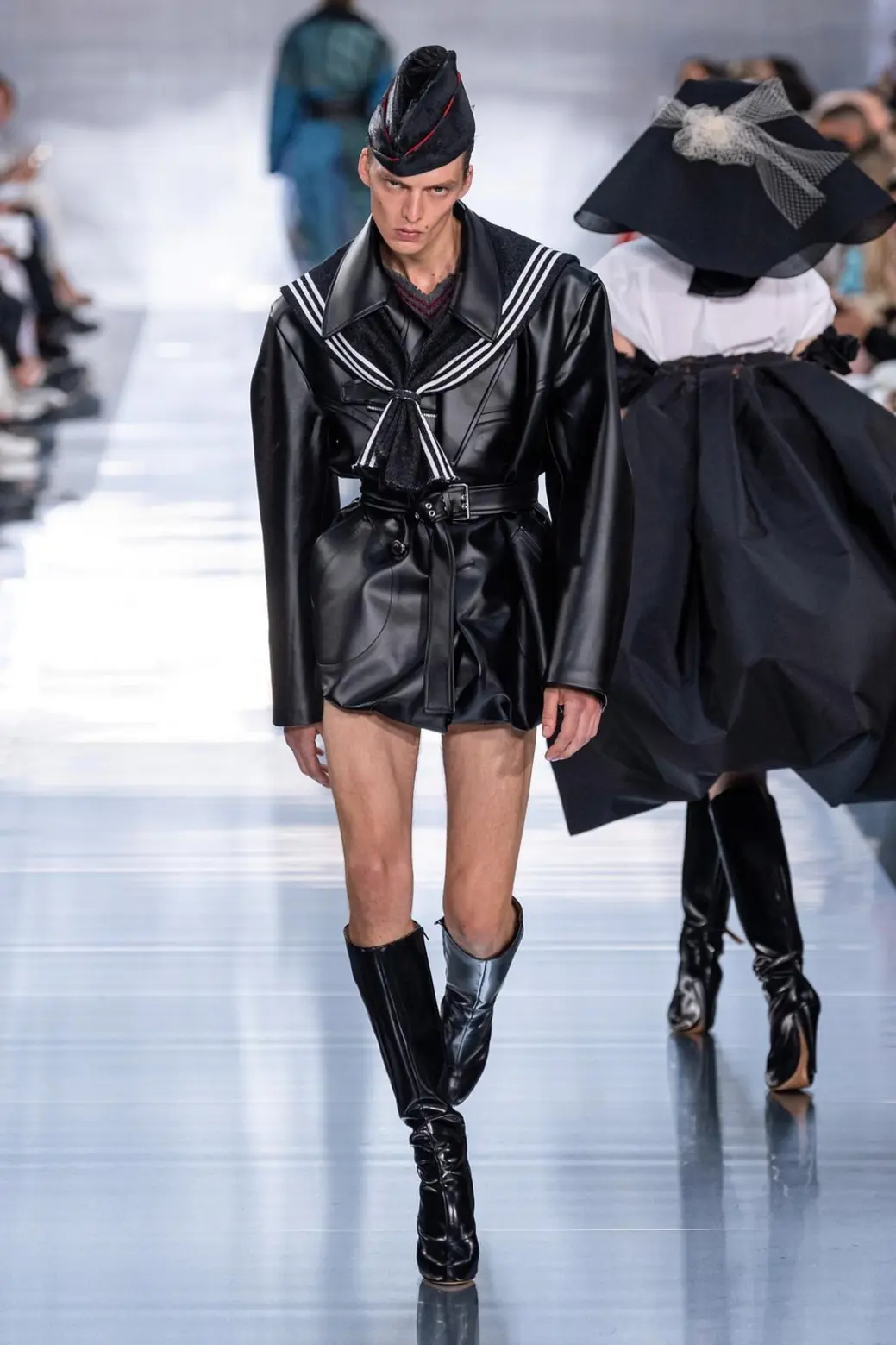
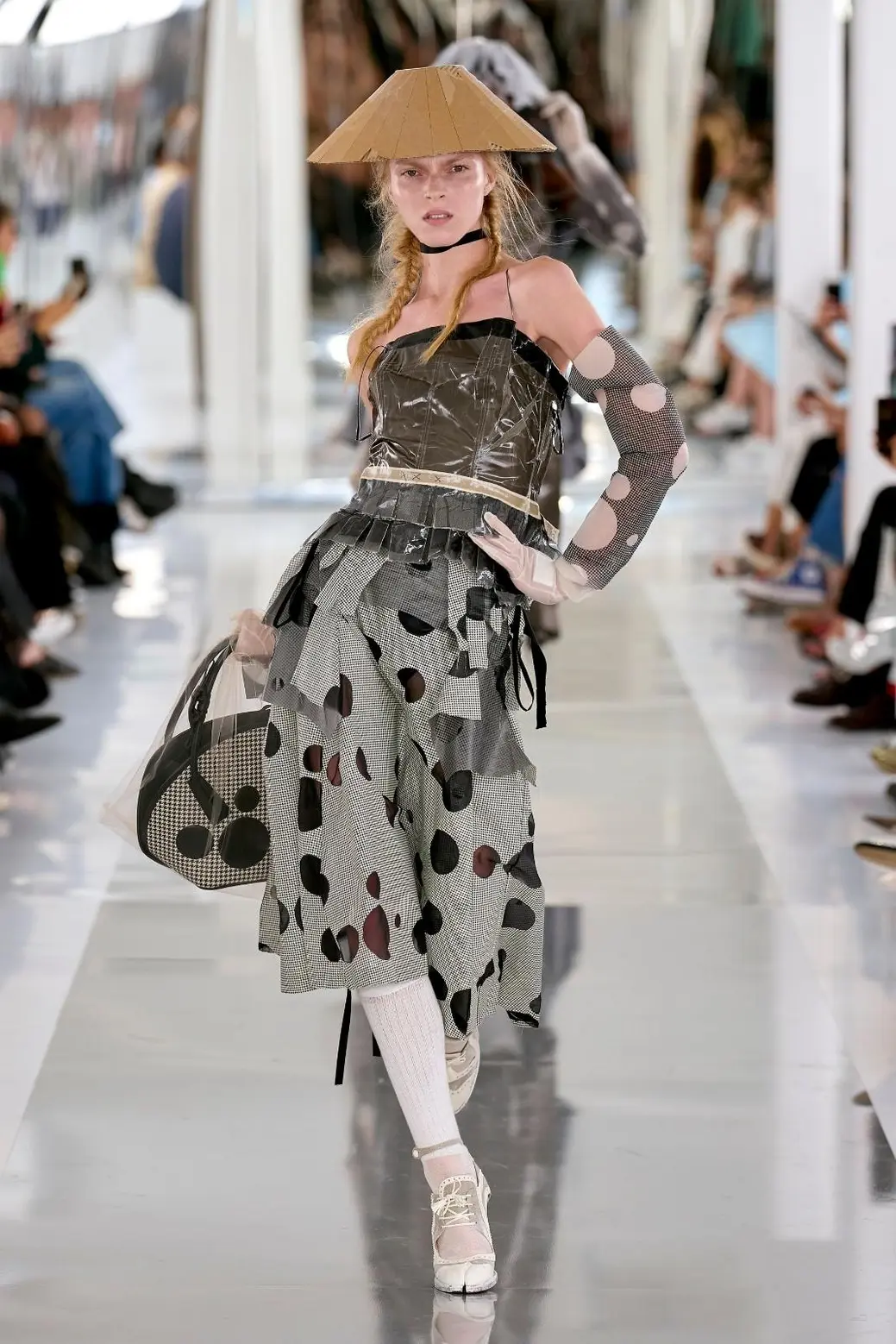
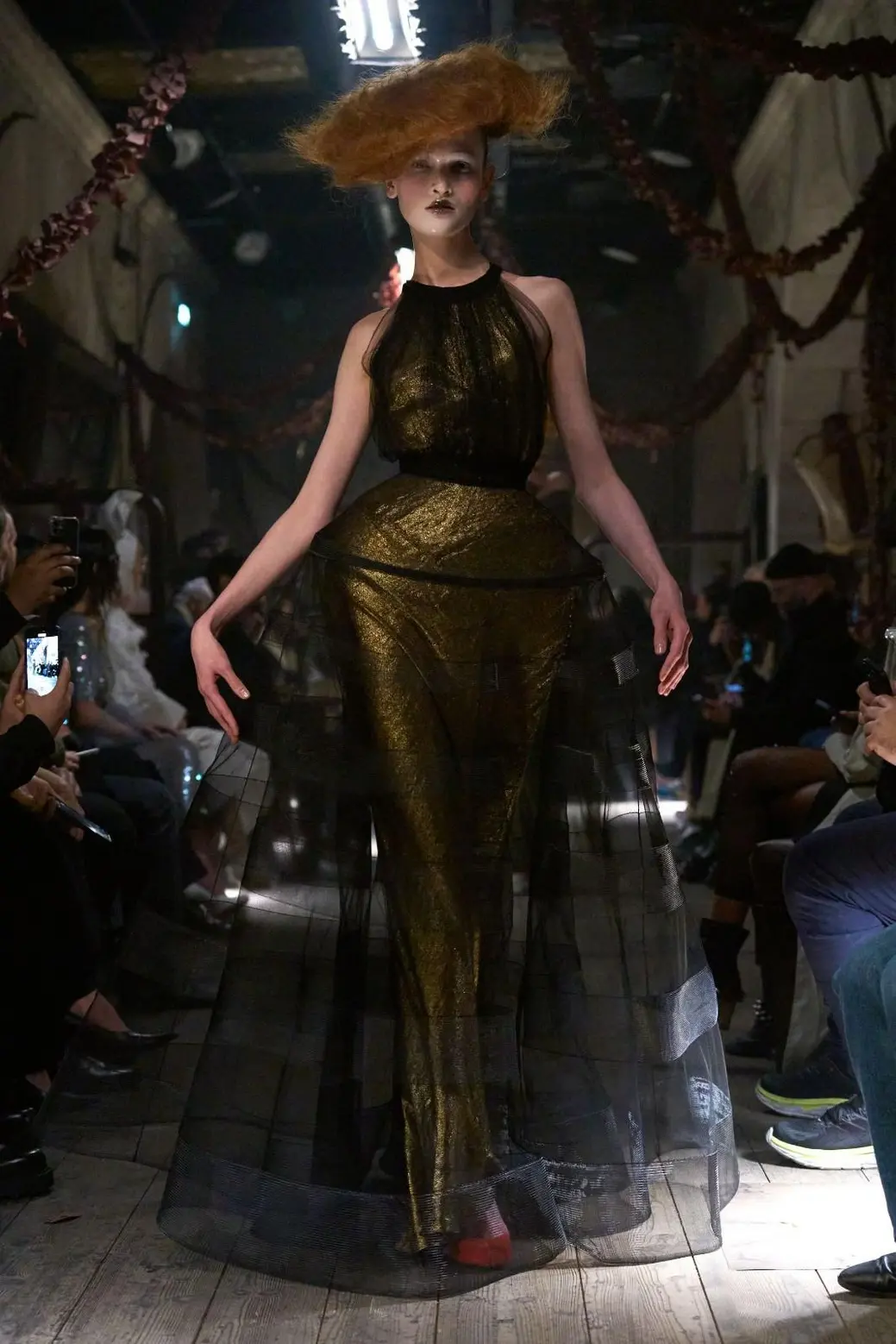
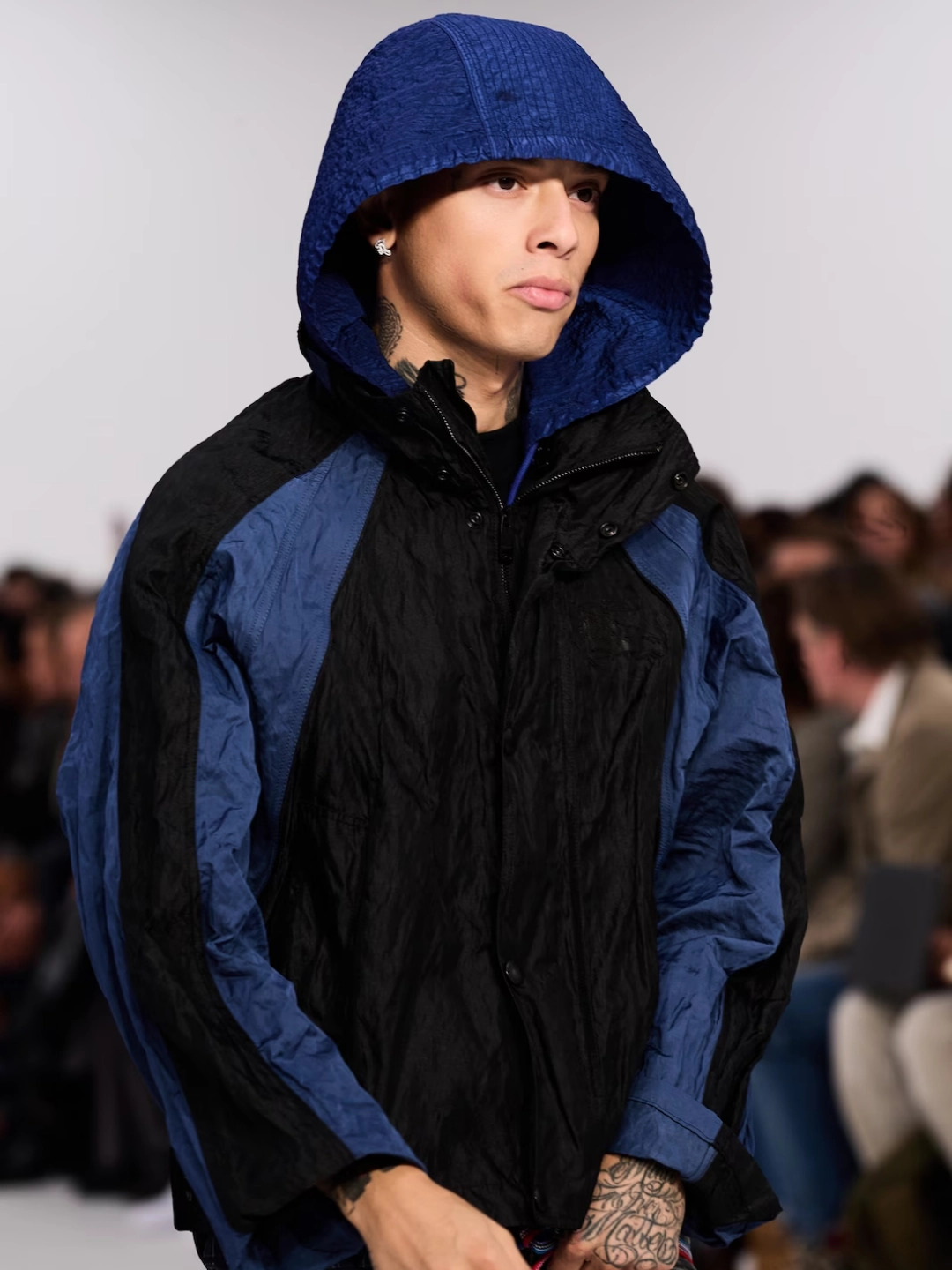
Leon Dame’s infamous Spring 2020 walk became the perfect metaphor for this shift. It wasn’t just a stunt; it was Galliano weaponizing movement. If the runway were a piano, Leon was the discordant note struck with intention: a jolt that broke the internet, crystalized the anarchic voltage of Galliano’s Margiela. Continued by Spring 2024 Ready-to-wear's collection, that voltage refined into something more controlled. Collin Jones moved like a gothic protagonist torn from a fevered novella - deliberate, eccentric, unmistakably molded by Galliano’s theatrical instincts. It showed how he could stretch Margiela’s identity not by volume, but by presence.
And then came Spring 2024 Couture — the Doll Show. The final opus. A dollhouse of uncanny beauty, where garments breathed, cracked, whispered. It was eerie, poetic, meticulously deranged. Couture not as construction, but as séance. A finale so complete it felt like Galliano signing his name in smoke.
Galliano steps away, but the footprint he leaves at Margiela won’t fade anytime soon. He proved the house could be intellectual and emotional, deconstructed yet drenched in drama. In an industry increasingly allergic to risk, Galliano gave Margiela a tenure that was never safe, never timid, never done for show.

From Dior to Givenchy to his own label and then Margiela, Galliano has always been a wanderer, and every place he’s touched has turned into legend. And maybe, like in his autobiographical film High and Low, this departure is just one of those valleys before the next ascent. He seemed happy. He seemed fulfilled. He gave Margiela a decade of devotion and, in return, was given a place to dream again.