MENU
Close





Jackson Pollock remains one of the most radical figures in modern art, a painter who transformed the act of painting into a physical, almost theatrical event.
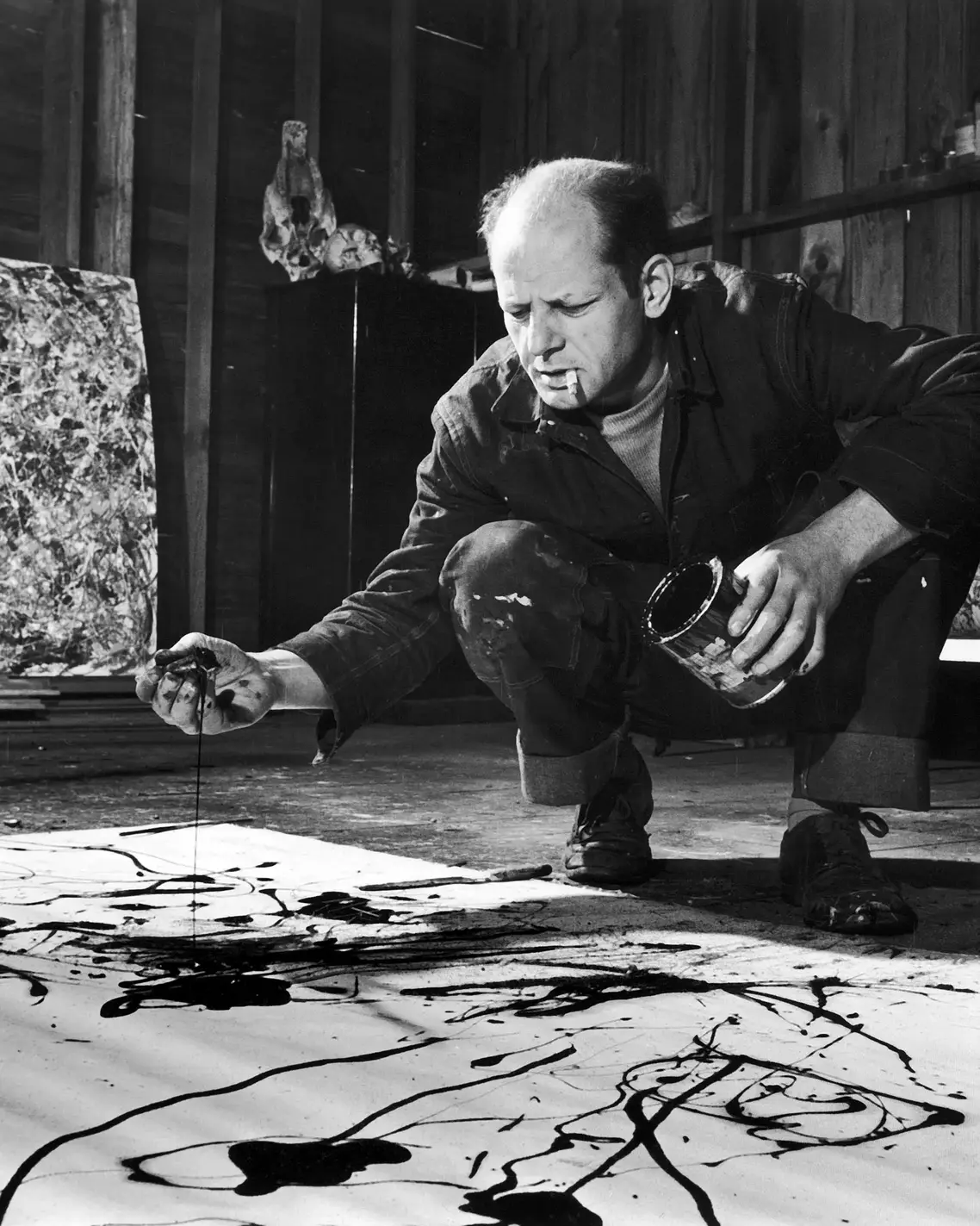
Jackson Pollock remains one of the most radical figures in modern art, a painter who transformed the act of painting into a physical, almost theatrical event.
January 28, 2026


Born in 1912 in Cody, Wyoming, Pollock rose to prominence in the late 1940s as a leading force of Abstract Expressionism, forever altering how artists and audiences understood creativity, movement, and emotion on canvas.
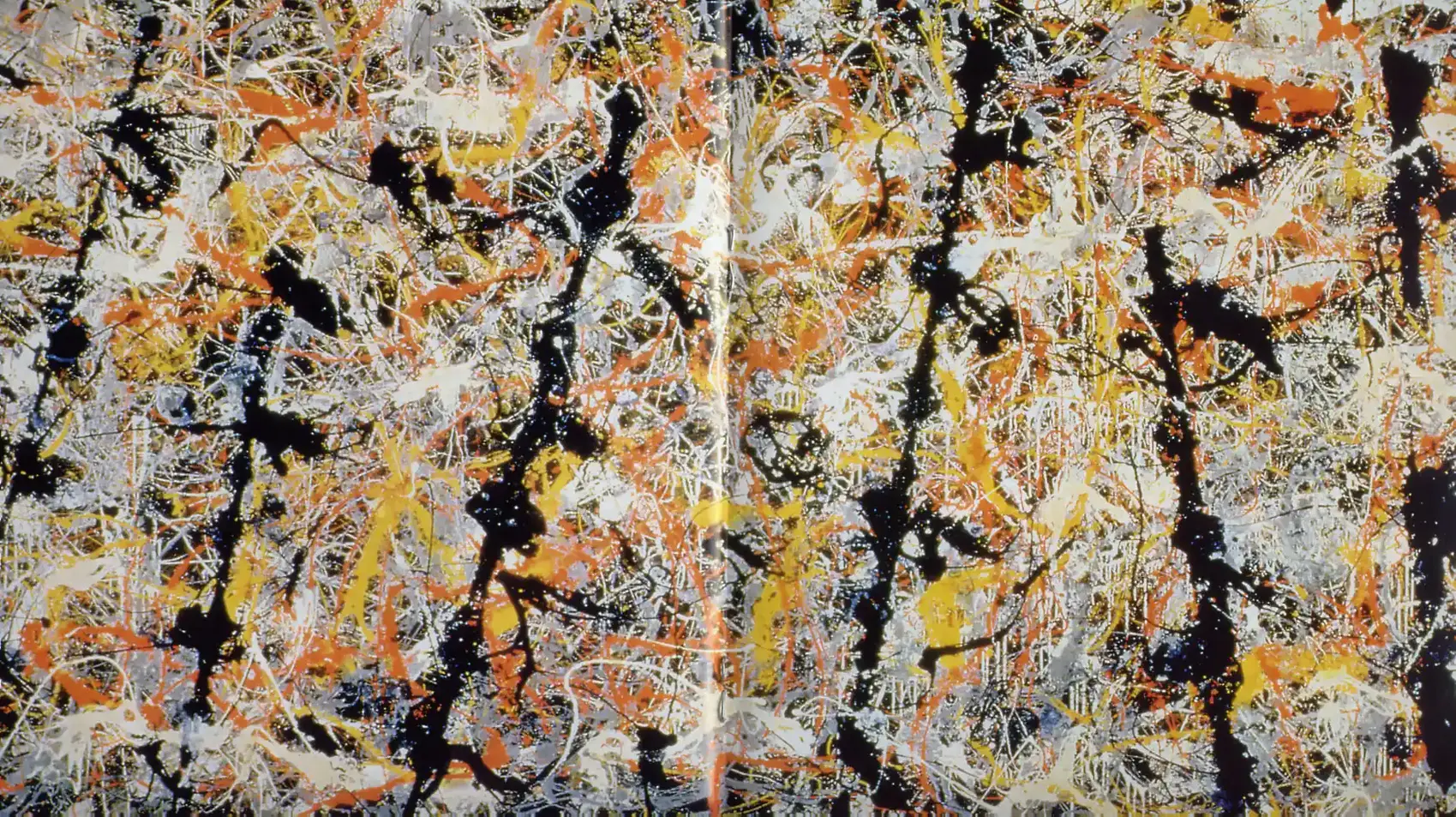
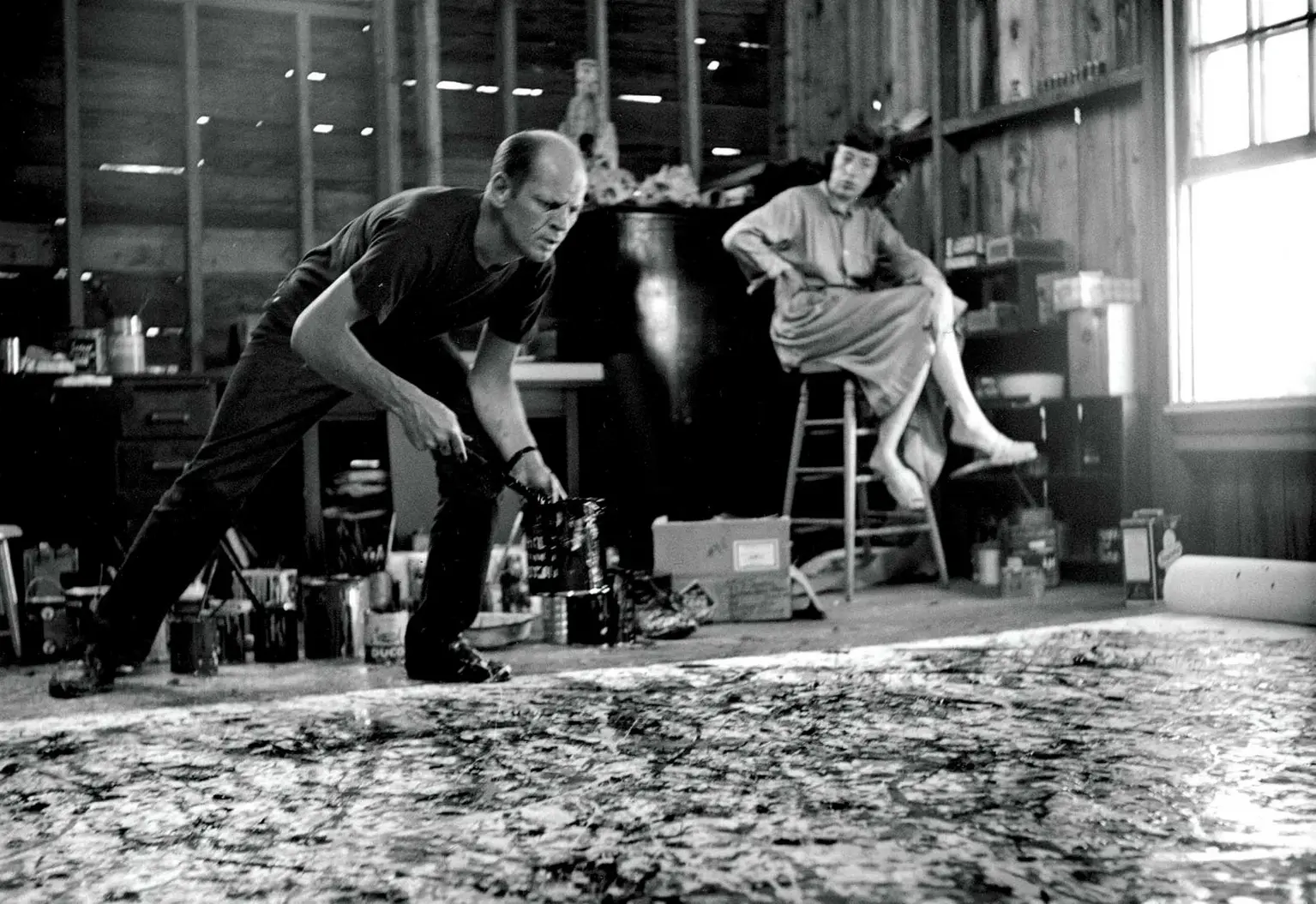
Jackson Pollock’s signature contribution was his revolutionary drip painting technique. Rather than placing the canvas on an easel, he laid it flat on the floor, walking around it as he poured, flicked, and splattered industrial enamel paint using sticks, hardened brushes, and even syringes. This method allowed him to paint from all sides, creating dense webs of lines that pulse with rhythm and energy. Critics later coined the term “action painting” to describe this approach, emphasizing that the process itself was as vital as the finished work. Pollock rejected traditional composition, perspective, and focal points, instead offering an immersive field where the viewer’s eye moves endlessly.
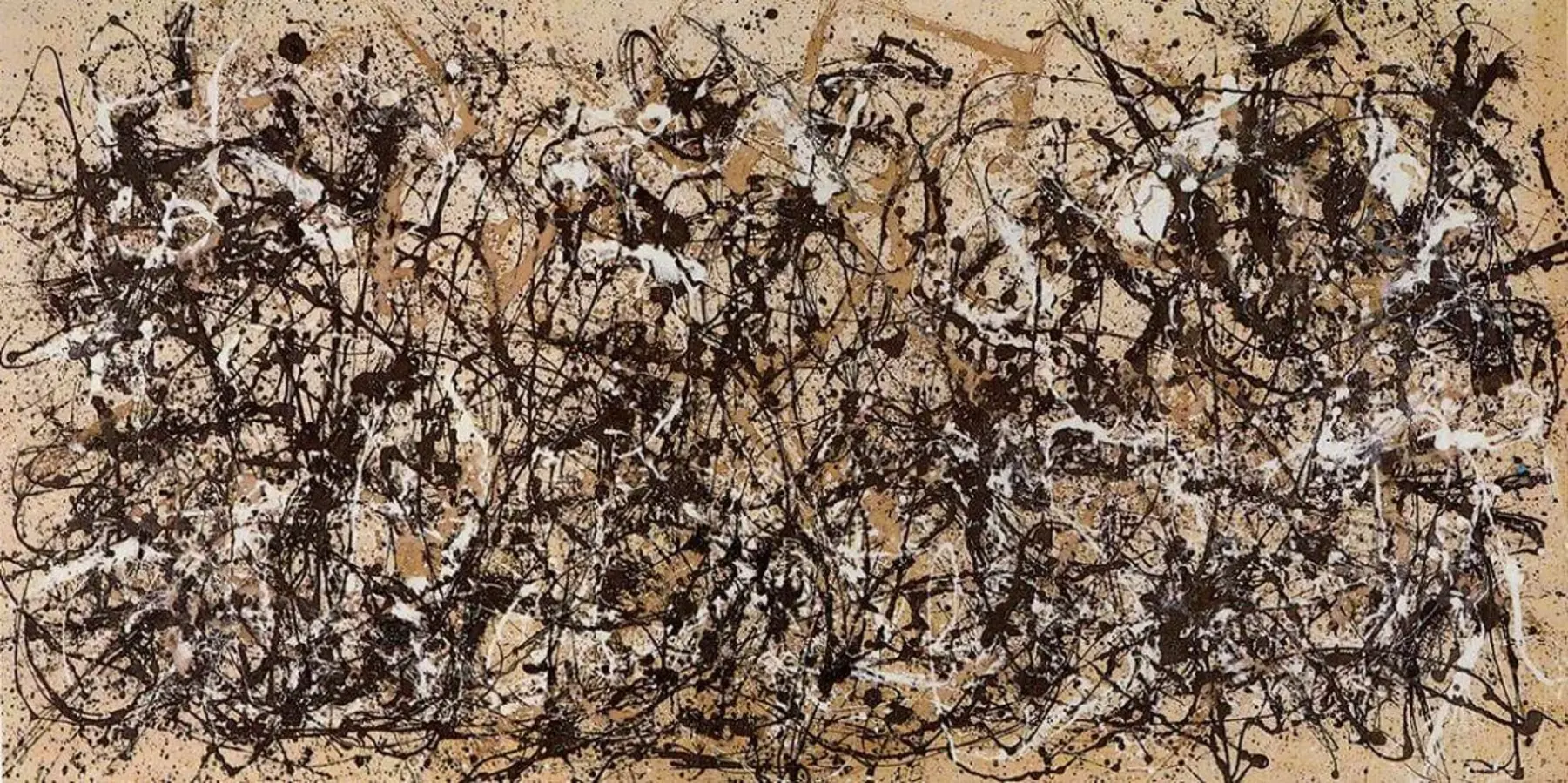
Among his most celebrated works are Number 1A, 1948, Autumn Rhythm (Number 30), and Blue Poles. These monumental canvases exemplify his mature style, balancing chaos and control through layered gestures that feel both spontaneous and intentional. Today, these works command staggering prices and occupy central places in major museums worldwide.
Pollock’s personal life was as intense as his art. He struggled with alcoholism for much of his adult life, a battle that deeply affected his career and relationships. His marriage to fellow artist Lee Krasner was both supportive and tumultuous. Krasner played a crucial role in managing his career, preserving his legacy, and shaping how his work was later understood. Tragically, Pollock’s life was cut short in 1956 when he died in a car accident at the age of 44.
Fun facts add further texture to his legend. Jackson Pollock was nicknamed “Jack the Dripper” by critics who initially mocked his unconventional methods. He was also heavily influenced by Native American sand painting and Jungian psychology, which informed his belief that painting could access the subconscious. Despite his fame, he remained deeply private and uneasy with fame.

Jackson Pollock’s life and art were later dramatized in the biographical film Pollock, directed by and starring Ed Harris, with Marcia Gay Harden earning an Academy Award for her portrayal of Lee Krasner. The film offers an intimate portrait of a brilliant, tormented artist whose legacy continues to ripple through contemporary art.